
7Hz Salnotes Zero Review
Most budget in-ear monitors get built around a single trade-off: a bass-forward tuning that buries the mids, or a flat but lifeless response that sacrifices engagement. The 7Hz Salnotes Zero approaches that bracket from a different angle. It targets a neutral, detail-forward signature with a Harman-style sub-bass shelf, backed by a 10 mm dynamic driver and a detachable cable in a package that a large portion of the wired IEM community has treated as a baseline reference for years. The product carries a 4.4-out-of-5 rating across 2,707 reviews on Amazon, and the listening impressions behind that number point to a specific set of strengths and one recurring weakness that shapes who will love it and who will move on.
Build Quality and Design
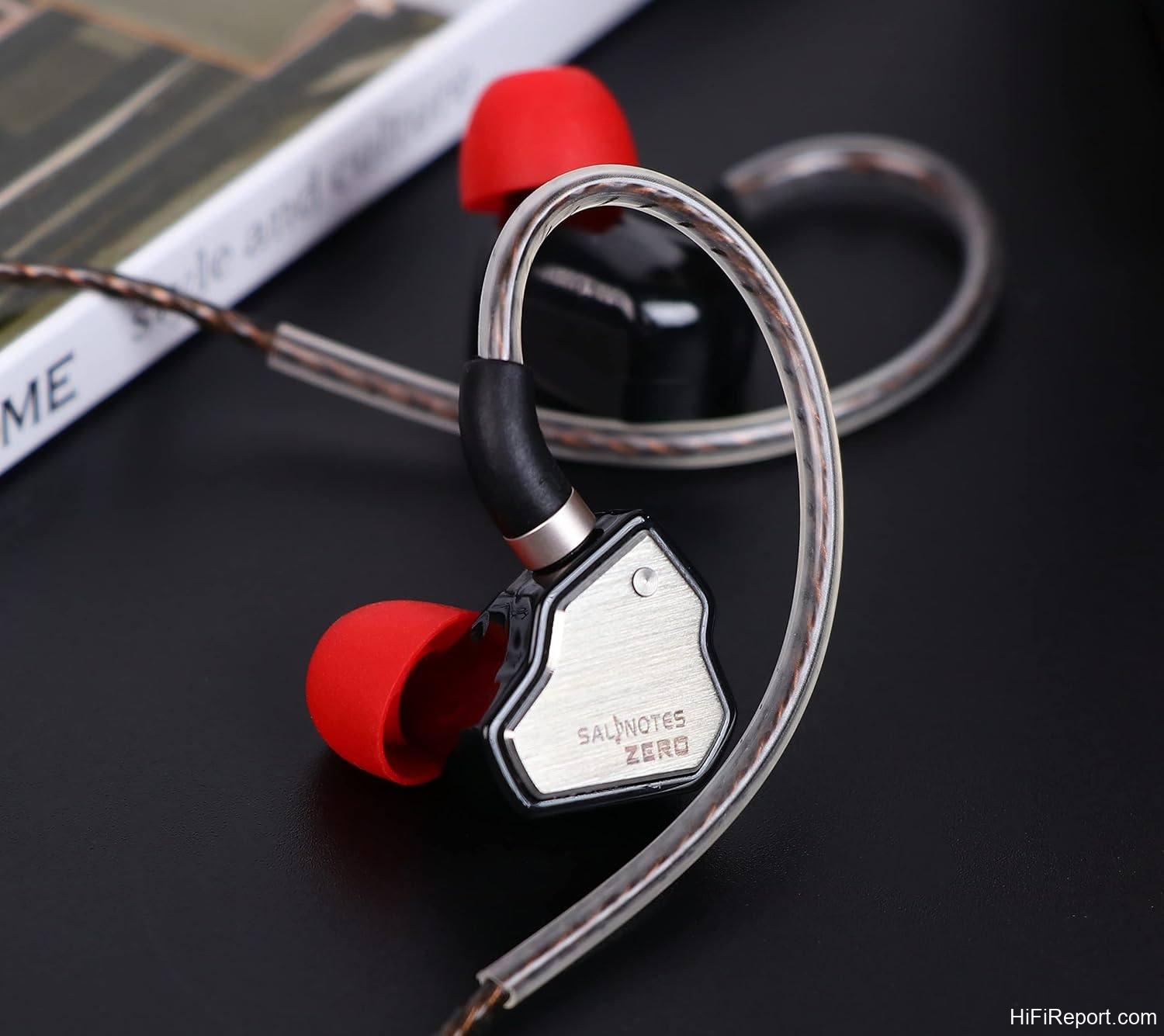
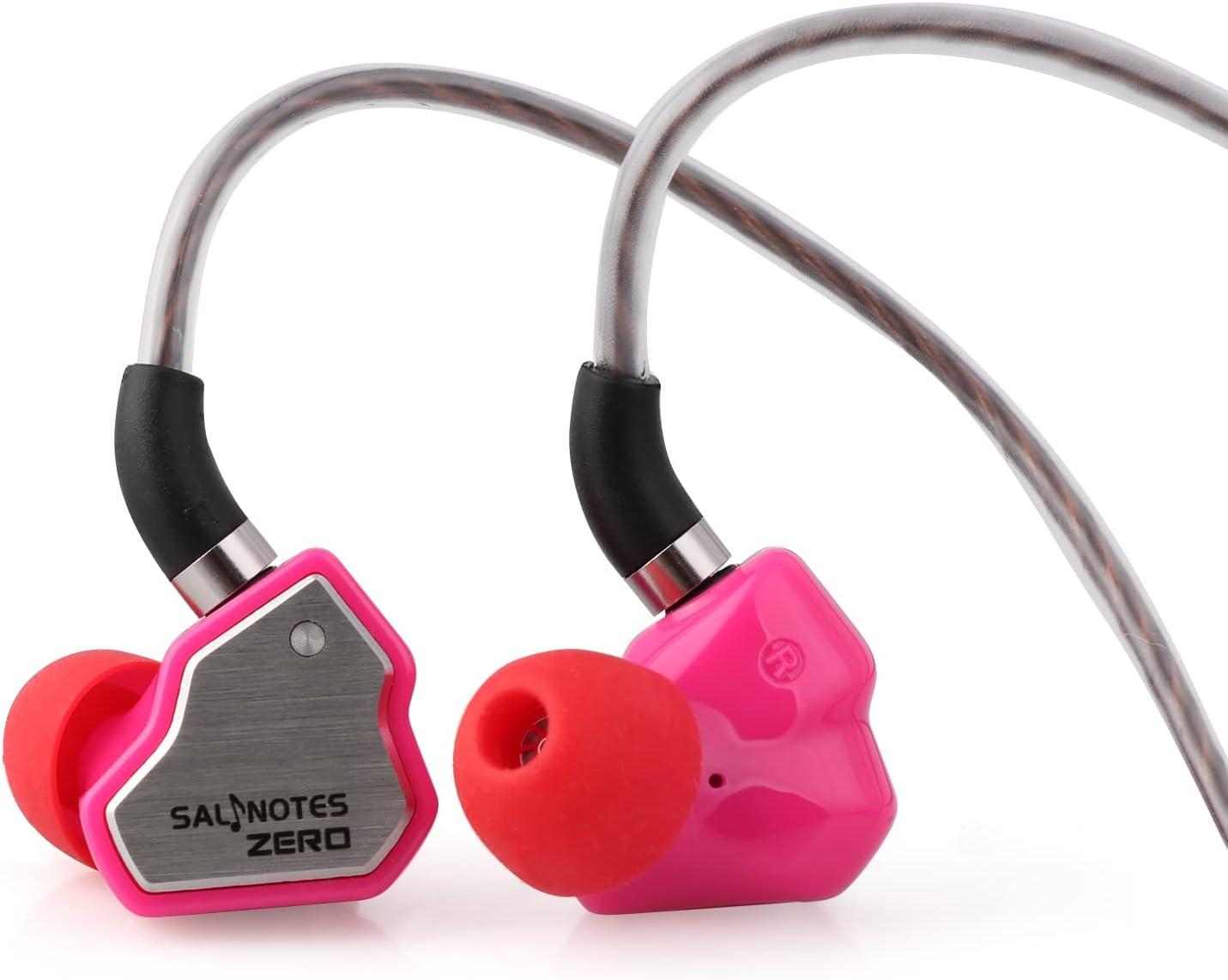
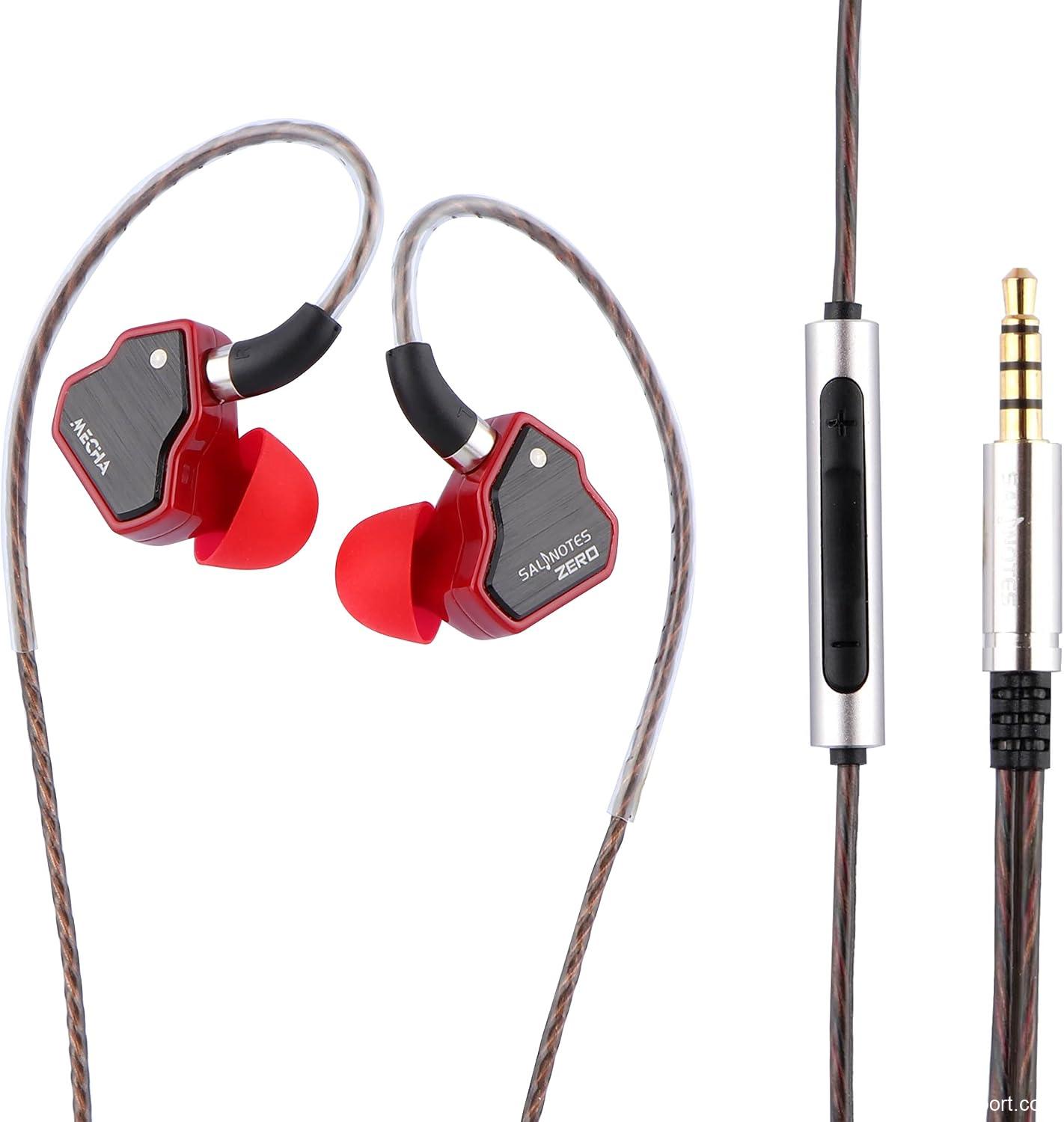
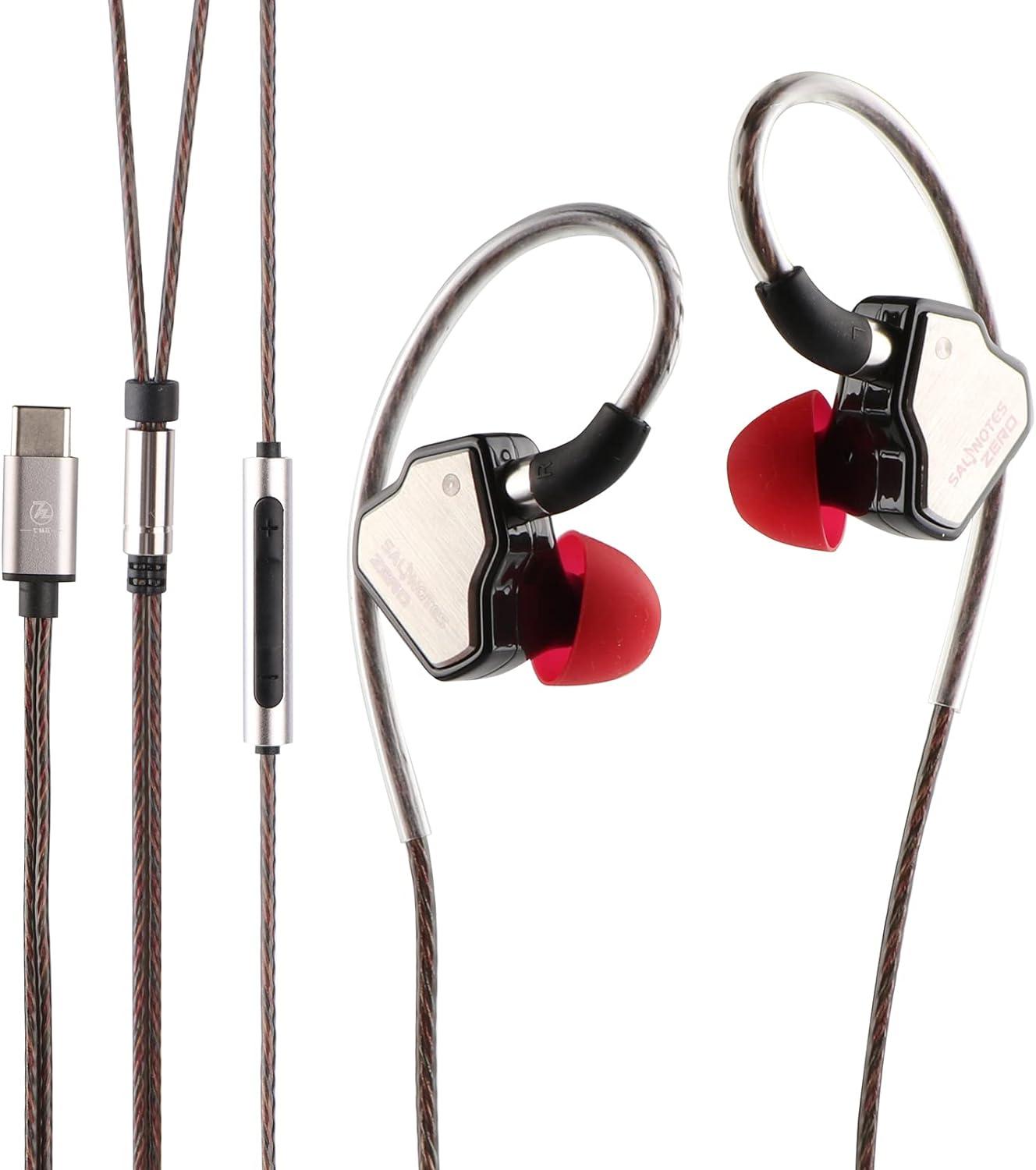
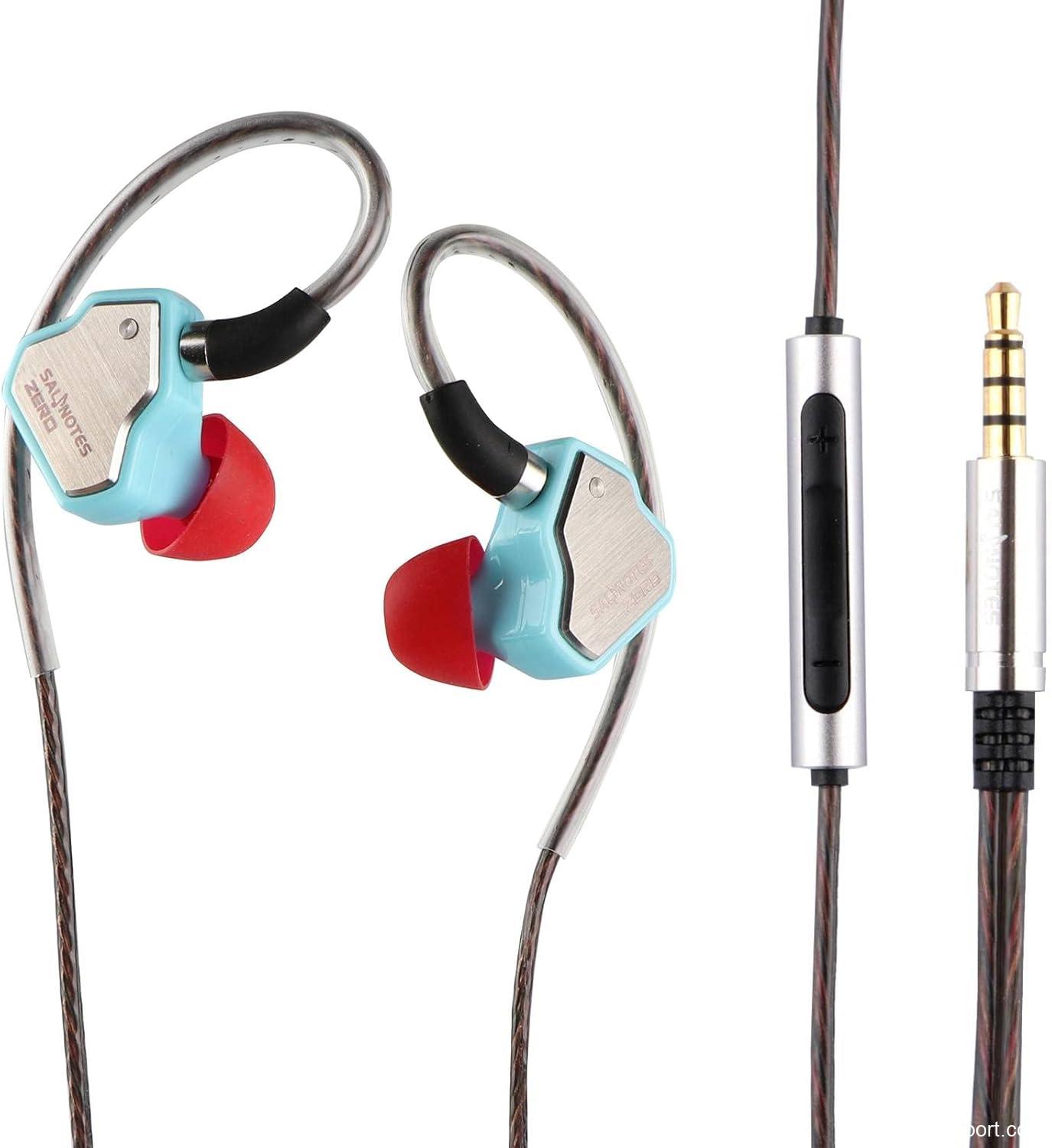
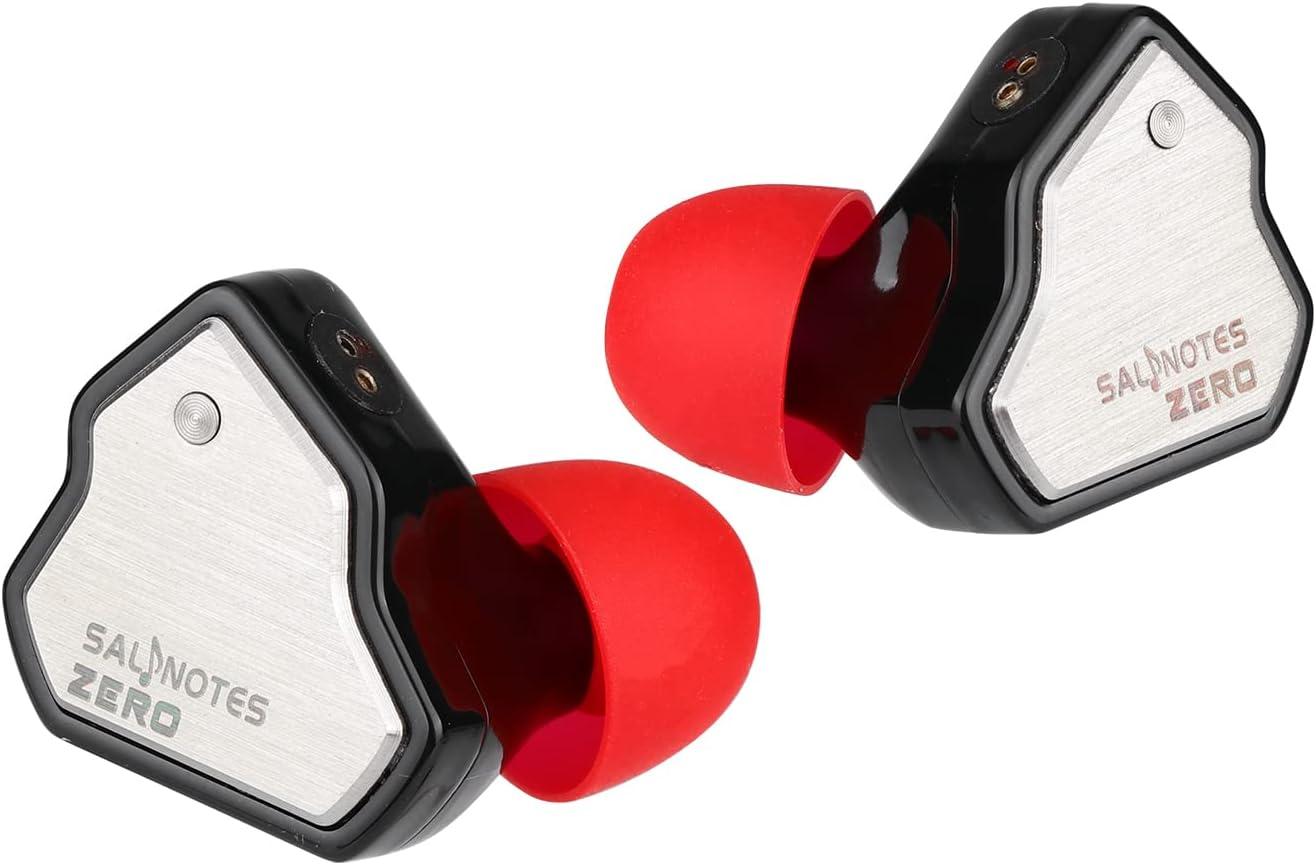
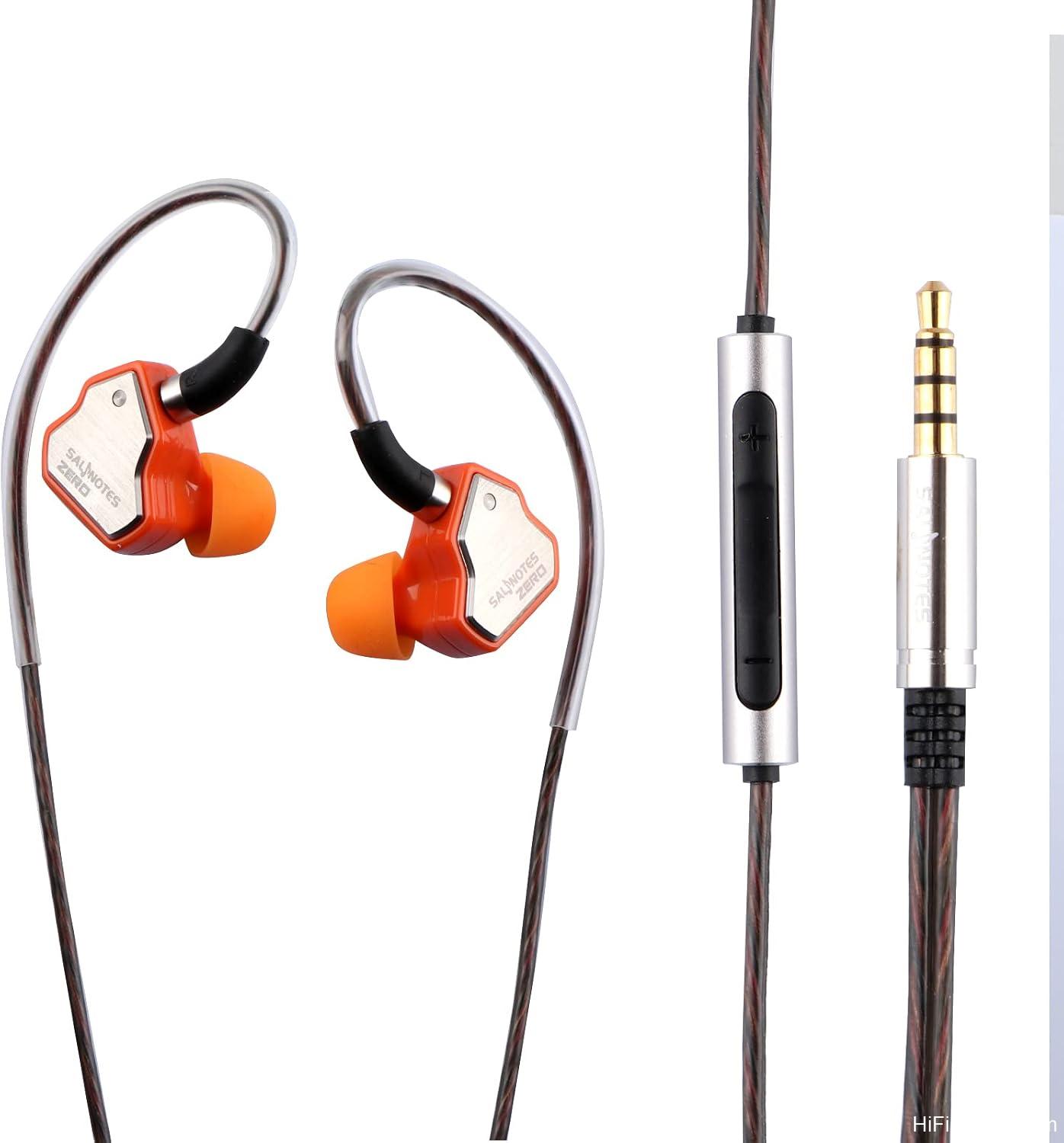
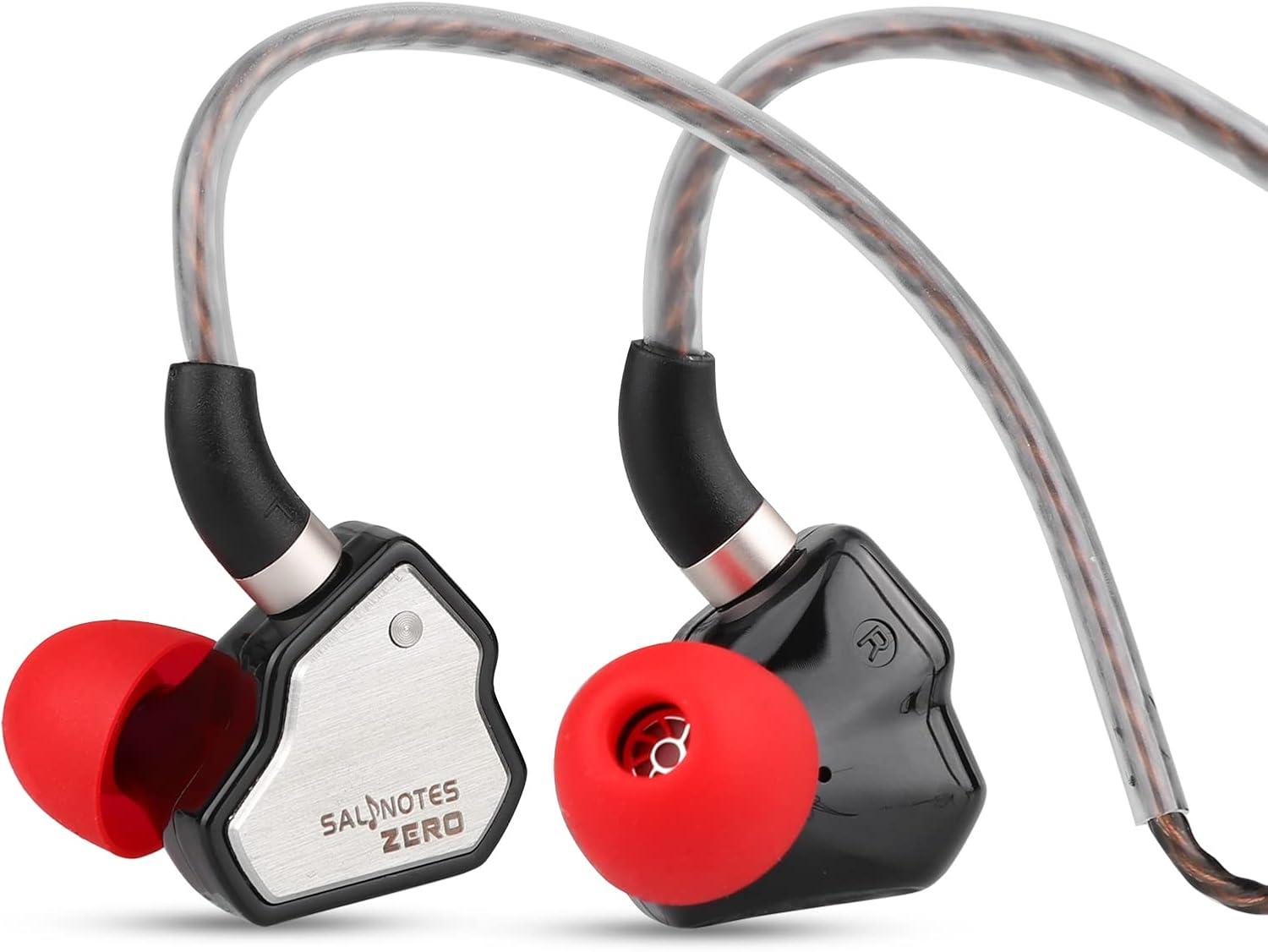
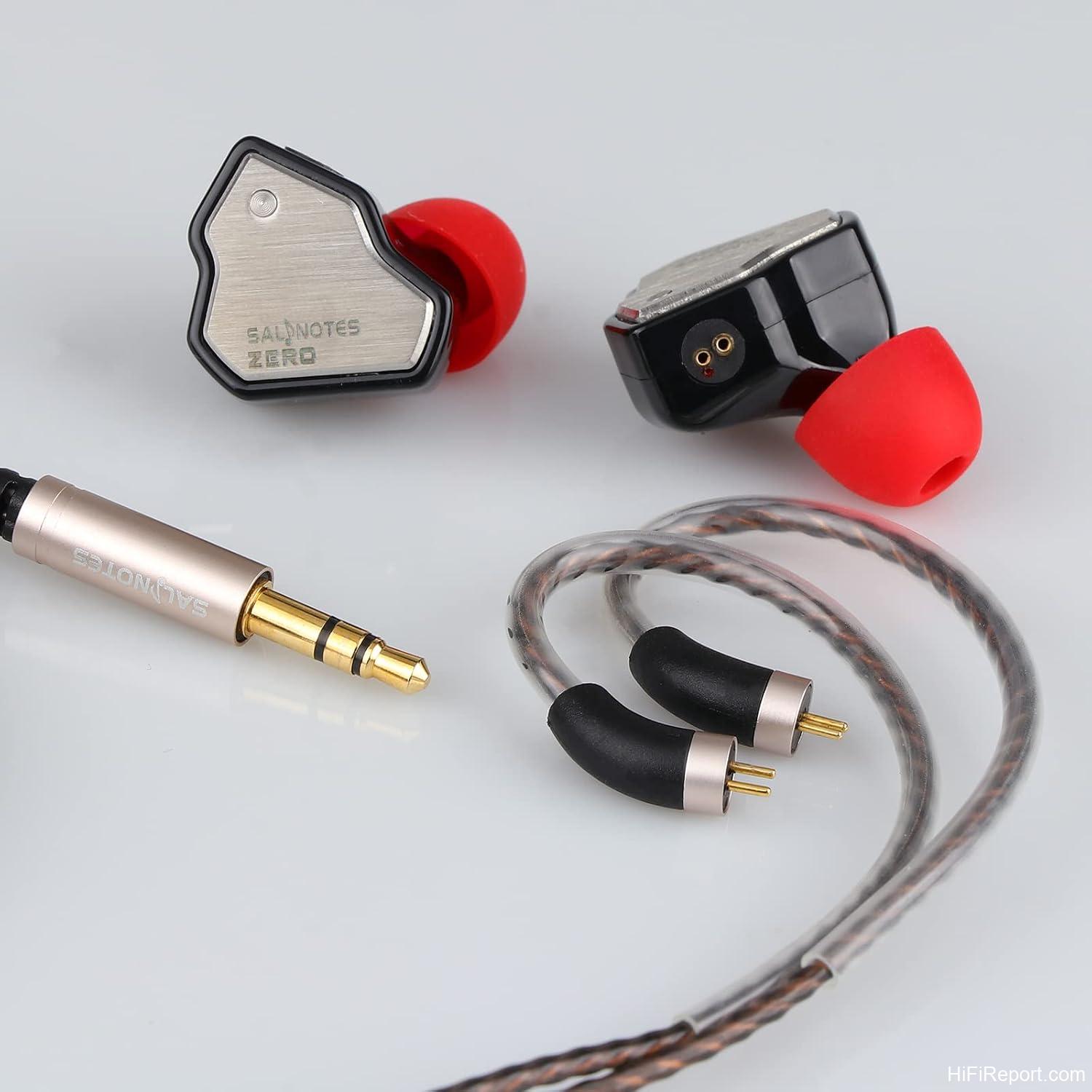
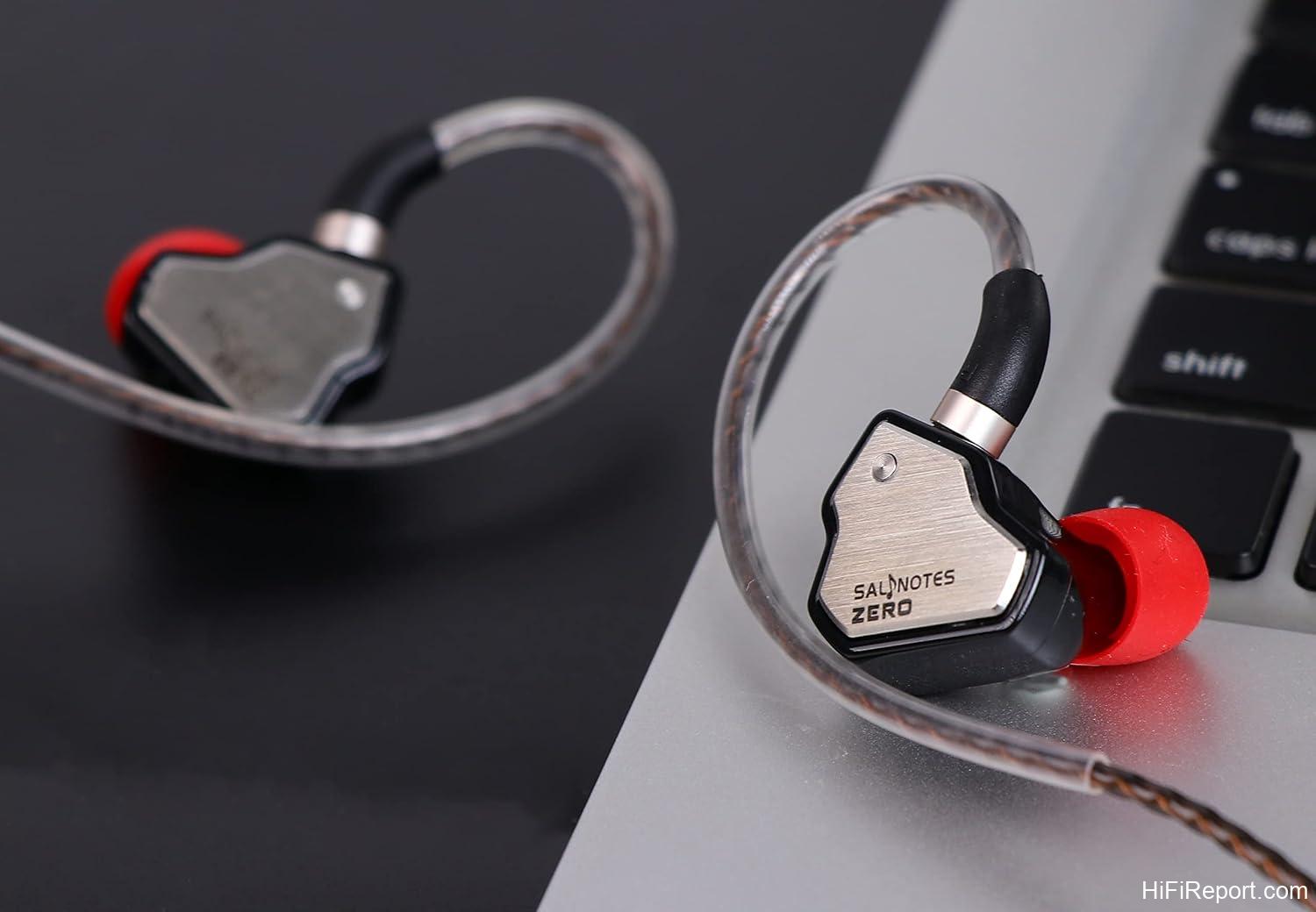
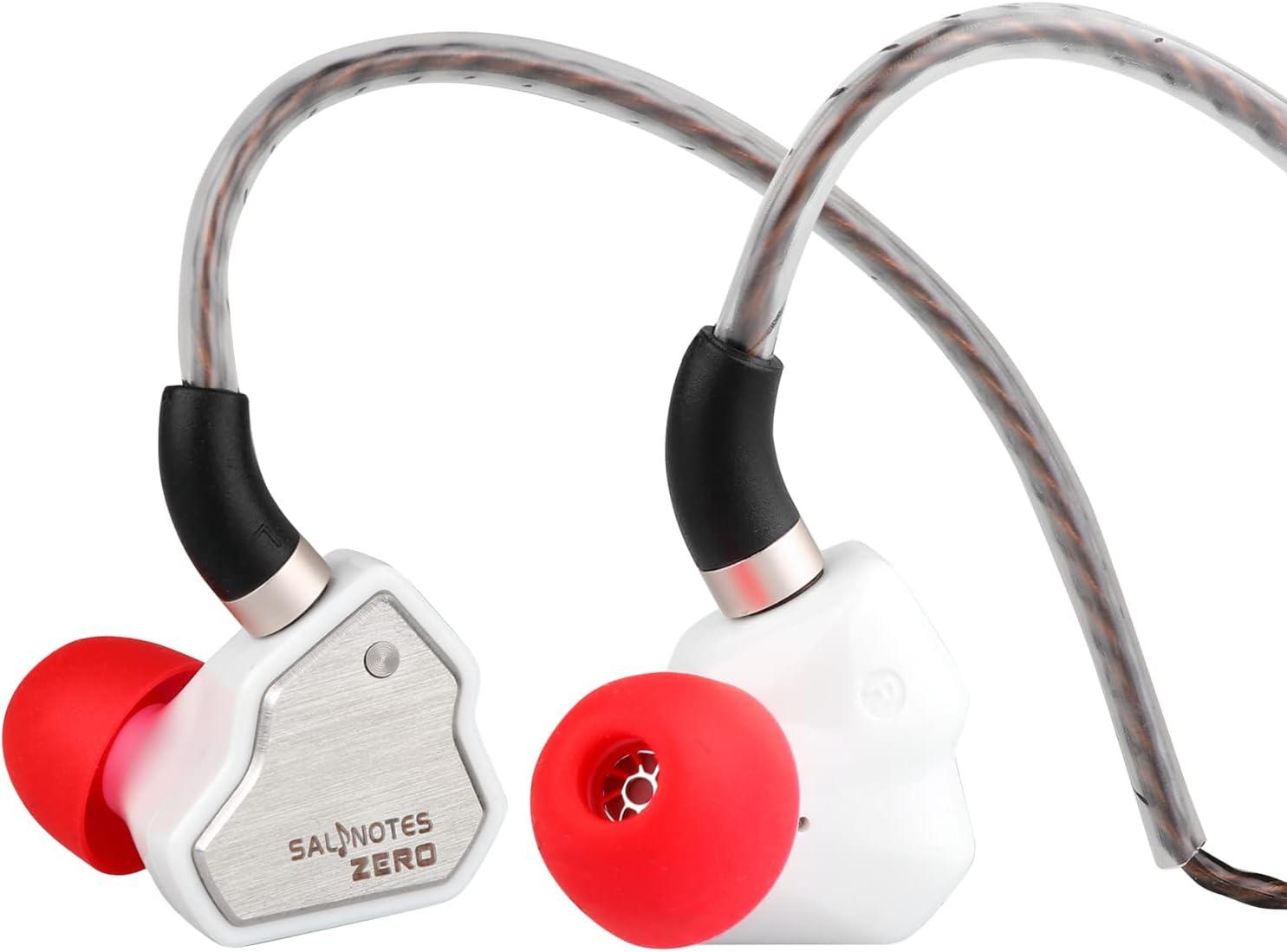
The Salnotes Zero uses a two-part chassis made from environment-friendly plastic, paired with a stainless steel faceplate on each earpiece. The faceplates carry a jagged, angular outline with “SAL♪NOTES ZERO” laser-etched at the base and a small circular rivet at the top. Over months of daily use, the steel faceplates can show minor surface scratches, a detail one long-term reviewer flagged. Inside each housing, a small circular recession carries an embossed L or R indicator, and a pinprick vent sits at the base of the nozzle. The nozzles are capped with metal and paper covers and feature extruded lips that grip the eartip, keeping it seated during use.
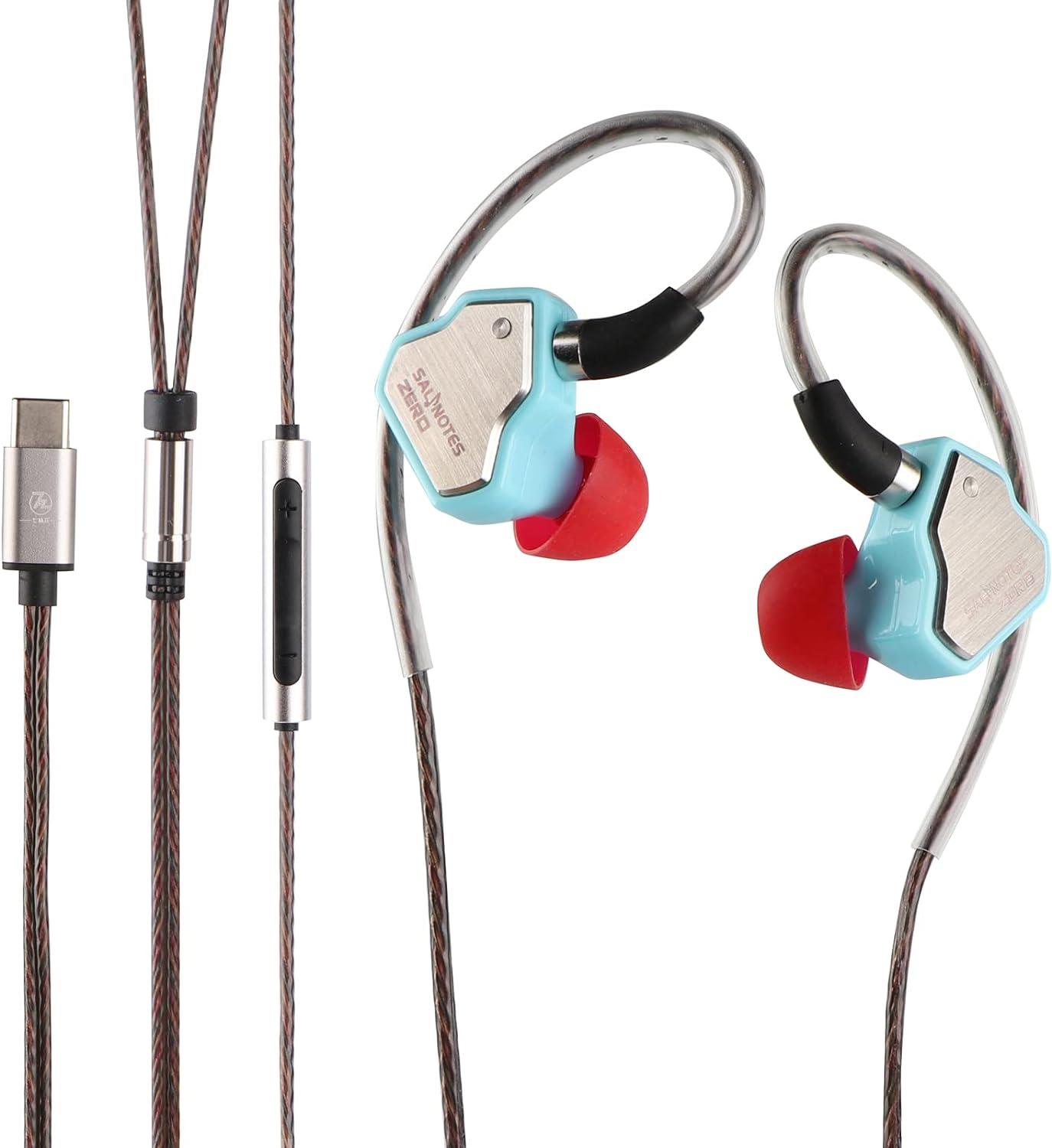
The 2-pin cable connectors fit flush with the housing surface, and each entry site is marked with a small red dot to indicate polarity. Reviewers note the connectors are very snug and take real effort to disconnect, which helps seal out dust but makes cable swaps a little fiddly. The included cable is a four-core high-purity oxygen-free copper design in a parallel structure, with each core built from 19 strands of 0.08 mm wire plus 250D fibers. It terminates in gold-plated 0.78 mm 2-pin connectors and runs through a Y-split that joins the two strands below the junction. The jack housing is straight, with “SAL♪NOTES” printed in white along its length. Strain relief sits above the jack housing but is absent at the Y-split. The cable carries a rubber chin-adjustment choker and pre-formed earguides without memory wire. It is mildly microphonic, meaning it can pick up small crackling sounds when pressed against clothing or a desk edge.
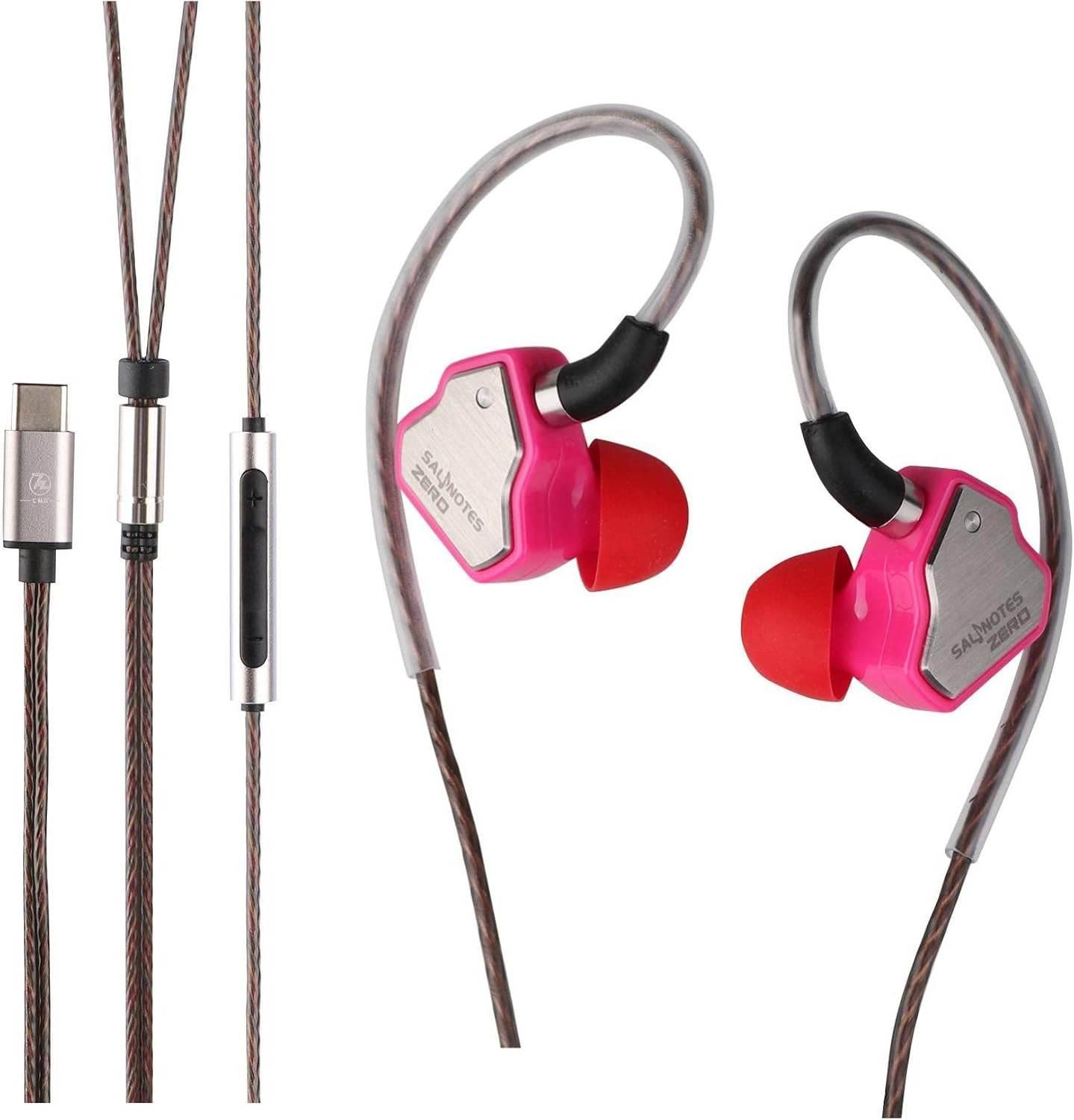
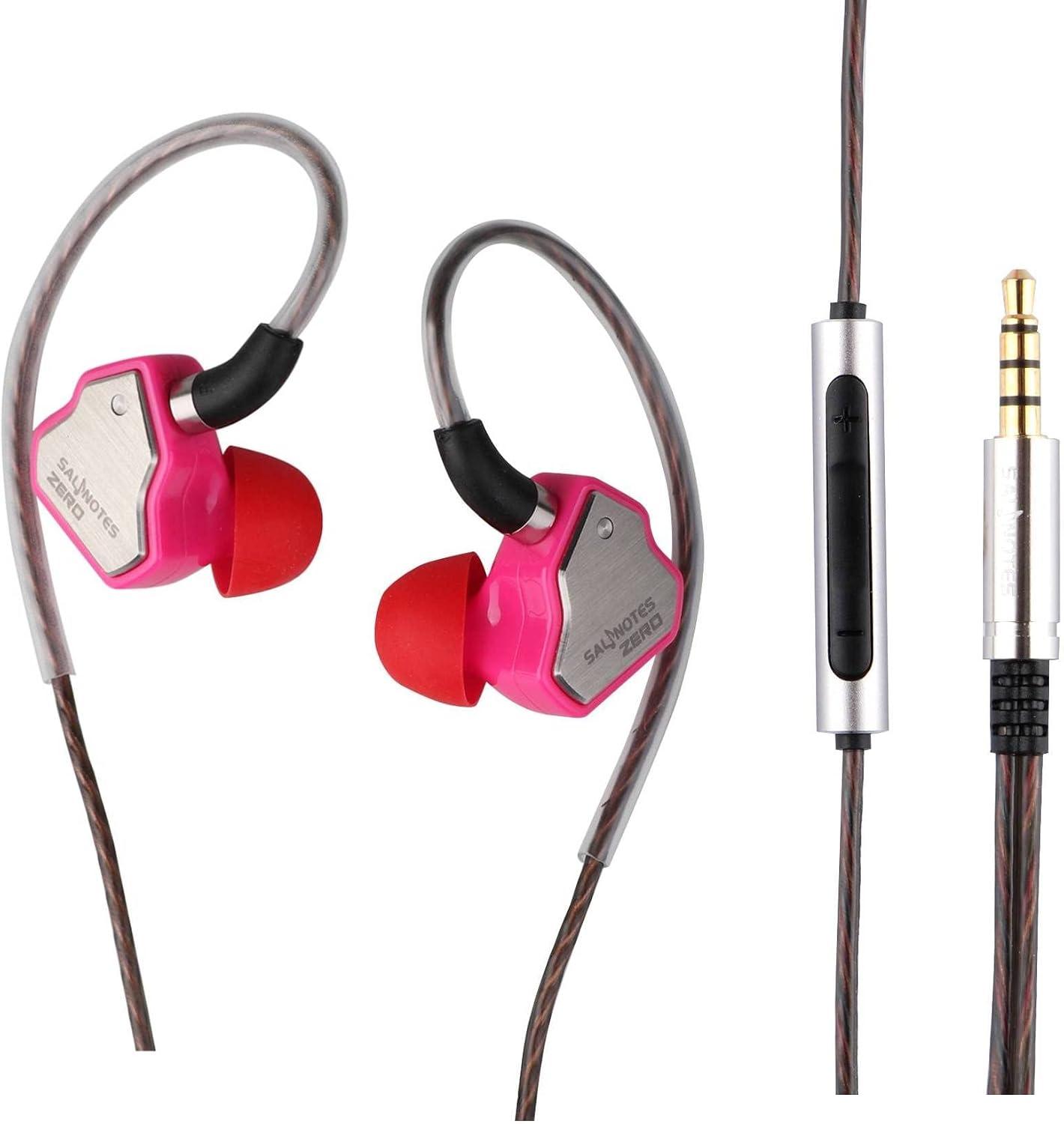
The earphones ship in three color variants. The box holds the IEMs, the detachable cable, six pairs of silicone eartips in varying shapes and nozzle widths, a product information card, a bilingual user manual, and a small velcro tie for cable management. A carrying case or pouch is not included, a gap that most reviewers flagged and worked around with a separate tin or soft pouch.
Comfort and Fit
The Salnotes Zero is designed to be worn cable-up, and its housings sit at a shallow insertion depth compared with most other IEMs. Several long-term owners describe them as comfortable for extended sessions. One user who wears a VR headset with added weight noted that the earpieces added minimal extra pressure and allowed hours of comfortable listening. The housings are slightly larger than the Moondrop Chu, so users coming from that smaller form factor may need a short adjustment period before the shape feels natural. The six included eartip pairs break down as follows: red, blue, and orange tips are squatter and more conical with wider nozzles, while light blue, yellow, and pink tips are rounder, with the pink pair offering the widest nozzle opening. The color-coding helps keep matched pairs together during rotation.
Secureness of fit is where opinions split. A detailed reviewer who tested the IEMs against the Moondrop Chu found secureness below average, with the housings requiring occasional readjustment during movement. Other users, particularly those at a desk or in a gaming chair, report the earpieces stay put unless the cable is accidentally yanked. Isolation is described as fairly modest, and there is mild driver flex when the housing is pressed, which can be audible in very quiet passages. For someone who commutes or works in a loud environment, the shallow fit and modest isolation will feel limiting. For stationary listening at a desk or on a couch, the earpieces are light, low-pressure, and comfortable over long stretches. One owner with small canals found the default red tips adequate, while another with larger canals preferred the pink pair for a tighter seal.
Audio Performance
The 7Hz Salnotes Zero delivers a neutral, slightly bright signature with a Harman-style sub-bass emphasis, and its most measured tonal landmark is a pinna-gain peak around 3.5 kHz, a half-step later than the 3 kHz center of its closest rival, the Moondrop Chu. That shift changes how vocals and upper-mid detail land in the ear, and it is the single biggest reason reviewers split between the two IEMs on preference. The driver does not demand a powerful source; it reaches a comfortable listening volume from a phone or laptop with no audible hiss.
Bass
The bass tuning rests on a mild sub-bass shelf that favors the region around 45 to 50 Hz over mid-bass, with articulation and resolution that reviewers describe as very good for a single dynamic driver at this tier. Extension into the lowest octaves is average, and the overall impact is clean but restrained rather than thumping. One experienced listener noted that the response drops noticeably below 200 Hz and then swings back up around 45 to 50 Hz, creating a scooped lower-bass region that can feel unsatisfying on bass-heavy material unless the volume is raised. Low-end energy does not bleed into the lower mids, which keeps the midrange readable and free of congestion. Listeners who want a full, punchy low end will find the tuning thin, and a few owners suggested that swapping to tighter, smaller-bore aftermarket tips can add a subtle bass boost by deepening the seal.
Midrange
The mids run on the cooler side of neutral. Male vocals carry a slight grit and a touch of warmth deficiency, while female vocals sit a bit more forward and can show a hint of sibilance at the upper edge of the range. A comparison reviewer noted that female vocals sound slightly more natural on the Moondrop Chu, while on the Zero there is a trace of strain that can fatigue over long sessions. Despite that cooler coloration, midrange clarity is a standout feature: multiple owners reported hearing instrumental layers and vocal nuances in tracks they had listened to for years, details that generic wireless or off-the-shelf earbuds had masked. The midrange holds up at high volume without distortion, and one user noted that even a challenging source like a harmonica part stayed clean and defined.
Treble and Soundstage
The upper treble carries slightly less energy than the Moondrop Chu, and a noticeable drop-off in the mid-treble region robs cymbal hits of some sparkle. The 15 kHz upper limit, as one owner observed, keeps the very top end contained and prevents the harshness that some brighter IEMs produce. The Zero compensates for the treble dip with crisper transient delivery, and instrument separation is consistently praised across reviews; one detailed comparison called it the strongest they had heard on an IEM at this tier. Soundstage sits slightly behind the head, toward center, a placement a few reviewers linked to the shallow fit. The overall spatial impression is intimate and analytical rather than wide and open, which suits close-mixed genres like jazz and acoustic material but leaves orchestral or live recordings feeling somewhat compressed.
Noise Cancelling
The 7Hz Salnotes Zero has no active noise-cancelling circuitry. It is a fully wired passive IEM, so all isolation comes from the eartip seal and the physical occlusion of the nozzle in the ear canal. A thorough reviewer who evaluated the IEMs against the Moondrop Chu rated passive isolation as fairly poor, and the shallow insertion depth does not help: without a deep, airtight seal, ambient noise bleeds through the open back of the housing.
Other owners paint a more favorable picture for everyday listening. One long-term user called the passive isolation strong for a non-ANC earbud, noting that conversation and office hum drop enough to listen at moderate volume in a shared space. The in-ear design does block a fair amount of mid-to-high frequency noise, and the cable-over-ear path keeps the nozzles seated during movement, which helps maintain the seal.
Original publication: hifireport.com. No part may be republished without consent.
The practical takeaway is that the Zero handles a quiet apartment, a desk, or a gaming session well, but it will not match a dedicated ANC earbud on a train or in a busy café. Low-frequency rumble and sudden loud sounds still get through, especially if the eartip seal is not tight. Choosing the right tip size and ensuring a firm seal makes a measurable difference in how much background noise you hear.
Battery and Charging
The 7Hz Salnotes Zero is a wired IEM with no battery, no charging port, and no wireless protocol. It draws power directly from the source device through the 3.5 mm jack, and the driver does not demand a high-output source to reach a comfortable listening level. A reviewer who tested the earphones with a Qudelix 5K, a Hidizs S9, and an E1DA 9038D reported no audible hiss at any pairing, and a separate owner noted that the IEMs can reach a very loud output level, meaning you rarely need to push past half volume on a phone or laptop.
Because there is no battery, there is no charging cycle, no firmware update, and no range limit. The only power consideration is cable length and which source device you are using. The detachable 2-pin cable design lets you swap in a longer lead, a coiled cable for desk use, or a version with an inline microphone without replacing the entire set.
What Customers Are Saying
The praise in the review pool clusters around a few consistent themes. Clarity and detail retrieval top the list: many owners, including first-time IEM buyers, reported hearing instrumental layers and vocal nuances in songs they had listened to for years, details that generic wireless or consumer earbuds had masked. The neutral, slightly bright tuning is described as well-balanced and analytical, and several users specifically called out the midrange clarity as unusual for a budget wired IEM. Comfort over long sessions comes up repeatedly, with desk workers and VR users both reporting hours of wear without significant discomfort. The detachable cable and the six included eartip pairs are appreciated, and the overall build, from the steel faceplates to the braided cable, is consistently described as feeling above the tier.
Gaming use is a recurring positive thread. An experienced FPS gamer who replaced open-back over-ear headphones with the Zero reported that positional imaging was clear enough to track footsteps and flanking enemies, and that the tighter response compared with wireless alternatives made it a dependable competitive option. Several owners also noted that the IEMs pair well with a USB condenser microphone for streaming, and that the passive isolation keeps in-game audio separate from a noisy roommate.
Complaints track a narrower set of issues. Cable length is the most frequent gripe: the included lead runs roughly three to three and a half feet, which is too short for many desk setups or for reaching across a couch, and owners suggest picking up an extension cable. The absence of a carrying case is noted by nearly every reviewer who brings it up; the box holds a velcro tie, but that is not a pocket solution. Sibilance in the upper mids and a scooped low-bass region draw criticism from listeners who prefer a warmer or punchier tuning. A small number of owners reported occasional crackling from the cable, and one user noted a gradual shift in low-end output after many months of heavy use. Fit is hit or miss: the shallow insertion and the quirkier shell shape mean that some ears find a secure seal easily while others struggle with all six included tip sizes.
Strengths and Weaknesses
Strengths
Original publication: hifireport.com. No part may be republished without consent.
- Detailed, neutral sound with strong midrange clarity and good instrument separation
- Detachable 2-pin cable with four-core OFC construction and gold-plated connectors
- Comfortable shallow fit suited to long stationary sessions
- Six pairs of silicone eartips included, covering a range of canal sizes
- No hiss or high power demand; works directly from phones, laptops, and desktops
Weaknesses
Original publication: hifireport.com. No part may be republished without consent.
- Short included cable (approximately three to three and a half feet) limits desk and couch reach
- No carry case or pouch in the box
- Modest passive isolation; low-frequency ambient noise bleeds through
- Scooped sub-200 Hz bass region can feel thin on bass-heavy material
- 2-pin connectors are very tight and take effort to disconnect for cable swaps
The Verdict
The 7Hz Salnotes Zero is the right starting point if you want a wired IEM that rewards careful listening: a clean, detail-forward tuning with a slight upper-mid lift that keeps vocals and textural information in the foreground. It suits desk workers who want to swap between a phone, a laptop, and a DAC without fussing with a single cable, gamers who need positional clarity in competitive titles, and anyone stepping up from consumer earbuds who is curious about what a 10 mm dynamic driver can do at this tier. The shallow fit, modest isolation, and scooped low-bass region are real compromises. If your primary listening is bass-heavy hip-hop, electronic, or film soundtracks, the restrained sub-bass shelf will likely leave you wanting more, and a tuning with a fuller mid-bass region would serve you better. The Zero is an analytical, reference-leaning IEM, and it will show you details in a mix that warmer, more forgiving tunings tend to smooth over. For the buyer who values clarity, detachable-cable flexibility, and a neutral foundation to tweak with aftermarket tips or a gentle EQ, the Salnotes Zero has been a widely referenced entry point in the budget IEM conversation for several years.
Key Specs
- Driver: 10 mm dynamic, metal composite diaphragm
- Magnet: N52
- Frequency response: up to 15 kHz (as noted by a user)
- Cable: 4-core high-purity OFC, parallel structure, 19 × 0.08 mm wires + 250D per core
- Connectors: gold-plated 0.78 mm 2-pin, detachable
- Jack: 3.5 mm, straight
- Eartips included: 6 pairs (silicone, varying shapes and nozzle widths)
- Chassis: environment-friendly plastic with stainless steel faceplate
- Colors: 3 variants available
FAQ
Do I need a DAC or amp for the 7Hz Salnotes Zero?
No. The earphones reach a comfortable listening volume directly from a phone, laptop, or desktop sound card. Reviewers who tested them with dedicated DAPs and USB DACs reported no audible hiss, but the stock output is sufficient for everyday use.
Will the included eartips fit small ear canals?
Possibly, but not guaranteed. The six included pairs cover a range of shapes and nozzle widths, yet several owners with smaller canals found none of them sealed well and had to switch to aftermarket tips. If your canals are on the smaller side, be prepared to try third-party options.
Is the cable long enough for desk use?
It is on the shorter side. The included lead measures roughly three to three and a half feet, which works for a compact setup but falls short when the source device is across a larger desk or on a couch. A short extension cable solves the gap.
Does the Salnotes Zero include a microphone?
The standard shipping configuration does not include an inline microphone. Linsoul sells a separate mic-equipped cable variant, but the box that ships with the IEMs carries a cable with a plain 3.5 mm plug.
No products found.