
Apple AirPods Pro Review
Overview
The Apple AirPods Pro fundamentally shifted the true wireless earbud market when they launched in late 2019. By combining active noise cancellation, a customizable in-ear fit, and seamless iOS integration, Apple created a product that quickly became the default choice for iPhone users. The original model established a strong foundation, but it was not without its flaws. Over the years, Apple has refined the formula with the AirPods Pro 2 and the recently introduced AirPods Pro 3, addressing early complaints about battery life and connectivity while adding advanced health and audio features.
This review synthesizes official specifications, expert evaluations of the entire AirPods Pro lineage, and real-world customer feedback. Whether you are considering picking up the original 2019 model on the secondhand market or evaluating the latest Pro 3, this comprehensive breakdown will help you decide if these iconic white earbuds are the right fit for your daily audio needs.
Design and Build
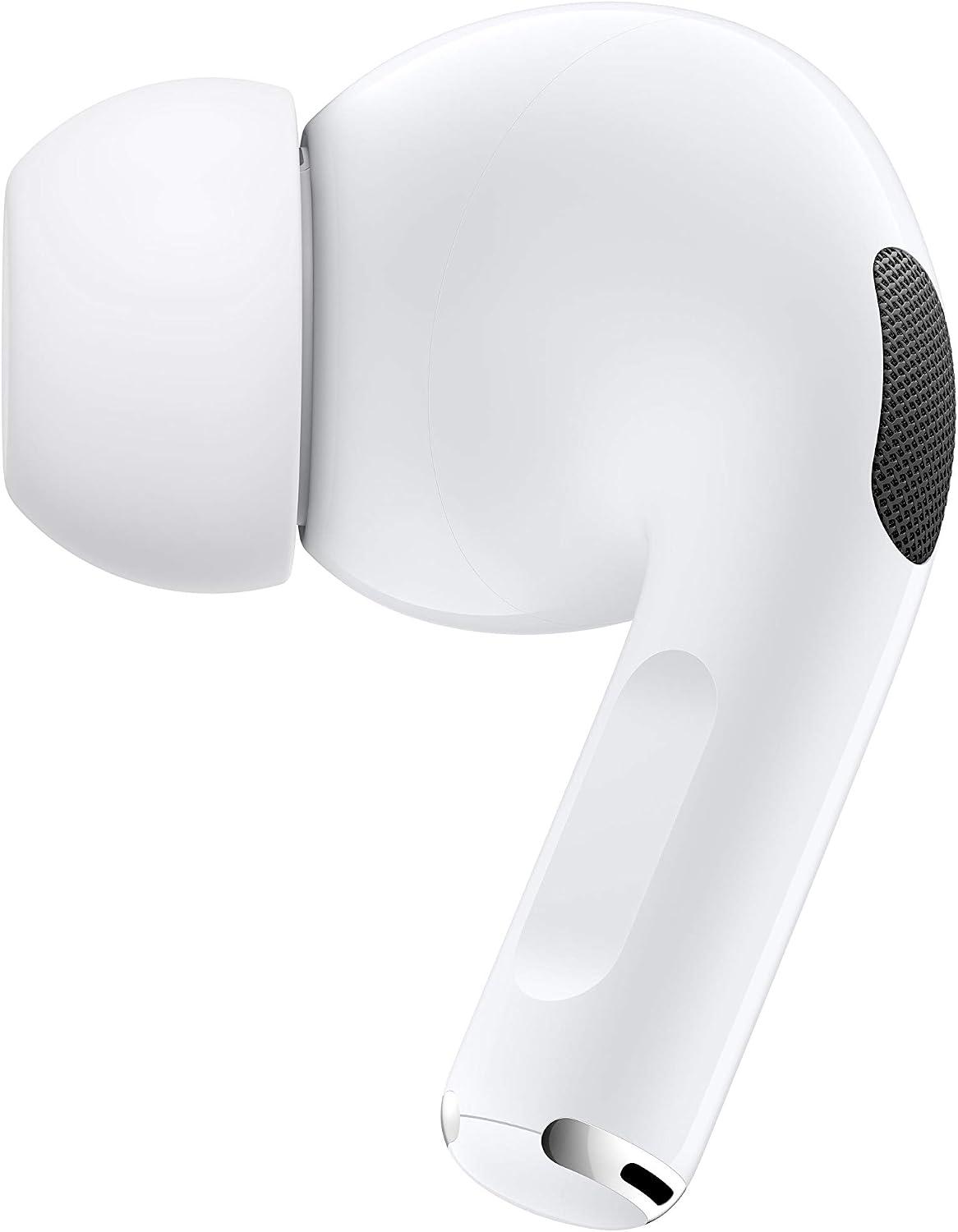
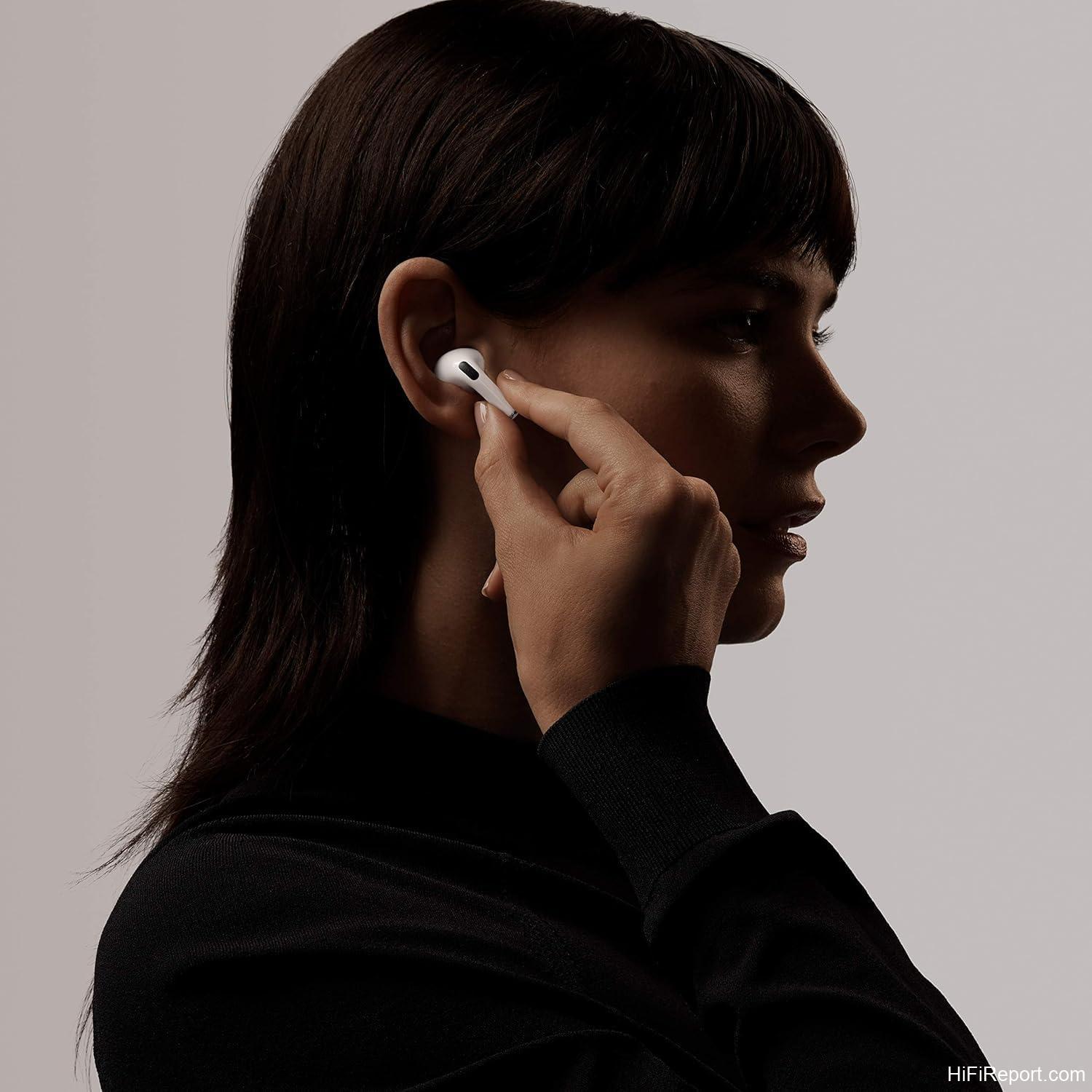
The original AirPods Pro introduced a recognizable, all-white, in-ear design with a short, protruding stem. They are remarkably compact, measuring just 0.94 x 0.86 x 1.22 inches and weighing a mere 1.6 ounces for the entire package. Unlike standard AirPods, the Pro model includes three sizes of soft, tapered silicone tips designed to form a seal necessary for effective noise cancellation. Apple also introduced a “fit test” on the iPhone to help users determine the best tip size for their ears.
Comfort was a highlight for many users, who reported that the lightweight design made it easy to forget they were wearing them. The inclusion of pressure-relieving vents on the bottom of the earbuds helped reduce the stuffed-up feeling common with in-ear designs. However, the fit was polarizing. While some found them incredibly secure, a notable number of customers complained that the earbuds routinely fell out during everyday activities like running, walking, or even just sitting at a desk. Some users had to resort to third-party memory foam tips, such as Comply 2.0, to achieve a secure fit.
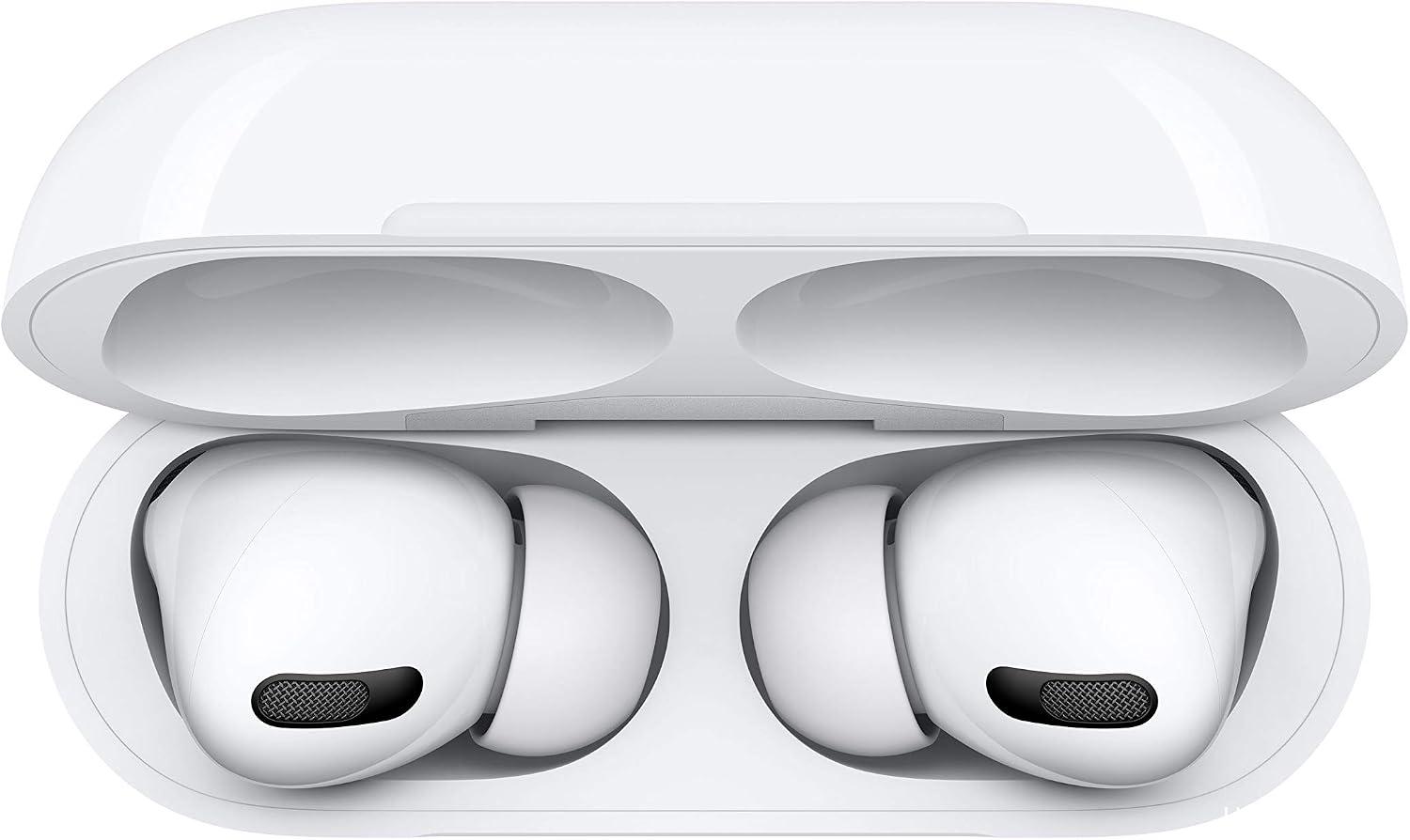
Durability has been a strong suit for the AirPods Pro line. The original model was rated as sweat and water resistant, a claim heavily validated by customers. Multiple users shared shocking anecdotes of the earbuds surviving intense sweat during workouts, accidental runs under a faucet, and even complete cycles in a washing machine and dryer. Apple has steadily improved this ruggedness across generations. The AirPods Pro 2 elevated the durability to an IP54 rating for both the earbuds and the charging case, offering better dust and water resistance. The latest AirPods Pro 3 boast an IP57 rating, making them the most resilient AirPods yet, capable of withstanding heavy dust exposure and water immersion.
The charging case has also seen significant evolution. The original case was small, compact, and relied on a Lightning port, though it supported wireless charging. Customers noted that the case’s magnetic closure was sometimes too weak, leading to earbuds flying out when brushed against something, prompting some users to wrap rubber bands around silicone covers. The original case also lacked a battery life display, and its charging indicator light was confusing, turning off after a few seconds. Later models addressed these issues and added features. The AirPods Pro 2 case introduced a U1 chip for precise location tracking via Find My, a built-in speaker to help locate the case, and a USB-C port to replace the aging Lightning connector. The Pro 3 further refined the design, weighing 5.6g per bud, with a reengineered nozzle angled more toward the ear canal and a contoured stem joint for a better fit across diverse ear shapes.
Key Features and Audio Performance
Active Noise Cancellation and Transparency
The standout feature of the AirPods Pro line is its dual listening modes. The original model used outward- and inward-facing microphones to actively block ambient sound. Customer feedback indicates that while the ANC was surprisingly effective for its size, it had limitations. It excelled at blocking consistent white noise, such as bus engines, office fans, and air conditioners, but struggled with uneven, sudden noises like loud cafeteria chatter or sudden door slams.
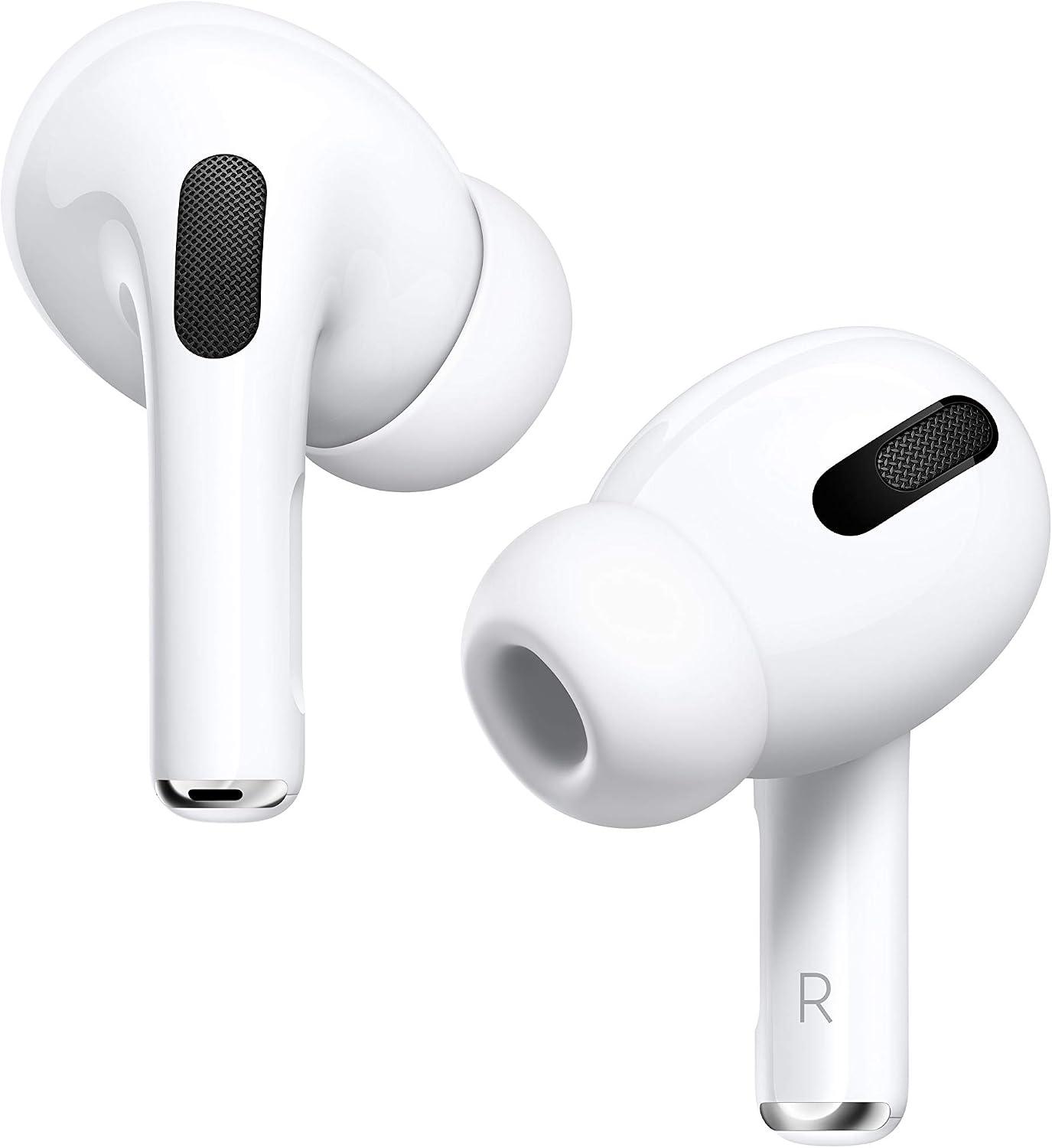
When compared to competitors, customers noted that the original AirPods Pro offered noise cancellation on par with earbud-style Bose QC30s but fell short of over-ear options like the Bose QC35 II or the newer Bose QuietComfort Earbuds. In one test, a user stood next to a running dryer and could barely hear it with the Bose earbuds, whereas the AirPods Pro let more sound through. Expert reviews highlight that Apple made massive strides in later generations. The AirPods Pro 2, powered by Apple’s upgraded H2 chip, delivered twice the ANC strength of the first generation. The AirPods Pro 3 pushed this even further, with experts noting the ANC is now among the best in the true wireless market.
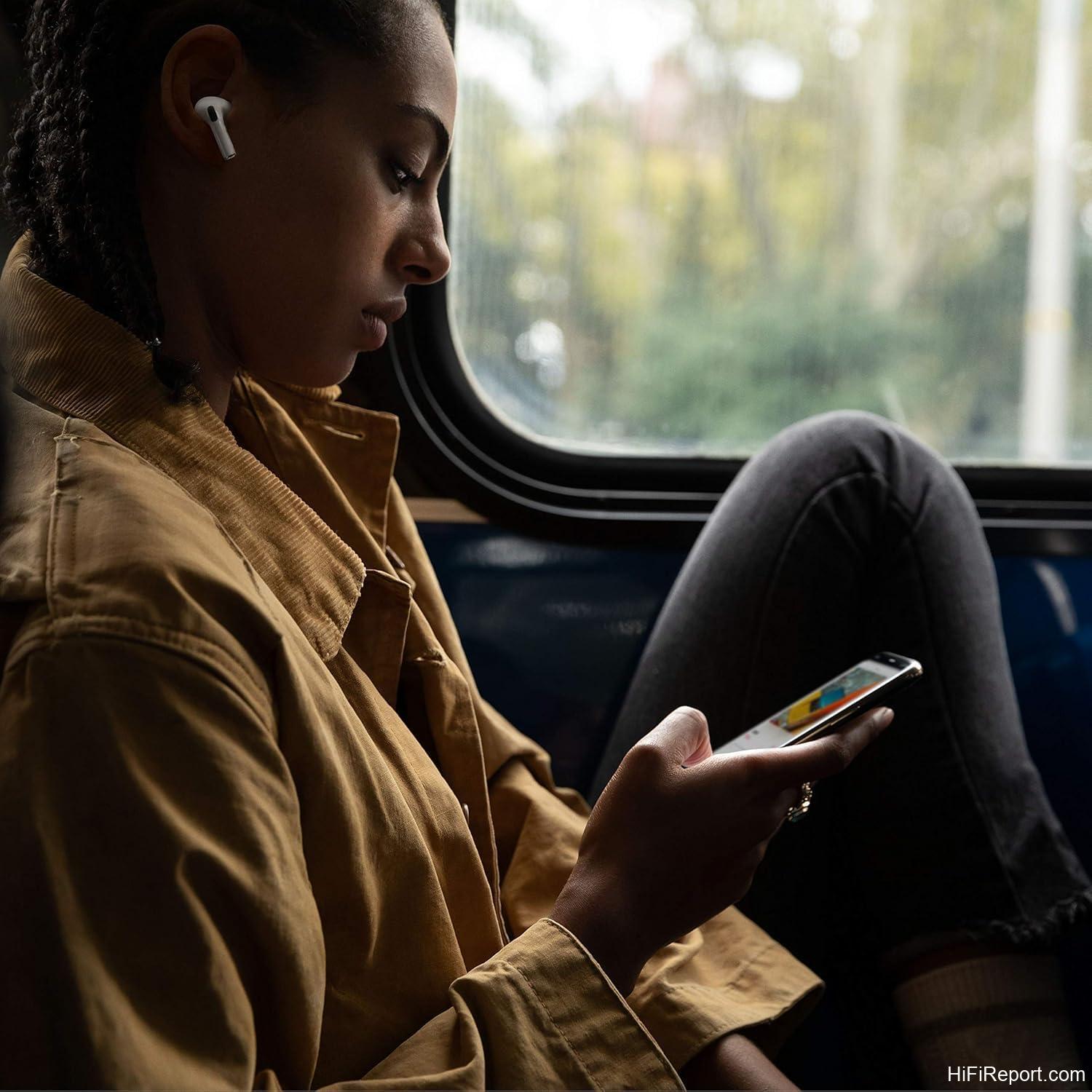
Transparency mode is equally important and was widely praised by customers. This mode uses the microphones to let in outside sound, allowing users to hear and interact with their surroundings without removing the earbuds. Customers were continuously amazed by how natural the original Pros sounded in Transparency mode, making it safe for walking in city traffic or holding a conversation. Some users even enjoyed combining Transparency mode with the Hearing Enhancement feature to create an enjoyable effect when listening to birds, wind, and passing cars. Later models introduced Adaptive Transparency, which automatically lowers the volume of sudden, loud environmental noises, a feature experts consider a significant safety and comfort upgrade.
Sound Quality and Spatial Audio
Audio quality on the original AirPods Pro was a notable step up from the standard AirPods, utilizing Adaptive EQ to automatically tune music to the shape of the user’s ear. Customers praised the crisp mid and high ranges, the excellent sound stage separation that allowed them to pick out individual instruments, and the clear, professional quality of spoken-word content like audiobooks and podcasts.
However, some audiophiles and bass-heavy listeners found the low-end lacking. Customer comparisons noted that while the bass was distinct, it lacked the physical thump found in competitors like the Sony WF-1000XM3 or over-ear Bose headphones. In detailed musical comparisons, users found that the AirPods Pro sounded “tiniest” on tracks like The Weeknd’s “Blinding Lights,” and slightly too trebly on Rosalia’s “Malamente.” Expert reviews indicate that sound quality has seen substantial improvements in the newer models. PCMag praised the AirPods Pro 2 for their rich, well-balanced audio performance, while What Hi-Fi? noted that the AirPods Pro 3 deliver a spacious, powerful, and dynamic sound with an enjoyable balance and clear vocal expression.
A major advancement across the Pro line is Personalized Spatial Audio with head tracking. This feature creates a theater-like, immersive listening experience by fixing sound to the device and adjusting the audio as the user moves their head. Many users felt that the spatial audio update, particularly when paired with third-party memory foam tips, made a huge positive difference in the Pros’ soundstage. Despite these audio advancements, a common criticism across all models from experts is the lack of adjustable EQ presets without relying on third-party apps, limiting users who want to manually tweak their sound profile. Furthermore, the AirPods Pro line lacks hi-res codec support, relying solely on AAC and SBC codecs.
Connectivity and Ecosystem Integration
Seamless integration with the Apple ecosystem is the AirPods Pro’s defining killer feature. The original model offered an incredibly easy setup—simply holding the open case near an unlocked iPhone initiated an instant pairing process. Customers were blown away by the Bluetooth range, which far exceeded cheaper competitors, maintaining stable connections through walls, people, and gym equipment up to 100 feet away. The instant connection to the phone and the automatic pausing of music when an earbud was removed were frequently highlighted as standout conveniences. iOS also automatically handled mono mode when wearing a single bud, saving users from digging into settings.
However, the original Pros had some frustrating connectivity quirks. Users reported buggy behavior when switching between ANC and Transparency modes, occasionally causing the earbuds to become unresponsive or lose sync. Furthermore, switching audio sources between an iPhone and a Mac required manual reconnection, unlike competitors that could handle simultaneous multi-device connections. The “Find My” feature was also criticized as an afterthought, only working if the user was already very close to the case. The physical controls also required a learning curve; Apple moved away from tapping to a “squeeze” of the stem, which some users found finicky.
Apple has largely addressed these issues in later generations. The Pro 2 and Pro 3 feature Bluetooth 5.3 connectivity, offering more stable connections. The Pro 2’s case includes a U1 chip that enables precise location tracking, finally making “Find My” a highly functional feature. Experts did note, however, that many features remain Apple-exclusive. While the earbuds function as standard Bluetooth devices with Android or Windows, users miss out on the seamless integration, automatic device switching, and access to features like Live Translation, which requires an iPhone with Apple Intelligence.
Battery Life and Charging Case
Battery life was a primary pain point for the original AirPods Pro. Customers complained about the mere 4 to 5.5 hours of listening time per charge, which fell short of cheaper competitors that offered 8 to 11 hours. The lack of an idle mode meant the earbuds drained even when not in use. A particularly loud “battery dead” chime also frustrated users who tried to sleep with the earbuds in, waking them up when the battery died. Additionally, customers were annoyed that Apple included a USB-C to Lightning cable but no power adapter, making the cable useless without an existing charger.
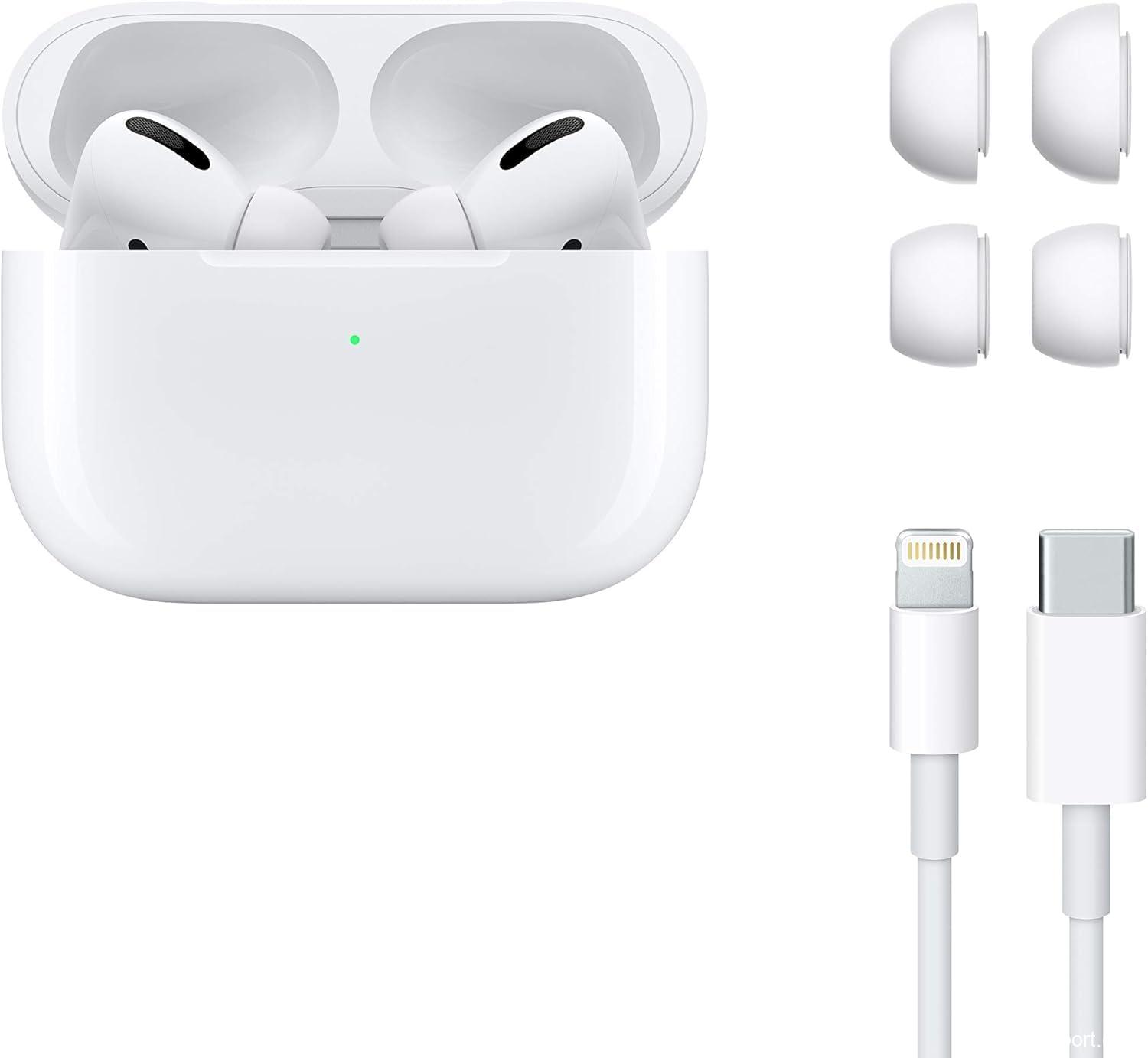
Apple has made significant strides in battery performance with newer models. The AirPods Pro 2 upped the earbud battery life to 7 hours with ANC on, totaling 28 hours with the MagSafe charging case. The AirPods Pro 3 extended this further to 8 hours of ANC-on listening, with 24 hours total via the case. Both newer models support a fast-charge feature where 5 minutes in the case yields 1 hour of listening time. While the charging cases have evolved to include USB-C and MagSafe, experts noted a recurring frustration: the AirPods Pro 3 do not come with a charging cable in the box, continuing Apple’s trend of reducing included accessories.
Health and Smart Features
While the original AirPods Pro focused primarily on audio, later models expanded into health and smart functionalities. The AirPods Pro 2 introduced a “Conversation Aware” feature that automatically lowers media volume when the user speaks, a highly praised convenience. Apple also announced that the Pro 2 would receive FDA-approved hearing aid and hearing protection capabilities via software updates.
The AirPods Pro 3 takes this a step further by acting as a fitness tracker and language translator. The earbuds feature a built-in heart rate sensor for activity tracking, eliminating the need for an Apple Watch during workouts. They also support Live Translation, a feature that provides real-time translation channeled through the user’s iPhone using Apple Intelligence. Expert reviews noted that while these features are innovative, Live Translation still needs refinement, and the reliance on Apple Intelligence limits accessibility.
What Customers Are Saying
Aggregate customer sentiment for the original AirPods Pro is overwhelmingly positive, reflected in a stellar 4.8 out of 5-star rating across hundreds of thousands of reviews.
Praise:
- Comfort and Convenience: Many users raved about the comfortable fit, noting that the lightweight design and pressure vents made it easy to forget they were wearing them. The seamless iOS integration, instant pairing, and incredible Bluetooth range were massive highlights.
- Audio and ANC: The clarity of Transparency mode and the effectiveness of the ANC for blocking consistent white noise were frequently praised. Call quality was also a standout, with blind tests revealing the Pros sounded significantly more natural than Sony and Bose alternatives. One user’s partner noted the voice quality was “70% better” on the AirPods Pro compared to Sony.
- Durability: Multiple customers shared shocking stories of the earbuds surviving washing machines, dryers, and intense sweat, proving the water resistance claims were more than just marketing. The charging case hinges also proved more durable than cheaper alternatives.
Complaints:
- Buggy Software: Early adopters frequently experienced erratic behavior when switching listening modes, including unresponsive controls, syncing issues between buds, and dropped connections requiring a reset.
- Fit Issues: While comfortable for many, a notable number of users complained that the earbuds frequently fell out during exercise or even while sitting, requiring third-party tips to stay secure.
- Battery and Price: The 4-hour battery life was heavily criticized compared to cheaper competitors offering double the longevity. Several users felt the $250 price tag was too high for the feature set, especially given the lack of an included power adapter and the weak magnetic closure on the case.
Pros and Cons
Pros:
- Excellent, seamless integration with Apple devices
- Effective active noise cancellation for the form factor
- Natural-sounding Transparency mode
- Comfortable, lightweight design with customizable ear tips
- Survived extreme durability tests from users
- High-quality microphone for phone calls
Cons:
- Original model suffered from software bugs and mode-switching glitches
- Battery life on the original was lacking compared to competitors
- Fit can be insecure for some ear shapes
- Many features are Apple-exclusive, limiting value for Android users
- No adjustable EQ without third-party apps
Verdict
The Apple AirPods Pro established a gold standard for true wireless earbuds, blending exceptional convenience, solid noise cancellation, and deep iOS integration. While the original 2019 model had notable flaws—specifically regarding battery life, software bugs, and fit issues—the core experience was strong enough to earn overwhelming customer loyalty and a massive following.
For prospective buyers today, the evolution to the AirPods Pro 2 and AirPods Pro 3 makes the lineup even more compelling. The Pro 2 resolved battery and connectivity complaints while adding USB-C, a Find My case, and improved ANC. The Pro 3 pushes the boundaries further with IP57 durability, clinical-grade hearing aid capabilities, built-in heart rate monitors, and 8-hour battery life. If you are an iPhone user looking for a premium, do-everything earbud, the AirPods Pro lineage remains the obvious choice, offering a refined, jack-of-all-trades experience that is hard to beat.
Specifications
- Product Name: Apple AirPods Pro
- Brand: Apple
- Item Weight: 1.6 ounces
- Product Dimensions: 0.94 x 0.86 x 1.22 inches
- Item Model Number: MWP22AM/A
- Batteries: 3 Lithium Ion batteries required. (included)
- Date First Available: October 27, 2019
- AirPods Pro 2 Connectivity: Bluetooth 5.3
- AirPods Pro 2 Water Resistance: IP54 for both earbuds and case
- AirPods Pro 2 Battery Life: Up to 7 hours for earbuds, 28 hours for case
- AirPods Pro 2 Chips: H2 headphone chip; U1 chip for case
- AirPods Pro 3 Connectivity: Bluetooth 5.3
- AirPods Pro 3 Water Resistance: IP57
- AirPods Pro 3 Weight: 5.6g
- AirPods Pro 3 Battery Life: 8 hours ANC-on, 24 hours with MagSafe case
- AirPods Pro 3 Price: $249

- Active noise cancellation for immersive sound
- Transparency mode for hearing and connecting with the world around you
- Three sizes of soft, tapered silicone tips for a customizable fit