
Audio-Technica AT-LP8X Direct-Drive Turntable Review
This month, I finally found it: the new Audio-Technica AT-LP8X. While it’s the successor to their AT-LP7X turntable, its design is completely different. Unlike many turntables that require purely manual operation, the AT-LP8X features a more user-friendly “semi-automatic” design. This means it’s built from the ground up for beginners. Not only is it easy to set up, but playing vinyl is as simple as listening to a CD.
If you’ve been hesitant to dive into the world of vinyl due to concerns about complex adjustments, the AT-LP8X is undoubtedly the turntable for you.
We all know that “vibration damping” is a key focus in turntable design. To achieve this, the AT-LP8X features a 16mm thick MDF plinth, bringing the total weight to an impressive 10.4kg. This provides a stable foundation for vibration isolation. The aesthetic is a classic, rectilinear form with a distinctive matte black finish. The base is equipped with adjustable feet, allowing for fine-tuning of the turntable’s level.
Pressing down on the plinth also imparts a pleasant, damped “bounce,” effectively isolating the turntable from external vibrations. The build quality alone is significantly more robust than typical entry-level turntables.
Furthermore, instead of the belt-drive system common in mainstream turntables, the AT-LP8X opts for a classic “direct-drive” design. What exactly is direct drive? It means the platter isn’t spun by a belt connected to the motor spindle. Instead, the platter is mounted directly onto the motor’s bearing, driving it rotationally.
Some audiophiles believe that direct-drive motors are more prone to transferring motor vibrations and noise to the record, impacting sound quality, compared to belt drives. However, the direct-drive mechanism is structurally simpler. If the motor is well-engineered, rotational speed will theoretically be more stable, with fewer variables affecting sound quality.
To this end, Audio-Technica has specifically designed a high-quality DC servo motor for the AT-LP8X, intentionally reducing torque. The turntable also incorporates a built-in control system that precisely maintains rotational speed, minimizing operational errors to the greatest extent possible. This is paired with a substantial 25mm thick die-cast aluminum platter and a 2.5mm thick record mat. Both feel reassuringly weighty in hand, significantly enhancing anti-vibration performance.
The AT-LP8X’s motor not only boasts stable rotation but also supports the fundamental 33 1/3 and 45 rpm speeds, along with an uncommon 78 rpm. This allows playback of classic SP (shellac) records, a feature rarely found even on higher-end turntables and a definite selling point.
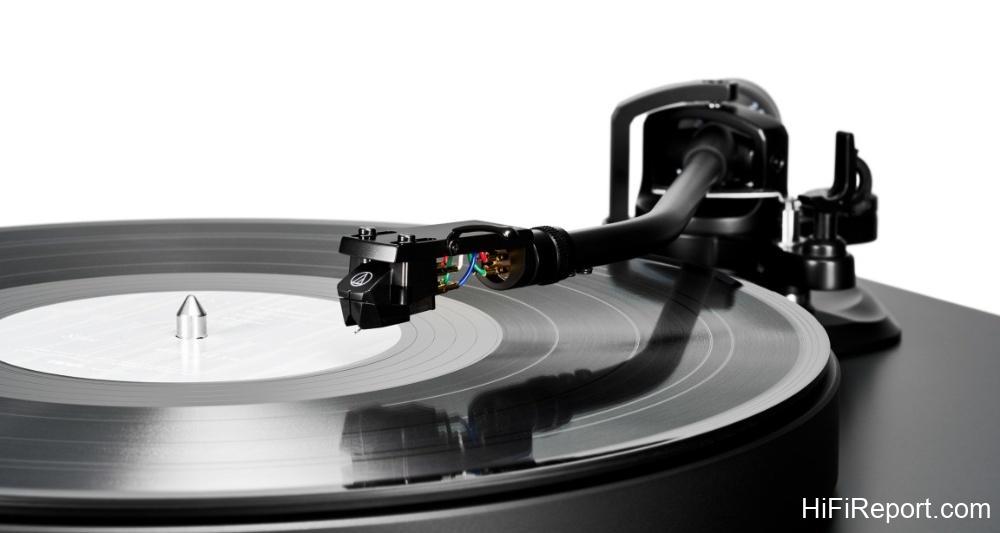
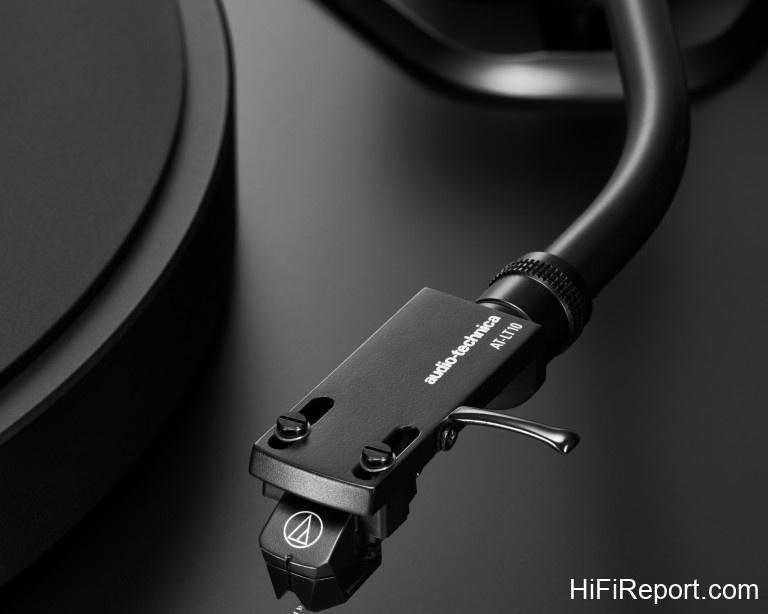
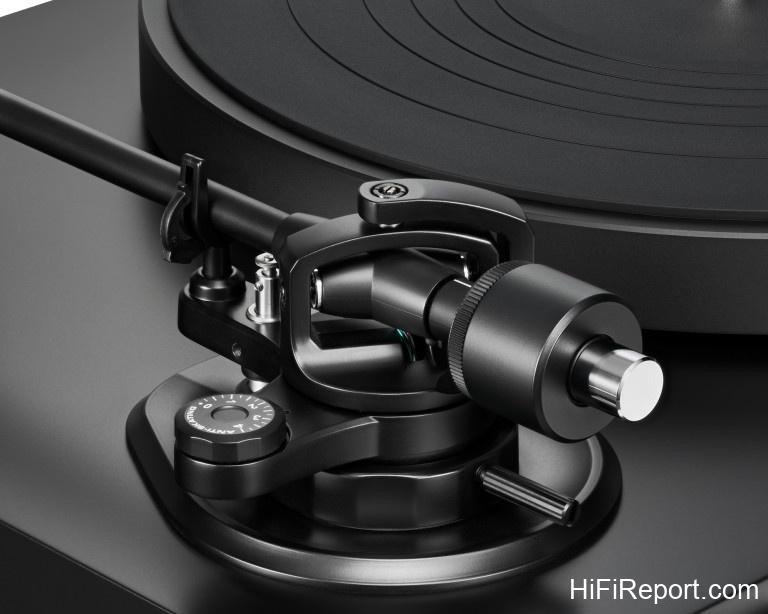
Moving on to the tonearm, the AT-LP8X employs Audio-Technica’s classic J-shaped aluminum tonearm. At its end is a newly designed, lightweight AT-LT10 die-cast aluminum headshell, weighing in at just 10 grams. This enhances cartridge sensitivity. The internal wiring is made from high-purity OFC (Oxygen-Free Copper), ensuring pristine transmission of the cartridge’s minute audio signals. It comes pre-fitted with Audio-Technica’s AT-VM95E BK (black) elliptical stylus MM cartridge.
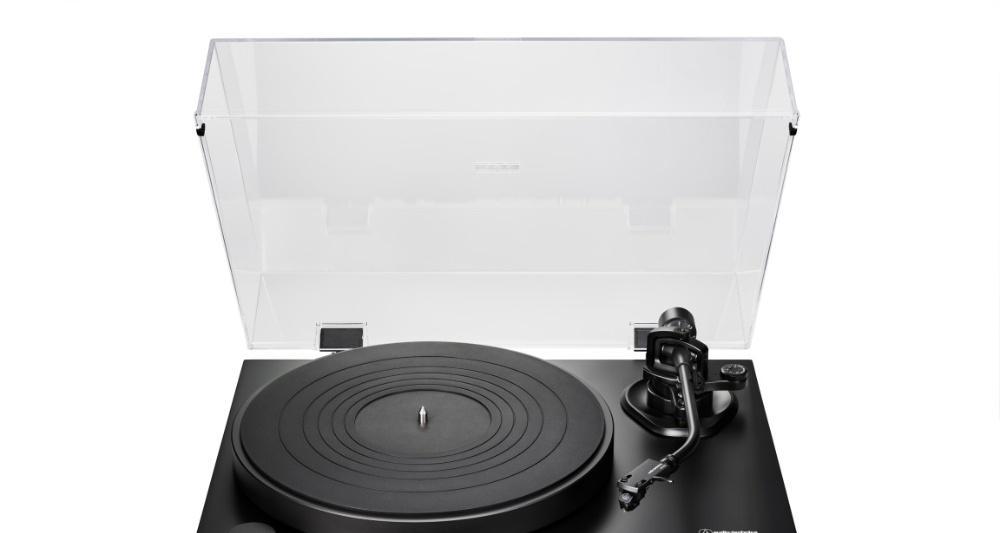
This cartridge is certainly worth mentioning. First, its body is constructed from a low-resonance polymer material. Internally, it features special coils, delivering a high output of 4.0mV, resulting in excellent channel separation and low distortion.
The biggest selling point of the VM95 series cartridges is their “modular” stylus design. Audio-Technica offers a total of six different styli that users can purchase and easily swap out. When I previously reviewed the AT-LP2022 turntable, I compared the differences between a Shibata stylus and an elliptical stylus. The former offered transparent resolution and an expansive soundstage. The latter produced a warm, full sound with a more intimate feel.
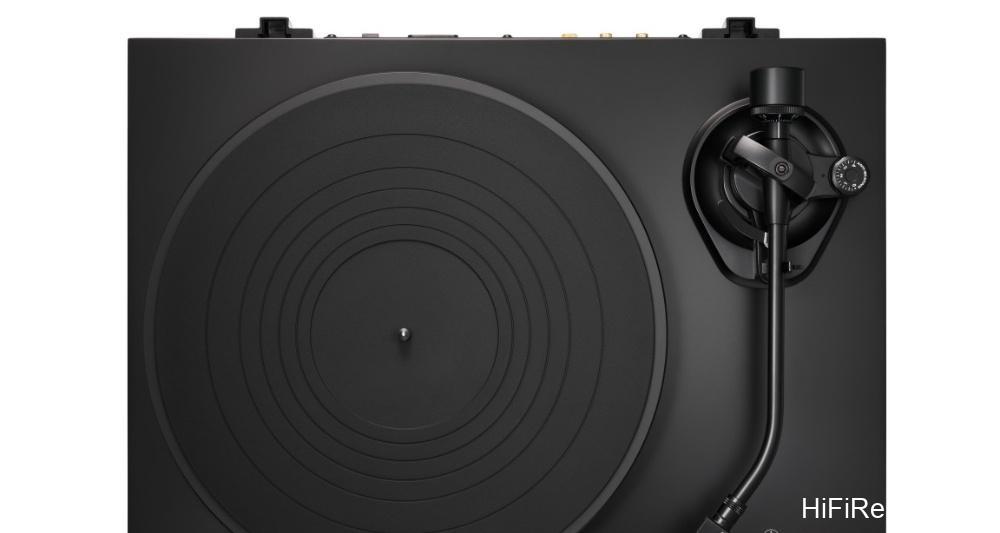
These significant differences offer considerable room for personalization and experimentation, serving as a means for future upgrades or sonic tuning. Moreover, the AT-LP8X’s tonearm counterweight can accommodate an “auxiliary weight,” expanding the cartridge and headshell weight range from the standard 14.0 to 20.0 grams to 17.5 to 23.5 grams. This means users can also upgrade to relatively heavier MC cartridges.
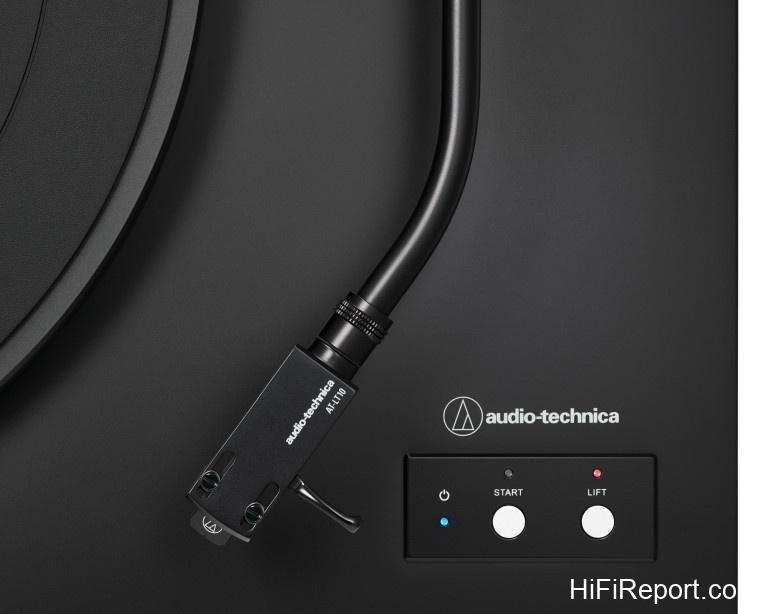
Finally, what truly cemented my affection for the AT-LP8X is its “semi-automatic design.” Anyone who has played with turntables knows that they require a fair amount of manual operation. Many are drawn to this ritualistic listening experience. However, I believe there are also many who find playing vinyl to be a hassle, leading to beginner users losing interest after only a few spins or even never starting. The AT-LP8X addresses this need.
Firstly, its tonearm lift mechanism is button-controlled, making operation significantly easier. Secondly, it features an auto-stop function. When it detects that the record has finished playing, it automatically lifts the tonearm and stops the platter, preventing stylus wear. There’s no need to hover over the turntable waiting to flip the record, making it as effortless as listening to a CD. This completely removes any barrier to entry for new users.
Honestly, I approach turntable reviews with a degree of caution, as most products demand extensive pre-setup adjustments. However, the AT-LP8X is different. Its direct-drive design is relatively straightforward, and the basic setup is genuinely simple. From leveling the turntable, setting the tracking force, and anti-skate, to getting the first sound, it took me a mere five minutes. It’s likely the most user-friendly turntable I’ve ever encountered!
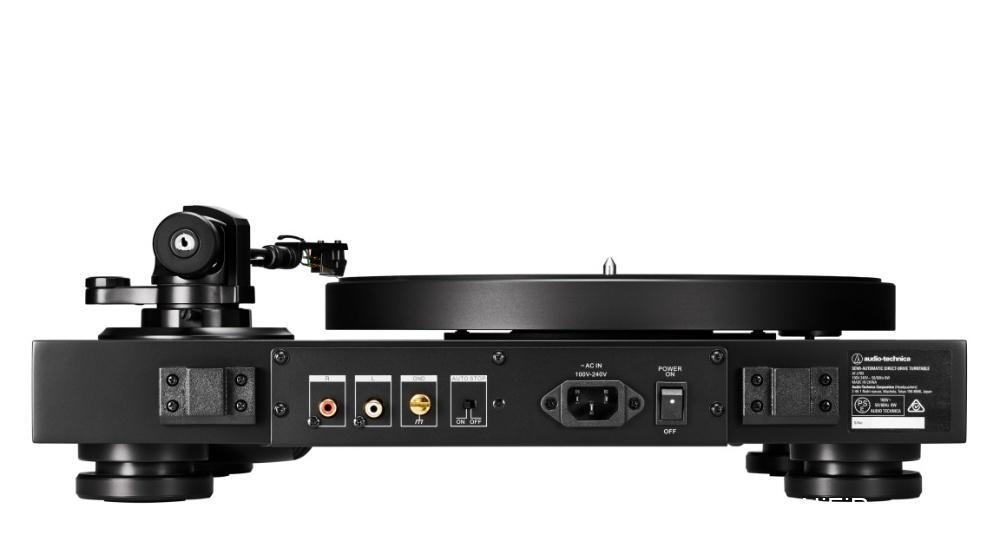
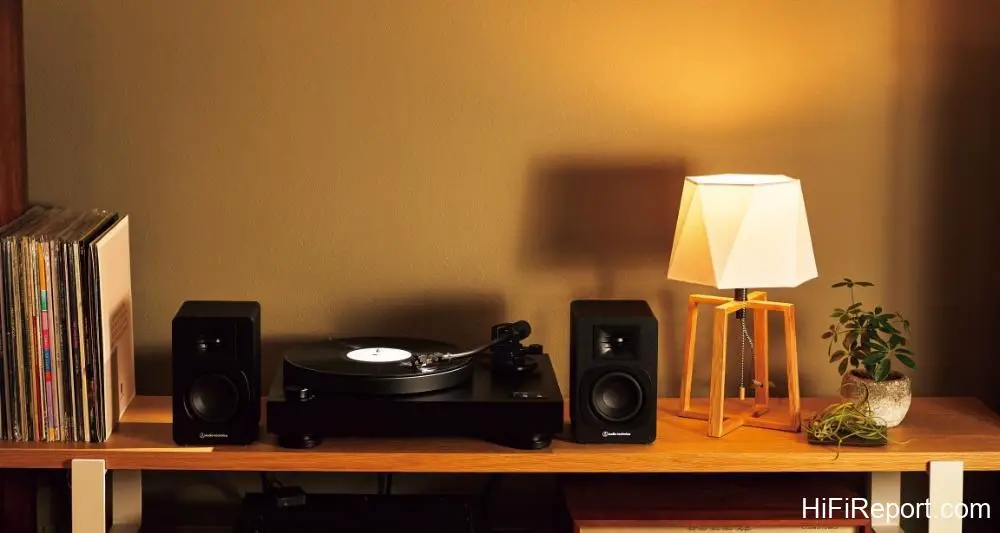
After completing the adjustments, I connected it directly to the Phono input of the Eversolo Play integrated amplifier and paired it with Atohm Sirocco 1.24 bookshelf speakers, a setup typical for many entry-level users. Despite using the same amplifier, playing vinyl with the AT-LP8X produced a sound quality entirely different from the transparent, analytical streaming source. The sound became warm and liquid, with larger musical dimensions and enhanced liveliness.
For example, playing “Devil May Care” from Diana Krall’s “When I Look in Your Eyes” album, I could perceive a dense, full vocal. While the resolution might not have been as dazzling as streaming, the lip-sync details felt more natural, the musical forms were more tangible, and the nuances of breath control during the performance were more intimate, devoid of any stiffness or dullness. This is the true charm of analog music.
The piano’s texture also possessed more weight, allowing me to hear the solid elasticity of the key strikes and the soft resonance of the soundboard, blending seamlessly with the room’s acoustics – a sense of liveliness digital music often lacks.
Next, I played a compilation record from Tacet, released in 2010. On track one of Side B, Haydn’s “String Quartet No. 5,” the AT-LP8X rendered the strings with sweetness and beauty, rich in detail. The violins drew delicate, flowing lines through the air, with a roundness and moisture in the upper frequencies, exuding a noble sheen. The cello was warm and full-bodied, with a long, lingering resonance at the tail end, creating a more aesthetically pleasing sound.
I dare say achieving this quality of string tone from a streaming source would cost at least two to three times more! Similarly, when playing track four, Beethoven’s “Piano Sonata No. 21,” the rapid opening chords had a crisp, energetic impact. The percussive elements were round and woody, and I could clearly discern the scale and resonance of the soundboard, demonstrating the AT-LP8X’s excellent low-frequency quality.
I then brought out Coldplay’s rock album “Ghost Stories,” specifically “A Sky Full of Stars.” The initial low-frequency impact was solid and incisive. Even with bookshelf speakers, I could perceive good low-frequency extension and dynamic effect. This track also dispelled my preconceived notion of the AT-LP8X’s direct sound. The soundstage became expansive and three-dimensional, with ethereal ambient effects weaving through the space.
With the relentless low-frequency rhythm, the music felt elastic, drawing me into its pulse and providing an immersive sonic envelopment.
The AT-LP8X is, without a doubt, my favorite turntable review in recent memory. It’s not just its sound quality, which punches well above its weight class, but more so its irreplaceable, user-friendly design, something most other turntables on the market lack. If you find the operation and adjustments of traditional turntables cumbersome and simply want to enjoy the sonic charm of vinyl in the most convenient way possible, then the AT-LP8X will undoubtedly impress you.
It proves that listening to vinyl can indeed be this simple!
Manufacturer Specifications
* **Type:** Turntable
* **Turntable Drive Method:** Direct Drive
* **Motor:** DC servo motor with active speed sensor
* **Speeds:** 33 ⅓ rpm, 45 rpm, 78 rpm
* **Wow & Flutter:** < 0.1% (WTD) @3kHz (JIS) * **Signal-to-Noise Ratio:** > 60dB
* **Tonearm:** Static balance J-shaped tonearm
* **Cartridge:** AT-VM95E BK MM stereo cartridge
* **Tracking Force:** 2.0g
* **Weight:** 10.4kg