
Audiolife N-Stream 100 Amplifier Review
This is the era of digital streaming.
Physical record sales are dwindling, and no one buys CDs anymore. How do people listen to music? Through the internet, using their phones. Selecting songs and playing music are all done on the phone, even volume control is managed via the phone.
Do you enjoy listening to music this way? Compared to traditional audio systems where you have to find a record and play it, streaming is incredibly convenient. You don’t have to get up or walk over to the stereo to do everything.
If you agree with this way of listening to music, what’s your home setup? The simplest method is using a Bluetooth speaker.
If you choose a powered Bluetooth speaker or an all-in-one audio system, they often have stronger amplifier output and larger speaker drivers, capable of producing higher sound pressure levels and wider bandwidth. This allows you to hear more complete musical information and enjoy a more immersive listening experience.
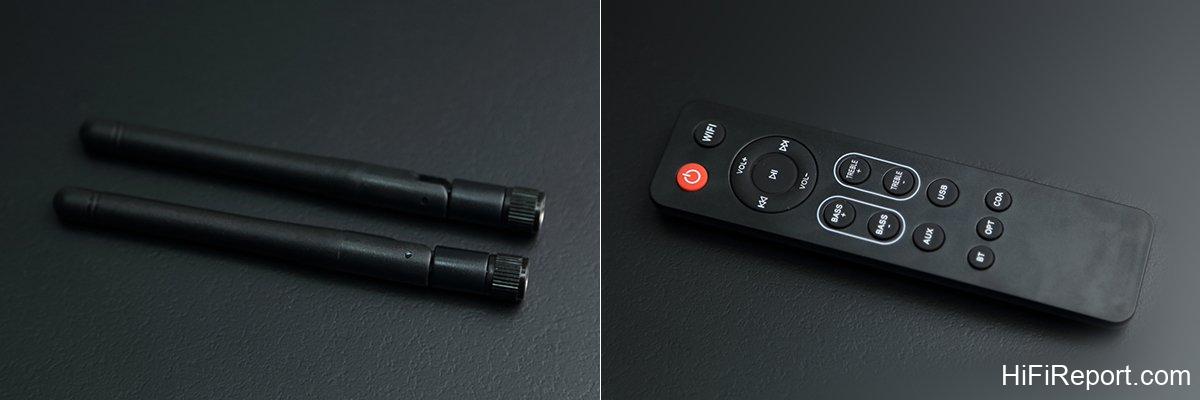
However, the disadvantage of these all-in-one audio systems is that the distance between the left and right channel speakers is too close, resulting in poorer soundstage performance and a lack of stereo imaging.
Is there a solution to this problem? Yes, there is. If you don’t want to make things too complicated, you can buy an amplifier with streaming capabilities and a pair of speakers.
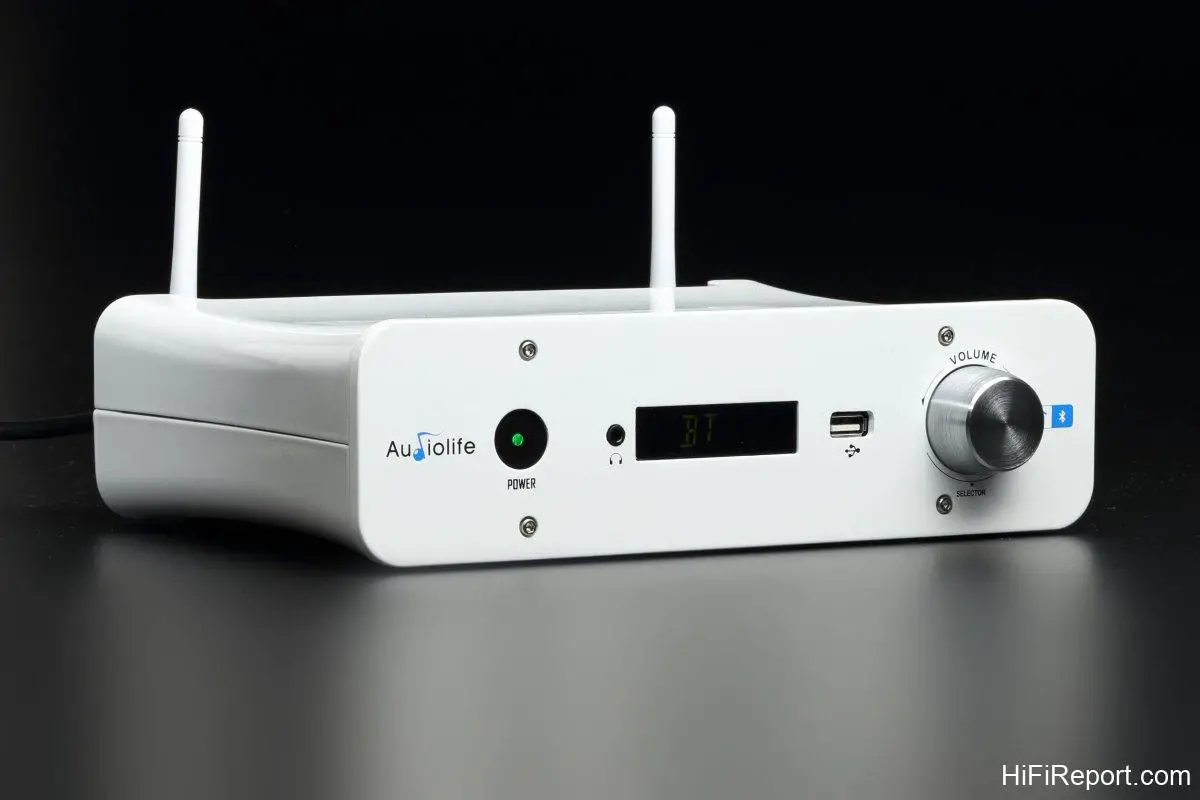
Audiolife’s newly launched N-Stream 100 amplifier is one such option.
Rich Inputs, High Practicality
The N-Stream 100 (hereafter referred to as NS 100) delivers 100W of output power per channel (into 4 ohms), which is sufficient for general use. Paired with bookshelf speakers, whether placed in a room or in a corner of the living room, it can fill the space with delightful music.
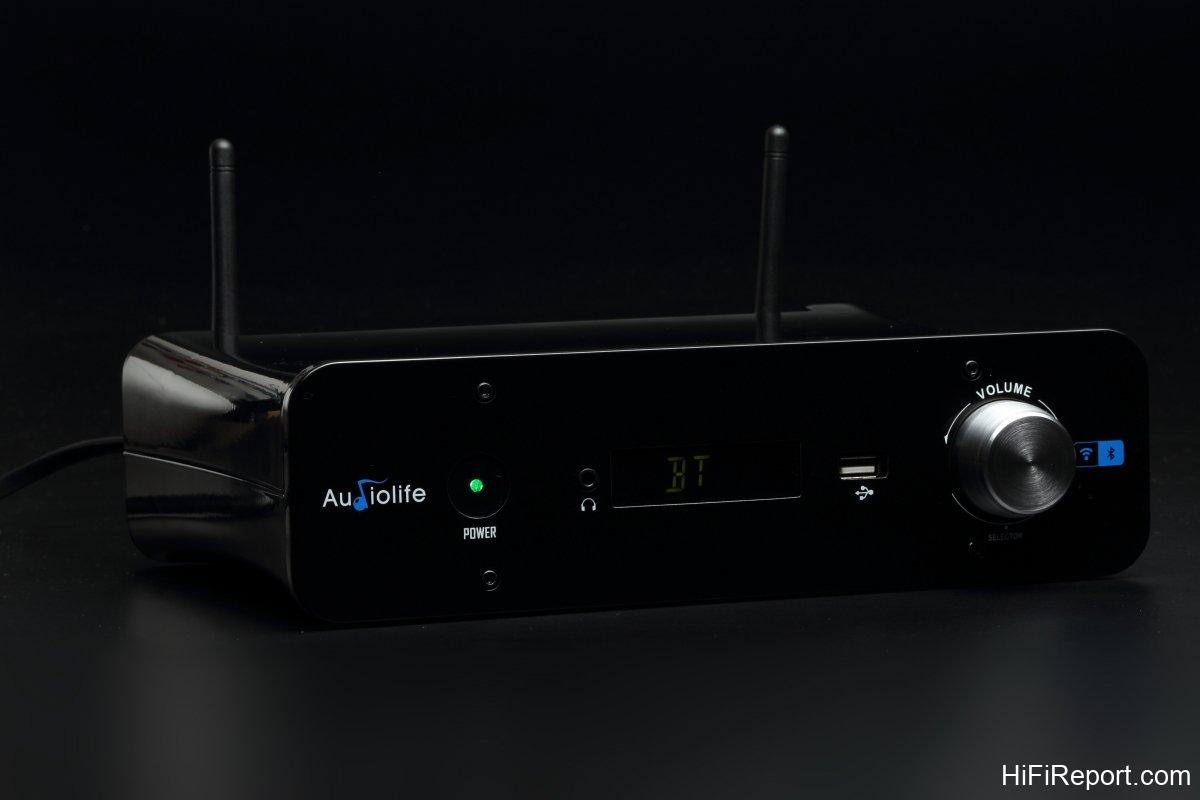
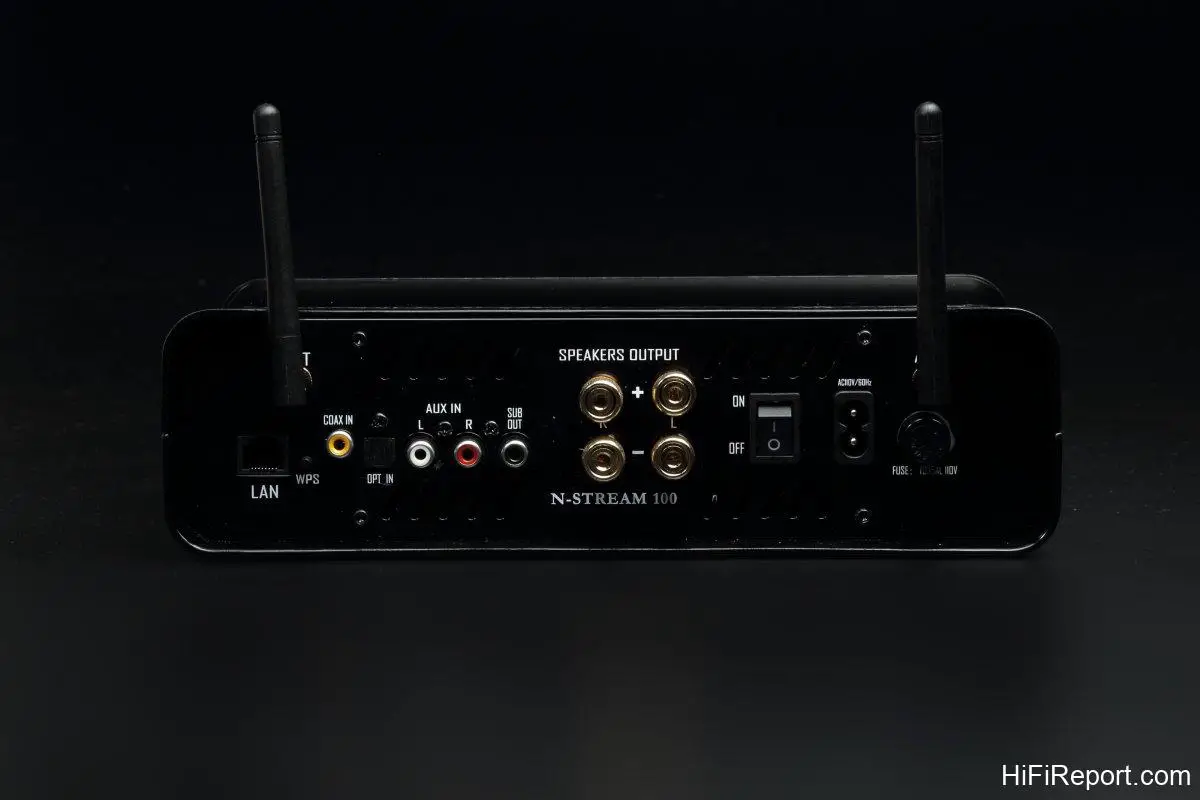
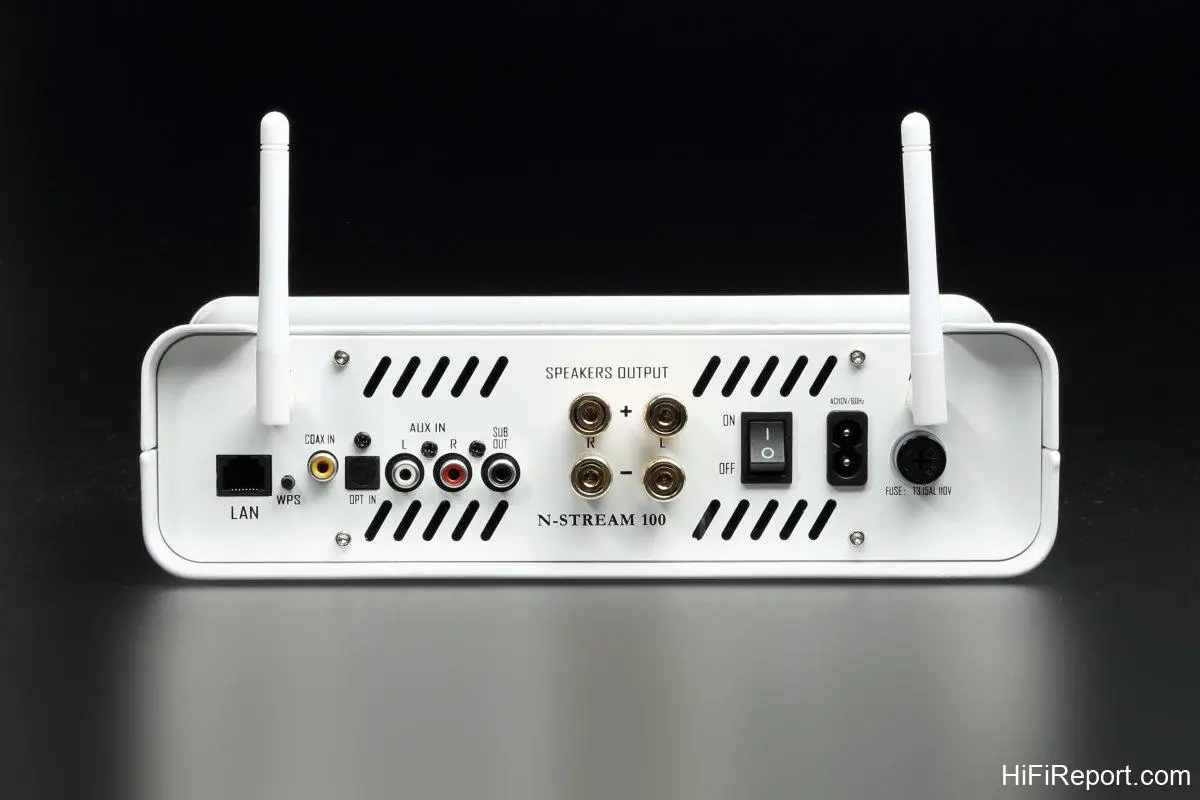
The NS 100 provides one set of analog inputs, allowing you to connect devices such as CD players, Blu-ray players, and radios.
Is one set of inputs enough? It is indeed a bit limited, but its true practicality lies in its rich digital inputs.
The NS 100 is equipped with one optical and one coaxial input each. On the front panel, there is a USB Type-A input that can read music files from external hard drives. Even more impressive are its streaming functions.
The NS 100 has Bluetooth connectivity.
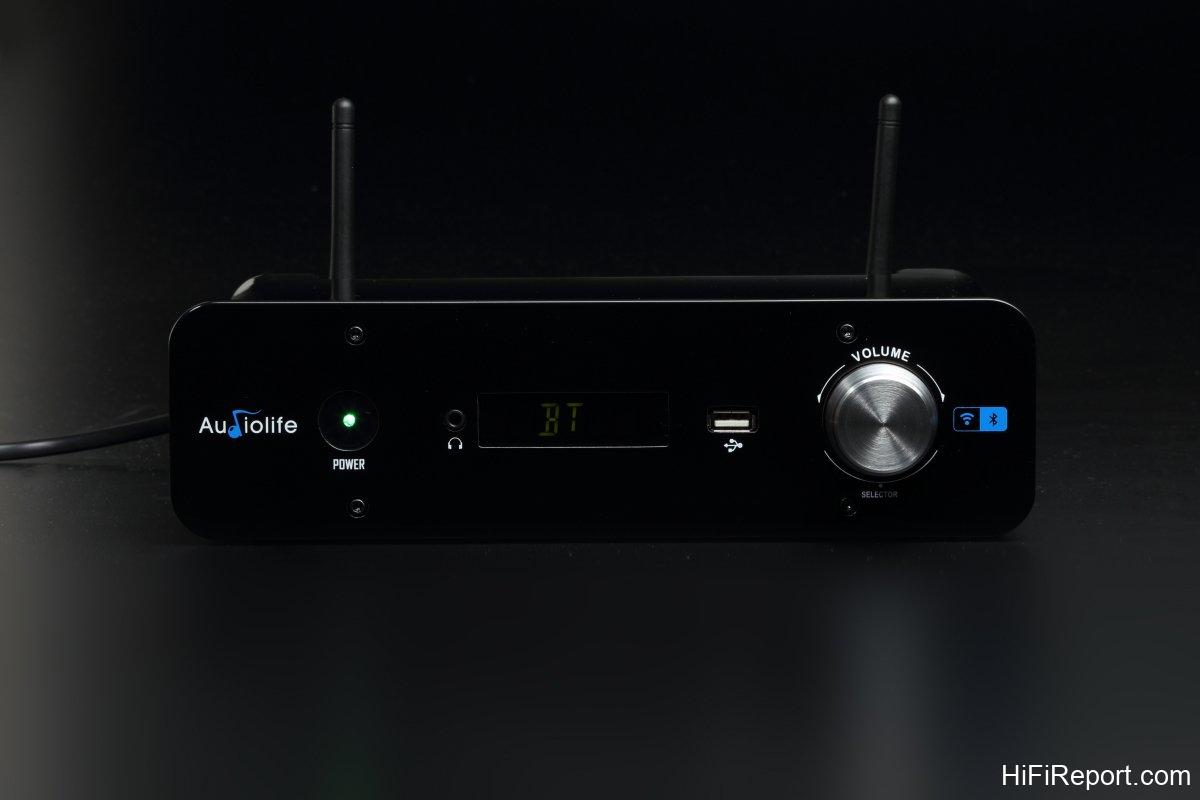
Bluetooth requires no setup and devices can be paired directly. Any friend who visits your home can easily share music with you.
While Bluetooth is convenient, its sound quality is not ideal. Generally, Bluetooth transmits compressed files, and the transmission process involves encoding and decoding, inevitably leading to information loss.
Is there a higher fidelity path?
Network Streaming, Stable App
The NS 100 also offers network streaming, both wired and wireless.
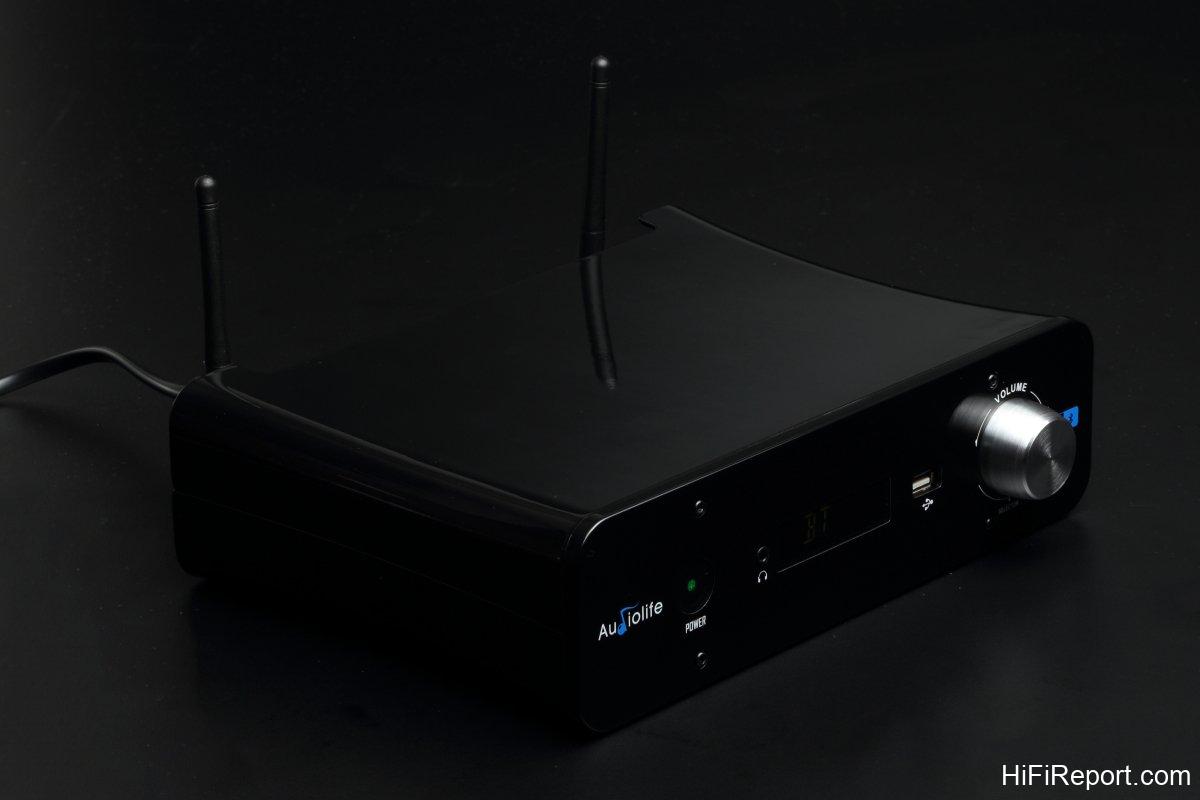
This is incredibly convenient! Generally speaking, wired connection is the simplest; just plug in an Ethernet cable and you’re good to go.
But what if you want to place the audio system in a location without a network cable? Do you have to run a cable over there? That’s too much trouble! No need.
The NS 100 features wireless Wi-Fi transmission capabilities. After completing the wireless setup, you can use Wi-Fi for transmission.
This way, even if you want to place the audio system far from the router or switch, in a location where it’s inconvenient to run a network cable, you can still happily enjoy streaming music.
How do you set it up? Basically, the setup methods for these types of products are quite similar.
First, you need to download an App.
Audiolife recommends downloading an App called “Muzo Player,” which is available for free in both the App Store and Google Play Store.
After turning on the NS 100 and opening the App, follow the instructions to switch the NS 100 to the Wi-Fi input. Then, go to your phone’s Wi-Fi settings and find “Audiolife NS 100.” Connect to the NS 100 first, then return to the “Muzo Player” App. Next, please wait patiently for the system to respond, and then follow the instructions to select your home network and enter the password. After that, the wireless setup is complete.
The Muzo Player provides a very user-friendly playback interface. Even first-time users can easily get started.
It also integrates TuneIn and iHeartRadio internet radio, as well as streaming service providers like Spotify, Tidal, Qobuz, and Deezer. As long as you are a subscriber to these streaming services, you can stream through Muzo Player.
Of course, it can also play “local” music, including music on your phone, NAS within the local network, and external storage devices.
As for the playback functions and tree structure, they are similar to general UPnP software. Interestingly, when playing music, a vinyl record-like screen appears, framing the album cover as a circular vinyl label that rotates, which is quite fun.
This App is also very smooth to use, without any lag, and during the trial period, there were no crashes.
Perfect Match with Amphion Helium 410
What speakers pair well with this amplifier? I think pairing it with bookshelf speakers of a comparable price range is perfect. If you’re placing it in the living room, small floor-standing speakers with high efficiency would also be good, but bookshelf speakers are ultimately more affordable and a more reasonable match.
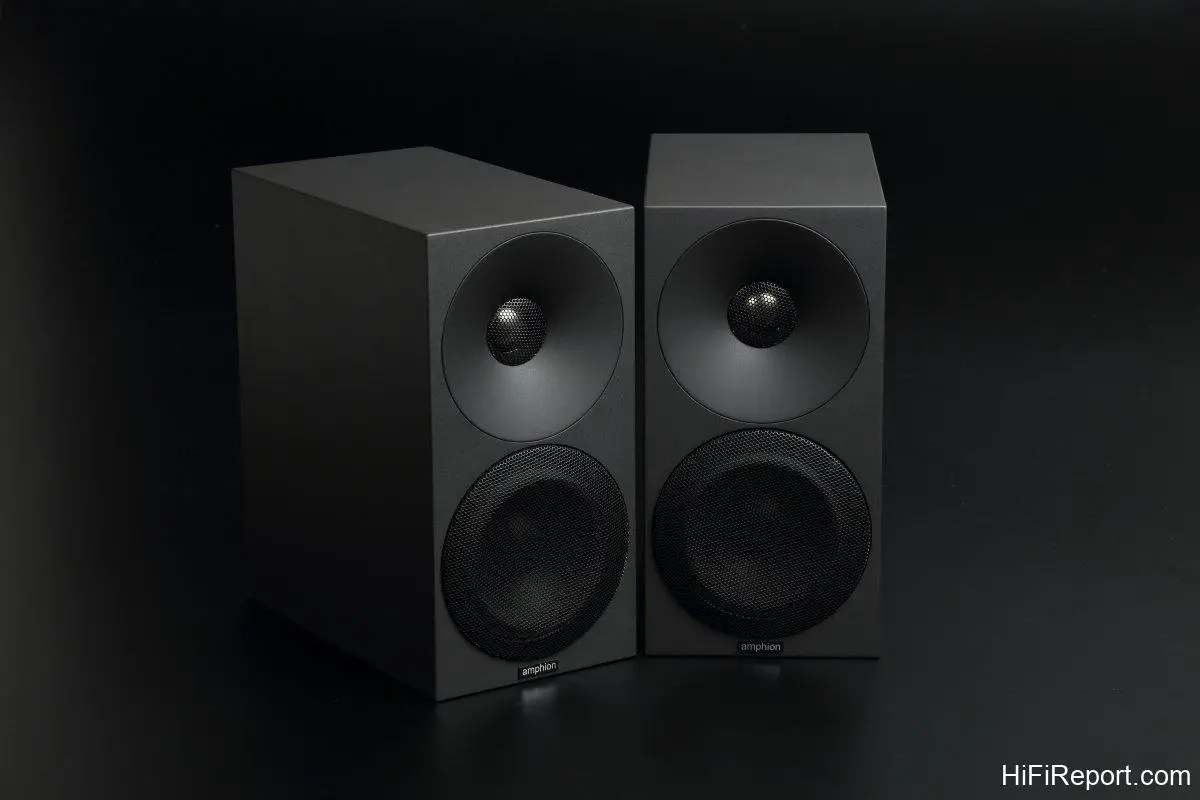
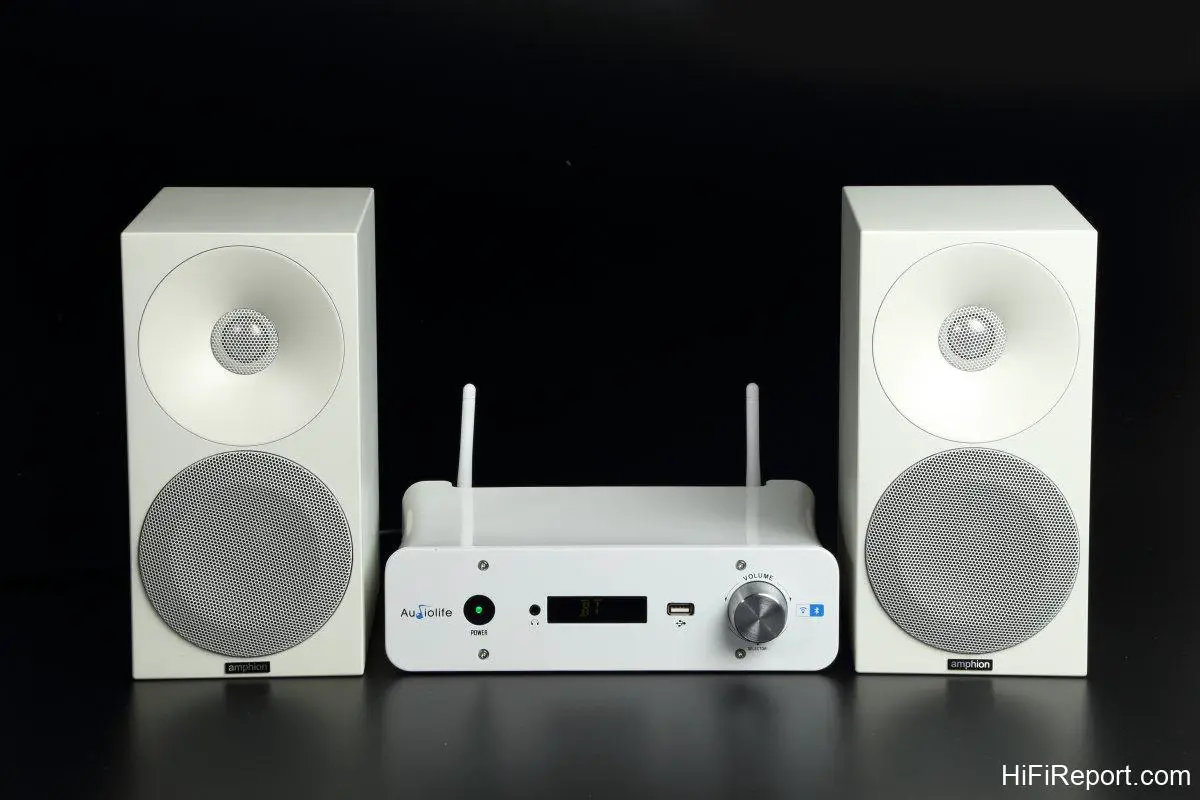
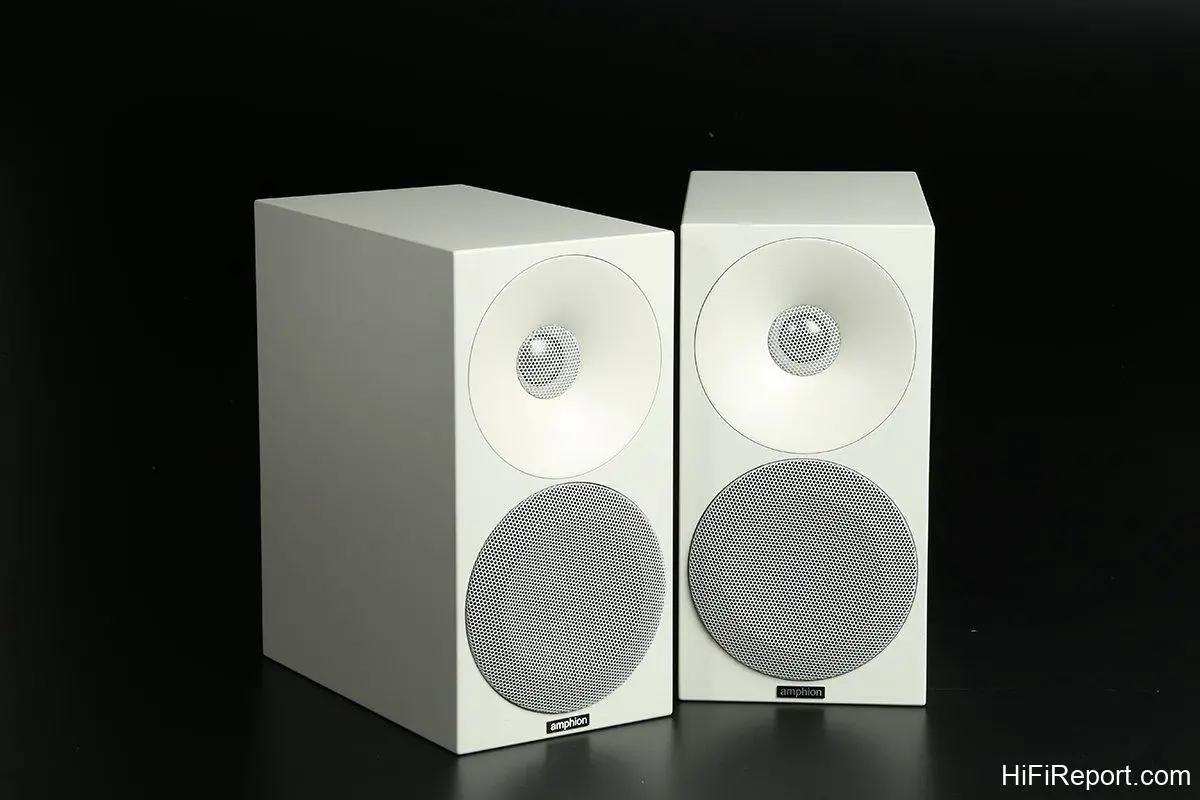
Audiolife provided a great solution, sending along Finnish Amphion Helium 410 speakers together with the NS 100.
Excellent! I’ve always liked Amphion speakers. They are beautiful! They use simple and clean lines to create products that are endlessly pleasing to the eye.
My listening experiences with Amphion speakers have always been very positive.
Their speakers have a slightly warm and full-bodied texture, without sacrificing musical liveliness, and they easily create a soundstage with pinpoint imaging, making them instantly appealing.
I especially enjoy near-field listening with their bookshelf speakers, and the Helium 410s sent for this review are a great choice for desktop listening.
If you are interested in the Helium 410, you can read my previous review for detailed information.
How should you use the Audiolife NS100? I think the most sensible way is to place it on a desk or low cabinet, with the speakers placed on either side, slightly spaced apart.
Due to the width of the desk and cabinet, the spacing can’t be too wide, probably around 1 meter, and it’s best to place them close to the wall.
This way, the midrange won’t be too diffuse, and placing them against the wall can strengthen the bass.
This is how I listened, but I didn’t have a suitable desk available, and I couldn’t find a solid wall to use for testing. Therefore, I placed the Helium 410s on speaker stands, spaced about 1.1 meters apart, and sat at the apex of the triangle for listening; I ignored the back wall.
Volume Protection, Prevents Loudness
Try it and you’ll know, the speakers disappear effortlessly.
Audiolife is famous for making speakers and subwoofers, but they don’t have as much experience with amplifiers.
However, this NS100 is truly practical.
Listening in this setup, the sound actually has some presence.
Listening to Mutter’s latest album “Across the Stars,” hearing her play John Williams’ soundtracks is truly enjoyable.
The violin sounds clear in every nuance, and a detailed stage is presented right in front of you. When the low strings swell, the small Helium 410s also perform impressively.
I turned up the volume, wanting to push the equipment to its limits.
But what’s going on? It seems like the volume can’t go any higher.
I checked the volume level; it was at the maximum of 25, and it wouldn’t go any further.
This is actually a good thing, preventing accidental damage to the speakers from excessive volume. This volume level is definitely within a safe range, and even hearing will not be harmed.
Is it too quiet? It’s impossible to fill a large space, not because the NS100 is inadequate, but even the Helium 410s are not designed for that.
But if you are in a room, the energy is more than enough to make you want to turn it down quickly.
Excellent Near-field Listening
Listening to the “Frozen 2” movie soundtrack, this small system made me feel like I was watching a movie.
Listening to “All Is Found,” the guitar accompanying the female singer’s vocals at the beginning is pure and clean, with a thickness that adds to its physicality.
The female singer’s voice is clear and distinct, with excellent imaging.
The song “Into the Unknown” itself has an ethereal sense of distance. The piano notes at the beginning are well-defined, Aurora’s harmonies drift in from afar, and Idina Menzel’s vocals are full of character.
Even on this small system, I could hear so much.
Even during the intense chorus, the imaging didn’t collapse.
This shows that the NS100 has considerable capability in controlling the speakers within its limited volume output.
You can imagine me playing Frozen, but can you imagine me playing Batman? Using the “Dark Knight Rises” soundtrack to test such a small system is inherently unreasonable, but that’s exactly what I did to highlight the fact that this small system should not be underestimated.
For example, in “A Storm Is Coming,” the small system can also create a powerful presence. In this near-field listening situation, the tension conveyed in the music is still effectively communicated.
The music of “On Thin Ice” is icy cold, as if I could inhale the frigid air.
The electronic bass in “Underground Army” is even more intense, and the Helium 410s, driven by the NS100, still perform admirably.
It’s a pity that the NS100 doesn’t have a USB Type-B input; otherwise, it would be fantastic for connecting to a computer to watch online movies.
Enjoy Wireless Convenience
The Audiolife N-Stream 100 is not some groundbreaking amplifier, but undeniably, it is very convenient and practical.
Paired with a pair of small speakers like the Helium 410s, you can have a life filled with music. Pick up your phone anytime, whether using Bluetooth or Wi-Fi, you can instantly play music.
Even without the Muzo App, you can stream music from other Apps on your phone to the NS100 for playback.
This is a wireless era, an era where convenience reigns supreme. The Audiolife N-Stream 100 is an amplifier that allows you to conveniently enjoy music wirelessly.
Specifications
* Type: Streaming Integrated Amplifier
* Output Power: 100W x 2
* Frequency Response: 20-20kHz +/- 3dB
* Inputs: Analog RCA x 1 (Aux); Optical x 1; Coaxial x 1; RJ45 x 1; USB Type-A x 1; Bluetooth; Wi-Fi 2.4GHz
* Outputs: 3.5mm Headphone Output x 1; RCA Subwoofer Output x 1
* Sensitivity: 800mV
* Distortion Rate: 10%
* Signal-to-Noise Ratio: >80dB