
Audiolife Super-i8 Subwoofer Review
Subwoofers have become increasingly popular in the audio market recently. Their benefits are now recognized not only in multi-channel home theaters but also in two-channel hi-fi systems. It’s common to see enthusiasts adding not just one, but two, three, or even six or eight subwoofers to their setups. Low frequencies have always been a headache for many audio enthusiasts.
Numerous factors can contribute to poor bass performance, such as speakers with insufficient bandwidth, amplifiers lacking control, or room modes causing standing waves. Solving these issues can be challenging. Adding a subwoofer has emerged as one of the most effective and direct solutions. Super-i is Audiolife’s latest subwoofer series, categorized by driver size: Super-i6, Super-i8, Super-i10, and Super-i12.
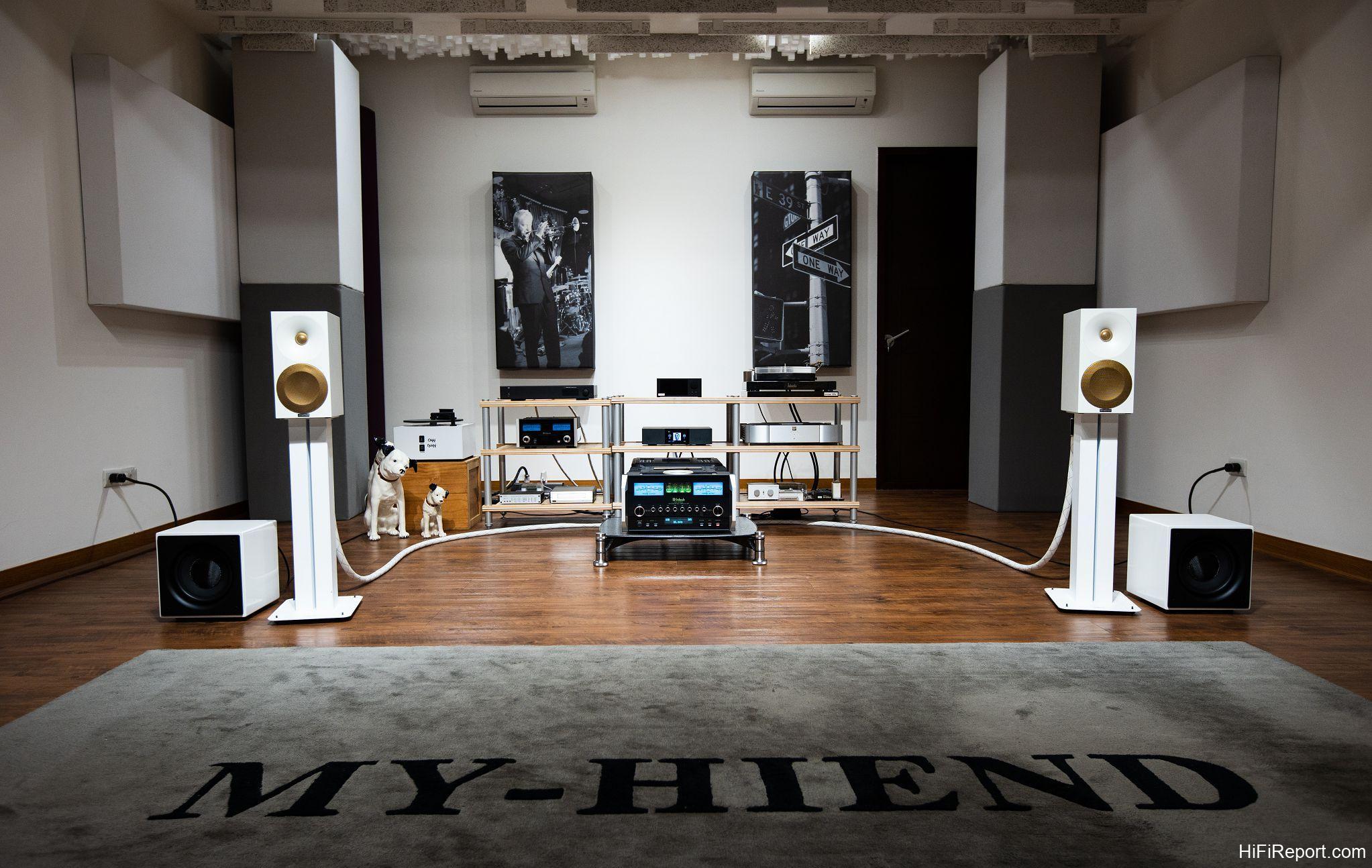
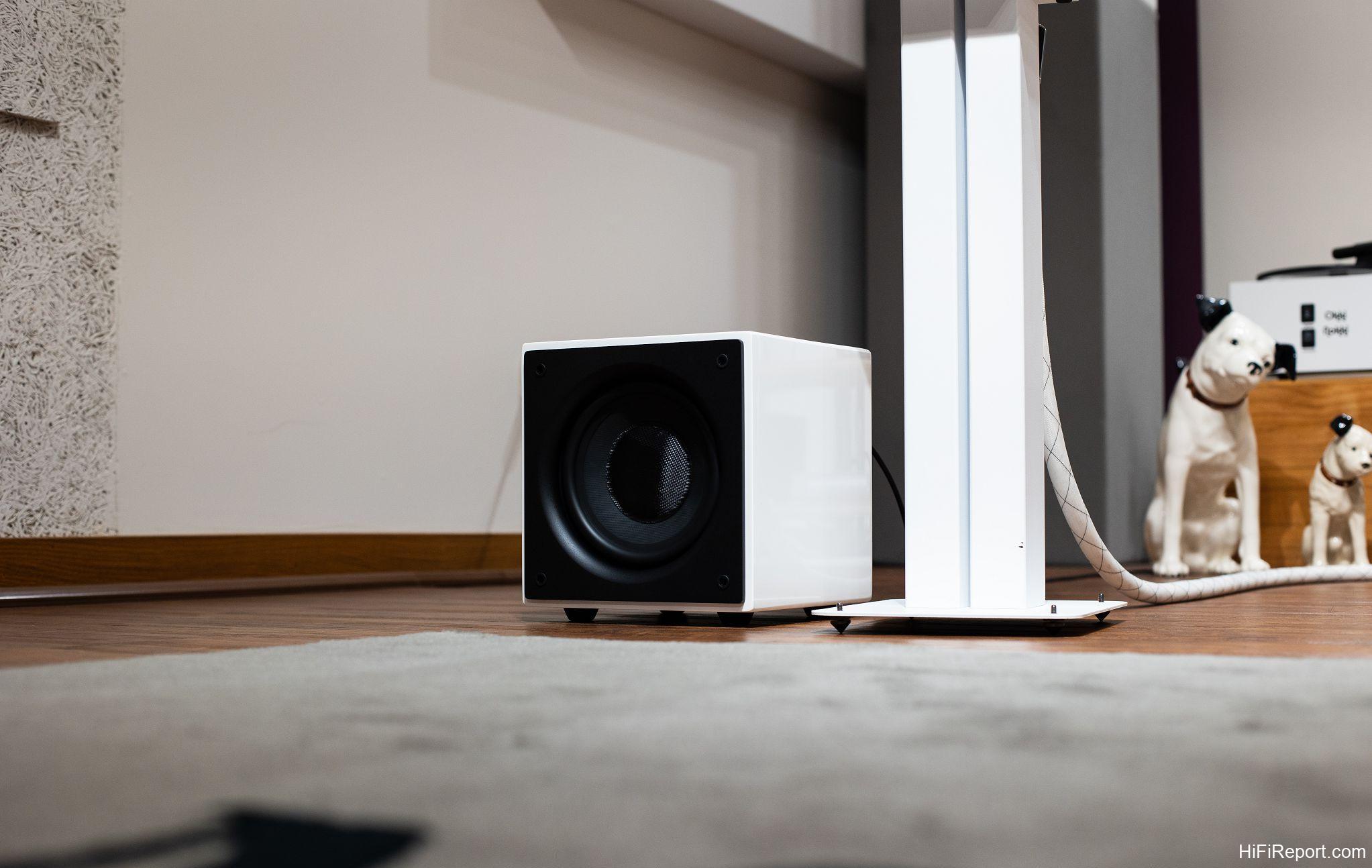
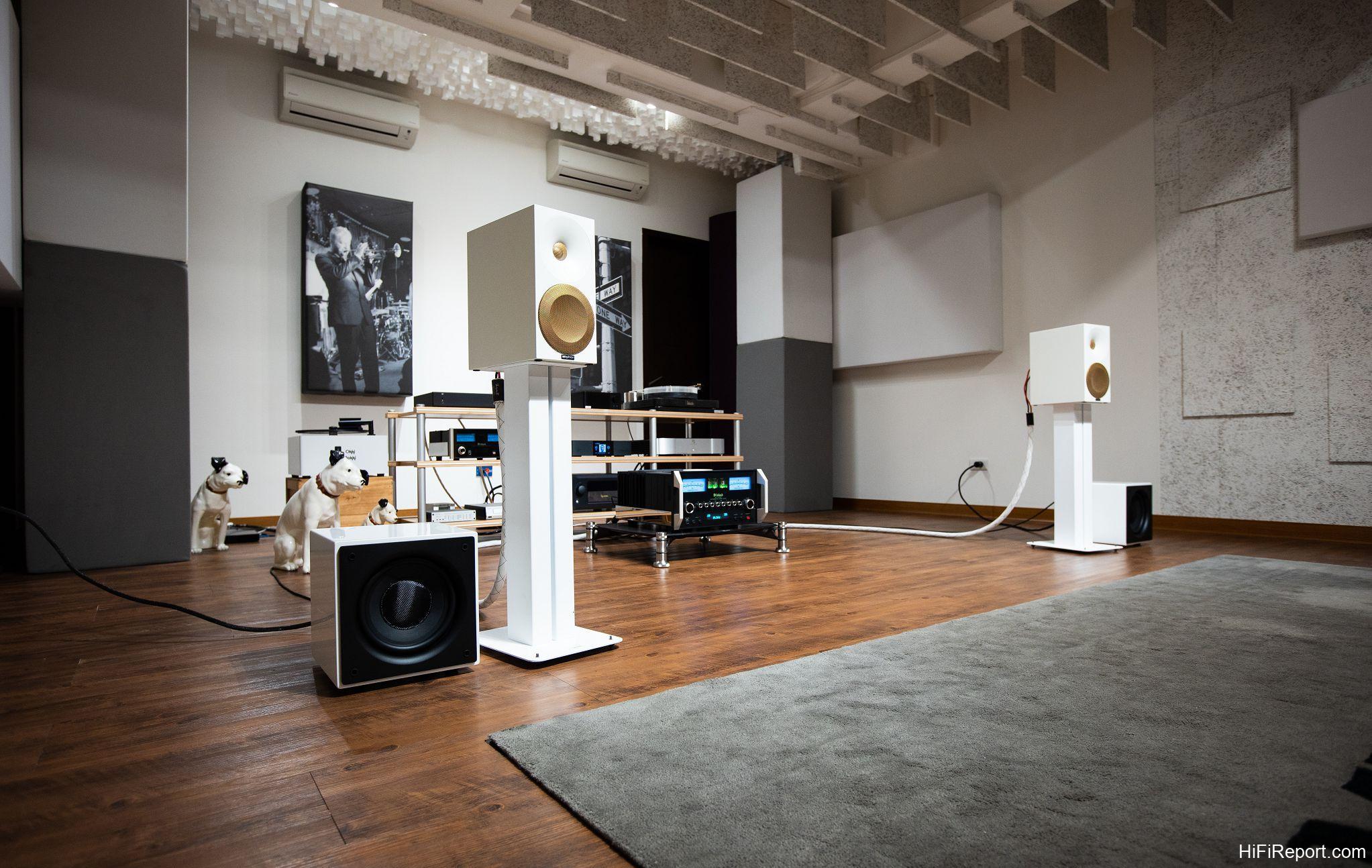
For this review, we at Carbenet specifically used two Super-i8 subwoofers with Amphion Helium 510 bookshelf speakers to create a 2.2 channel system.
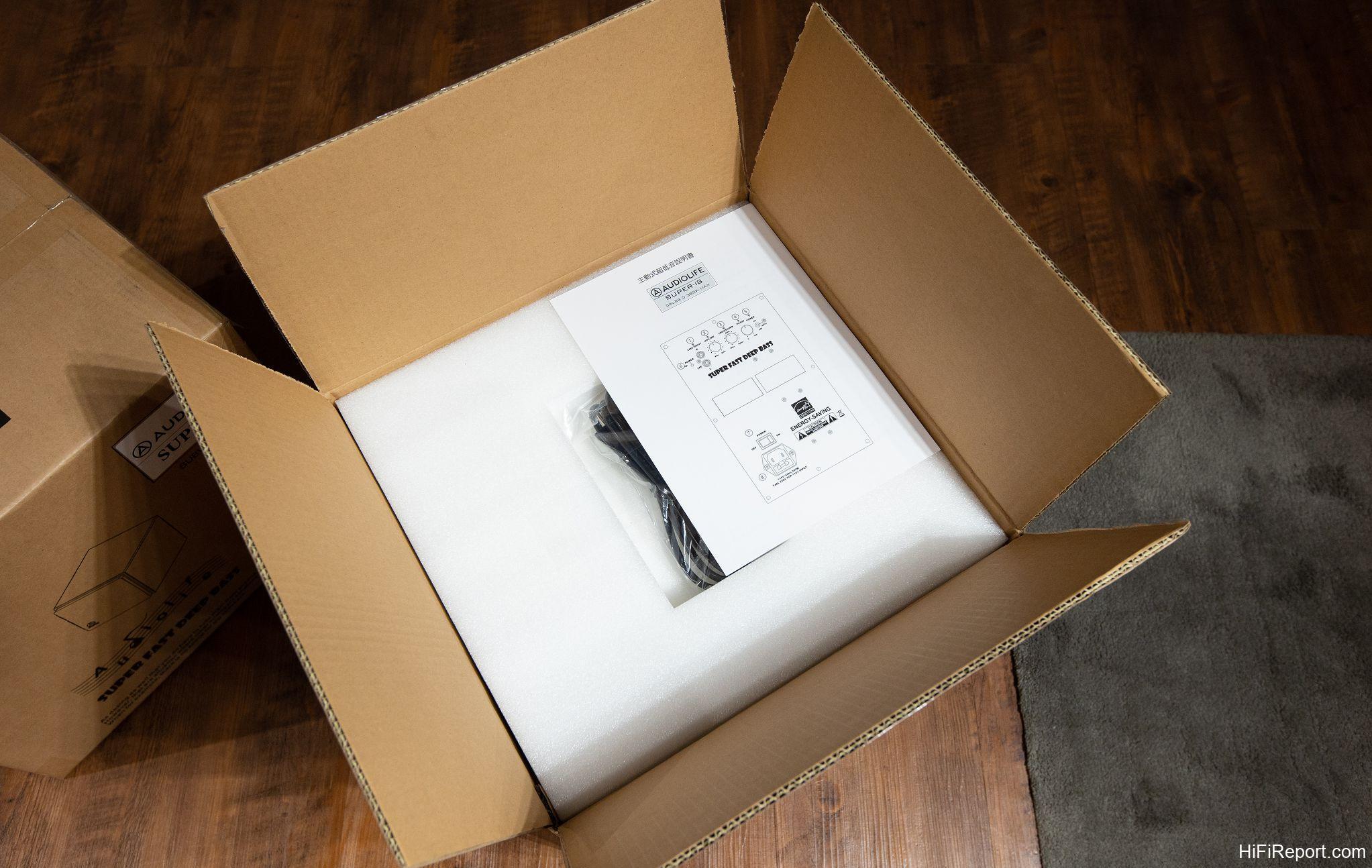
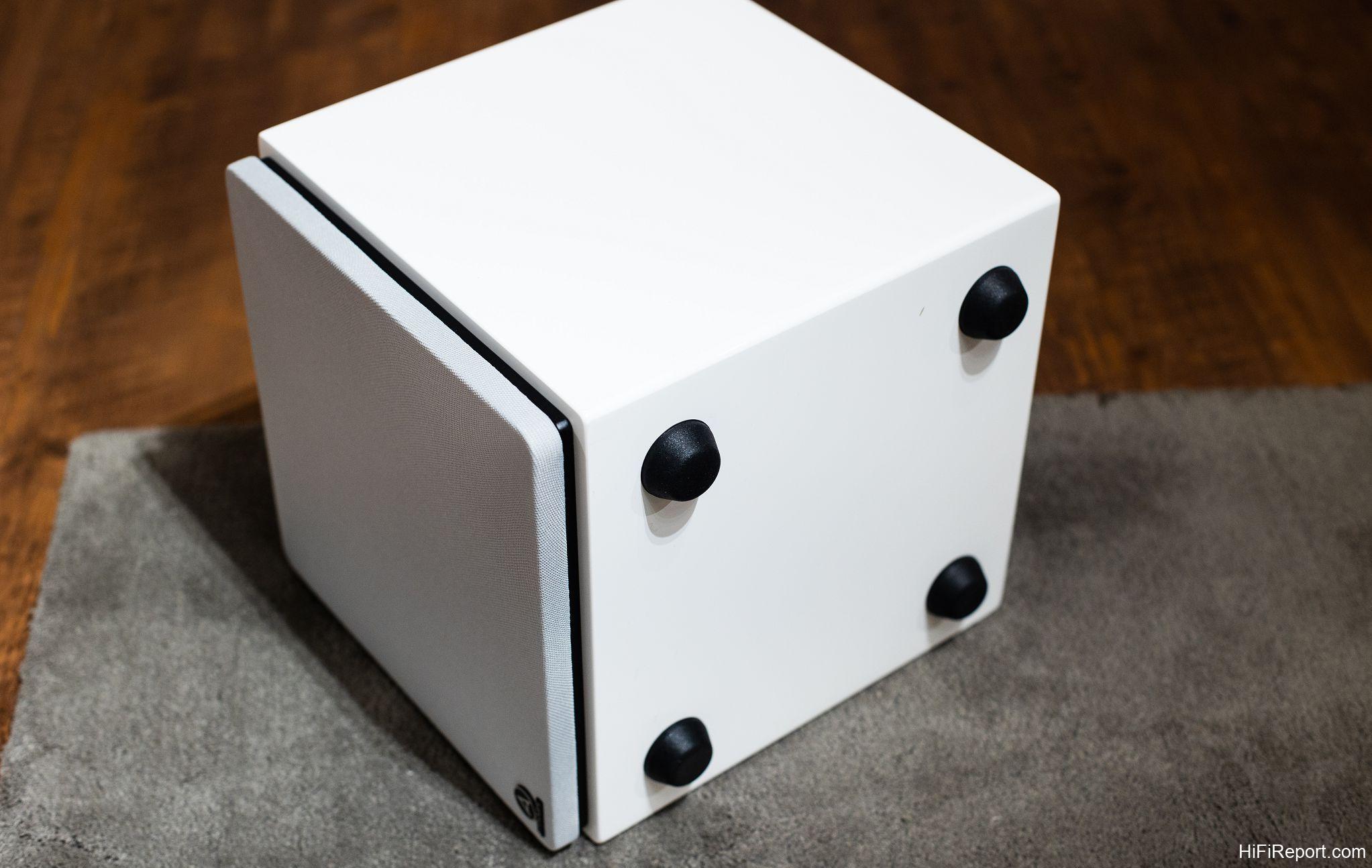
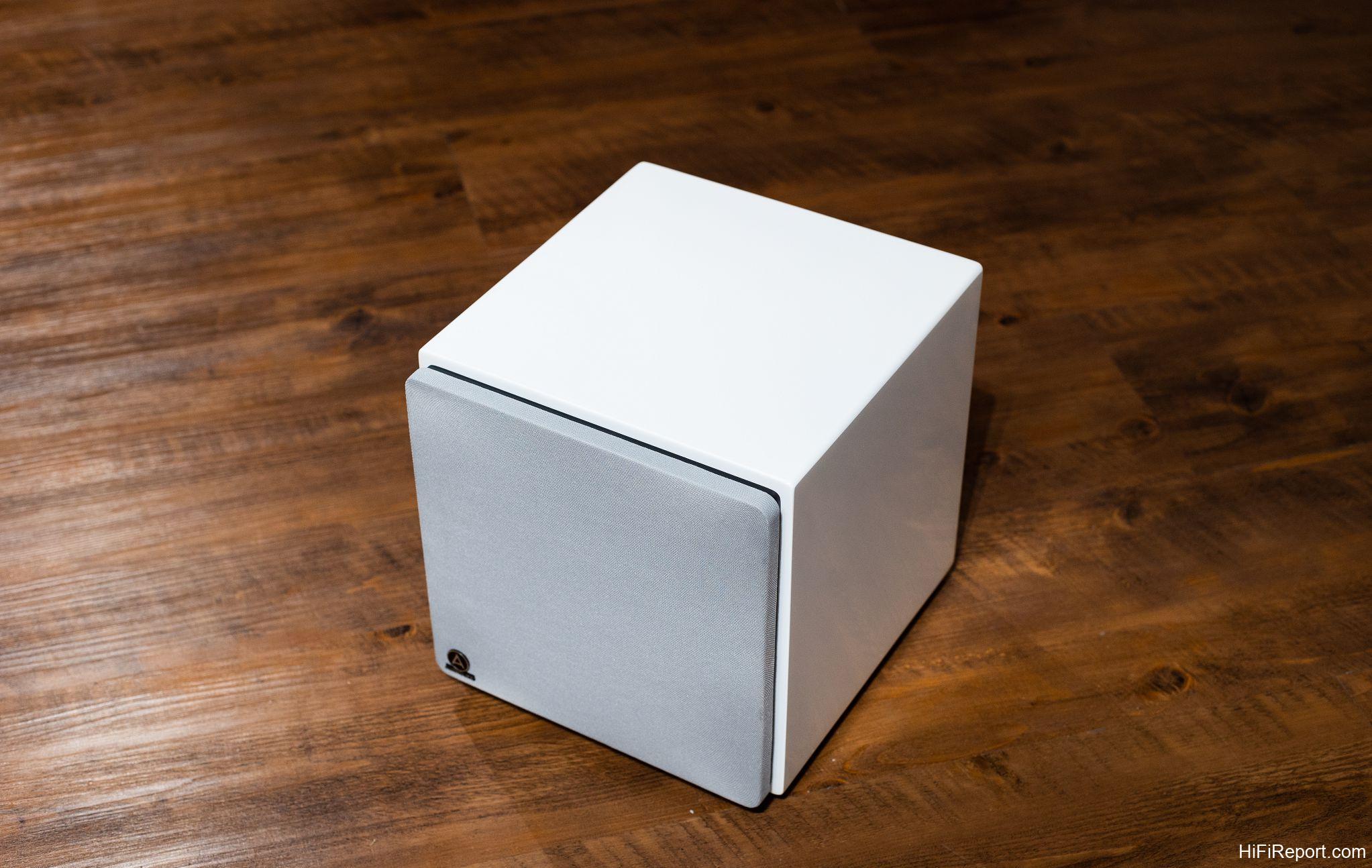
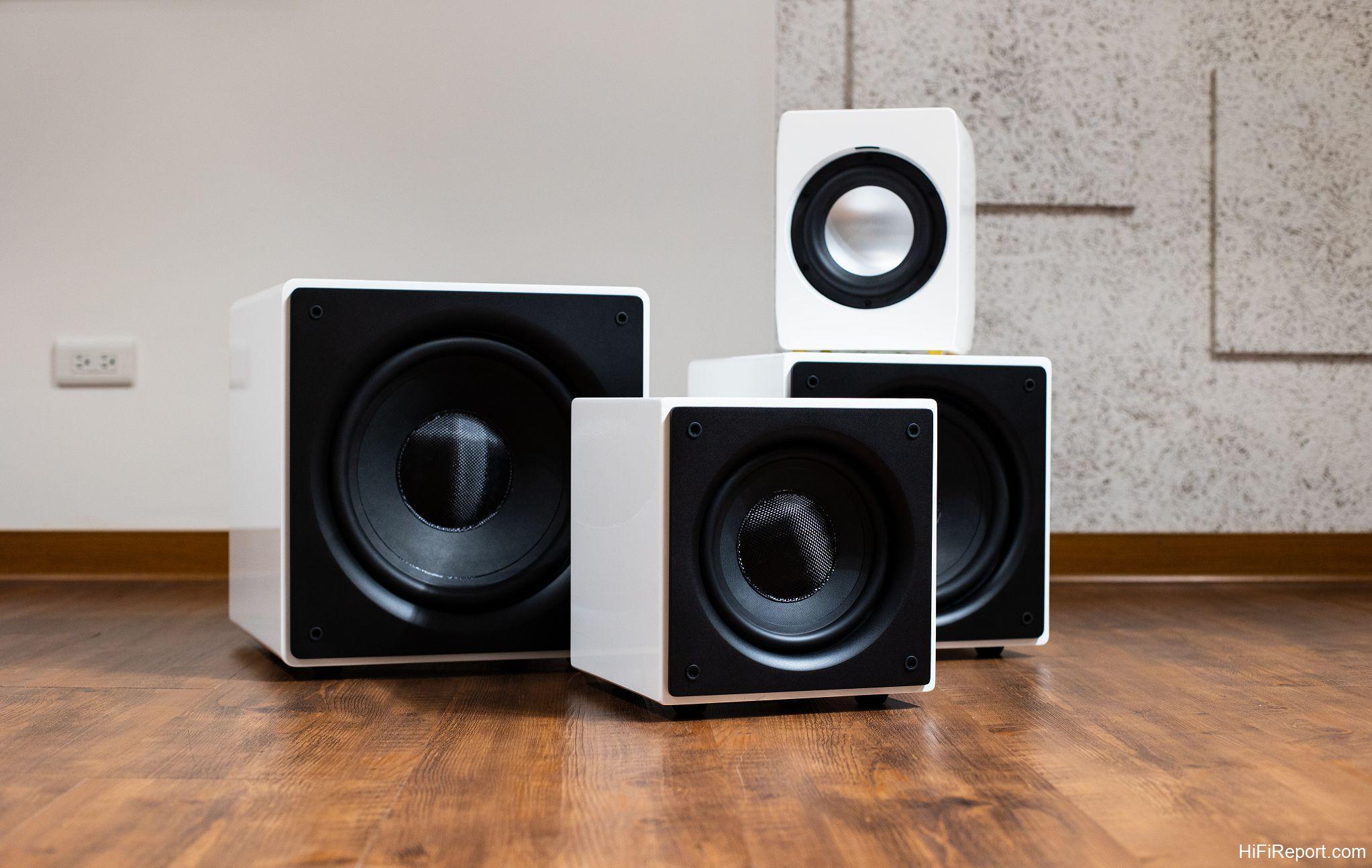
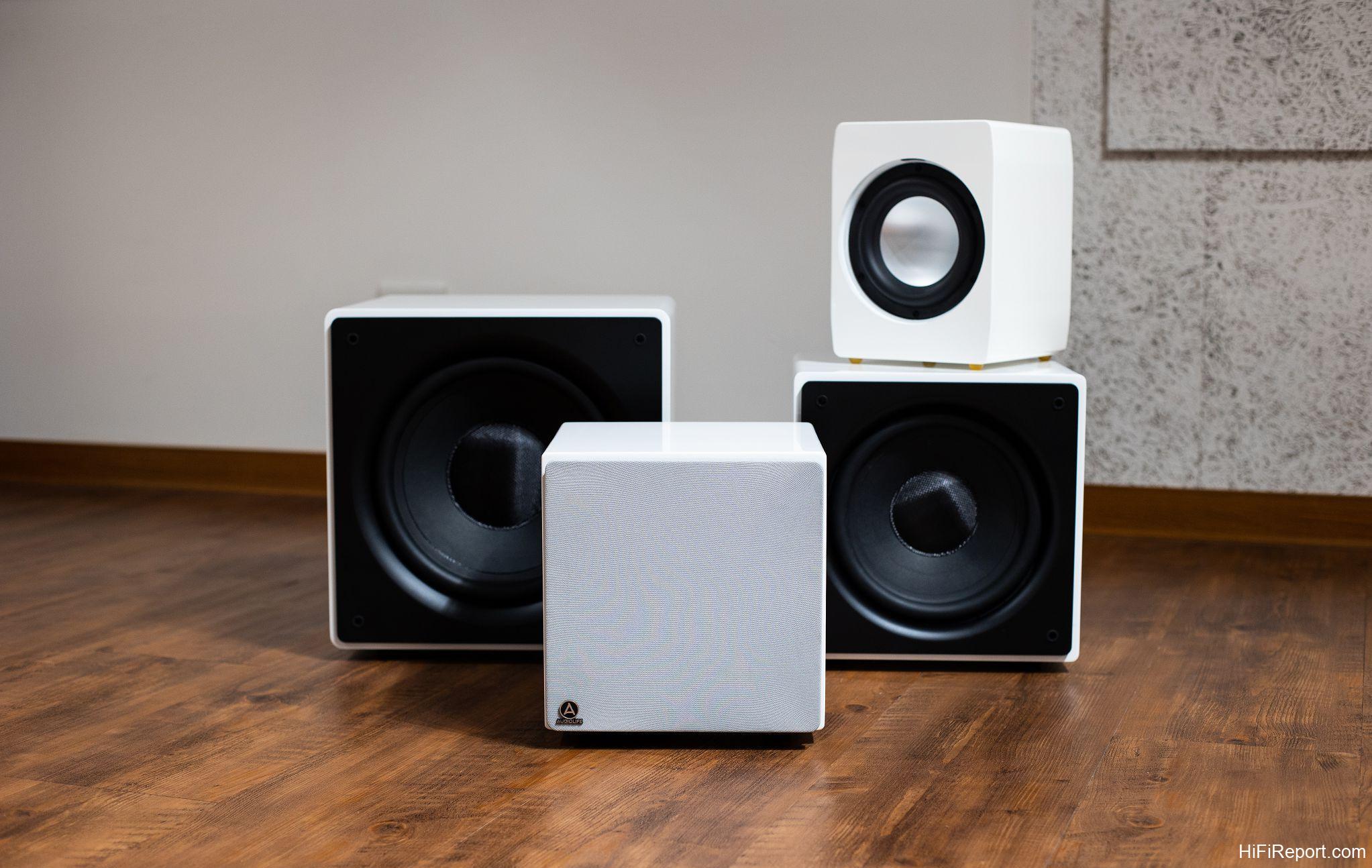
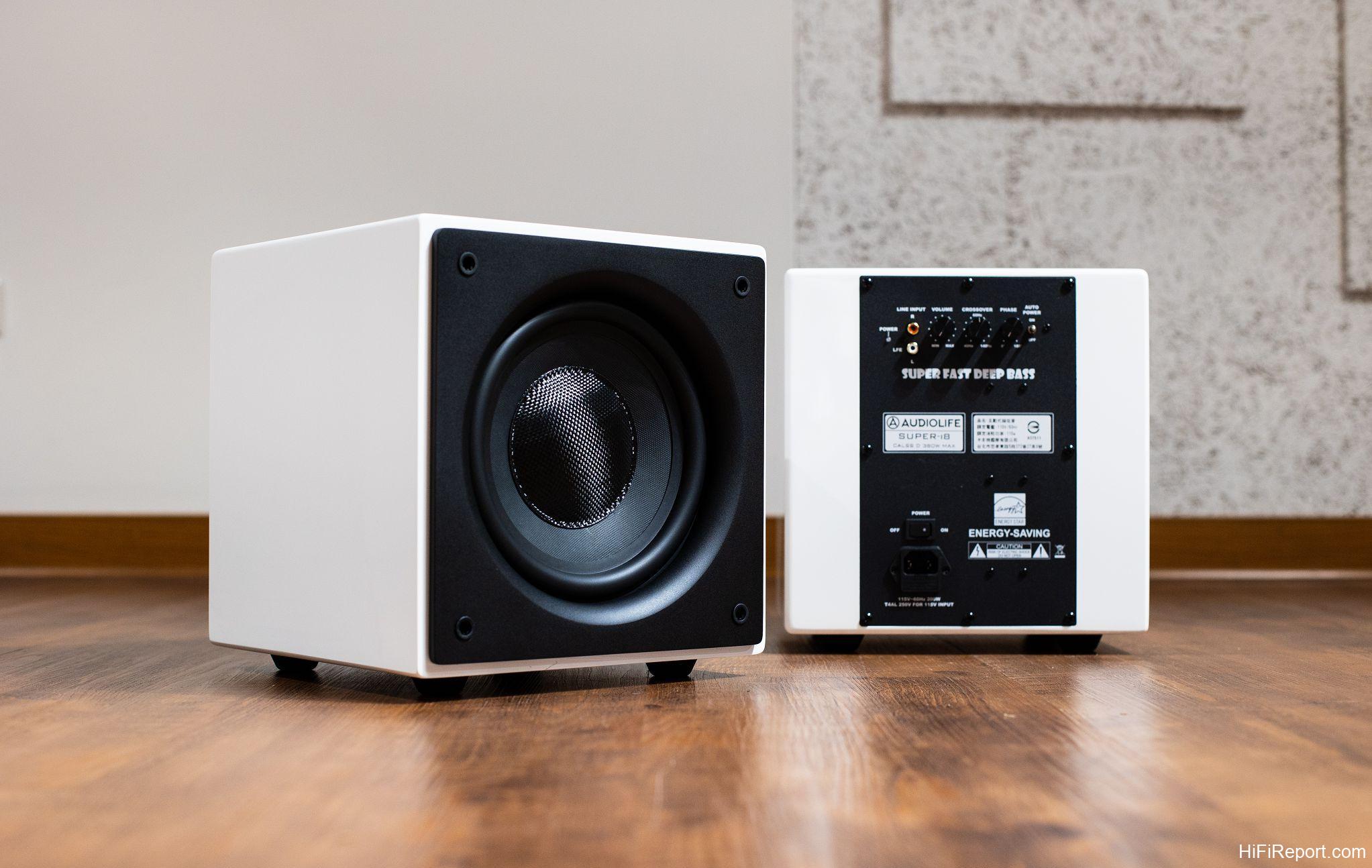
The Super-i series is available in both white and black finishes, ensuring they can seamlessly blend into any décor.
The Super-i series employs a sealed cabinet design. Thanks to advancements in technology, modern subwoofers offer enhanced performance while often being more compact. The Super-i8, for example, incorporates a state-of-the-art Class D amplifier boasting a substantial 380W of power. Except for the Super-i6 which uses an aluminum alloy cone, the other models in the series utilize a newly developed long-throw paper cone driver.
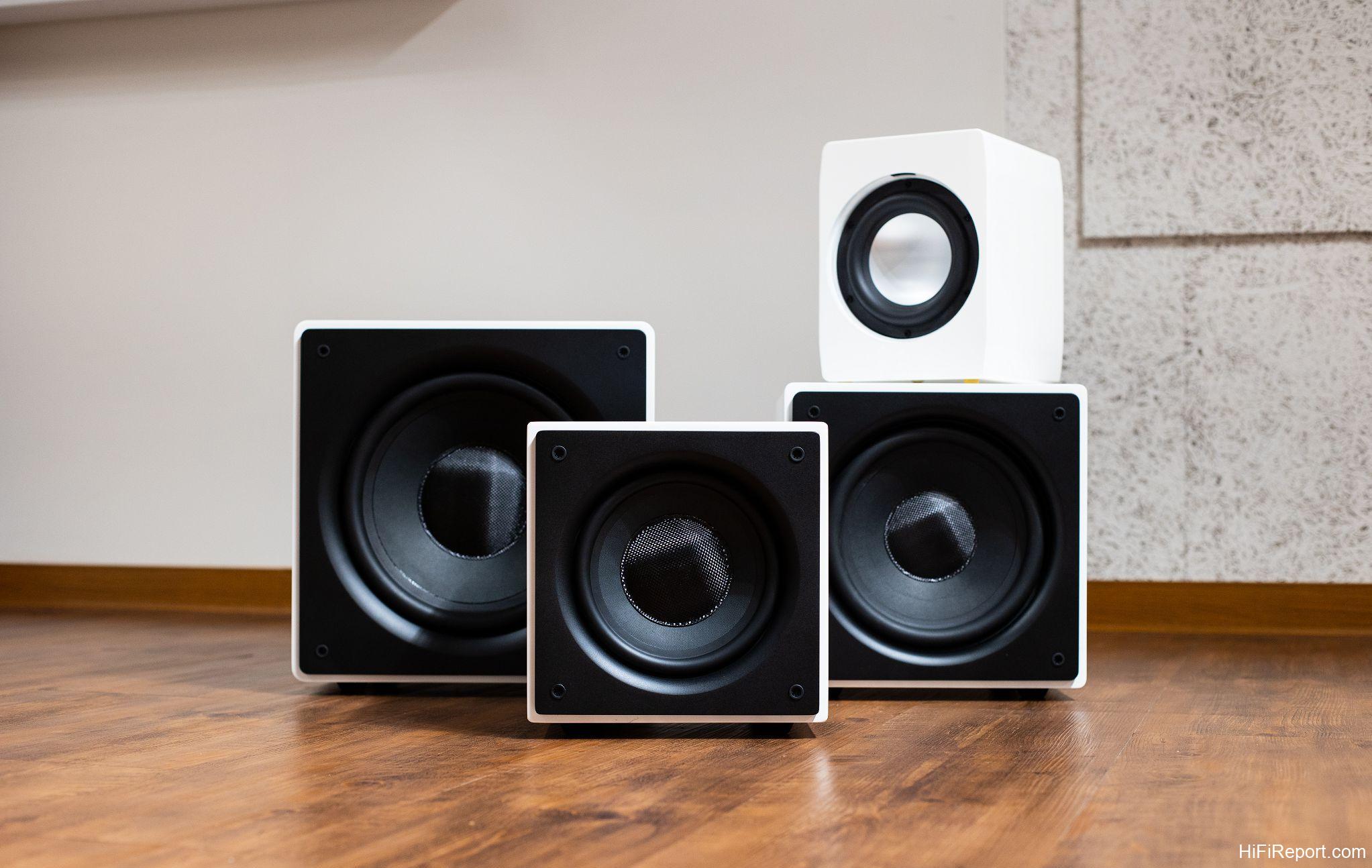
The central dust cap is crafted from fiberglass, and the surround is made from durable and airtight nitrile rubber (NBR). The driver is built upon a robust steel frame and features a lightweight, quick-heat-dissipating aluminum voice coil.
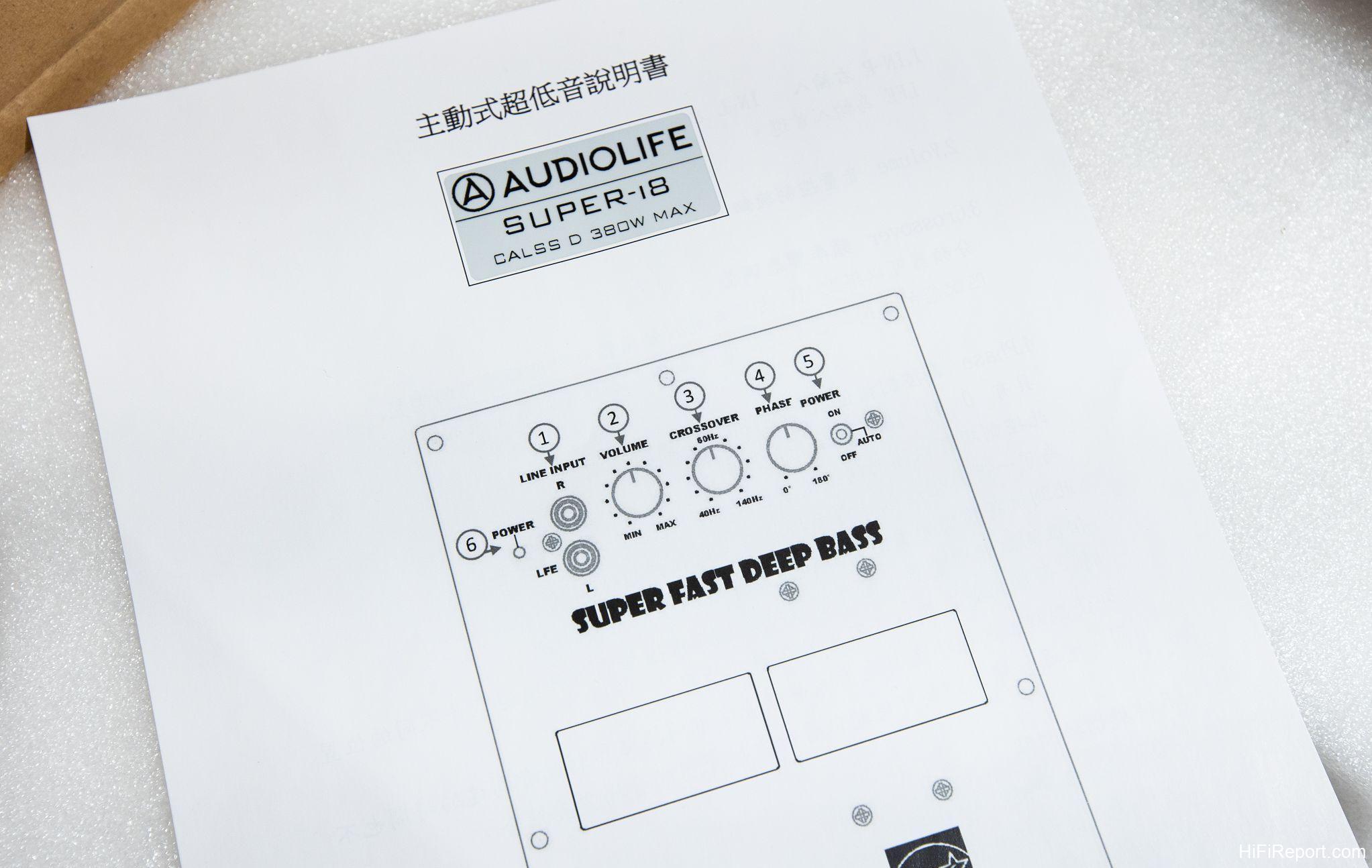
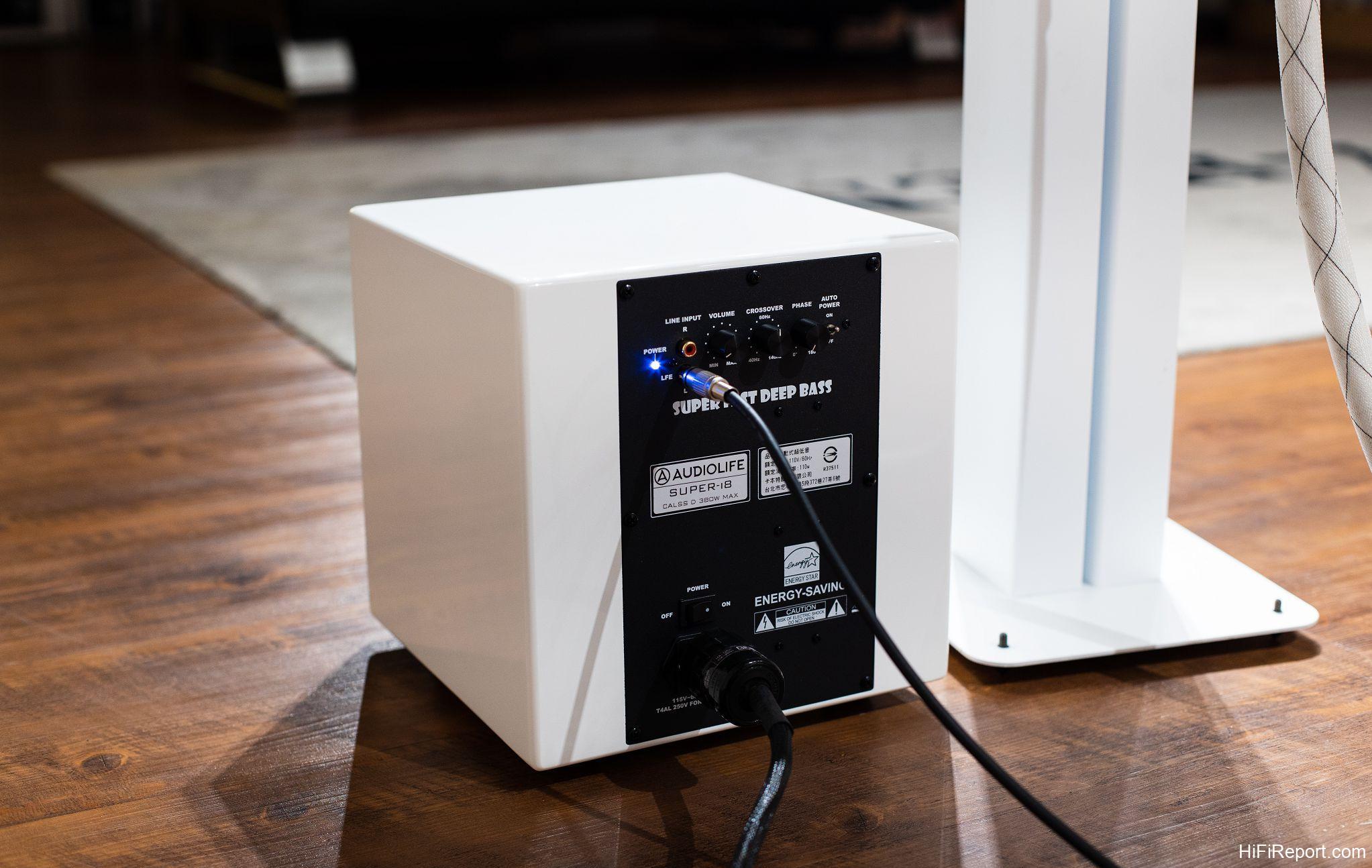
The rear panel of the Super-i8 features a set of analog RCA line inputs, along with adjustable controls for volume, crossover frequency (40~140Hz), and phase (0~180 degrees continuously variable). There’s also an Auto Power switch, which automatically activates the subwoofer when a signal is detected and puts it into standby mode when no signal is present. The IEC power socket allows for easy upgrades to higher-quality power cables in the future.
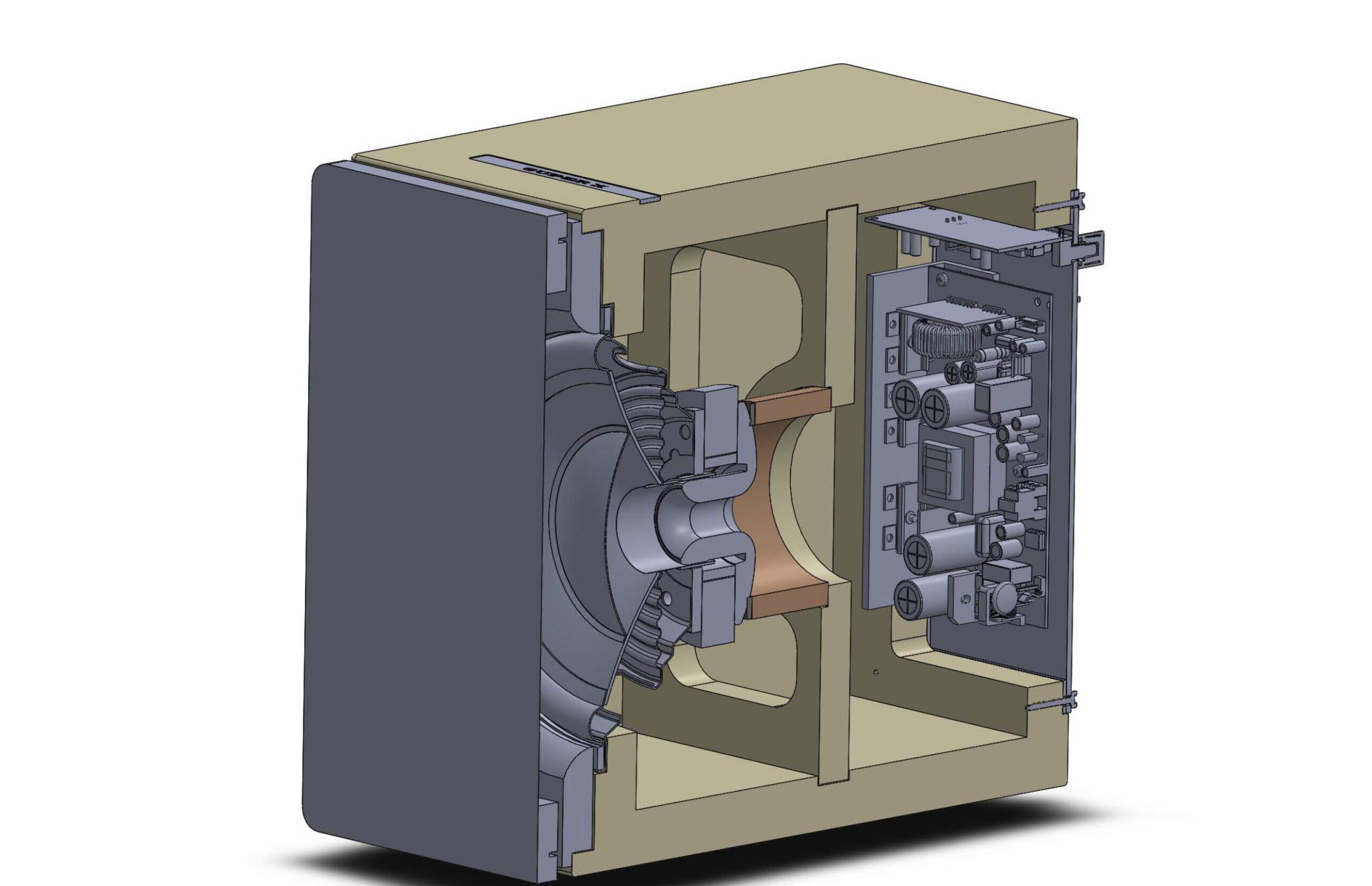
This diagram illustrates the Super-i’s cabinet structure. Both the enclosure itself and the internal bracing are constructed from thick MDF boards. The internal bracing is meticulously designed, firmly integrated with both the top and bottom panels. It also serves to support the driver, ensuring more stable operation and reduced distortion. Openings are incorporated to facilitate internal airflow and heat dissipation.
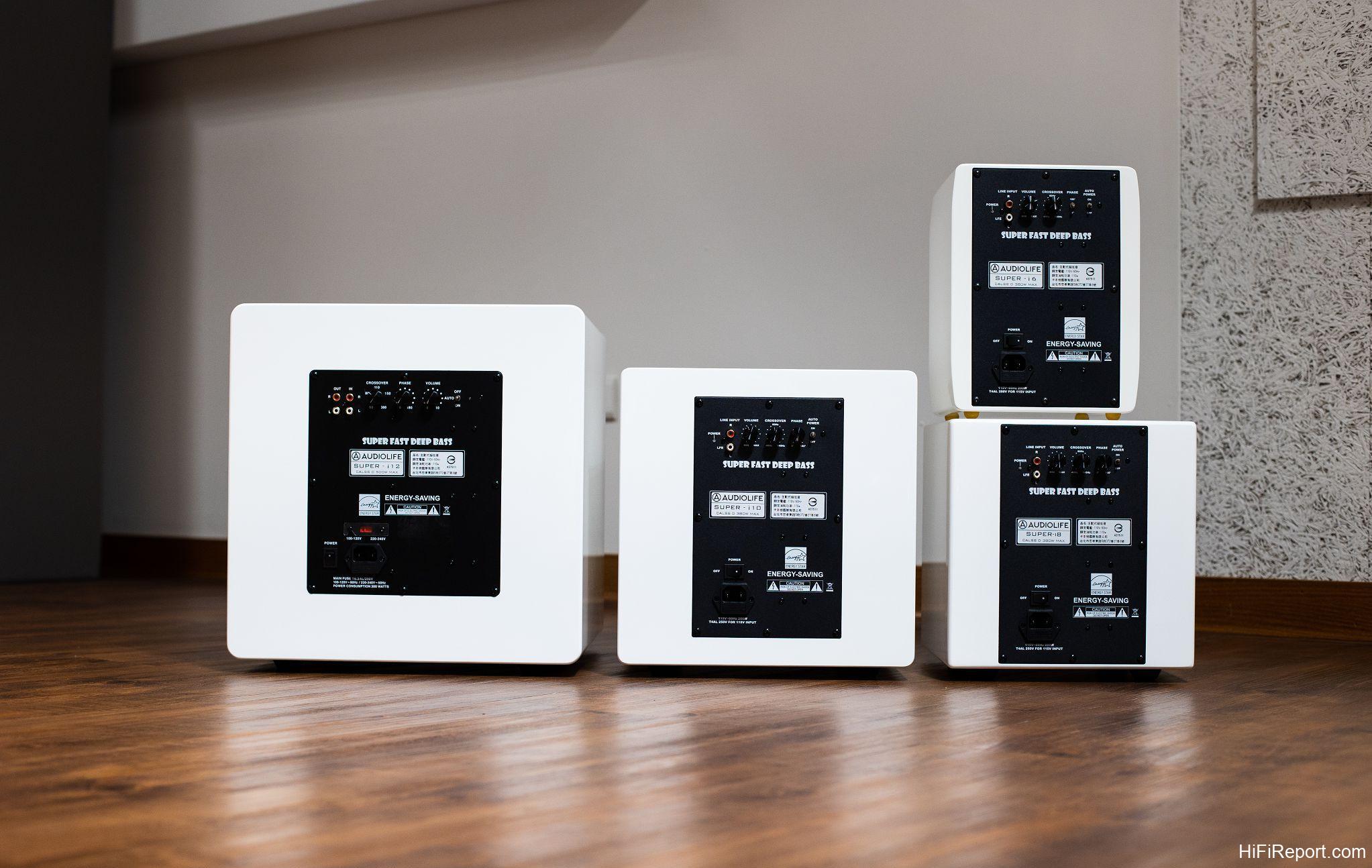
The brand new Class D amplifier module is securely mounted at the rear of the cabinet.
Enhancing Two-Channel Listening (Ted Chen)
The trend of incorporating subwoofers into two-channel systems is gaining momentum. Many renowned speaker brands now feature subwoofer columns in their flagship models, creating four-piece speaker systems. This indicates that even top-tier, large two-channel speakers can benefit from additional subwoofer support to achieve a superior listening experience.
So, how should two-channel speakers, which inherently struggle more than these million-dollar flagships to reproduce adequate low frequencies, address this? The market is now seeing a rise in subwoofers specifically designed for two-channel use. Previously confined to home theater systems, advancements in technology and growing demand have elevated subwoofer quality to a level suitable for integration with two-channel systems that prioritize sound quality and balance.
Furthermore, two-channel products are emerging that allow for subwoofer output crossover and gain adjustments directly from the source. This trend clearly demonstrates the increasing market demand for subwoofers in two-channel setups.
An Affordable Upgrade Path
In the past, the most intuitive way to enhance low-frequency performance was to upgrade to larger two-channel speakers. Consumers often encounter a vast array of two-channel speakers at audio shows or online, all claiming superior bass reproduction capabilities. However, the simplest and most convenient solution – adding a subwoofer – is sometimes overlooked. Subwoofer size can be chosen based on the existing two-channel speakers and the listening space.
In fact, subwoofers can be incorporated into the system plan right from the initial two-channel setup, potentially saving both space and money overall. Audiolife has recognized this market demand and offers a diverse range of subwoofer sizes, providing ample choices. Setup is straightforward, with volume, crossover frequency, and phase controls conveniently located on the subwoofer’s rear panel.
Even if the paired equipment lacks these settings, adjustments can be made directly on the subwoofer itself. We utilized two Audiolife SUPER-i8 8” subwoofers with Amphion Helium 510 bookshelf speakers, a combination perfectly suited for typical home environments.
Positioning the two subwoofers to the left and right, not too far from the main speakers, and fine-tuning the parameters and placement through listening, we aimed to achieve a seamless integration where the subwoofer’s low-frequency energy matched the main speakers. Ideally, the subwoofer’s presence should be imperceptible during normal listening, only becoming apparent when low-frequency content is present. Personal preference can also guide adjustments.
In our setup, we focused on supplementing low-frequency extension and energy, setting the crossover point around 50Hz~60Hz with a modest volume level. Even with these subtle adjustments, the difference in listening experience compared to without subwoofers was significant.
Unveiling Musical Nuances
For listening tests, we used Sam Smith’s “Too Good at Goodbyes,” a track well-suited for assessing a subwoofer’s contribution to a bookshelf speaker system. The song features a moderate amount of low frequencies, with relatively simple arrangements, yet the bass frequencies are crucial and exhibit different layers of expression. Without the subwoofer, the lower register of the piano accompaniment was subtle and easily missed, and the drum beats were merely perfunctory.
This isn’t a fault of the speakers, but rather a limitation inherent to small bookshelf designs. After adding the subwoofers and making appropriate adjustments, the piano notes in the intro gained a newfound resonance in the low frequencies, revealing previously unnoticed but inherent musical undertones. During the drum sections, the sound enveloped the space completely, maintaining the pace and timing of the original music without any sense of disjointedness.
The effect was akin to listening to floor-standing speakers, with no discernible subwoofer presence, yet a complete and satisfying low-frequency experience.
Closing the Distance to Sound (Wacko Wang)
This review focuses on the Audiolife SUPER-i8 subwoofer. By first listening to tracks without the subwoofer and then comparing it to the same tracks with the subwoofer engaged, the differences are immediately apparent. Starting with Sam Smith’s “I’m Not The Only One,” the sound initially seemed complete without the subwoofer. The drums were fast, punchy, and impactful with each beat. However, upon activating the subwoofer, the drums became noticeably larger and more full-bodied.
Subjectively, without the subwoofer, the listening experience felt like observing from a distance, offering a clear view of the drums’ solid and weighty presence. With the subwoofer integrated, the perceived distance to the sound diminished, bringing the listener closer. The drum presentation became more three-dimensional, with a more spacious and diffused low-frequency presence, creating a greater sense of immersion within the music.
Enriching Musical Colors
Next, we used Gregory Porter’s “My Babe” as a reference. Even without the subwoofer, the Amphion Helium 510 bookshelf speakers already showcased the rich and varied timbres of the numerous instruments in the track. However, having already experienced the enhanced sound with the subwoofer, something seemed to be missing. Indeed, upon adding the two Audiolife SUPER-i8 subwoofers, the sound was instantly enriched.
Comparing the before and after, the music with the Audiolife SUPER-i8 subwoofers became more three-dimensional. The pleasing low frequencies provided a foundation that allowed the instruments to breathe, creating a greater sense of depth and layering within the track. The enhanced contrast and dynamics made the music more engaging. The instrument timbres were no longer static but became more vibrant and alive.
In essence, the subwoofers elevated the already excellent sonic foundation of the track, adding even more vibrancy and allure.
Deeper, More Expansive Bass
Finally, we listened to Gregory Porter’s “Hey Laura,” a track with a relatively more prominent low-frequency presence. Even without the subwoofer, a considerable amount of comfortable bass was already present, delivering a gentle and soothing listening experience. Consequently, the improvement after adding the two Audiolife SUPER-i8 subwoofers was even more direct and noticeable.
With the subwoofers engaged, the low frequencies, while remaining gentle, felt more solid and substantial. Comparing the two, the original bass appeared somewhat lightweight and lacking in foundation. The bass with the subwoofers, however, was more grounded, full-bodied, and exhibited superior extension and spaciousness. To illustrate, the original bass was like a fleeting moment, present and noticeable, but ultimately just a touch of embellishment.
In contrast, the bass with the Audiolife SUPER-i8 subwoofers was richer, more resonant, and seamlessly integrated with the main speakers. This transformed the low frequencies from a supporting role to a central element of the sonic presentation.
Audiolife Super-i8 Subwoofer
* 8” Custom High-Performance Long-Throw Driver
* Newly Developed 380W Class D Amplifier
* Peak Power: 600W
* Frequency Response: 45Hz~200Hz
* Phase Adjustment: 0~180 Degrees Continuously Variable
* Adjustable Gain and Crossover Frequency
* Inputs: 1 x Line RCA, 1 x LFE RCA
* Dimensions: 270 x 260 x 300mm
* Weight: 9KG