
Audioquest Rocket 33 Speaker Cable Review
When the name Audioquest is mentioned, the first thing that comes to mind for many is their exclusive patented technology, DBS, or Dielectric-Bias System. This system, incorporated in their cables, uses a battery to create a stable electrostatic field. This field saturates and polarizes the molecules within the cable’s insulation, causing them to align in an organized manner. This significantly reduces non-linear time delays and errors.
While not all Audioquest cables feature DBS, it is a hallmark of their higher-end models. However, Audioquest’s success is not solely reliant on DBS. In this review of the entry-level Audioquest Rocket 33 speaker cable, we delve into the secrets behind Audioquest’s acclaimed sound quality.
Audioquest’s factory, located in Irvine, California, USA, operates at an industry-leading production scale. Since its founding in 1980, the company has experienced rapid growth, boasting a vast product line that spans from entry-level to the highest echelons of high fidelity. Simply put, if it’s related to cables, power solutions, or audio peripherals, Audioquest likely offers it.

Through years of continuous refinement, Audioquest’s speaker cable lineup is currently categorized into four series, ranging from entry-level to flagship: Type, Rocket, Folk Hero, and Mythical Creature. These series encompass price points from around ten thousand to several million in local currency (NTD). Regardless of their level or price, all Audioquest cables are built upon four core technologies: Solid Conductors, High-Purity Metals, Noise-Dissipation, and Dielectrics.
By mastering these fundamental aspects, Audioquest aims to achieve “Do No Harm,” delivering pristine, uncompromised signal transmission.
Packaging and Specifications
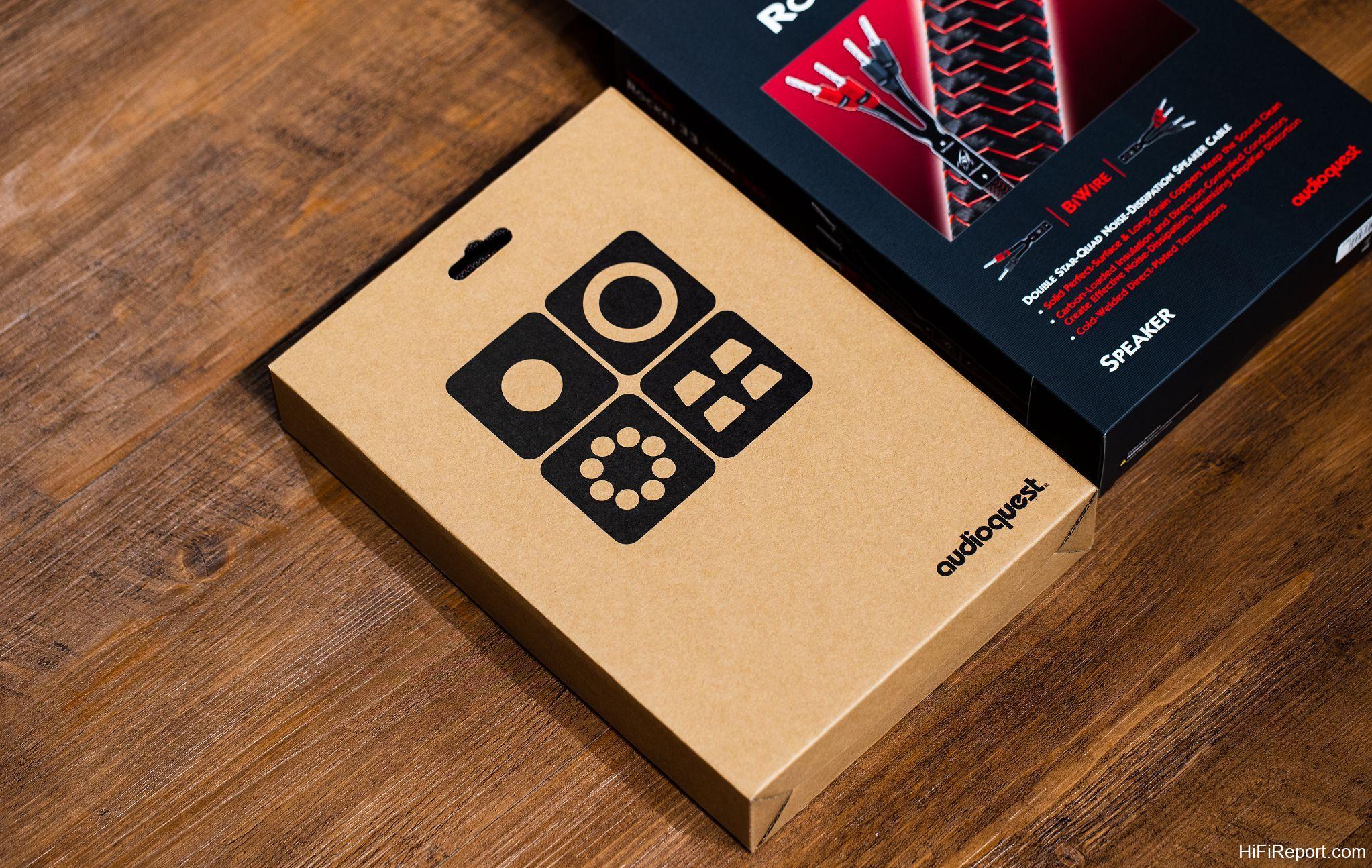
Audioquest products are known for their refined color packaging. The outer box clearly indicates the cable’s specifications, version, and key features.
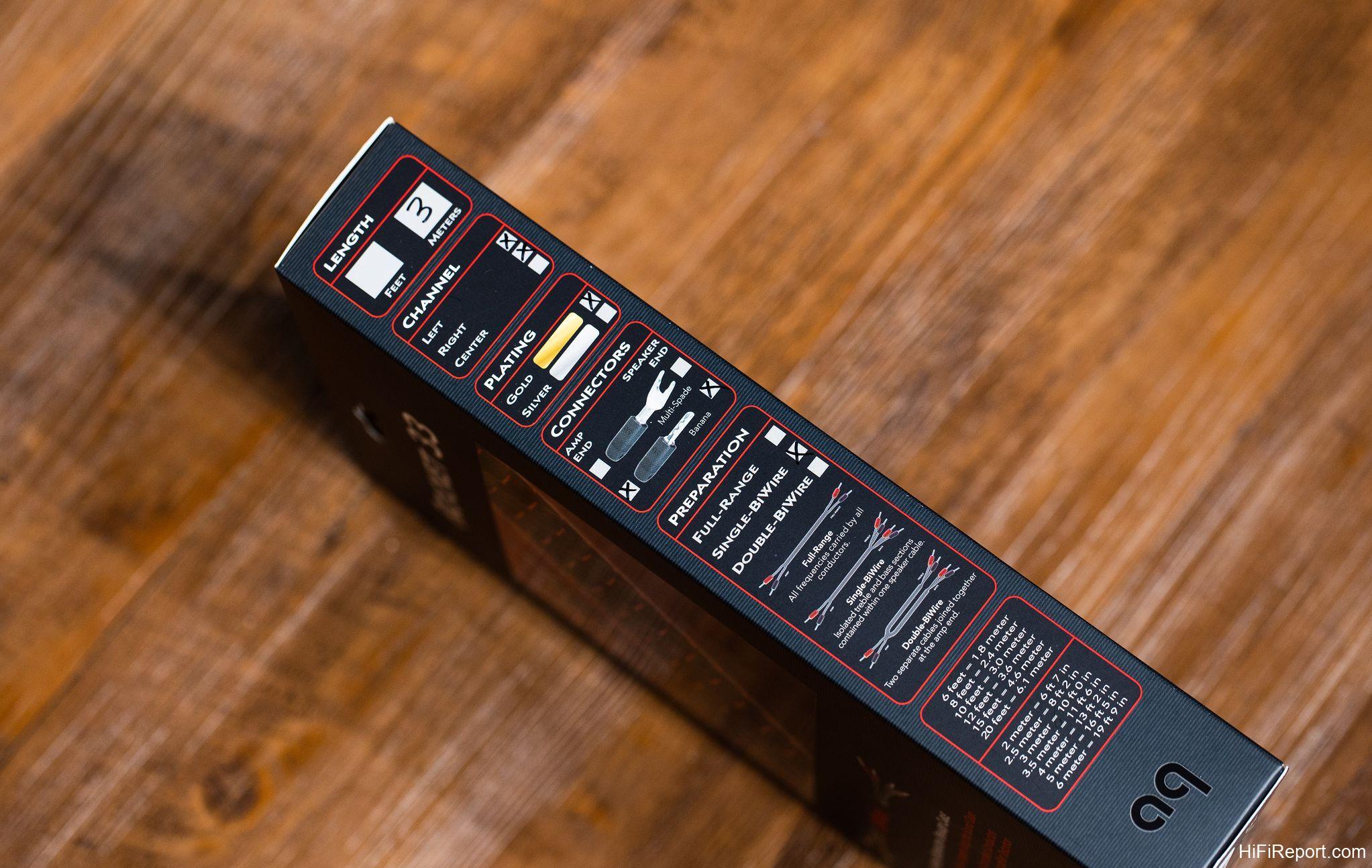
The cable specifications are clearly marked on the outer box.
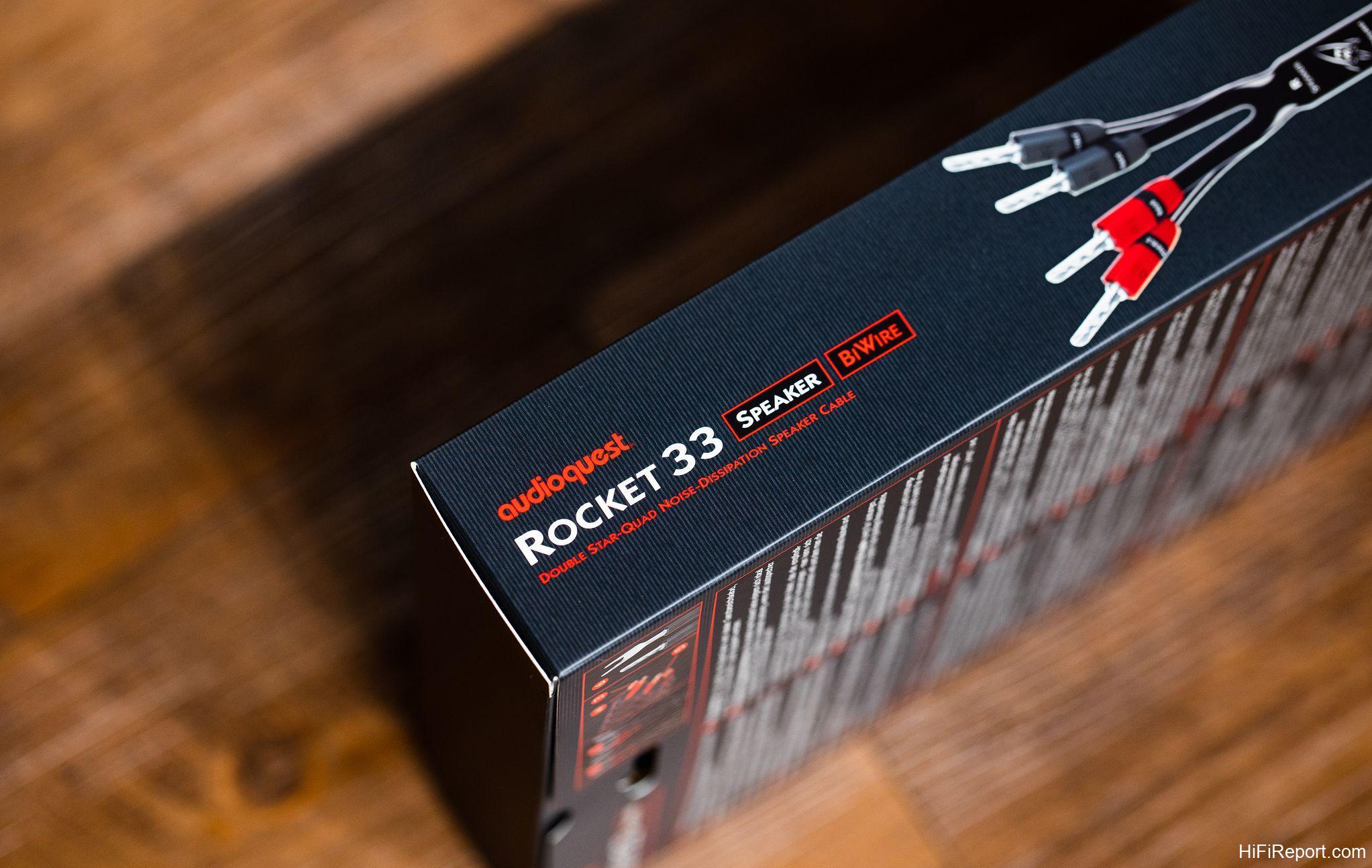
The Rocket series includes five models: Rocket 11, Rocket 22, Rocket 33, Rocket 44, and Rocket 88. The Rocket 33 sits in the middle of this range, offering versatility in purchase options. Customers can specify configurations for Full-Range, Single-BiWire, REL, or Naim systems. Connector choices include spade or banana plugs (gold or silver plated). This flexibility makes the Rocket 33 one of Audioquest’s most adaptable speaker cable series.
The review sample provided was a 3-meter pair in a Single-BiWire configuration, equipped with gold-plated banana plugs. The Rocket 33 employs Audioquest’s solid PSC (Perfect-Surface Copper) and LGC (Long-Grain Copper) conductors. PSC conductors undergo a special smooth surface treatment, significantly reducing transmission obstacles caused by rough surfaces. LGC, or Long-Grain Copper, utilizes long-crystal pure copper conductors.

By increasing conductor purity and reducing crystal boundaries, conductivity is substantially enhanced. In terms of cable structure, the Rocket 33 adopts a Double Star-Quad design. Both the positive and negative conductors consist of three strands arranged in a spiral configuration. This inherent design allows the Rocket 33 to function as a standalone BiWire cable.
All positive conductors in the Rocket 33 utilize Foamed-Polyethylene as the dielectric material, known for its excellent physical properties and suitability as a dielectric. Negative conductors are wrapped in polyethylene infused with graphite, which effectively absorbs RF radio frequency noise (Carbon-Based Noise and Crosstalk-Dissipation System), resulting in lower distortion and a quieter background.

Internal Structure and Cold Welding
The structural diagram of the ROCKET 33 reveals independent paths for high-frequency (Treble) and low-frequency (Bass) signals. Each path comprises a combination of three solid-core conductors of varying gauges and materials. This embodies Audioquest’s design philosophy of achieving optimal sonic synergy through diverse conductor gauges and materials. Single gauge or conductor types can often exhibit overly assertive sonic characteristics.
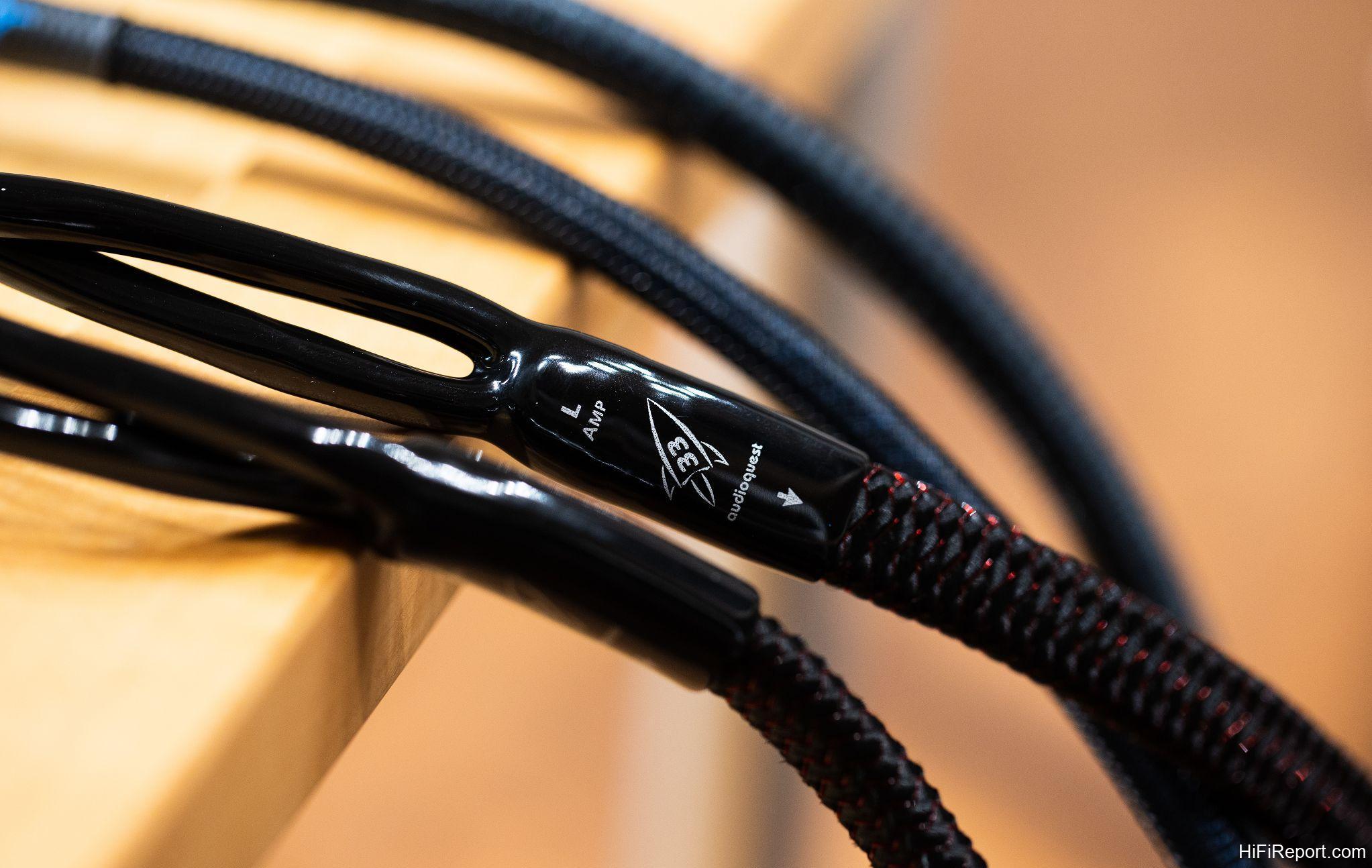
Audioquest cables feature clearly marked directionality. Proper installation according to these markings is crucial for optimal performance. Audioquest employs cold-welding technology for its connectors, preserving the pristine signal integrity of the cable.
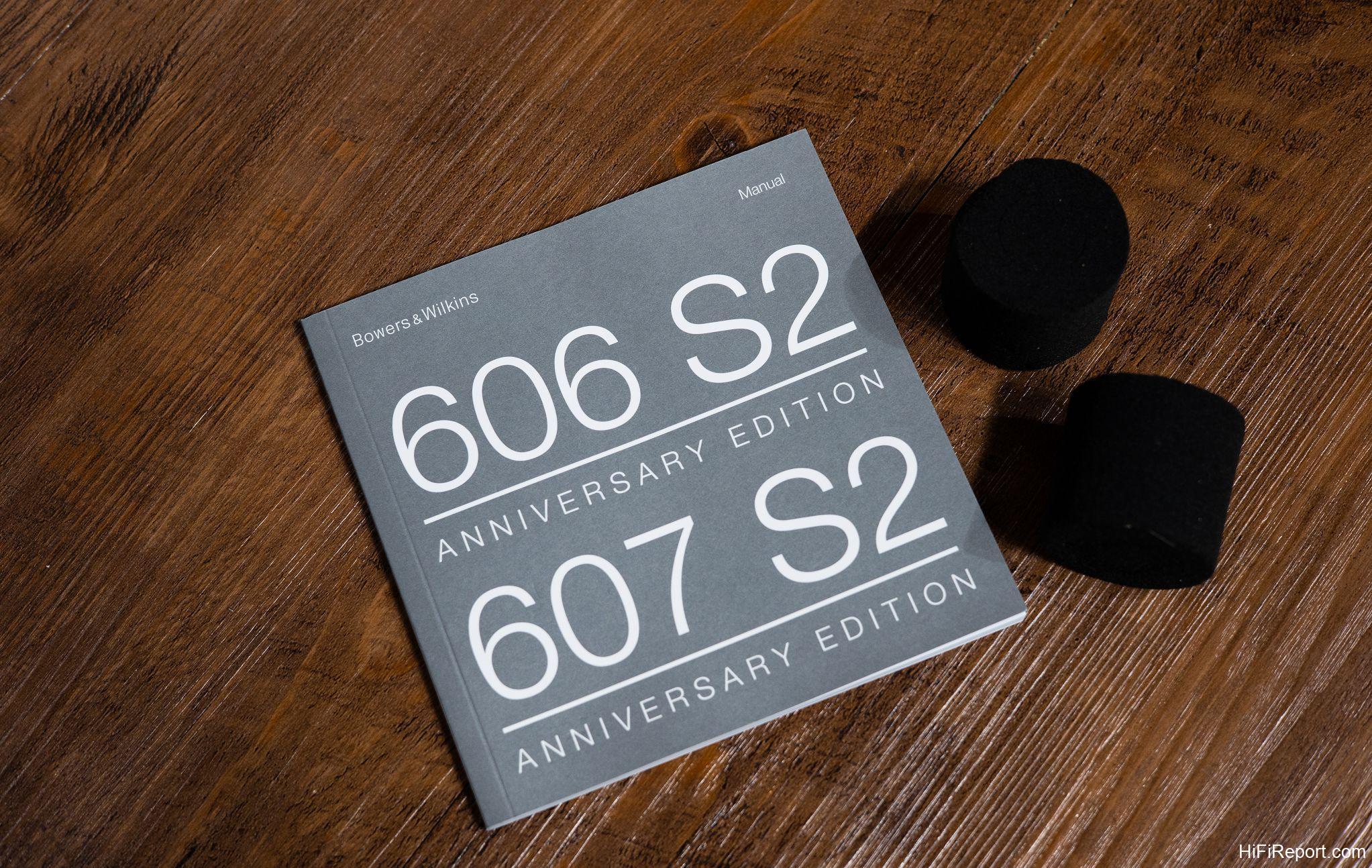
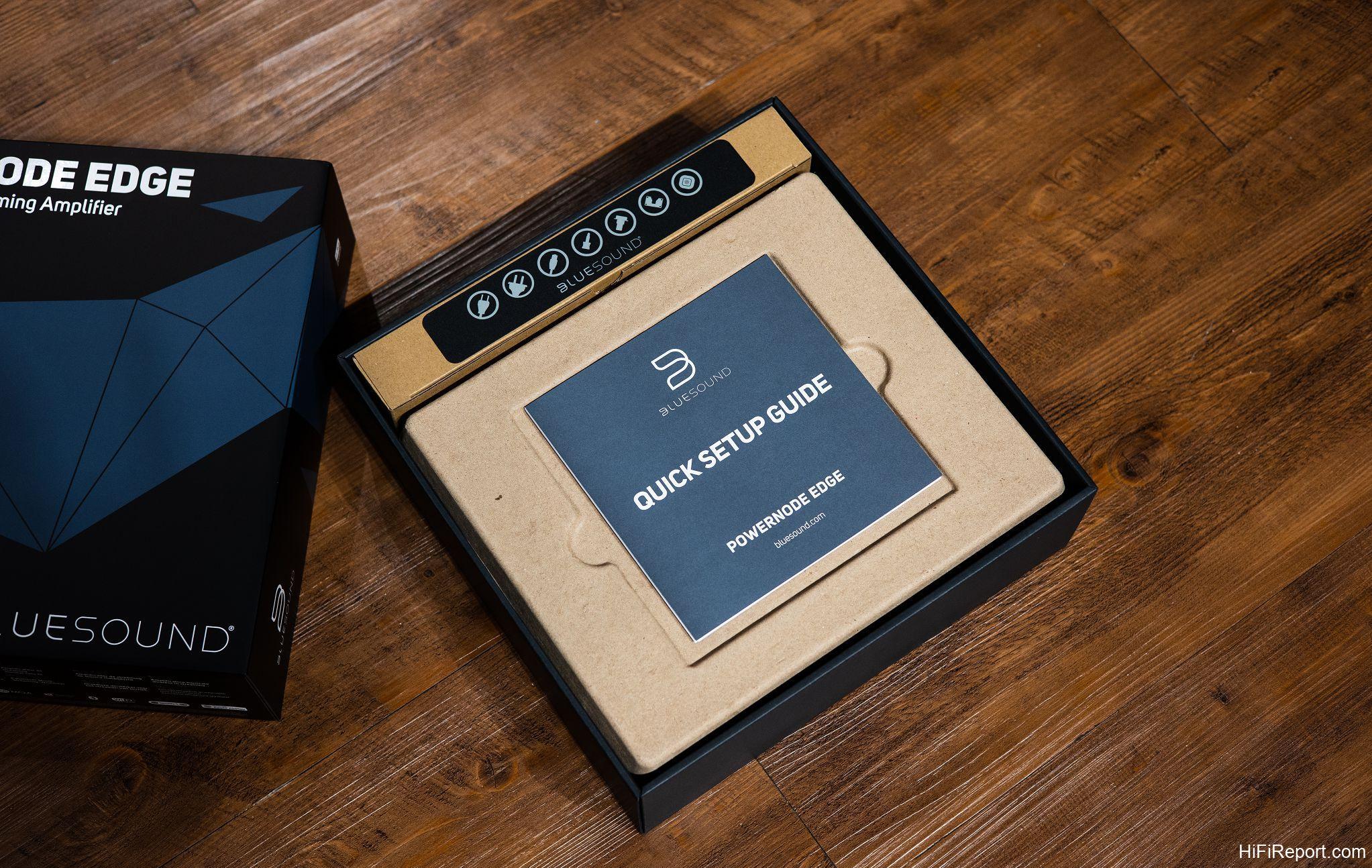
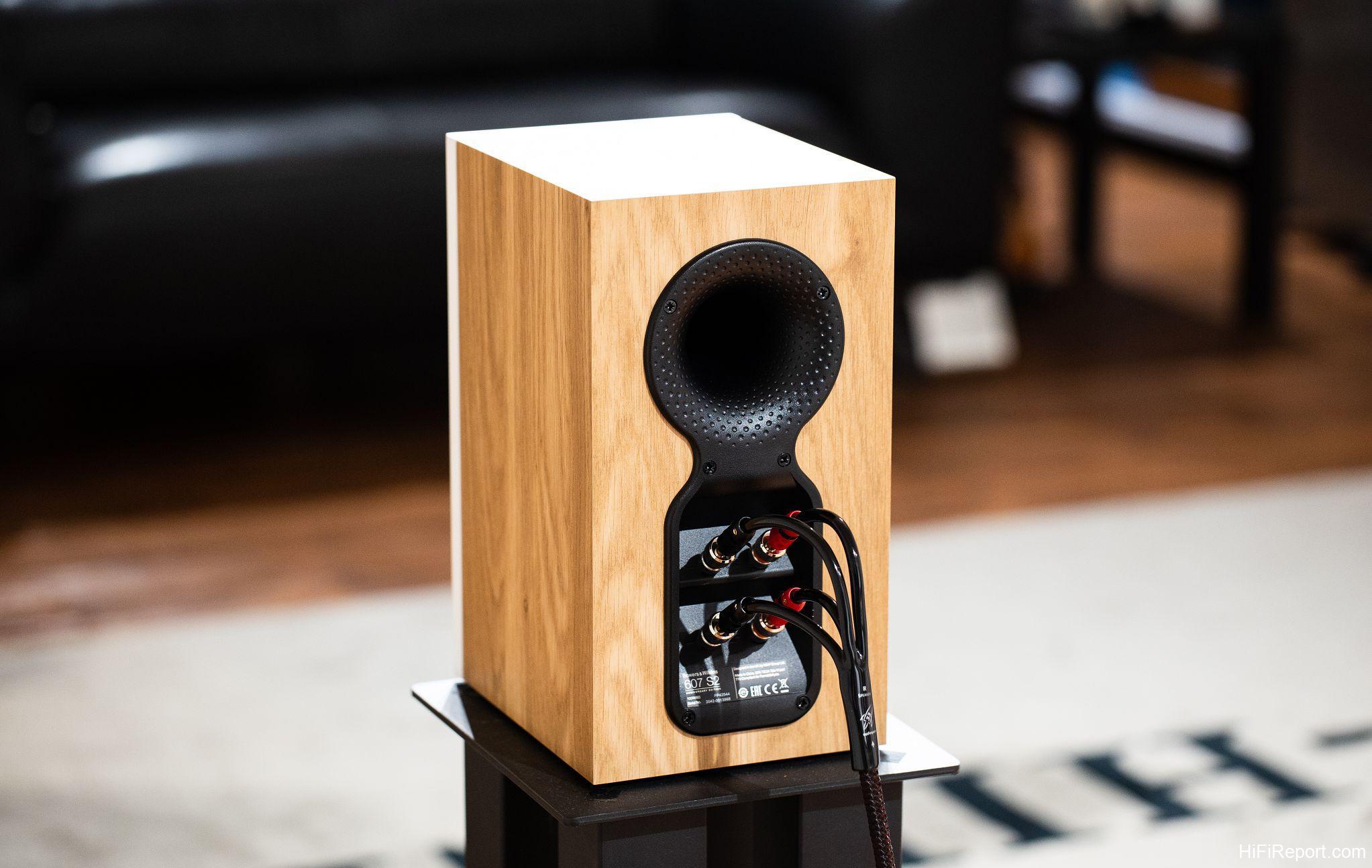
For this review, the distributor thoughtfully provided the “B&W 607 S2 Anniversary Edition” speakers and the “Bluesound POWERNODE Edge” digital streaming amplifier, creating a complete system for evaluation. The 607 S2 speakers feature a Bi-wiring design.
The “Bluesound POWERNODE Edge” digital streaming amplifier is a compact powerhouse, offering 40W per channel output, supporting up to 24Bit/192kHz decoding, WiFi, MQA, Roon Ready, Airplay 2, Tidal, and Spotify.

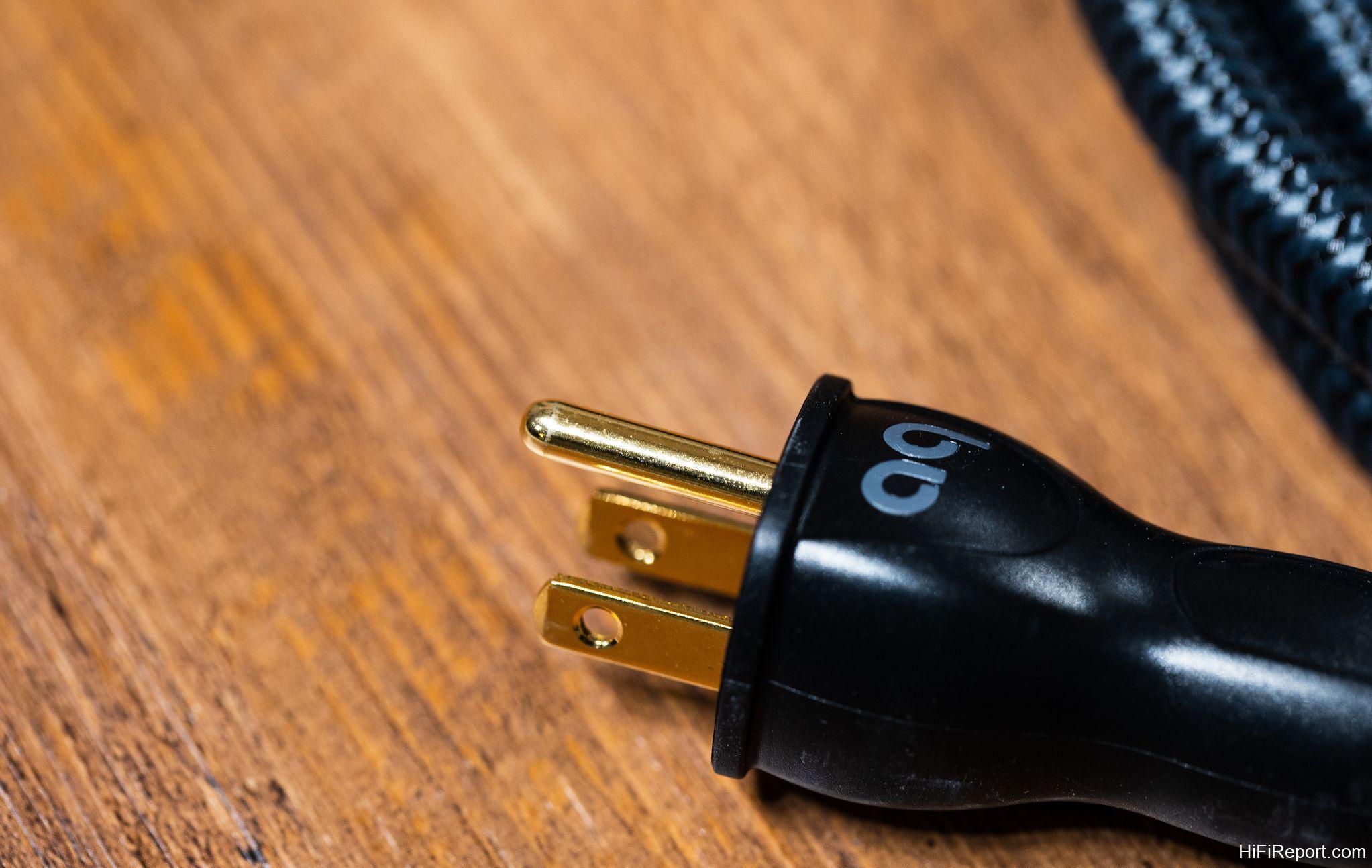
Adding to the system, the Audioquest NRG-Y2 power cable, an 8-figure type, was also provided for use with the POWERNODE Edge.
Impressive Product Development (Ted Chen)
AudioQuest enjoys significant renown in the realm of audio and video cables and accessories. Their extensive sales network and broad product range span entry-level to high-end, encompassing price points from tens of dollars to tens of thousands of US dollars.
They offer a comprehensive selection of specialized cables and accessories, including digital signal cables, analog signal cables, subwoofer cables, USB cables, network cables, HDMI cables for video, and even power conditioners, cable adapters, noise suppressors, cable lifters, cleaning solutions, various connector types, solder, and cable termination tools – virtually everything imaginable.
A glance at their product catalog immediately reveals the depth of AudioQuest’s product development, manufacturing prowess, and quality control capabilities, surpassing what most audio companies can achieve. Whether a customer is an audio novice, a seasoned audiophile, or a DIY enthusiast, they can find products within their scope at AudioQuest.
Simplified Signal Transmission
The AudioQuest Rocket 33 speaker cable we are reviewing is a unique Single-BiWire termination version. This means that while only one speaker cable is used at the amplifier end, it can connect to loudspeakers with separate input terminals for high and low frequencies. Many speakers utilize separate binding posts for high and low frequencies, allowing for bi-wiring, which offers greater flexibility in sound tuning.
However, users may not always opt for bi-wiring, or their amplifier might not provide dual speaker outputs. When using a single speaker cable in such cases, jumpers or shorting straps are typically required to connect the high and low-frequency terminals on the speaker. While this connection method has its advantages, it also has drawbacks. Different jumpers or shorting straps can influence the sound’s tonality and performance.
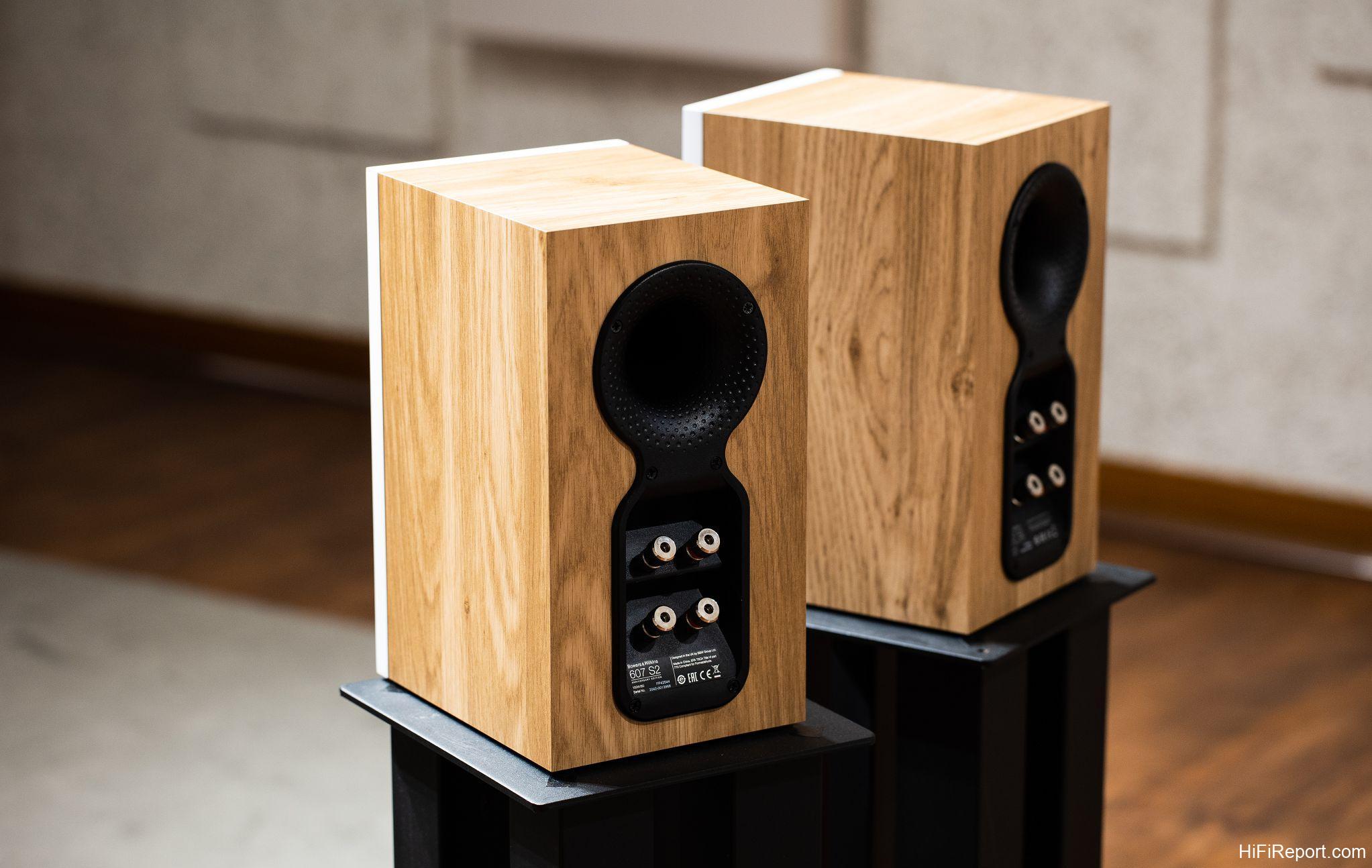
Some audiophiles even believe that adding an extra intermediary degrades the sound quality. This raises the question of why one would purchase speakers with dual input terminals in the first place. Common reasons include designers aiming to minimize interference between high and low frequencies for improved sound, simplifying crossover design, or providing greater user flexibility and customization. Regardless of the rationale, the dual terminal design might not always be fully utilized.
In such scenarios, speaker cables with Single-BiWire terminations become highly advantageous. They eliminate the need for a dual-speaker output amplifier, negate the requirement for two pairs of speaker cables, and bypass the limitations of jumpers or shorting straps, reverting to a straightforward, single pair of speaker cables to manage the entire audio signal transmission.
Ideal Entry-Level Choice
The AudioQuest Rocket 33 speaker cable is positioned as an entry-level model within their extensive product line. It is reportedly a top-selling series for AudioQuest, with prices ranging from approximately USD 700 to USD 1000 depending on length. This price range typically aligns with the early stages of an audiophile’s exploration into high-quality cables. Within the Rocket series, there are four other models at different tiers, with Rocket 33 occupying the central position.
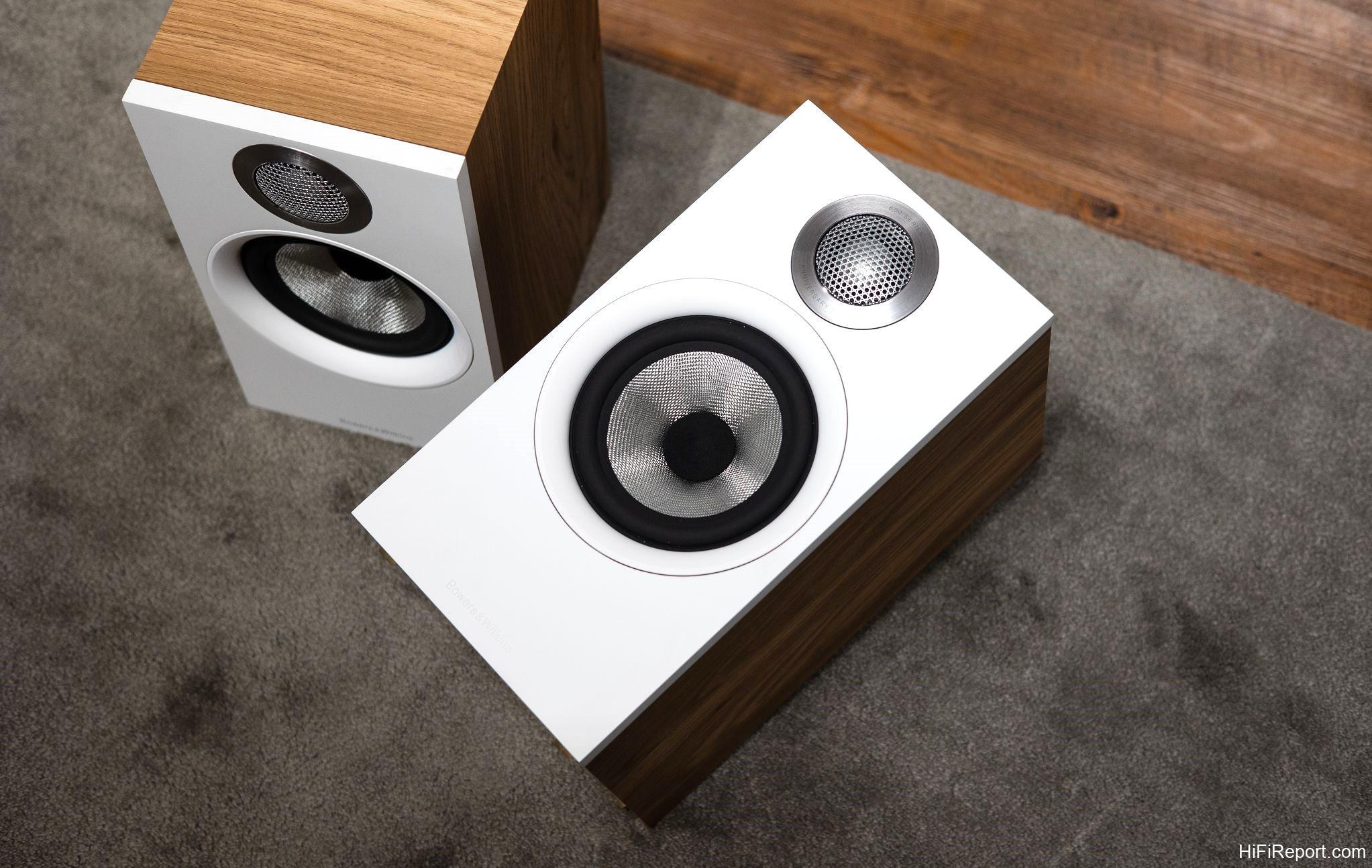
The distinctions between models lie in conductor gauge, strand count, insulation, and connector grade. The listening evaluation was conducted with B&W 607S2 Anniversary Edition bookshelf speakers, which feature precisely the type of dual input terminals for high and low frequencies that are commonly found in compact bookshelf speakers. This makes them a perfect match for Single-BiWire speaker cables.
In addition to the speakers, a BlueSound Powernode Edge network streaming amplifier was also provided for review. This compact amplifier offers only a single set of speaker outputs, precluding bi-wiring. This setup perfectly mirrors the intended application scenario for the AudioQuest Rocket 33 Single-BiWire version and represents a typical pairing for many entry-level audiophiles. The listening impressions are based on the entire system’s performance to assess the synergy of this combination.
A Taste of High-End Audio
The listening session commenced with “Anne-Sophie Mutter & Mutter’s Virtuosi,” a DG recording of renowned violinist Anne-Sophie Mutter’s concert tour, also her latest release from November. The album features a diverse repertoire spanning Bach, Vivaldi, John Williams, and others. Most tracks prominently feature Mutter’s violin performance, providing an engaging listening experience for Mutter enthusiasts.

Played through the B&W, AudioQuest, and BlueSound system, the initial impression was the exceptionally quiet musical background. The three-dimensionality of the music in the soundstage was remarkable. The noise floor performance of the affordable BlueSound unit was surprisingly impressive. The sonic texture also exceeded expectations. The overall system’s level and quality felt remarkably coherent. It’s no wonder B&W and AudioQuest are so popular.
At this price point, the system delivers substantial musical reproduction capability. The sound quality is sufficiently refined and smooth. Even seasoned listeners accustomed to high-end equipment would find this sub-USD 10,000 system sonically satisfying. This system represents an excellent entry point for audiophiles to venture into the world of Hi-Fi and even High-End audio, making it a worthwhile gateway to higher fidelity.
Cohesive Sound with Ample Dynamics
The evaluation of the American Audioquest Rocket 33 speaker cable, paired with British Bowers & Wilkins 607 S2 bookshelf speakers and a Bluesound all-in-one amplifier, revealed a consistent impression throughout the listening session: a cohesive vocal presentation and commendable dynamic range across various tracks. Starting with Teddy Swims and Maren Morris’s duet “Some Things I’ll Never Know,” the piano performance exhibited remarkable continuity.
Each rounded note occasionally sparkled with understated brilliance. The low-frequency response was also noteworthy. Despite the bookshelf speaker configuration, the bass exhibited ample dispersion and pleasing elasticity. The drums provided a subtly relaxed rhythmic foundation, complementing the gentle vocals and the piano’s upward-bounding resonance. This interplay contributed to a rich and engaging musical experience.
Spacious and Natural Soundstage, Clear and Clean Vocals
Moving on to Reneé Rapp’s “I Do,” the minimalist arrangement of a single instrument and vocals at the song’s outset immediately highlighted the cohesive vocal presence. The vocals were clearly defined, substantial, and vividly rendered. Before the drums entered, the soundstage felt more intimate, enhancing the focus on the vocals and allowing for a deeper appreciation of their nuances. The instrumental part displayed notable elasticity, adding a touch of vibrancy to the otherwise tranquil piece.
Upon the drums’ introduction, the soundstage expanded, and the perceived space widened. Despite being paired with bookshelf speakers, the Rocket 33 cables produced a sound that belied the speakers’ size, sounding remarkably substantial and unconstrained, presented in a very natural manner. Even with the addition of more instrumentation in the background, the vocals remained prominent, clear, and clean, positioned centrally without being obscured.

This ensured that the beauty of the vocals remained fully accessible amidst the musical tapestry.
Beautifully Curved Sound Trajectory
Listening to Calum Scott and Zoe Wees’s duet “At Your Worst” revealed a heightened dynamic range compared to the previous tracks. This song clearly showcased solid, impactful percussive elements while maintaining a sense of airiness, resulting in a natural and comfortable percussive texture without any dullness. Even amidst the assertive drum rhythms, the vocals remained striking. The male vocals were robust, while the female vocals were clear and clean.
Notably, the transitions in vocal phrasing, especially during vocal runs and high notes, exhibited a beautifully curved trajectory. The sonic contrast was also well-defined. The female vocals were made even more prominent against the backdrop of the deeper drums and male vocals. While lighter in weight, the female vocals did not lack substance. Instead, their naturally elegant curves were further accentuated, enriching the song’s overall flavor.
Easy Placement, Exceptional Value
Concluding the listening session with James Smith’s “Like A Record,” the track’s unique atmosphere became apparent. The opening piano notes, while somewhat delicate, possessed a rich and captivating (rhythm and charm). The balance between lightness and richness was remarkably even. As the song progressed and vocals entered, the equally evocative vocals created an immersive experience akin to being enveloped in a dense fog.
A haunting mood permeated the music, tinged with subtle sadness, perfectly capturing the lyrical essence. Only the lingering notes and echoing melodies remained, drawing the listener deeply into the song’s enchanting spell. Considering the entire system under review – Rocket 33 paired with B&W 607 S2 and the Bluesound all-in-one amplifier – the spatial requirements are minimal, and the price point is quite accessible.
The sonic performance achieved with this configuration is undeniably exceptional value.
Audioquest Rocket 33 Speaker Cable Specifications
* Conductors: Solid PSC / LGC
* Gauge: 14 AWG (2.08mm)
* Geometry: Double Star-Quad
* Dielectric: Foamed-Polyethylene (For All Positive Conductors)
* Noise Dissipation: Noise-Dissipation System: Cross-Talk-Dissipation System
* Outer Jacket: Red and Black Braid
* Terminations: Spade / Banana (Gold or Silver Plated)
* Price (per 3m pair, as reviewed):