
Avantgarde Acoustic Duo SD Horn Speaker Review
Avantgarde Acoustic embarked on its journey with horn speakers 30 years ago, achieving renown and selling in over 60 countries. Throughout continuous refinement and innovation, they have remained faithful to horn speaker technology, blending the oldest sound reproduction method with cutting-edge modern technology. This fusion of tradition, craftsmanship, and technology culminates in creations designed to perfectly reproduce the most moving musical artistry.
Avantgarde Acoustic’s unwavering commitment to innovation has marked its 30-year history with two significant breakthroughs. In 2021, they comprehensively revamped their product line to the third generation design, signified by the “G3” suffix in their model names. The Duo series, featuring the Duo GT and Duo SD models, are both part of this third-generation redesign. We at HiFiReport had the privilege of experiencing the Duo SD firsthand, the first pair to arrive in Taiwan.
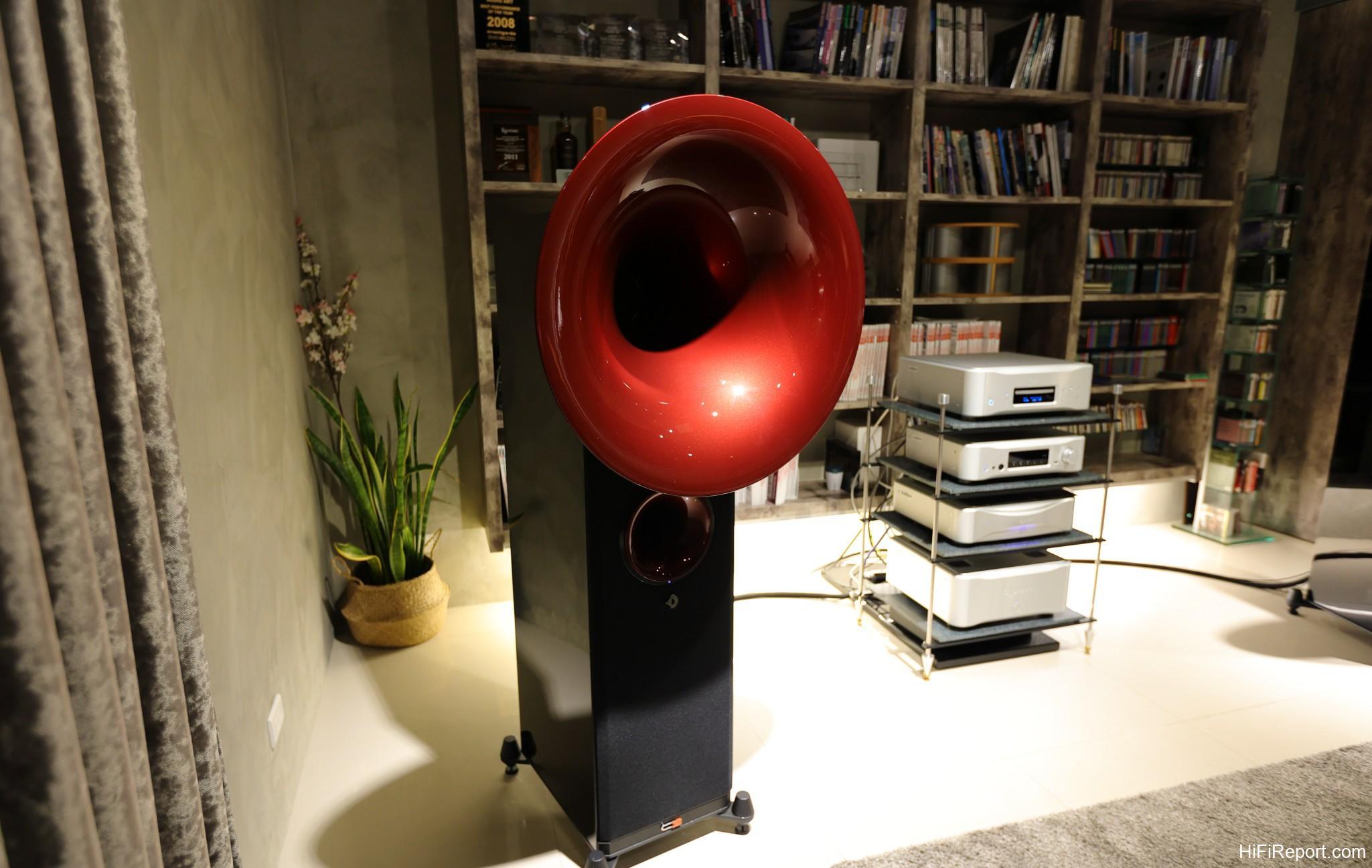
Modern and Refined Design
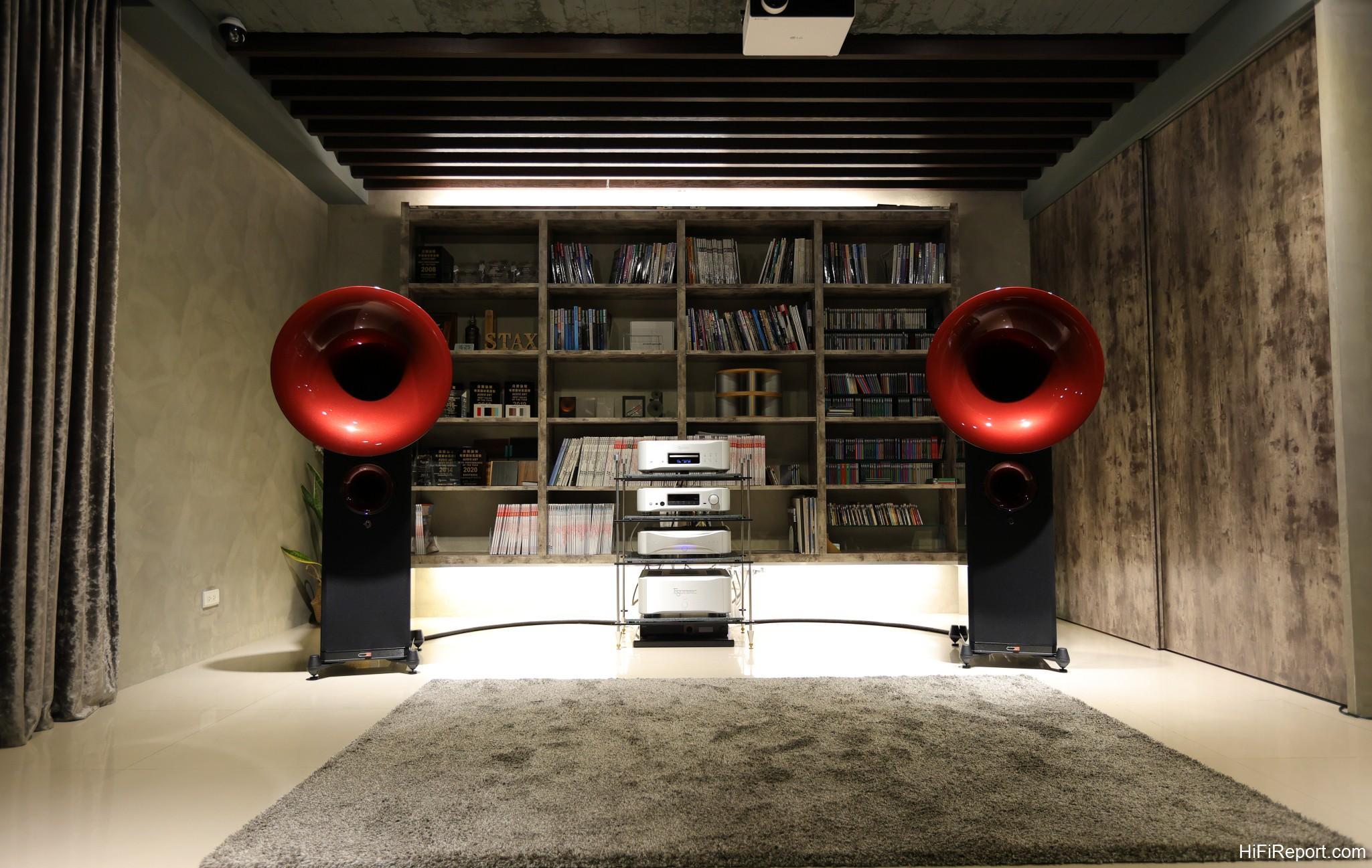
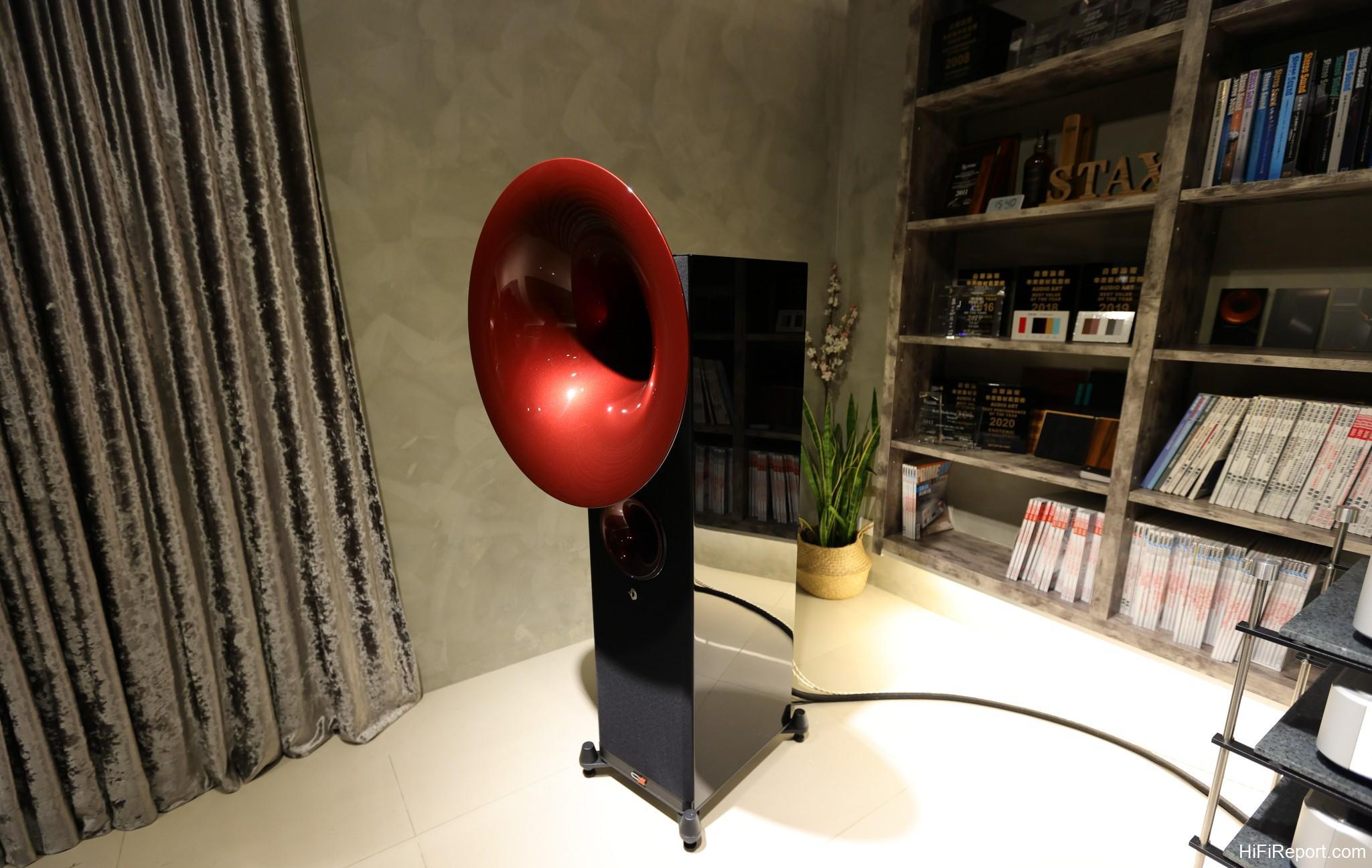
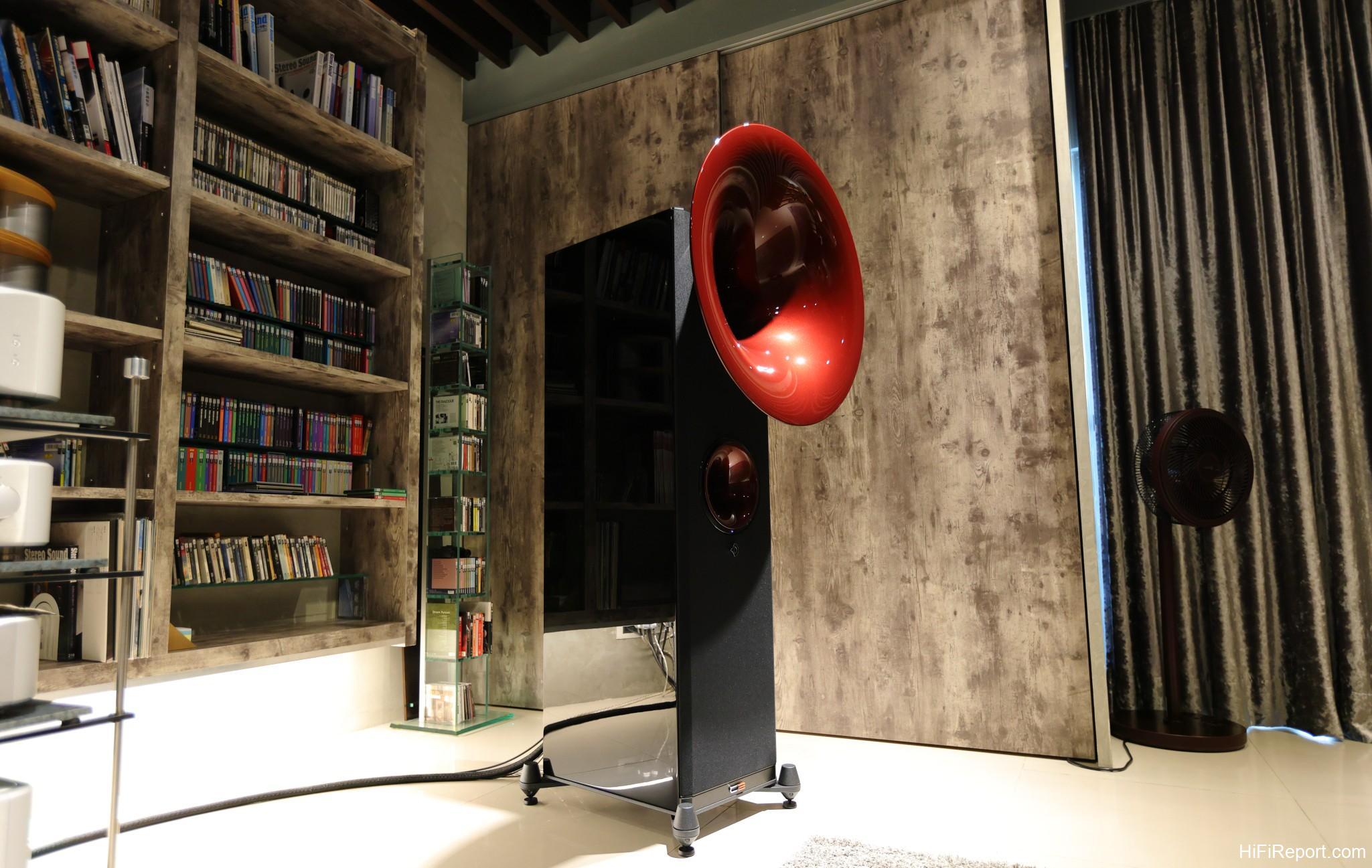
The current Duo series, in contrast to the previous Duo XD models, has been streamlined to two versions: the Duo GT, the higher-end model, and the Duo SD, the more entry-level option. The primary distinctions lie in the number and size of the bass drivers, as well as the cabinet structure and dimensions. Simply put, they are tailored for different room sizes, with minimal differences in technology and design. As you can see from the photographs, the Duo SD boasts a remarkably refined appearance.
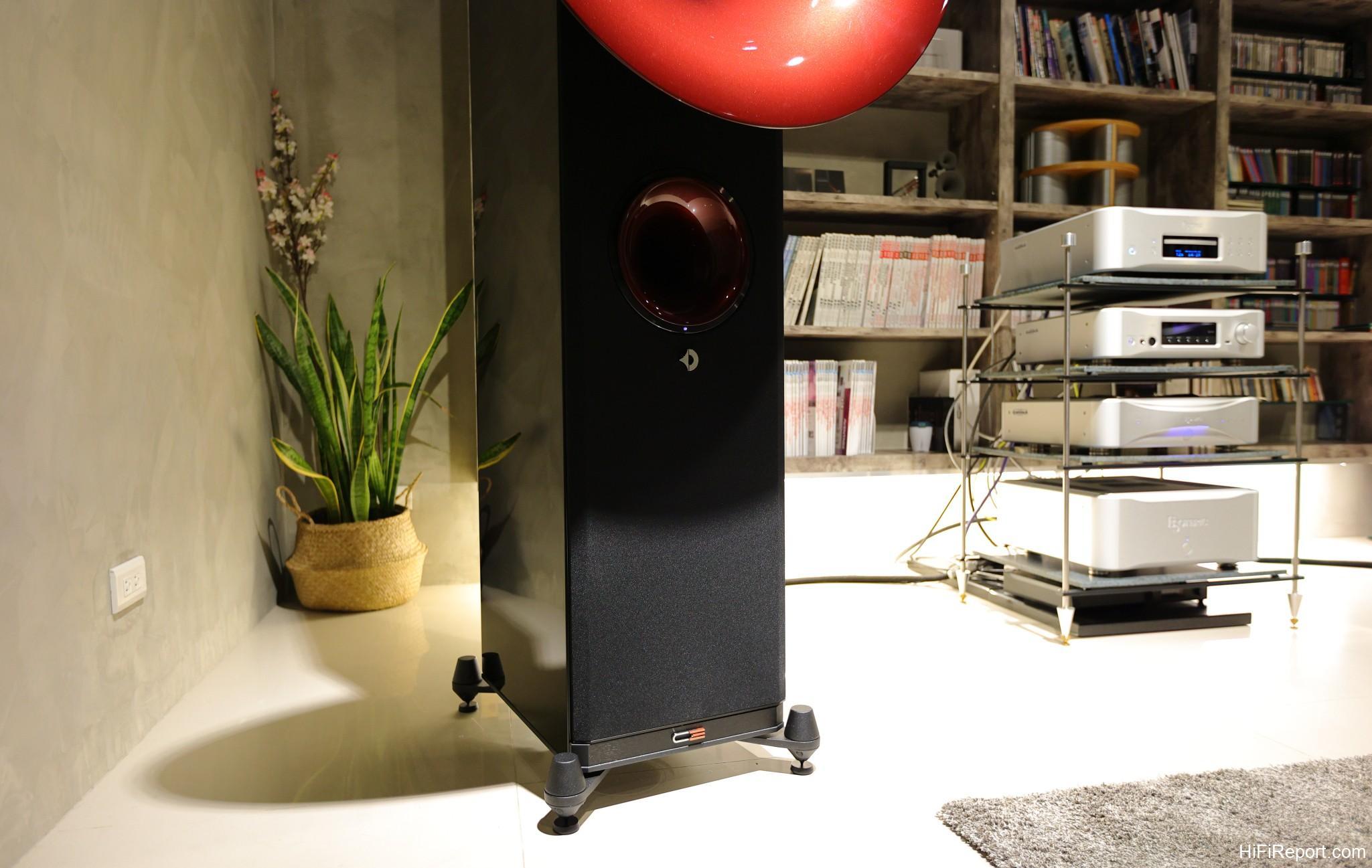
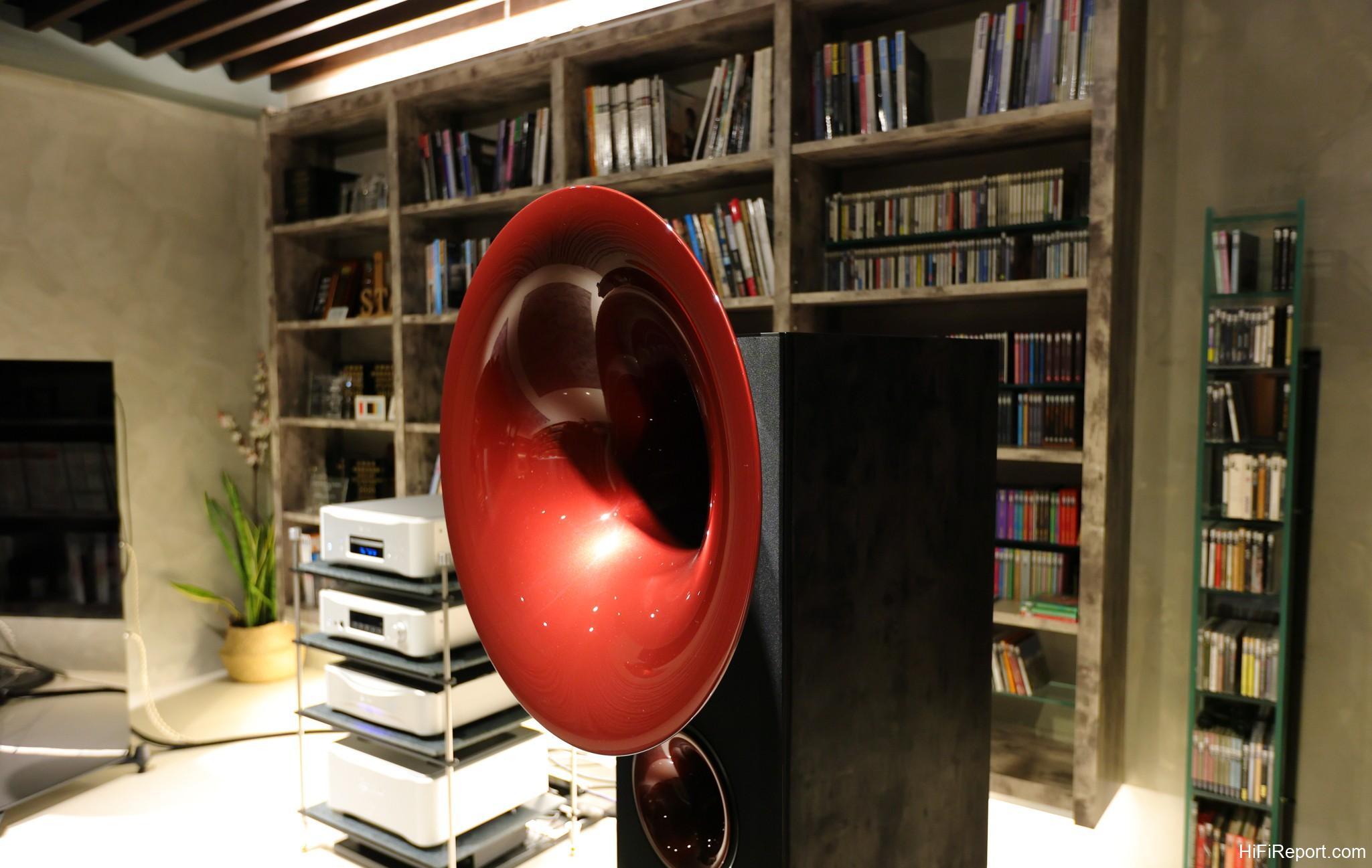
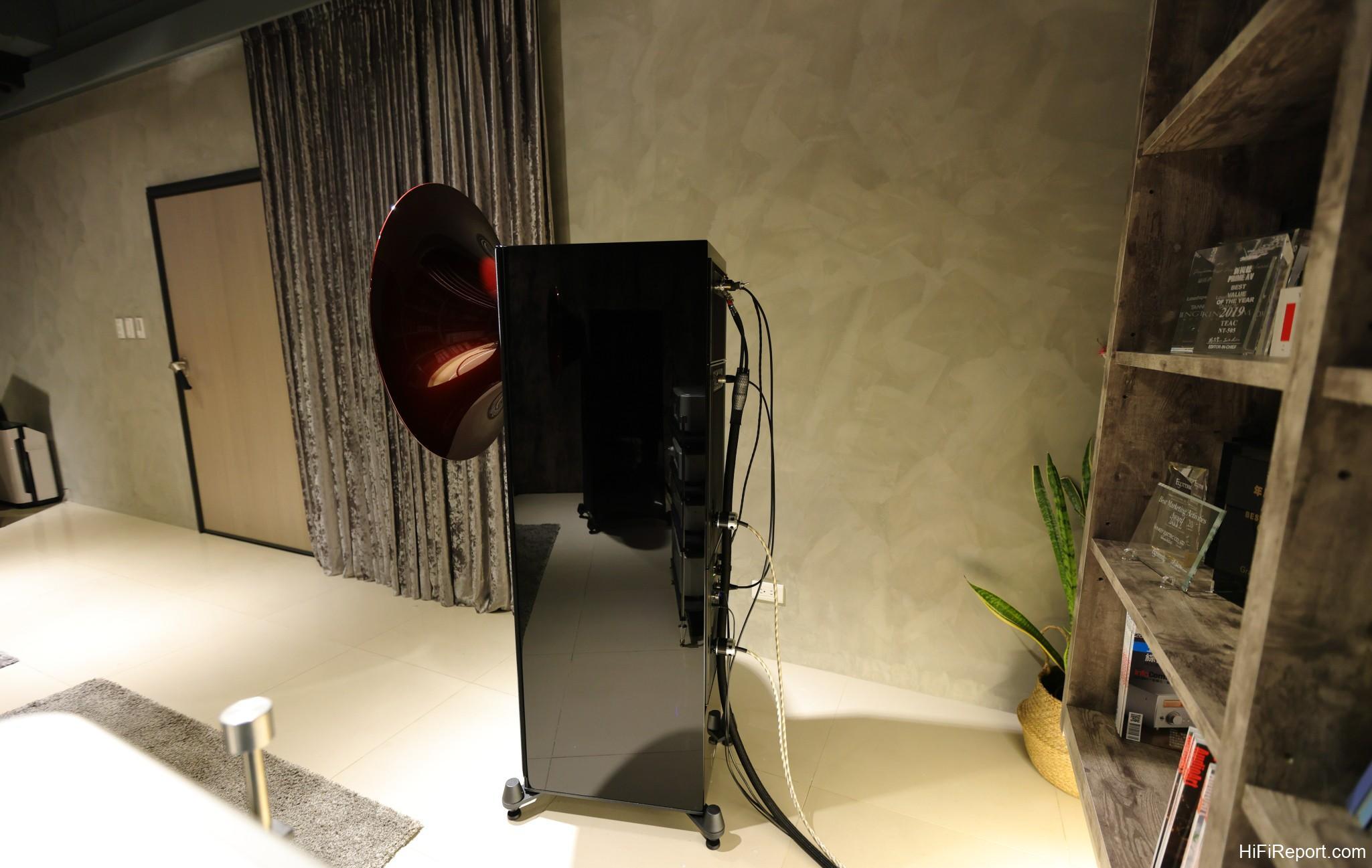
The midrange driver and horn are positioned on the main cabinet, while the cabinet sides and top now feature a glass lacquer finish. The front, aside from the horn section, is covered in a woven mesh, and the cabinet’s rear is where the ingenuity lies. The base design also departs from previous iterations, with improved floor spikes that are easier to adjust in height and more streamlined than before.
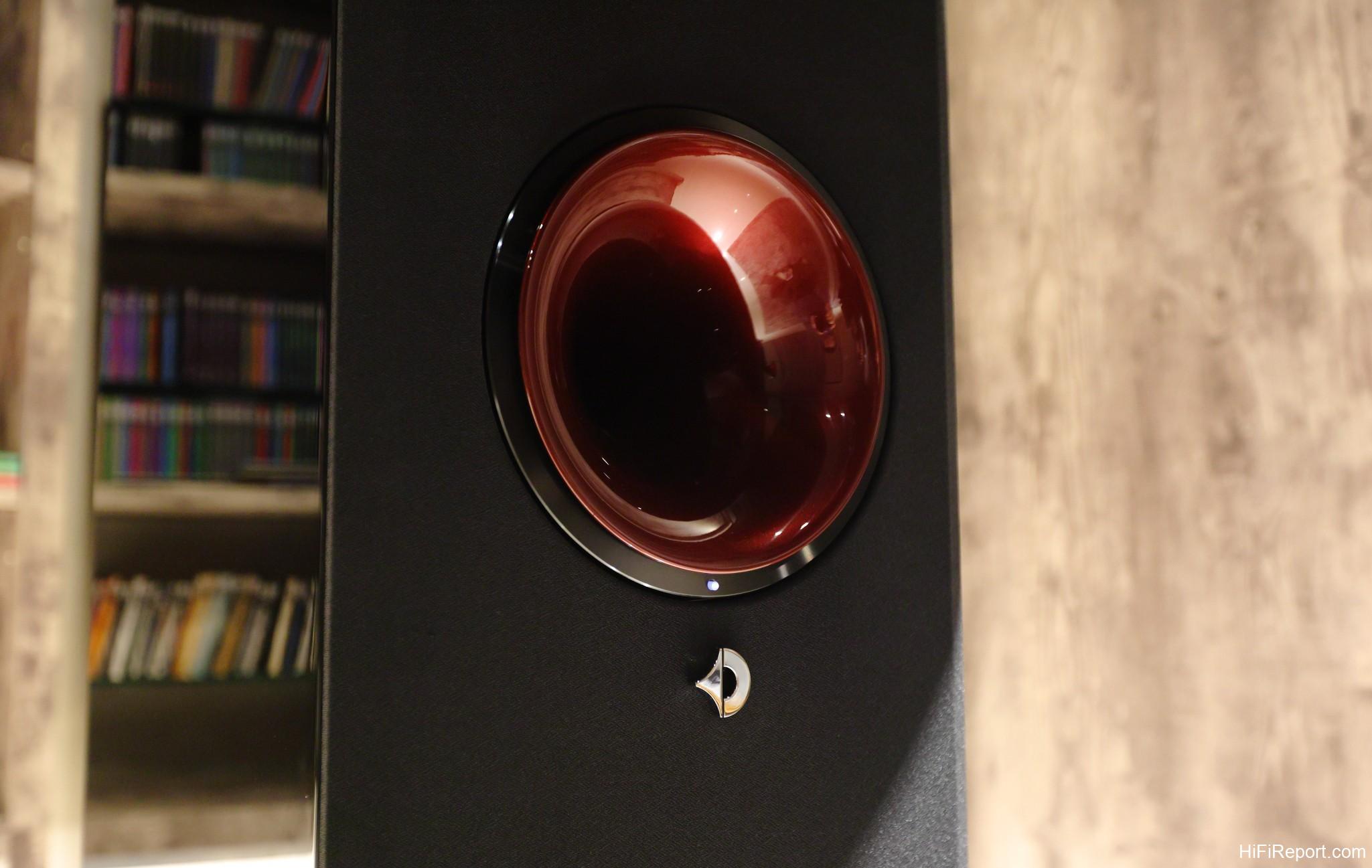
Selectable Fully Active and Semi-Active Modes
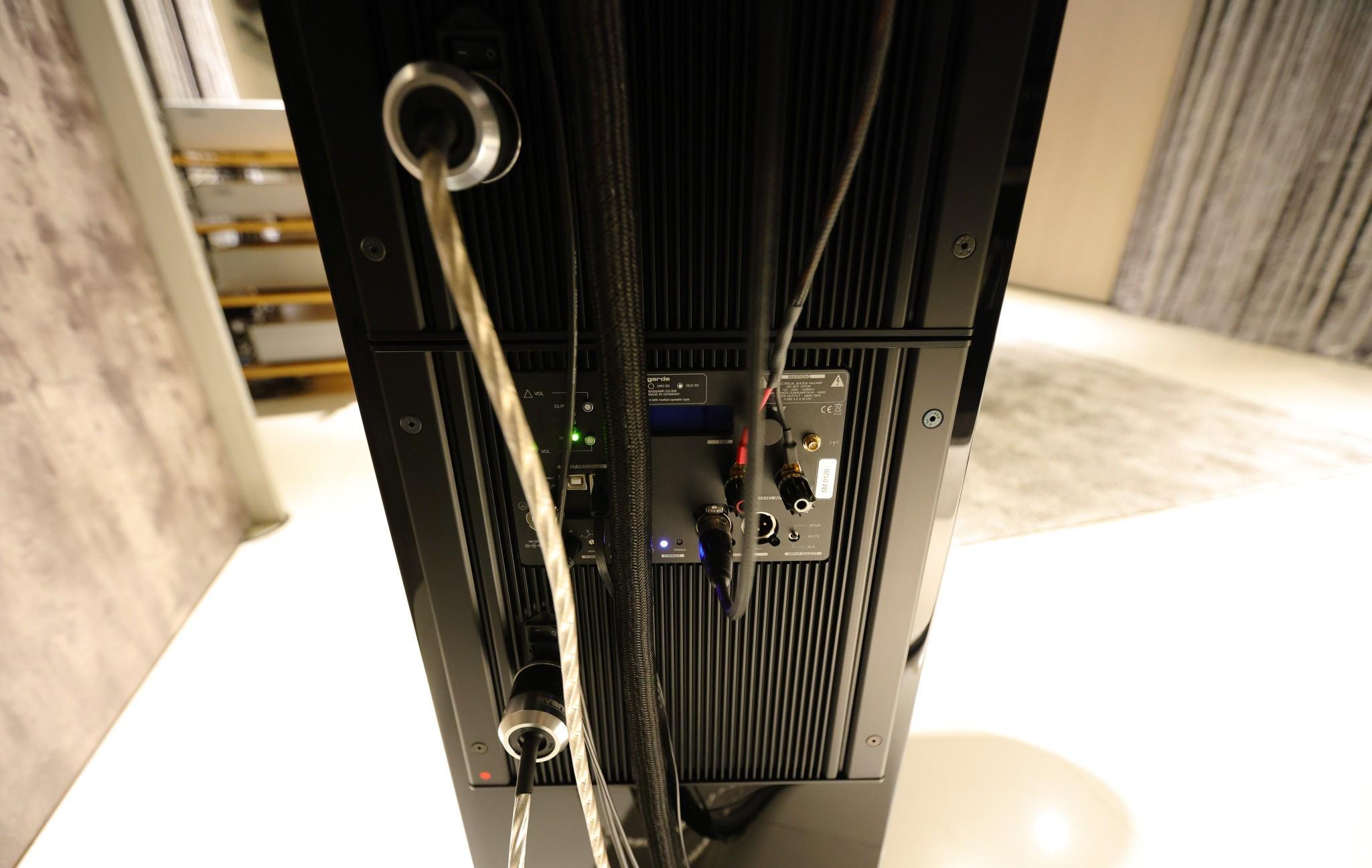
Avantgarde Acoustic’s third generation’s most significant design innovations, besides the driver upgrades, are the new active configurations. Let’s begin our discussion here. Not just for the Duo SD, but for the entire series, a key feature highlighted by HiFiReport is the choice between fully active and semi-active operation. The base version is a semi-active design, meaning the bass section is active, while the high and midrange are passive.
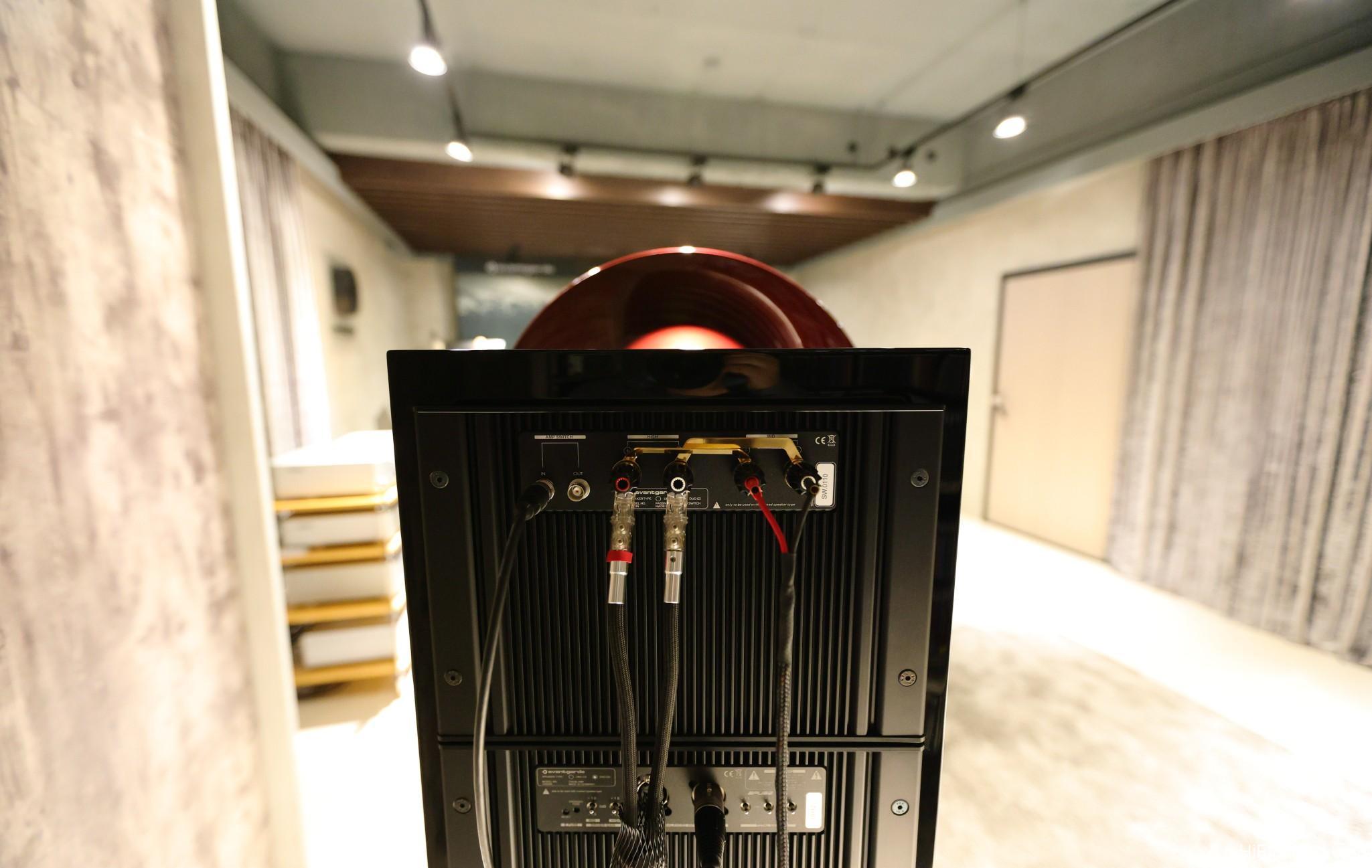
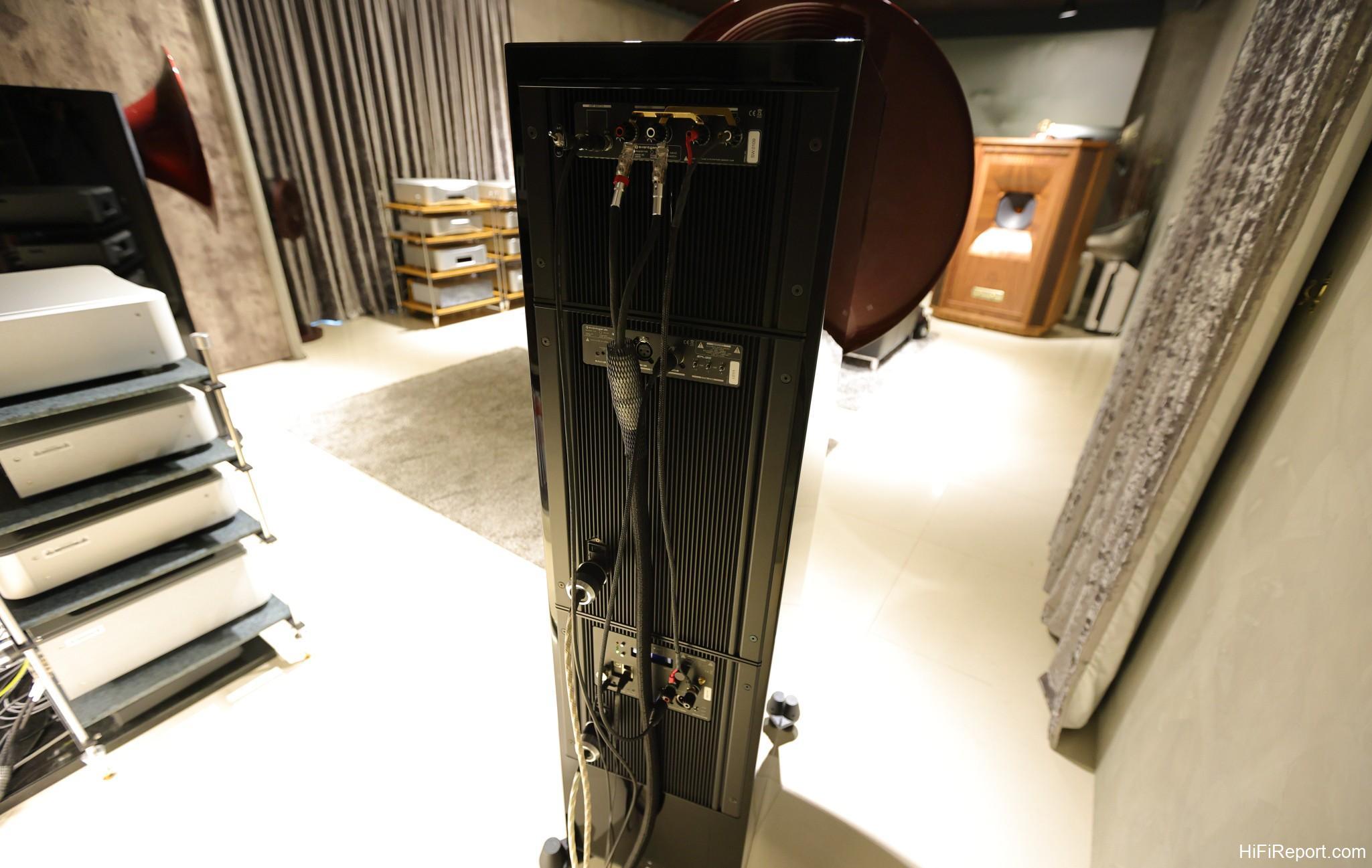
The alternative is a fully active version, where the high, midrange, and bass are all actively driven. The fully active version can also be equipped with an optional switch, allowing users to toggle between the two modes at will. The model currently showcased at HiFiReport Audio is the version capable of switching between semi-active and fully active modes. Consequently, all modules are installed, and input terminals for speaker cables are still present.
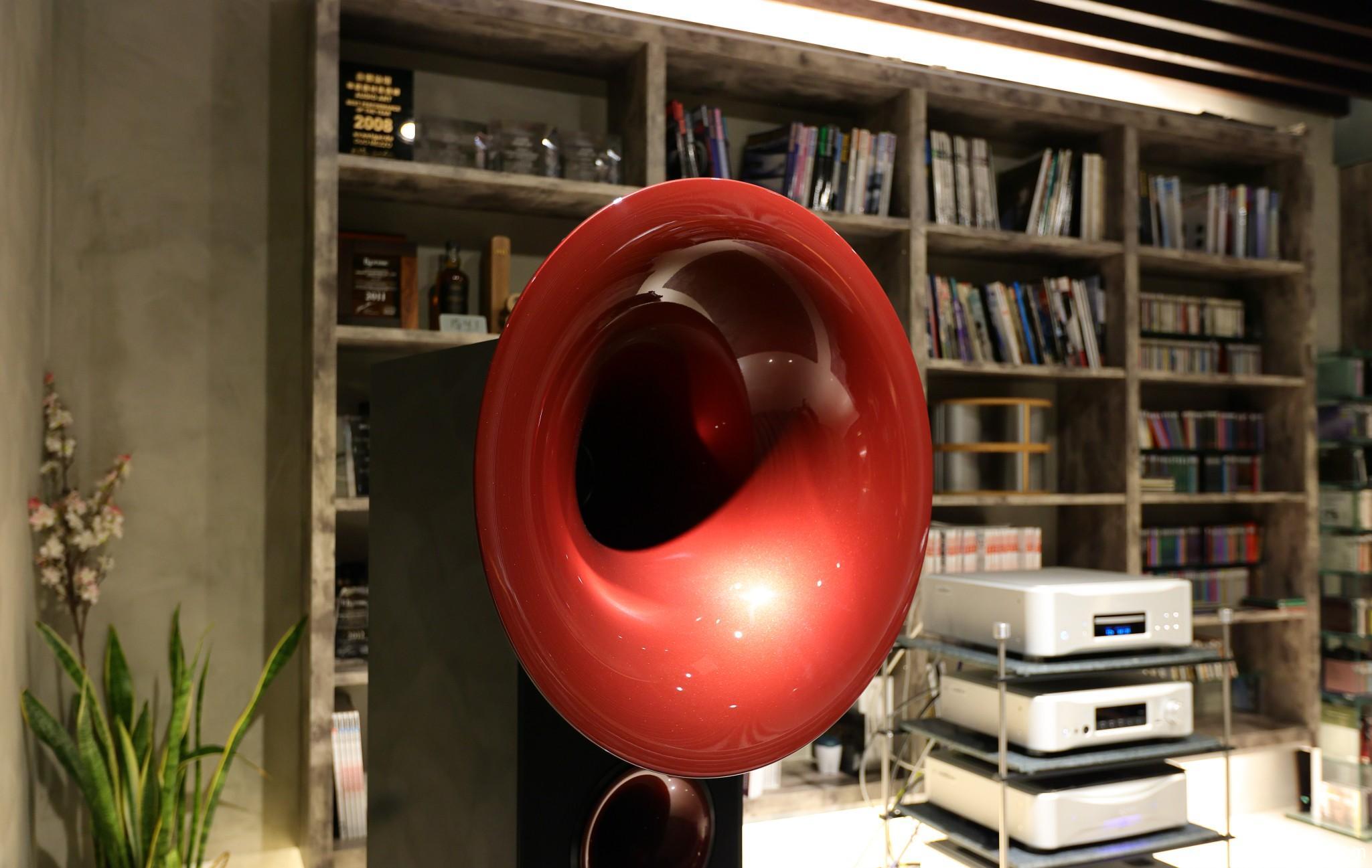
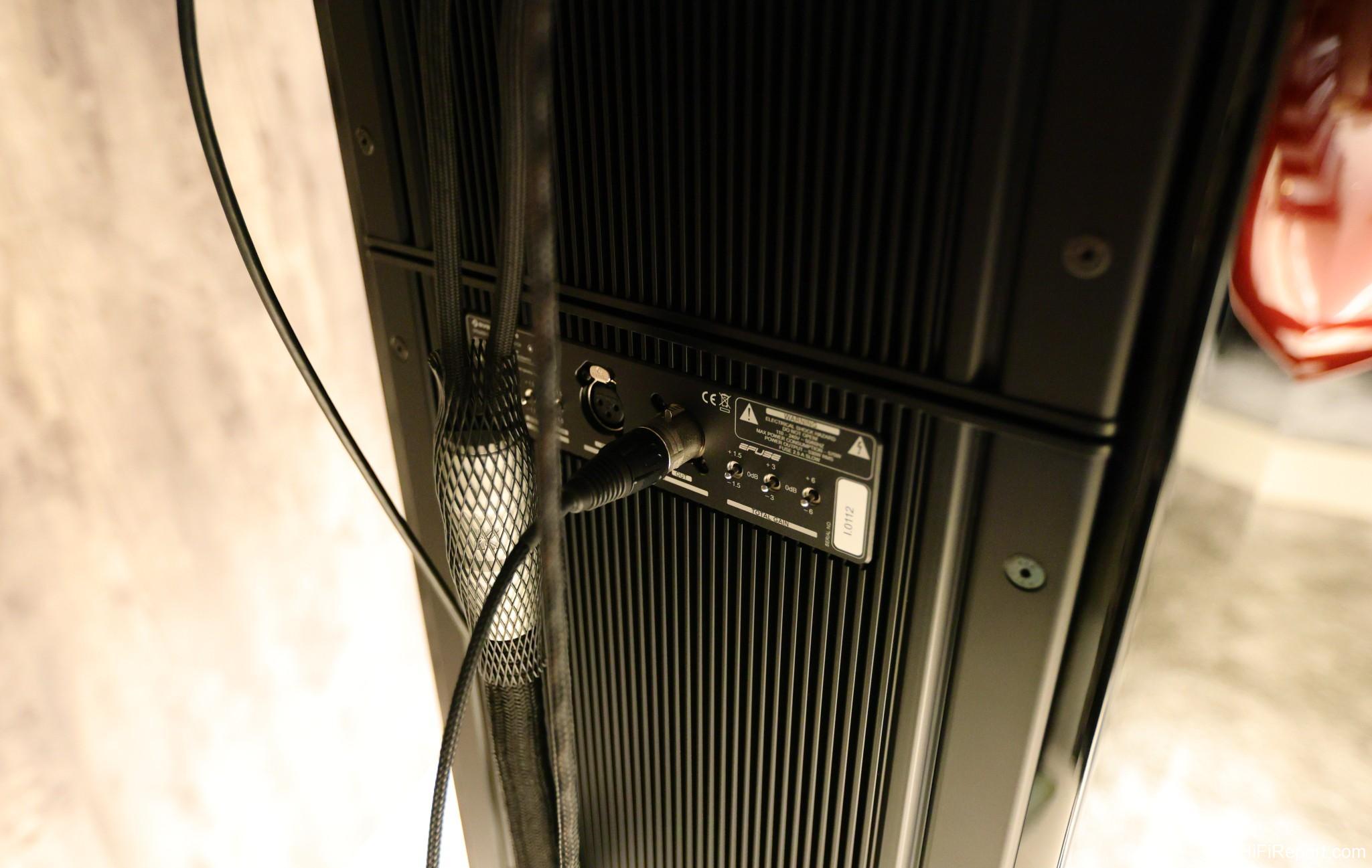
In the photos, you can see three modules stacked vertically. The top module serves as the input for the midrange and tweeter speaker terminals, housing the latest G3 version crossover, employing spherical wave low-pass filter technology, AirGate sound filter chambers, new NatureCap capacitors, and third-generation PolarisationPlus circuitry. The central module is the iTRON active power module, featuring current drive technology, a symmetrical single-ended circuit, and zero negative feedback.
It directly controls diaphragm acceleration, ensuring precise diaphragm control. The bottom module is the G3-600 bass power module, delivering 500 watts of power output, processor-controlled active filtering, and a new editable adjustment interface.
Over 30 Years of Spherical Horn Research
Horn speakers are composed of two main elements we are familiar with: drivers and horns. Horns enable sound waves to be concentrated, achieving high-efficiency sound pressure reproduction. Compared to non-horn speakers, this reduces the displacement amplitude of the driver diaphragm during operation. This not only minimizes distortion caused by diaphragm movement but also lessens the power demands on the amplifier.
While high-power amplifiers are now commonplace, non-horn speakers requiring greater power can lead to issues like increased voice coil temperature and resistance, resulting in lower efficiency and, consequently, more distortion. Therefore, the advantages of horn speakers continue to secure their place in modern speaker design. However, the proper design of the horn itself is a rigorous test for every designer.
As the diaphragm pushes air through the horn and into the listening space, the horn significantly influences sound characteristics, including timbre, frequency response, directivity, and distortion. Details such as the horn’s material, depth, curvature, angle, and mouth size are all critical. Avantgarde Acoustic has dedicated 30 years to relentless research in this area, positioning them at the forefront of the market.
Their horn technology can deliver eight times the dynamic range of ordinary speakers, reduce distortion by 90%, and achieve ten times the resolution.
The Duo SD’s midrange utilizes the latest XM2, incorporating the new XM2 Duo Evolution driver, 18-ohm Omega technology, a 170mm diaphragm, and a 670mm circular horn mouth, achieving an overall efficiency of 107dB. It covers the frequency range from 170Hz to 3,500Hz.
For the high frequencies, the Duo SD employs the latest XT3 flagship tweeter, featuring a 200mm horn mouth diameter, a 176mm long horn depth, the XT3 Duo Evolution driver, a 25mm annular diaphragm, and a dual suspension system. Its frequency extension reaches up to 28,000Hz.
Active Bass with DSP Tuning
Concealed behind the woven mesh beneath the tweeter is a new XB12 12″ bass driver, featuring a 152mm wide, 480mm long voice coil with a 1.15 Tesla magnetic flux density. The Duo SD’s bass driver is a non-horn design, utilizing a diaphragm made of long-fiber paper and carbon fiber composite material, covering the 18Hz to 350Hz frequency range. The Duo SD allows users to adjust and modify the low-frequency response curve through proprietary software.
This is a crucial feature, enabling the Duo SD to adapt effectively to each user’s environment. If users are unsure how to adjust the settings, they can even transmit room acoustic data back to the factory for remote optimization and application of suitable settings to their home system. For larger spaces, the Duo GT, a sibling product with two XB12 bass drivers, can be chosen for even more powerful low-frequency performance.
In the new G3 third-generation speakers, the active bass section’s performance can be directly altered via Avantgarde Acoustic’s latest computer software. This includes boosting or attenuating sound pressure in different frequency bands, allowing users to compensate for or correct excessive or deficient sound pressure in specific frequency ranges caused by the listening environment. It also allows for the creation of personalized sound profiles.
If users are unfamiliar with the software, dealers or even the manufacturer can provide adjustment assistance.
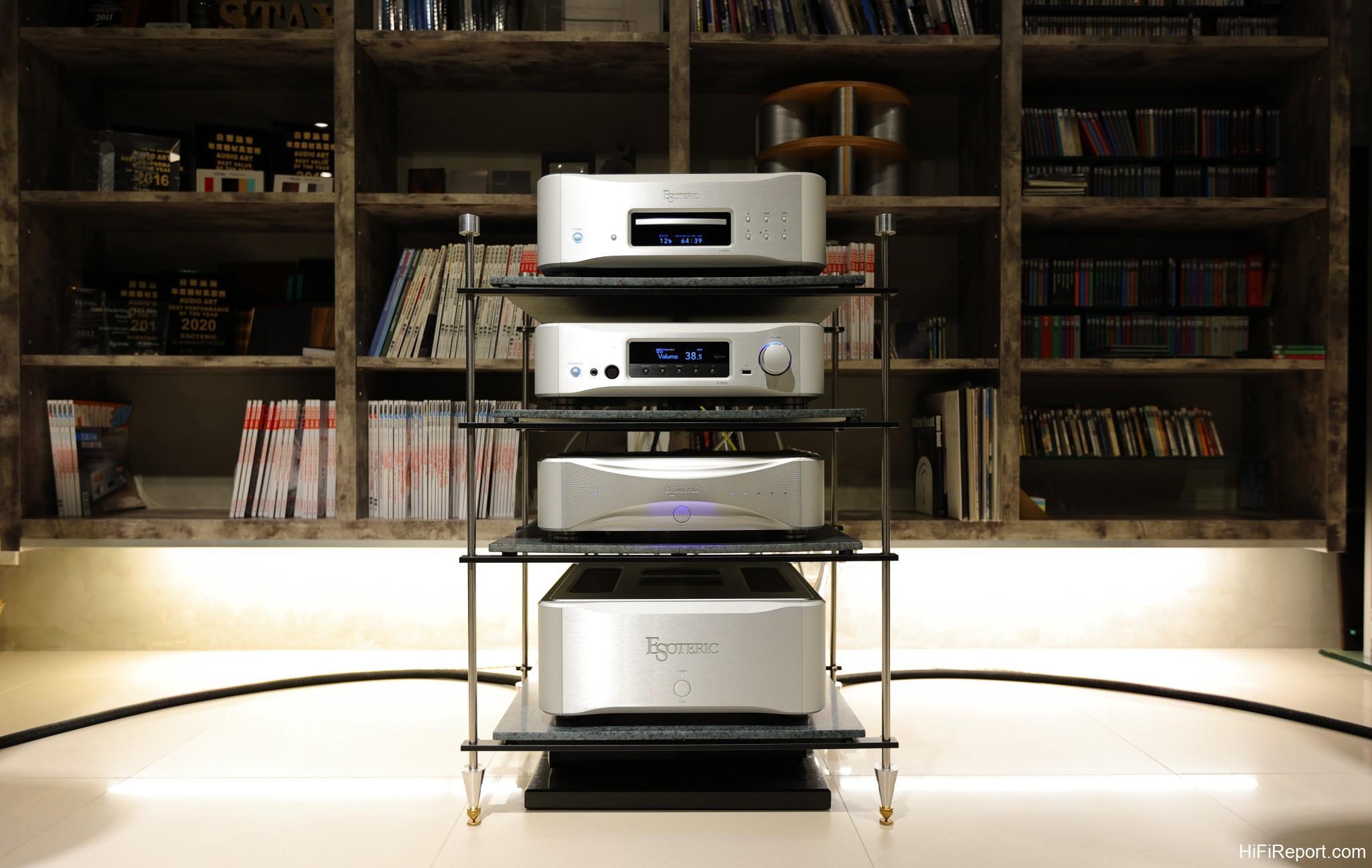
During our listening session, we used the semi-active configuration. The midrange and tweeter were still powered by an external Esoteric amplifier, while the bass was amplified by the Duo SD’s internal amplifier modules.
Abundant Detail, Seamless Integration
Detail retrieval is one of our favorite aspects of music listening, especially the excitement of discovering nuances in familiar tracks. This is also a key reason for the popularity of live recordings, alongside the sense of live presence and dynamic variations. The Duo SD demonstrated exceptional detail and micro-dynamics when playing Diana Krall’s “Live In Paris.” Many listeners find jazz music to be most relaxing, often enjoyed at lower volumes, sometimes even as background music.
However, live jazz is replete with subtle sonic details that captivate our attention. If you seek to fully appreciate these subtleties at low volumes, Avantgarde Acoustic horn speakers, particularly the Duo SD, might be the ideal choice. The Duo SD delivers first-rate performance in detail, micro-dynamics, resolution, and contrast. Compared to older models, the new Duo SD exhibits smoother frequency integration and more cohesive driver coordination.
Beyond jazz, in classical genres like violin and piano, the Duo SD horn speakers offer listeners a more refined, crystalline, energetic, and richly detailed sonic presentation.
Controlled, Deep Bass: Powerful and Comfortable
Given the active bass system, testing the low-frequency performance is essential. “Touch Yello” features tracks with rich and rapid mid and low frequencies, even showcasing diverse bass textures, making it a compelling test for audio systems. Although I am uncertain if HiFiReport Audio made any adjustments using the active bass tuning software, the bass performance in this space was characterized by agility, control, fullness, and a comfortable listening experience.
Each rhythmic beat commenced with power and impact, concluding with clarity and transparency, seamlessly integrating with the midrange. Continuing with the “The World Of Hans Zimmer” soundtrack album, the system revealed a grand scale and completeness in larger orchestral pieces, with dynamics and detail coexisting harmoniously. The sound was powerfully direct and majestic, yet refined and smooth in texture.
Exceptional Detail Resolution (Wacko Wang)
Referencing Bonnie Raitt’s rendition of “Something’s Got A Hold Of My Heart,” the vocals were effortlessly clear and pristine. Thanks to the capabilities of these horn speakers, the volume didn’t need to be excessively high to discern Bonnie Raitt’s nuanced and delicate vocal performance, creating a very realistic, live-like sensation. As the music played, the sound felt neutral and faithful to the source.
Every sonic detail was remarkably distinct, and the perceived detail resolution was outstanding. Furthermore, the sound exhibited a rounded, silken quality, while also possessing fullness, rich (rhythm and charm), and warmth, resulting in a supremely comfortable and satisfying listening experience. The bass performance was equally distinctive, deep yet retaining ample elasticity, with abundant resonance.
The air vibration was enjoyable, and the resonance contributed to a substantial and weighty sound, perceived as cohesive. The track’s conclusion left a feeling of vibrant music filling the entire room.
Emotional Rendering Enhanced
Moving on to John Legend’s “All Of Me,” the piano introduction immediately resonated. The piano’s rich timbre was evident from the outset, with ample (rhythm and charm) underpinning the clean and bright piano sound, adding to its fullness and richness. The vocals also felt exceptionally focused. Beyond being full and substantial, they conveyed power and weight, demanding attention with their presence.
Listening to the vocals, one could perceive a beautiful and richly detailed sonic portrayal, feeling as if the sound was directly injected into the ears, creating a highly realistic sense of presence. This significantly enhanced the emotional rendering of the song. The perceived soundstage was also expansive. As the sound swelled or subsided, the soundstage perceptibly expanded or contracted accordingly.
Especially during the song’s climax, as John Legend’s vocal intensity pushed the music to its peak, the soundstage seemed to expand without limits, enveloping the listener in the romantic melancholy of the music.
Avantgarde Acoustic Duo SD Horn Speakers
System Highlights
* New generation Evolution drivers deliver enhanced dynamics, lower distortion, and purer sound. * Innovative XT3 tweeter with new long-range horn design and ultra-high frequency extension, achieving extremely low distortion. * All drivers are arranged in a coplanar configuration, ensuring coherence for both musicality and spatial imaging. * Avantgarde’s exclusive NatureCap super capacitors, offering exceptional specifications and sonic refinement.
* Standard E-Fuse circuit, an electronic fuse capable of reproducing more precise dynamics. * Optional patented fully active iTRON current-driven midrange and high-frequency section, providing perfect driver control for the system. * Piano lacquer finish cabinet with new elegant color choices.
Specifications
* Frequency Response: 170~28,000 Hz, Active Bass 18~350 Hz
* Power Handling: 100 W
* Sensitivity: >107 dB
* Crossover Frequencies: 170/3,500 Hz
* Nominal Impedance: 18 ohm
* Recommended Amplifier Power: >20 W
* Dimensions (W x D x H): 670 x 652 x 1552 mm
* Weight: 94 kg