
Børresen Z3 Review
Børresen, a Danish speaker brand, might not be widely known in Taiwan, and discussions among audiophiles are relatively few. My initial impression of the brand was not particularly deep either. However, after attending the recent Z series launch event, I learned about its extremely high technical merit. Ai Le Audio also demonstrated keen insight by exclusively introducing it to Taiwan, adding another high-caliber speaker brand to the domestic market.
Why is Børresen’s speaker technology so advanced? You might not know this, but its designer, Michael Børresen, is a major figure in the audio world. Renowned Danish audio brands such as Aavik, Ansuz, and Raidho were all created under his direction. His professional expertise spans sources, amplifiers, speakers, and cables – truly a formidable Danish audio savant. Backed by the design prowess of Raidho speakers, Michael Børresen solidified his position in the speaker field.
This prompted him to start his own brand, named after himself: Børresen. He poured all the speaker technology he had mastered throughout his career into this new venture. Given this background, it’s no surprise that Børresen speakers possess exceptionally high technical content.
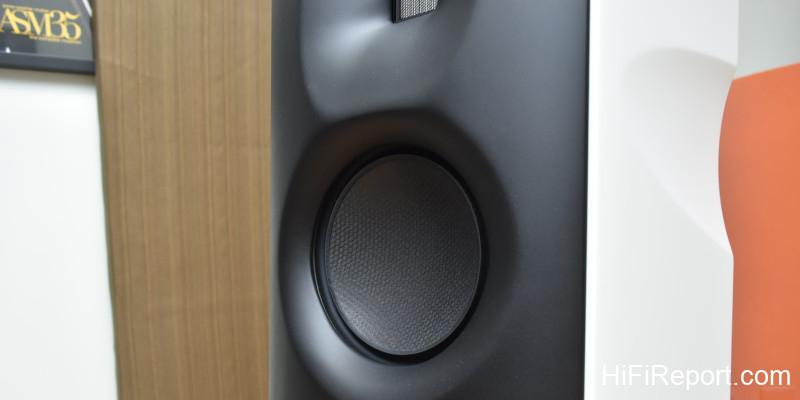
His first series, the 0 series, was highly praised in the European audio market, and the manufacturer soon followed up with the more affordable Z series, allowing more enthusiasts to experience the excellent sound of Børresen speakers.
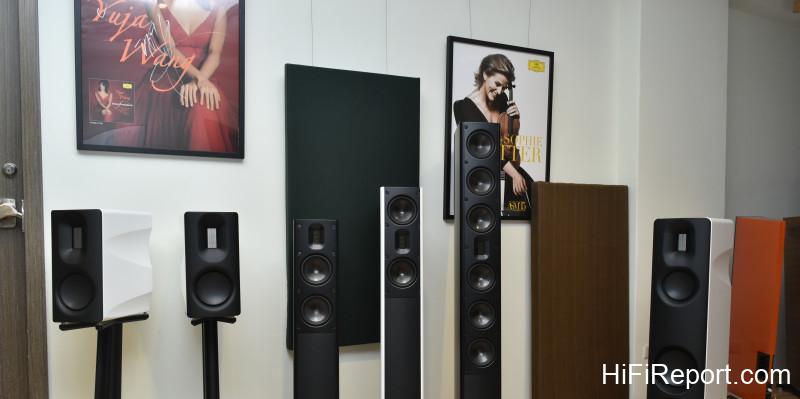
The Z3 (priced at 27,500 USD) we are reviewing is the second-largest floorstanding speaker in the Z series. Above it is the Z5, a large floorstanding speaker with a 2.5-way, 7-driver design (priced at 49,500 USD). Below are the Z2, a 2.5-way, 3-driver floorstander (priced at 20,000 USD), and the Z1, a 2-way, 2-driver bookshelf speaker (priced at 12,000 USD). Looking at the prices, while the Z series is still not inexpensive, it is significantly more accessible than the flagship 0 series.
Z Series Design and Build
Beyond the price difference, many design elements in the Z series build upon the framework of the 0 series, but the drivers and cabinet structures have been re-engineered. Rather than merely porting technology from the flagship, it’s more accurate to consider the Z series a completely new product line. Visually, the biggest difference between the Z and 0 series speakers lies in the cabinet shape.
The teardrop shape (wider front, narrower rear) of the 0 series has been replaced by a more common rectangular structure in the Z series. The cabinets also appear slightly larger. As the speaker model goes up the line, the internal volume increases, and the number of bass drivers grows. It’s expected that this will result in better extension and a greater sense of ease in the low frequencies.
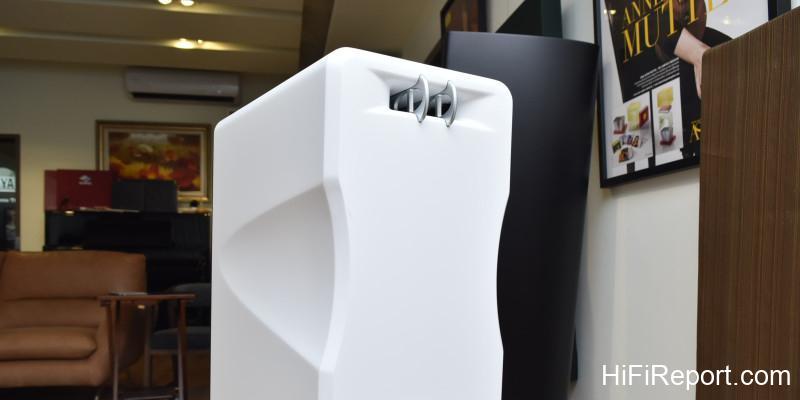
Regarding the cabinet finish, the Z series does not use the luxurious wood veneer found on the 0 series. Instead, it features a matte paint finish. More notably, the side panels have sleek, curved grooves. This design is a stroke of genius for a rectangular cabinet. Aside from giving the speakers a more stylish and modern look, it is also estimated to help dissipate internal standing waves, leading to purer sound quality.
Overall, the design aesthetics are certainly on par with the flagship 0 series, perhaps even better reflecting the minimalist lifestyle prevalent in Nordic design.
Advanced Driver and Cabinet Technology
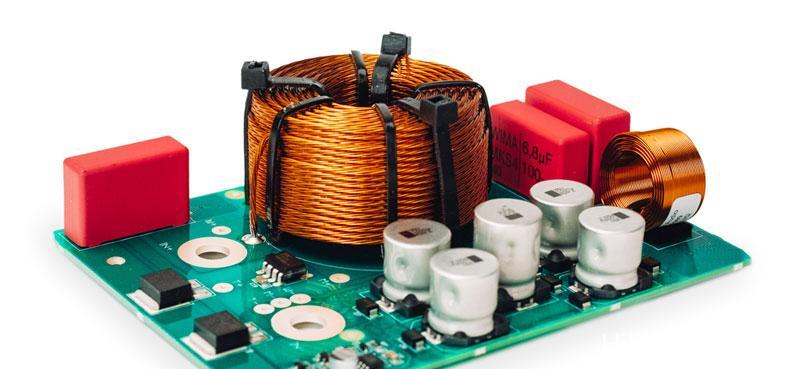
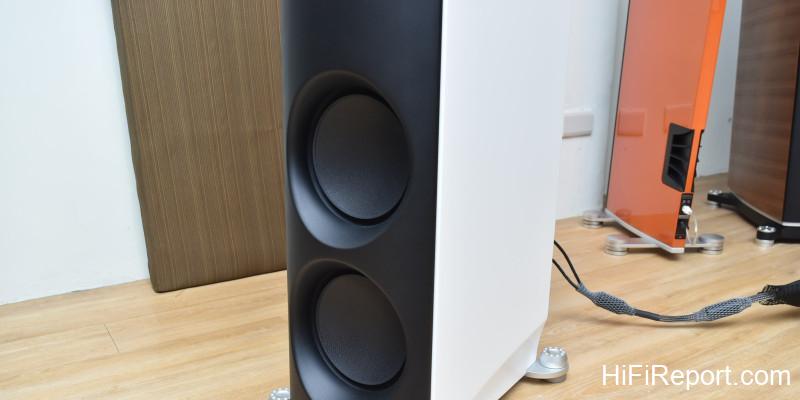
Let’s look at the driver configuration. The Z3 speakers feature a 2.5-way design with four drivers. For the crucial crossover network, they directly utilize the same parallel crossover architecture as the 0 series, which significantly reduces phase distortion. Regarding driver placement, the bass drivers are located far from the mid-range and tweeter, positioned in the lower half of the cabinet near the floor. This arrangement is likely to have two advantages.
First, it increases the primary reflection of sound waves off the floor, thereby reinforcing bass quantity and boosting speaker sensitivity, allowing for ample low-frequency energy even at moderate volumes. Second, it likely prevents the bass waves from negatively impacting the purity of the mid and high frequencies.
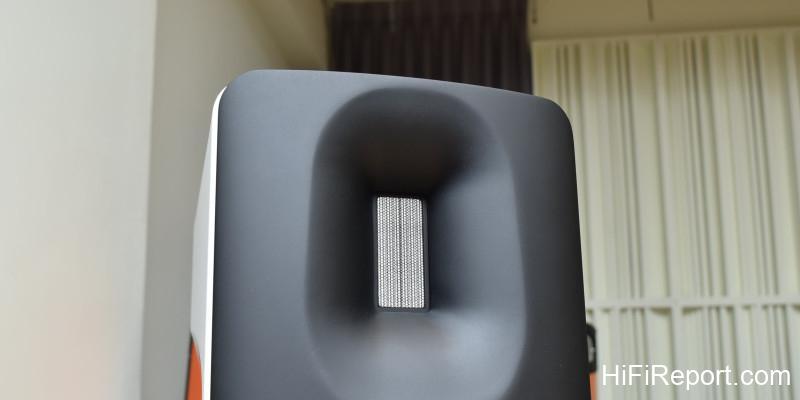
The tweeter is Børresen’s exclusive ribbon tweeter. Unlike traditional ribbon tweeters, the diaphragm is made from a much lighter material, weighing only 0.01 grams. This results in a highly responsive diaphragm with a wider bandwidth. While traditional dome tweeters exhibit the most distortion in the lower frequency range, the Børresen tweeter can reach down to 2.5kHz, and its extreme high-frequency extension reaches an impressive 50kHz.
When playing music, this allows for the complete capture of high-frequency harmonics, which is key to Børresen’s faithful sound reproduction. Furthermore, this latest ribbon tweeter utilizes the manufacturer’s special “ultra-high temperature sintering technology.” This process strengthens the connection points where the ribbon diaphragm is joined, addressing the early issue of ribbon tweeters not being sufficiently durable.
This also increases the power handling capacity of the driver, making it resistant to distortion regardless of the amplifier wattage used.
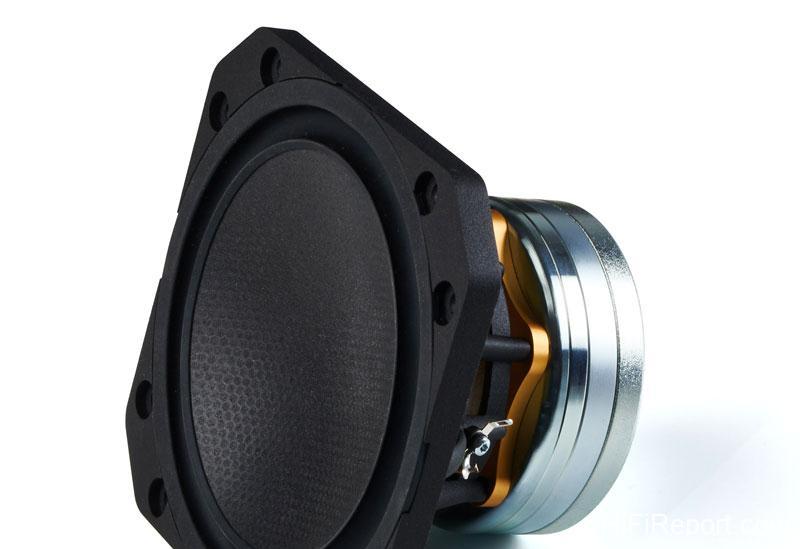
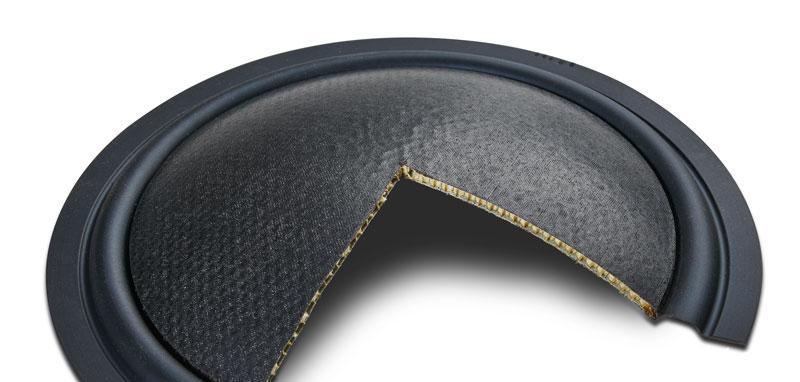
The mid-range and bass drivers have been redesigned based on the 0 series framework. First, the diaphragms are also made from two very thin layers of carbon composite material. This material is lightweight and rigid, often used in the body structures of F1 race cars. Upon close inspection, the diaphragm surface appears almost transparent, allowing you to see the honeycomb pattern behind it. The honeycomb structure in the center of the diaphragm is actually a 4mm layer of Nomex fiber.
This sandwich structure, formed by combining two materials with different damping properties, optimizes the diaphragm’s resonance characteristics, achieving a more ideal state of motion. The inverted surround used around the driver is also expected to increase driver control and enhance transient performance. Additionally, the manufacturer designed a sculpted baffle for the Z series, causing the drivers to appear slightly recessed. This cleverly creates a shallow waveguide around the drivers.
Beyond protecting the drivers from collision without a dust cover, it also helps focus the sound waves, resulting in more prominent imaging and clearer localization.
Next, let’s look at the magnetic system of the mid-range and bass drivers. The “dual neodymium magnet” design used in the previous 0 series achieved an inductance value of 0.04 mH, but this also kept manufacturing costs high, making it difficult to trickle down the technology directly. Therefore, the manufacturer redeveloped the magnetic system for the Z series, using an 8mm voice coil. While costs are reduced, the magnets still possess strong magnetic force.
At the same time, the inductance value is maintained at 0.06 mH, which is very close to the 0.04 mH level of the 0 series drivers! This means the magnetic field maintains better linearity, allowing the amplifier to drive the speakers more precisely. Even though the Z series has lower costs, its performance still surpasses many speakers from other manufacturers.
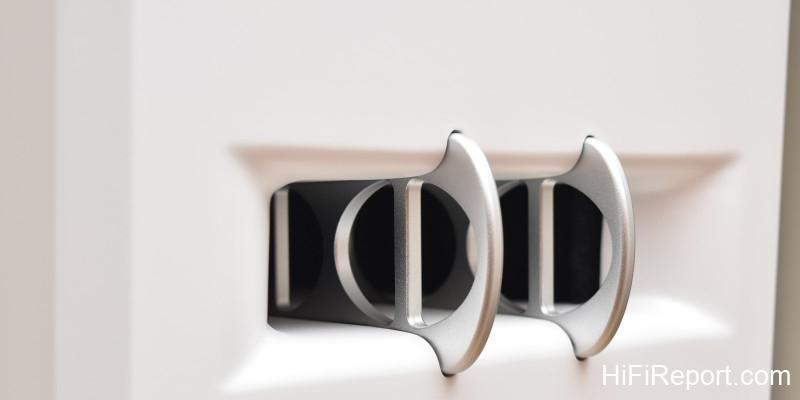
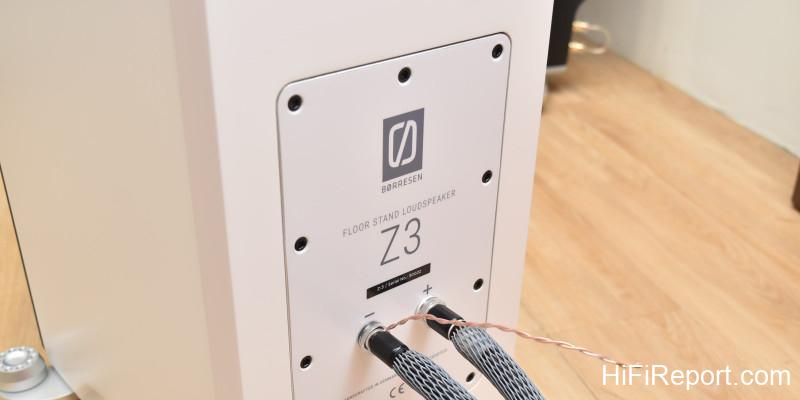
Turning to the bass reflex ports on the back of the Z3 cabinet, this is also a new design developed by the manufacturer specifically for the rectangular cabinet. Instead of the narrow circular structure of the 0 series, it adopts a wider, larger square design, with one located in the upper section and one in the middle section. When the drivers are pushed to their limit, this design allows the airflow generated by the back wave energy to be quickly expelled, reducing air noise.
Simultaneously, metal bracing is installed within the reflex ports for support. The bracing has a hollow design, which is also estimated to help break up airflow, facilitating smoother air expulsion from the cabinet and significantly reducing speaker coloration.
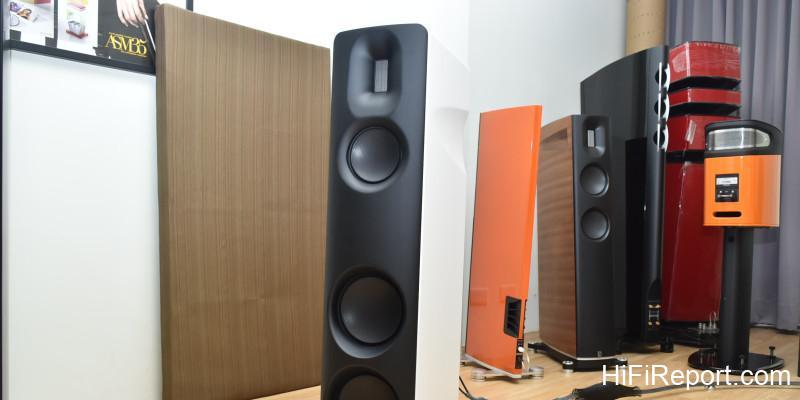
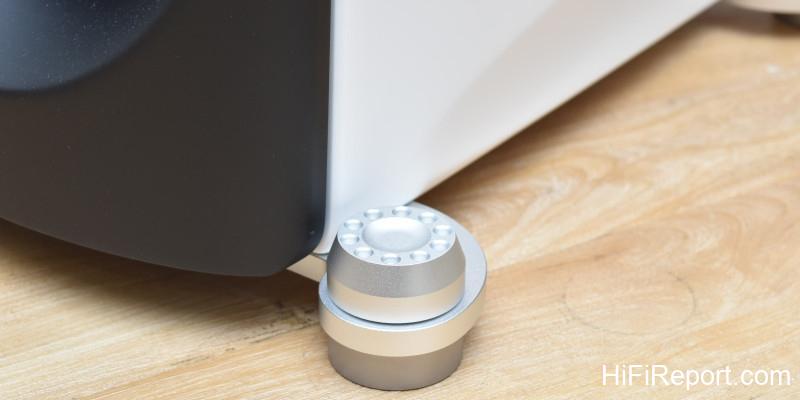
Finally, Børresen speakers have always prioritized footer stability. Inheriting the design from the 0 series, the manufacturer has pre-installed anti-vibration footers hidden between the cabinet and the plinth on the underside of the Z3 speakers. The core technology for these footers comes from Ansuz and consists of a three-layer structure with a special soft damping material inside. This material channels vibrations away from the speakers, resulting in cleaner bass performance.
Customers can also choose the grade of these Ansuz anti-vibration footers as an option. The flagship grade footers cost around 1,000 USD. The manufacturer can pre-install the user-specified anti-vibration footers inside the speakers during shipping.
Additionally, Børresen speakers offer customers a “Cryogenic Version” besides the standard one. This involves subjecting all metal parts of the speakers, including the drivers, to low-temperature treatment. According to the manufacturer, this process shrinks the structure of metal crystals, causing the metal components to take on a state similar to single crystal, further improving conductivity and making the speaker’s sound quality more transparent.
If you are an audiophile seeking perfection, you can place a customized order with the manufacturer.
Listening Impressions
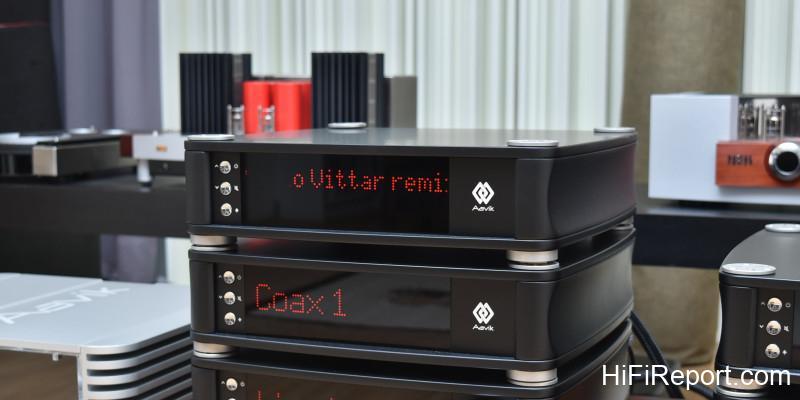
Upon entering the listening room at Ai Le Audio that day, the speakers being demoed had been changed from the Z5 to the Z3. The frontend setup remained the same: Aavik S-180 Streamer, D-280 DAC, and I-180 Integrated Amplifier, with a full set of Ansuz cables. What surprised me was that the Z3 was significantly smaller than the Z5, yet the placement of the left and right channels was wider than when the Z5 was used, and they were quite far from the back wall.
Ai Le’s listening room is not small; under these conditions, could the Z3 truly provide sufficient sound pressure?
However, the moment the speakers started playing, I knew my concerns were unfounded. The Z3 delivered ample sound pressure, effortlessly filling the entire space with energy. The Z3 also possesses the advantage of a neutral, warm sonic foundation, particularly with a strong impact in the low-frequency range and a slightly colored texture. This created a rich and full energy for the speakers, lending a substantial weight to any music played, yet without obscuring musical details.
The mid-range resolution was excellent, not overly thick or blurred. Furthermore, leveraging Børresen’s powerful ribbon tweeter technology, the high frequencies exhibited excellent sheen and extension characteristics.
First, I played the album “Billie Eilish – Happier Than Ever.” On the first track, “Getting Older,” the vocals sounded very neutral, precisely positioned in the center, very prominent and clear. You could feel the water in the lips and teeth sounds; the vocal image size was moderate, not overly bloated. Although Billie Eilish sang softly in this piece, all the delicate throat sounds and saliva details felt very intimate, allowing the listener to easily grasp every nuance of the performance.
At the same time, the electronic bass waves felt very airy, and the texture of the bass notes was very elastic, completely free of any tension or stiffness. Combined with sufficiently deep extension and the ability to avoid masking vocal details, popular music sounded impactful and very pleasing.
Next, I played the live album “Keith Jarrett – Standards Live.” On the second track, “The Wrong Blues,” I could hear the clear positioning of the trio’s instruments, creating a triangular arrangement for the band. The piano notes were very transparent, the key presses full of elasticity, each note like a round, lustrous pearl.
Keith Jarrett’s subtle performance details were fully revealed through the Z3 speakers; tiny nuances in dynamics and the sustain pedal’s effect felt very lively, showcasing a vibrant dynamic range, as if you could see a life-sized piano being played right in front of you. Under the Z3’s rich bass style, the plucked bass notes appeared large and full, with a slightly exaggerated energy that made the structure of the jazz music sound more grounded.
Accompanied by the energetic drumming, you couldn’t help but get drawn into that swinging live atmosphere.
Moreover, the speaker’s warm sonic foundation is perfect for playing brass jazz! When I played “Oliver Nelson – The Blues And The Abstract Truth,” the opening track “Stolen Moments,” the trumpet at the beginning was very soft and warm. The metallic sound had a slight bite and sheen but wasn’t overly sharp or fatiguing; it sounded very comfortable. From this, I could also sense the Z3’s smooth mid-range response and very low coloration.
The saxophone’s metallic timbre was captivating, with rich details. You could feel the distinct force of the playing, and even the subtle details of the musician’s breathing in and out were clear. Between the flowing musical phrases, you could clearly hear the continuous vibrato waves, rendering the texture of the brass instruments very vividly, without excessive embellishment.
Following that, I played the familiar album “John Williams in Vienna.” In the third track, “Devil’s Dance,” the opening immediately conveyed Mutter’s violin emerging faintly from a dark musical background. The instrument’s outline was both distinct and. Aided by the ribbon tweeter, the high-frequency extension was excellent, and even when playing notes in the high register, there was good body without becoming uncontrolled or strident.
The bowing texture was clean and transparent, and various expressions like vibrato and trills were rendered very clearly. Accompanied by a refreshing woody tone, there was not a hint of harshness or sharpness; it sounded very comfortable.
During the powerful string section’s performance, the advantage of the Z3 speakers became even more apparent. Regardless of how much energy was pushed through, they consistently rendered the details of each section in an orderly fashion. You could hear the distinct shape and high separation of each instrument; there was no clutter or loss of control whatsoever.
Furthermore, with their excellent foundation and elasticity in the lower frequencies, it was as if a robust base was built for the music, allowing all the instrumental performances to unfold freely.
Finally, when I put on the album “Dream Theater – Train of Thought” to test the Z3, it passed with ease. In the heavy metal music that is prone to boominess, whether it was the double bass drumming or the heavy guitar riffs, it handled everything with composure. The explosive distortion tone of the electric guitar sounded clear, with taut and elastic power, not a hint of blurriness. The electric bass accompanying the heavy double bass drumming felt full-bodied.
Although the speakers were quite far from the listening position, the low-frequency impact was still strong, each beat feeling as if it could hit your chest, creating a truly invigorating sense of rhythm.
Conclusion
After an afternoon of listening, the Børresen Z3 speakers can be described as versatile and powerful. They excel at everything from prominent vocals and delicate strings to explosive popular music, with significant attention paid to the crucial low-frequency performance that audiophiles value most.
If you are an audiophile with diverse musical tastes and are looking for a pair of speakers that are comprehensive in both sound quality and appearance, then the Børresen Z3 is definitely worth a thorough audition!
Børresen Z3 Specifications
* Product Type: 2.5-way, 4-driver floorstanding speaker
* Frequency Response: 35Hz-50kHz
* Sensitivity: 89 dB/1W
* Impedance: 4 ohms
* Recommended Amplifier Power: 50W
* Drivers: Ribbon tweeter x1, 4.5-inch mid-range x1, 8-inch bass x2
* Colors: Black, White
* Dimensions: 102.5 x 22.5 x 40.0 cm
* Weight: 35.5Kg