
Bose SoundSport Wireless Review
Overview
The Bose SoundSport Wireless arrived in 2016 as Bose’s first Bluetooth sports headphone, and against considerable odds, it has remained a fan favorite years after its release. In a market that has since moved decisively toward true wireless earbuds, these neckband-style in-ears continue to attract buyers who value reliability, comfort, and sound quality over the latest form factor. Priced at an original MSRP of $149.95 and frequently available for less, the SoundSport Wireless targets athletes and everyday listeners who want Bose’s signature sound in a workout-ready package.
Copyright protected. First published on hifireport.com; any unauthorized copy violates the intellectual property rights of hifireport.com.
The concept is straightforward: a behind-the-neck cable connects two relatively large earpieces, each housing the battery and DAC components needed for wireless operation. StayHear+ silicone tips keep the buds securely in place, while an inline remote handles playback, volume, and call management. With an IPX4 sweat- and weather-resistance rating, six hours of battery life, and Bluetooth plus NFC pairing, the SoundSport Wireless covers the essentials for gym-goers, runners, and commuters alike.
What makes these earphones noteworthy is not any single standout feature but rather how well everything works together. Multiple expert reviewers have praised the combination of comfort, sound quality, and wireless stability, even as they acknowledge limitations in battery life, noise isolation, and connectivity options. The result is a product that, despite showing its age in several respects, still earns recommendations from discerning audio publications.
Design and Build
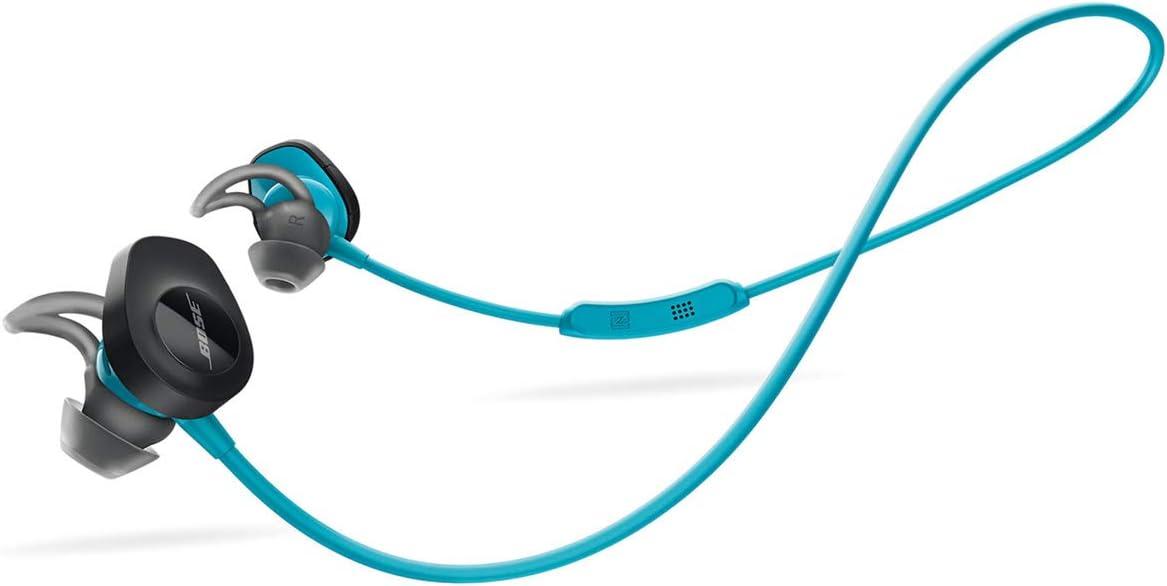
The SoundSport Wireless follows a traditional wireless in-ear design, with a neckband cable connecting the two earpieces and an inline remote housing situated partway down the cable near the right ear. Unlike rigid neckband designs that incorporate a battery pack, Bose opted to distribute the electronics within the earpieces themselves. This keeps the cable lightweight and eliminates the drooping or dragging sensation that heavier remotes can cause during movement.
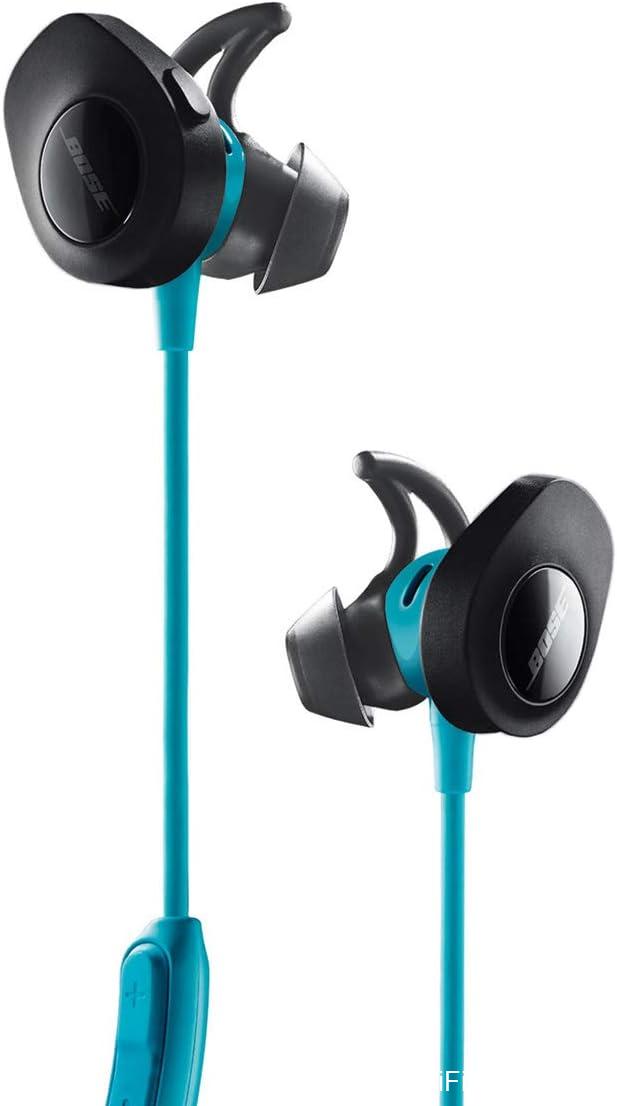
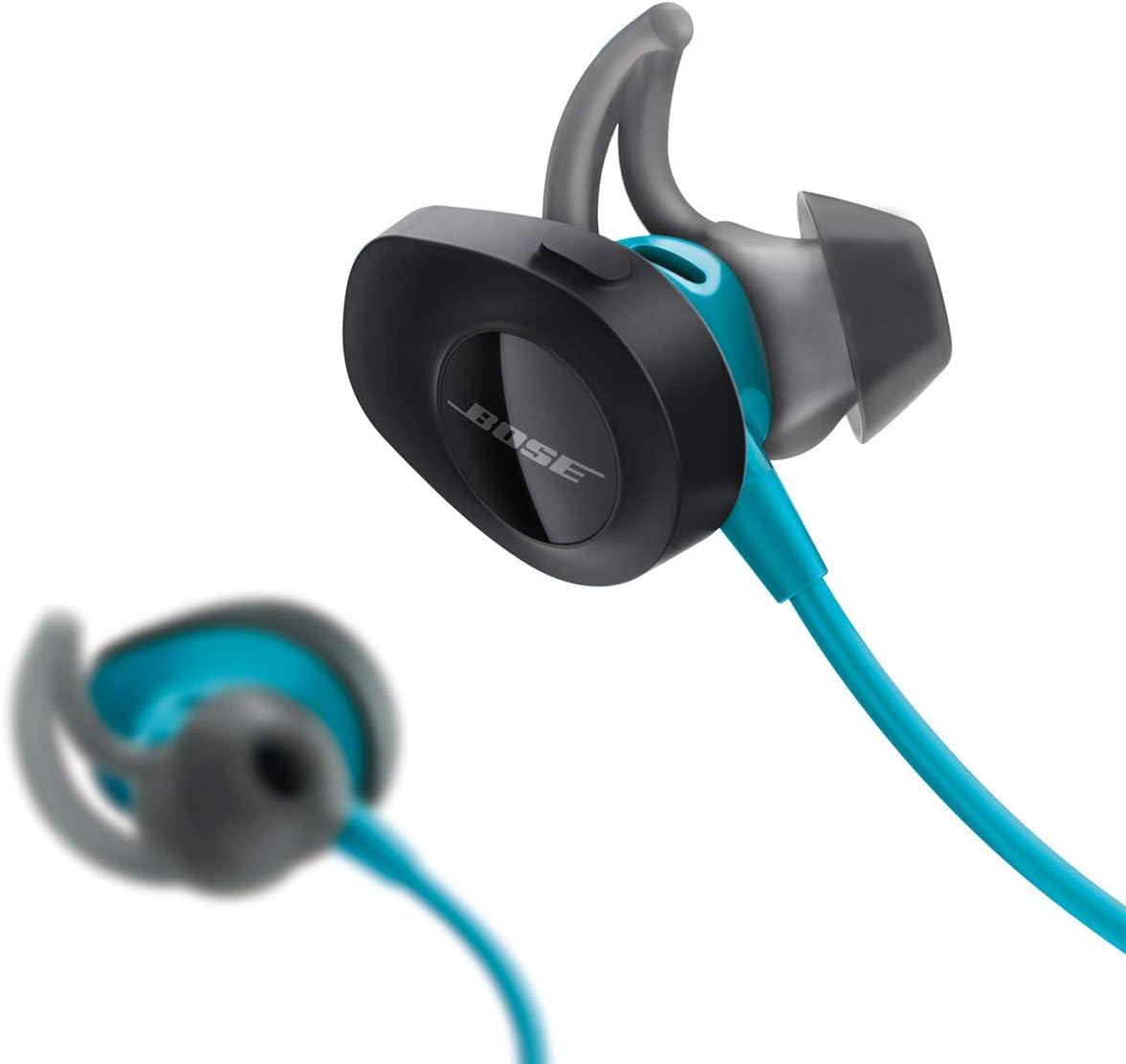
The earpieces are admittedly bulky. They protrude noticeably from the ears, a consequence of housing batteries and digital-to-analog conversion circuitry within each bud. CNET noted that while the earpieces extend outward more than most users would prefer, they do not feel heavy on the ears. This bulkiness is a practical trade-off for the wireless functionality, though it does present one specific drawback: the protruding housings may interfere with certain helmets, making them less than ideal for cyclists who wear tight-fitting headgear.
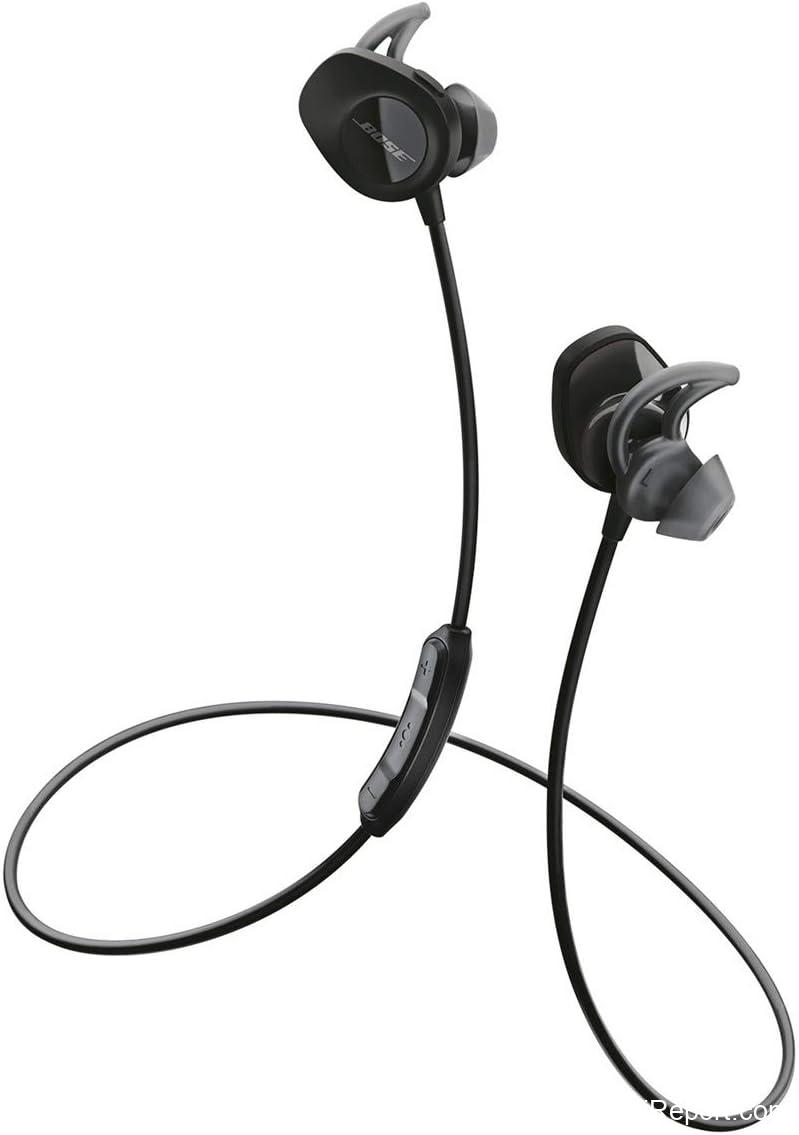
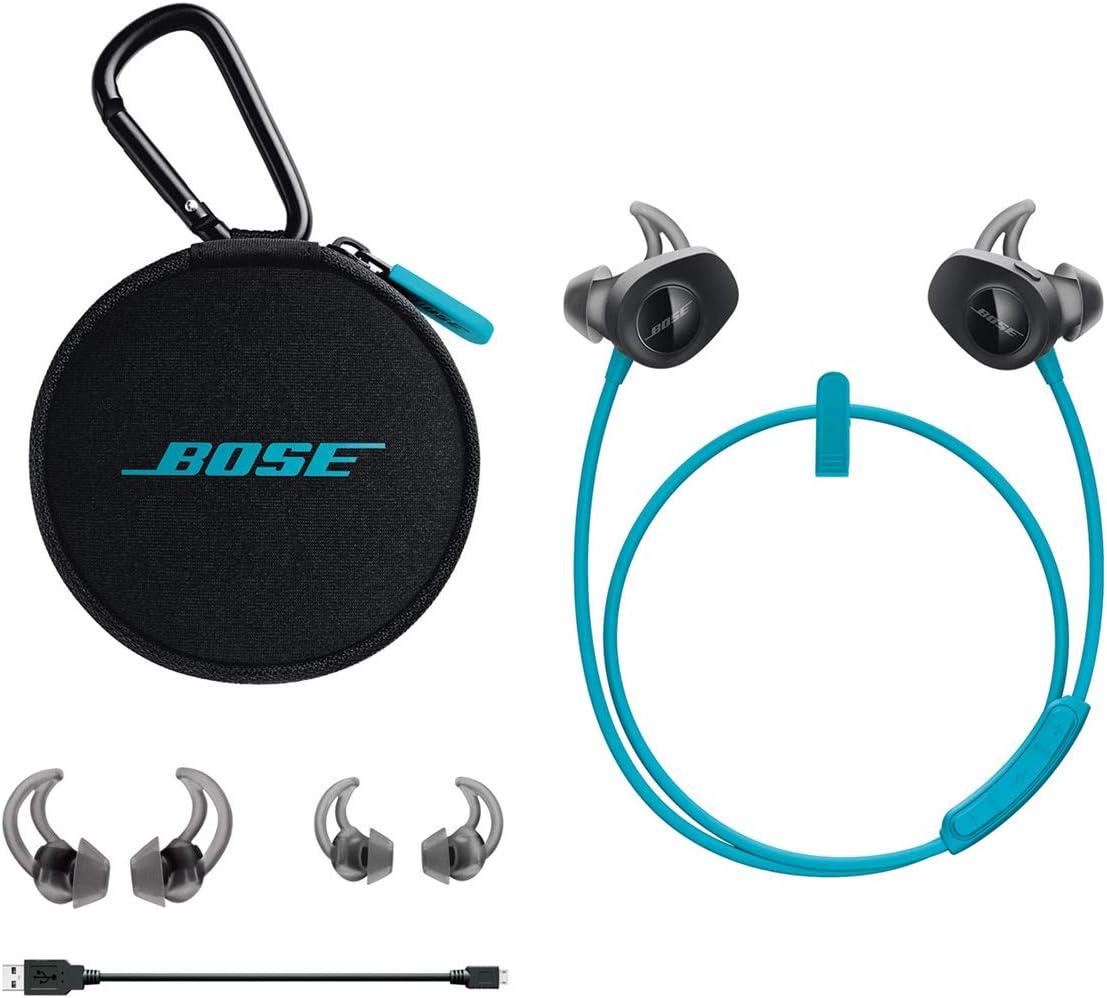
Bose offers the SoundSport Wireless in several color options including Black, Aqua, Citron, and Power Red, giving buyers some aesthetic variety. The right earpiece houses a rubberized outer panel containing the power and Bluetooth pairing button, a snap-shut cover for the micro USB charging port, and status LEDs that indicate battery life and connection state. The snap-shut port cover is an important detail for moisture resistance, sealing the charging opening against sweat and rain during workouts.
Build quality has drawn mixed assessments. SoundGuys rated durability and build quality at 8.0 out of 10, while RTINGS noted that the construction is not as durable as some other Bose designs. The included accessories are practical rather than lavish: a USB charging cable that PCMag described as frustratingly short, and a circular padded zip-up carrying pouch with a carabiner attached. Bose also offered a separate charging case accessory for $49.95, which combined a hardshell protective case with built-in charging capability, though reviewers considered this pricey for what essentially merged two already-included items.
Comfort and Fit
Comfort is where the SoundSport Wireless consistently earns its highest praise. What Hi-Fi? called them comfortable to wear, SoundGuys awarded comfort an 8.4 rating, and CNET declared them the most comfortable in-ear Bluetooth sports headphone available at the time of their release. The secret lies in Bose’s StayHear+ tips, which come in three sizes to accommodate different ear canal dimensions.
The StayHear+ tips use a soft silicone material with a unique winged fin shape that rests against the outer ear for added stability. Unlike noise-isolating in-ear designs that jam into the ear canal to create a seal, the SoundSport employs a semi-open design where the bud sits more loosely while remaining securely in place. This approach reduces the fatiguing pressure that sealed earbuds can cause during extended listening sessions, making the SoundSport suitable for long workouts or all-day wear.
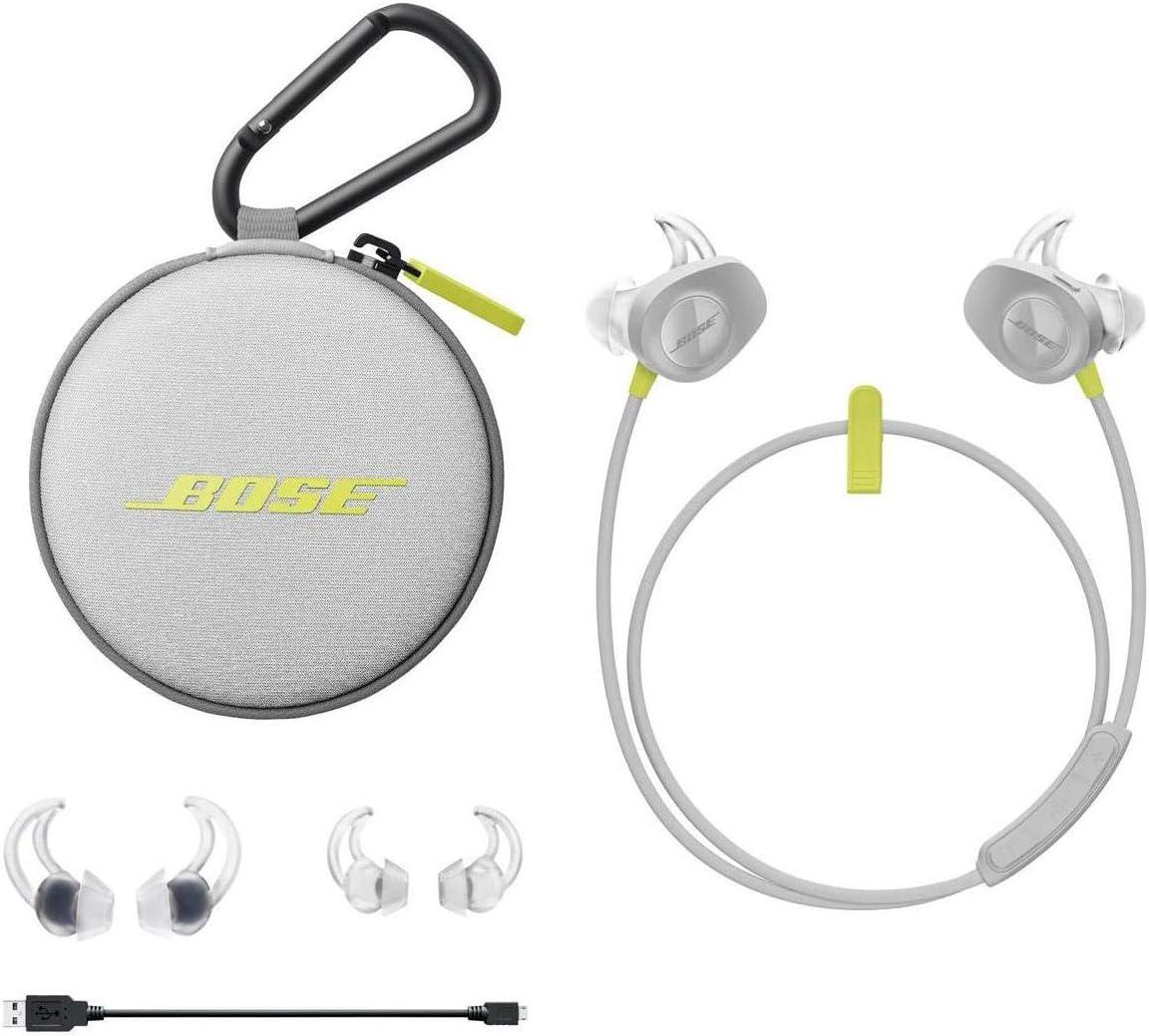
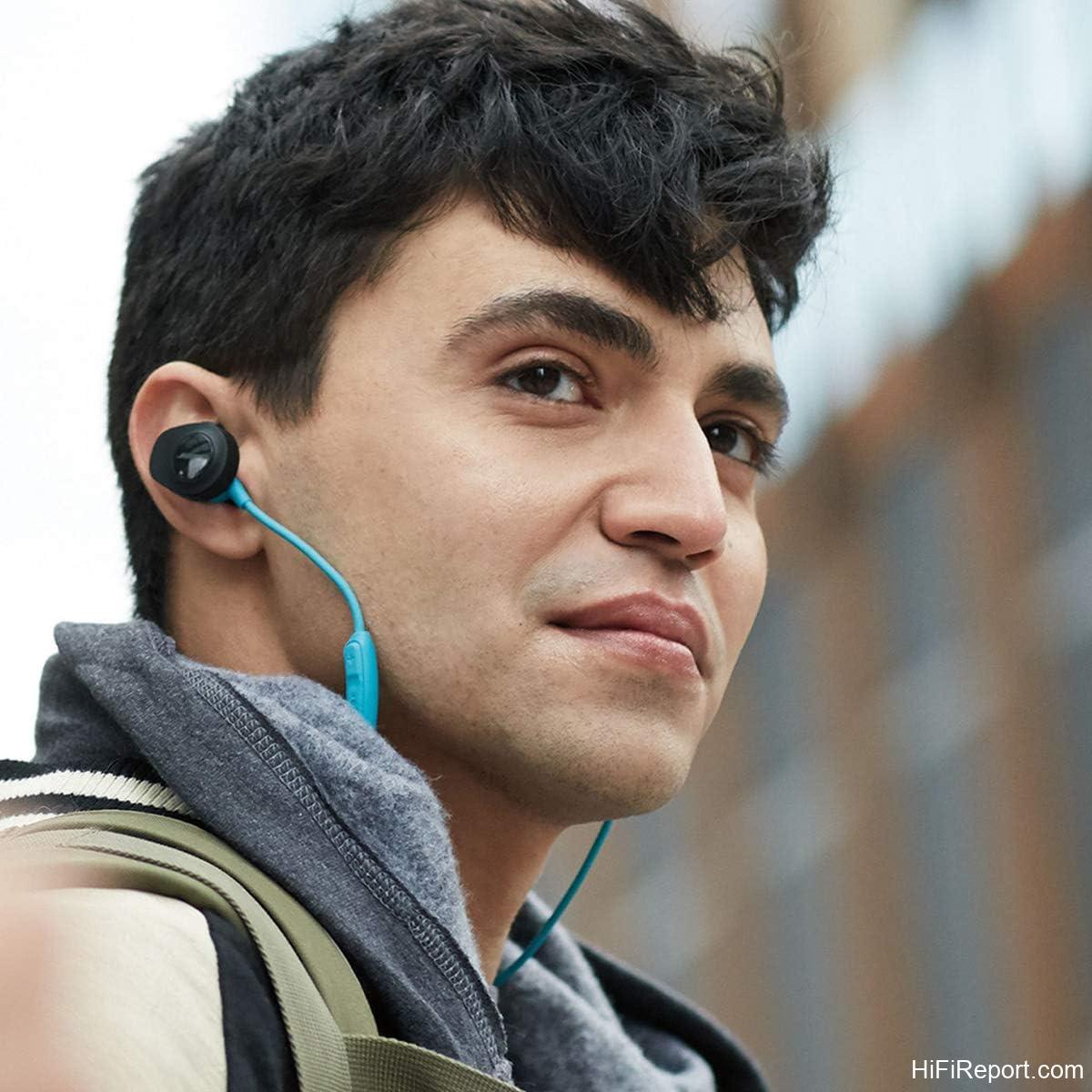
It is worth noting that the sport-specific StayHear tips included with the SoundSport Wireless differ from the StayHear tips used in Bose’s earlier in-ear headphones and are not interchangeable. Users upgrading from older Bose models should not assume their existing tips will work. The fit is secure enough for running, gym sessions, and other high-intensity activities, with SoundGuys specifically praising the great fit as one of the product’s primary strengths.
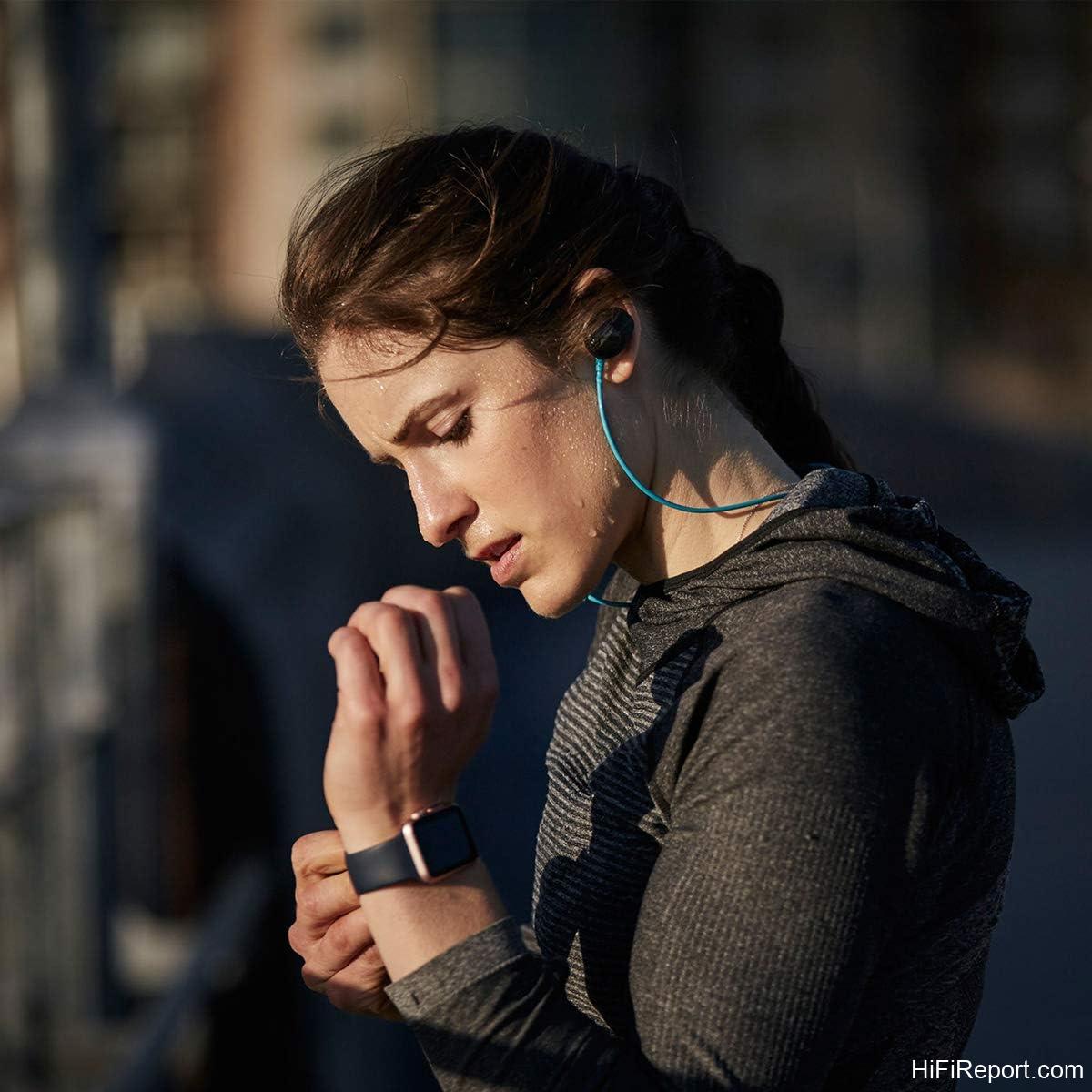
The semi-open design also contributes to breathability. RTINGS highlighted that the SoundSport should be stable and breathable enough for gym use, which is an important consideration for athletes who generate significant heat and perspiration during exercise. The open fit allows some air circulation, reducing the buildup of moisture and pressure that sealed designs can cause.
Connectivity and Controls
The SoundSport Wireless supports Bluetooth pairing with the added convenience of NFC for compatible devices. Android users with NFC capability can simply touch their phone to the earpiece to establish a connection, bypassing the traditional menu-diving process. Voice prompts guide users through pairing, and the Bose Connect app allows for easy switching between multiple paired devices.
Wireless performance has been a consistent bright spot. What Hi-Fi? praised the Bluetooth chipset’s ability to maintain integrity in challenging environments, noting that the SoundSport can handle trains and offices full of mobile phones without drop-outs or interference. This reliability is critical for sports headphones, where a dropped connection mid-run can be genuinely frustrating.
However, the connectivity story is not entirely positive. SoundGuys rated connectivity at just 4.0 out of 10, a notably low score that reflects the codec limitations. The SoundSport Wireless supports only SBC and AAC codecs, with no aptX support. For listeners who prioritize higher-resolution wireless audio transmission, this omission is a meaningful drawback, though the practical impact depends heavily on the source device and the listener’s sensitivity to codec differences.
The inline remote is positioned near the right earpiece and offers straightforward operation. A central multifunction button handles playback, call management, and track navigation, while dedicated volume buttons work in conjunction with the connected device’s master volume level. SoundGuys praised the controls as easy to operate mid-workout, which is an important practical consideration since athletes need to adjust settings without breaking stride.
One design limitation noted by CNET is the fixed cable length. Unlike rival sports headphones from Jaybird, Beats, and others that allow users to cinch up or shorten the cord, the SoundSport’s cable cannot be adjusted. Bose addressed this by including a clip that attaches to the back of a shirt, keeping the cable from flopping during movement. Reviewers found this a smart workaround, though some users may prefer the adjustability that competitors offer.
Sound Quality
Bose has built its reputation on audio quality, and the SoundSport Wireless largely lives up to that heritage. The sound signature is characterized by powerful, punchy bass delivered through Bose’s active EQ, which aims to provide a consistently balanced experience at any volume level. What Hi-Fi? described the bass as the kind that might get you running faster, noting that it is not soupy or sloppy but rather tight and rhythmically impactful.
PCMag echoed this assessment, highlighting intense bass response paired with crisp highs. The low-end emphasis makes these earphones particularly well-suited for workout music, where driving bass lines provide motivation and energy. Headphones Pro Review noted thumpy bass-lines with well-balanced, crisp highs and well-defined mids that make individual instruments easier to pick out.
RTINGS characterized the sound profile as well-balanced, with a good amount of bass that does not overpower instruments and vocals in the mid and treble ranges. The semi-open design contributes to a better soundstage than most in-ear headphones can achieve, giving music a more spacious and less claustrophobic presentation. This is a meaningful advantage for listeners who find traditional sealed in-ears fatiguing or unnatural sounding.
What Hi-Fi? offered an important caveat: for listening in a quiet room, the sound may seem a touch aggressive. This aligns with the product’s intended purpose as a sports headphone designed for use in noisy environments like gyms and outdoor running routes, where the energetic tuning helps music cut through ambient noise. The same publication also noted that while you can find greater tonal fidelity in the bass from a non-wireless pair at the same price point, the SoundSport Wireless holds its own in comparison.
The overall character is dynamic and lively, making music sound energized rather than analytical. This is not a reference monitor for critical listening but rather an engaging, fun sound signature that serves its intended athletic audience well. SoundGuys noted that if you value sound quality during exercise and are not exclusively seeking bass-heavy reproduction, the SoundSport Wireless remains a compelling option.
Battery Life
Battery performance is one of the SoundSport Wireless’s more frequently criticized aspects. The rated six hours of playback per charge drew criticism from What Hi-Fi? as less-than-stellar, while SoundGuys assigned battery life a 6.5 rating. RTINGS called the six-hour figure mediocre. In the context of 2016, this was more competitive than it is today, but even at launch, it fell short of some rivals.
The six-hour runtime is sufficient for most individual workouts, commutes, or casual listening sessions. However, it falls short for extended use scenarios like transatlantic flights or all-day wear. What Hi-Fi? specifically noted that the lack of a wired listening mode means the headphones become useless when the battery depletes, unlike hybrid models that offer a cable fallback.
On the positive side, Bose implemented a quick-charge feature that delivers one hour of playback from just 15 minutes of charging. This is genuinely useful for athletes who discover a dead battery shortly before a workout. A full recharge takes approximately two hours, and the headphones cannot be used while charging. Bose also includes an auto-off feature that helps preserve battery life when the earphones are not in use.
The charging port uses the older micro USB standard rather than USB-C, which is a reflection of the product’s 2016 vintage. Users with modern device ecosystems built around USB-C will need to keep a separate cable on hand. PCMag also criticized the included charging cable as frustratingly short, which can make connecting to wall adapters or desktop USB ports awkward.
Isolation and Call Quality
The semi-open design that makes the SoundSport Wireless so comfortable and breathable also means they provide minimal noise isolation. RTINGS explicitly noted that the earphones do not block as much noise as other in-ear and earbud designs, making them less than ideal for commuting in noisy environments. This is an intentional trade-off: the open fit allows athletes to remain aware of their surroundings, which is a safety consideration for runners and cyclists who need to hear approaching traffic.
The SoundSport Wireless does not include active noise cancellation technology, as Bose’s own product documentation makes clear. This is worth emphasizing because some consumers may assume that any premium Bose headphone includes the company’s celebrated noise-canceling technology. Buyers seeking ANC should look elsewhere in the Bose lineup.
For phone calls, the inline microphone serves double duty for voice communication. CNET reported that the headphone works decently as a headset for making cell phone calls, which adds versatility for users who want a single device for both music and communication. The inline remote’s call management button makes answering and ending calls straightforward without reaching for a phone.
Sound leakage is generally well-controlled thanks to the earpiece design, though the semi-open nature means some sound may escape at higher volumes. In quiet environments like offices or libraries, listeners should be mindful of their volume levels to avoid disturbing those nearby.
What Customers Are Saying
Source 2 did not provide access to individual customer reviews due to Amazon’s login restrictions. However, the aggregate rating of 4.4 out of 5 stars drawn from an impressive 46,810 reviews speaks volumes about customer satisfaction. This is a remarkably high rating for a product that has been on the market since 2016, especially in a category where newer models with more advanced features appear regularly.
The sheer volume of reviews, approaching fifty thousand, indicates sustained consumer interest and purchase activity over many years. Such a large sample size also suggests that the rating is a reliable indicator of typical user experience rather than a small-sample anomaly. Customers who continue choosing the SoundSport Wireless over newer true wireless alternatives clearly value specific qualities that this design offers.
Based on the expert reviews and the product’s known characteristics, the high customer satisfaction likely stems from the combination of comfort, sound quality, and reliability. The StayHear+ tips provide a secure fit that works for most ear shapes, the Bose sound signature delivers the energetic bass that workout music demands, and the Bluetooth performance holds up in real-world conditions. The six-hour battery life, while criticized by experts, appears to be adequate for the majority of users’ actual usage patterns.
Potential complaints that might temper the rating include the bulky earpiece design, the lack of noise isolation for noisy environments, the aging micro USB charging port, and the absence of advanced codecs. Some users may also find the fixed cable length less convenient than adjustable designs from competitors.
Pros and Cons
Pros
- Exceptionally comfortable fit with StayHear+ silicone tips in three sizes
- Powerful, punchy bass with well-balanced highs and defined mids
- Strong, reliable Bluetooth performance in interference-heavy environments
- IPX4 sweat and weather resistance for workout durability
- NFC pairing for quick connection with compatible Android devices
- Quick-charge feature providing one hour of playback from 15 minutes
- Semi-open design offers better soundstage than typical in-ears
- Easy-to-operate inline controls accessible mid-workout
- Bose Connect app for multi-device management
- Included carrying case with carabiner for portable storage
Cons
© hifireport.com – Original review content by hifireport.com. Reprinting without written permission is not allowed.
- Six-hour battery life is mediocre by current standards
- No active noise cancellation
- Semi-open design provides minimal noise isolation for commuting
- Bulky earpieces protrude noticeably from the ears
- No aptX support, limited to SBC and AAC codecs
- Micro USB charging port instead of USB-C
- Included charging cable is very short
- Fixed cable length cannot be adjusted
- Cannot be used while charging
- No wired listening mode when battery is depleted
Verdict
The Bose SoundSport Wireless occupies an interesting position in the headphone market. Released in 2016 as Bose’s first Bluetooth sports headphone, it has outlasted many contemporaries and continues to earn recommendations from expert reviewers and enthusiasm from everyday buyers. The 4.4-star Amazon rating across nearly 47,000 reviews is a testament to enduring appeal that few products in any category can match.
For the right user, the SoundSport Wireless remains an excellent choice. Athletes who prioritize comfort, secure fit, and energetic sound over cutting-edge features will find much to love. The StayHear+ tips provide a fit that stays put through intense movement without causing ear fatigue, and the punchy bass signature is ideally suited for workout playlists. The reliable Bluetooth performance ensures music keeps playing even in crowded gyms and busy transit environments.
The product’s limitations are real but context-dependent. Six hours of battery life is adequate for most workout sessions, even if it falls short for all-day use or long flights. The lack of noise isolation is actually a safety feature for outdoor athletes who need environmental awareness. The bulky earpieces and aging micro USB port are genuine drawbacks, but they reflect the engineering realities of the product’s era.
Where the SoundSport Wireless struggles is in versatility. They are not ideal office headphones due to limited noise isolation. They are not ideal travel headphones due to battery limitations and the absence of a wired fallback. They are not ideal for audiophiles seeking the highest fidelity wireless transmission due to codec limitations. But as dedicated sports headphones, they excel at their core mission.
SoundGuys rated the product at 7.5 overall, CNET awarded an 8.6, and PCMag gave 4 out of 5. These scores reflect a product that does what it was designed to do very well, even if it cannot do everything. In a market that has moved toward true wireless earbuds, the neckband design retains practical advantages: no lost earbuds, no charging case dependency, and a physical connection that eliminates one common failure point.
Buyers who specifically want the neckband form factor, who value Bose sound quality, and who need reliable workout headphones should find the SoundSport Wireless a satisfying purchase. Those seeking the latest technology, active noise cancellation, or all-day battery life should look to newer alternatives, including Bose’s own true wireless sport earbuds. The SoundSport Wireless may show its age, but it remains a capable, well-rounded product that earns its place in the market through genuine competence rather than novelty.
Specifications
- Product Name: Bose SoundSport Wireless, Sweat Resistant, in-Ear Headphones
- ASIN: B01L7PWBRG
- Release Date: June 5, 2016
- Original MSRP: $149.95
- Amazon Rating: 4.4 out of 5 (46,810 reviews)
- Type: Wireless in-ear headphones with neckband cable
- Enclosure: Semi-open
- Transducer Type: Dynamic
- Connectivity: Bluetooth and NFC pairing
- Supported Codecs: SBC, AAC
- Microphone: Yes, inline
- Noise Cancelling: No
- Water Resistance: IPX4 (sweat and weather resistant)
- Battery Life: Up to 6 hours per charge
- Quick Charge: 15 minutes for 1 hour of playback
- Full Recharge Time: Approximately 2 hours
- Charging Port: Micro USB
- Weight: 22.7g
- Ear Tips: StayHear+ silicone tips in small, medium, and large
- Available Colors: Black, Aqua, Citron, Power Red
- Included Accessories: USB charging cable, carrying case with carabiner, StayHear+ tips (3 sizes)
- Companion App: Bose Connect app
- Voice Prompts: Yes
- Auto-off Feature: Yes

- Note : If the size of the earbud tips does not match the size of your ear canals or the headset is not worn properly in your ears, you may not obtain the correct sound qualities or call performance. Change the earbud tips to ones that fit more snugly in your ear
- A high quality audio experience, consistently balanced at any volume, thanks to Bose active EQ.Note : If the size of the earbud tips does not match the size of your ear canals or the headset is not worn properly in your ears, you may not obtain the correct sound qualities or call performance. Change the earbud tips to ones that fit more snugly in your ears
- Product Note : If the size of the earbud tips does not match the size of your ear canals or the headset is not worn properly in your ears, you may not obtain the correct sound qualities or call performance. Change the earbud tips to ones that fit more snugly in your ears