
Boult Z20 Wireless Earbuds Review
The Boult Z20 is a pair of in-ear wireless earbuds built around a 51-hour battery claim, Bluetooth 5.3, and a noise-cancelling microphone, aimed at users who want long-duration wireless audio at a budget price point.
Quick Answer
The Boult Z20 suits listeners who prioritize battery life and clear calls over premium sound refinement. Owners report solid bass, reliable ENC mic performance, and genuinely long playtime. The trade-offs are a lightweight plastic case, occasional touch-control misfires, and microphone-side noise suppression that handles moderate noise but not loud multi-source environments.
First published at hifireport.com. Copying or republishing this content is prohibited.
Buy It If / Skip It If
Buy if:
- You need a wireless earbud that survives a full work week between charges
- Clear call quality in noisy settings matters more than studio-grade tonal accuracy
- You want a compact, pocketable set for commuting, office calls, or light mobile gaming
Skip if:
- You run or jump frequently and need a lock that holds without mid-workout readjustment
- You expect the touch surface to ignore sweaty or oily fingertips
- You want a rigid, premium-feel charging case with a sturdy hinge
Is the Sound Actually Good?
The Z20 delivers a bass-forward profile that suits pop, hip-hop, and gaming audio. Clarity in the mids and highs is adequate for casual listening, though the tuning will not satisfy listeners who track individual instrument separation at length.
Bass and overall tonal balance
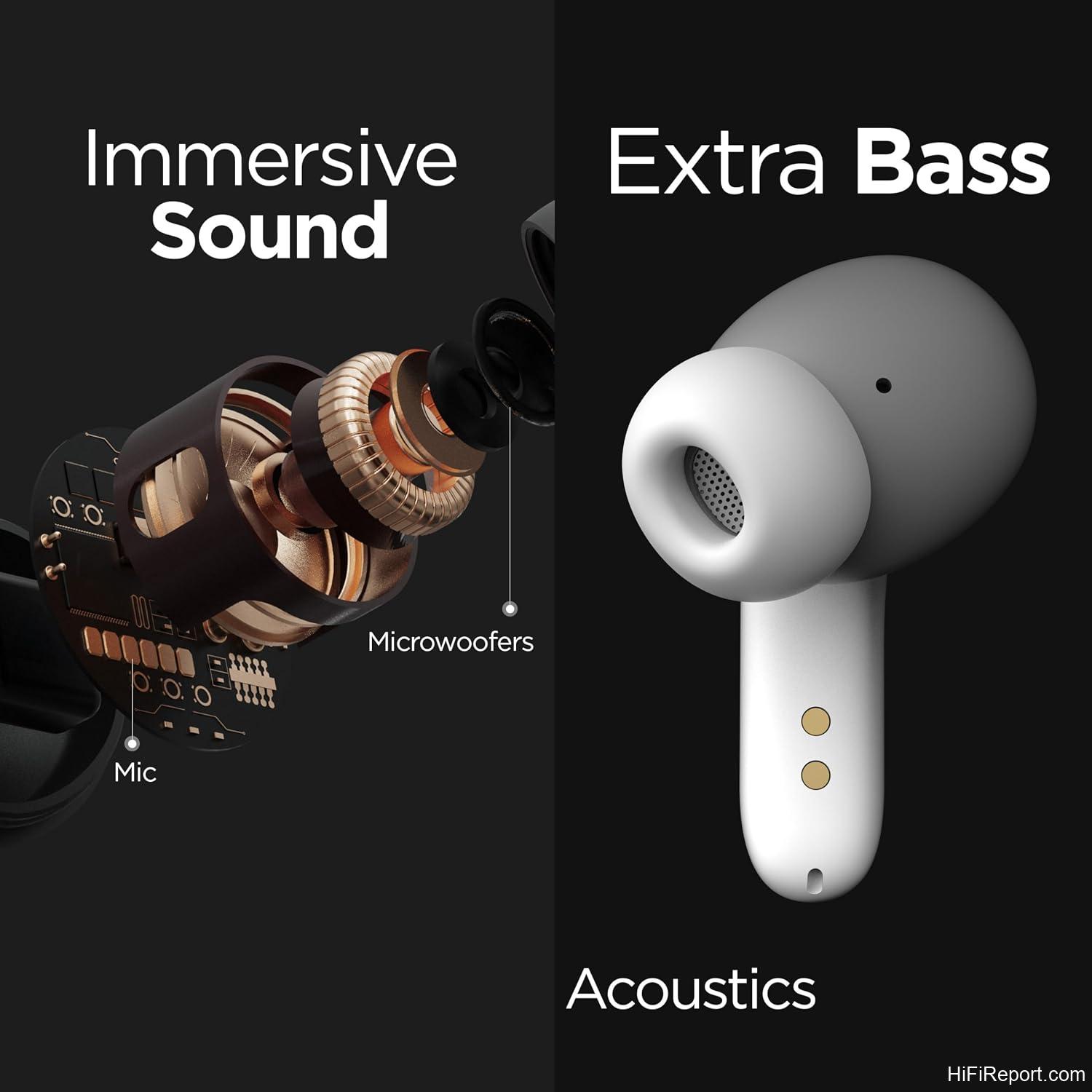
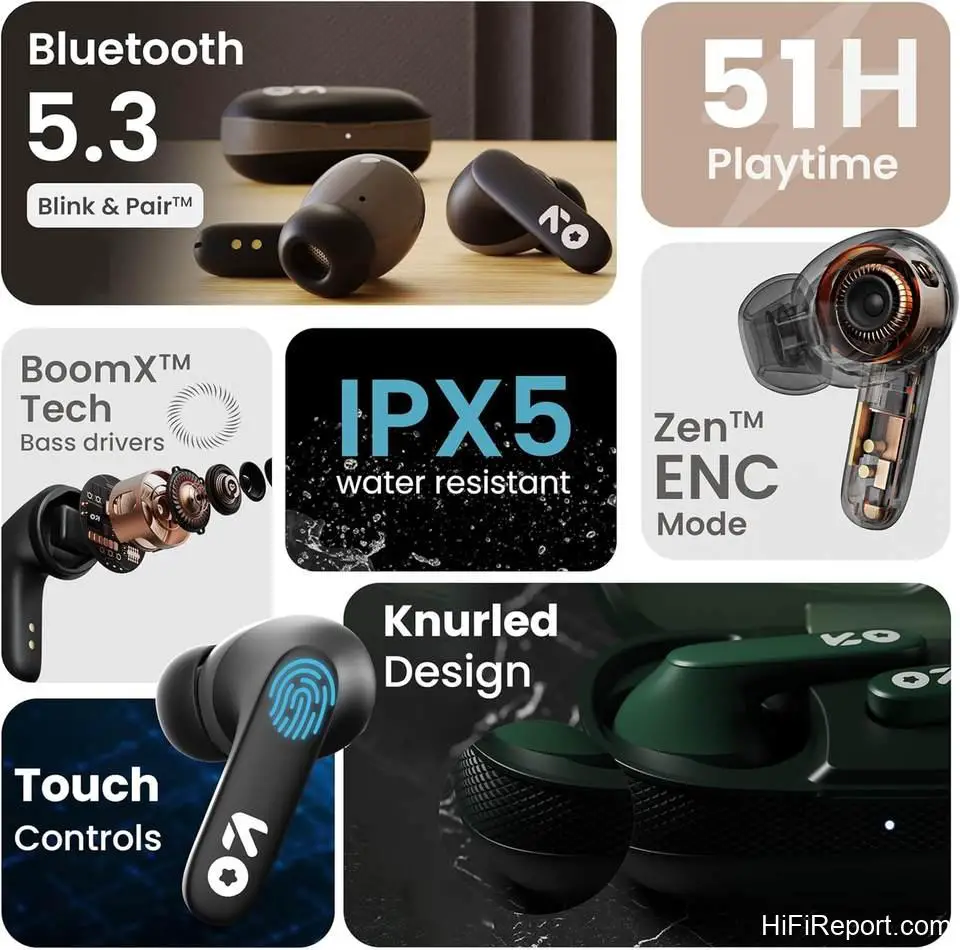
The product listing describes the Z20 as using “rich bass drivers” and BoomX Tech, and the most detailed owner review confirms the bass feels “punchy” and that music “feels lively.” For the price tier the Z20 targets, that emphasis gives the sound a forward, energetic character that rewards bass-heavy genres. One reviewer called the overall sound “super,” while a second described it as “decent/good,” a range that points to a mid-tier baseline rather than a flat reference curve. The BoomX branding implies a tuned bass shelf that lifts the low end for impact, which is the design choice most budget TWS sets make to compete with pricier rivals on perceived energy. The product description reinforces this with language about “crystal-clear melodies” layered over that bass foundation, suggesting the tuning pushes the lows forward while keeping the upper mids and highs present enough for vocal intelligibility in a mix.
Clarity, latency, and gaming
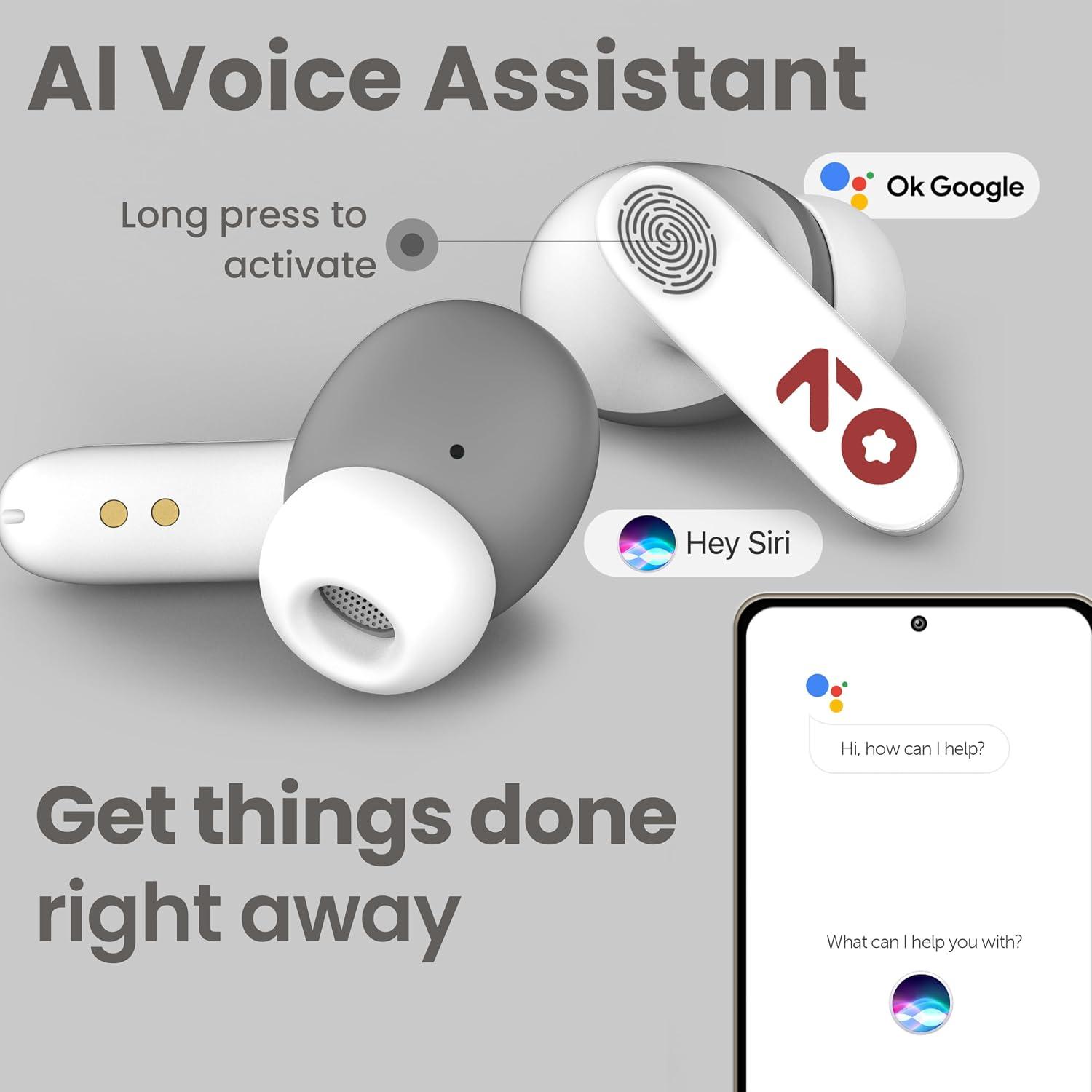
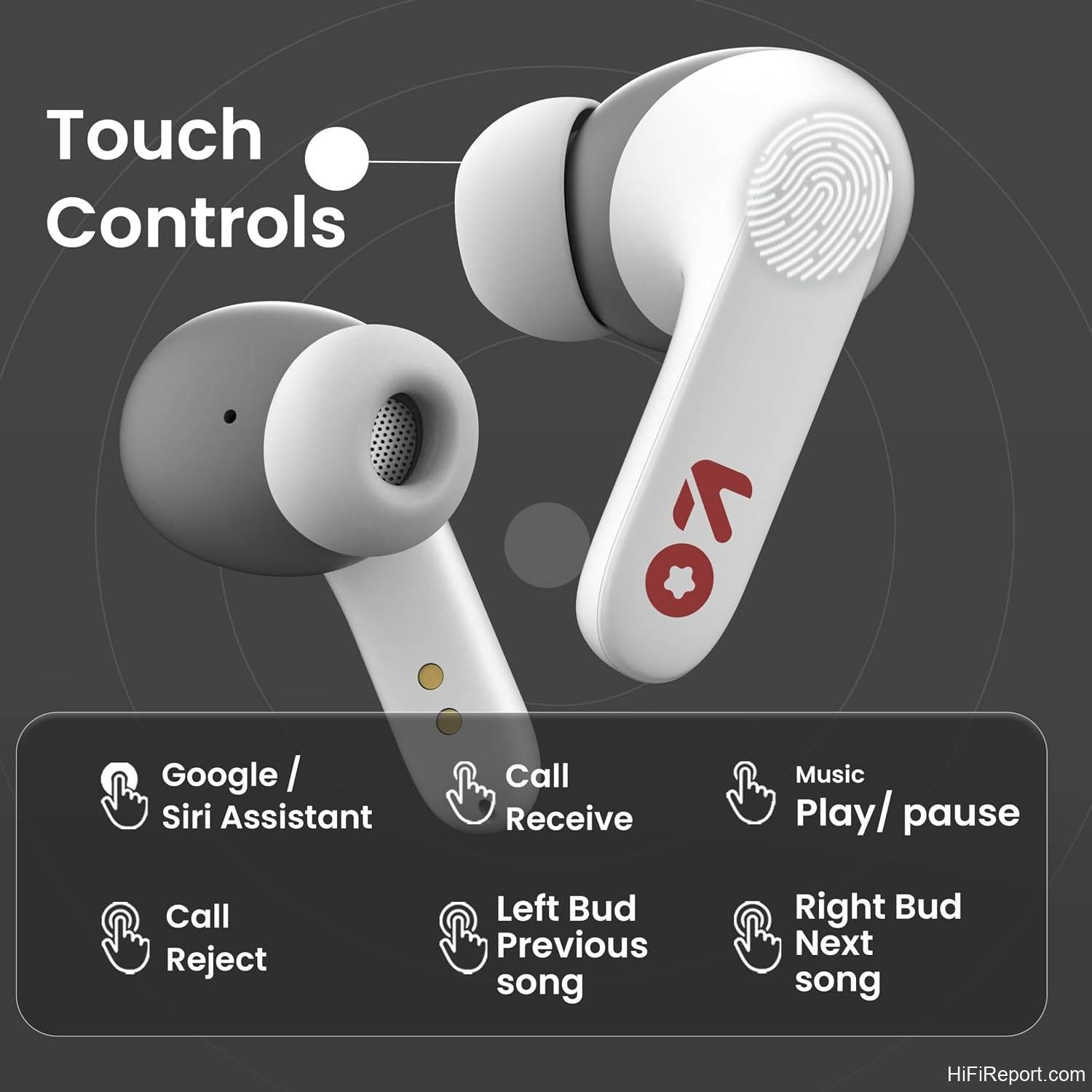
No review in the available set isolates instrument separation or vocal detail, which is expected at this tier. What owners do mention is the low-latency gaming mode. One user played fast-paced titles and reported the audio sync was “impressively on point” with “no annoying lag that throws you off.” That sync performance matters more than tonal precision for competitive mobile gaming, where a delayed sound cue can cost a round. The touch controls and voice-assistant support round out the interaction layer, letting users skip tracks, take calls, and trigger a voice assistant without reaching for a phone. The product description notes that voice assistance handles music control and task management hands-free, which means a user on a phone call or in a meeting can trigger a track change or ask for a timer without setting the phone down.
How Good Is the Noise Cancelling?
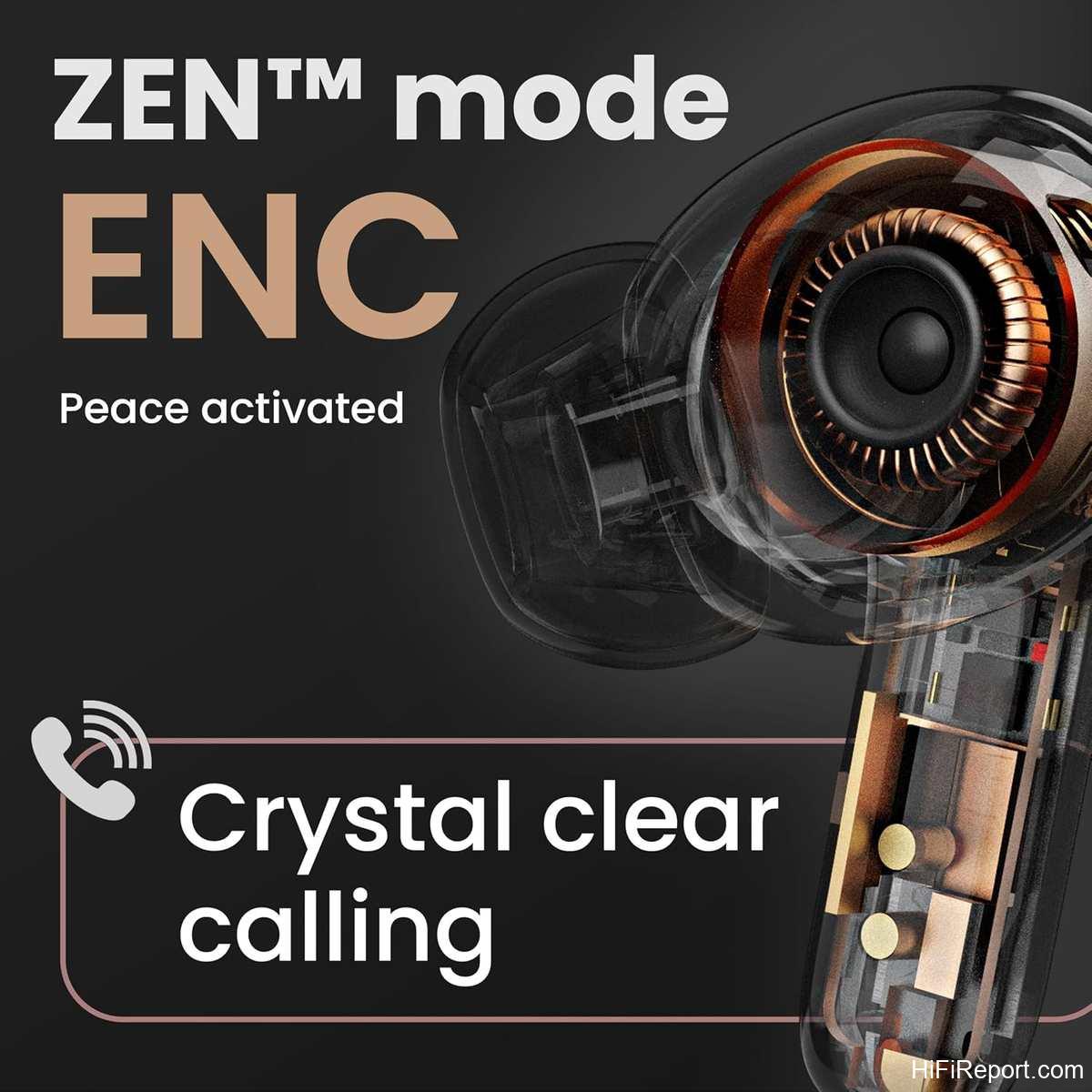
The Z20 does not carry an active noise-cancelling (ANC) claim on the earbuds themselves. What it offers is Environmental Noise Cancellation on the microphone side, branded as Zen ENC. That technology suppresses background noise on the outgoing audio path so the person on the other end hears your voice clearly instead of the traffic or coffee-shop hum around you. It is a different job from ANC, which aims to cancel ambient sound for the listener.
Owner reports back up the mic-side performance. One user noted that calls “sound clear, even in busy places” and that the Zen ENC “actually does a good job cancelling out background noise.” A second reviewer confirmed the microphone “works well” and that call quality is “clear,” while adding that the noise cancellation “could definitely be improved.” The split suggests the ENC handles moderate ambient noise competently but falls behind in very loud or multi-source settings. No passive noise isolation technology is listed in the spec sheet, and the in-ear design provides whatever seal the eartips create on their own. The product description pairs the Zen ENC with a “Pro+ calling mic” and frames the result as “clear voice quality for all your important calls,” which positions the system around voice intelligibility rather than ambient suppression for the listener.
Do They Handle Sweat and Weather?
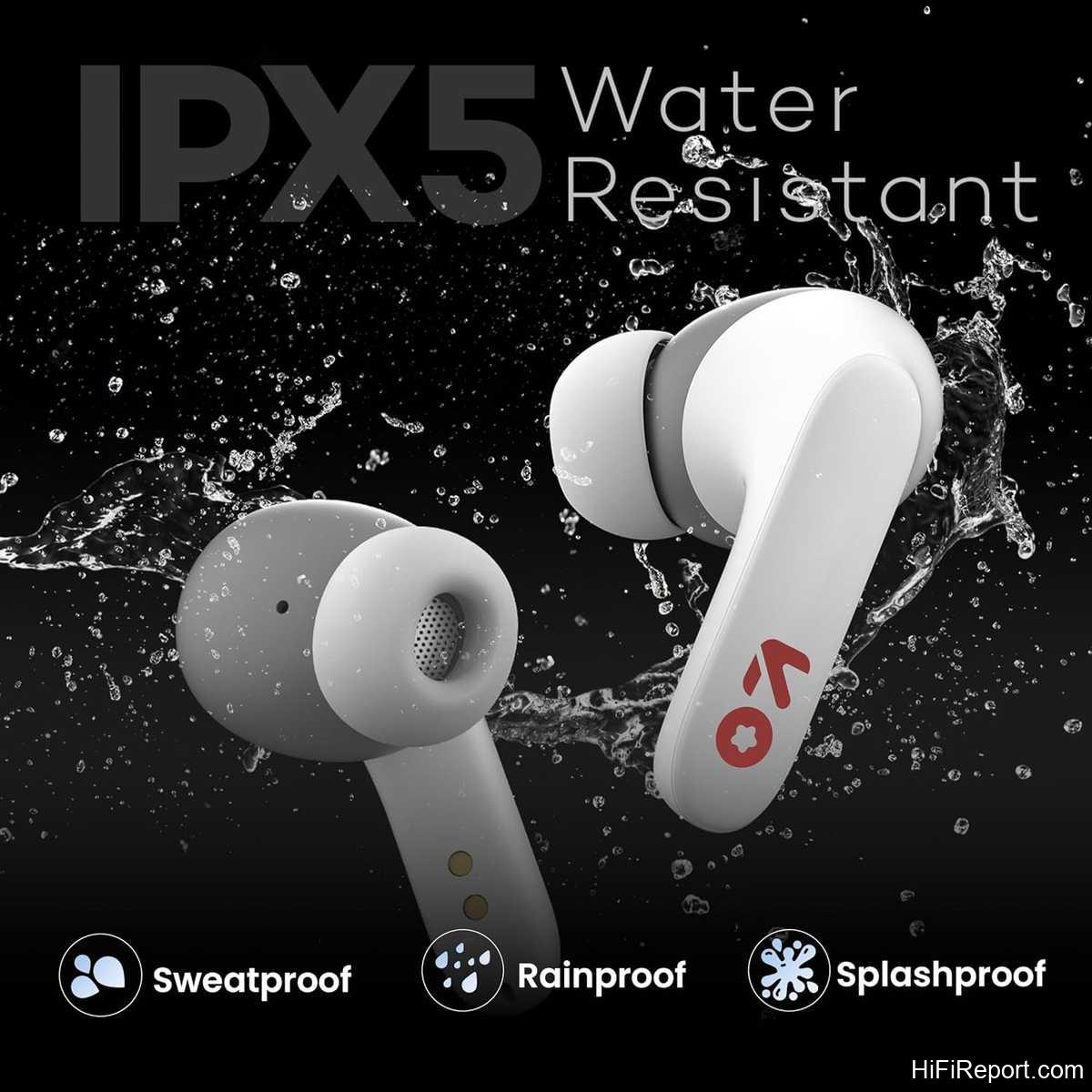
The sources list no IP (Ingress Protection) rating for the Z20, so there is no manufacturer-confirmed water or dust resistance figure to cite. The reviews flag one practical issue tied to sweat: touch-control reliability when fingers are damp.
One owner reported that the touch controls “can sometimes misread taps if you’re sweaty or have oily fingers,” a concern for runners, gym-goers, or anyone in a warm climate who uses the buds during a workout. The in-ear fit itself was described as secure for sitting or walking, but the same owner noted that running or jumping requires an occasional readjustment to keep the eartips seated. Without an IP rating in the spec sheet, the safe assumption is light splash resistance at most. Sustained rain, submersion, or heavy sweat soaking through the eartips is not something the available sources back as safe, so users who prioritize weather durability will want to check whether Boult publishes an IP figure elsewhere before committing to outdoor, all-weather use. The one owner who flagged the fit issue did note that the set is “compact and easy to carry,” which helps for travel and office use but does not address the durability question. For a commute or a desk job, the lack of an IP rating is unlikely to matter. For a weekly running routine in hot weather, the combination of no published water resistance and the touch-surface quirk is a real practical limit.
What Is Battery Life Like in Practice?
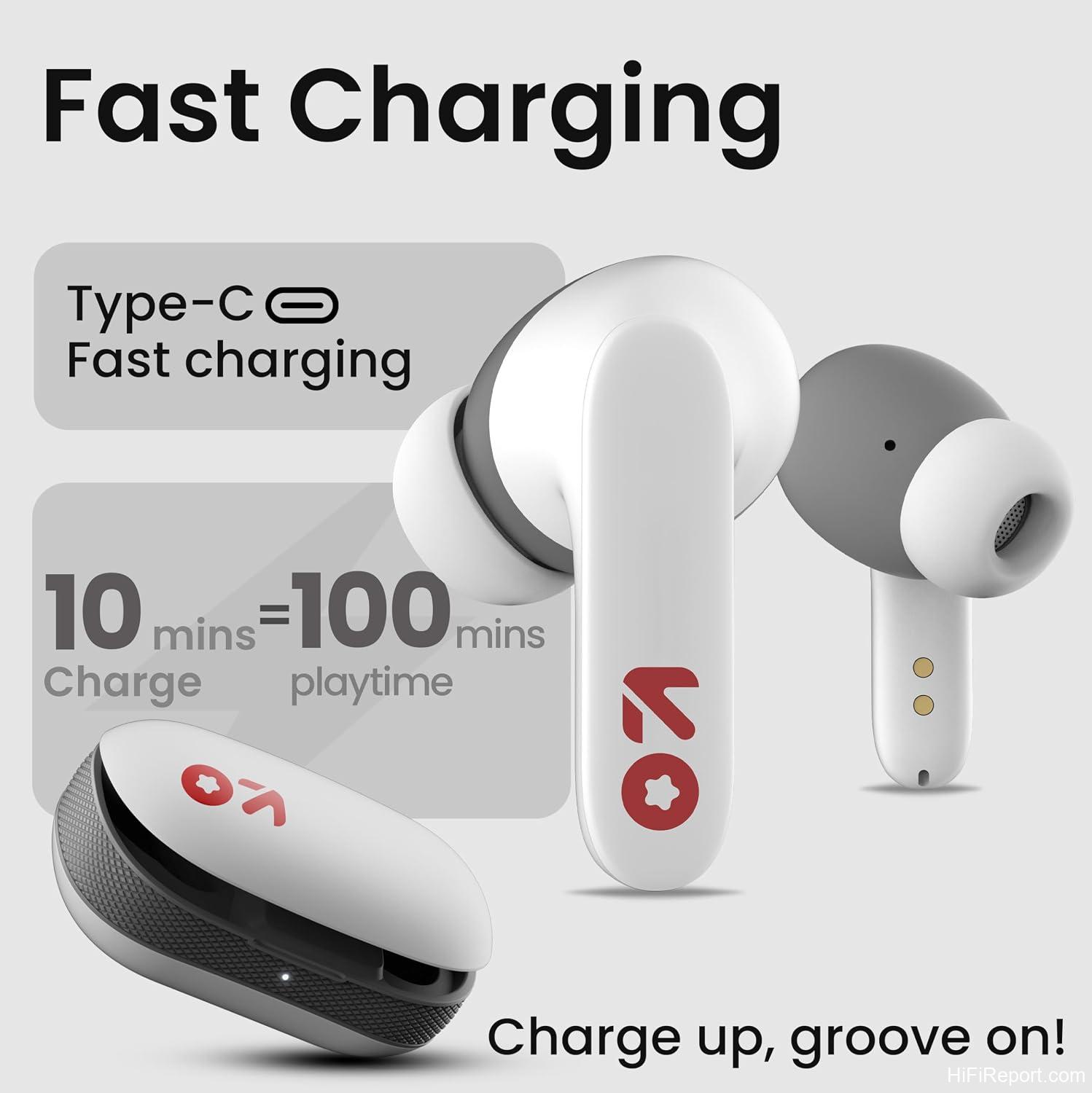
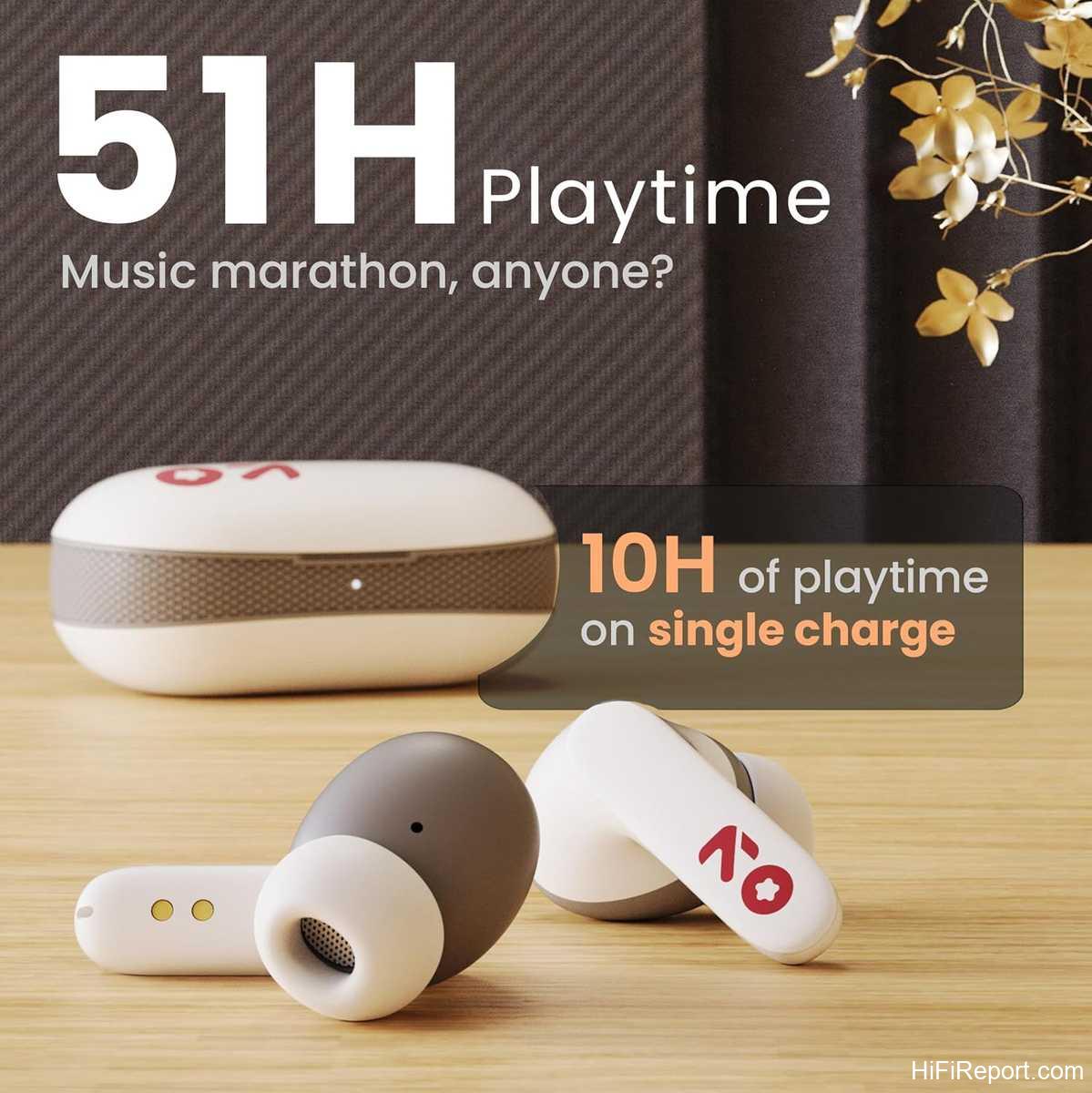
The headline claim is 51 hours of total playtime, repeated in the product title and the feature bullet list. The longer product description states 40 hours, so the exact figure sits between those two numbers depending on which channel you read. Fast charging is rated at 10 minutes of charge delivering 100 minutes of playback.
In practice, one owner who used the Z20 for two weeks reported charging roughly once a week. That session mixed work calls, music streaming, and gaming sessions, which is a heavy daily load for a budget TWS set. The 51-hour figure covers combined earbud-plus-case capacity, not a single continuous listening session; the earbuds themselves deliver a smaller slice of that total before needing a top-up from the case. The 10-minute-to-100-minute fast-charge spec means a quick top-up between meetings or classes covers a full hour or more. The same owner confirmed the quick charge felt “clean when you’re in a hurry,” which tracks with the listed 100-minute figure. No review disputed the battery claims, and three of the five available reviews mentioned playtime as a positive, which is consistent with the aggregate 4-star rating. The gap between the 40-hour and 51-hour figures likely reflects different test conditions or measurement methodology between the product description and the marketing copy, and the owner-reported once-a-week cadence suggests the real-world number lands closer to the higher end of that range under mixed use.
Do Calls Come Through Clearly?
Call quality is where the Z20’s owner reviews are most consistent. Three out of five reviewers specifically called out the microphone, and all three rated it positively.
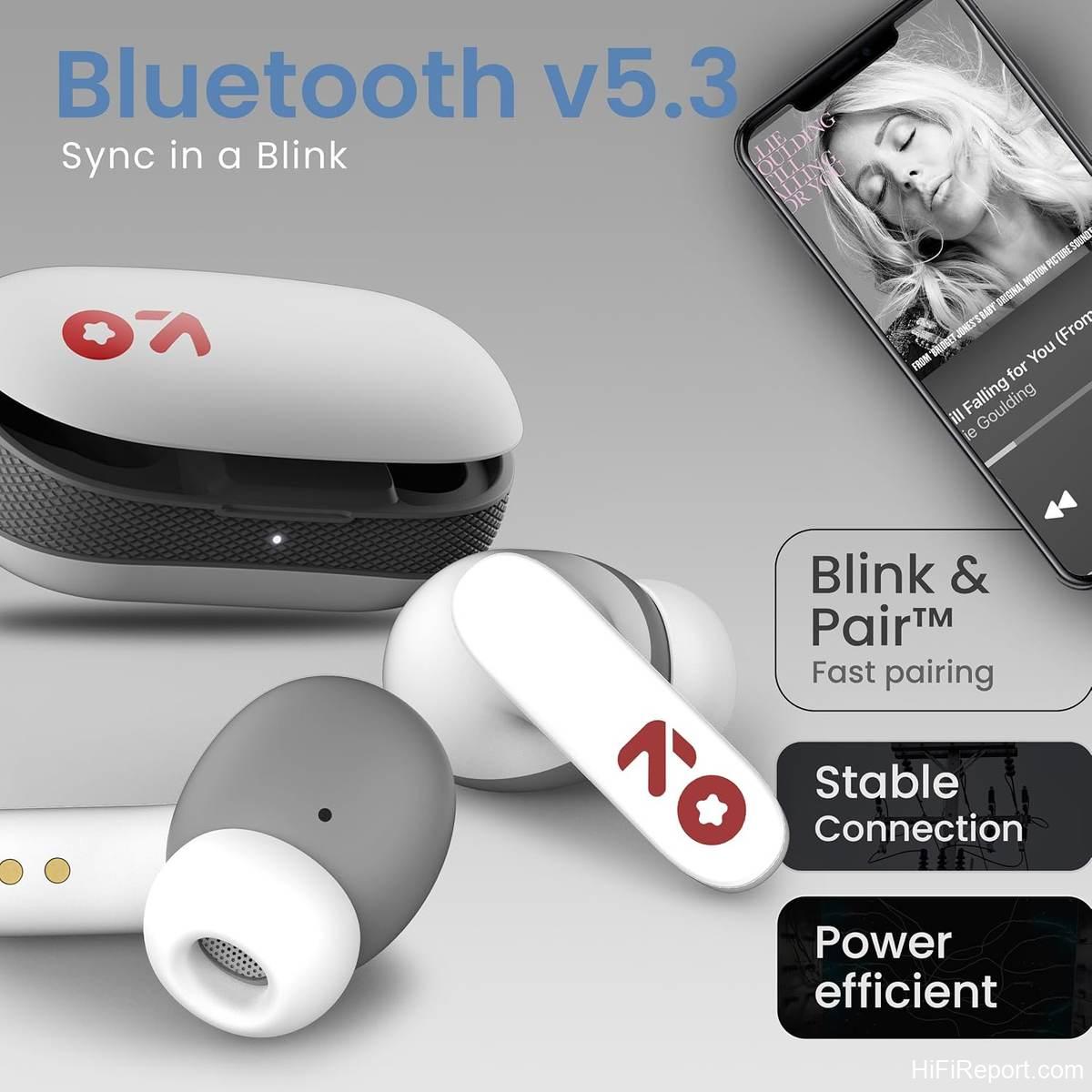
The most detailed report described the Zen ENC mic as doing “a good job cancelling out background noise” with calls remaining “clear, even in busy places.” A second reviewer said the mic “works well” and that call quality is “clear,” pairing that praise with a note that the noise-cancellation layer “could definitely be improved.” A third reviewer listed “Mic quality” among the standout features alongside sound and portability. The Pro+ calling mic branding in the product description aligns with these hands-on reports: the mic prioritizes voice intelligibility and background suppression over wide stereo capture or multi-mic beamforming. For conference calls, phone calls, and voice notes in moderately noisy settings, the evidence points to dependable performance that holds up for most users without needing a quiet room. The product description adds that the Blink & Pair protocol and Pro+ mic work together to deliver “quick pairing along with clear voice quality,” which means the connection handshake is fast enough that a user can pull the buds out, answer a call, and be in a legible conversation within seconds of picking up. Voice-assistant integration lets the user hand off to a phone’s built-in assistant for redialing or logging a voice note without touching the phone screen.
Owner Reports
The Z20 holds a 4 out of 5 star rating across 970 reviews on Amazon, a strong aggregate for a budget wireless earbud. The five reviews available here lean positive, with four five-star entries and one four-star entry.
The dominant praise theme is battery endurance. Multiple owners singled out the long playtime as the defining feature. One user confirmed a once-a-week charging cadence across calls, music, and gaming. A second called it “long battery backup,” and a third paired “valued for money” with “portable” in a short positive summary. Comfort and fit get recurring mentions as well: one owner called the set “comfortable to use” for extended sessions, and the in-ear design is described as well-fitting for most users without requiring a custom-mold fit. Portability comes up separately from comfort. The most detailed reviewer noted the case is “compact and easy to carry,” a point the shorter reviews echo with “portable” listed as a standout trait. For a user who keeps a spare pair in a desk drawer or a backpack pocket, that small footprint matters more than case size.
The main criticisms cluster around two areas. The charging case draws the most attention. It is “lightweight and plastic-y,” and the hinge in particular “feels a bit weak.” One owner called the case quality “acceptable” for the price tier but flagged the hinge as the weakest structural point. Touch controls form the second pain point, with misread taps under sweaty or oily conditions reported by the most detailed reviewer. Neither issue is described as deal-breaking. The four-star owner treated the case as a minor inconvenience, and the five-star owner noted the touch quirk without letting it affect the overall rating. The one reviewer who gave a slightly lower rating still described the earbuds themselves as “good overall,” isolating the case hinge as the single structural weakness rather than a broader build concern.
The Final Call
The Z20 earns its 4-star aggregate by nailing the two things most budget earbud buyers check first: battery endurance and call clarity. A once-a-week charging cycle and a microphone that holds up in moderately noisy environments cover the majority of daily use cases. What the set gives back is refinement. The bass is punchy rather than precise, the case feels more utilitarian than reassuring in the hand, and the touch surface will occasionally register a ghost tap when fingers are damp.
These are fair trade-offs for a set built to stretch a single charge across an entire work week. One consideration that pushes the Z20 ahead of many rivals in its tier is the combination of Bluetooth 5.3 with the Blink & Pair quick-pairing protocol, which reduces the fumble-and-retry friction of connecting a budget set to a phone or laptop each morning. The low-latency gaming mode adds a practical use case beyond music and calls: a user who plays competitive mobile titles on the commute can get audio cues that stay in sync without the delay that plagues slower Bluetooth stacks. If your priority list puts long battery life, clear calls, and compact portability above tonal nuance or build premiumness, the Z20 is a straightforward fit.
Best for: commuters, remote workers, and light mobile gamers who want a week of wireless audio without reaching for a charger, and who value a clean microphone over a reference-flat frequency response.
First published at hifireport.com. Copying or republishing this content is prohibited.
Spec Sheet
- Bluetooth version: 5.3 with Blink & Pair
- Claimed total playtime: 51 hours (product description cites 40 hours)
- Fast charging: 10 minutes of charge yields 100 minutes of playback
- Microphone: Zen ENC (Environmental Noise Cancellation), Pro+ calling mic
- Audio technology: BoomX Tech, rich bass drivers
- Controls: Touch controls with voice-assistant support
- Gaming mode: Low-latency audio sync
- Form factor: In-ear, true-wireless stereo (TWS)
- Charging port: USB Type-C
- Origin: Made in India
- Aggregate rating: 4 / 5 stars across 970 reviews

- ✅ 50 Hours Playtime: With an astounding 51 hours of playtime, these earbuds are your ultimate companion for travel, offering non-stop entertainment. Perfect for music aficionados who despise the frequent need to recharge.
- ✅ Zen ENC Mic: Experience unparalleled call quality with Environmental Noise Cancellation in these bluetooth earphones, ensuring crystal-clear conversations in any setting. Perfect for both busy professionals and casual users.
- ✅ Low Latency Gaming: With low latency, these TWS earbuds are a gamer's dream, designed for seamless audio sync. They're the ultimate accessory for immersive gaming, offering the competitive edge needed in every match with minimal delay.