
Bowers & Wilkins Px7 S3 Wireless Noise-Cancelling Headphones Review
As B&W’s first wireless headphone, looking back at the original PX today reveals several shortcomings in sound quality, features, and comfort. To address this, the brand introduced the PX7 in 2019. It quickly became their most representative headphone and one of the finest premium wireless models on the market at the time.
In 2022, B&W launched the even higher-tier flagship Px8. However, because audiophiles loved the Px7 so much, its reputation often overshadowed the higher-end Px8. Consequently, B&W continued to refine the Px7, releasing the successor Px7 S2. In 2023, they introduced the Px7 S2e (where “e” stands for “evolved”)—an upgraded version of the Px7 S2 that incorporated more technologies from the Px8, bringing its performance closer to the flagship.
Design and Comfort
This year, B&W has evolved the headphone once again with the Px7 S3, the subject of today’s review. Now in its fourth generation, this model features major updates in both materials and functionality.
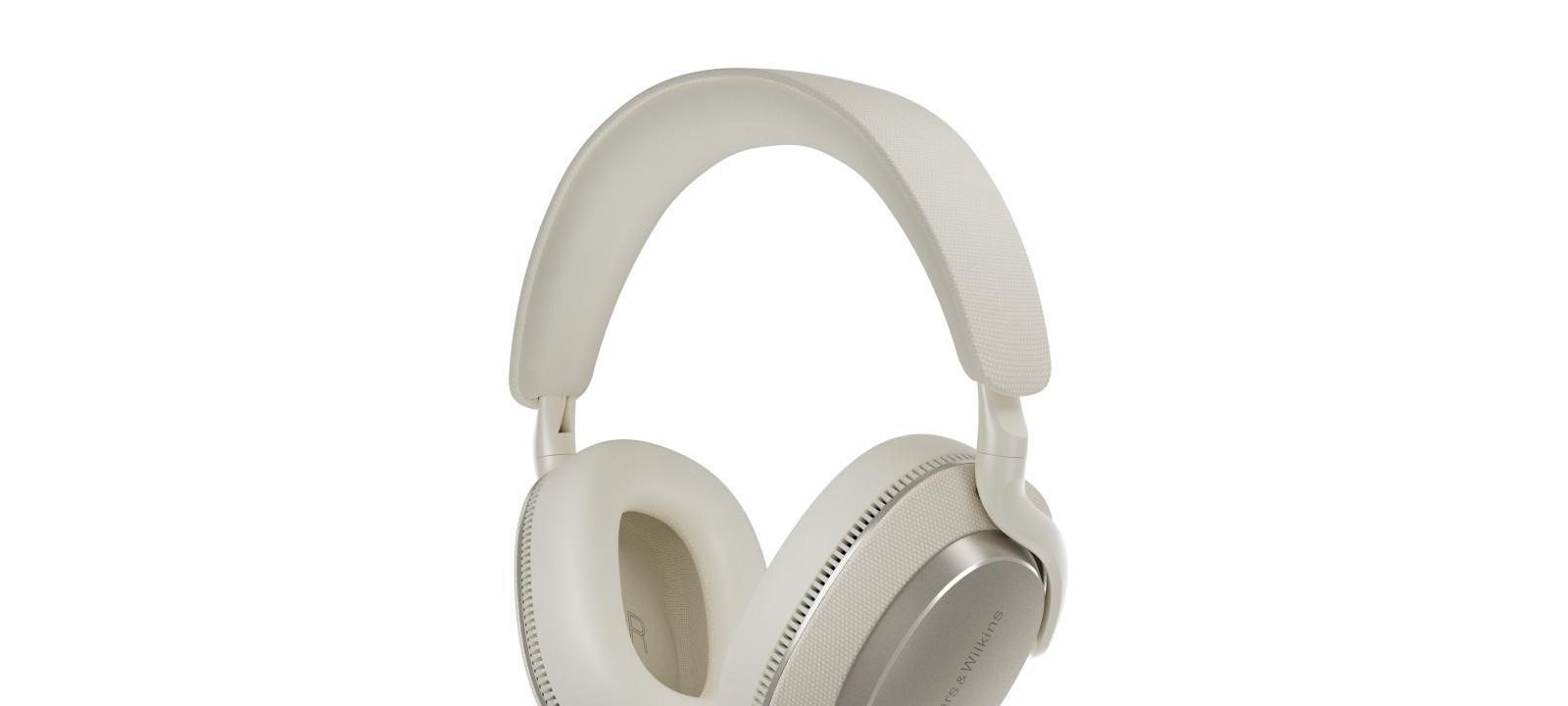
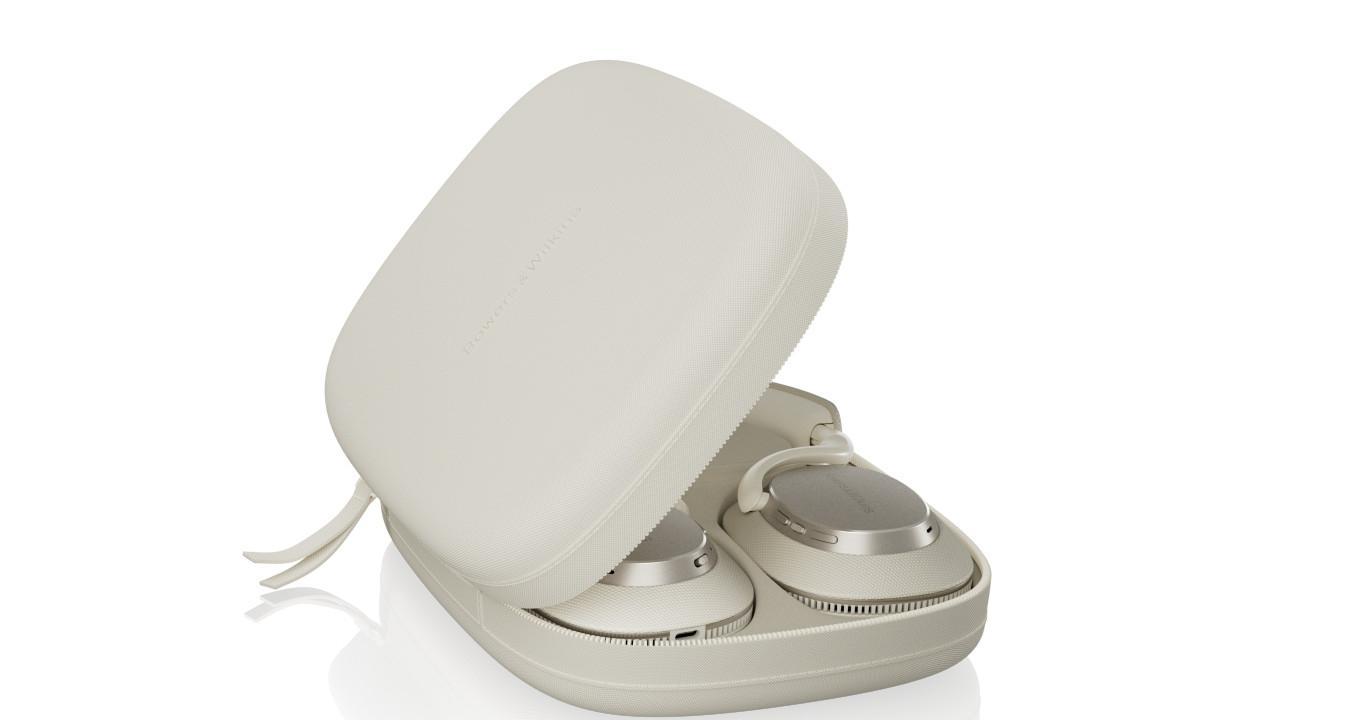
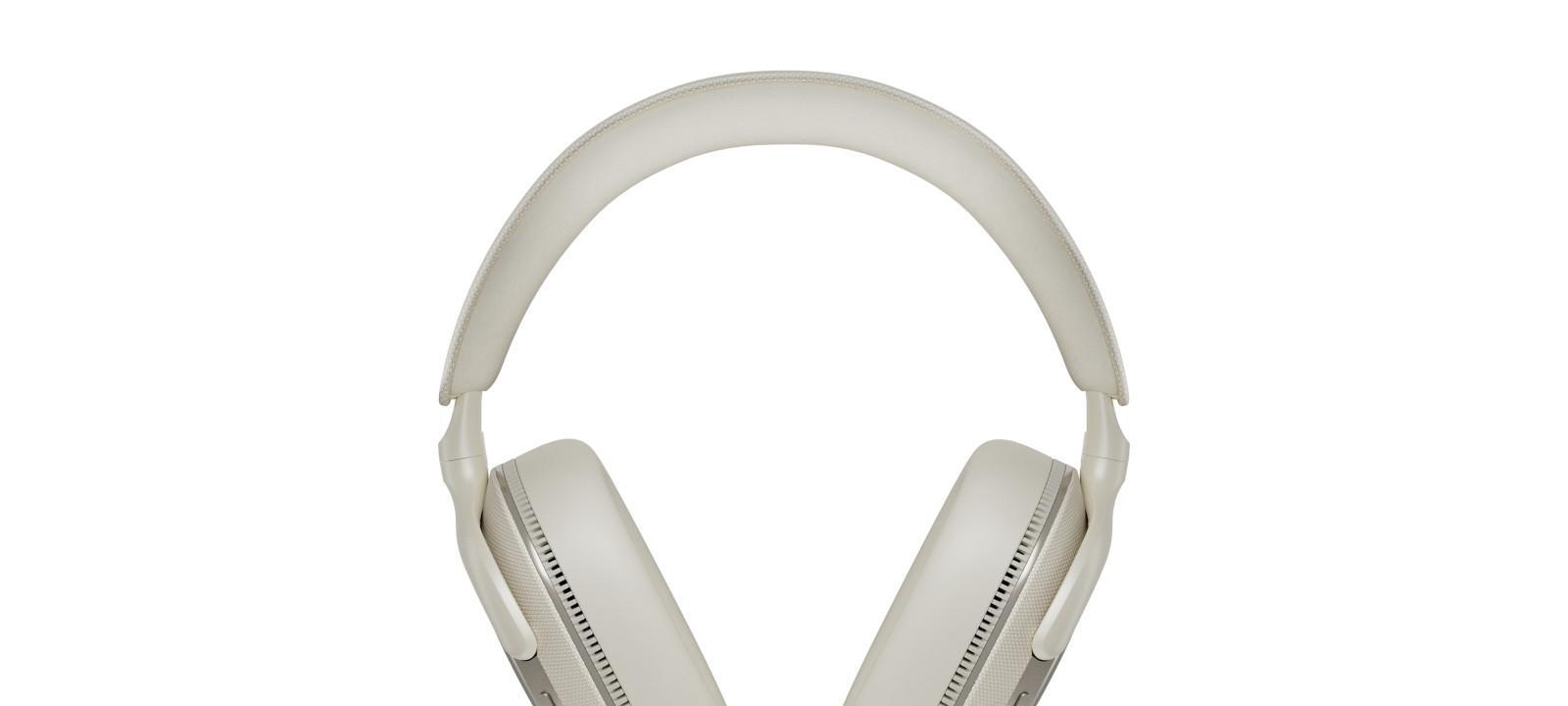
Design-wise, the Px7 S3 inherits B&W’s signature aesthetic, available in Canvas White, Anthracite Black, and Indigo Blue. Each colorway exudes a touch of refined, gentlemanly style. Featuring oval earcups paired with aluminum yokes, it carries over the broad headband structure of the Px8.
Both the headband and earpads are wrapped in skin-friendly lambskin leather over thick memory foam, providing a perfect fit. This design greatly improves upon the tight clamping force of the earlier PX and Px7 generations, elevating wearing comfort to a whole new level.
While the previous-generation Px7 S2e already closely resembled the flagship Px8, subtle differences remain. For example, the Px7 S3 uses fabric accents on the headband and earcups, whereas the Px8 features leather. Personally, I find the fabric style to look more youthful and feel more durable.
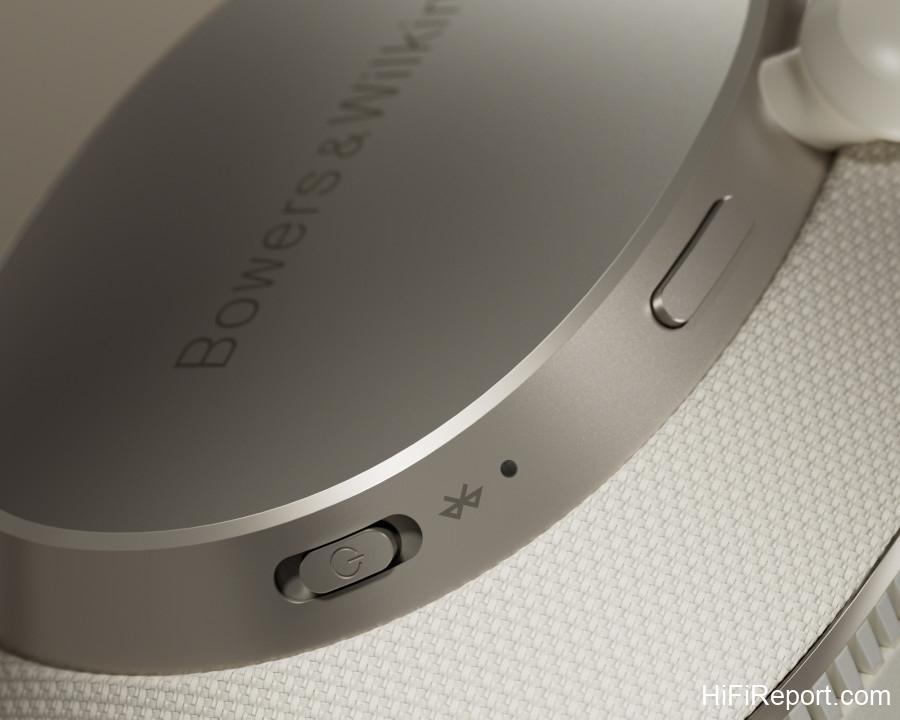
Unlike most wireless headphones that opt for touch panels, the Px7 S3 sticks with physical buttons. The left cup features controls for connectivity and active noise cancellation (ANC) switching, while the right cup handles track selection and play/pause.
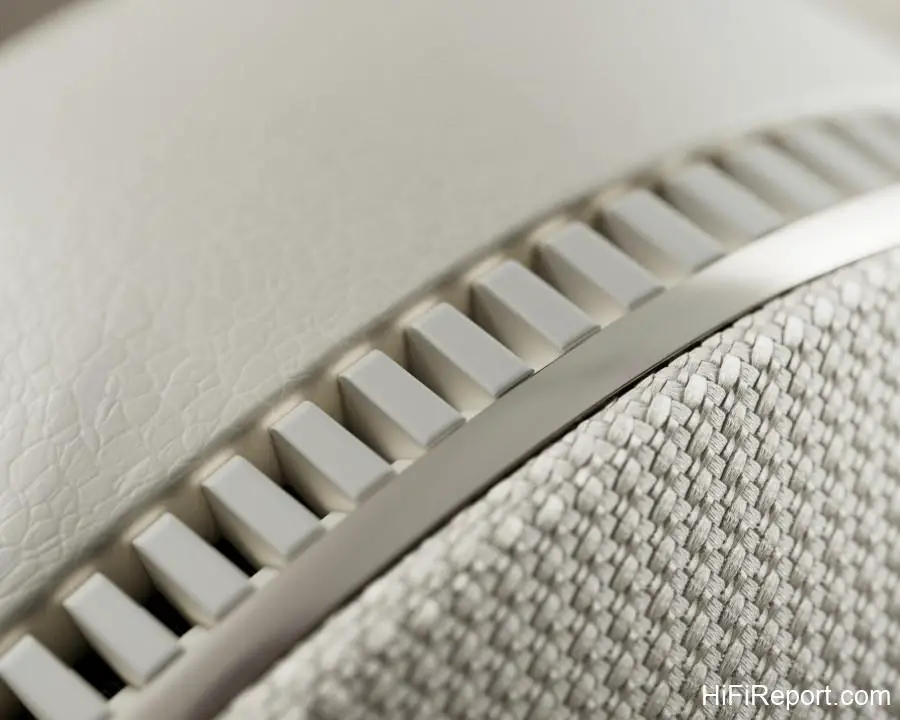
This is a design choice I highly appreciate. It is far more intuitive, and B&W has moved the buttons from the outer edge to the inner rim of the earcups, reducing the risk of accidental presses when handling the headphones. Upon closer inspection, there is a new array of micro-perforations on the outer shell of the earcups. They likely serve as a textured grip to improve the user experience.
Microphone and Voice Technology
In reality, the voice-pickup microphones are positioned at the bottom of the earcup’s inner rim. Each cup now houses four microphones—double the count of the previous Px7 S2e. Previously, the microphones for voice calls and noise cancellation were separated.
The Px7 S3 introduces ADI Pure Voice technology, which automatically detects and captures voice types. When making a call, the headphones enhance your voice while filtering out environmental noise. This translates to significantly better pickup quality for both voice calls and active noise cancellation.
Driver and Acoustic Engineering
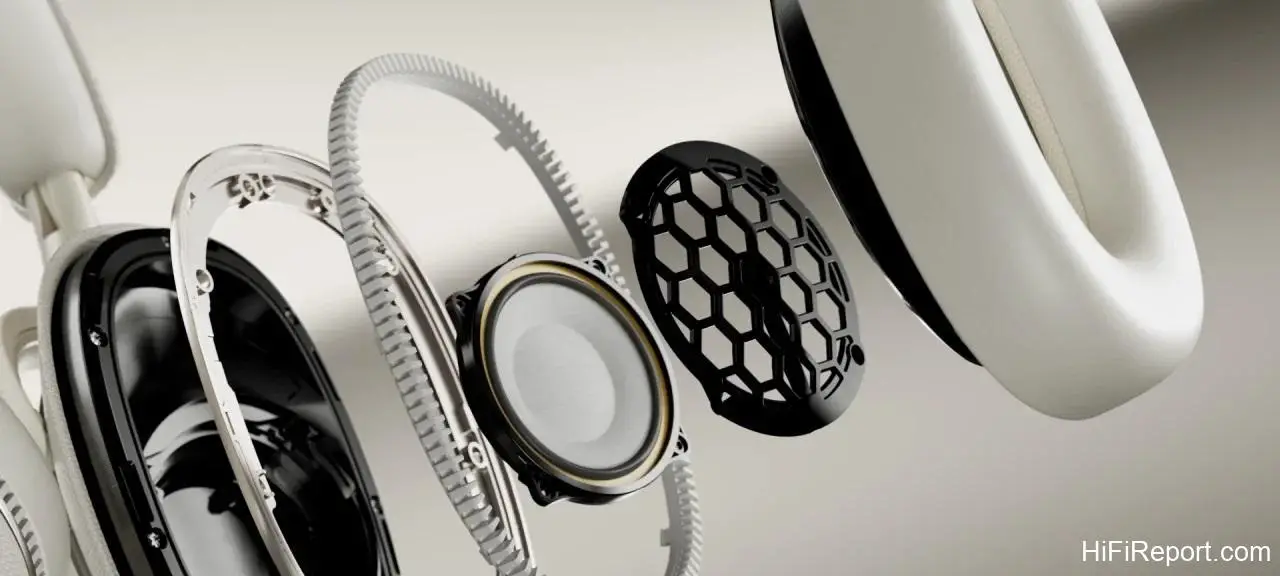
For the drivers, the Px7 S3 inherits the configuration of the Px7 S2e, featuring a redesigned 40mm bio-cellulose dynamic driver. This diaphragm boasts extreme rigidity and exceptionally low mass, delivering a level of openness and transient response that rivals the Px8’s pure carbon fiber dome.
The drivers are also mounted at an angle inside the earcups, directing soundwaves straight into the ear canal to enhance musical detail and spatial imaging. Furthermore, B&W has fully reinforced the driver structure, voice coil, magnet, and suspension system, pairing them with a dedicated amplifier circuit. B&W states that compared to its predecessor, the Px7 S3 delivers superior dynamics, imaging, and resolution.
Connectivity and Features
On the wireless front, the Px7 S3 utilizes the latest Bluetooth 5.3 version and supports multipoint connectivity, allowing it to connect to multiple mobile devices simultaneously. It supports high-resolution codecs including Qualcomm’s aptX Adaptive and aptX Lossless.
AptX Adaptive uses a variable bitrate to automatically reduce data bandwidth when connection quality drops, ensuring uninterrupted playback. When the connection is stable, it shifts into a “sound-priority” mode, supporting up to 96kHz/24-bit wireless resolution.
Meanwhile, aptX Lossless is an evolution of aptX Adaptive, pushing the maximum bitrate past aptX HD’s limit to over 1Mbps. This allows it to transmit bit-perfect, CD-quality audio without data compression.
Under the hood, the Px7 S3 features B&W’s all-new proprietary DSP (Digital Signal Processing). Through the companion app, users can customize their sound signature with a 5-band EQ, toggle active noise cancellation (ANC), or activate ambient pass-through mode, which lets in environmental sounds for added safety when outdoors.
When you return home, the Px7 S3 also offers digital USB-C and analog 3.5mm inputs. Using the included cables, you can connect it to a PC or smartphone to listen in wired mode. Of course, in wireless mode, battery life is exceptional—offering up to 30 hours on a full charge. A quick 15-minute charge also delivers 7 hours of playback, ensuring complete peace of mind on the go.
Listening Impressions
During my listening tests, I paired the Px7 S3 with an iPhone. Even using only the basic AAC Bluetooth codec, the performance was absolutely stunning! First, the active noise cancellation feels incredibly natural, avoiding the claustrophobic, compressed sensation found in earlier generations of ANC headphones.
Furthermore, the sound quality is exceptionally transparent and dense, with an agile transient response felt across the entire frequency range. Both vocals and instruments are bursting with life. Compared to the Px7 S2e I previously reviewed, this generation features subtle tuning refinements. It sounds less rigid, offering a warmer, more open presentation with a bouncier, more elastic low-end—distinctly reminiscent of B&W’s hi-fi loudspeakers.
Listening to “Martina” from Bill Evans’ album *Quintessence*, the piano tone is transparent and focused, with a solid, tactile note weight and excellent key-strike elasticity. The saxophone sounds full-bodied and robust without any mid-frequency bloat, conveying realistic breath support and clean, bright brassy bite.
The rendition of the double bass highlights the headphones’ core strengths: the low-end definition is sharp and fast, with the pluck of the strings carrying incredible authority without any overhang. Yet, it never sounds thin or lacking in body, delivering a deep, satisfying low-end energy. The kick drum punch is visceral, providing a highly dynamic impact that drives the jazz quartet forward with immense weight and rhythm.
Next, I played Shostakovich’s *Cello Concerto No. 1* performed by Yo-Yo Ma. The cello’s nasal resonance sounds tight and nimble, with the bow-on-string texture rendered so clearly and naturally that you can almost smell the rosin. There is no bloat whatsoever.
When descending into the lower registers, the bass feels bottomless, yet remains beautifully detailed and textured. The string accompaniment showcases the Px7 S3’s spacious soundstage, mapping out a deep, immersive sonic canvas. Instrument separation is top-tier, leaving no room for muddy frequencies, allowing the layers of the performance to unfold with natural definition.
Finally, listening to Shostakovich’s *Violin Concerto No. 1* performed by Latvian violinist Baiba Skride, the expansive soundstage of the headphones became even more apparent. The opening orchestral movement emerges from a dark, silent background, with a deep, low-frequency hum spreading across the stage to build a mysterious atmosphere.
The lead violin is delicate yet highly dense, demonstrating a well-balanced midrange energy with no artificial swelling. The high-frequency extension is somewhat relaxed, avoiding overly bright sparkle on high notes while retaining a sweet, natural tonality.
In grand orchestral tuttis, the Px7 S3 displays powerful dynamics. It wraps the listener in a majestic, sweeping soundscape, managing rapid transients effortlessly without any smear. This shows that the headphones are more than capable of handling large-scale classical music with ease.
Conclusion
To be frank, B&W’s wireless over-ear headphones all look very similar, making it hard to distinguish them at a glance. However, every time I review a new generation, I notice substantial improvements in comfort, features, and overall sound quality.
This is especially true for the Px7 S3. It is not only incredibly comfortable to wear, but its sound signature also leans further into B&W’s neutral, spacious, and effortless character. Through these compact headphones, B&W has successfully captured the essence of its high-end home speakers. If you want to experience B&W’s premium, beautiful sound, start right here!
Specifications
* Type: Wireless noise-cancelling headphones
* Driver: 40mm bio-cellulose dynamic driver
* Colors: Canvas White, Indigo Blue, Anthracite Black
* Bluetooth Version: 5.3, supports aptX Adaptive, aptX HD
* Battery Life: Approx.
30 hours (15-minute quick charge provides 7 hours of use)
* Microphones: 8 microphones total
* Connections: USB-C port (charging & audio), 3.5mm auxiliary audio jack
* Package Contents: USB-C to 3.5mm stereo headphone cable, USB-C to USB-C cable, carrying case
* Weight: 300g