Building the Perfect Hi-Fi Sound System: A Comprehensive Guide
Creating a Hi-Fi (High-Fidelity) sound system is a dream for many audiophiles and music lovers. A well-constructed Hi-Fi system can transform your listening experience, bringing your favorite music to life with clarity and depth. However, building such a system requires careful planning and consideration of various factors. This guide will walk you through the essential elements and considerations to help you build the perfect Hi-Fi sound system.
1. Setting a Budget
Before diving into the technical aspects, it’s crucial to set a realistic budget. Hi-Fi systems can range from a few hundred to several thousand dollars. Your budget will influence the quality and type of components you can afford. Here are some tips for budgeting:
- Prioritize Components: Allocate more of your budget to the most critical components, such as speakers and amplifiers. These have the most significant impact on sound quality.
- Plan for Upgrades: If your budget is limited, consider starting with essential components and upgrading over time.
- Include Accessories: Don’t forget to budget for cables, stands, and other accessories that can enhance your system’s performance.
2. Understanding Your Listening Space
The room where you set up your Hi-Fi system plays a crucial role in sound quality. Room acoustics can significantly affect how sound waves travel and interact. Here are some factors to consider:
- Room Size and Shape: Larger rooms may require more powerful speakers, while smaller rooms can benefit from compact, bookshelf speakers. Irregularly shaped rooms can cause sound reflections and standing waves, affecting sound quality.
- Furniture and Materials: Soft furnishings like carpets and curtains can absorb sound, reducing reflections and echoes. Hard surfaces like glass and tiles can cause sound to bounce, creating a more lively but potentially harsher sound.
- Speaker Placement: Proper speaker placement is essential for achieving the best sound. Experiment with different positions to find the optimal setup for your room.
3. Choosing the Right Components
A Hi-Fi system typically consists of several key components: source, amplifier, and speakers. Each component plays a vital role in the overall sound quality.
Source Components
The source is where your music originates. Common sources include:
- Turntables: For vinyl enthusiasts, a high-quality turntable is essential. Look for features like a stable platter, good cartridge, and adjustable tonearm.
- CD Players: Although less popular today, CD players can still offer excellent sound quality. Choose a player with a good digital-to-analog converter (DAC).
- Digital Streamers: For those who prefer digital music, a streamer can access online services like Spotify, Tidal, and Qobuz. Look for streamers with high-resolution audio support and good connectivity options.
- Music Servers: These devices store and play digital music files. They often include built-in DACs and can stream music to other devices in your home.
Amplifiers
The amplifier boosts the audio signal from your source to drive the speakers. There are two main types of amplifiers:
- Integrated Amplifiers: Combine a preamplifier and power amplifier in one unit. They are convenient and often more affordable.
- Separate Components: Consist of a separate preamplifier and power amplifier. This setup can offer better sound quality and more flexibility but at a higher cost.
When choosing an amplifier, consider the following:
- Power Output: Ensure the amplifier provides enough power to drive your speakers effectively. Match the amplifier’s power output to your speakers’ power handling capabilities.
- Impedance Matching: Check that the amplifier’s impedance matches your speakers’ impedance to avoid damaging either component.
- Features: Look for features like tone controls, phono inputs for turntables, and digital inputs for connecting modern sources.
Speakers
Speakers are arguably the most critical component of a Hi-Fi system. They convert the amplified audio signal into sound. There are several types of speakers to consider:
- Floorstanding Speakers: Provide full-range sound with deep bass and clear highs. Ideal for larger rooms.
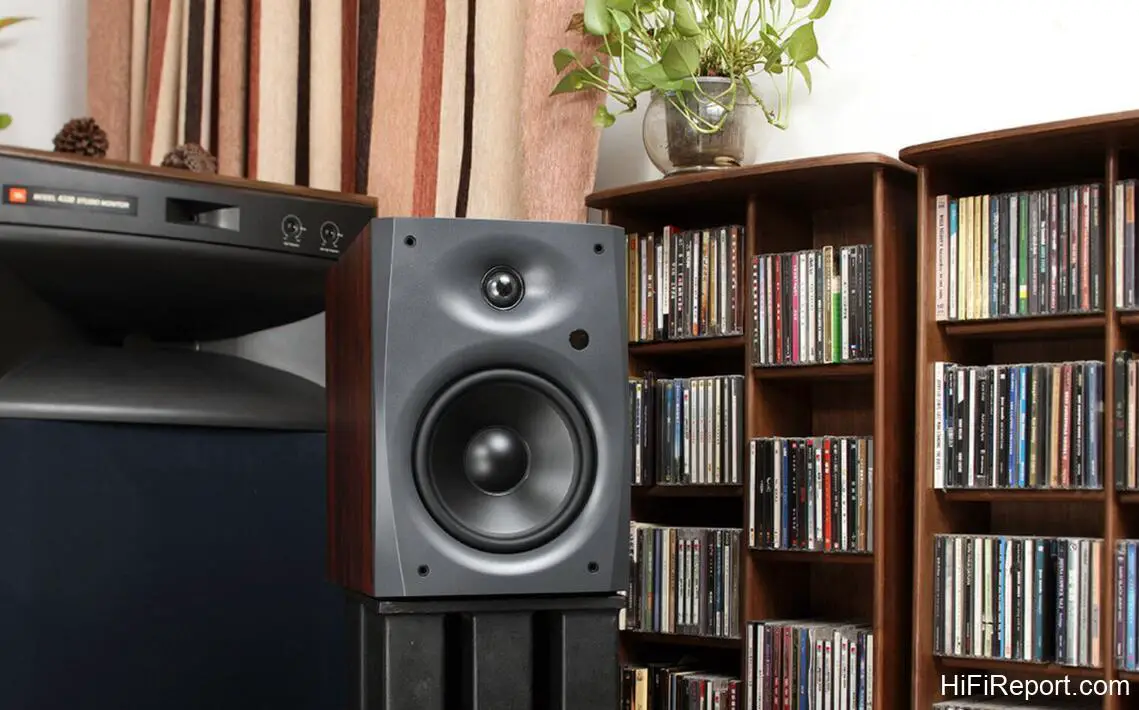
- Bookshelf Speakers: Compact and versatile, suitable for smaller rooms or as part of a surround sound system.
- Subwoofers: Add deep bass to your system, enhancing the overall listening experience. Useful for both music and home theater setups.
- Center Channel Speakers: Essential for home theater systems, providing clear dialogue and vocals.
When choosing speakers, consider the following:
- Sound Signature: Different speakers have unique sound signatures. Listen to various models to find the one that suits your preferences.
- Sensitivity: Higher sensitivity speakers require less power to produce the same volume as lower sensitivity speakers.
- Frequency Response: Look for speakers with a wide frequency response to ensure they can reproduce the full range of sounds.
4. Cabling and Connectivity
Quality cables and proper connectivity are essential for maintaining signal integrity and achieving the best sound quality. Here are some tips:
- Speaker Cables: Invest in high-quality speaker cables with good conductivity and shielding. Avoid excessively long cables to minimize signal loss.
- Interconnects: Use high-quality interconnect cables to connect your source components to the amplifier. Look for cables with good shielding to reduce interference.
- Power Cables: While not as critical as speaker or interconnect cables, good power cables can reduce noise and improve overall system performance.
- Connectivity Options: Ensure your components have the necessary inputs and outputs to connect all your devices. Look for options like RCA, XLR, optical, and HDMI.
5. Room Acoustics and Treatment
Even the best Hi-Fi components can sound mediocre in a poorly treated room. Acoustic treatment can help optimize your listening environment. Here are some tips:
- Absorption Panels: Use absorption panels to reduce reflections and echoes. Place them on walls, ceilings, and behind speakers.
- Bass Traps: Bass traps can help control low-frequency sound waves, reducing boomy or muddy bass.
- Diffusers: Diffusers scatter sound waves, creating a more natural and balanced sound. Place them on the rear wall or ceiling.
- Furniture Placement: Arrange furniture to minimize reflections and create a balanced soundstage. Avoid placing speakers too close to walls or corners.
6. System Integration and Compatibility
Ensuring that all your components work well together is crucial for achieving the best sound quality. Here are some tips for system integration:
- Component Matching: Match components with similar sound signatures and performance characteristics. For example, pair a warm-sounding amplifier with neutral speakers for a balanced sound.
- Impedance Matching: Ensure that the impedance of your amplifier and speakers is compatible to avoid damaging either component.
- Power Matching: Match the power output of your amplifier to the power handling capabilities of your speakers.
- Software Integration: If using digital sources, ensure that your components support the necessary software and streaming services.
7. Testing and Tuning
Once you’ve assembled your Hi-Fi system, it’s essential to test and tune it for optimal performance. Here are some steps to follow:
- Speaker Placement: Experiment with different speaker positions to find the optimal placement for your room. Use the “Rule of Thirds” or “Equilateral Triangle” method as a starting point.
- Listening Tests: Use a variety of music genres and tracks to test your system. Listen for clarity, balance, and detail.
- Room Calibration: Use room calibration tools or software to fine-tune your system. Many modern amplifiers and receivers include built-in calibration features.
- Adjusting Settings: Adjust tone controls, equalizers, and other settings to achieve the desired sound. Avoid excessive adjustments that can distort the sound.
8. Maintenance and Upgrades
Maintaining your Hi-Fi system is essential for long-term performance. Here are some tips:
- Regular Cleaning: Dust and clean your components regularly to prevent dirt and debris from affecting performance.
- Cable Management: Keep cables organized and free from tangles. Check for loose connections and replace damaged cables.
- Software Updates: Keep your digital components’ firmware and software up to date to ensure compatibility and performance.
- Component Upgrades: Consider upgrading individual components over time to improve your system’s performance. Start with the most critical components, such as speakers or amplifiers.
Conclusion
Building a Hi-Fi sound system is a rewarding journey that requires careful planning and consideration. By setting a budget, understanding your listening space, choosing the right components, and optimizing your setup, you can create a system that delivers exceptional sound quality and enhances your listening experience. Remember, the key to a great Hi-Fi system is balance and synergy between all components. Happy listening!