
Constellation Taurus Stereo Power Amplifier Review
American brand Constellation Audio is renowned for crafting high-end amplifiers, established from its inception with the singular goal of reproducing top-tier sound and providing discerning audiophiles with exceptional audio systems. Last year at CES, Constellation unveiled its latest Revelation series, positioned a step above the Inspiration range, offering an elevated choice for audiophiles with even more demanding tastes.
Revelation Series: Four Components
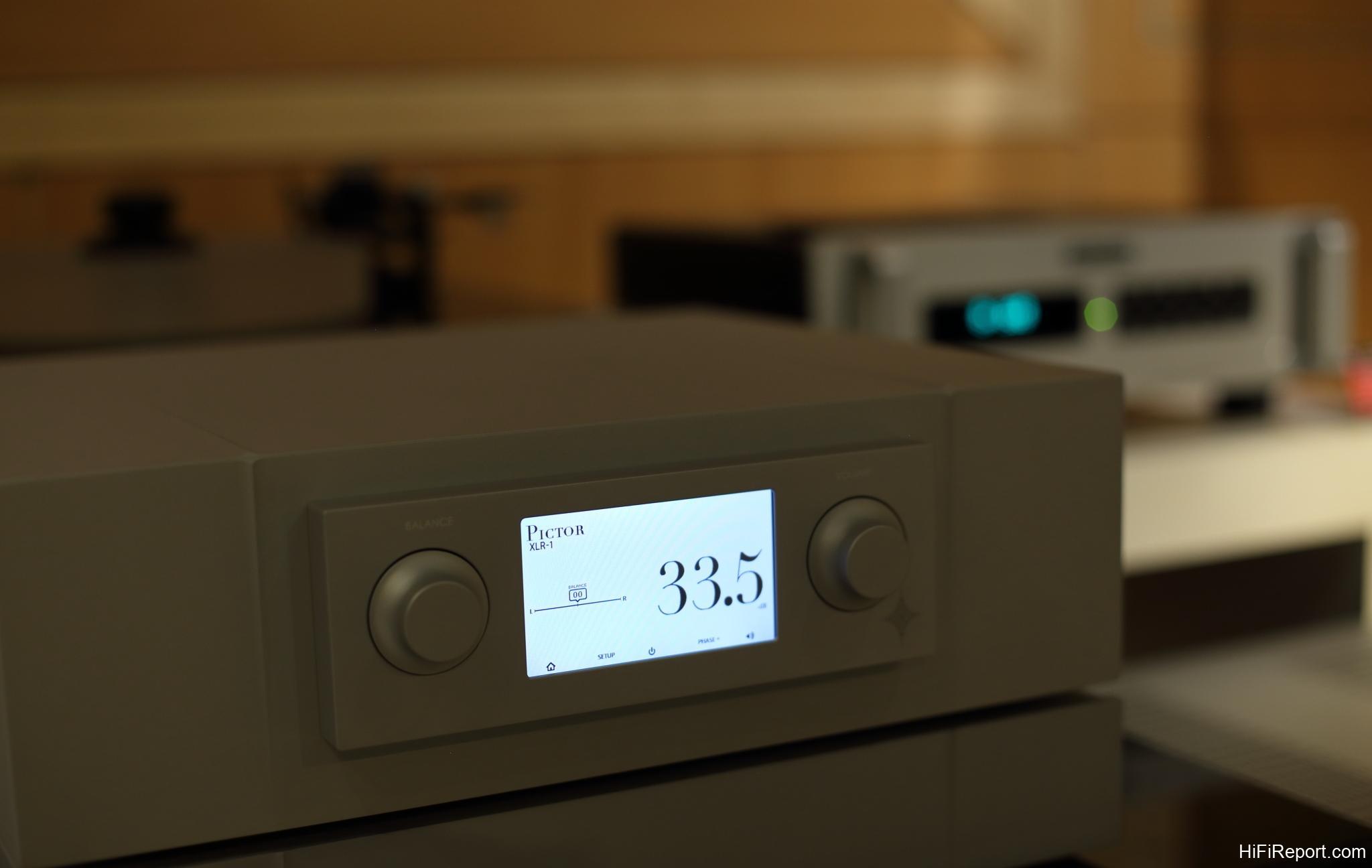
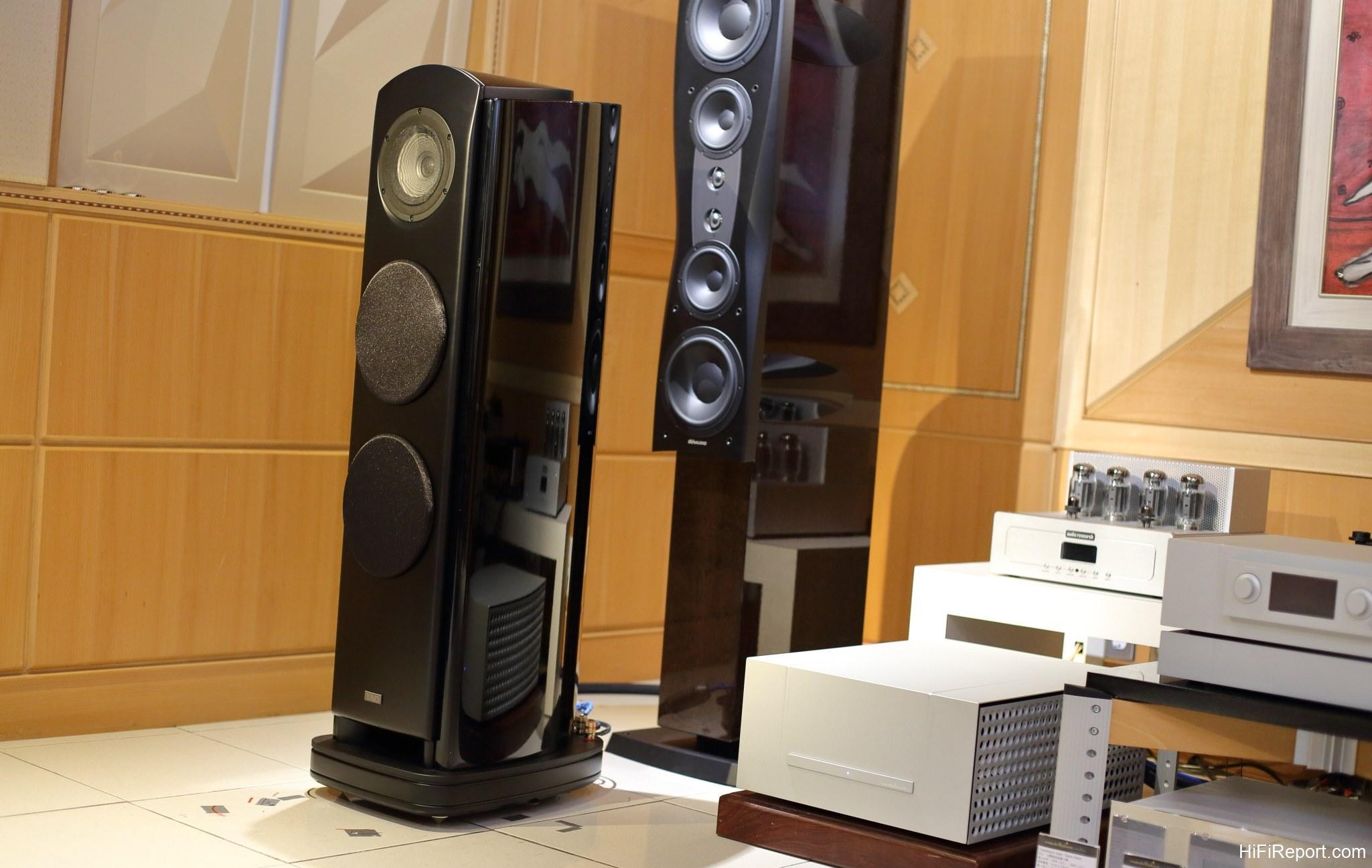
The Revelation series currently encompasses four models: the Pictor preamplifier, the Andromeda phono stage, the Taurus Mono monoblock power amplifier, and the Taurus Stereo two-channel power amplifier. For this listening session, the Pictor preamplifier was paired with the Taurus Stereo two-channel power amplifier, with the Audio Research CD 8 serving as the CD source and TAD Evolution One loudspeakers completing the system.
My previous experiences at HiFiReport audio were almost exclusively with Dynaudio speakers paired with Constellation, making this my first time listening with TAD.
Revelation: Bridging the Gap
The design of the Constellation Revelation series shares similarities with the Inspiration series, with the most significant difference being the independent power supply. Inspiration preamplifiers do not feature a separate power supply, whereas the Revelation Pictor preamplifier adopts a higher-end approach by incorporating an external power supply unit. Furthermore, an optional DC filter can be purchased for the independent power supply, further reducing the noise floor.
Both monoblock and stereo power amplifiers in the Revelation series boast upgraded internal components related to the power supply circuitry, such as transformers and capacitors, with a greater quantity of these premium parts. Across all models in the Revelation series, component selection and matching are executed with even greater stringency.
Pictor Preamplifier: Independent Power
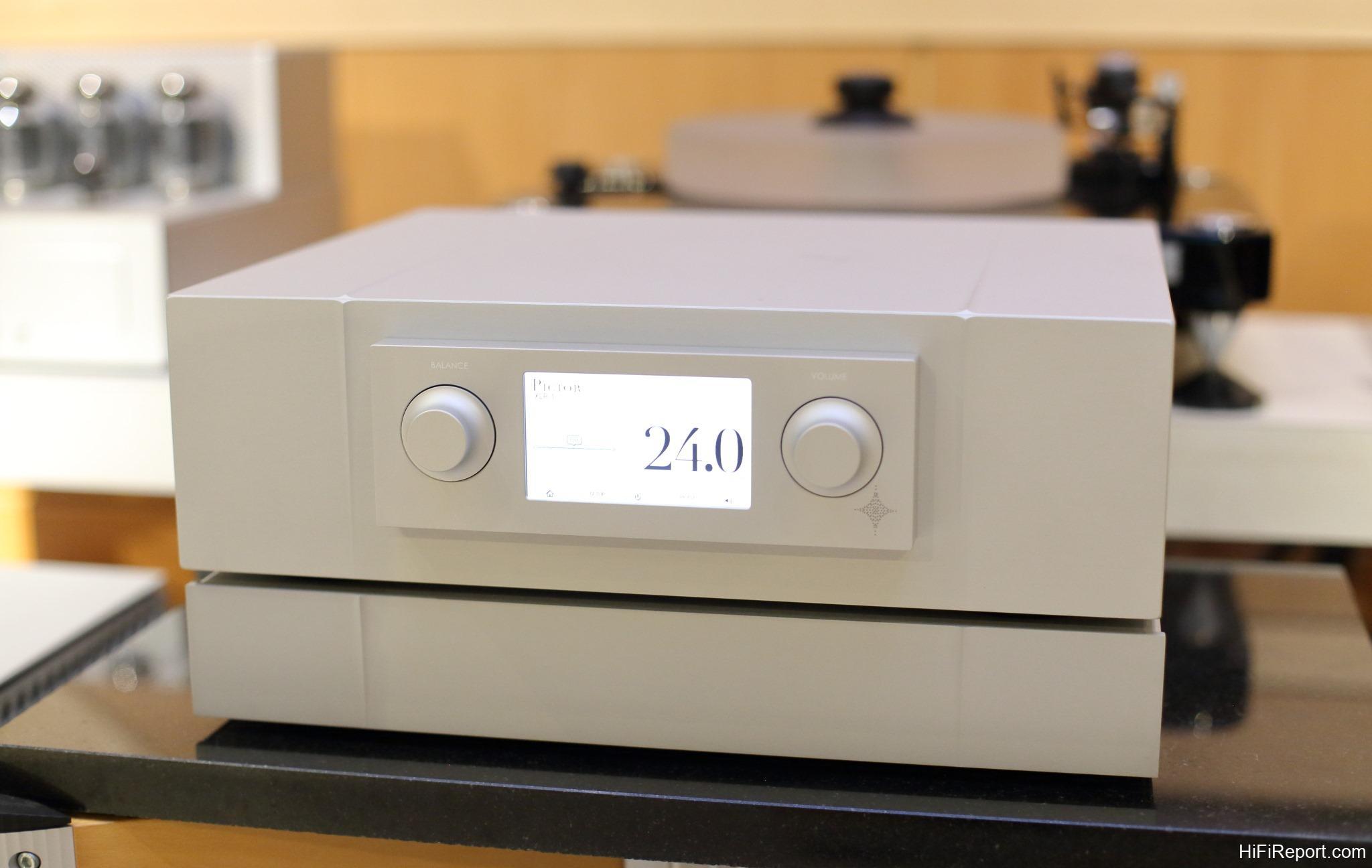
The Pictor preamplifier employs a separate, discrete power supply design, which is widely recognized as the optimal approach to isolate transformers and other power circuitry from sensitive audio circuits. Adding to this, an optional DC filter can be implemented. The independent power supply itself houses three transformers: two dedicated to the left and right channels in a fully balanced configuration, and an EI transformer dedicated to the control circuitry.
The Pictor’s audio circuit design mirrors the flagship Virgo Ⅲ, but with a streamlined input selection, making it ideal for simpler system configurations. The Pictor also incorporates Constellation’s proprietary Line Stage Gain Module, a servo circuit that continuously monitors and maintains the signal waveform’s balance between the positive and negative phases.
Internally, the circuit boards utilize a unique floating system, employing soft damping components instead of being rigidly fixed to the chassis. This structural design effectively isolates the circuit boards from vibration, a crucial factor given the sensitivity of preamplifier circuits and the paramount importance of minimizing microphonic effects on sound quality.
Taurus Amplifier: Space Efficiency
The Revelation Taurus power amplifier is available in both monoblock and two-channel configurations, with this review focusing on the stereo version. The Taurus stereo power amplifier delivers a robust 250 watts per channel into 8 ohms and 500 watts into 4 ohms. At its core are two substantial toroidal transformers. The design team prioritized maintaining a relatively compact footprint for the Taurus.
It is only slightly deeper than the Inspiration series power amplifiers, yet it manages to provide an additional 50 watts of power and a larger capacitor bank. This is intended to maintain high standards of musical dynamics under demanding conditions such as high current draw and high sound pressure levels, ensuring precise and stable sound reproduction even when driving challenging loudspeakers or reproducing music with extreme dynamic range.
The Taurus also benefits from the Line Stage Gain Module, continuously monitoring the musical signal’s positive and negative waveforms to maintain perfect balance. When using Constellation components for both preamplification and amplification, the Constellation Link connection can be utilized to bypass the input stage circuitry of the power amplifier, theoretically yielding the best possible sonic performance.
Waveform Balance: Circuit Design
A notable design feature is that each channel’s amplification circuit employs two bridged 125-watt single-ended circuit modules. This approach offers two key advantages. Firstly, it delivers refined sound quality with ample musicality without sacrificing power or dynamics. Secondly, single-ended circuits exclusively utilize NPN output transistors for both positive and negative waveform processing. This ensures symmetrical signal handling for both phases of the waveform.
In contrast, conventional amplifier circuits often use NPN transistors for the positive waveform and PNP transistors for the negative waveform, potentially leading to subtle losses and discrepancies in musical detail.
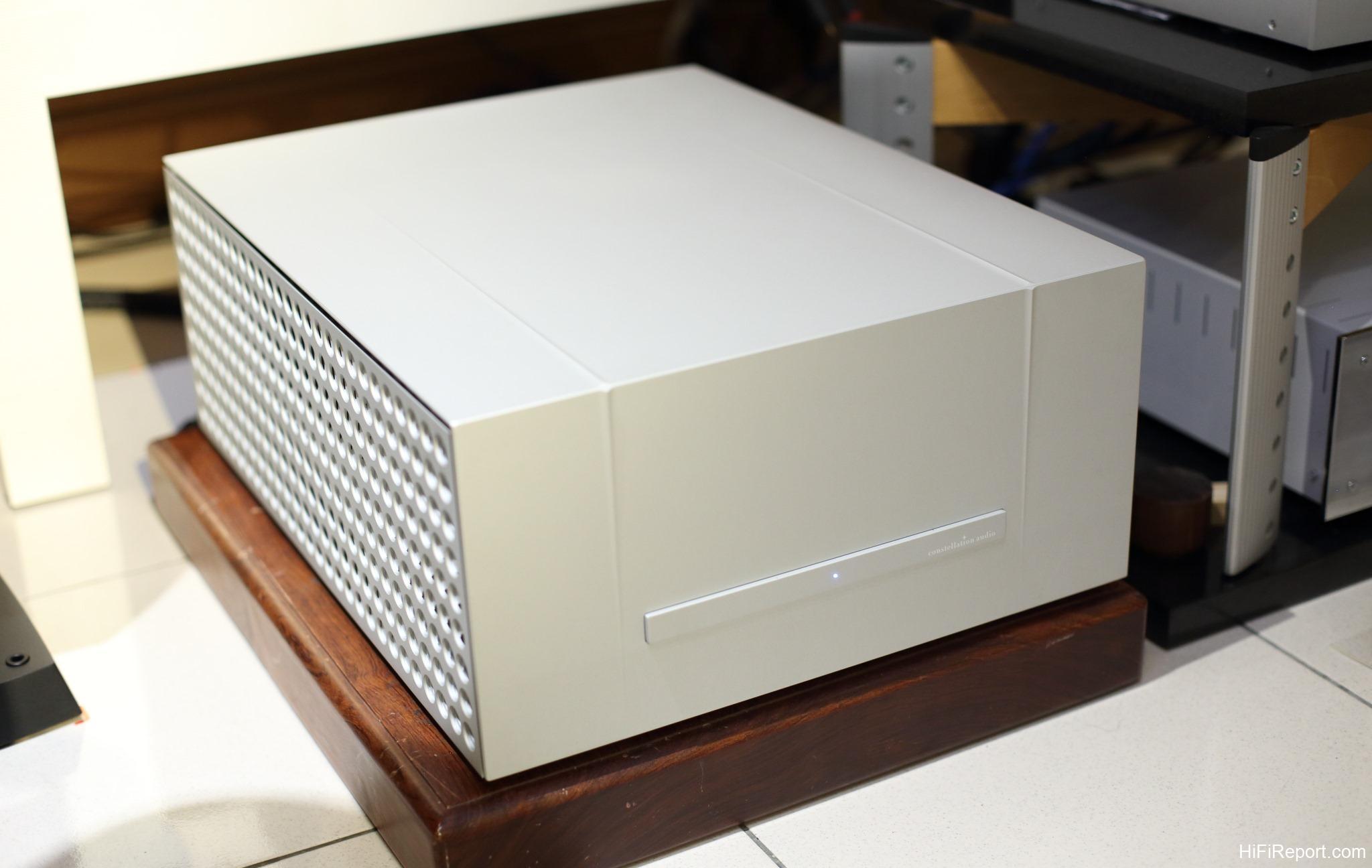
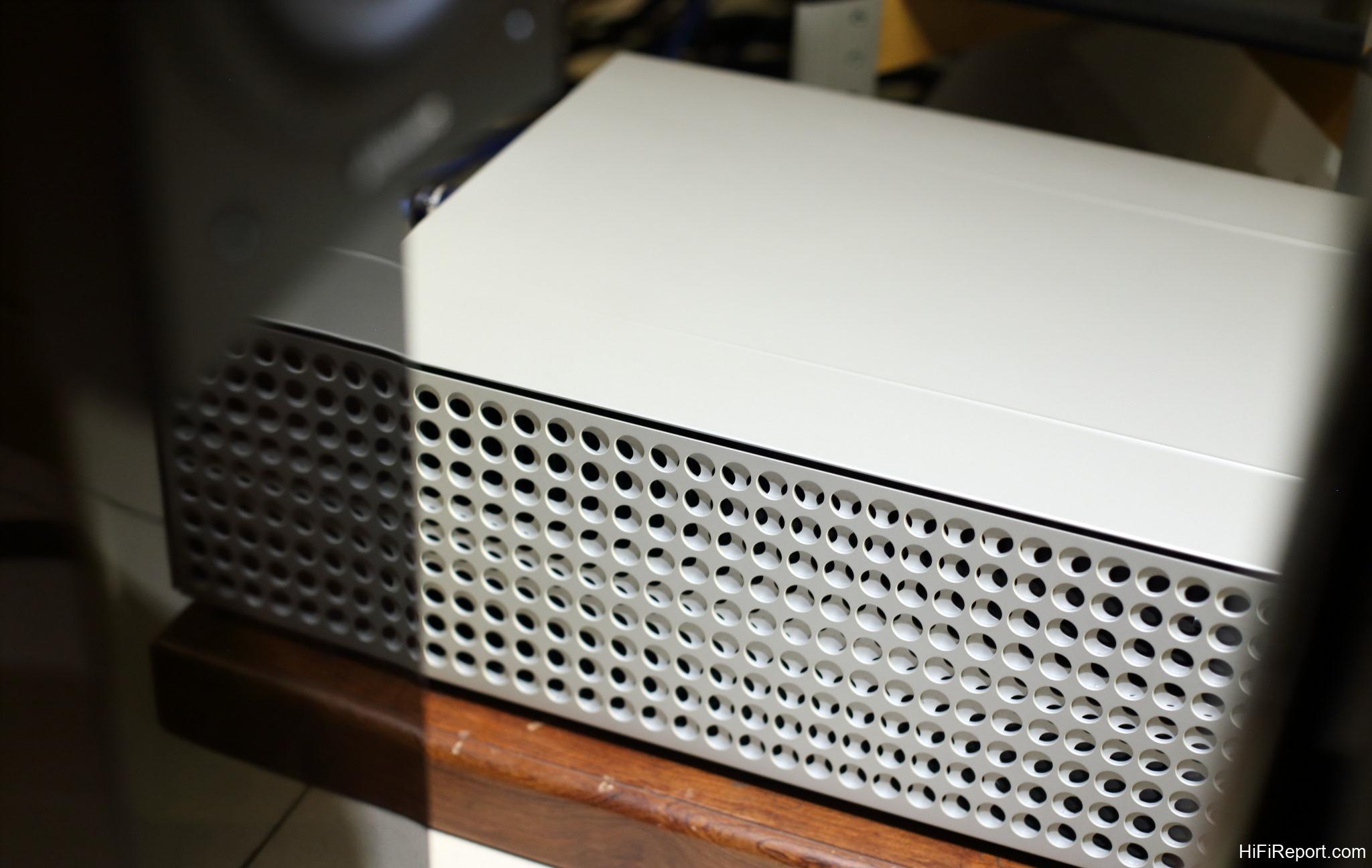
Constellation power amplifiers are easily identifiable by their distinctive honeycomb ventilation grilles, which have become almost a trademark. Power amplifiers typically generate significant heat, and effective heat dissipation within a compact chassis is critical for both performance and longevity.
Andrew Jones Design: TAD Evolution One
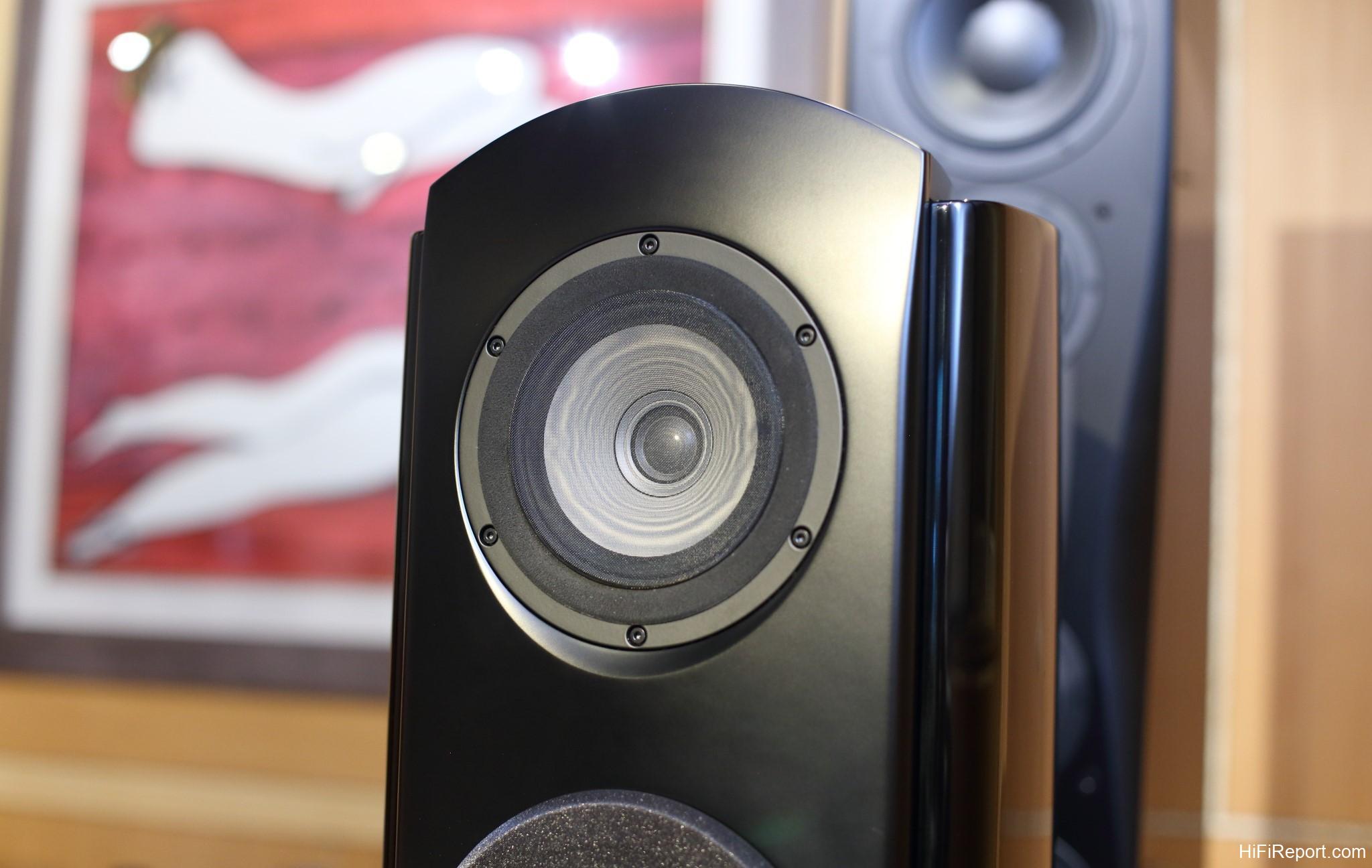
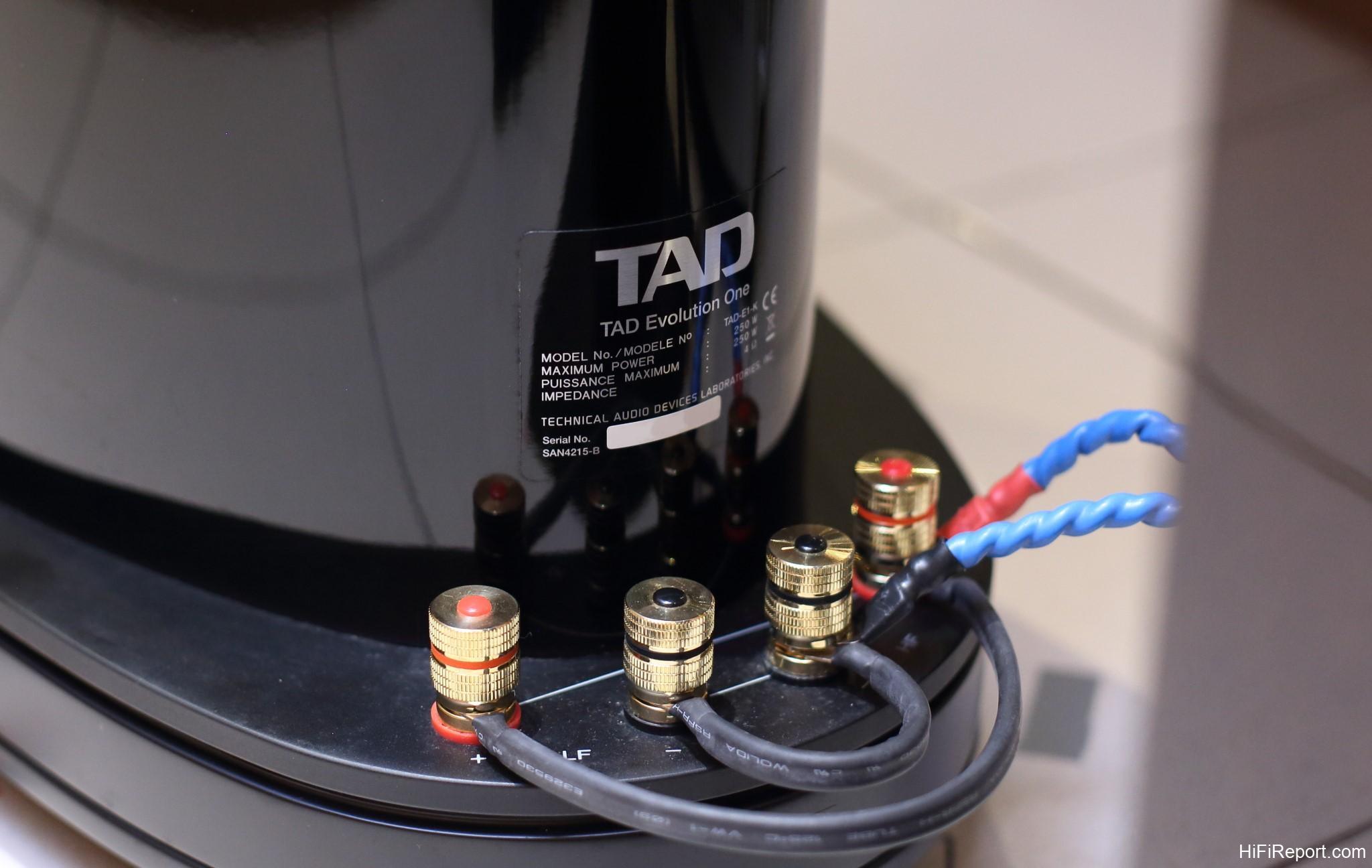
The TAD Evolution One loudspeaker is the creation of renowned audio designer Andrew Jones. Upon its release, it shared design principles with the flagship Reference One, but in a smaller, more accessible form factor and price point. It features TAD’s acclaimed CST (Coherent Source Transducer) coaxial driver for the midrange and high frequencies. The midrange is a 5.5-inch magnesium diaphragm driver concentrically arranged around a 1 3/8-inch beryllium dome tweeter.
This configuration creates a point source radiating sound from 250Hz to 100kHz. For the lower frequencies, it employs two 7-inch multi-layered Aramid woofers. Aramid is a synthetic polymer fiber, similar to nylon, and is commonly used alongside fiberglass and carbon fiber in composite materials.
Following the Evolution One, TAD has expanded the range with models like the Micro Evolution One and Compact Evolution One, offering even more compact dimensions.
TAD’s signature CST point-source coaxial driver, featuring a beryllium dome tweeter at the center and a magnesium diaphragm midrange surrounding it.
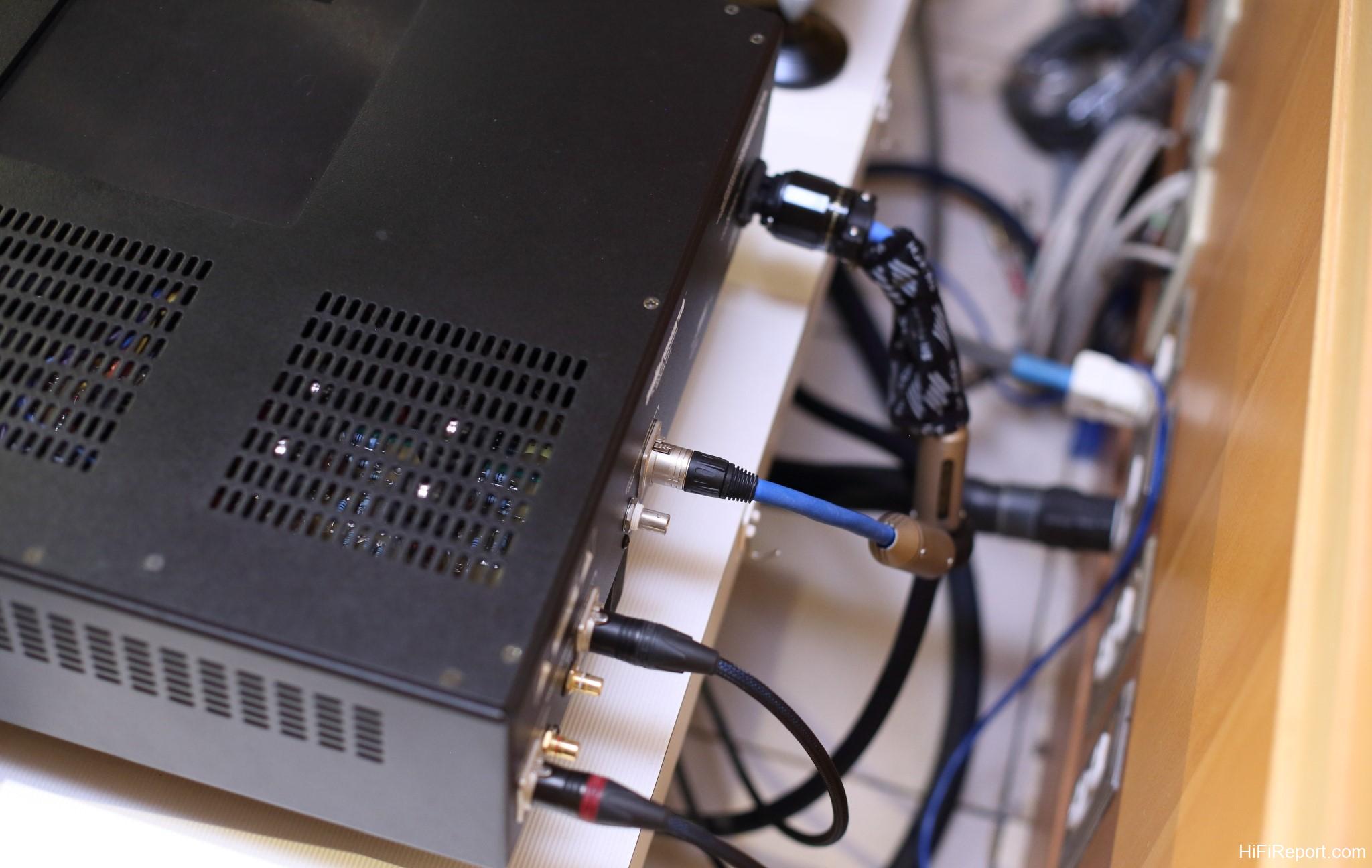
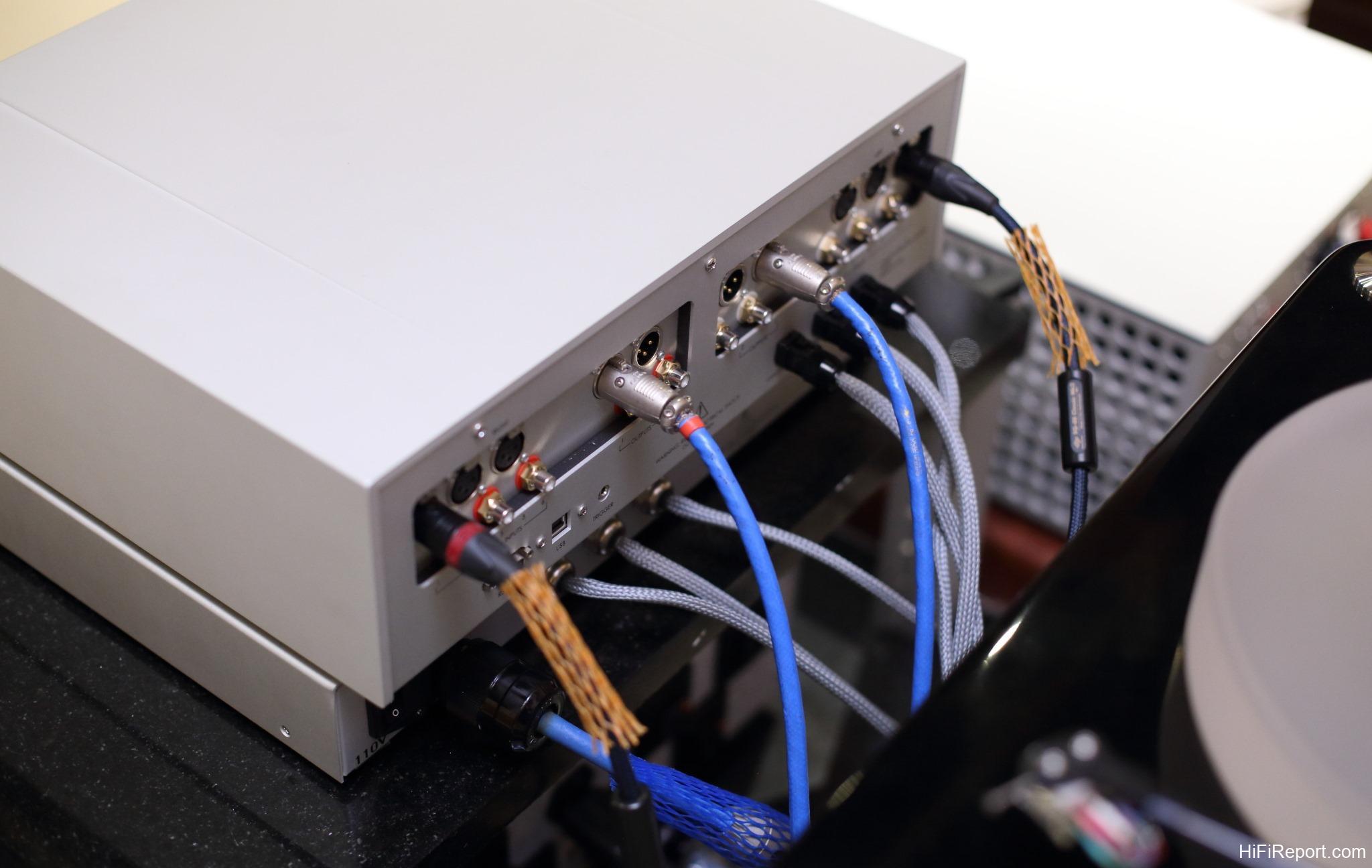
The cabling used for this listening session was almost exclusively from the esteemed Dutch brand Siltech, truly a top-tier experience.
The Pictor preamplifier reveals its separate power supply unit below, connected to the main Pictor unit via three cables: one for each channel’s power supply and another for the control circuitry’s power.
Speaker cables were also from Siltech.
Now, let’s move on to the listening impressions.
Impressive Bass Performance
The listening session commenced with 《THE DALI CD VOL.4 》, an excellent audiophile test disc featuring a selection of well-recorded and enjoyable tracks. Track 3, “Mín Móðir” performed by Eivør, immediately showcased the system’s strengths. The deep, resonant drumbeat at the opening instantly grabbed my attention, revealing the system’s exceptional bass capabilities.
The low frequencies were deep and substantial, with the drum sounds conveying the front-to-back depth of the soundstage, emanating from a point behind the speakers and extending towards the listening position, rather than sounding flat and two-dimensional. This track highlighted the two-channel system’s remarkable 3D (three-dimensional sense), even with a solo vocal performance, creating a sense of depth and volume beyond just left-to-right width.
Tracks 9, “Wheel of Fortune,” and 11, “Earth Drums,” further demonstrated the system’s bass speed and extension, revealing excellent low-frequency detail. The TAD E1, despite not being a large speaker and only equipped with two 7-inch woofers, delivered remarkably impactful bass, masterfully rendering the scale and grandeur of Hans Zimmer’s musical scores.
Immersive Live Atmosphere
Moving on to Eric Clapton’s 《Unplugged》, track 6, “Nobody Knows You When You’re Down & Out,” allowed Eric’s vocals to seamlessly blend with the acoustic space. The system exhibited exceptional control, with clear and precise delineation between musical notes and silences. The mid-high frequencies, particularly the piano and the crisp pluck of steel guitar strings, were rendered with impressive energy and articulation. The sound was clean, fast, and direct.
Track 8, “Running on Faith,” brought the concert’s atmosphere to life with explosive detail. Eric’s vocals were even more prominent in this track, imbued with greater emotional nuance. The most captivating aspect of this system when playing this album was its ability to recreate a palpable live concert experience. It evoked the vibrant energy and atmosphere of a live performance.
The instrument reproduction felt less like a meticulously controlled studio recording and more like a dynamic, engaging live event.
Dynamic Range and Soundstage Precision
Next, I listened to Earl Wild’s 《The Art of the Transcription Live from Carnegie Hall》. The sonic character was remarkably neutral, with crystalline and transparent piano tones in the mid-high frequencies, echoing the inherent delicacy and refinement I associate with Constellation. The lower registers possessed a sense of authority and appropriate extension, with well-judged reverberation.
The system’s speed and agility prevented any sluggishness, making for an engaging and fatigue-free listening experience. While the Eric Clapton album showcased power and richness, this recording revealed a quiet background and subtle, refined sound. Even with simple pieces, the system conveyed a sense of soundstage depth and layering, consistently presenting a three-dimensional, volumetric sound image.
Neutrality and Layered Sound
Finally, Diana Krall’s 《LIVE IN PARIS》 was played. Confronted with the complex and densely layered instrumental arrangements of the opening track, “I Love Being Here with You,” the system’s resolving power was truly impressive. Each instrument was rendered with precise timbral distinction, spatial placement, and hierarchical order. Individual instrumental details could be discerned with ease, while collectively forming a vibrant and celebratory jazz ensemble.
The sonic character was clean and neutral, virtually uncolored, allowing for an unadulterated and authentic musical experience. The system’s bandwidth was exceptionally wide, exhibiting no sense of constraint, and effortlessly extending at both frequency extremes. The multi-layered instrumental textures were presented with a clear and stable soundstage, maintaining precise image localization throughout.
Versatile Performance
In previous listening sessions, Constellation components were typically paired with Dynaudio loudspeakers. This time, with TAD speakers, the experience was noticeably different. In terms of sonic delicacy and density, I favor Dynaudio. However, TAD excelled in detail retrieval and bass response. This highlights the versatility of high-end equipment like Constellation, demonstrating its ability to synergize effectively with different loudspeaker brands and reveal their unique characteristics.
Exploring different combinations provides a clearer understanding of the equipment’s inherent qualities, underscoring the value proposition of high-end audio. Currently, HiFiReport Audio offers the opportunity to audition this Constellation system with three different loudspeaker brands: Dynaudio, TAD, and Estelon, providing audiophiles with an excellent listening opportunity.
The Constellation Pictor and Taurus combination is truly capable, rewarding those who take the time to appreciate its nuances.
Constellation Audio Pictor Preamplifier Specifications
* Inputs: 3 XLR stereo, 3 RCA stereo, USB (control)
* Outputs: 2 XLR stereo, 2 RCA stereo, 12-volt trigger
* Distortion: <0.001%, 20 Hz – 20 kHz @ 2V out, <0.1%, 20 Hz – 20 kHz @ 10V out * Frequency Response: 10 Hz to 100 kHz, ±0.5 dB * Signal-to-Noise Ratio: >-105 dB, A-weighted
* Input Impedance (Balanced): 20 KΩ
* Input Impedance (Single-ended): 10 KΩ
* Output Impedance: < 50Ω
* Volume Control Resolution: 0.5 dB steps, 0dB to -90 dBFS
* Weight: Preamplifier 45 lbs/20.4 kg, Power Supply 22 lbs/10 kg
* Dimensions (W x H x D): Preamplifier 43.2 x 13.3 x 38.1 cm, Power Supply 43.2 x 7 x 36.8 cm
Constellation Audio Taurus Stereo Power Amplifier Specifications
* Inputs: 4 XLR (2 for Constellation Link), 2 RCA
* Outputs: metal binding posts
* Output Power: 250 watts 8Ω (1 kHz @ 1% THD+N), 500 watts 4Ω (1 kHz @ 1% THD+N)
* Gain: 32 dB
* Output Noise: <500 μV, -100 dB @ 250 watts
* Damping Factor (8Ω load): 150
* Distortion: <0.05% (1 kHz @ rated power)
* Frequency Response: 10 Hz to 100 kHz, +1/-0.5 dB
* Input Impedance (Balanced): 200KΩ
* Input Impedance (Single-ended): 100KΩ
* Output Impedance: 0.05Ω
* Weight: 120 lbs / 54.4 kg