
Dali Epikore 3 Bookshelf Loudspeaker Review
I still vividly recall my visit to HiFiReport two years ago to audition Dali’s flagship loudspeaker, the Kore. Paired with a Burmester system, its sound was simply outstanding – not only comprehensively excellent, but also pleasing, effortlessly listenable, and endowed with superb quality. It left an incredibly deep impression.
Since then, I’ve encountered the Kore several times at audio shows. Each time, with different accompanying equipment, the Kore revealed new facets of its capabilities, consistently proving astonishing.
Subsequently, Dali began to trickle down the Kore’s cutting-edge technologies, successively launching the high-end Rubikore series and the flagship Epikore series. This strategic move allows consumers to enjoy Dali’s years of accumulated top-tier expertise at a more accessible price point.
Flagship Hybrid Tweeter
The Epikore series currently boasts a complete lineup of four models: the Epikore 11, Epikore 9, Epikore 7, and Epikore 3. While the first three are floor-standing loudspeakers, the Epikore 3, our protagonist for this review, is a bookshelf model.
Despite being a bookshelf speaker, the Epikore 3 still features Dali’s renowned Hybrid Tweeter system. The Epikore 3 incorporates the EVO-K Hybrid Tweeter, originally developed specifically for the Kore. This sophisticated assembly combines a 10 x 55 mm ribbon tweeter with a 35 mm soft dome tweeter.
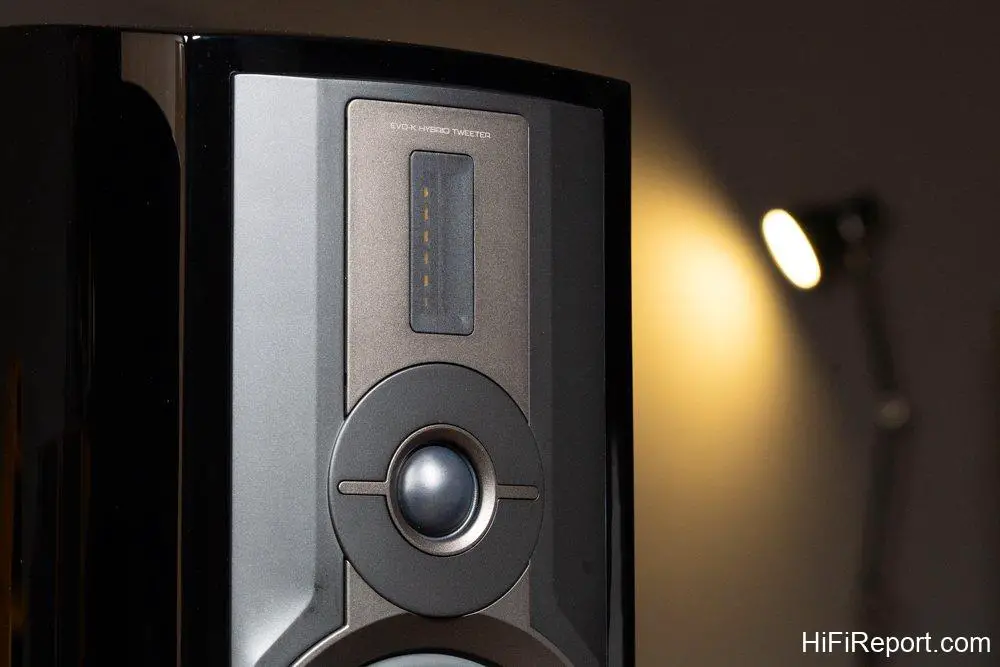
The ribbon tweeter provides exceptional high-frequency extension, allowing the Epikore 3 to effortlessly reach up to 34kHz. The larger diameter of the soft dome tweeter, on the other hand, extends its lower frequency reach, enabling a lower crossover point of 2.8kHz with the mid-bass driver. This also allows for the use of a larger 7-inch mid-bass driver. By assigning a narrower frequency band to each driver, their workload is lighter, and they operate in their most linear regions, significantly contributing to lower distortion and naturally superior sound quality.
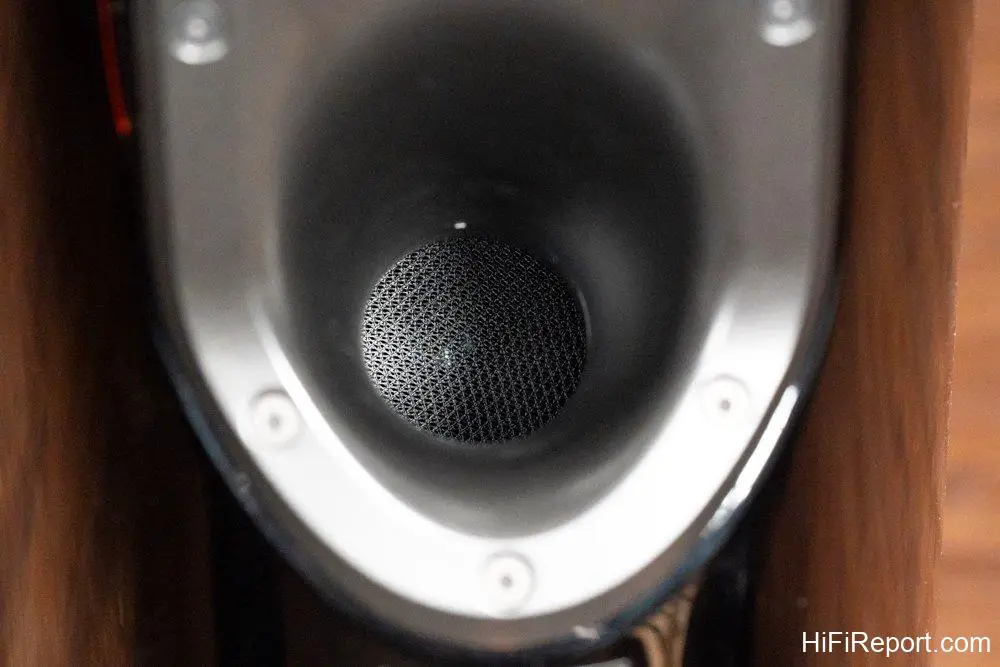
Furthermore, the soft dome tweeter is equipped with a bullet-shaped rear housing featuring fins. Its function is to absorb and dissipate sound radiation from the rear of the diaphragm, minimizing its impact on performance. The heatsinks also aid in heat dissipation, substantially reducing power compression effects.
Exclusive SMC Gen-2 Technology
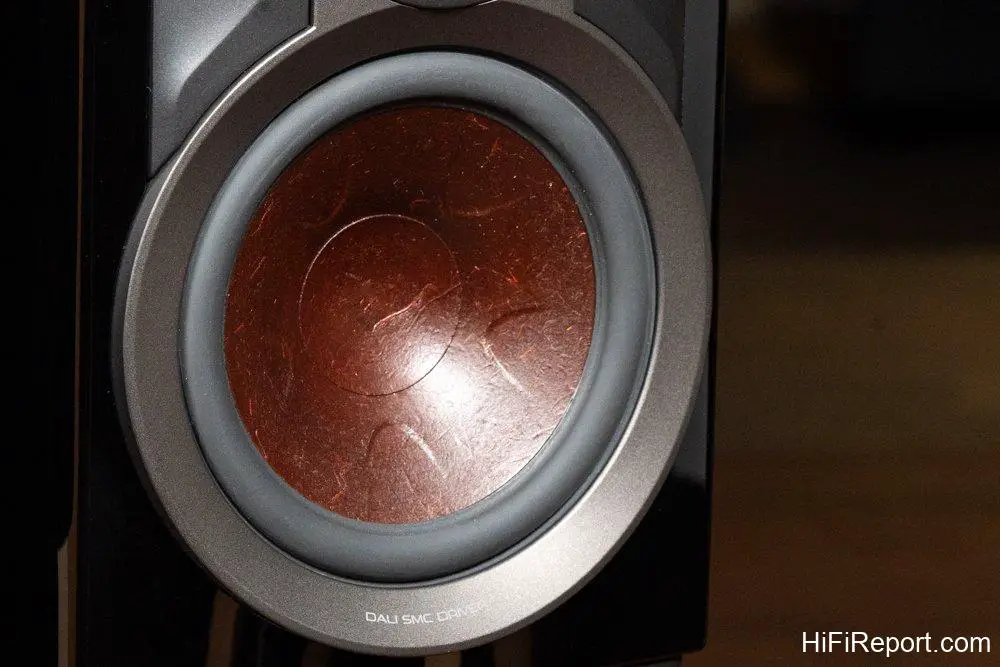
Moving to the 7-inch mid-bass driver, its most significant feature is the magnet system, which utilizes Dali’s unique, patented SMC Gen-2 technology – also derived from the Kore. SMC stands for Soft Magnetic Compound, referring to a soft magnetic composite material.
SMC exhibits high magnetic permeability, similar to traditional iron-containing conductive materials, yet it boasts significantly lower magnetic flux loss during hysteresis and generates less heat, leading to reduced distortion. SMC is a granular substance that can be molded into desired shapes. Dali employs SMC to fashion the pole pieces within the driver, replacing conventional iron-based metal pole pieces, resulting in superior performance and even lower distortion. Dali has been developing SMC for a long time, and the current Gen-2 is its second iteration, first introduced in the Kore and now trickled down to the Epikore series, from which the Epikore 3 greatly benefits.
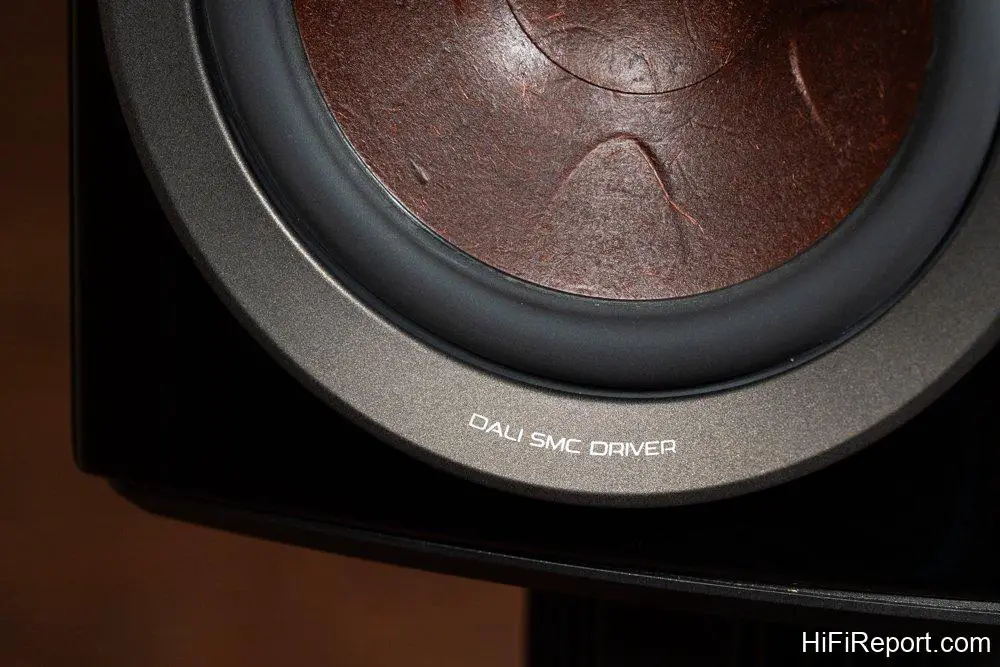
The driver diaphragm employs Clarity Cone technology, utilizing Dali’s signature wood fiber paper cone material. These diaphragms are entirely designed and produced in-house by Dali. Their surface is further embossed with a three-dimensional pattern, which enhances rigidity and improves damping, effectively reducing resonance and delivering a clean, accurate sound.
Exquisite Cabinetry
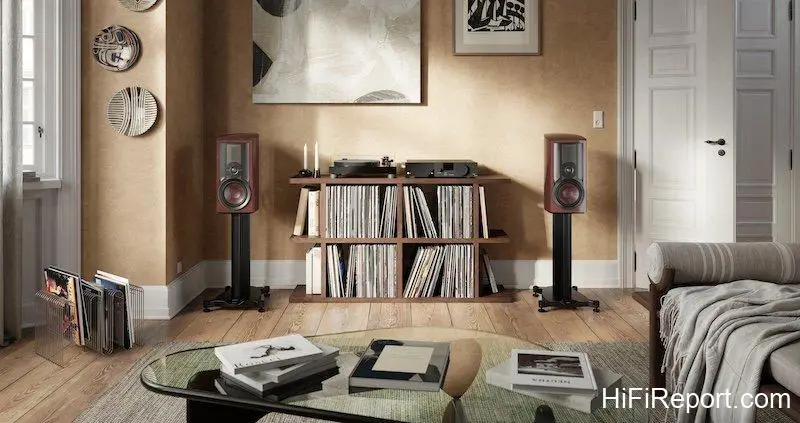
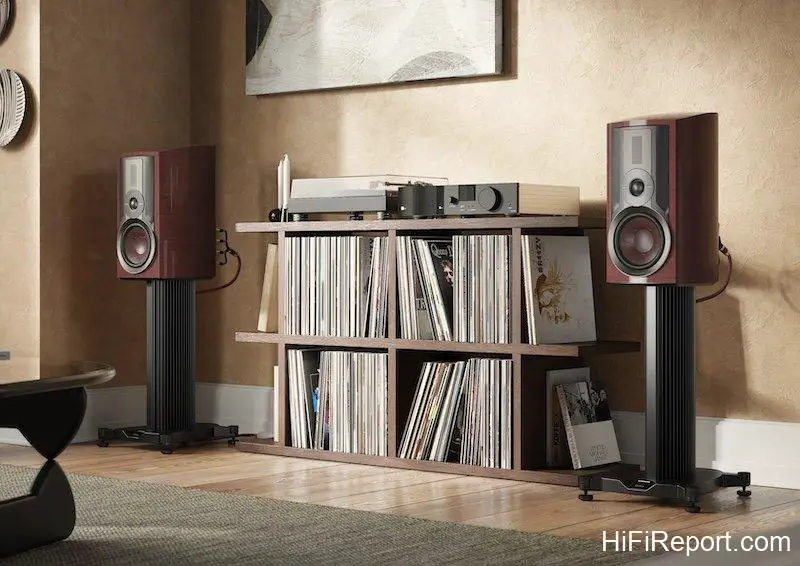
The craftsmanship of the Epikore 3’s cabinet is exceptionally refined and delicate. The enclosure features a beautifully curved design, with a flawless piano lacquer finish that underscores its premium pedigree.
In terms of color options, it is currently available in Ruby Macassar, Walnut, and Black High Gloss, all finished with a piano lacquer. Additionally, a White High Gloss Epikore was showcased at this year’s Munich High End show and is expected to be available for purchase soon.
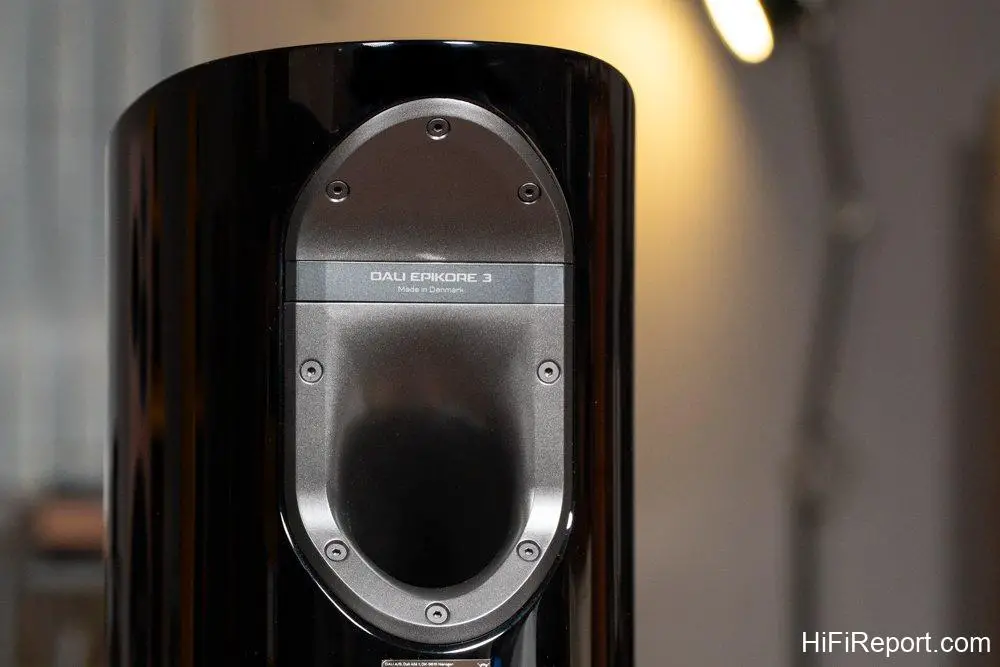
The Epikore 3’s bass reflex port is also quite distinctive, designed with a slant to guide the low-frequency airflow upward and backward, rather than directly projecting it rearward. This design helps the bass integrate more seamlessly into the listening space. Furthermore, the continuous flared opening around the port minimizes turbulent noise as air enters and exits.
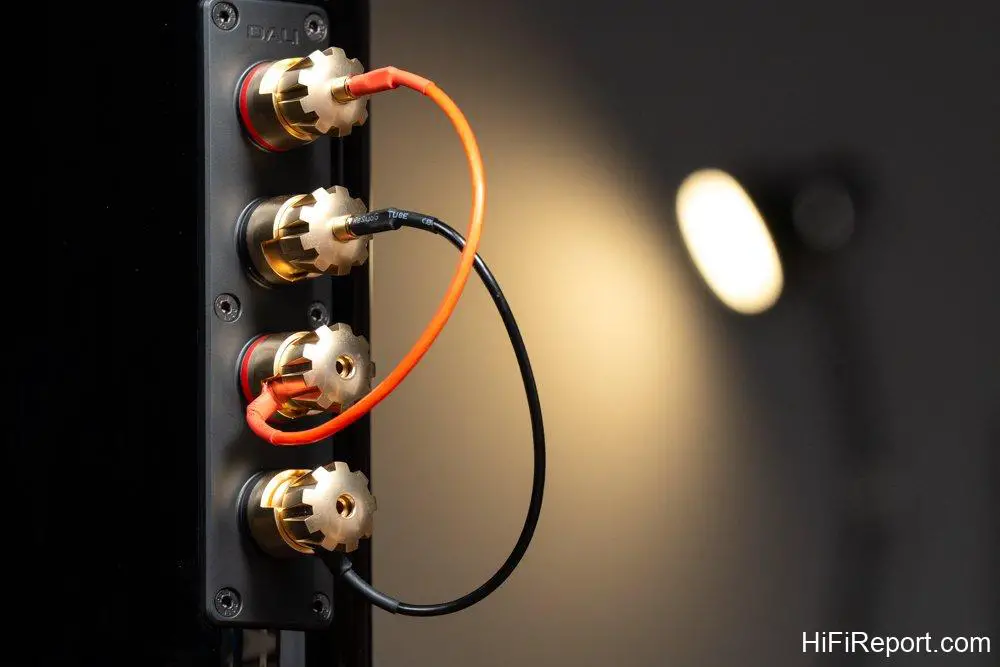
Also noteworthy are the speaker terminals. These are custom-made by Dali specifically for the Epikore series, precision-machined from solid brass. Their quality is exquisite, and their unusually large size makes it effortlessly simple to securely tighten spade connectors. The included jumper cables are also thoughtfully designed, made from actual cable rather than simple copper bars or plates, inspiring confidence. They feature a banana plug on one end and a spade connector on the other, allowing for convenient compatibility with various speaker cables.
Dedicated Stand Essential
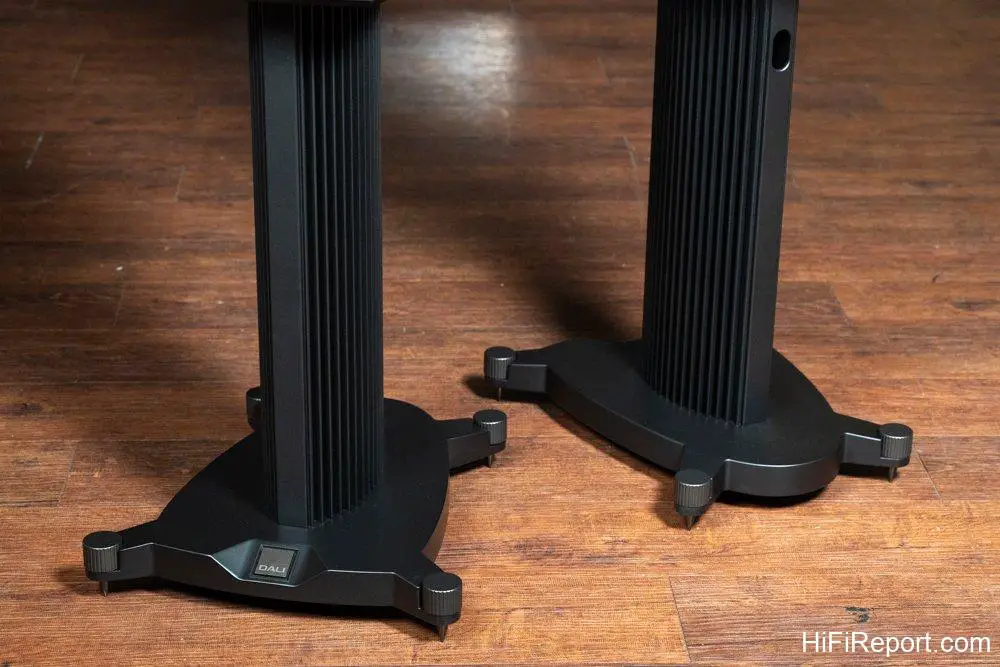
For bookshelf loudspeakers, the stand plays a crucial role in sound quality. To ensure the meticulously designed Epikore 3’s performance is fully realized and to maintain aesthetic coherence, Dali offers a dedicated stand for purchase.
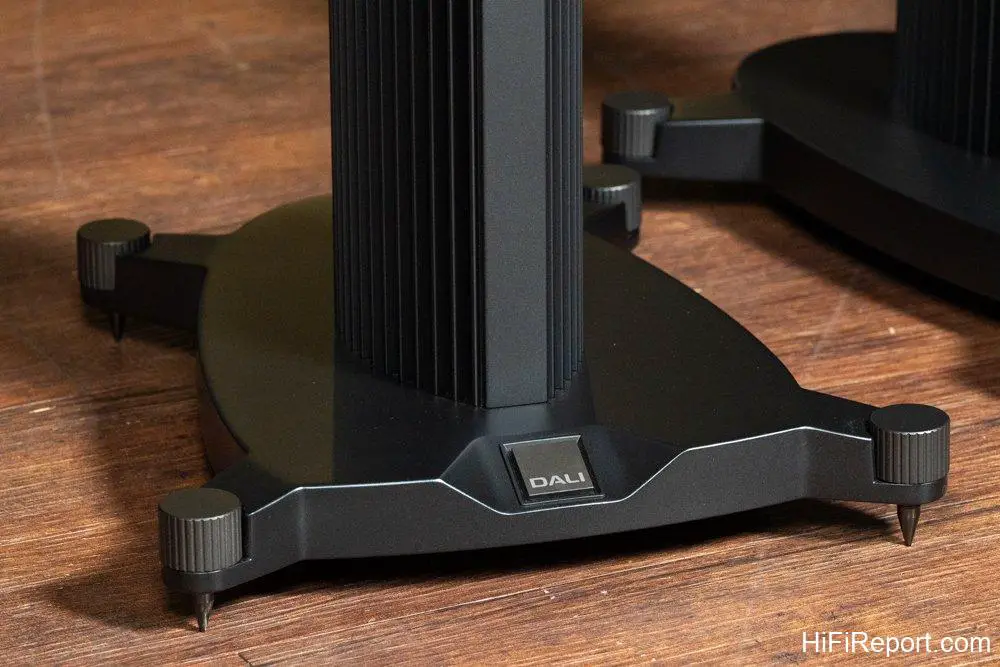
The Epikore 3’s proprietary stand is constructed entirely from metal, combining cast, extruded, and machined aluminum alloys. It features a finely textured matte black spray finish, creating a stylish and elegant aesthetic that perfectly complements the Epikore 3. The dedicated stand and the Epikore 3 can be securely fastened together using three included screws, making them less prone to accidental knocks or wobbles. This ensures both visual harmony and safety, providing peace of mind even during occasional seismic activity.
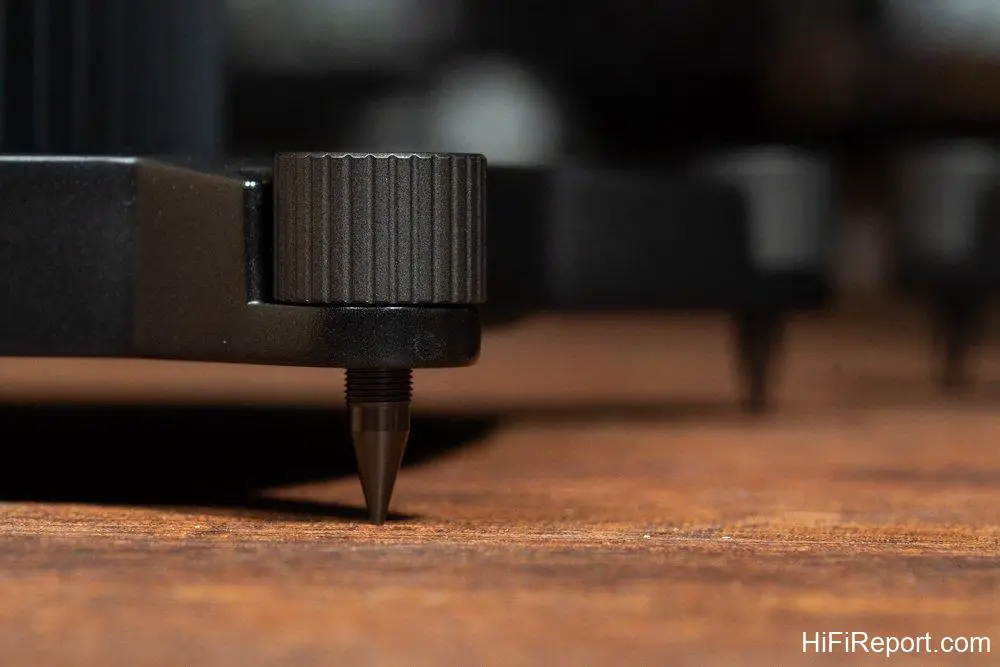
Furthermore, the stand’s central pillar can be filled with sand to suppress vibrations, yielding improved performance. The pillar also incorporates a channel for routing speaker cables, allowing for discreet wire management. Adding to the convenience, the Epikore 3’s dedicated stand arrives fully assembled from the factory, with all four spikes already installed. It can be simply taken out of the packaging and used immediately. Each stand includes four cone-shaped pads to prevent the spikes from scratching the floor. Notably, these pads are magnetic, adhering to the spikes for remarkable convenience when moving the stand. These subtle design details truly exemplify Dali’s thoughtful and meticulous approach.
Transparent Front-End Response
The listening session took place in the HiFiReport listening room. The accompanying equipment included a Cyrus 40 ST streamer, an EAR 868 tube preamplifier, a Walker Ray Audio KT150 tube power amplifier, and an Intel NUC mini-computer running Roon Core. Playback was conducted via Roon.
As with my past experiences listening to Dali loudspeakers, the Epikore 3 sounded quite good even with minimal placement adjustments. However, this doesn’t imply that the Epikore 3’s sound is indifferent to positioning. In fact, it is highly sensitive, and even slight adjustments in placement reveal discernible changes in the sound. Careful positioning yields a much clearer and more accurate soundstage, so I meticulously adjusted the placement to ensure I heard the Epikore 3 at its very best.
The Epikore 3’s sensitivity is also evident in its ability to reproduce sound quality. Initially, I deliberated between the Linear Acoustic LAV-60 MKII integrated amplifier (which can function as a power amplifier) and the Ray Audio KT150 tube power amplifier. The LAV-60 MKII presented a smooth, dense, fluid, and opulent timbre, offering a quite comfortable sound with excellent quality. The KT150, however, delivered an even clearer textural rendition, richer details, and a more realistic portrayal.
For instance, when listening to Trevor Pinnock conducting The English Concert in Bach’s Brandenburg Concertos, playing it through the KT150 brought out the texture of bow-on-string friction with greater vividness. The harpsichord sounded crisp and vibrant, with superb high-frequency shimmer, presenting a sound that was both luxurious and authentically real. This demonstrated that the Epikore 3 is highly adept at conveying information from the front-end, leading me to choose the KT150 for the audition.
Superb Soundstage Depth
Next, I played Bill Evans’ “Sunday at the Village Vanguard” album, a live recording of Evans with a bassist and drummer at the Village Vanguard club in 1961. Through the Epikore 3, I experienced an exceptionally outstanding sense of image three-dimensionality and soundstage depth—possibly the best I’ve ever heard this album.
I suspect the reason, beyond the Epikore 3’s inherent excellence, lies in the fact that both the preamplifier and power amplifier were tube-based. Since imaging and soundstage are among the tube amplifiers’ greatest strengths, the Epikore 3 fully exploited the front-end’s characteristics, allowing me to hear a truly concrete sound, imbued with an authentic live atmosphere. Furthermore, the quality of the bass was superb. The plucked notes of the double bass exhibited excellent elasticity, with sufficient quantity without being boomy. The texture of the plucks was clean and clear, making the music feel lighter and more joyful.
Music as Storytelling
Another example came from the 2017 Audio Show Commemorative CD, which featured selections from the Steinway & Sons label. I chose several piano solos that I had listened to countless times before. Through the Epikore 3, I experienced a remarkably profound soundstage depth, again, potentially the best I’ve ever heard.
I believe it’s not easy to achieve such clear soundstage depth with piano solos, as there’s only one instrument, no others to establish relative positions. Yet, this time, I truly felt the piano’s form possessed a sense of depth, and the stage space likewise had considerable depth. The old adage applies once more: it sounded incredibly live.
Moreover, the piano’s timbre was both beautiful and authentic. Whether it was the sustain, the subtle dynamics of touch, or the masterful use of the pedals, every playing technique was precisely rendered, making the performance feel like storytelling, rich with atmosphere.
I also listened to Mozart’s Piano Trio in C Major, K. 548, led by Anne-Sophie Mutter. The sound of each instrument was not only clear but also richly saturated, full of resonance, and true-to-life yet sweetly melodic. The proportion of the bass was just right, balancing lightness and weight, with a natural and effortless extension. Each instrument’s sound had a perfectly appropriate decay, ensuring it was never dry—another testament to the rich detail on offer. Simply put, the Epikore 3 possesses an excellent ability to render texture, sufficient to satisfy any listener with a discerning palate for classical music timbres.
Balanced Performance
Next, I played “Passion, Grace & Fire” by the three guitar gods — Al Di Meola, John McLaughlin, and Paco De Lucía. The Epikore 3 maintained an excellent balance across speed, weight, dynamics, body, and clarity. As a result, fast-paced music never sounded rushed or hurried. The distinct timbres of each guitar were clearly delineated, and when played in different registers, the size of the notes also showed clear distinctions, with vivid changes. This further underscored the Epikore 3’s considerable sensitivity.
What about pop music? Taking Everything But the Girl’s “Amplifier Heart” album as an example, the Epikore 3 presented a larger soundstage and image than typically found in bookshelf speakers, leading to greater listener satisfaction. The bass was substantial and ample, allowing the electric bass to convey its proper scale, which was quite sizable – a rather pleasing characteristic. Nevertheless, the overall listening experience remained clean, light, clear, and lively.
Then I played Jonathan Lee’s “Rational and Sentimental Works Concert.” Once again, I experienced a superb sense of live presence. The vocals had a highly tangible form within the soundstage, incredibly prominent – yes, “incredibly” prominent – as did the kick drum. Jonathan Lee’s vocal timbre was revealed without omission; details were clear at low volumes, and at high volumes, it possessed explosive power. The dynamic contrast was spectacular, capable of both quiet intimacy and vigorous intensity, making the music even more stirring.
Despite being a bookshelf speaker, the Epikore 3’s rendition of the kick drum’s scale was remarkably good. The contour of each beat was clear, with appropriate speed and force, and the decay length was just right. Crucially, it was deep enough to fully render the kick drum’s timbre, a feat many bookshelf speakers struggle to achieve.
Finally, I tested the audiophile favorite “Cantate Domino,” often called the “Black Church” album. The first track features organ, brass ensemble, and choir. Through the Epikore 3, the scale was sufficiently grand, sounding nothing like a small speaker. The opening organ, with both low and high notes sounding simultaneously, maintained a well-balanced range, appearing effortlessly rendered, creating an excellent sense of openness in the soundstage, and highly ideal vertical extension. The upper portion of the soundstage felt unrestricted, with excellent height. When the choir entered, the Epikore 3 clearly conveyed the profound depth of the church recording, with a deep and expansive space and lingering reverb that left me with a feeling of profound emotion.
Audiophile Satisfaction
True to its heritage from the esteemed Danish manufacturer Dali, the Epikore 3, within its limited physical dimensions, delivers a level of comprehensive performance that surpasses many floor-standing loudspeakers. Moreover, it possesses an infectious musicality across all genres, fully satisfying the listening demands of even the most seasoned audiophiles.
For discerning enthusiasts, the Epikore 3 also serves as an excellent tool for evaluating the quality and performance of other components. It transparently reflects even subtle adjustments, meaning the sound you get directly corresponds to the quality of your upstream equipment. Therefore, whether you seek casual enjoyment or critical listening, the Epikore 3 performs admirably.
Beyond its sonic prowess, the Epikore 3 boasts beautiful aesthetics, meticulous craftsmanship, exquisite texture, and undeniable luxury. Placed in any home, it enhances the decor – a speaker even your spouse will want to buy.
Specifications
Dali Epikore 3
* Type: 3-driver, 3-way bass-reflex bookshelf loudspeaker
* Drivers: 1 x 10 x 55 mm planar diaphragm super tweeter, 1 x 35 mm soft dome tweeter, 1 x 7-inch mid-bass driver
* Frequency Response: 42Hz – 34kHz
* Sensitivity: 85dB
* Nominal Impedance: 6 Ohms
* Recommended Amplifier Power: 40–250 Watts
* Maximum SPL: 108dB
* Crossover Frequencies: 2,800 / 12,500 Hz
* Dimensions: 470 × 250 × 420 mm (H×W×D)
* Dedicated Stand Dimensions: 580 × 380 × 400 mm (H×W×D)
* Weight: 22 kg (loudspeaker) (Stand: 11.5 kg)