
dCS Bartók APEX Review
Before writing this review, I made a special trip to dCS in Cambridge, UK, for a factory visit. Cambridge is renowned for its world-class university, and it is in this fertile ground that the first company in the high-end digital audio realm was born: Data Conversion Systems Ltd – dCS. Since its inception in 1987, dCS has been dedicated to A-to-D and D-to-A conversion, consistently pushing the boundaries between analog and digital domains.
Research and development have always been at the core of dCS’s values, resulting in numerous world-first achievements and patents. While others may try to imitate the appearance or circuitry of dCS products, replicating their level of performance is simply impossible. dCS’s formidable R&D capabilities and patented technologies drive its enduring leadership in the industry.
dCS has grown from a small team of just over 10 employees at its founding to around 50 today, with a significant focus on research and development. After visiting the dCS headquarters, it became even clearer that this is a true R&D powerhouse, staffed by top talent. The first generation Bartók, the subject of this review, was launched in 2018 and immediately caused a market sensation.
dCS, previously an aspiration only achievable with a six-figure budget, suddenly became attainable for significantly less, making it an instant hit. To cater to high-end headphone users, Bartók was offered in two versions: a pure DAC and a DAC with a built-in headphone amplifier. The latter naturally commanded a slightly higher price due to the meticulously designed, high-specification headphone amplifier circuitry.
Bartók: DAC, Streamer, Upsampler, Preamp, and Headphone Amp (Optional) All-in-One
In 2022, Bartók evolved into Bartók 2.0, a completely free firmware and software upgrade. Existing Bartók owners could easily upgrade, bringing features previously exclusive to the high-end Vivaldi 2.0 and Rossini 2.0 down to the Bartók. This included FPGA mapping logic for controlling the dCS Ring DAC, improved DSD upsampling technology, and additional digital filter options. In the same year, dCS unveiled the latest generation Ring DAC APEX version.
APEX was not just a firmware upgrade but also involved hardware component enhancements. True to their customer-centric approach, dCS offered existing owners the option to upgrade to the latest APEX version for a reasonable material and labor fee, ensuring their beloved equipment didn’t become obsolete. However, at the time of the APEX announcement, a Bartók version was not yet available, leaving Bartók users eagerly anticipating its arrival.
Those who had experienced the APEX version knew it represented a significant performance leap. Finally, in 2023, dCS released Bartók APEX, satisfying the market’s desire and expectations.
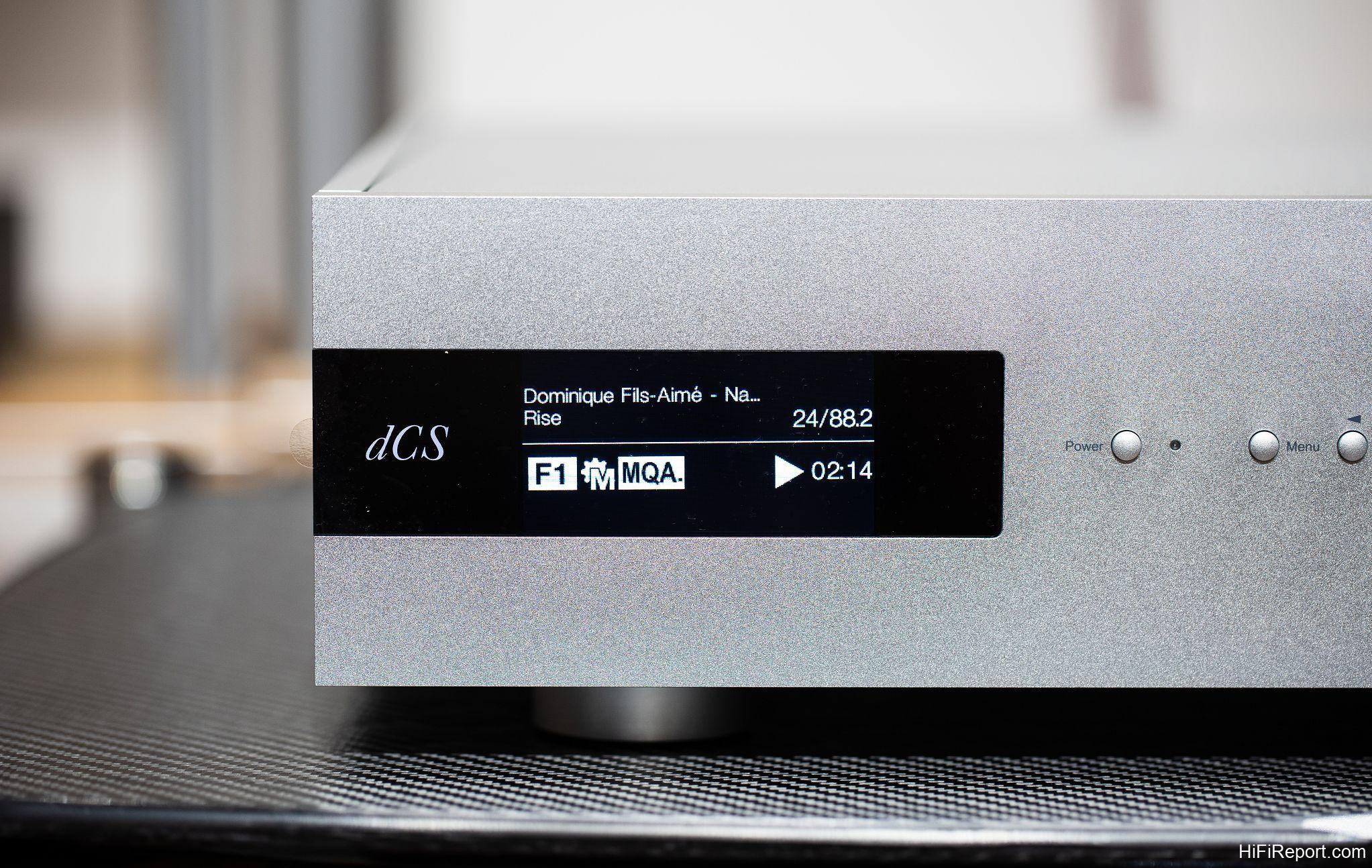
The Ring DAC, through several generations of development, stands as a testament to the relentless efforts of the dCS R&D team. In an interview with dCS’s Product Development Director, Mr. Chris Hales, he mentioned that his biggest challenge is to find further improvements on an already excellent foundation. The dCS R&D team meticulously examines every detail of the Ring DAC daily, seeking any potential for enhancement.
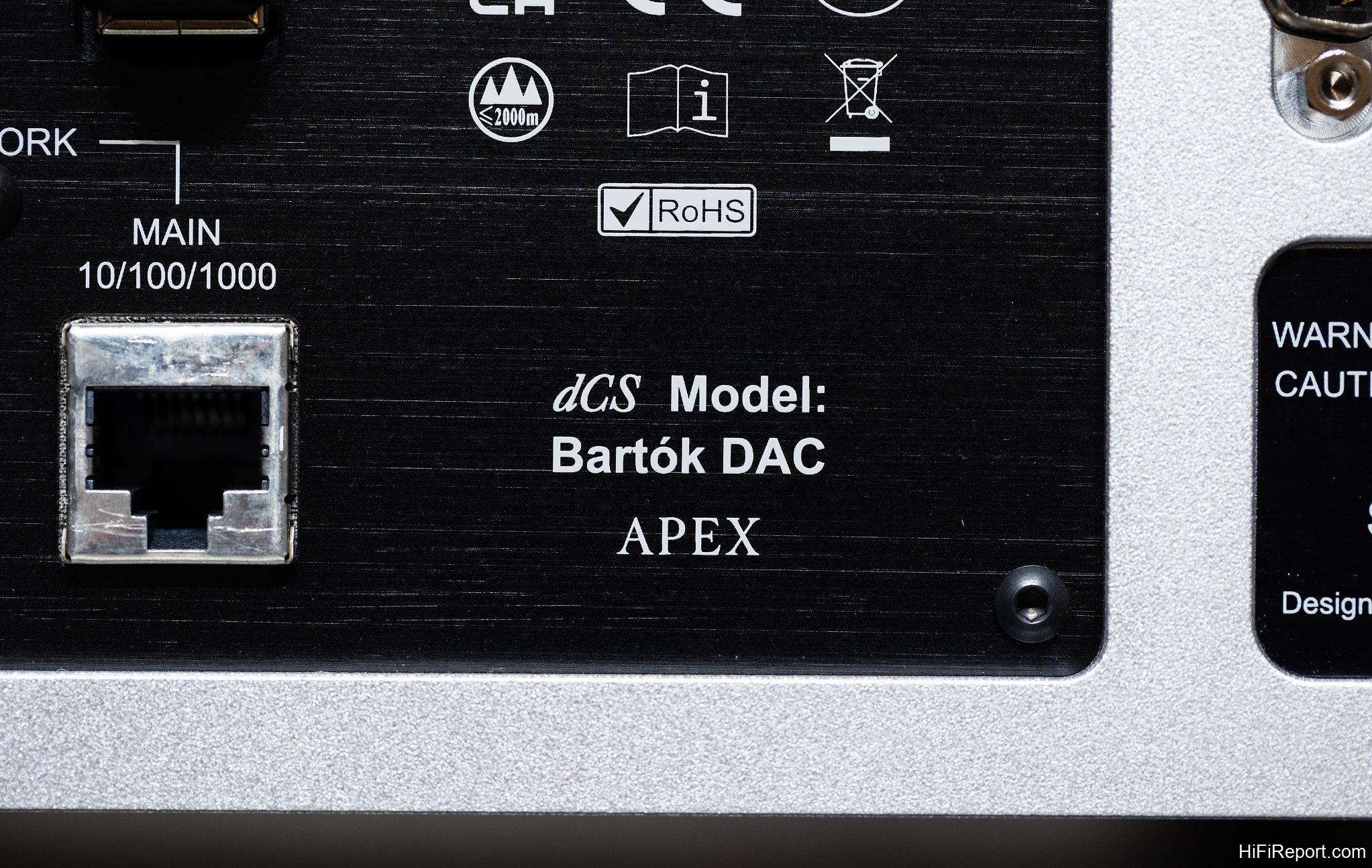
These accumulated small details, including linear improvements, power supply upgrades, and clock precision enhancements, ultimately result in substantial overall improvements, leading to the birth of the latest APEX generation. The only external difference identifying an APEX version is the “APEX” designation added to the model name on the rear panel.
All other aspects of the Bartók APEX remain visually identical to the original Bartók, as the upgrades are internal, focusing on circuitry, firmware, and software. Bartók APEX incorporates dCS’s latest Ring DAC™ APEX, clocking architecture, and digital processing platform, representing a combined hardware and software upgrade that significantly elevates sonic performance. This review on MY-HiEND will delve deeper into the advancements APEX brings.
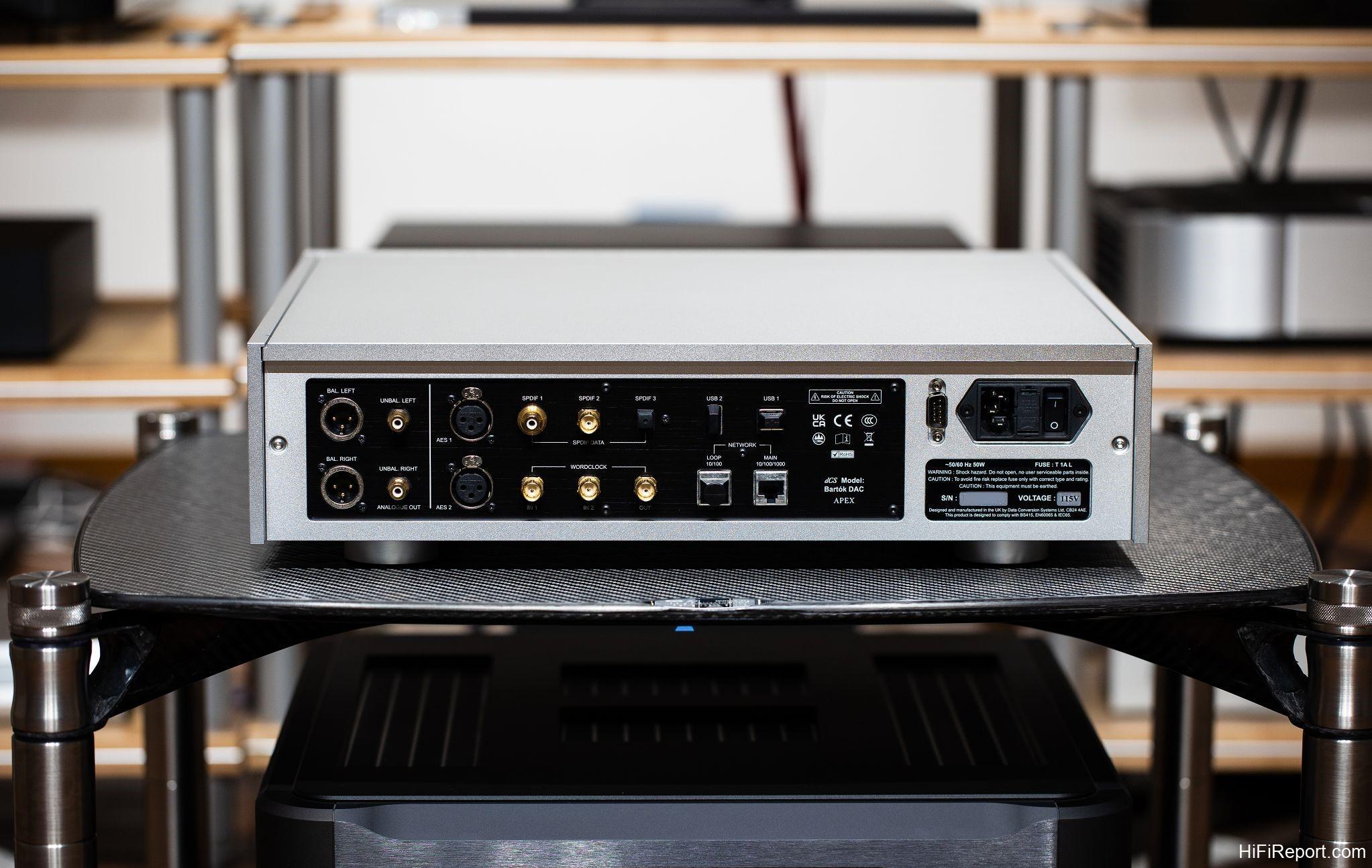
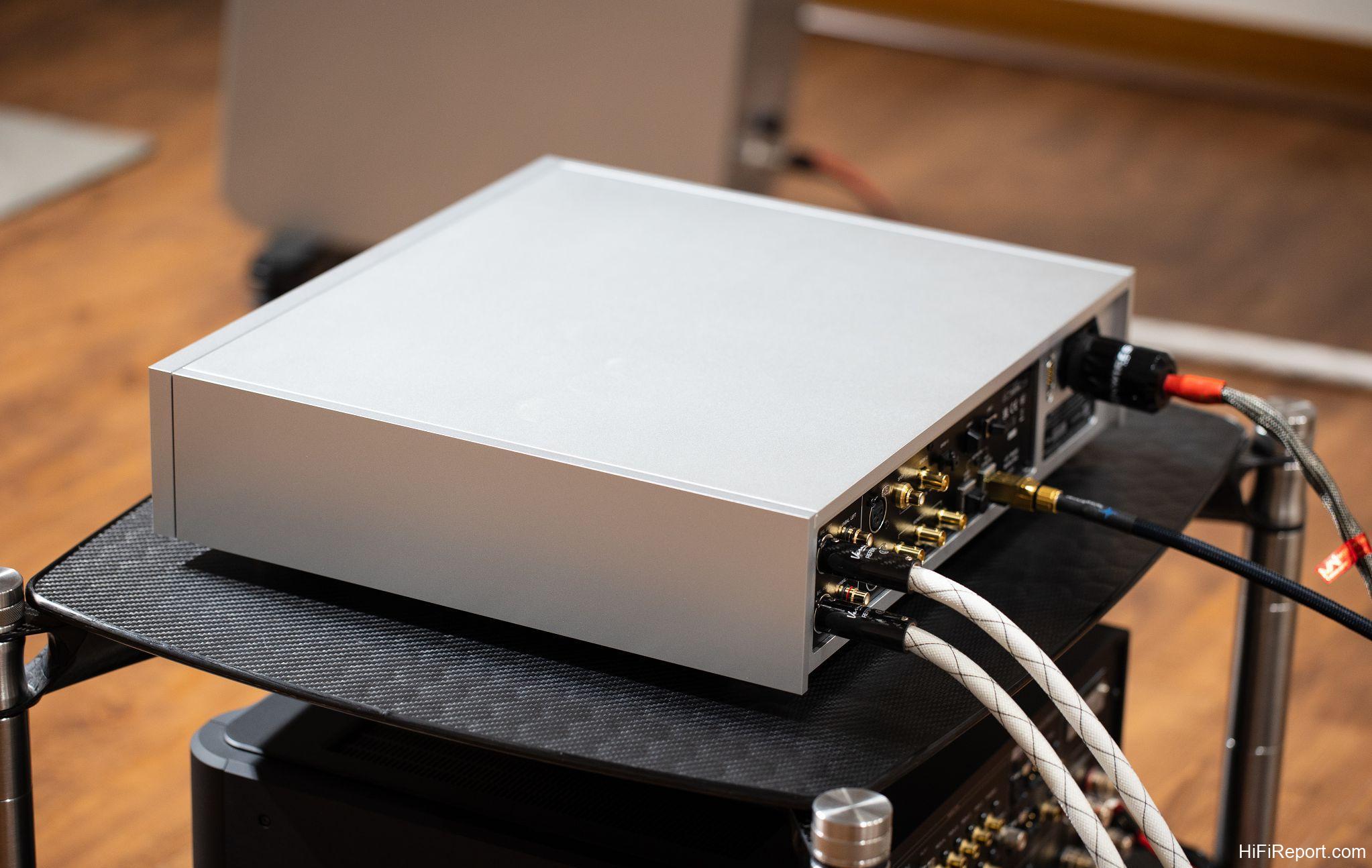
APEX Version: Identifiable by Model Designation on Rear Panel
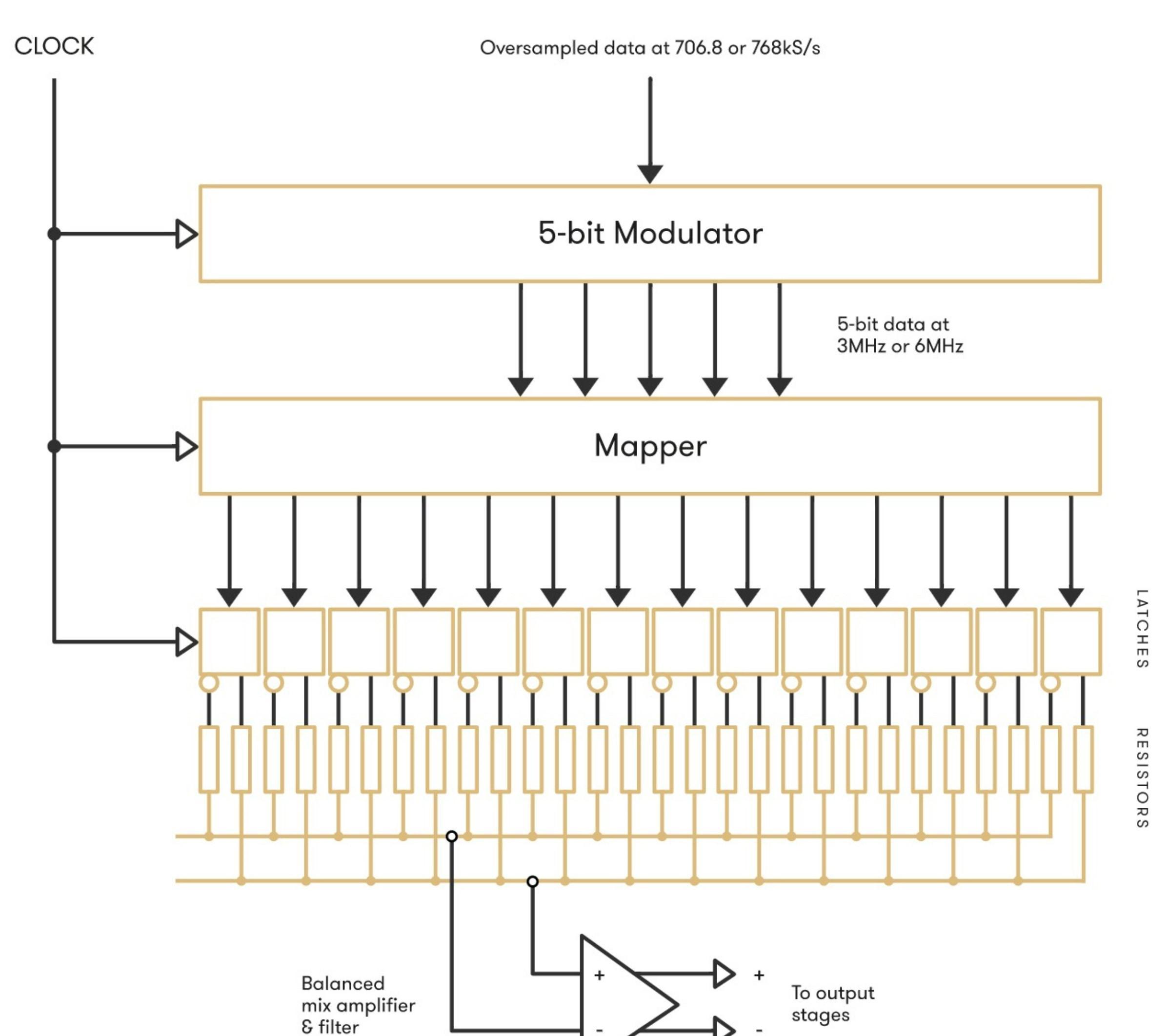
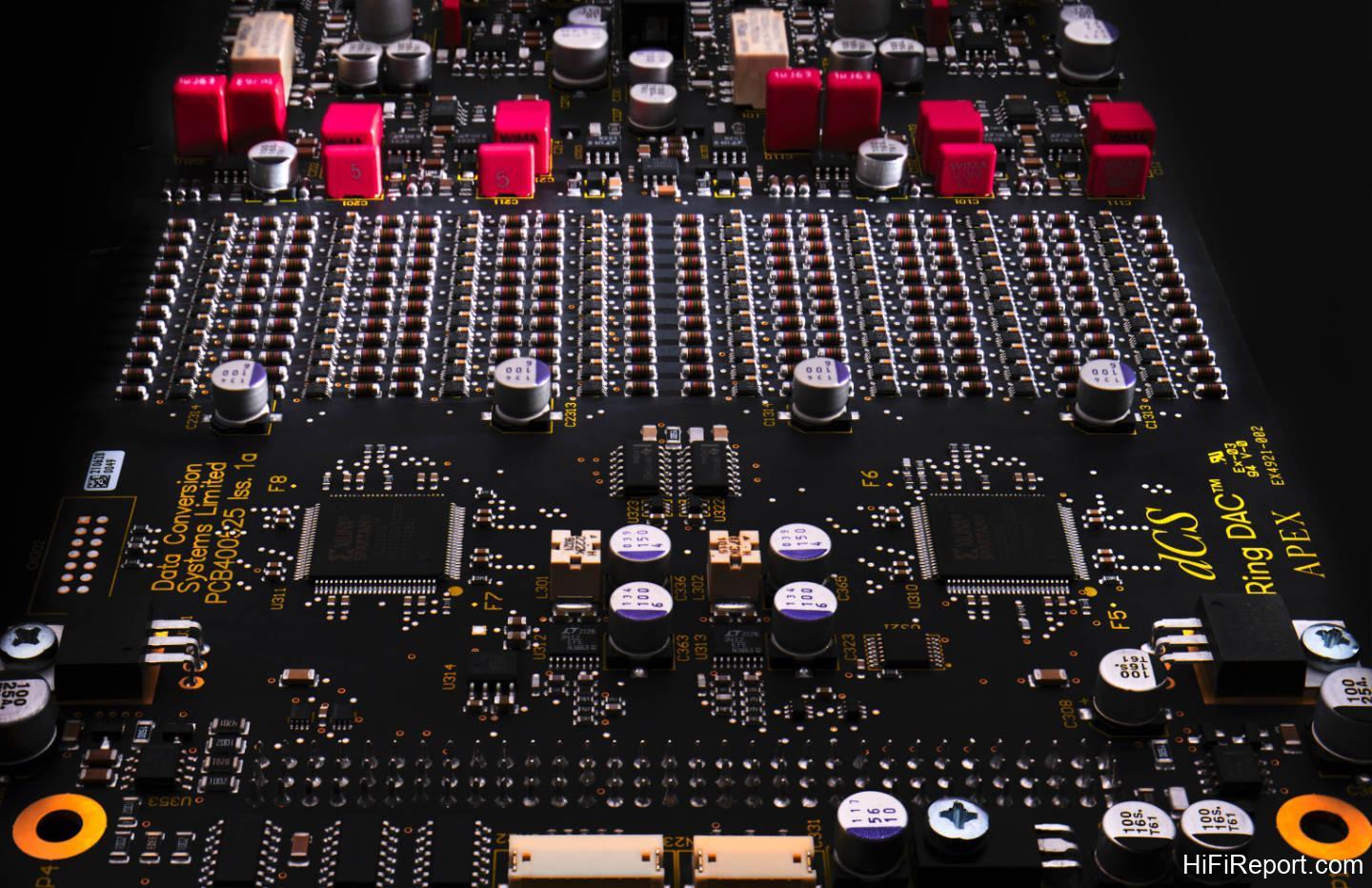
The Ring DAC architecture diagram reveals its operational principles. It first oversamples the incoming audio signal to 706.8 or 768kS/s, then converts it into 5-Bit/3MHz or 6MHz for “Mapper” processing. The FPGA contains precise mapping logic that controls the switches of “latches” at very high speeds to regulate the current output from resistors. The latch and resistor design might suggest a Ladder DAC (R-2R or Binary Weighted) approach, but the Ring DAC operates fundamentally differently.
In a typical Ladder DAC, resistor control is fixed, with each resistor switch corresponding to a fixed output bit. However, the inherent issue is that no two resistors are exactly identical, and with a large number of resistors, accumulated errors can lead to significant distortion. The Ring DAC, in contrast, manages all resistors collectively. Using proprietary algorithms, it determines which resistors to activate or deactivate to ensure consistent current output.
The current Ring DAC generation features 48 current source units, each producing an identical current. FPGA programming controls which current sources are assigned to which bits, with dynamic mapping for each conversion. This averaging approach, as reported by HiFiReport, minimizes errors from component (resistor) variations, achieving greater linearity.
Streaming and Decoding in One
dCS, as one of the most respected front-line audio source brands, consistently delivers high-quality and enjoyable music reproduction. We’ve had numerous opportunities to experience dCS equipment, whether in our own listening room, at user’s homes, audio shows, or demonstration stores. Regardless of system pairings, from high-end to more affordable setups, dCS has never disappointed. The presence of dCS is almost a guarantee of excellence.
It’s rare to hear anyone criticize a dCS component as poor, overrated, or mismatched. This has simply never been the case. When we first auditioned dCS’s dedicated streaming device, the Network Bridge, we recognized their expertise extended beyond decoding into the realm of digital streaming.
Initially, I expected dCS to continue releasing new Network Bridge models, but the company instead integrated streaming capabilities into their existing source players and DACs, comprehensively updating their product line. This allows users to enjoy the same, or even better, streaming experience without the need for an additional device.
Latest Circuitry for Significant Advancement
Since our last in-house listening session with dCS, their decoding design has undergone two major updates: Ring DAC™ 2.0 and the current Ring DAC™ APEX. The 2.0 version was a software-only upgrade, while the APEX version necessitates replacing the circuit board. If you own a non-APEX version, you can contact HiFiReport Audio to arrange an upgrade.
During our 2019 interview with dCS owner Mr. David Steven and Overseas Sales Manager Mr. Raveen Bawa, they stated that software upgrades are typically free, while hardware upgrades are chargeable. This principle likely remains consistent.
Ascending to Superior Performance
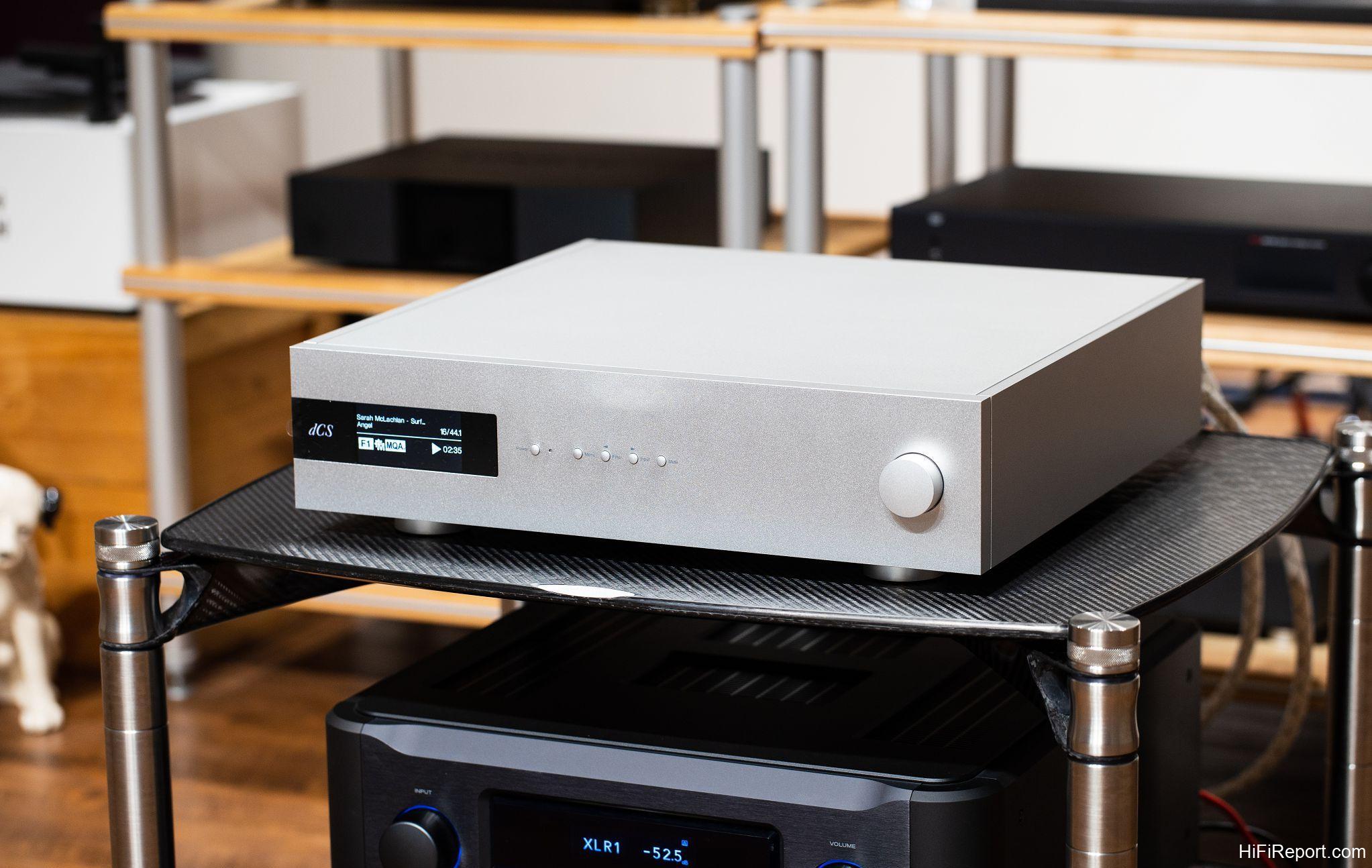
Returning to the main subject, the dCS Bartók APEX, we previously reviewed the first-generation Bartók, which was available in both headphone amplifier and non-headphone amplifier versions. This review focuses on the latest APEX version without the headphone amplifier, signifying a hardware upgrade in the decoding circuitry while retaining the signature Ring DAC™ lineage. Among the countless DACs we’ve tested, the Bartók’s elder sibling, the Rossini, left the most profound impression.
Upon initial playback, it immediately distinguished itself from competitors with its unique sound quality and characteristics – both highly resolving and refined, with complete sonic density and spatial presence. While the original Bartók didn’t evoke quite the same level of initial astonishment as the Rossini, it still maintained the brand’s inherent sonic character and quality. Frankly, there were discernible differences between the two.
However, the latest dCS Bartók APEX surprisingly reminded me of the musical enchantment I experienced with the Rossini. Considering that Rossini APEX and Vivaldi APEX sit above the Bartók APEX, one wonders about the ultimate limits of dCS’s capabilities.
Fine-Tuning for System Matching and Personal Preference
The dCS Bartók APEX is a convenient all-in-one streaming DAC. It supports the mature Roon Ready platform, which is a worthwhile addition for users who can afford this level of equipment. Regardless of whether you use Roon for music management, the dCS Mosaic APP is highly recommended. It serves not only as a music playback interface but also as a comprehensive remote control. Within the Mosaic control app, you can configure all functions of dCS devices, including the Bartók.
dCS equipment offers extensive digital processing options. Upsampling can be set to DXD, DSD, or DSDx2. Multiple digital and DSD filter settings are available. Even the analog output stage offers three selectable options. This means a single device can be configured in numerous combinations to fine-tune the final sound. These adjustments can be particularly useful when changing amplifiers, speakers, or even cables.
During the listening sessions, I experimented with different settings and found the differences to be subtle. Some combinations offered a richer sound, while others provided a cleaner presentation. However, the fundamental sonic character remained consistent. Sometimes, without careful listening, it was difficult to discern the changes. Users are encouraged to experiment boldly.
Voltage Output Selection for Amplifier Matching
Bartók APEX also offers selectable output voltage levels. Most users will likely choose between 2V or 6V, seeking the best match for their amplifier. Generally, 2V output might offer slightly better sound quality, but amplifier input sensitivity must also be considered. A 2V output might not always outperform 6V in a complete system. Some amplifiers may exhibit distortion or noticeable degradation with excessive input voltage, which is not an issue with the source itself.
Consulting the amplifier’s manual for maximum input voltage specifications is advisable. Selecting 2V output generally avoids such issues.
Comprehensive and Excellent Sonic Performance
Listening to Anne-Sophie Mutter and Herbert von Karajan’s “The Solo Concertos” streamed from Qobuz via Bartók APEX, the overall sound quality was exceptionally smooth and refined, with a radiant and transparent quality. The listening experience was stable, clear, bright, and expansive. The violin’s tone was captivating, like a performer spotlighted in the darkness, drawing the listener’s attention.
The bow-string interaction was both silken and nuanced, with a rich and detailed texture, yet never harsh. The sound had high density and countless subtle details, presenting a stable and rich sonic picture. When the orchestra joined, the sense of layering and soundstage spaciousness was grand and imposing. Bartók APEX doesn’t offer a delicate, small-scale presentation but rather a combination of micro-detail retrieval and large-scale authority.
It is both resolving and transparent, while maintaining high density. Crucially, it makes music sound balanced, pleasing, engaging, and never boring, superficial, or exaggerated. The result is a musically satisfying and enjoyable reproduction.
Richness Enhanced by Clear and Abundant Detail
Playing The Civil Wars’ cover of “Billie Jean” as a reference, the dCS Bartók APEX rendered musical details with remarkable clarity. Subtleties that are often overlooked became clearly audible, making it effortless to appreciate every corner of the music. The opening guitar strings revealed a beautifully rendered mid-bass, not just in a monotone manner, but with layers that surprised the listener with an extra level of depth.
The entire musical image felt noticeably closer, yet without any sense of compression. The proximity didn’t sacrifice the panoramic view but rather delivered an exceptional picture where no detail was missed. From the fleeting yet vivid plucking sounds in the background to the singer’s almost inaudible chuckle, as if lost in the performance, the music’s richness was elevated to a new level.
The depth of sonic layering was equally impressive. Perhaps due to the closer sonic perspective, the dynamic range of The Civil Wars’ vocals, from gentle to powerful, emerged with remarkable vividness. After repeated listens, the subtle movements, gestures, and lip articulations of the two singers became almost visually perceptible. Even the vocal tremors at the highest notes added significant emotional depth, making the experience endlessly captivating.
The soundstage dispersion was also well-balanced. The initial guitar seemed to originate from both sides, but as the song progressed, it became clear that there was no separation between left and right. The excellent soundstage dispersion seamlessly integrated the instrumental and vocal elements. The overall sonic presentation was harmonious and abundant.
Sculpted Sound with Rich Layers
Next, listening to Freya Ridings’ “Lost Without You” as a reference, the sound presentation was remarkably focused. Freya Ridings’ voice was clear and pristine, with exquisite sonic detail. In the softer, gentler passages, the sound was silky and delicate, tickling the ears and creating a tingling sensation during focused listening. The dynamic control presented by dCS Bartók APEX was a delight. From powerful and resonant to breathy and ethereal, neither dynamic extreme felt thin or weak.
Instead, the sound was vividly sculpted, with a contoured and exquisite sonic outline. The gentle passages drew the listener in, following every breath, while the powerful moments showcased the sound’s expansive energy, radiating outwards with varying degrees of intensity. The entire song was rich in layers.
The beautiful sound delivered by the dCS Bartók APEX also effectively conveyed the emotional depth of the lyrics and melody. Both the song’s beginning and end were deeply moving. At the song’s outset, the low-frequency accompaniment, coupled with the silent, inky-black background, created an ethereal and intangible feeling that filled the space. As the soft, breathy vocals began, a subtle sense of melancholy gradually permeated the room.
Towards the song’s conclusion, the piano notes, gentle, slow, yet luminous, twinkled against the same black backdrop, like stars in the night sky. Paired with breathy vocal flourishes, the beginning and end echoed each other, allowing the song’s emotion to build from shallow to deep, then recede from deep to shallow, gently enveloping the listening space. Upon the song’s completion, even breathing seemed to become heavier.
Beautiful Timbre and Pleasing Sonic Depth
Finally, listening to James Bay’s “Let It Go” as a reference, the dCS Bartók APEX again presented a highly focused sound with exceptional clarity. The soundstage imaging was remarkably precise, making it almost possible to pinpoint the singer’s location in front of the listener, creating a and realistic sensation. The bass presentation was expansive, yet not overly close to the listener.
Despite the apparent distance of bass elements like the drums, the listening experience was not lacking in low-end presence. Instead, it was comfortable and well-balanced. When the drums appeared upfront, the initial impact wasn’t overly forceful or close, but it was followed by a gradual spread towards the listener, without any perceived loss of energy. The well-defined bass, even as it reached the listener, remained pleasing and controlled.
Therefore, while the bass was expansive, the overall sensation was balanced. Although not immediately upfront, the bass presence remained ample.
The dynamic handling was also intriguing. When the sound, whether vocal or instrumental, was richer and fuller, it not only felt closer but also more prominent and impactful. However, when the sound receded into softer, gentler passages, it might have seemed slightly further away, but its presence never diminished. Instead, it simply became more mellow. Furthermore, the instrumental passages at the song’s beginning were exceptionally beautiful. None of the high notes felt harsh or piercing.
Instead, they had a rounded quality. Simultaneously, the notes maintained a dense yet distinct separation, neither overlapping nor blurring. Each sound was both connected and individually clear, without any sense of muddiness. All these aspects demonstrated that the dCS Bartók APEX delivers a sound that allows listeners to appreciate music with excellent control, beautiful sonic characteristics, and clear detail retrieval.
**dCS Bartók APEX Digital Streaming DAC**
**Features**
* Latest generation dCS digital processing platform
* Employs the same dCS Ring DAC™ technology as the flagship Vivaldi
* Stream Tidal, Qobuz, Deezer, and internet radio via dCS Mosaic Control app
* Supports Roon Ready, AirPlay, Spotify Connect, UPnP
* Supports USB, AES, Dual AES, and S/PDIF digital inputs
* Supports UPNP, asynchronous USB and Apple AirPlay, AES and S/PDIF digital music streaming
* Dual AES input for encrypted SACD data from dCS Transport
* Multiple Oversampling options, upsampling to DXD, DSD, or DSDx2
* Multiple PCM and DSD filter modes
* Auto clocking system minimizes jitter
* Firmware upgradeable for future software updates
Specifications
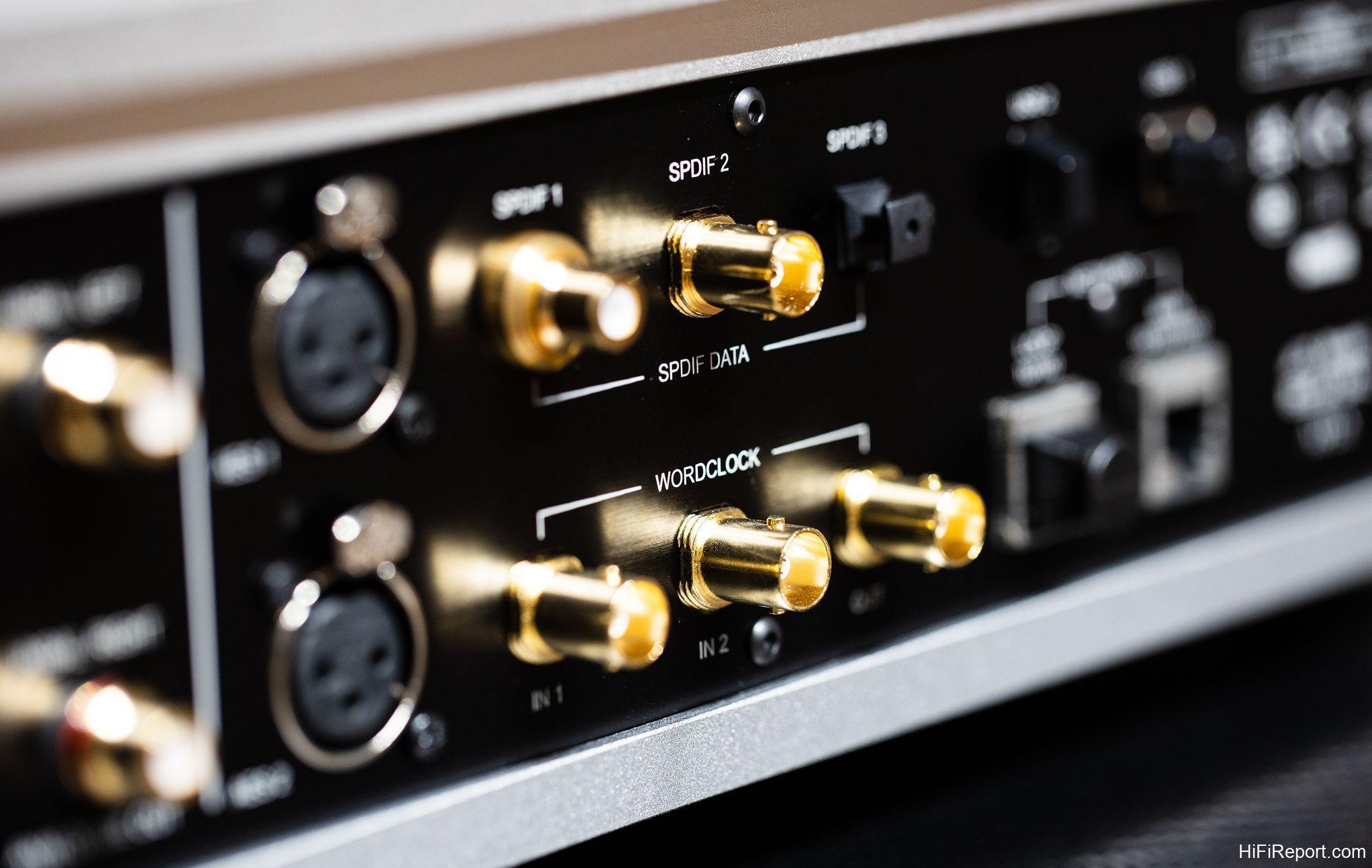
* Digital Inputs: Network RJ45, USB Type B, USB Type A, 2 x AES/EBU, 1 x SPDIF on RCA, 1 x SPDIF on BNC, 1 x SPDIF optical on TOSLINK
* Analog Outputs: XLR balanced x1, RCA unbalanced x1
* Digital Filters: PCM x6, DSD x5
* PCM Upsampling: DXD, DSD or DSDx2
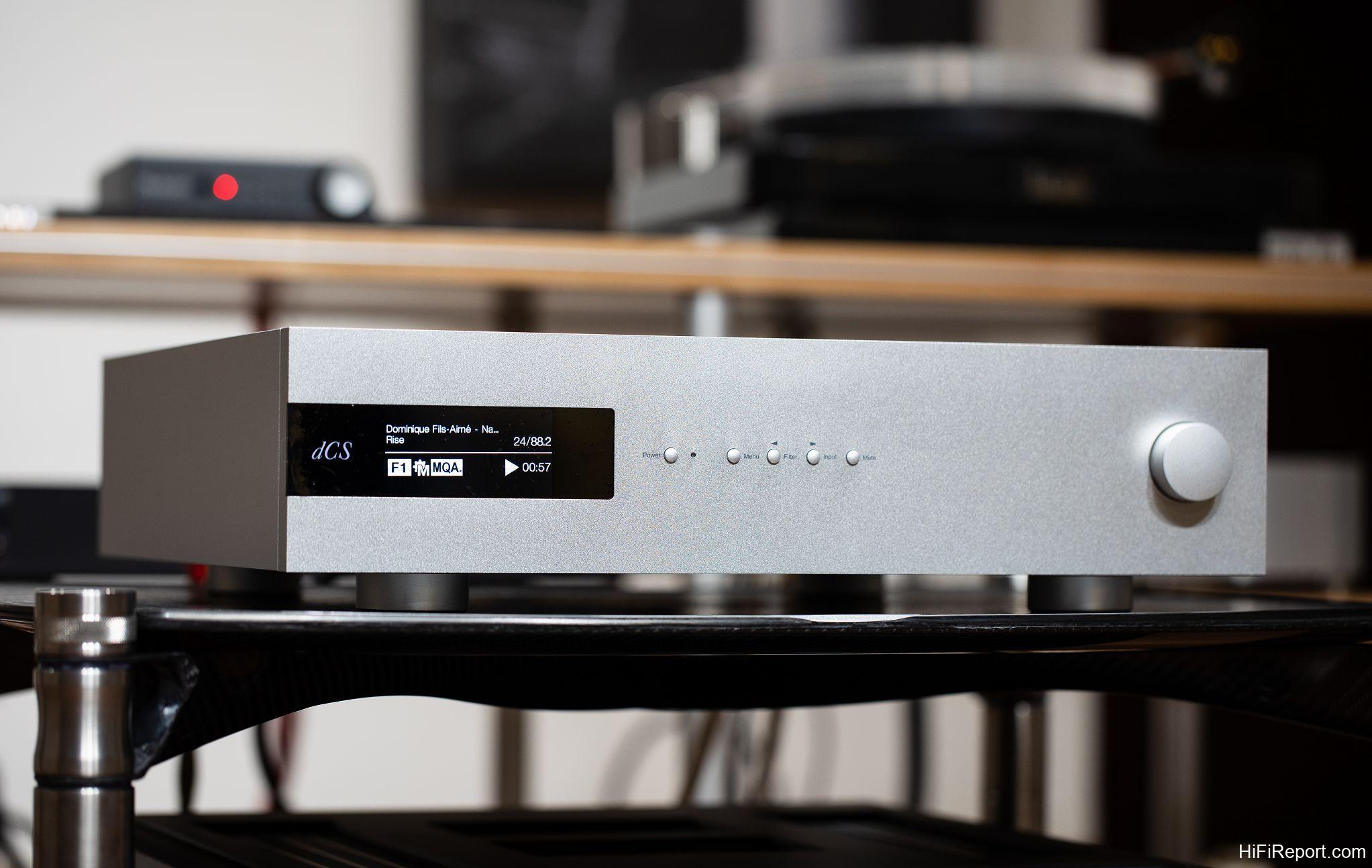
* Dimensions: 444 x 430 x 115mm
* Weight: 16kg