
DELA S5 Network Switch Review
Earlier this year, we reviewed the Melco Audio S1 Switch, the flagship network switch, which is arguably the pinnacle of the current high-end market. Not long ago, the manufacturer released the DELA S5, a sub-flagship model based on the core technologies of the S1, and the subject of our current review. As you may have noticed, Melco Audio has rebranded as DELA. DELA was originally reserved for products sold in Japan, while Melco Audio catered to international markets.
After evaluating group integration, parent company Buffalo Inc officially unified its high-end audio brand under DELA in July of this year. Beyond the name change, products and services remain consistent. The S5 is particularly significant as it marks the first product released under this unified brand identity.
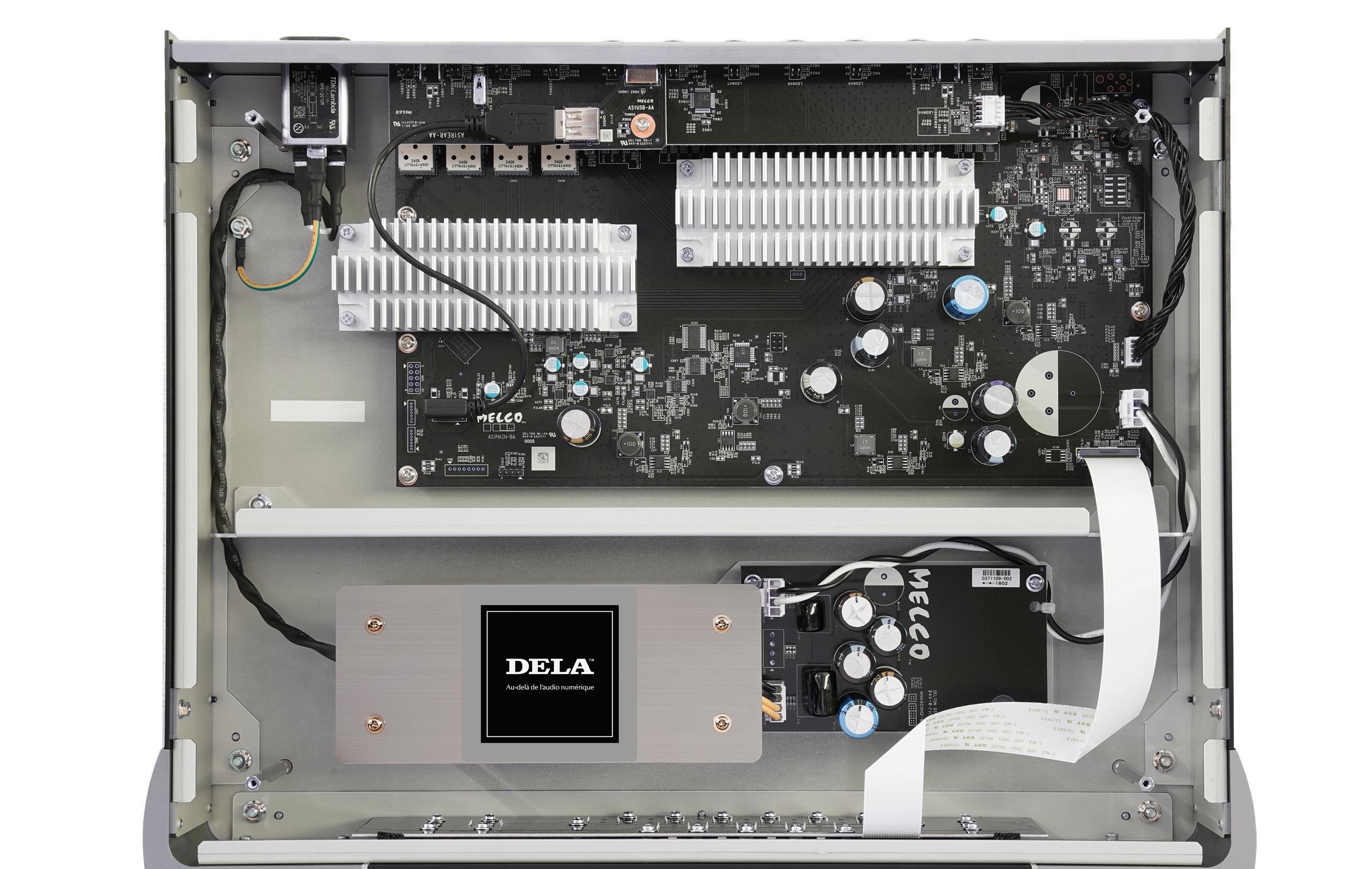
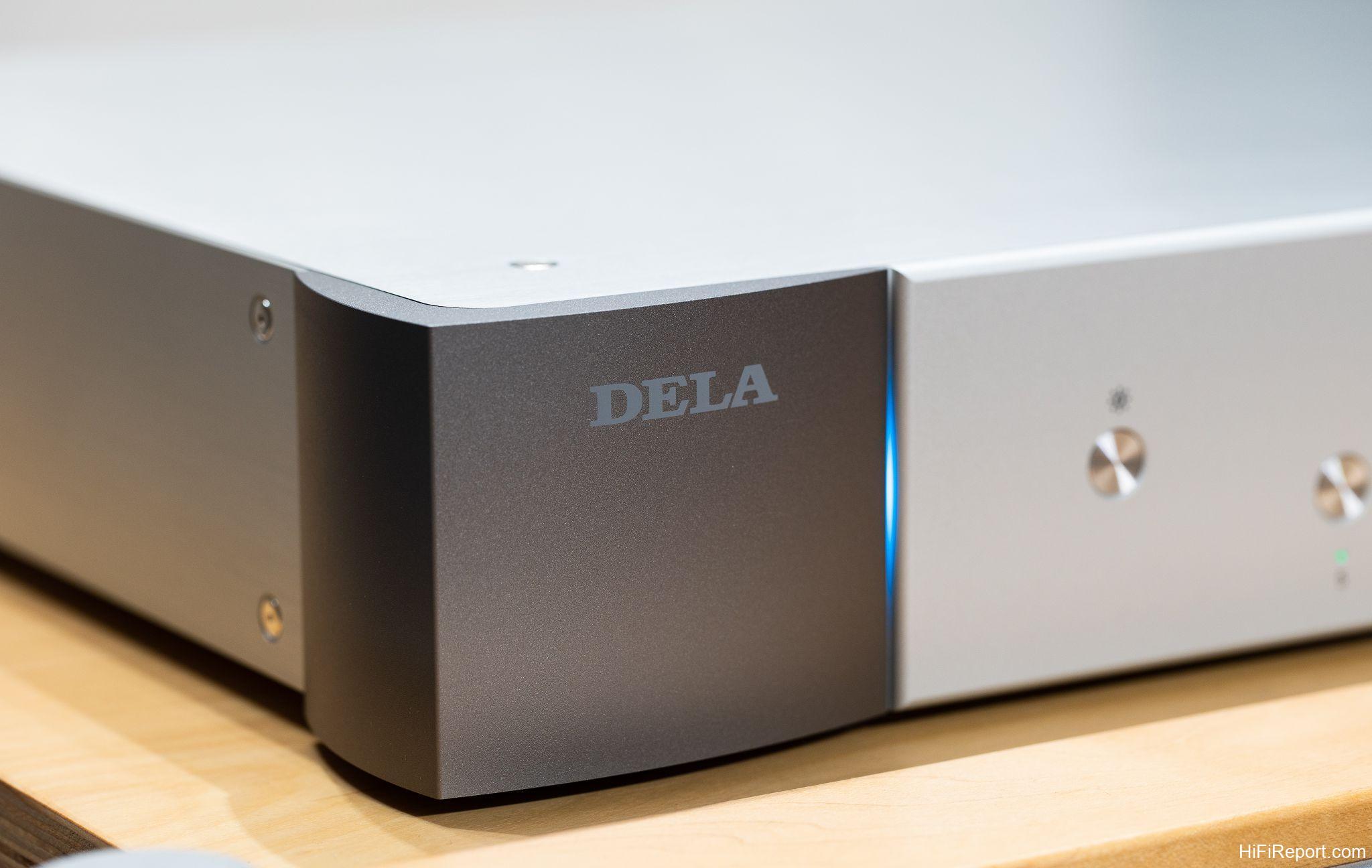
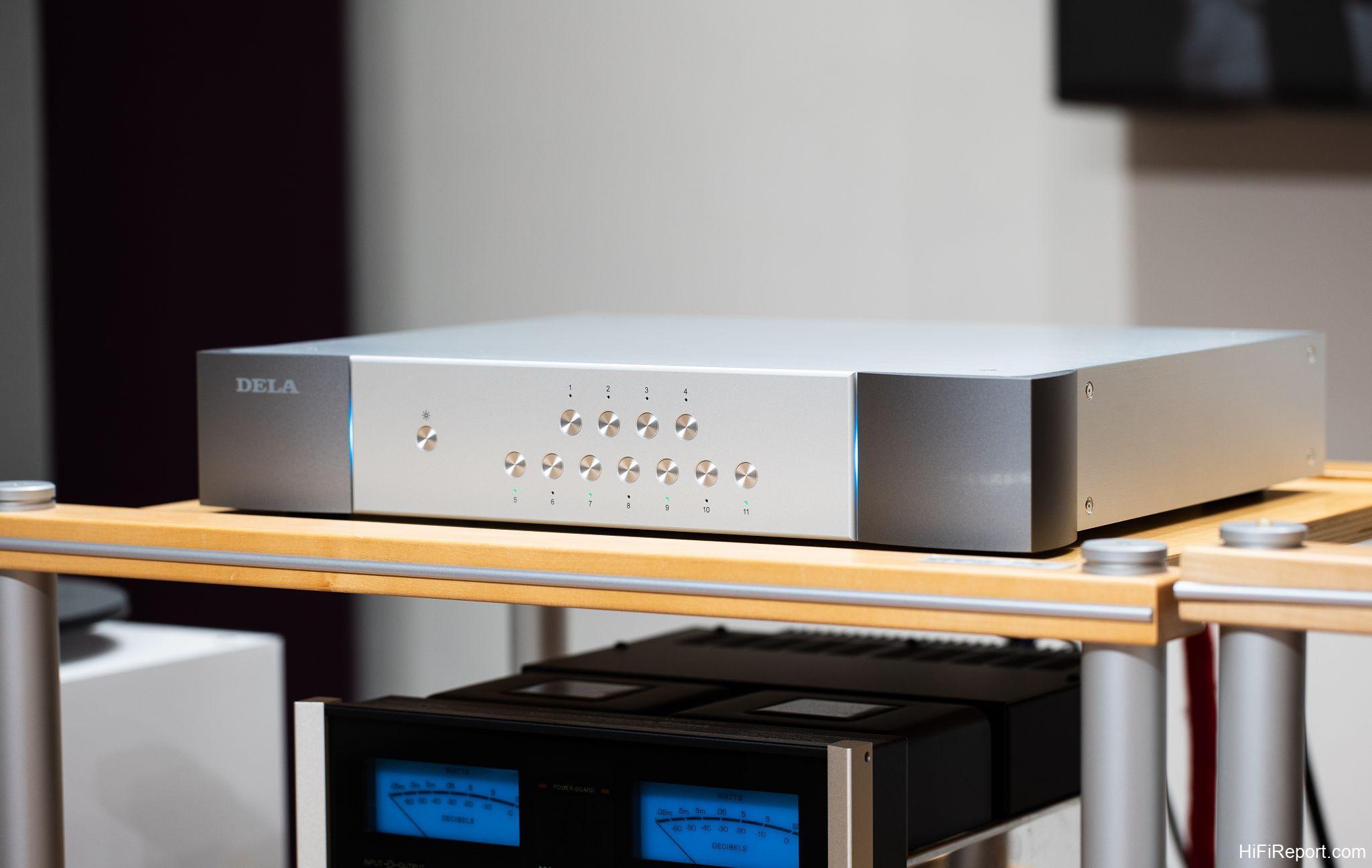
Outwardly, the S5 bears a striking resemblance to the S1. However, the S1 features a double-layer chassis design, whereas the S5 utilizes a single-layer chassis. The DELA logo on the S5 is also screen-printed. Internally, the S1 employs a linear power supply, while the S5 incorporates DELA’s newly developed “Super Clear Dynamic Power Supply” switching power supply. Both the S5 and S1 share the same NDK ultra-low jitter master clock, though the S1 offers an additional external clock input.
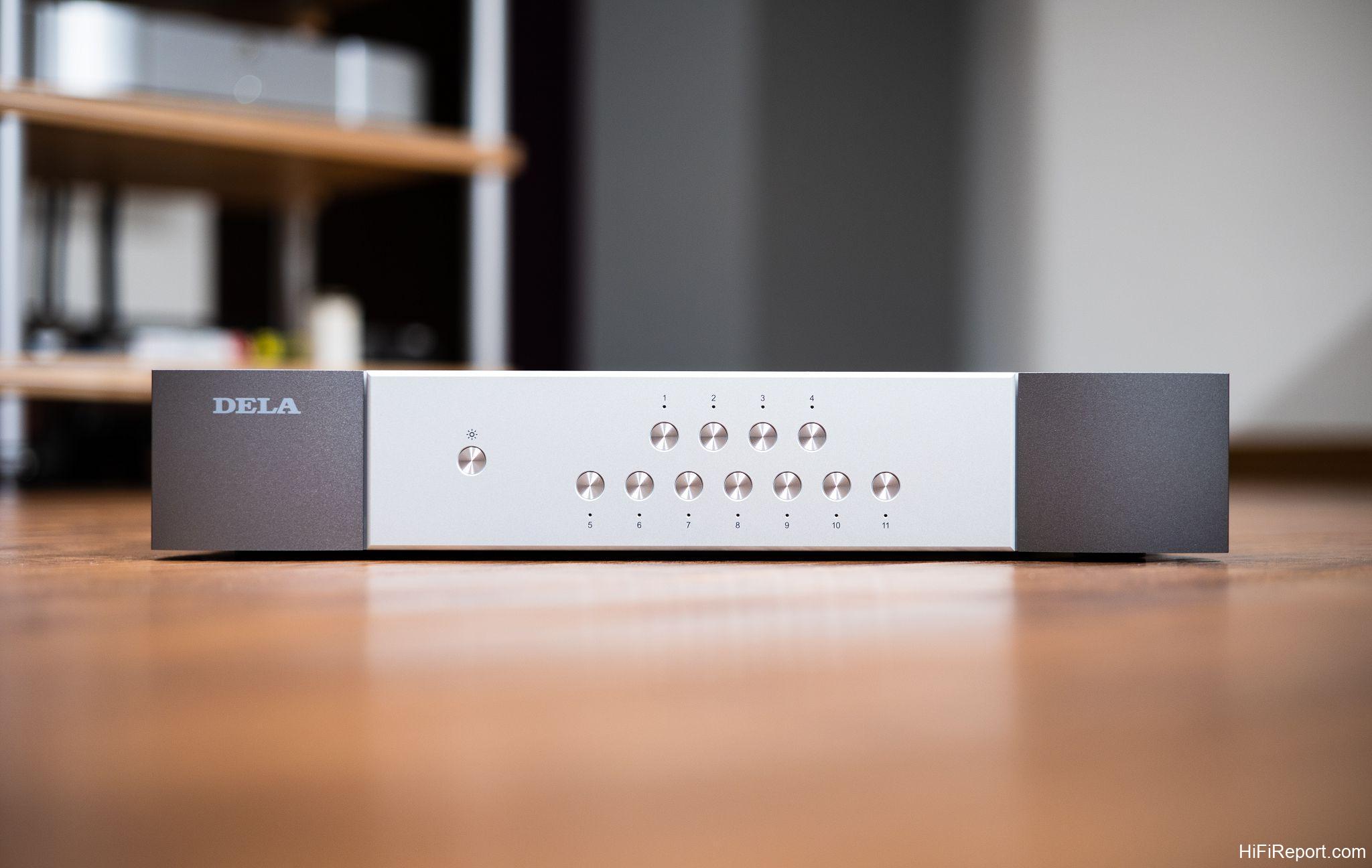
In essence, the S1 represents the ultimate choice, designed without compromise, while the S5 offers a more cost-effective solution, balancing performance and value.
In-House Production, Nagoya Factory Craftsmanship
DELA’s products are meticulously manufactured at their own factory in Nagoya, Japan, by a team of highly experienced and skilled technicians.
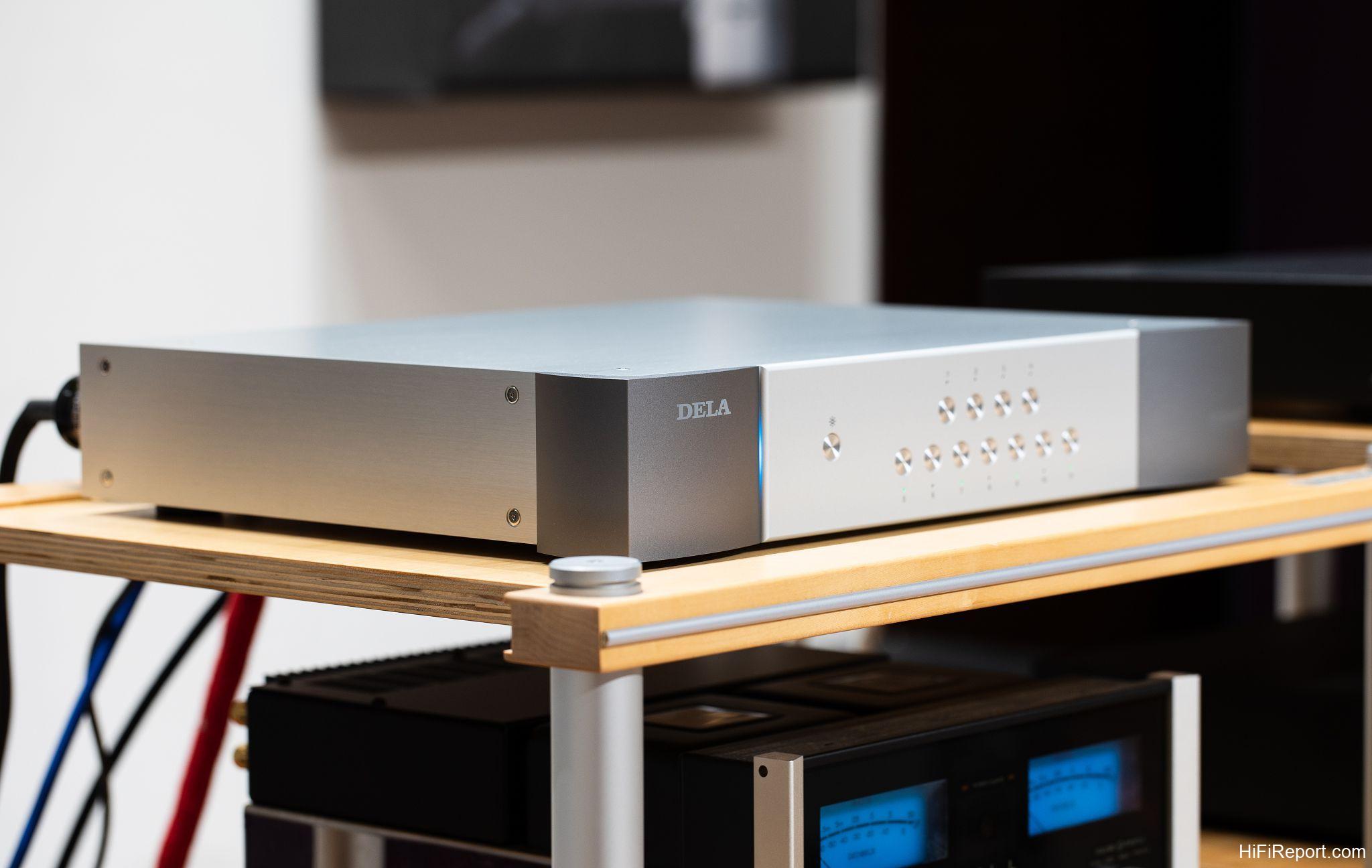
Model Variants: S5-X (Silver), S5-XB (Black)
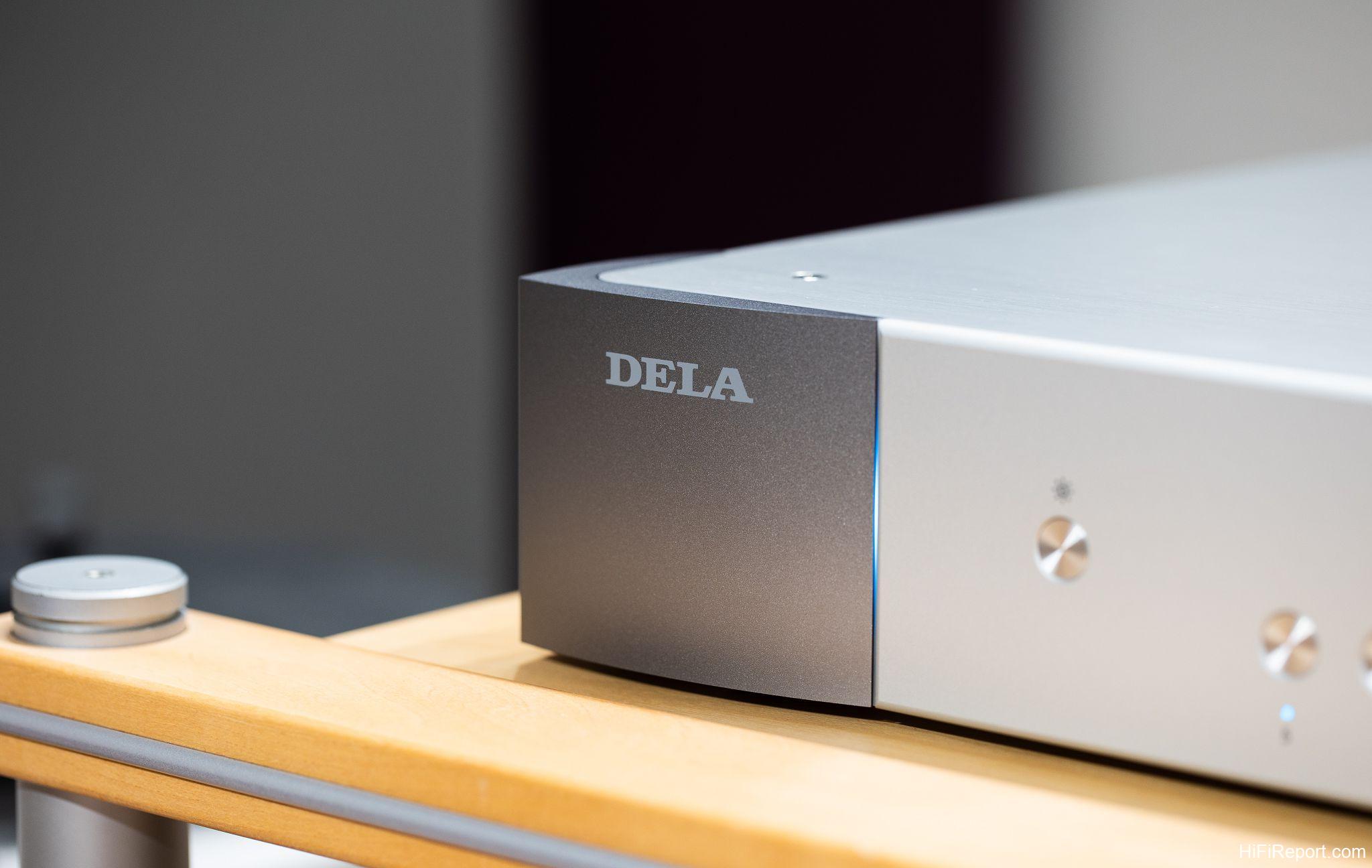
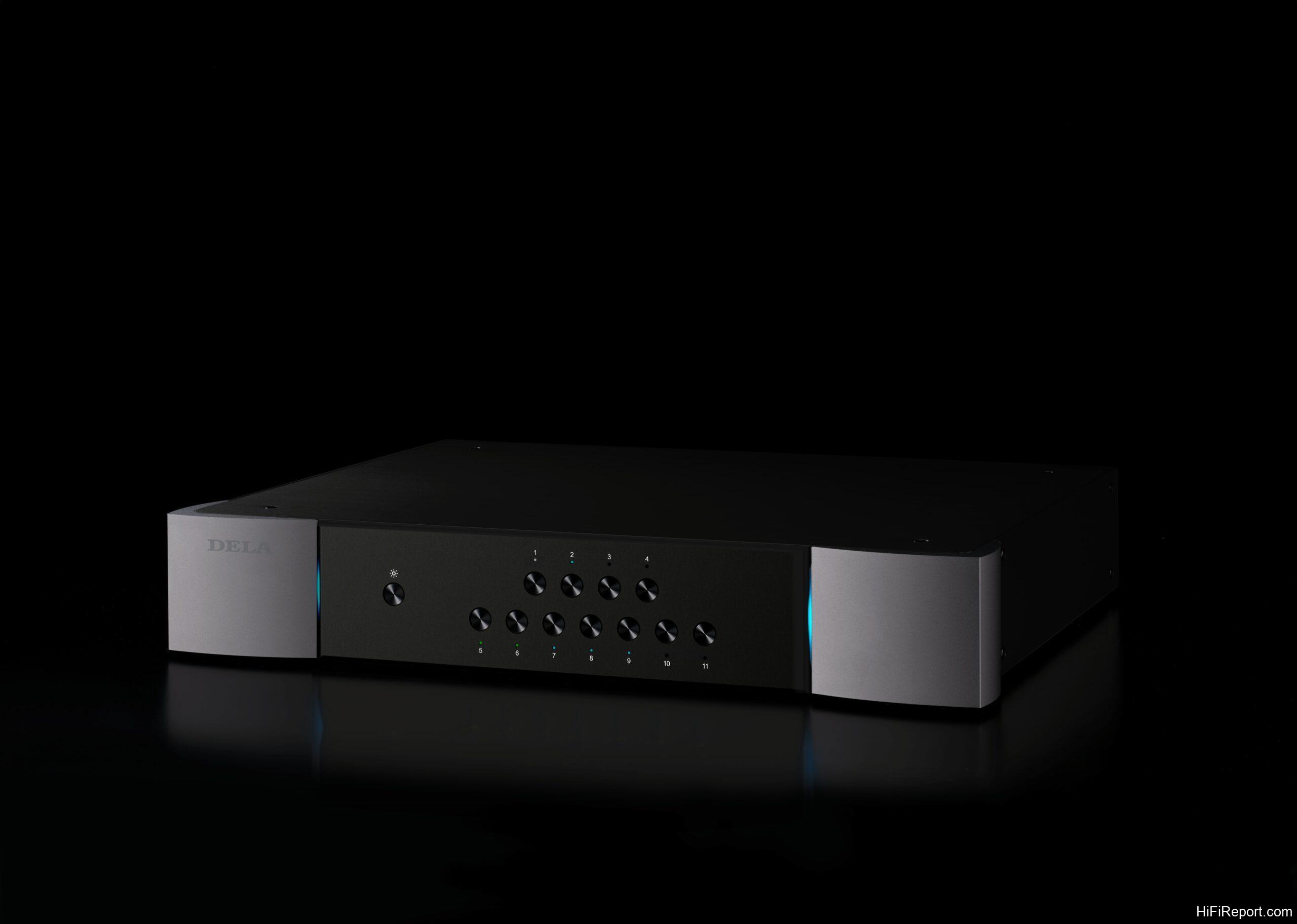
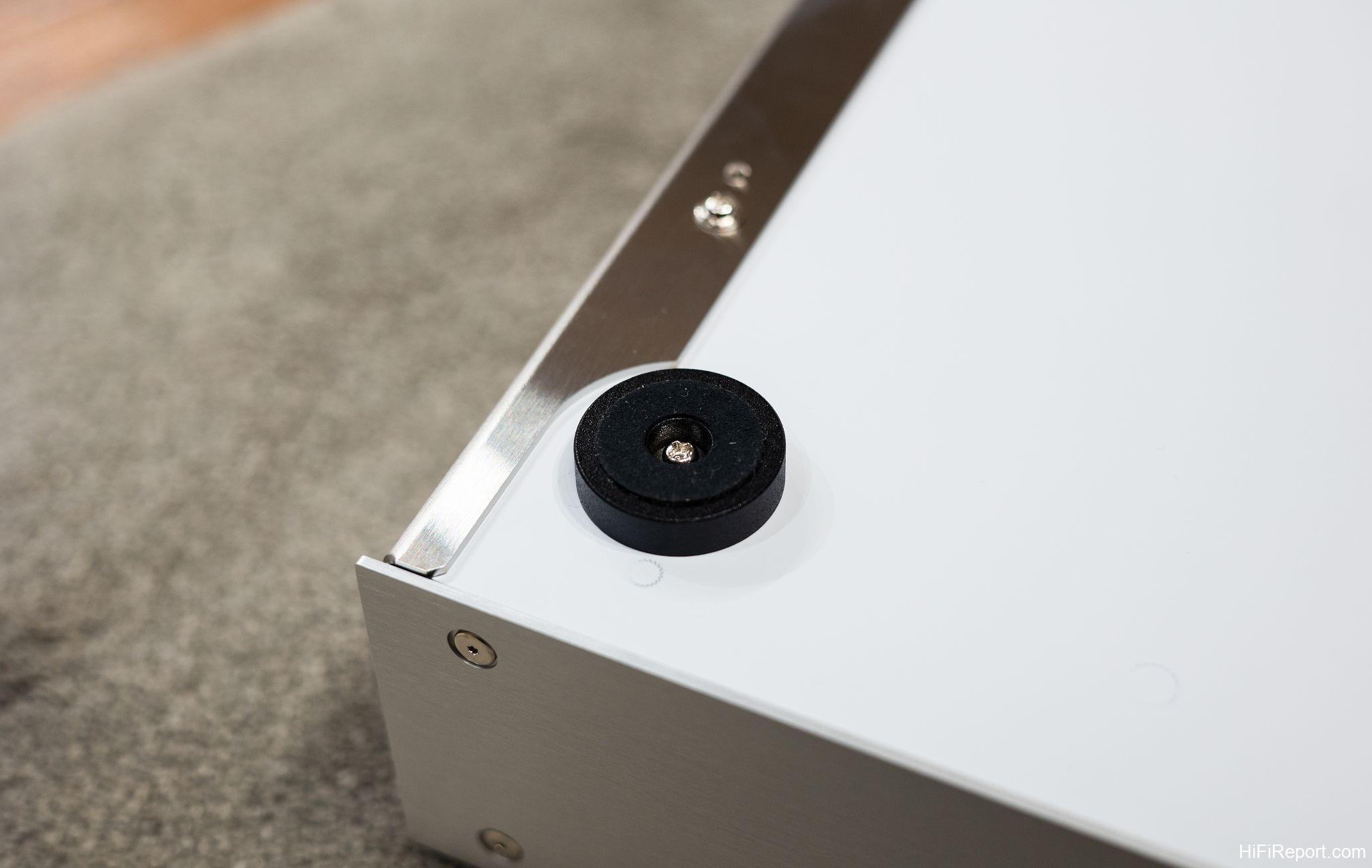
The S5 chassis features HS-CC (Highly Stable Chassis Construction), with an aluminum alloy top cover and side panels. The rear panel is made of brushed stainless steel, and the bottom plate is a substantial 3mm thick steel, contributing to its considerable weight and stability. A single button on the left controls the LED brightness. The upper row of buttons (1-4) manages the SFP+ ports, while the lower row (5-11) controls the RJ-45 ports.
Each port can have its transmission speed independently set (RJ45 at 10/100Mbps or 1Gbps; SFP+ at 1Gbps or 10Gbps) or be completely disabled. Disabling unused network interfaces helps reduce potential interference.
Each network port has a corresponding LED indicating its operating speed, and a master switch can turn all LEDs off. The RJ-45 connectors are Neutrik components. Additionally, there’s a USB power supply port (DC5V, 0.9A MAX).
The area marked “DELA” signifies the “DELA Super Clear Dynamic Power Supply” switching power supply. The internal clock, like the flagship S1, utilizes a high-precision NDK component.

Next-Flagship Performance
The DELA brand might feel both unfamiliar and somewhat recognizable to audiophiles. This is because it is the new brand name for Melco, which has been available for many years. Historically, the manufacturer used different brand names for the Japanese domestic market (DELA) and overseas markets (Melco) for identical products. This year, they finally unified the branding, using DELA consistently both domestically and internationally, which enhances brand recognition.
The DELA S5 Switch is the first product launched under this new unified brand name, and we received it for testing even before its official release. The S1 Switch remains the brand’s flagship network switch, with the S5 inheriting the S1’s core technologies and design architecture to become the sub-flagship. It is currently one of only two full-sized (440mm wide) network switches in the brand’s lineup.
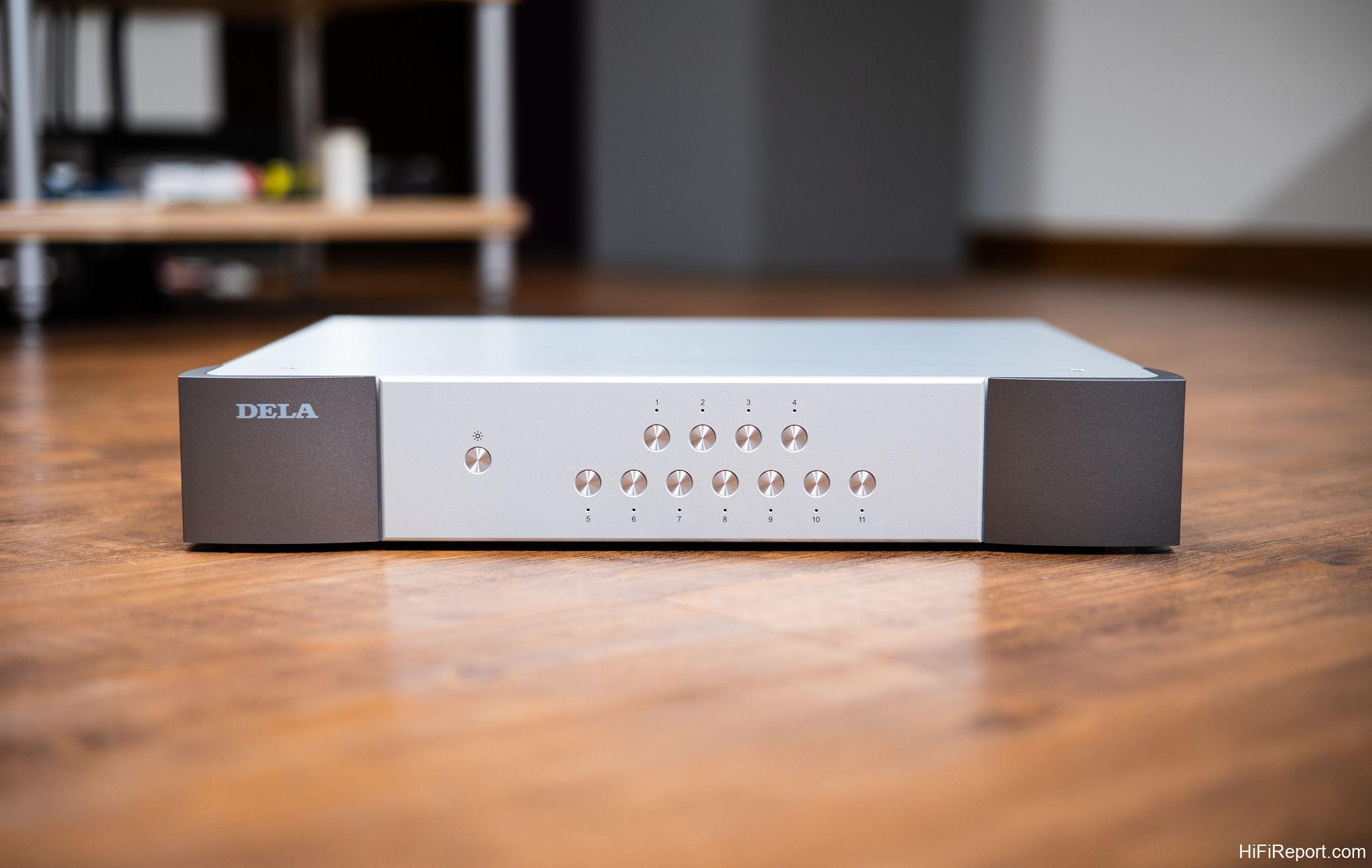
Visually, the two are extremely similar, differing only slightly in the chassis top cover and side panels, yet they are quite easy to distinguish. The S1’s top cover sits higher than its front panel, and its four corners on the side panels feature metal curved edges. The S5’s top cover is flush with the front panel, and only the two front corners of its side panels have metal curved edges.
Furthermore, the S1 provides an external 10MHz clock input, allowing users to choose between the internal clock or an external one via a BNC connector, a feature absent on the S5. Therefore, users should consider their need for an external clock when choosing between the two models.
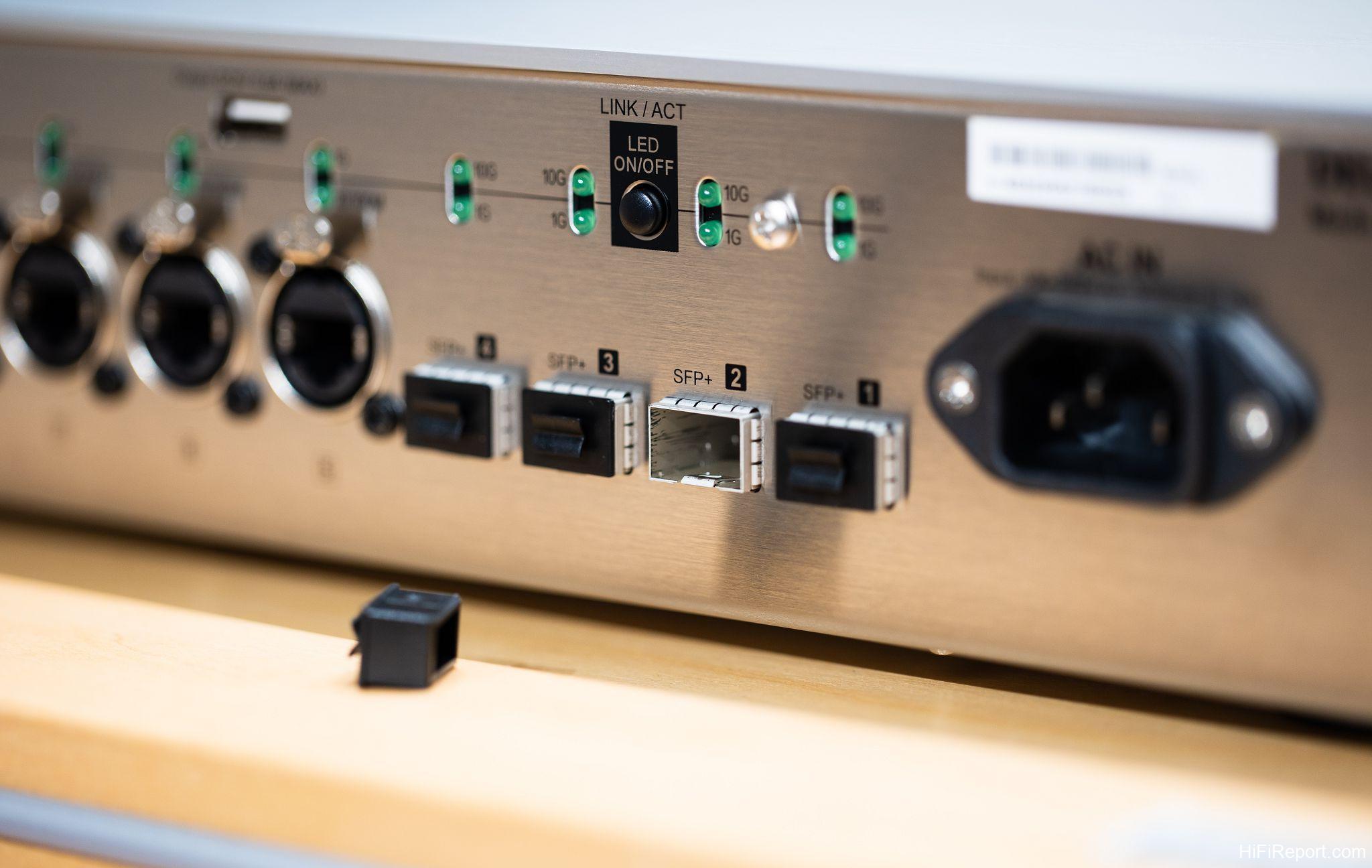
11 Variable Speed Ports
Both the S5 and S1 feature increased spacing between terminals and enhanced isolation, a design aspect gaining traction among network switch manufacturers. We can infer that closely spaced terminals or insufficient isolation likely lead to undesirable mutual interference. Both models offer speed switching for each terminal. The RJ45 terminals have four selectable settings: 1 Gbps, 100 Mbps, 10 Mbps, and off. The four SFP+ ports have three selectable settings: 10 Gbps, 1 Gbps, and off.
SFP fiber optic transmission is primarily suited for long-distance signal transmission, for instance, if your network switch is tens of meters from your internet service provider’s router. When using SFP fiber input, an additional input module must be purchased, and the circuit board of this module can significantly impact sound quality. We recommend consulting with the distributor or manufacturer for recommended module brands if you plan to use this feature.
Detailed Speed Differences
Our previous review of the flagship S1 network switch was nothing short of astonishing; the improvements it brought were immense. Naturally, our expectations for the S5 sub-flagship were equally high. Our testing focused not only on the S5’s absolute improvement capabilities but also on how significantly different transmission speed settings would affect performance. We began by enabling all transmission ports but only utilized four RJ45 ports, mirroring the setup of other network switches.
These four ports were connected to an external router, a Roon Core Nucleus, a NAS storing music files, and finally, a digital streamer. Ports 1-4 on the S5 are SFP+ ports, which we did not use and therefore kept all of them disabled during testing. Ports 5-11 are RJ45 ports. Since we only needed four, we connected to ports 5, 7, 9, and 11, leaving one port open between each connection.
This spacing was adopted under the assumption that terminal interference could be an issue, though it poses no problem if such interference is absent.
Rounded, Vivid Sound
Initially, we enabled all RJ45 transmission ports and set the speed to the highest 1 Gbps for listening. Using Hilary Hahn’s “J.S. Bach: Violin Concertos” as a reference, the DELA S5, compared to our previous network switch, exhibited a particularly crystalline clarity in its roundness and luminosity. The music’s vividness and liveliness were incredibly delightful. The sound possessed an aesthetic beauty, coupled with an organized and stable overall presentation.
The DELA S5’s contribution to sound quality was as immediately noticeable and outstanding as our initial experience with the flagship S1. Next, using the same tracks, I listened after disabling the unused transmission ports. With these ports off, the soundstage seemed even more expansive, and the overall scale of the performance felt grander.
Lower Speed, Greater Cohesion, Stability, and Quietness
Referencing Bruno Mars’ “24K Magic,” a track rich in bass and vocals, the difference between having all transmission ports open and disabling unused ones was stark. This was especially evident in the cleanliness of the mid-bass. With ports disabled, the sound demonstrated greater cohesion, image fuzziness became harder to detect, and the overall musical picture appeared cleaner.
Next, I experimented with the transmission speed of the port connected to the digital streamer, changing it from 1 Gbps to 100 Mbps, and then to 10 Mbps. I discovered that at lower speeds, the sound became remarkably quieter, conveying a sense of greater mid-range and low-frequency cohesion, with purer and cleaner tonal quality. The contrast between 1 Gbps and 10 Mbps was quite noticeable, and I observed the same effect with other albums.
Listening again to music with more prominent mid-to-high frequencies, including “J.S. Bach: Violin Concertos,” the sound foundation felt more stable at lower transmission speeds. In the high frequencies, the already minimal harshness was further reduced. In comparison, the overall sound quality at lower speeds was indeed superior, offering a more magnificent sonic depth.
However, given that 10 Mbps is a very low speed, we were concerned about its capacity for high-resolution file transmission. I continuously tested various audio files. High-resolution files from Tidal and Qobuz played smoothly without any issues, as did DSD 64, even with quick switching and scrubbing through playback. However, DSD 128 files occasionally paused due to insufficient speed. Switching to 100 Mbps entirely resolved this concern, and the sound remained superior to 1 Gbps transmission.
I believe this functionality perfectly aligns with audiophile standards.

Dynamic Prowess, Heightened Emotional Atmosphere (Wacko Wang)
For this review, we first listened to music using our existing switch before switching to the DELA S5 for comparison. Our first reference track was “My Father’s Father” by The Civil Wars. With our original switch, the sound quality was already impressive; the guitar performance was lively, full-bodied, and luscious, with agile, solid, and coherent playing. The overall instrumentation exuded a weighty elegance combined with a lively dynamism.
The male vocals revealed a gentle timbre, with delicate airiness at the edges, light yet focused. The female vocals were incredibly silky, conveying sincere and rich emotion, spreading a mellow richness throughout the music.
Upon switching to the DELA S5, the guitar strings sounded even more vibrant, with noticeably fuller dynamics. The upward, downward, and forward movements of the sound were more pronounced, and the individual notes felt rounder and more substantial. While maintaining the original cohesion and rich character, the sound, even as it brushed past the ear, immediately conveyed a superior overall dynamic range. For the vocals, while retaining their original strengths, they sounded more grounded.
For example, the airiness at the edges of the male voice remained excellent, but the sound was deeper, and the gentle character more profound. The female vocals were still silky, but the vocal lines felt more focused and substantial, intensifying the tender atmosphere.
Optimal Spacing, Deeper Layers
Next, we turned to “Big Jet Plane” by Angus & Julia Stone as a reference. Again, we first listened with our original switch. The guitar chords were fast and decisive, with a slight resonant trailing edge at the decay, clearly depicting the texture of the vibrating strings while conveying a crisp and elastic quality. The bass performance offered good layering and density. The low frequencies emanating from the strings were clean and stable, not overly exaggerated but gently spreading.
The bass subsequently introduced by the drums carried ample weight, with dense and solid texture, complementing the other instruments. The steady background further highlighted the joyful rhythm, creating a rich contrast within the track that was already quite satisfying.
Switching to the DELA S5, I personally found the instruments themselves sounded cleaner, and the perceived distance between them increased slightly. For instance, the opening instrumental interplay and sounds felt more spacious, and the guitar strings sounded cleaner. The notes, gliding past the ear, immediately refreshed the soundscape, spreading elegantly to both sides.
Furthermore, the sound itself felt more grounded, and the instrumental performance at the tail end had more weight, feeling more substantial. When the drums and cymbals joined, the drums felt meatier. Overall, it was a presentation where the heavier elements gained more weight, and the lighter ones became softer, resulting in a deeper sense of layering.
Vibrant Yet Orderly, Elevated Performance
Finally, we referenced Joy Williams’ “When Does a Heart Move On.” Listening with our original switch, the opening guitar chords were already highly satisfying, commencing with a gentle strumming that soon introduced large, thick, rounded, and substantial notes. These notes possessed a luscious cohesion that was impossible to ignore, and their timbre was exceptional, clean, clear, and full of character.
The vocals revealed an elegant and natural delivery, with a pure vocal line edged with a subtle shimmer. Everything conjured images of a flourishing natural landscape, birdsong, and blossoming trees—utterly beautiful and organic.
Upon switching to the DELA S5 for this already excellent track, I personally felt that the detailed improvements were particularly noticeable. For example, the initial instrument strumming revealed a delicate expressiveness not previously perceived. Many of the instrument sounds in the track gained a subtle thickness and body around their edges, making the overall presentation more cohesive and robust.
The airiness at the end of the vocal phrases was depicted with greater subtlety, and the nuances of the singing were more profoundly conveyed. The distance between the vocals and instrumentation also felt more optimized, allowing for a sense of orderly arrangement even when both sang and played in vibrant unison. Even for a song that already performed exceptionally well, a significant degree of improvement and enhancement was clearly perceptible.
DELA S5 Network Switch Specifications
* **Connection Speeds**
* RJ-45 Port: 10/100 Mbps, 1 Gbps
* SFP+ Port: 1/10 Gbps
* **Ports**
* 7 × RJ-45 8-pin
* 4 × SFP+
* 1 × USB 2.0 (for power supply only)
* **Output Current**
* SFP+ Port (4 Ports Total): Max. 1.8 A (DC 3.3 V)
* USB Port: Max. 0.9 A (DC 5 V)
* **Dimensions**: 440 × 77 × 353 mm (17.3 x 3.0 x 13.9 inches)
* **Weight**: 9.5 kg (20.9 lbs)