
Dynaudio Focus 50 Wireless Speaker Review
Who is the pioneer of Wireless Hi-End audio? None other than Dynaudio. Back in 2012, they launched the XEO series, aggressively pushing the “digital, wireless, active” trinity. Dynaudio has spent a decade refining this concept, and the results are evident in their latest generation Focus series.
After auditioning the Focus 50 at HiFiReport, I believe it might be the best-sounding active speaker in its price range today.
Why such a bold statement right off the bat, immediately crowning the Focus 50 as “the best sound in its price range”? Before my listening session at HiFiReport, simply studying the specifications of the Focus 50 led me to believe that the design had made several advancements, primarily focused on enhancing the convenience of digital streaming music and simplifying the user interface. However, after experiencing the Focus 50 firsthand at HiFiReport, I realized that while improving user-friendliness is relatively straightforward, maximizing musicality and sonic performance is the real challenge.
Digital and Analog Connectivity, Feature-Rich
Let’s start with the advancements in user convenience for the Focus 50. App control? Yes. Integrated cloud-based digital streaming music services? Absolutely. Whether you prefer Apple Music, Tidal, Chromecast, or Spotify, the choice is yours. For seamless home network integration, UPnP is a given, and the Focus 50 also supports Roon Ready, effortlessly unifying your online and offline music libraries. Wi-Fi connectivity is naturally included. If you’re considering using the Focus 50 with your TV as a high-end soundbar, unfortunately, there’s no HDMI input. However, if your TV is sufficiently modern and features WiSA, you can wirelessly pair it with the Focus 50. Clearly, Dynaudio is prioritizing wireless transmission for future home entertainment.
Of course, Dynaudio hasn’t abandoned traditional wired inputs. Digital inputs include Toslink and RCA S/PDIF, along with a set of analog inputs. If you wish to listen to traditional CDs or vinyl records, wired connections are available.
Furthermore, if your listening space is large or you desire even more powerful bass, the Focus 50 provides a Sub Out output for easy connection to an active subwoofer.
The Focus 50’s extensive network streaming capabilities cannot be fully controlled by a simple remote. Advanced settings are managed through the app, including Dirac Live room correction.
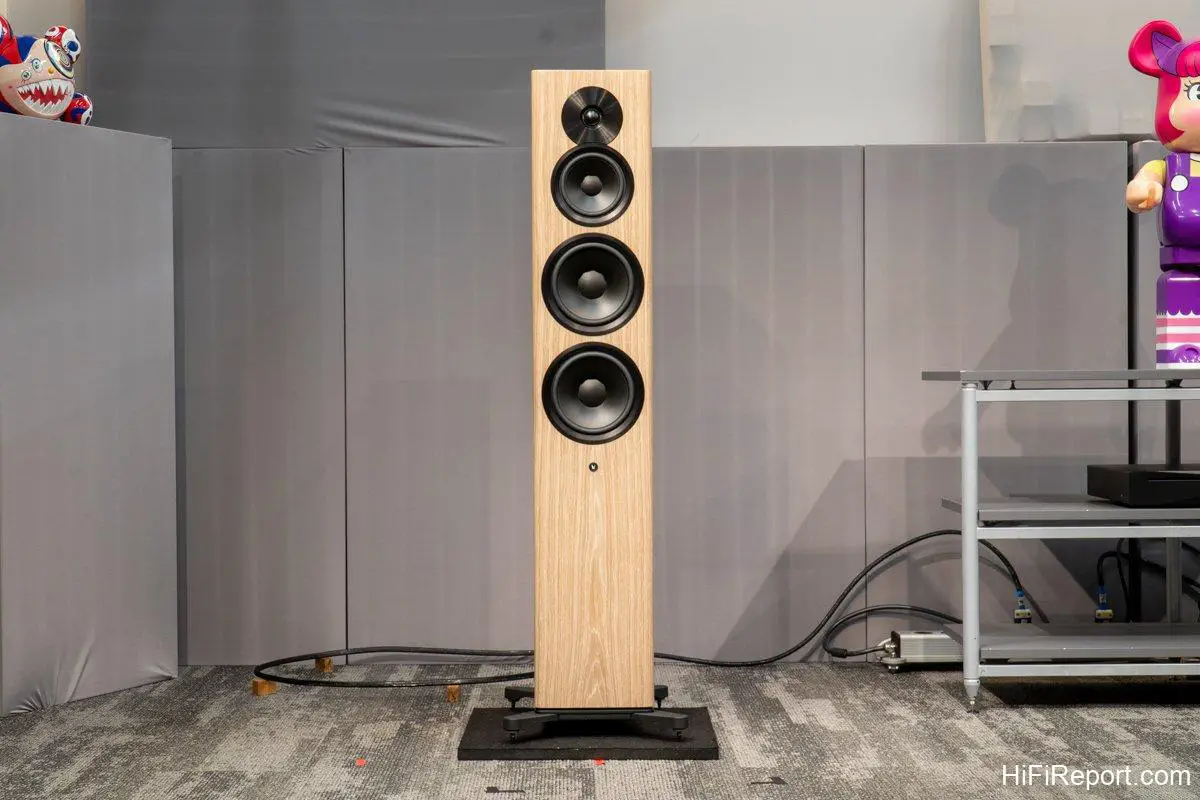
Upon seeing this feature, some might assume it’s difficult to configure, but Dynaudio has significantly simplified the operation. The Focus 50 automatically detects and adjusts settings. You only need to toggle Dirac Live on or off. An advanced version of Dirac Live, with more adjustable parameters, is available as a paid software upgrade, but it also increases the complexity of the setup.
Next-Gen Wireless, No External Transmitter
Since pioneering the XEO digital wireless active speakers in 2012, Dynaudio has consistently led the industry. XEO emphasized full digital amplification, performing only a single digital-to-analog conversion for maximum simplicity. The subsequent Focus XD and second-generation XEO in 2014 continued this architecture. Even the third-generation XEO in 2018 maintained full digital amplification. However, the all-new Focus series launched in 2022 represents a significant technological overhaul, showcasing a new paradigm for digital wireless active speakers.
What is this new paradigm? The new Focus series eliminates the external digital transmitter box, allowing each Focus speaker to function as a self-contained audio system. Simply plug in the power, connect to the network, and you can enjoy both digital and analog music worlds – it’s that simple.
Dirac Live Enhances Room Adaptability
The Focus 50 is not only easy to set up and connect, but also simplifies complex acoustic adjustments.
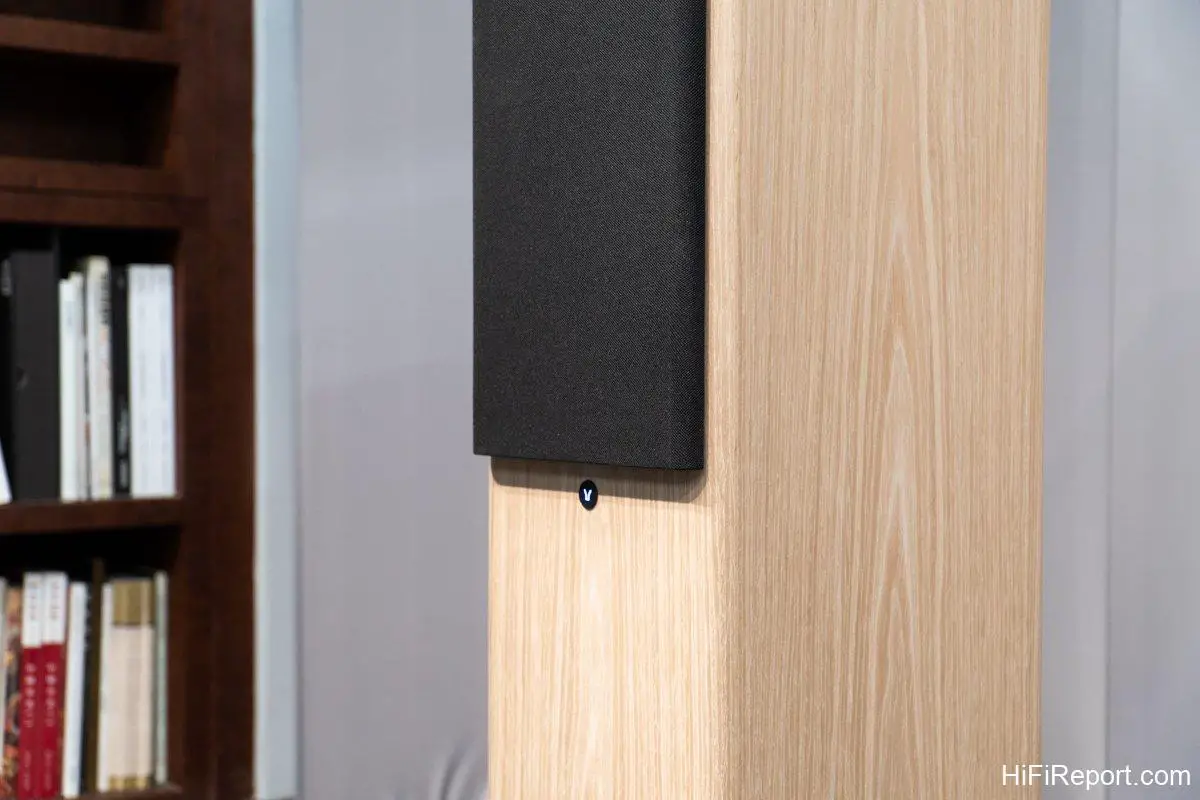
Speaker placement? Effortless. Position them as needed and select from three preset positions: Neutral, Near Wall, and Corner. If room reflections are excessive, choose “Dark”; if the sound is too muffled, select “Bright.” Dirac Live is set to automatic mode, requiring only a simple on/off toggle. Even the presence of speaker grilles is automatically detected, with the Focus 50 subtly adjusting the speaker’s tonal balance accordingly.
Reading this, it may seem like I’m solely praising the Focus 50’s features. However, in the realm of high-quality digital wireless streaming active speakers, these powerful features are almost expected to compete effectively. Supporting most digital cloud streaming services, integrating online and offline music libraries via Roon Ready, and possessing equalization (EQ) and robust room acoustic adaptation capabilities are features commonly found among competitors in this class.
Functionality Matches Rivals, Sound Quality Triumphs
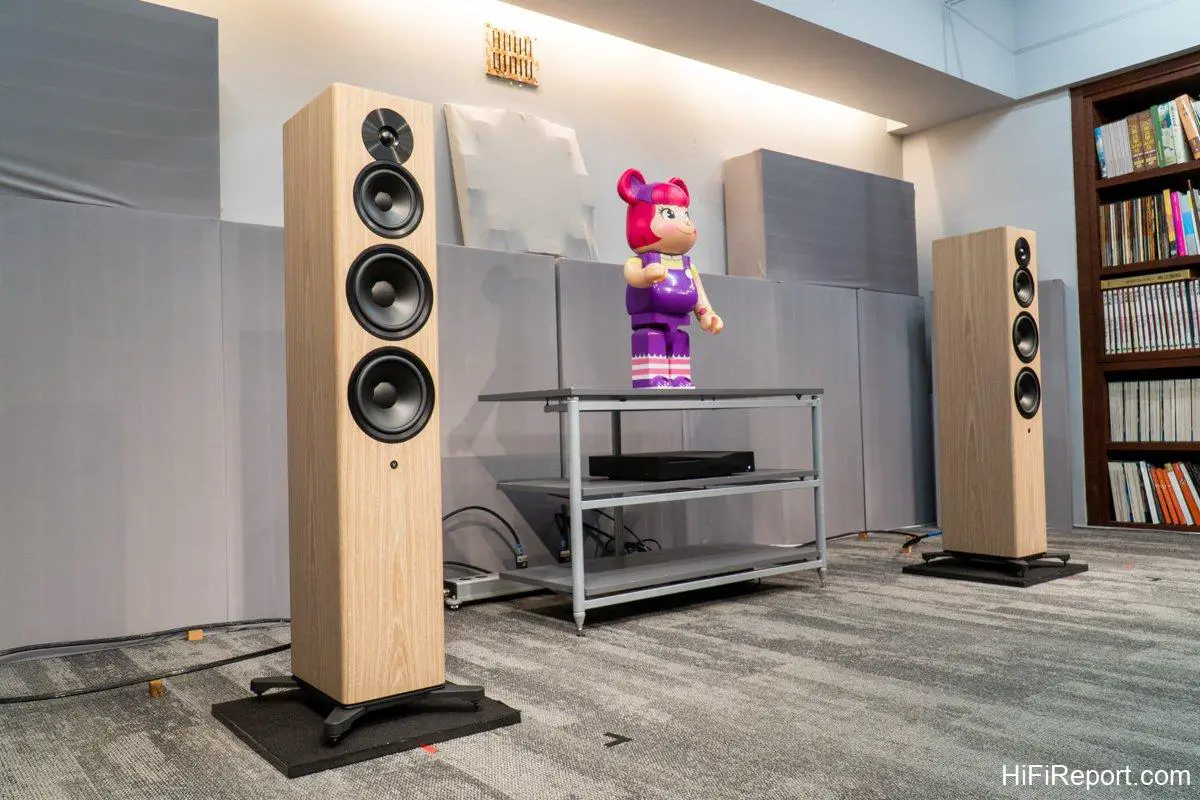
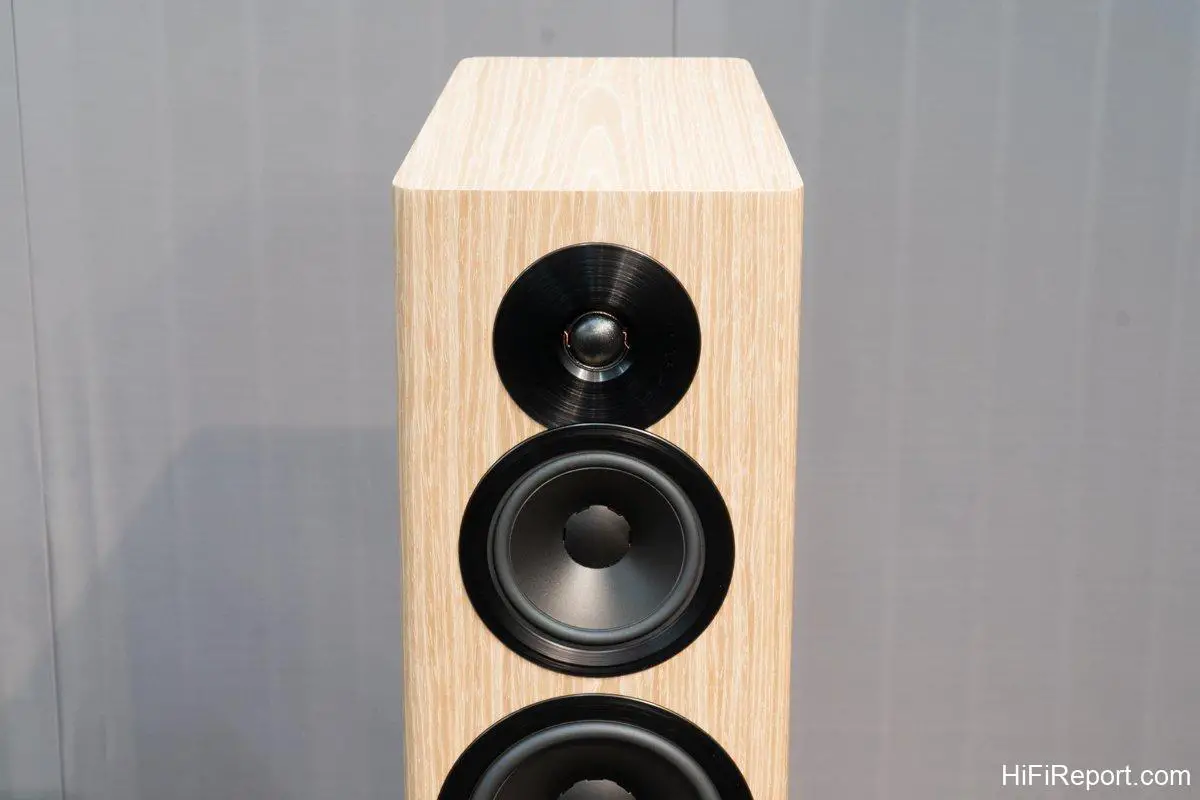
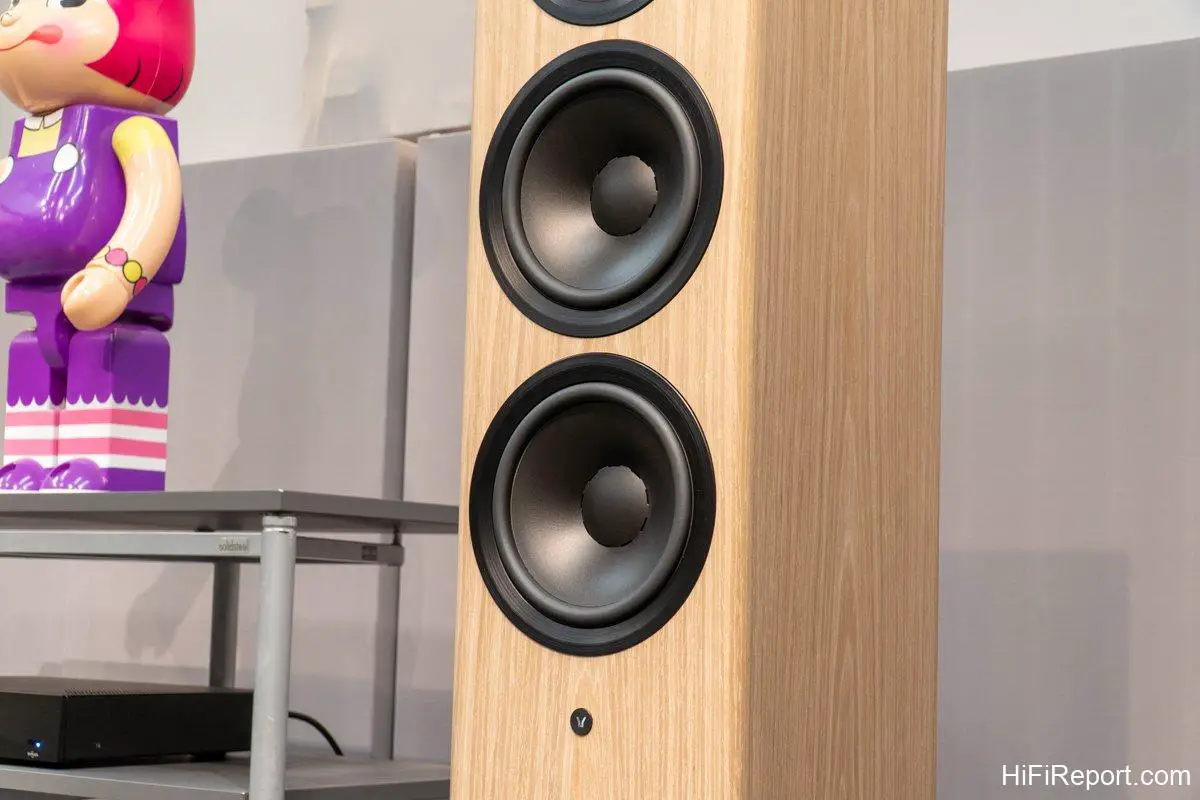
Okay, if the Focus 50 only matches competitors in terms of features, why choose it? The answer is singular: sound performance! Let’s examine the technology first. The Focus 50 incorporates more professional studio monitor technologies, emphasizing studio-grade audio reproduction. Dynaudio Acoustics’ highly successful Lyd and Core studio monitor series have contributed their DSP digital crossover engine to the Focus 50. Furthermore, high-end driver technologies from the Confidence and Contour series have been trickled down. The tweeter is the new Cerotar soft dome with the Hexis inner dome, eliminating back-wave reflections – a technology derived from the Confidence series. The midrange driver is shared with the Contour 60, featuring Dynaudio’s proprietary MSP cone material, paired with a powerful neodymium magnet motor, lightweight aluminum voice coil, and fiberglass voice coil former. The dual 7-inch Esotec+ woofers are also designed with high-end home speaker standards.
Integrating professional and home active speaker technologies into the Focus 50 also extends to the built-in amplifier modules. The new Focus 50 incorporates 110W, 280W, and 280W power modules, identical to those in the professional Core studio monitors. These Class D power modules are custom-made for Dynaudio by Pascal of Denmark. In essence, the Focus 50 can be seen as a domesticated version of the Core studio monitors.
Studio Monitor Flavor for Home Use
Technology serves music. The true test lies in listening.
As a digital streaming speaker, the CDs I brought are irrelevant. I directly connected to the cloud, searching for music on the iPad provided by HiFiReport. Typing “John Mayer” immediately brought up his classic hit “Gravity.” Listening via Apple Music, the tranquil jazz drums and synth chords, combined with the beautiful electric guitar solo from a single-coil Fender Stratocaster, sounded wonderfully sweet. The Focus 50 rendered “Gravity” beautifully, with solid bass performance, weighty kick drum, and clear hi-hat and snare. You can sense the studio’s use of compression to enhance impact, giving it a Pop Rock feel. Although the Focus 50 is a home speaker, it possesses the accuracy of a studio monitor.
After “Gravity,” I paired my iPhone with the Focus 50 via Bluetooth and listened to the same track on Apple Music again. The music remained the same, but switching to Bluetooth noticeably diminished the sound quality. The bass became harder, the sweetness of the mid-high frequencies lessened, and the 3D soundstage presentation was less impressive. This isn’t to say the Focus 50’s Bluetooth is inadequate, but with current technology, wired network input still surpasses Bluetooth wireless transmission. For serious listeners who prioritize sound quality, wired network remains the preferred choice.
Speakers Vanish into the Soundstage
Finding Bluetooth inferior to wired network, I set aside my iPhone and used Roon on the iPad to select familiar music. Since I searched for John Mayer, Stevie Ray Vaughan appeared as a related artist. I chose “Tin Pan Alley” for a listen. The Focus 50 projected a wide 3D soundstage, with the speakers naturally disappearing into the space. This is a testament to the Focus 50’s performance, as well as HiFiReport’s professional setup – the pre-session preparation was excellent, enabling the Focus 50 to demonstrate the magic of speakers vanishing from the soundstage.
While “Tin Pan Alley” is centered around the electric guitar, the electric bass provides crucial support. The Focus 50 reproduced the bass with fullness and rapid response. Each bass root note and fill was clear and articulate, underpinning SRV’s beautiful blues solo. SRV’s vocals were centered in the soundstage. After each vocal phrase, the electric guitar responded. The Focus 50 revealed the subtle nuances in SRV’s fingerwork with rich detail. The dramatic dynamic shifts of the electric guitar, imbued with rich blues emotion, captivated the listener.
Hard to Beat Traditional Two-Channel at This Price
After “Tin Pan Alley,” I couldn’t help but wonder, if I were to bring in the Contour 60 and a separate pre/power amplifier setup to compare directly against the Focus 50, who would win? But is comparison necessary? Probably not. Even if the Contour 60 system won, the total cost would likely be three times that of the Focus 50, or even more. Is there such a price difference? Absolutely. Consider the prices of a digital streaming preamp, power amp, Contour 60 speakers, and necessary cables, and the total system easily surpasses three times the price of the Focus 50. Yet, even with triple the budget, I’m not certain I could achieve better sound quality than the Focus 50.
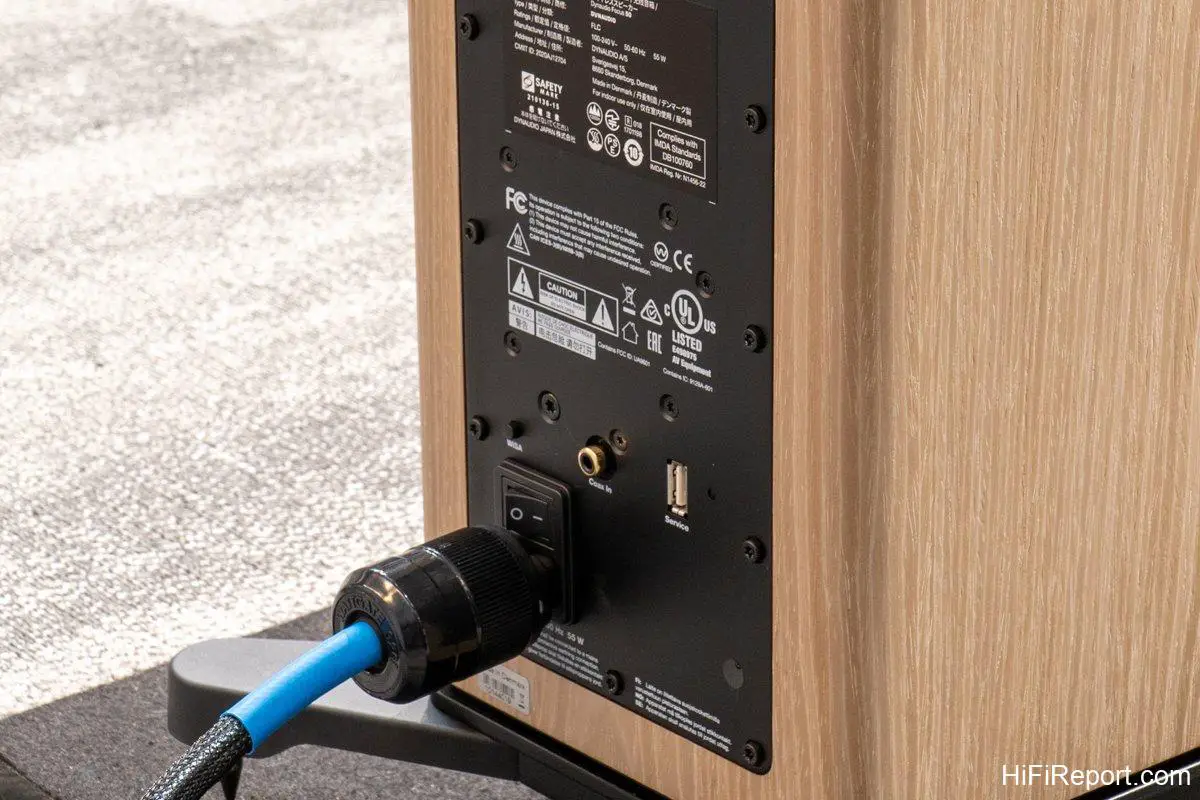
Simply put, if you want to enjoy music without the hassle of equipment matching, the Focus 50 is a shortcut to excellent sound. It integrates a digital streaming player, DAC, independent amplification modules for high, mid, and low frequencies, and DSP crossover. Signal cables are eliminated, requiring only power cords for the Focus 50 and a network cable from your router. If you also want to listen to vinyl, simply connect an analog signal from your phono preamp to the Focus 50.
Potentially Better Than Older Contour Models
Continuing my music exploration, I selected Rachel Barton’s album “Homage to Sarasate” and listened to the familiar “Andalusian Romance.” The Focus 50 presented a jet-black background. Piano arpeggios accompanied the violin’s leisurely, romantic melody, culminating in elegant harmonics. The soft dome tweeter imparted warmth to the violin’s tone. Even during fast passages with virtuoso techniques, rapid notes, and string-crossing variations, the Focus 50 maintained rich musical detail. The exciting virtuosity was captivating, contrasting beautifully with the subsequent soothing melodies. Whether the music was forceful or gentle, the Focus 50 fully conveyed the emotions within the music.
The more I listened to the Focus 50, the more I appreciated its value. HiFiReport has used the Contour 60 as a reference speaker for about seven years, so I consider myself familiar with Dynaudio speaker characteristics. Yet, the Focus 50 not only holds its own against the familiar Contour 60, but potentially surpasses it. After all, HiFiReport’s Contour 60 is a previous generation model. The new Cerotar tweeter with Hexis enhances mid-high frequency clarity and sweetness, possibly exceeding that of the older Contour 60 in the listening room. Therefore, listening to violin on the Focus 50, the realistic and sweet tonal experience, may already surpass the previous generation Contour 60.
Full Bass with Excellent Speed
The Focus 50’s sweet mid-high frequencies are supported by a full mid-bass foundation. Thanks to ample built-in power and a sealed cabinet design, the Focus 50’s bass response is fast and full. I played Marcus Miller’s “Free” album to test the low end. “Blast” begins with rapid electric bass plucking, followed by funky slapping, then electronic drums and synthesizers expand the soundstage. The main theme features Marcus Miller’s electric bass solo. The Focus 50 delivered the electric bass with fullness and elasticity, and excellent impact.
In “Blast,” the electric bass occasionally uses a Phaser effect, causing the sound image to move across the soundstage. The Focus 50 accurately reproduced this, indicating the DSP digital crossover achieves precise time-phase processing and extremely fast response, allowing the spatial imaging shifts to be clearly heard. Even for the deep bass, various recording effects were distinct and vivid.
Capable of Mahler
Need even more demanding bass testing? Let’s bring out Mahler. Listening to Inbal conducting the Tokyo Metropolitan Symphony Orchestra in Mahler’s Symphony No. 2, in a Japanese Exton audiophile recording.
Directly to the fifth movement. Rapid string passages, powerful drum strikes, evoke a doomsday scene. Brass emerges from the rear of the soundstage, bringing forth the resurrection motif. The Focus 50’s excellent soundstage presentation showcases the grand scale of Mahler’s large orchestra.
Mahler’s Symphony No. 2, fifth movement, is lengthy, over thirty minutes, weaving together resurrection, distant horn calls, and doomsday motifs, depicting Mahler’s ambition to portray the world through music. To test the speakers, I skipped the gradual development and jumped to around 26 minutes, listening to the large choir and orchestra, plus mezzo-soprano and soprano sections. Lyrics sing “I shall die, to live again.” The orchestra and choir gradually build in intensity. When the brass reaches its peak, the choir, at maximum volume, confronts the orchestra, singing “Resurrection” (Auferstein). The Focus 50 is truly powerful. Pushed hard, it unleashes a continuous surge of energy. How is it possible to assemble a better audio system than the Focus 50 at this price point?

Best Sound in Class, Currently
I’m convinced! Focus 50, I truly cannot imagine assembling a better audio system for the same budget. Of course, with the Focus 50, you might miss the fun of tinkering with audio component matching. However, purely from the perspective of enjoying music, the Focus 50 is an exceptional choice. At least, in the same price range, the Focus 50 is currently the best-sounding digital wireless active speaker I’ve encountered. Its sonic character is versatile, capable of both delicacy and power, with transparency and detail. If digital wireless active speakers continue to improve at this pace, traditional two-channel systems may indeed be replaced.
Specifications
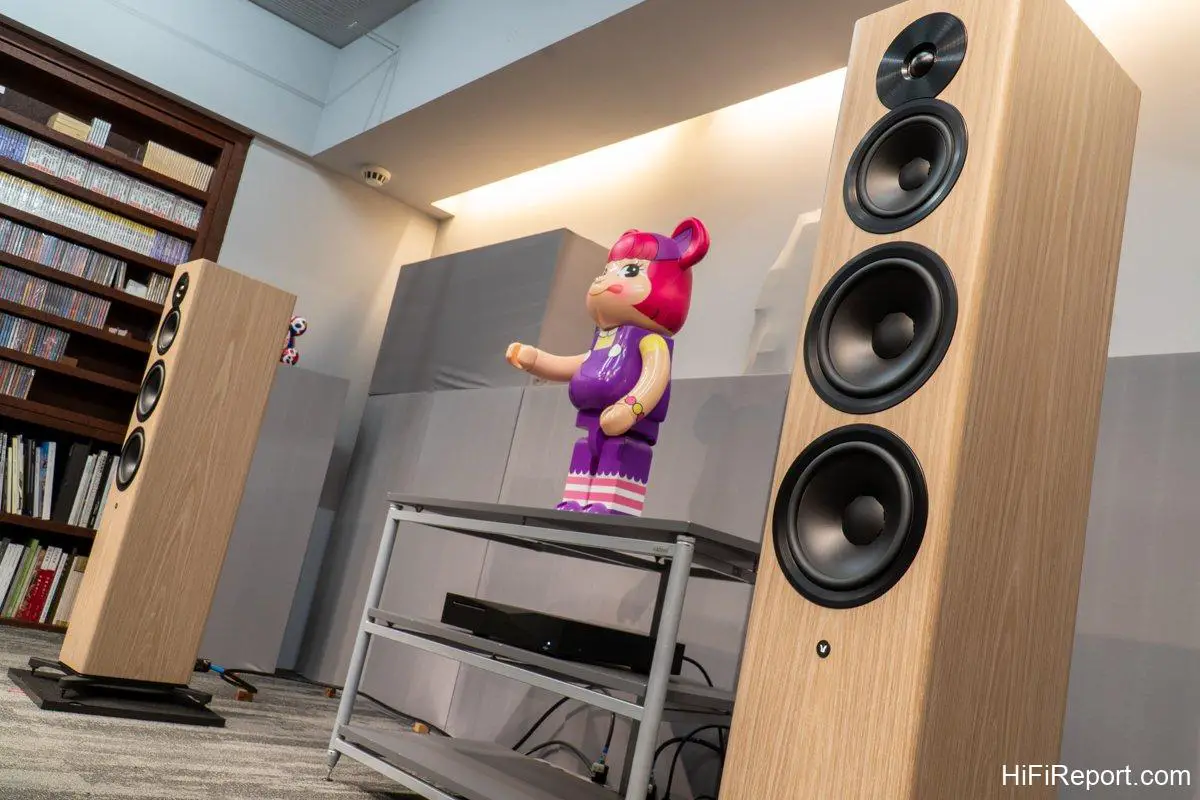
* Type: 3-way Digital Active Floorstanding Speaker (Sealed Enclosure)
* Drivers: 28 mm Cerotar Soft Dome Tweeter (with Hexis) x 1, 150mm MSP Midrange Driver x 1, 180 mm Woofer x 2
* Built-in Amplifier Power: Tweeter 110W, Midrange 280W, Woofer 280W
* Crossover Frequencies: 390 Hz; 4.7 kHz
* Analog Inputs: RCA x 2
* Digital Inputs: Optical x 1, RCA x 1
* Analog Outputs: Sub RCA x 1, Trigger x 1
* Built-in Wireless: WiSA (up to 24 bit/ 96 kHz)
* Network Input: Wi-Fi, Ethernet
* Supported Digital Streaming: Roon, Airplay 2, Chromecast, Tidal Connect, Spotify Connect, Qplay, UPnP
* Dimensions: 1187 x 305 x 401 mm (including spikes and grille)
* Weight: 33.5 kg