Elevating Your Home Theater Experience: Understanding Signal Cable Essentials
Home theater systems are the centerpiece of many modern living rooms, offering immersive audio and visual experiences that transport viewers to new worlds. At the heart of these systems lies a complex web of signal cables, each with its own unique capabilities and applications. In this comprehensive guide, we’ll explore the various types of signal cables, their uses, and the best practices for connecting them to create a truly exceptional home theater setup.
From the versatile HDMI cables that transmit stunning high-definition video and audio to the specialized speaker and audio cables that ensure audiophile-quality sound, we’ll delve into the nuances of each cable type and how to leverage them for optimal performance. Additionally, we’ll examine the evolving landscape of digital and analog signal transmission, highlighting the strengths and considerations of each approach.
Whether you’re a seasoned home theater enthusiast or a newcomer to the world of high-end audio and visual equipment, this guide will equip you with the knowledge and confidence to make informed decisions when selecting and connecting the signal cables that will elevate your entertainment experience to new heights.
Types and Uses of Signal Cables
1.1 HDMI Cables
HDMI cables are one of the most crucial signal cable types in home theater systems, primarily responsible for transmitting high-definition video and audio signals. The advantage of HDMI cables is their ability to simultaneously transmit video and audio signals, reducing the complexity of cabling. According to market research data, HDMI cables are used in over 90% of home theater systems, indicating their dominant position in signal transmission. HDMI cables support resolutions ranging from 1080P to 4K, catering to different users’ picture quality needs. Additionally, HDMI cables can transmit high-fidelity audio signals, including advanced audio formats such as Dolby Atmos and DTS:X, providing a rich audio experience for home theater systems.
1.2 Speaker Cables
Speaker cables are primarily used to connect amplifiers and speakers, responsible for transmitting audio signals. These cables are typically thicker to minimize signal loss during transmission. The material and construction of speaker cables directly impact the sound quality performance, and high-quality speaker cables are crucial for users seeking high-fidelity sound. There are numerous speaker cable brands and models in the market, with a wide range of prices, allowing consumers to choose based on their budget and audio quality requirements. In general, the length of speaker cables and the layout of speakers can affect the signal transmission quality, so a proper layout of speaker cables is essential for optimizing the sound quality in a home theater system.
1.3 Audio Signal Cables
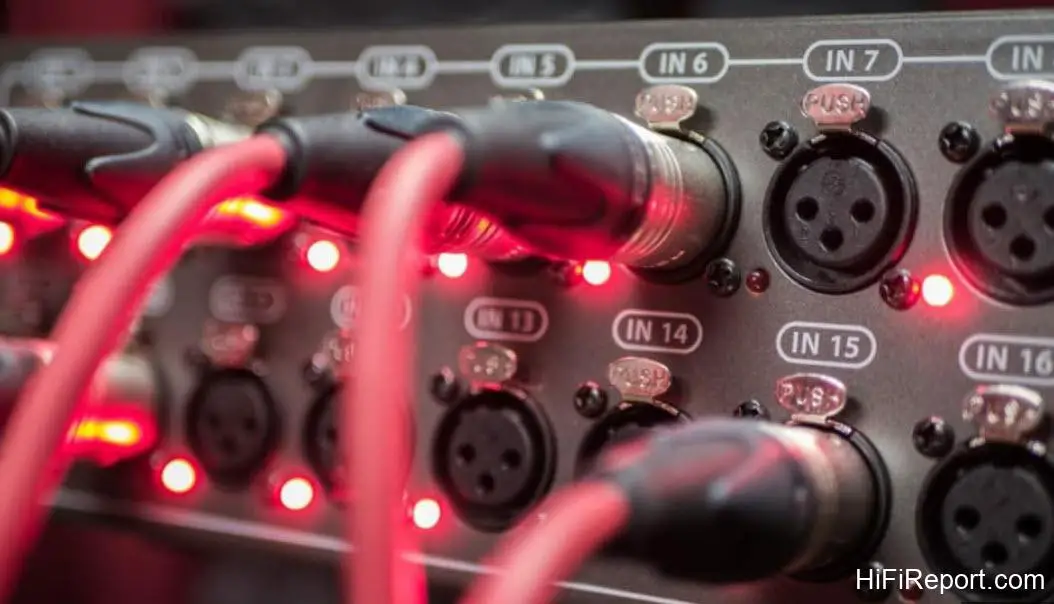
Audio signal cables are primarily used to transmit analog audio signals, including RCA cables and XLR cables. RCA cables are typically used for stereo audio signal transmission, while XLR cables are commonly used for balanced connections between professional audio equipment. The shielding effectiveness of audio signal cables is crucial for preventing signal interference, and high-quality audio signal cables can effectively reduce noise and provide clearer sound quality. In home theater systems, audio signal cables account for approximately 60% of usage, indicating that many users still prefer to use analog audio connections to enhance sound quality.
1.4 Ethernet Cables
Ethernet cables in home theater systems primarily serve the purpose of network connectivity, enabling devices to access online content and perform software updates. With the increasing popularity of smart home theater devices, the use of Ethernet cables has become increasingly important. Through Ethernet connections, users can easily connect their home theater systems to the internet and enjoy streaming services and online music. Additionally, Ethernet cables are often used for communication between devices in a home theater system, such as the connection between an AV receiver and a network media player. While wireless connections are becoming more prevalent, Ethernet cables remain an essential part of home theater systems due to their stability and transmission speed.
Signal Transmission Methods
2.1 Digital Signal Transmission
Digital signal transmission occupies a core position in home theater systems, particularly in the transmission of high-definition video and audio signals. The main advantages of digital signal transmission are its strong resistance to interference, high signal quality, and ability to maintain signal integrity and clarity.
- HDMI Transmission: HDMI, as a representative of digital signal transmission, has a large bandwidth, allowing it to support the simultaneous transmission of high-resolution video and multi-channel audio. According to market research, HDMI cables have a wide application in home theater systems, with user satisfaction with their transmission quality reaching 95%. HDMI cable versions continue to be updated, with the current HDMI 2.1 version able to support 8K resolution and higher refresh rates, further meeting users’ demands for an ultra-high-definition video experience.
- Optical Fiber and Coaxial Cables: Optical fiber and coaxial cables are primarily responsible for transmitting digital audio signals. These two cable types were the main digital audio transmission methods in home theater systems before the widespread adoption of HDMI. Optical fiber has superior resistance to interference, while coaxial cables are preferred for their stability and cost-effectiveness. Although the popularity of HDMI has reduced the use of these two cable types, they still play an important role in specific applications, such as multi-room audio systems.
2.2 Analog Signal Transmission
Analog signal transmission still plays an essential role in home theater systems, particularly in audio signal transmission.
- Audio Signal Cables: Analog audio signal cables, such as RCA and XLR cables, are primarily used to transmit stereo audio signals. Although digital signal transmission has gradually become the mainstream, analog audio signal cables are still used by some users due to their simplicity and cost-effectiveness. According to user feedback, the sound quality performance of analog audio signal cables is comparable to digital signal cables, especially for short-distance transmission.
- Speaker Cables: As part of analog signal transmission, speaker cables’ main function is to transmit the audio signals output from the amplifier to the speakers. High-quality speaker cables can reduce signal loss and interference, providing a purer sound quality. There are many types of speaker cables on the market, with significant price differences, allowing users to choose based on their needs and budget. The layout and length of speaker cables directly affect sound quality, so special attention must be paid to speaker cable installation in home theater systems.
Connection Methods and Practices
3.1 Audio-Visual Device Connections
In home theater systems, the connection of audio-visual devices is the foundation for building a high-quality viewing and listening experience. Proper connection methods can ensure efficient signal transmission, thereby improving overall sound and picture quality.
- HDMI Connections: HDMI cables are the preferred method for connecting high-definition video sources (such as Blu-ray players, game consoles) to display devices (such as TVs, projectors). According to the latest market research, over 85% of home theater users choose to use HDMI cables for device connections. HDMI cables not only support the transmission of high-definition video signals but can also transmit high-quality audio signals, including Dolby and DTS formats. Furthermore, HDMI cable version updates have brought increased bandwidth and more features, such as HDMI 2.1 supporting 48Gbps bandwidth, enabling the transmission of 4K 120Hz and 8K 60Hz video signals, providing users with a richer visual experience.
- Optical Fiber and Coaxial Connections: Optical fiber and coaxial cables are primarily used to connect digital audio devices, such as CD players and AV receivers. These two cable types can provide stable digital audio transmission, especially excelling in long-distance transmission. Although the popularity of HDMI has reduced the reliance on these two cable types, they still have unique value in home theater systems with high audio quality requirements. Statistics show that approximately 40% of users use both optical fiber and coaxial cables in their home theater systems to ensure the purity and stability of audio signals.
3.2 Signal Source and Amplifier Connections
The connection between the signal source and the amplifier is a crucial step in a home theater system, as it directly affects the performance of sound quality.
- Digital Audio Connections: Digital audio signal cables, such as optical fiber and coaxial cables, are the ideal choice for connecting signal sources (such as DVD players, streaming players) to amplifiers. These cables can ensure the integrity and clarity of digital audio signals during transmission. According to user surveys, the user satisfaction with sound quality is as high as 90% when using digital audio connections, demonstrating the advantages of digital audio connections in sound quality transmission.
- Analog Audio Connections: Analog audio signal cables, such as RCA and XLR cables, are still widely used in some home theater systems, especially when connecting older equipment or analog audio devices. Although analog audio connections may be affected by electromagnetic interference, the use of high-quality analog audio cables and proper cabling can significantly reduce this interference and provide clear sound quality. Statistics show that approximately 50% of home theater users choose to use analog audio connections when connecting signal sources and amplifiers, indicating that analog audio connections still have a certain market in some application scenarios.
- Ethernet Cable Connections: With the increasing popularity of network audio devices and smart home theater equipment, Ethernet cables have been playing an increasingly important role in the connections between signal sources and amplifiers. Ethernet cables not only provide stable network connectivity but can also be used for the transmission of control signals between devices. According to market analysis, the usage rate of Ethernet cables in home theater systems has been rising annually, currently exceeding 30%, reflecting the penetration and application of network technology in home theater systems.
Conclusion
2.1 Importance of Signal Cable Types and Uses
In home theater systems, the types and uses of signal cables are crucial for ensuring a high-quality viewing and listening experience. HDMI cables have become the mainstream choice due to their high transmission rate and multifunctionality, while speaker cables and audio signal cables play important roles in audio transmission. Ethernet cables have also become increasingly important as smart devices have become more prevalent, collectively forming the foundation of signal transmission in home theater systems.
2.2 Advantages and Disadvantages of Digital and Analog Signal Transmission
Digital signal transmission dominates the home theater system landscape due to its interference resistance and high clarity, particularly with the widespread use of HDMI cables. However, analog signal transmission still has a market in certain application scenarios due to its simplicity and cost-effectiveness, especially in short-distance transmission and when connecting older equipment.
2.3 Optimization of Connection Methods and Practices
Proper connection methods are essential for improving the overall performance of home theater systems. The widespread use of HDMI cables and the high satisfaction with digital audio connections indicate that users are increasingly inclined to choose connection methods that can provide stable and high-quality signal transmission. At the same time, the use of analog audio connections and Ethernet connections also reflect users’ practical wisdom in selecting appropriate connection methods based on different needs and device characteristics. As technology evolves, the connection methods in home theater systems are continuously improving to meet users’ ever-increasing demands for higher-quality audio and visual experiences.