
Esprit Audio Power Cable Review
Regrettably, Esprit isn’t widely known within the local audio scene. Only a select few are aware of the true capabilities of their cables. To address this, the distributor, Baroque Audio, decided to go all out and host an Esprit full-range cable experience event. They showcased eight different grades of Esprit’s power cables, using Baroque Audio’s reference system for sound demonstrations.
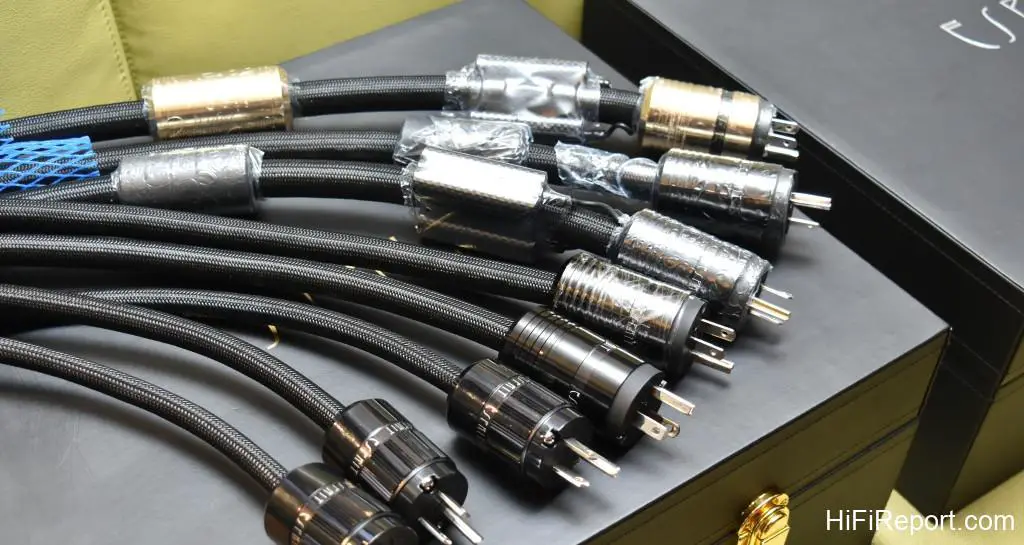
The lineup progressed from the entry-level Alpha, Celesta, and Eterna all the way up to the flagship L’ Esprit. This provided a thorough analysis of Esprit’s sound profile and the subtle textural shifts between each cable level. Such a listening opportunity is truly rare! It allowed us not only to fully understand Esprit’s sonic character but also to verify if top-tier cables, costing hundreds of thousands, could truly stand up to scrutiny.
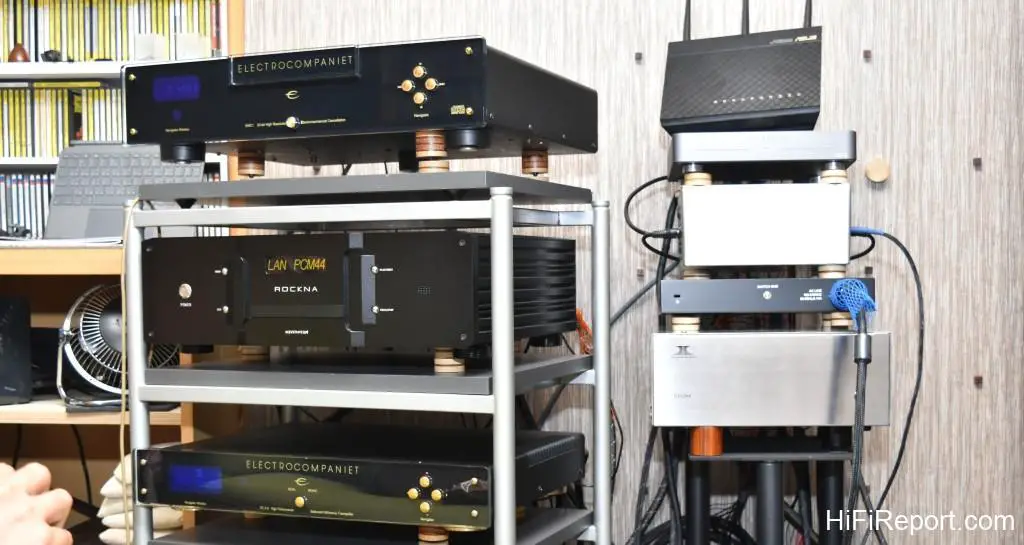
Event and Demonstration Setup
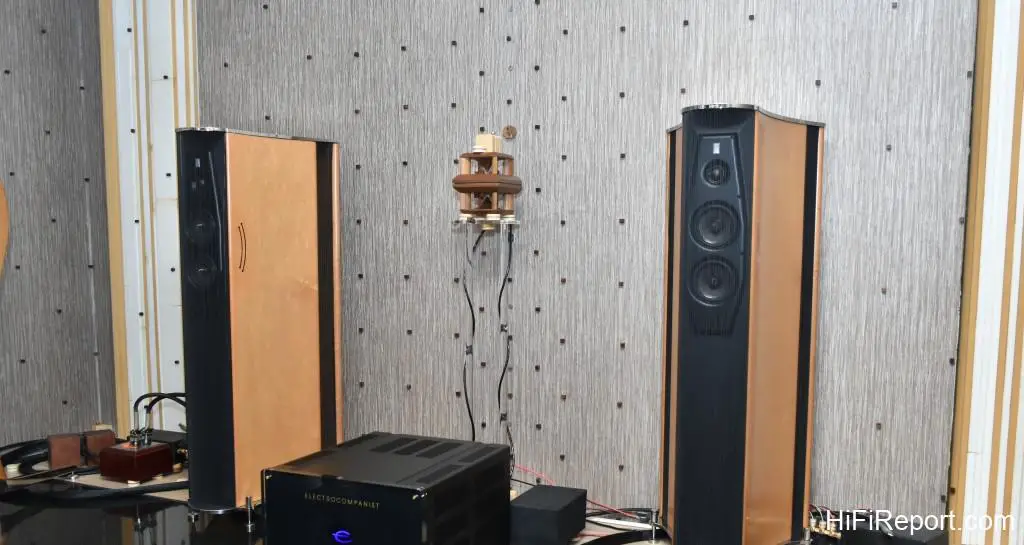
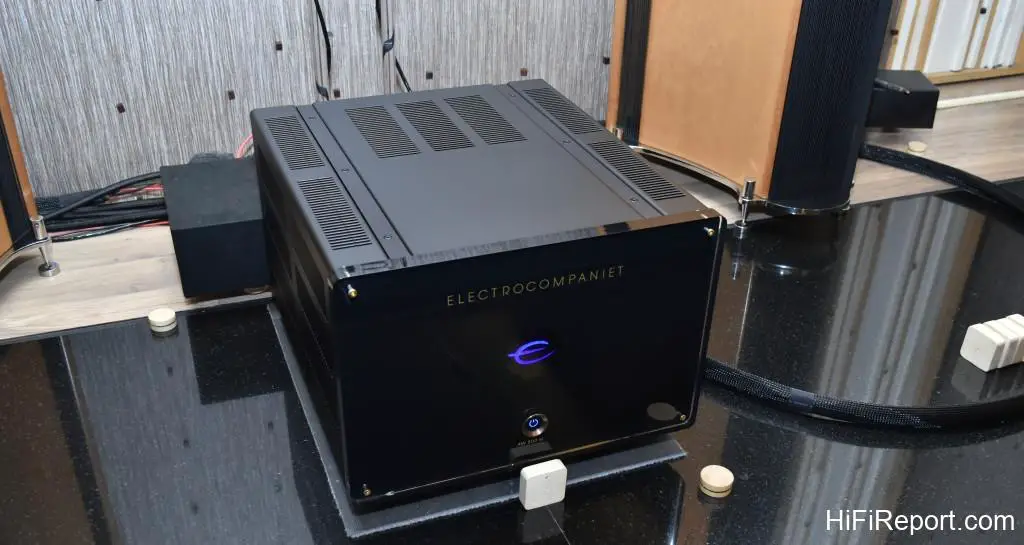
On the day of the event, I, along with Hi-Fi Forum Editor-in-Chief Tao Zhonghao and editor Hong Ruifeng, were invited to Baroque Audio. Upon arrival, the system was already warming up. Baroque Audio used a Rockna Wavedream Signature DAC as the source component, paired with a Rockna Wavedream NET streaming transport, an EC 4.8 preamplifier, and EC AW 800 M monoblock power amplifiers. The speakers were the Italian Franco Serblin Ktêma floorstanding loudspeakers.
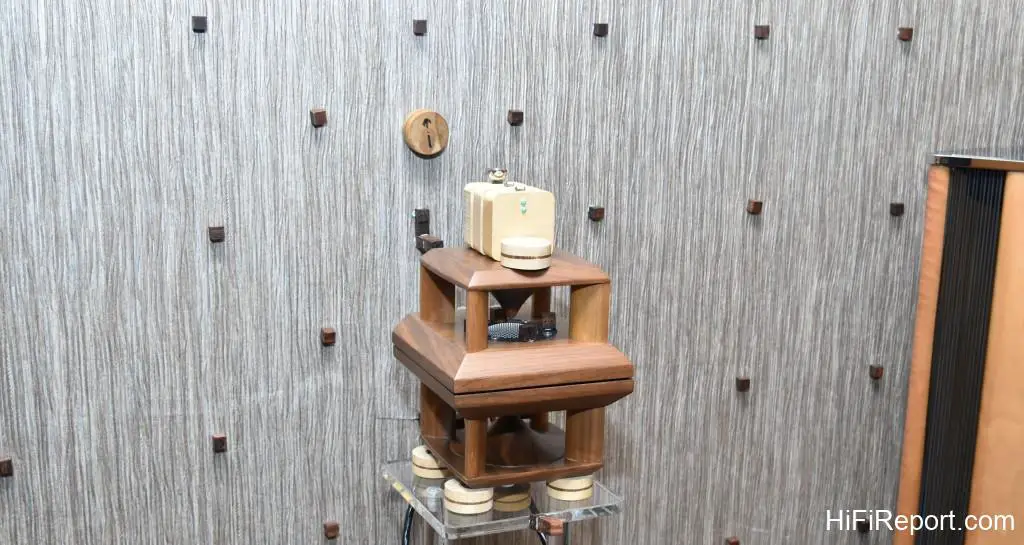
Several ASI super tweeters were also visible in the space, and Baroque Audio’s signature tuning accessories were strategically employed for comprehensive room treatment. This undoubtedly enhanced the discriminability of the cable demonstration.

Understanding the Esprit Range and Pricing
Before diving into the listening impressions, let’s briefly introduce Esprit’s products. Their cable hierarchy is quite extensive, with no fewer than eight tiers for power cables alone. The price points vary significantly, with each step up roughly doubling the cost. The entry-level Alpha power cable, also handcrafted in France, is priced at around $310 USD (for 1.5M). This makes it accessible for students exploring headphones or newcomers to two-channel audio.
Conversely, the flagship L’ Esprit power cable reaches over $22,300 USD (for 1.5M), ensuring that even audiophiles at the very pinnacle of the high-end market can find a cable befitting their system within the Esprit range.
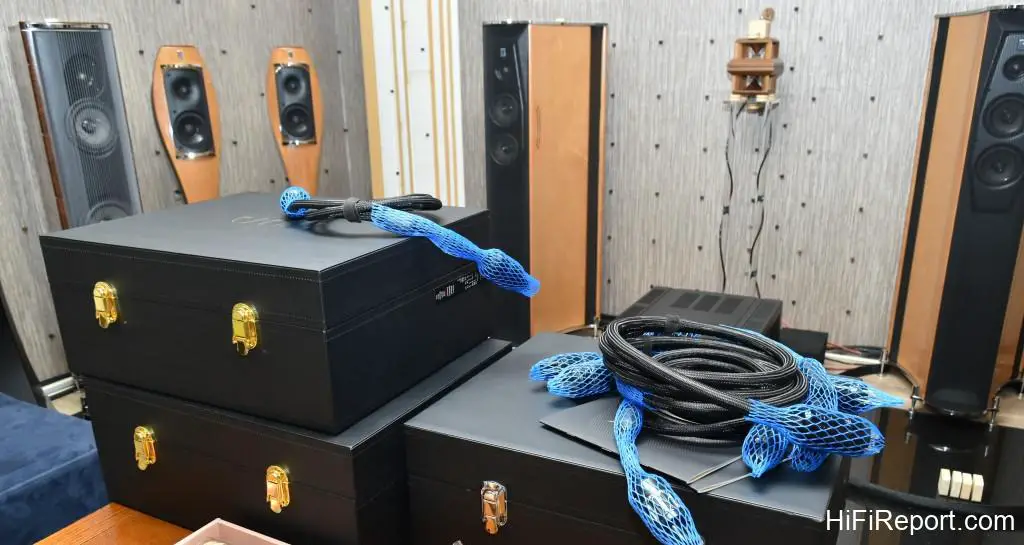
Esprit’s Unique Cable Design
Discussing Esprit’s cable design, the most unique feature is their “Progress Shielding” technology. Through years of cable manufacturing experience, Esprit discovered that shielded cables tend to offer more detail and a quieter background but can sound less vibrant. Conversely, unshielded cables provide a smooth, natural sound but lack finesse. The manufacturer thus developed a method to achieve the best of both worlds.
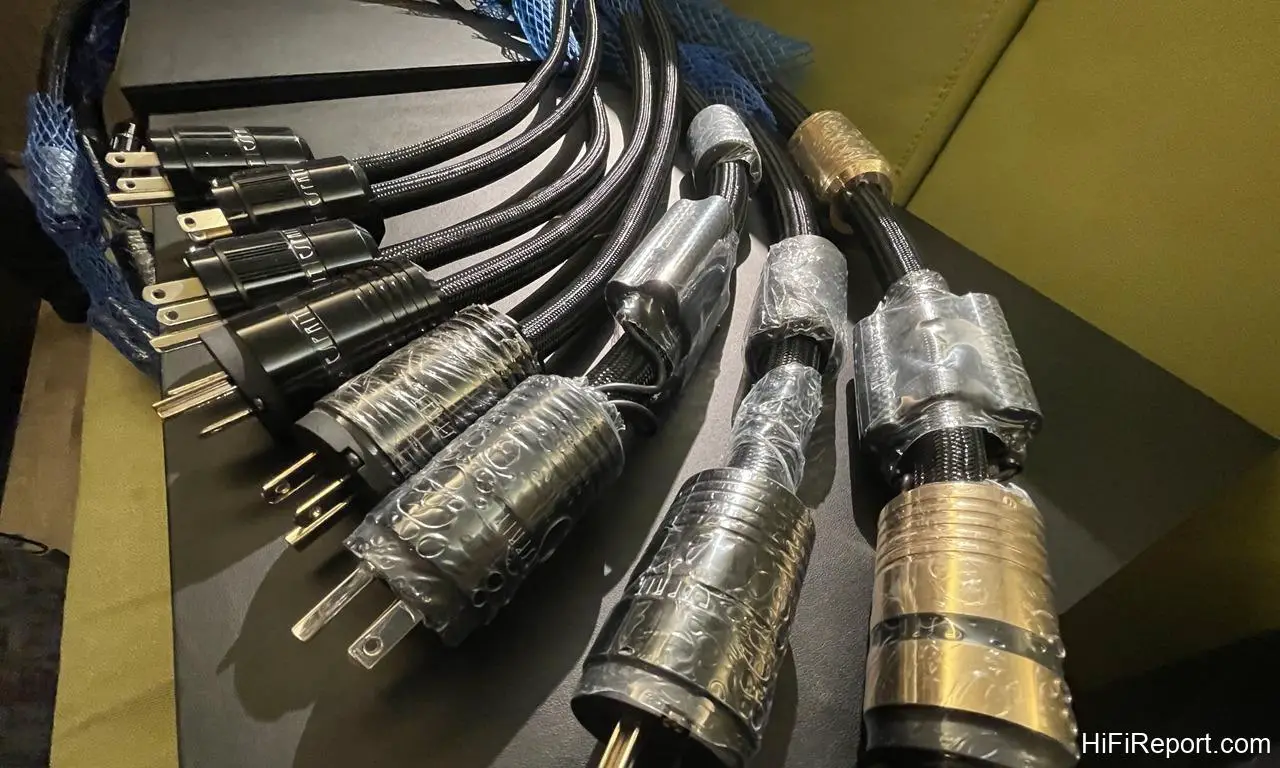
Starting from the input end, the first third of the cable’s length incorporates a single shielding layer. The remaining two-thirds then utilize a second shielding layer. This progressive increase in shielding thickness is designed to achieve optimal sonic performance and is a proprietary technique unique to their cables.
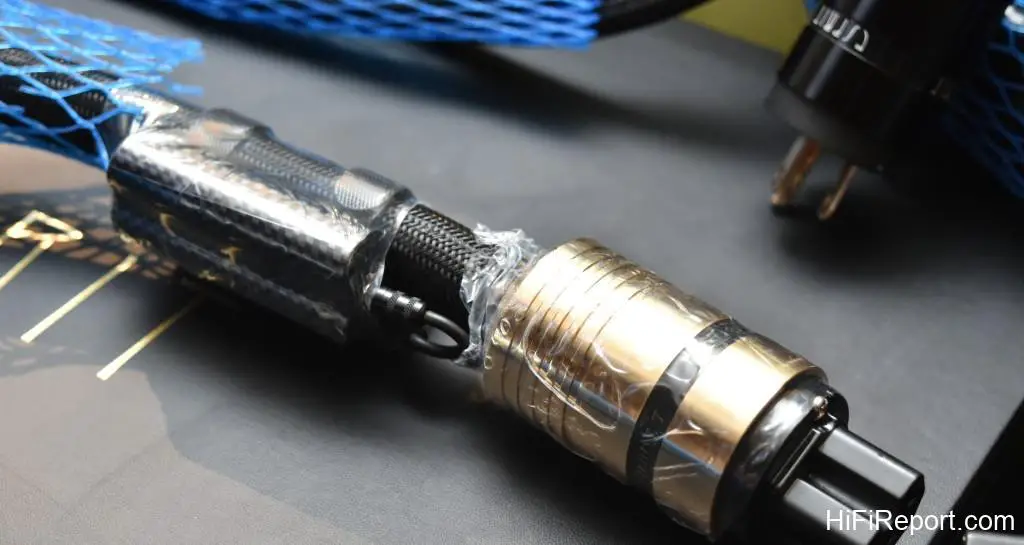
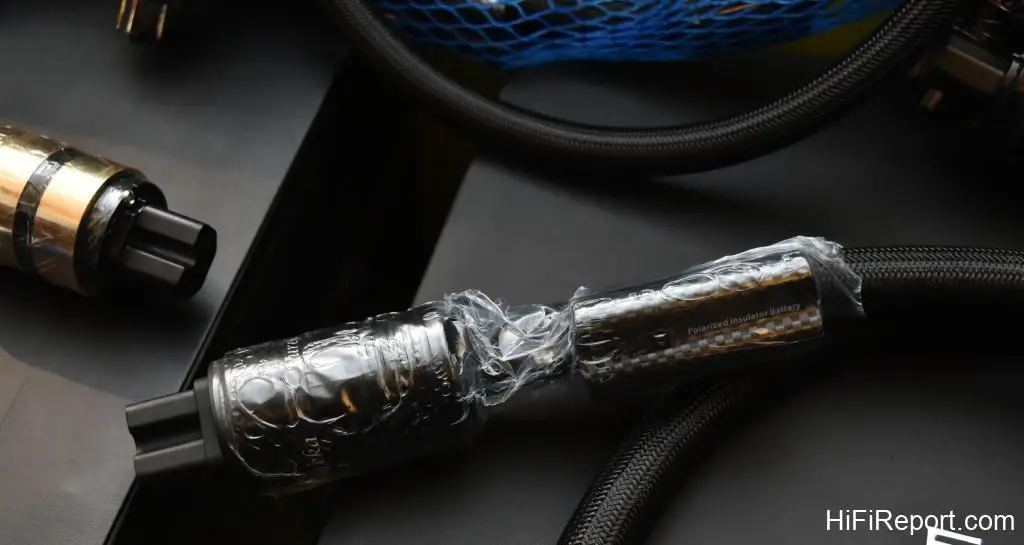
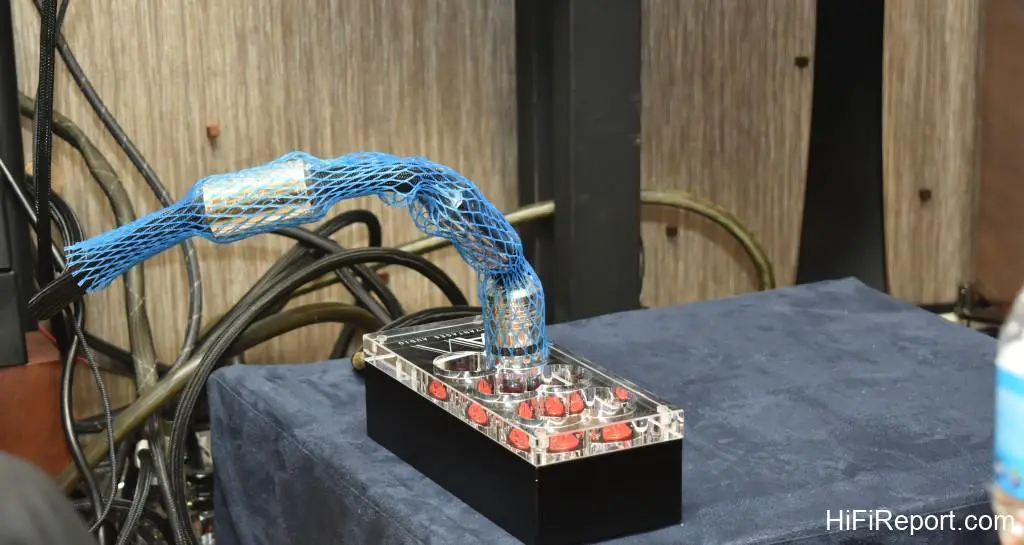
Furthermore, starting from the fourth tier, the Lumina power cable, Esprit incorporates a bias battery pack. This device applies a 12V voltage within the insulation layer to polarize the dielectric material. This polarization helps reduce capacitive interference and further minimizes the intrusion of external electromagnetic noise into the music signal. Regarding conductors, Esprit uses 5N to 7N OFC (Oxygen-Free Copper) across their entire product line, regardless of the model.
Taking their current flagship Gaia speaker cable as an example (though not a power cable, this illustrates their conductor philosophy), its positive and negative conductors are each composed of 7000 strands of 0.08mm copper wire, resulting in a total conductor diameter of 25mm. This special conductor structure not only gives Esprit cables the warm, soft characteristics typically associated with copper but also reduces the skin effect, enhancing high-frequency transparency and detail retrieval.
For connectors, Esprit consistently custom-makes their own pure copper, silver-plated terminals. Compared to the typical silver plating thickness of around 0.3 micrometers found elsewhere, Esprit’s silver plating ranges from 5 to 40 micrometers, aiming for superior conductivity.
Listening Impressions: A Journey Through the Tiers
Returning to the listening space at Baroque Audio, we selected four test tracks in total, ranging from simple harpsichord, piano, and brass performances to large-scale orchestral works and rhythmically strong pop music. First, switching from a generic power cord to the most entry-level Alpha ($312 USD / 1.5M), the sound immediately felt like a veil had been lifted. The music lost its rough edges, instrument outlines became clearer, and sound density improved significantly.

What was initially thin and stiff transformed into a rich and full presentation, giving the music’s foundation more weight. When encountering orchestral passages with massed strings, the low frequencies exhibited excellent control, and the dynamic contrast from soft to loud was pronounced.
Even with recordings like harpsichord or piano solos that test tonal quality, the Alpha delivered a rounded, sweet sonic character, representing a significant leap in sound quality compared to the original generic cord.
Next was the second tier, the Celesta ($617 USD / 1.5M). This cable clearly retains Esprit’s characteristic smooth, gentle quality, but compared to the Alpha below it, it pushes harder for technical performance. For instance, playing a saxophone piece, the previously restrained high frequencies became more prominent, the metallic sheen of the brass instruments was more captivating, and the sense of instrumental body became more focused.
This enhanced the separation between instruments, making the soundstage positioning more distinct. Detail retrieval also jumped up a level; whether it was the subtle breath sounds in brass instruments or the texture of string instruments, the richness increased. Playing pop music, the Celesta also showed better control in the bass, the plucks of the electric bass in the track no longer felt bloated, exhibiting a fast, distinct percussive quality.
Moving to the third tier, the Eterna ($1281 USD / 1.5M), this cable was unanimously considered by the three of us to offer the highest cost-performance ratio in this listening session. The transition from Celesta to Eterna marked the emergence of the relaxed quality characteristic of high-end audio. I believe the key lies in the Eterna’s superior noise suppression, which also translates to better transient response and a significant increase in the “liveliness” of voices and instruments.
Under the Eterna’s interpretation, the harpsichord texture was crisp and clear; each pluck felt like a focused, distinct particle. Lower noise interference created a blacker musical background, making vocal and instrumental forms stand out more naturally. Compared to the tier below, the Celesta, the musical picture felt more intimate and realistic.
Following this was the fourth tier, the Aura ($2609 USD / 1.5M). This cable inherited the Eterna’s relaxed, natural characteristics while adding a sharp sonic energy. Playing jazz music, the saxophone conveyed a powerful sense of performance with full breath, bringing out a more refined metallic texture. The accompanying piano not only had larger, fuller notes but also revealed clearer key strike force.
The impact of the low keys felt more substantial, and the broad resonance of the piano body showcased the Aura’s improved low-end depth. When interpreting large-scale orchestral music, the Aura’s soundstage felt more expansive, completely separating the complex instrumental arrangement. Previously overlooked inner voices were clearly audible, fully displaying distinct musical layers and beauty, highlighting the interplay between lead and supporting parts.
The fifth tier, the Lumina ($5508 USD / 1.5M), can be considered the watershed moment in Esprit’s power cable lineup. Its price not only breaks the ten-thousand-dollar barrier but also approaches the $20,000 USD high-end level. It’s also from the Lumina upwards that the manufacturer’s bias battery pack device is included. Theoretically, this should result in even less noise and a blacker background. The listening experience confirmed this.
Although small high-frequency noise in music is often difficult for the human ear to perceive, the absence of this interference allowed the overtone details of strings, harpsichord, and brass to become more complete, and the texture grew closer to reality. The Lumina’s rendition of strings conveyed more luster and a sense of luxury in their decay. Pianos sounded more hydrated, adding a warm, woody resonance.
When faced with the massive dynamics of orchestral music, the Lumina’s low-end energy seemed firmly controlled, feeling fast and clear.
As we moved up to the three highest tiers of Esprit power cables, the sixth tier, the Eureka ($8593 USD / 1.5M), demonstrated a more refined interpretation of the subtle expressions and dynamics of musicians, creating a more emotionally engaging musical picture. Compared to the cables reviewed earlier, the level of sonic precision reached a higher plane. Upgrading further at this point doesn’t yield revolutionary leaps or draw attention to flashy sonic effects.
Instead, it allows for easier appreciation of the music’s inherent beauty.
Switching to the second-highest tier, the Gaia ($12384 USD / 1.5M), the music already felt integrated with the space. The realism of instruments was beyond question; the reverberation and hall ambiance of the performance venue were vividly presented. This indicated that the musical information was incredibly complete. The power cable simply provided pure, ample energy, minimizing noise interference to allow the DAC to fully realize its decoding capabilities.
Listening through the entire range from the entry-level cables, it became clear that Esprit’s tuning consistently maintains a cohesive character. There’s no artificial emphasis on specific frequency bands, resulting in a neutral and balanced sound. As the cable tier increases, details, bandwidth, dynamics, and liveliness all improve. This is the secret behind Esprit cables’ ability to faithfully reproduce music’s beauty, making every genre sound as it should.
Concluding Thoughts on Esprit Audio Cables
Finally, the flagship L’ Esprit , within its balanced sonic profile, elevates all audio characteristics to the absolute maximum! There was no hint of impurity in the musical background. Whether vocals or instruments, there was a tangible sense of presence, as if solidified into form. Compared to top-tier cables from other manufacturers, the L’ Esprit also possessed a smooth, flowing quality, completely devoid of any jarring aggression.
It consistently exudes a relaxed French aesthetic, allowing you to utterly forget the presence of the audio system and return entirely to the essence of the music.