
Final E2000 In-Ear Earphones Review
Most buyers approaching wired in-ear monitors at the entry level expect a thin plastic shell, a weak driver, and a sound signature that boosts the bass to cover up what a small diaphragm cannot produce. The E2000 inverts that assumption. Final built these around a 0.25-inch dynamic driver housed in a milled aluminum body, and the tuning philosophy is pulled from acoustic engineering and psychology research rather than from a desire to make the low end thump. The earphones sound more measured than their size suggests, aimed at listeners who want clarity and natural timbre over bass spectacle.
Design, Materials and Feel
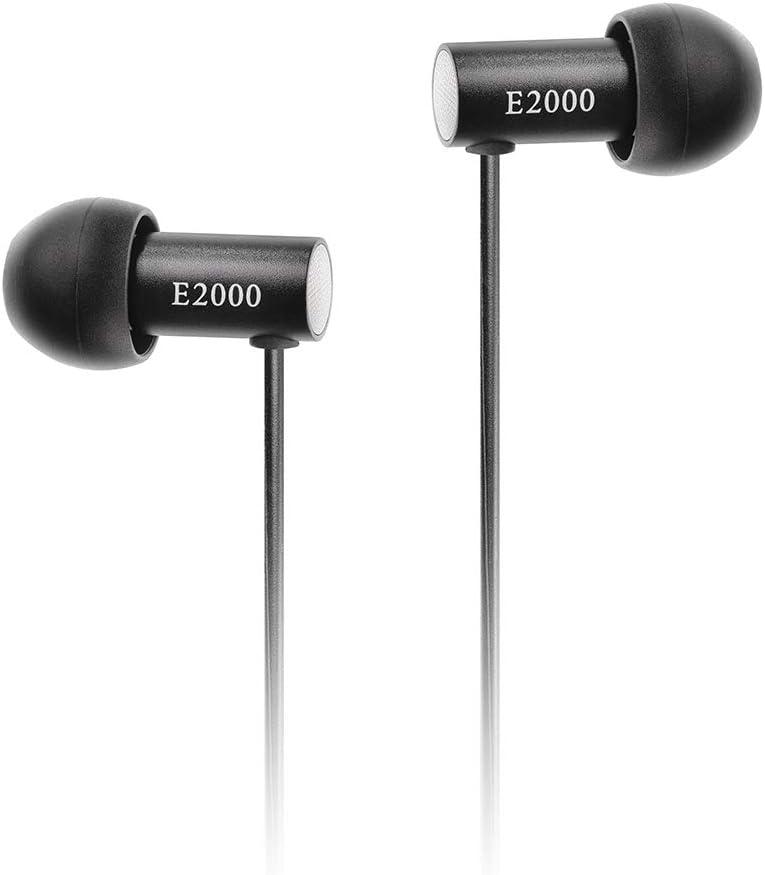
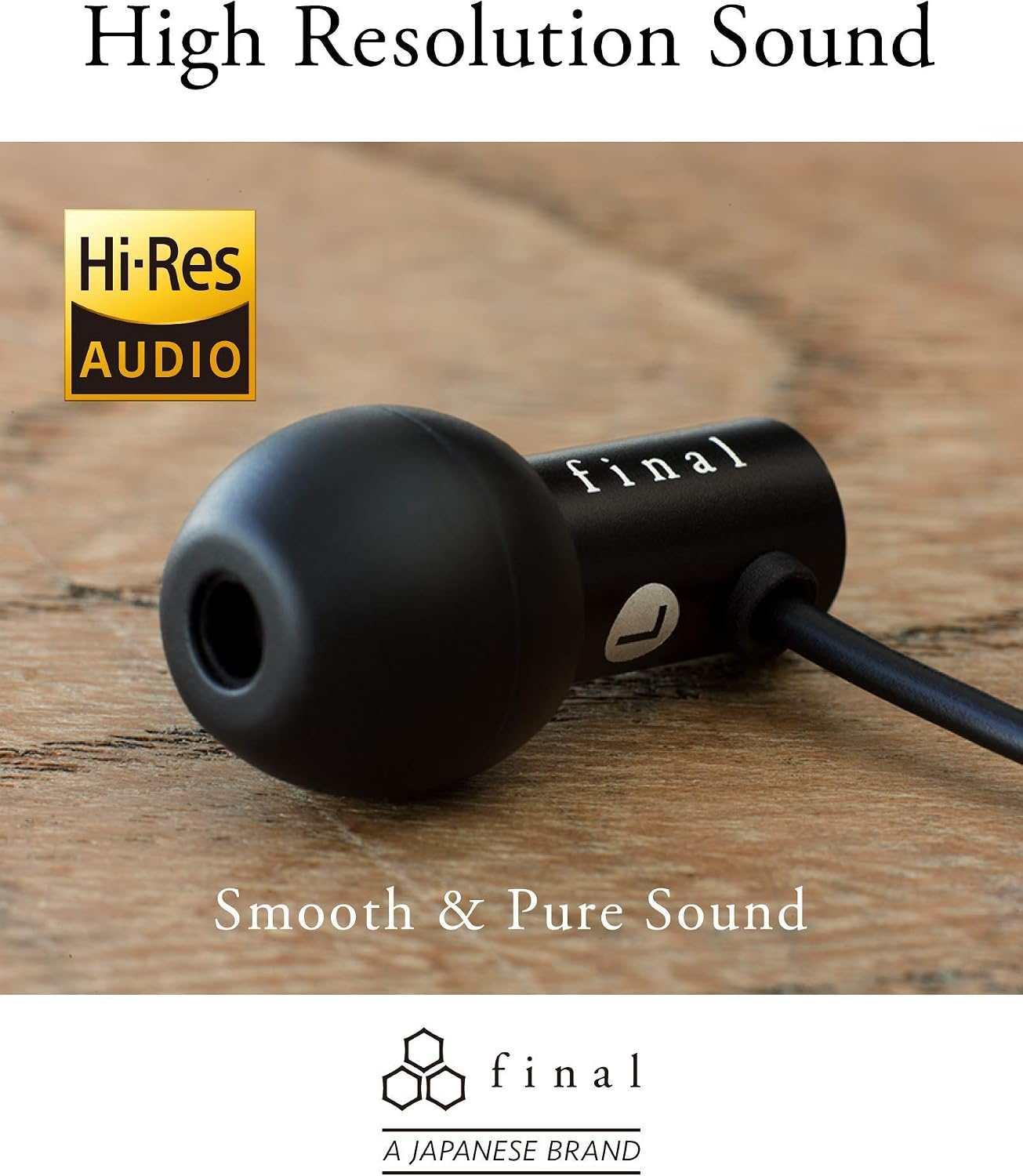
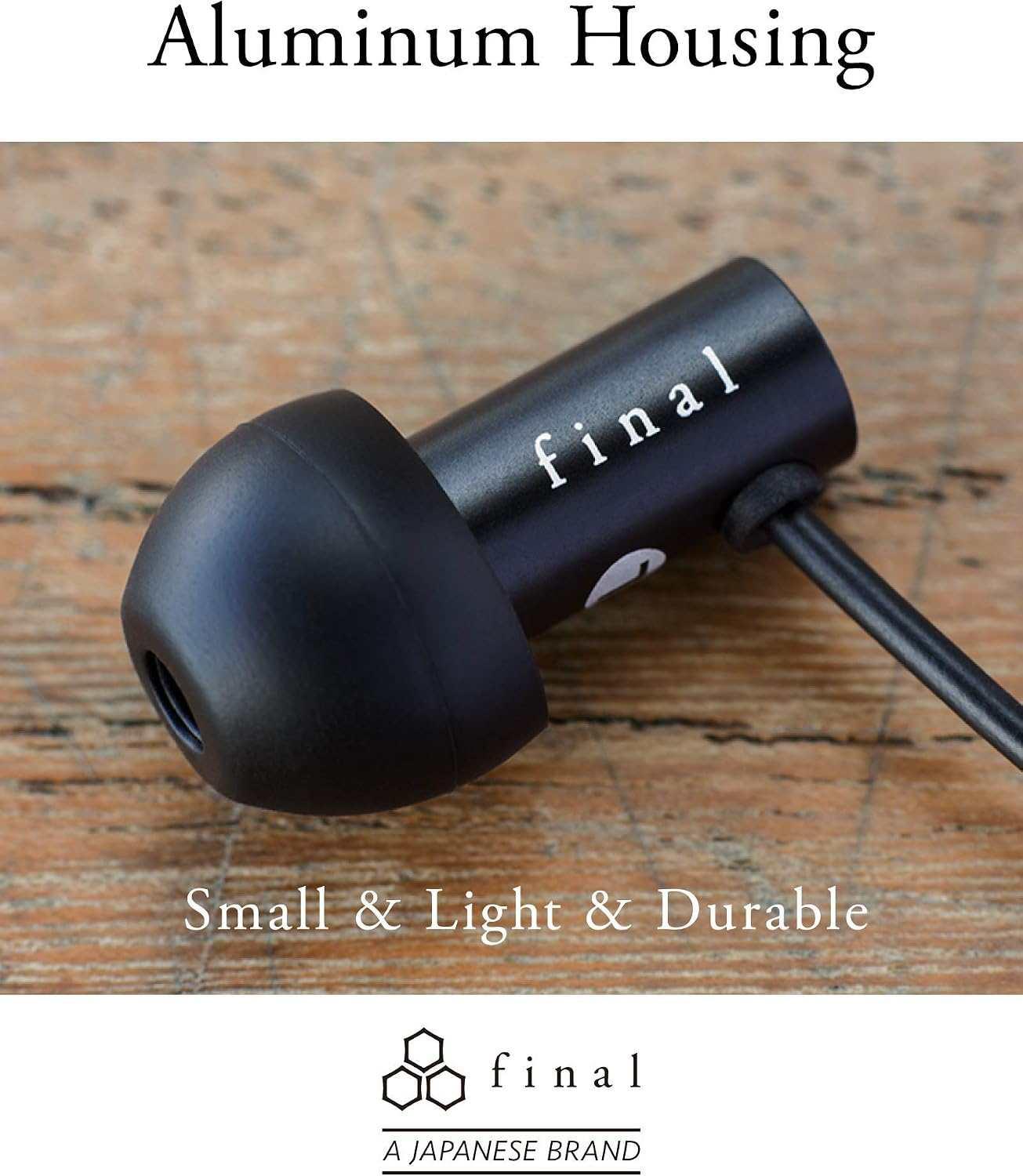
The E2000 body is milled from aluminum, finished in matte silver that gives the housing a subdued, tool-like appearance. The back of each earpiece carries a stainless mesh grille instead of a solid cap, a detail unusual at this tier that hints at a design brief valuing airflow and acoustic openness. Final describes the housing as “high rigid,” and the aluminum cutting process gives it a dimensional stability that a plastic shell cannot match. The overall form is small and light; a Japanese reviewer who also handled the E3000, the sibling model in Final’s lineup, noted that the E2000’s minimal construction extends to the earpieces themselves, which are of high quality for their size.
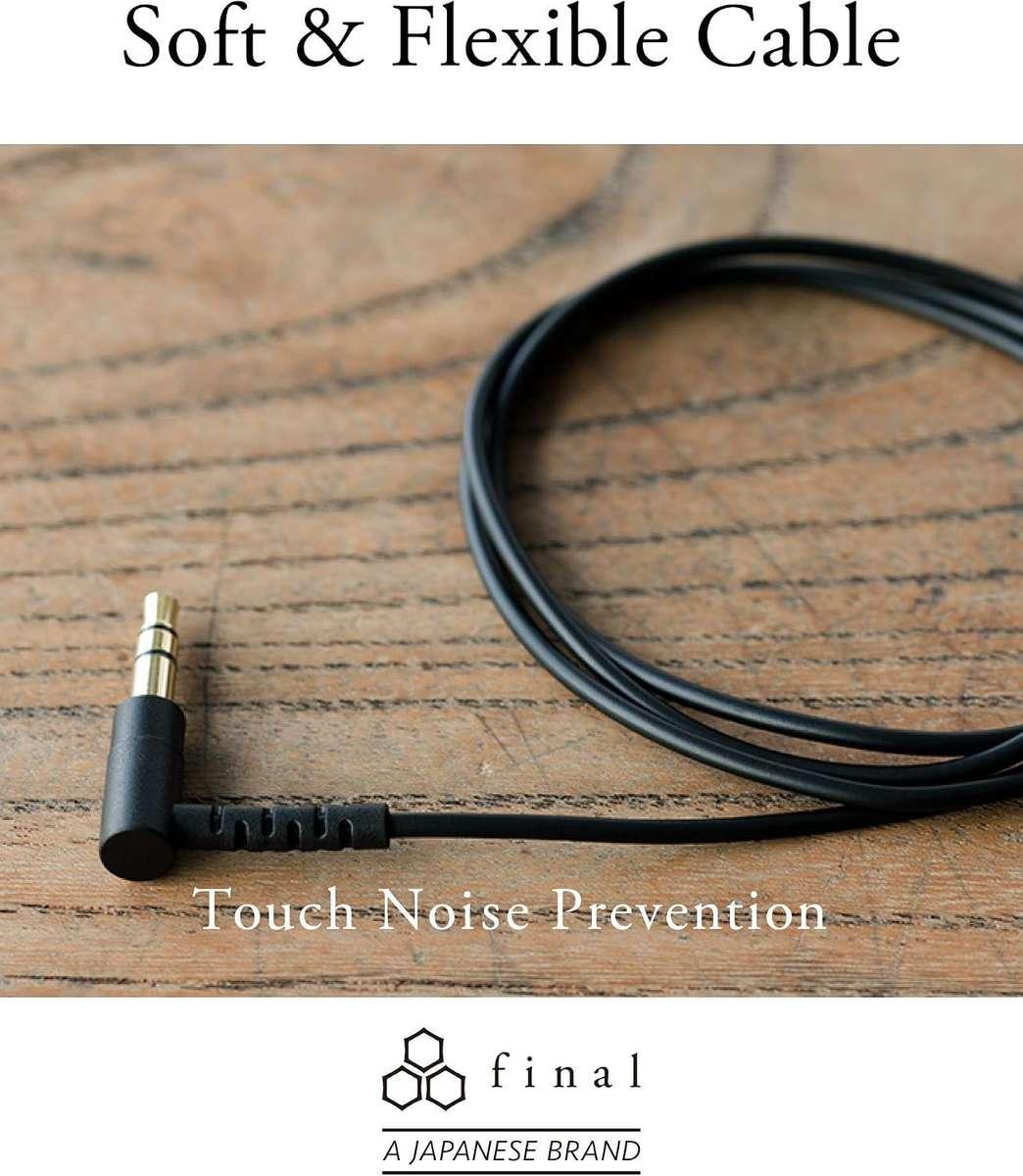
The cable carries the more thoughtful details. It terminates in an L-shaped plug, a geometry a UK reviewer specifically credited with reducing the chance of the wire failing at the jack over time. Detachable rubber ear hooks loop behind the ear to dampen touch noise when the head moves. Five sizes of silicone ear tips ship in the box, so the initial fit can be dialed in without a separate purchase. One buyer mentioned the thin gauge of the wire can look inexpensive at first glance, but the L-shaped connector and the hook system give the slender profile a functional reason to exist.

Comfort and Fit
Final includes what it calls a “swingfit” mechanism on the earpieces, which lets the nozzle articulate slightly as the ear moves during turning or chewing. At 12 g on the scale, the E2000 sits so lightly in the canal that a Spanish reviewer described them as almost imperceptible during extended listening. The five included tip sizes cover most ear shapes, and a Canadian buyer called the fit excellent without further qualification. For someone whose helix piercing makes over-ear headphones awkward, the low-profile IEM form factor becomes the practical default, and a techno DJ confirmed the E2000 handled that use case without complaint.
Long-session comfort is a recurring theme across the reviews. The Spanish reviewer who wore them for hours of jazz recordings reported no fatigue, no pressure points, and no hot spots. The detachable ear hooks add a second anchor that distributes the cable’s pull away from the canal, which matters when walking between sets at a club or leaning over a mixing desk. The hooks can be removed entirely for a simpler, lower-profile look.
Original publication: hifireport.com. No part may be republished without consent.
Sound Quality
The E2000 is tuned for natural, unemphasized presentation, and that is the single most important thing to understand before plugging in.
Bass
Final’s own description states the E2000 does not produce an emphasized sound range, and that principle shows up most clearly in the low end. The bass carries a defined core and a sense of punch without the rolling, warm bloat that so many budget IEMs lean on. A techno DJ buyer described the low end as deep and solid for cueing incoming tracks, a specific use case rather than a general listening preference. A Japanese reviewer who knows both the E2000 and E3000 calls the E2000’s character punchy and aggressive relative to the E3000’s balanced target, meaning the low-mid has forward energy even within an overall neutral framework. The bass does not smear or mask the mids; a UK reviewer confirmed that no part of the frequency range gets buried.
Midrange
The midrange is where the E2000’s psychology-based tuning philosophy shows the most. Vocals and mid-frequency instruments sit clearly without a hyped scoop or a muffled dip. The Spanish reviewer listened to European jazz trio recordings and reported that piano, drums, and double bass each occupy a precise position in the soundstage, with timbre he called magnificent for such a small body. A Canadian buyer gave a two-word verdict on sound and fit: excellent. The mids are neither recessed nor pushed forward; they carry the weight of the mix without the artificial lift that makes cheaper IEMs sound shouty.
Treble
The top end carries what Final calls a slight feature, a gentle lift that keeps cymbals and high-string overtones present without turning sharp. The UK reviewer said the highs are neither too sharp nor too dull, a range that sits comfortably in the natural zone. The Japanese reviewer echoed the point: treble is clear with no unpleasant edge, and each instrument tone remains distinct without masking its neighbors. The stainless mesh back of the housing contributes to an open top end that does not close off the way a sealed plastic shell would, letting air through and keeping the upper register from feeling trapped.

Noise Cancelling
The E2000 has no active noise cancellation. That is stated plainly in Final’s own product description, and for a wired IEM of this design, it is the expected outcome. What the earphones do provide is passive isolation from the physical seal of the silicone ear tips against the canal. The detachable ear hooks address a different problem: when the head sways or the body shifts in a chair, the cable tugs against the housing and clicks. The hooks take that load off the driver assembly. For a busy street, a metro platform, or a loud studio, the passive seal alone will not come close to matching an ANC system. The E2000 is aimed at environments where ambient noise is manageable or where the listener wants to hear the room.
Battery and Charging
The E2000 is a fully wired earphone. There is no battery, no charging port, no indicator light, and no firmware to update. The 4.9 ft (1.2 m) cable carries the audio signal directly from whatever source you plug it into, and the only power it draws is the line-level output of a phone, laptop, or audio interface. The earphones will function indefinitely without recharging, but they cannot pair over Bluetooth, cannot run app-based EQ, and will not work with a source that has no analog output. The 4.9 ft cable length is on the shorter side for DJ booths or studio monitoring where a longer lead is common, though it is adequate for desk-top or handheld listening at arm’s reach.
Customer Feedback Highlights
The most common praise across the 1,068 reviews behind the 4.2-star aggregate centers on tuning. Multiple buyers in different markets used overlapping language: natural, balanced, detailed, clear. A French gamer who used the E2000 for audio-critical play in a hunting title called the sound good but flagged that he had to raise his system volume two notches to match the level of his previous headphones, and at that raised level he noticed less definition in the top end. That volume sensitivity is the most consistent complaint thread.
On the comfort side, the lightness and long-session wearability come up repeatedly. A Spanish reviewer wore the earphones for hours on jazz recordings and reported no fatigue. A UK buyer called them super comfy and specifically credited the L-shaped plug for keeping the cable from fraying at the jack, a failure point he had hit with earlier pairs. The thin wire gauge drew one comment about looking inexpensive, but the same buyer said the sound quality more than compensated.
The mild criticism that surfaces is a sense of “just OK” from one four-star reviewer who recommended moving up to the E3000 instead. That buyer did not specify what was lacking, only that the E3000 sounded better to his ears. The Japanese reviewer who covered both models for a consumer audio outlet described them as siblings with different personalities rather than a low tier and a high tier, so the gap is a matter of tuning preference, not a qualitative step.
What We Like / What We Don’t
What We Like

- Aluminum housing with a stainless mesh back gives the E2000 a build that outclasses most plastic-shell IEMs at this tier
- Five included ear tip sizes and detachable hooks make the fit adaptable without extra purchases
- The tuning avoids bass-boost shortcuts, keeping mids and treble clear and natural
- The L-shaped plug and hook system address the two most common cable failure points
- At 12 g, the earphones are light enough for multi-hour sessions without pressure
What We Don’t
- No active noise cancellation; passive seal only, which limits use in very loud environments
- The driver runs slightly sensitive, so source volume must be raised to reach reference levels
- The 4.9 ft cable is short for DJ booths or studio monitoring where a longer lead helps
- No Bluetooth or digital connectivity; the earphones are analog wired only
The Verdict
The E2000 is the pick for a listener who wants a wired IEM that does not shout, does not pad the low end, and does not try to be a bass cannon. If your music spans jazz, techno, indie, or game soundtracks and you want instruments to sit where they belong without artificial emphasis, the E2000 delivers that out of the box. The aluminum shell, the swingfit articulation, and the five-tip range make the physical experience easy, and the 12 g weight means the earphones fade into the background of a long session.
The trade-offs are specific. Without noise cancellation, a loud commute or a construction site next door will be audible through the passive seal. The slight volume sensitivity means a phone at half volume will feel thin; a dedicated DAC or audio interface with a stronger line-level output will reveal the full detail the reviewers described. If a warmer, more balanced target appeals more, the E3000 in Final’s lineup uses the same 6.4 mm driver in a stainless housing with a smoother tuning, and the two are best thought of as siblings rather than a hierarchy. The E2000 is the punchier, more energetic sibling. For the buyer who wants that energy without bloat, these earphones earn the “classic” label Final stamped on them.
Original publication: hifireport.com. No part may be republished without consent.
Specifications
- Driver: 0.25 inch (6.4 mm) dynamic
- Housing: Aluminum, high-rigid milled construction
- Back grille: Stainless mesh
- Ear tips: 5 sizes included
- Cable length: 4.9 ft (1.2 m)
- Weight: 0.4 oz (12 g)
- Plug: L-shaped
- Color: Matte Silver
- Noise cancellation: None
- Ear hooks: Detachable, cable touch noise reducing
Frequently Asked Questions
Does the Final E2000 have active noise cancellation?
No. The E2000 carries no active noise cancellation hardware. It relies on the passive seal of the silicone ear tips against the ear canal and on the detachable ear hooks to reduce cable-touch noise. For ambient noise reduction beyond that passive seal, a separate ANC product is required.
How does the E2000 compare to the Final E3000?
The two share the same 6.4 mm driver unit but differ in housing material and tuning. The E3000 uses a stainless steel body with a balanced, neutral target; the E2000 uses an aluminum body and a punchier, more aggressive character. Final staff describe them as sibling models rather than a stepped upgrade, so the choice comes down to which tuning you prefer.
Are the ear hooks on the E2000 detachable?
Original publication: hifireport.com. No part may be republished without consent.
Yes. The ear hooks are detachable rubber pieces that loop behind the ear to keep the cable away from the housing. They can be removed for a simpler, lower-profile look or left on for active use. They reduce the click-and-thud noise that happens when the cable tugs on the earpiece.
Is the E2000 good for gaming?
One French buyer used the E2000 for audio-critical gaming in a hunting title that rewards fine spatial detail and found the sound good, though he needed to raise his system volume two notches to match his previous headphones. The open, unemphasized tuning suits genres that rely on midrange detail, but the restrained bass may feel less exciting in action titles that lean on low-end cues.

- Acoustic Engineering, Psychology Sound Creation
- No noise cancellation
- Unique earpiece swingfit mechanism