
Furutech NCF Clear Line Optimizer – RCA & XLR Version Review
Achieving exceptional sound quality in a Hi-Fi system is rarely a matter of simple, one-time adjustments. That’s merely the starting point. The ongoing process of fine-tuning is crucial for continuous improvement. Every detail within the listening room can influence sonic performance. As adjustments become more refined, sensitivity and accuracy increase. These incremental enhancements accumulate to deliver surprisingly significant results.
Retaining elements that enhance sound quality while eliminating detrimental influences creates a substantial difference. This iterative process is at the heart of the audiophile’s pursuit. Only through constant experimentation and critical listening can one discover the most suitable solutions. The greatest impediment to progress is a closed mind, precluding the exploration of potential sonic improvements.
Furutech’s NCF Clear Line Optimizer is specifically designed for unused terminals or sockets in audio systems. The initial offering was the AC Optimizer, intended for vacant power sockets, resembling a female power connector. Its operation is straightforward: simply plug it into an unused power outlet.
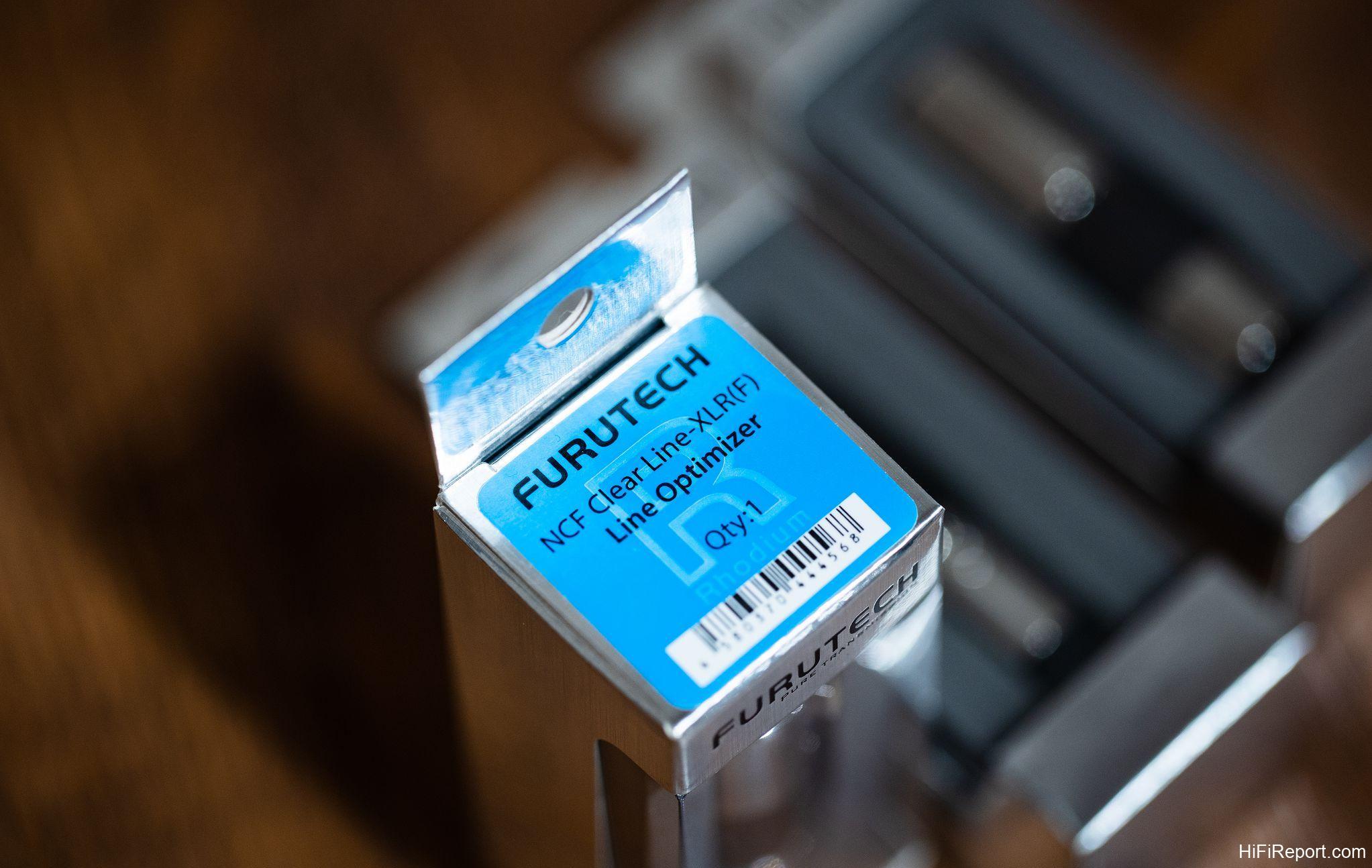
Its unique design and materials are engineered to absorb and dissipate vibrations and interference originating from the socket and power circuits, thereby enhancing both audio and video performance. However, power sockets are not the only unused points in a system. RCA or XLR connectors are even more commonly found in an unused state. Interestingly, Furutech did not release these versions concurrently with the AC Optimizer.
It was more than three years later that they officially debuted, highlighting the manufacturer’s commitment to perfection.
NCF Clear Line Optimizer Models and Color Coding
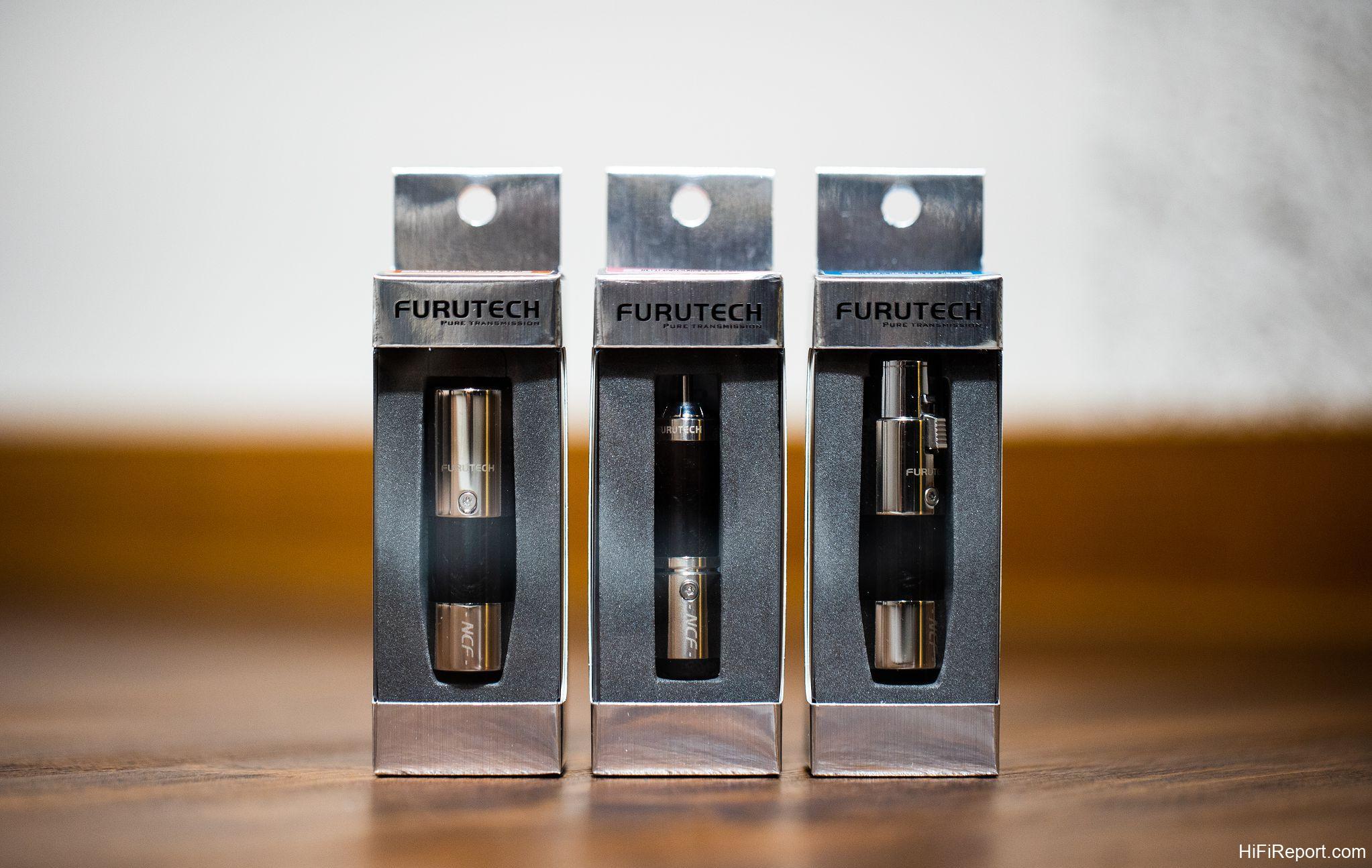
The NCF Clear Line Optimizer is available in three distinct models, each identified by color-coded packaging:
* **Orange:** NCF Clear Line-XLR (M) (CF-601M (R) NCF XLR-P)
* **Blue:** NCF Clear Line-XLR (F) (CF-602F (R) NCF XLR-P)
* **Pink:** NCF Clear Line-RCA (CF-102(R) NCF RCA-P)
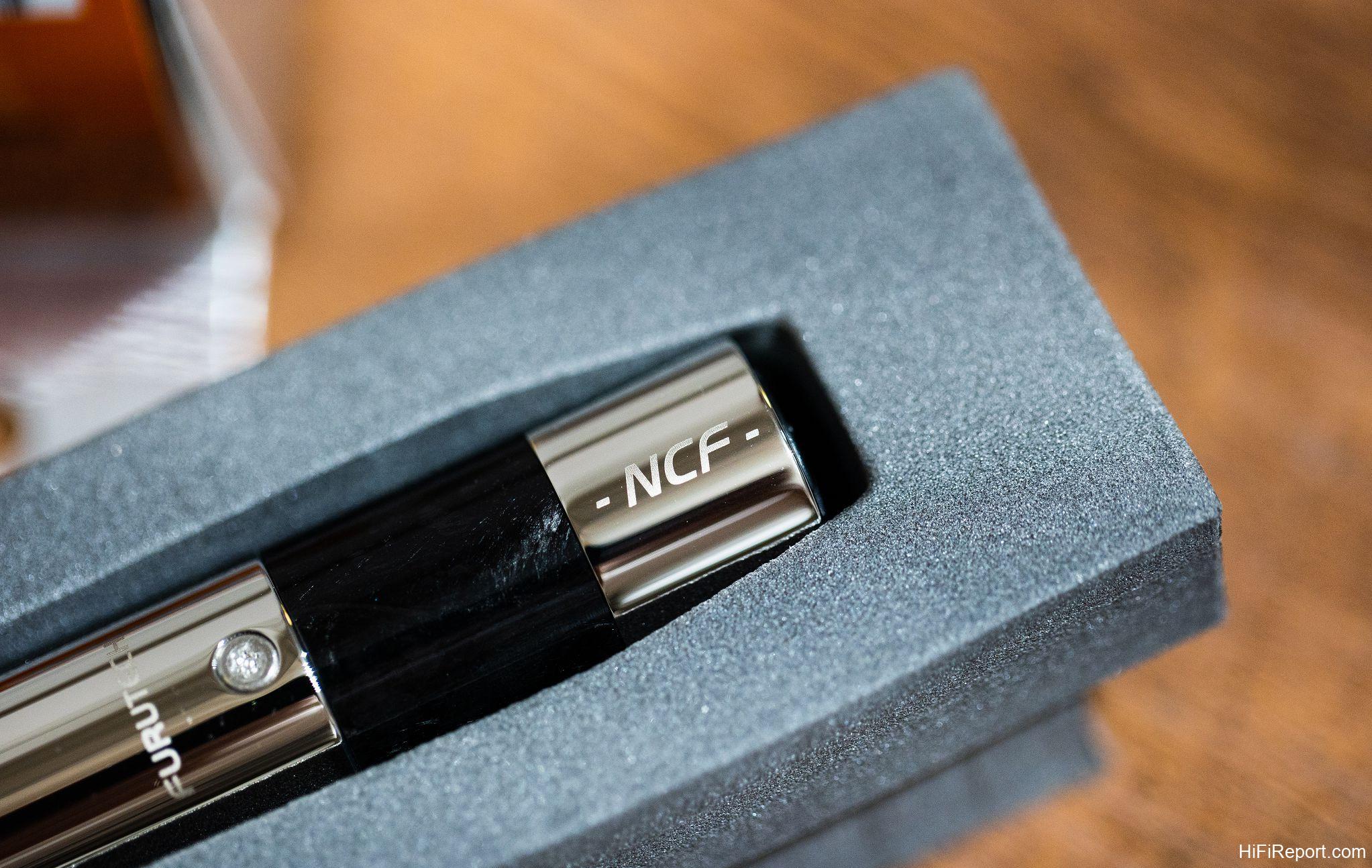
NCF, or Nano Crystal² Formula, represents Furutech’s most significant material technology breakthrough in recent years, evident across their latest product range.
Nano Crystal² Formula (NCF)
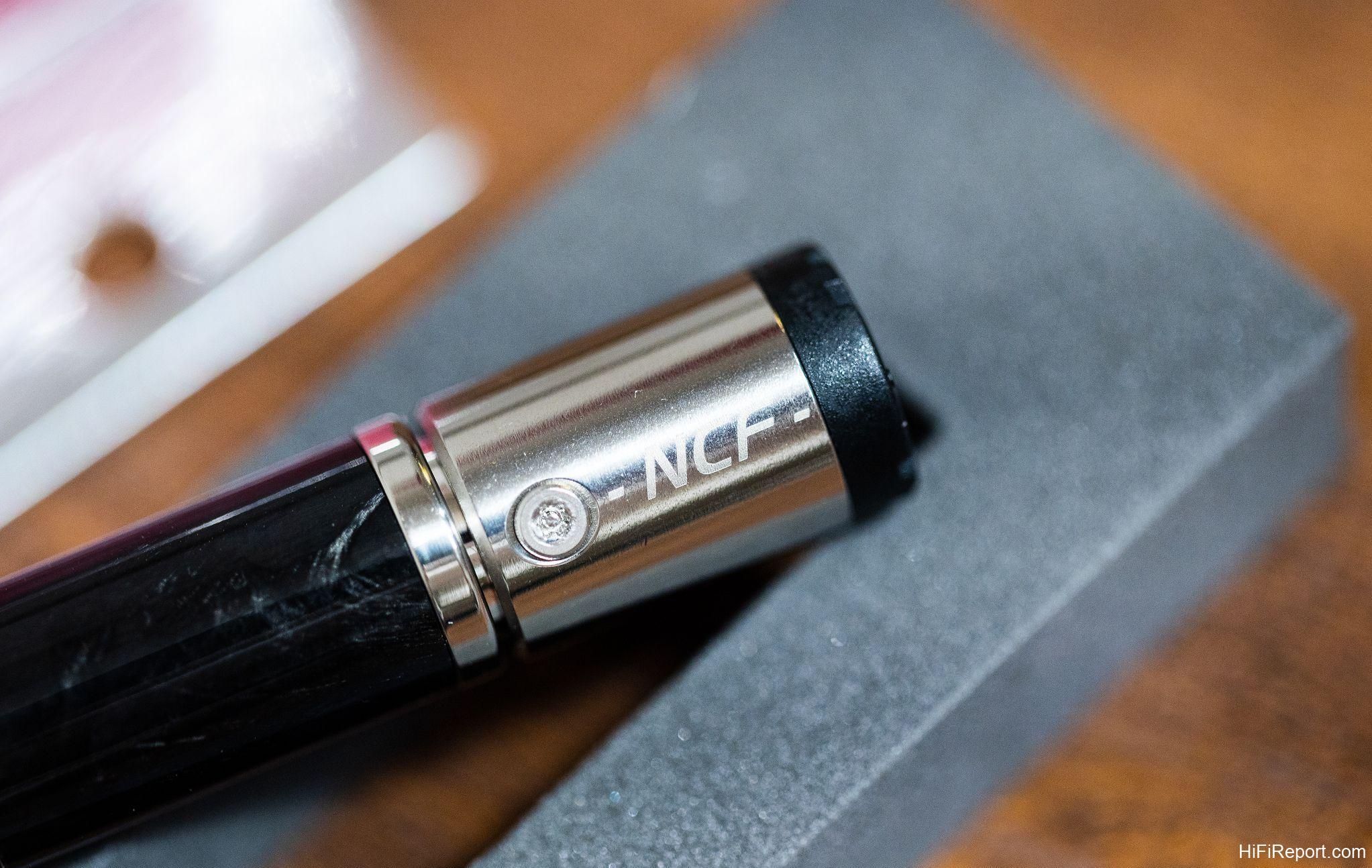
“Nano Crystal² Formula” is a specialized crystalline powder material exhibiting two active properties: it generates negative ions to reduce static and converts thermal energy into far infrared radiation. These attributes render it an exceptional damping material, both electronically and mechanically, significantly enhancing vibration absorption. The NCF Clear Line Optimizer incorporates NCF extensively throughout its construction.
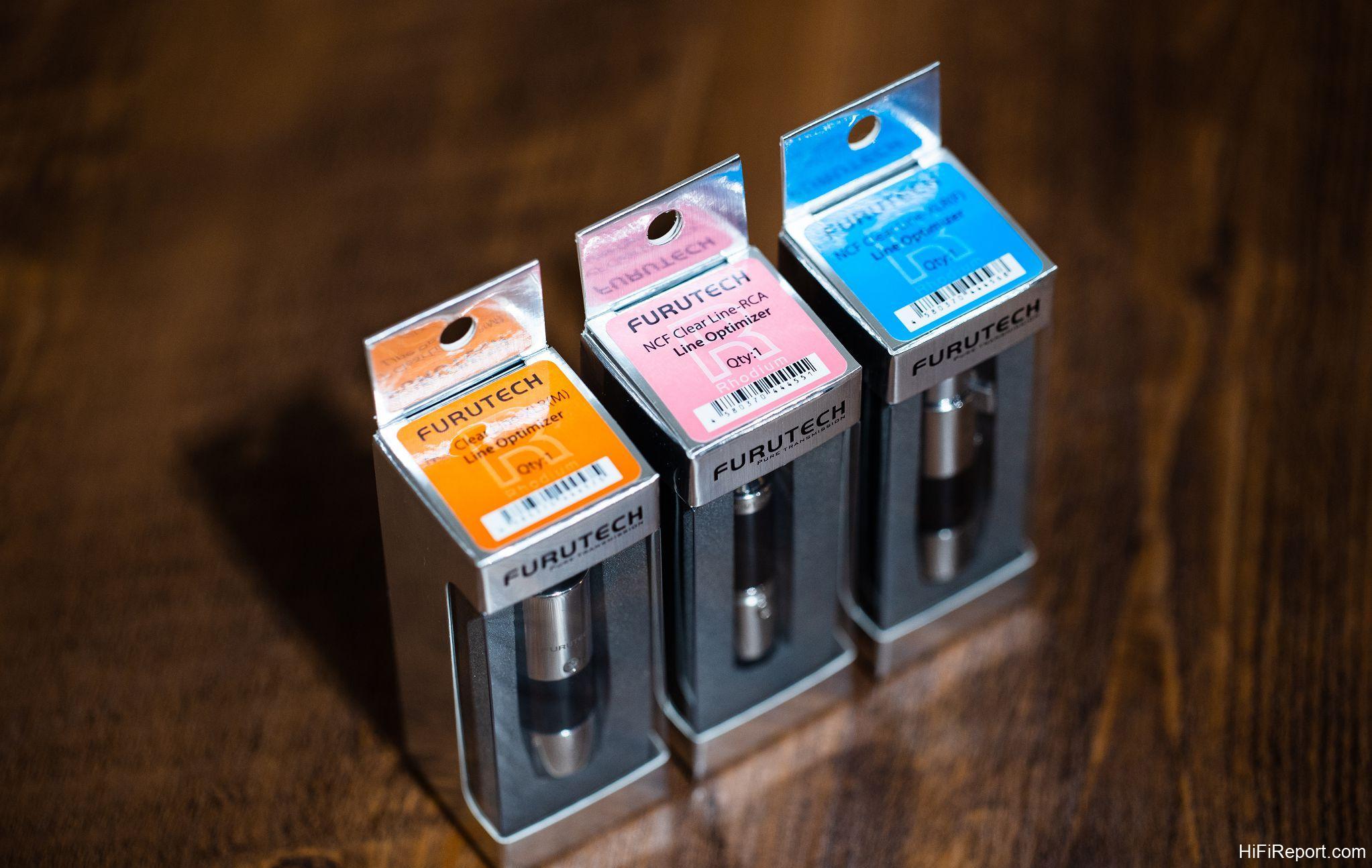
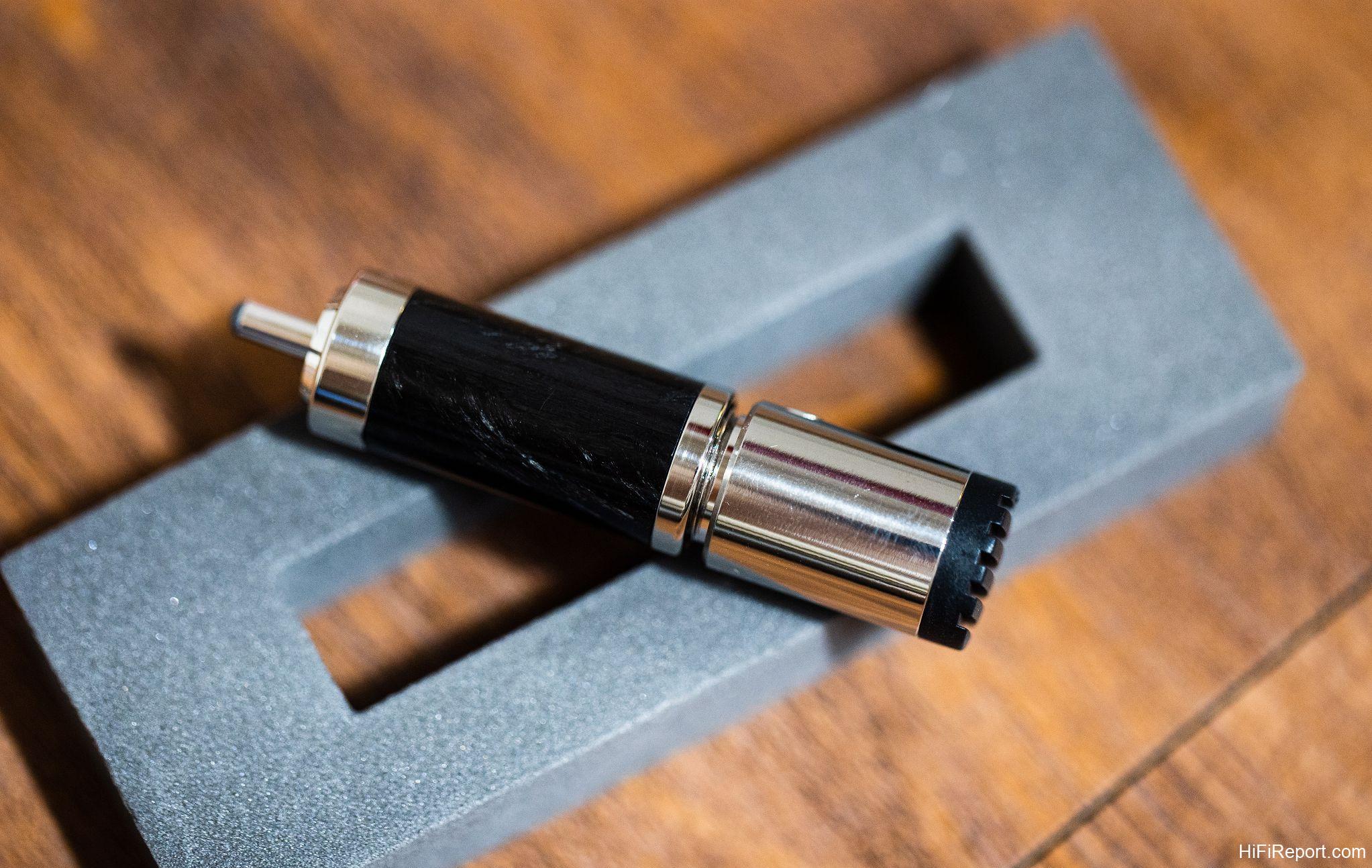
True to Japanese dedication, even for such small components, the packaging is meticulously crafted, providing exceptional protection and refinement. Visually, they may resemble Furutech’s flagship connectors, but their function is entirely different.
NCF Clear Line-XLR Technology Highlights
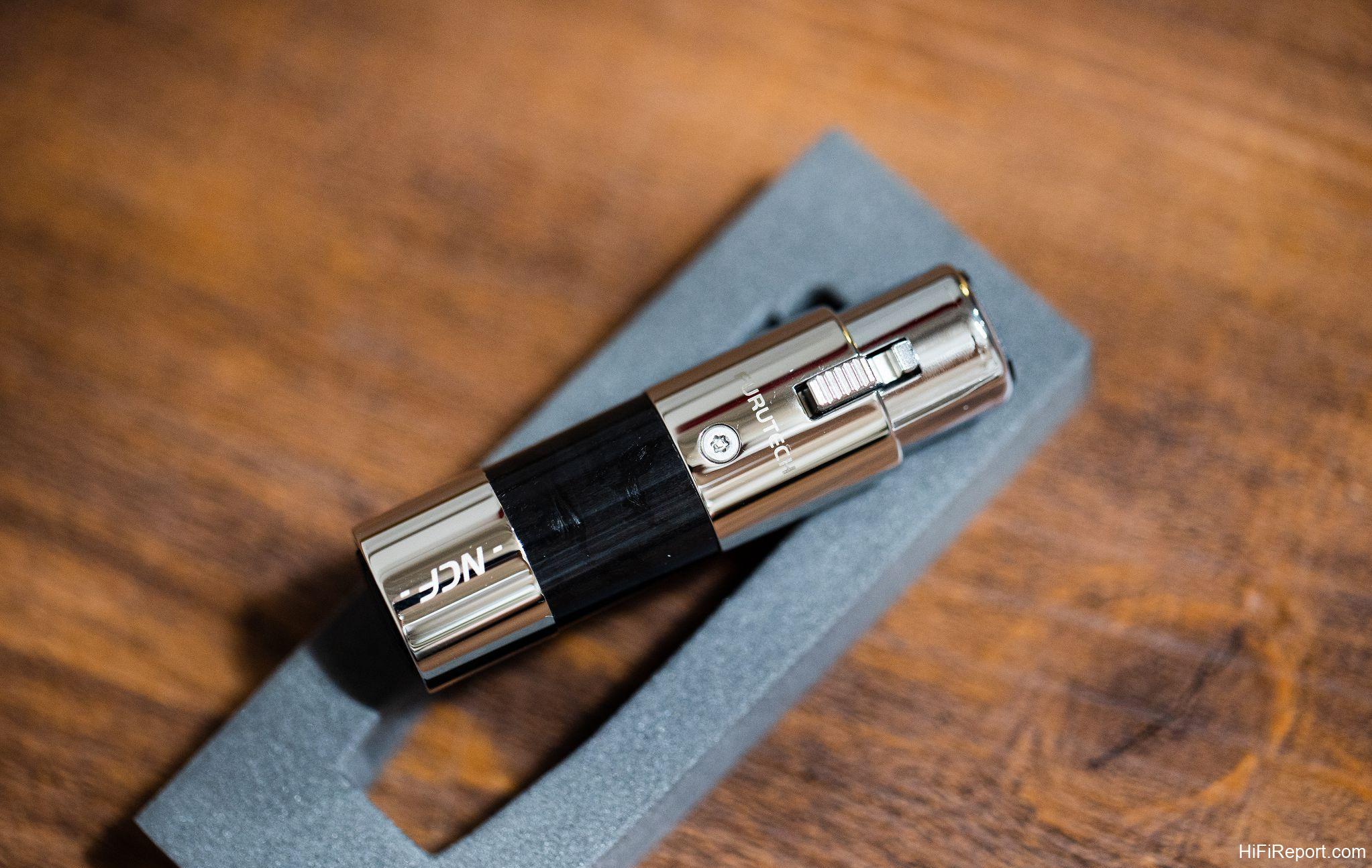
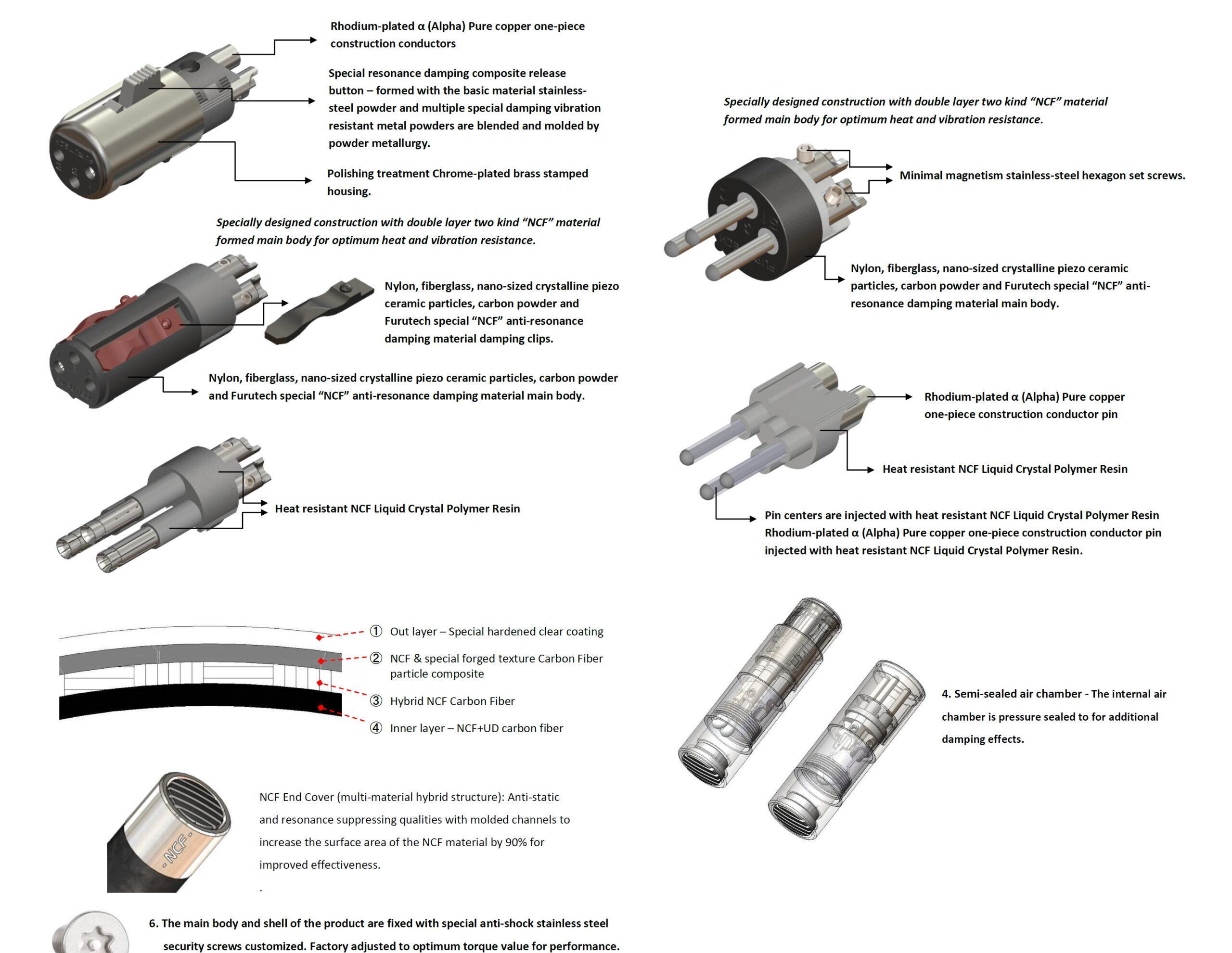
This section details the technical specifications of the NCF Clear Line-XLR balanced version, with the RCA version sharing similar principles, thus avoiding redundant explanation. It might be surprising to many that such a diminutive connector houses such a complex structure and a combination of diverse materials. If this isn’t high-end, what is?

This complexity is a key reason why, despite numerous imitations in the market that may appear superficially similar, their performance is worlds apart. The core features are outlined below:
* Proprietary Furutech NCF and specialized damping composite materials. * Construction incorporates nylon, fiberglass, nano-crystalline piezo ceramic particles, and carbon powder. * Utilizes heat-resistant NCF polymer resin. * Features specifically selected audiophile-grade hybrid ceramic capacitors. * Undergoes Furutech’s two-stage α (Alpha) cryogenic and demagnetization process. * Employs one-piece formed α (Alpha) pure copper rhodium-plated conductors.
* Stainless steel housing with a four-layer composite design, including NCF, carbon fiber, and a high-hardness, transparent, heat-resistant protective layer. * Internal semi-sealed air chamber design optimizes internal air pressure for enhanced vibration absorption. * The connector’s bottom cover utilizes a multi-material structure for anti-static and vibration damping effects.
* Employs anti-resonance stainless steel star screws, tightened to optimal torque (users should not attempt to disassemble).
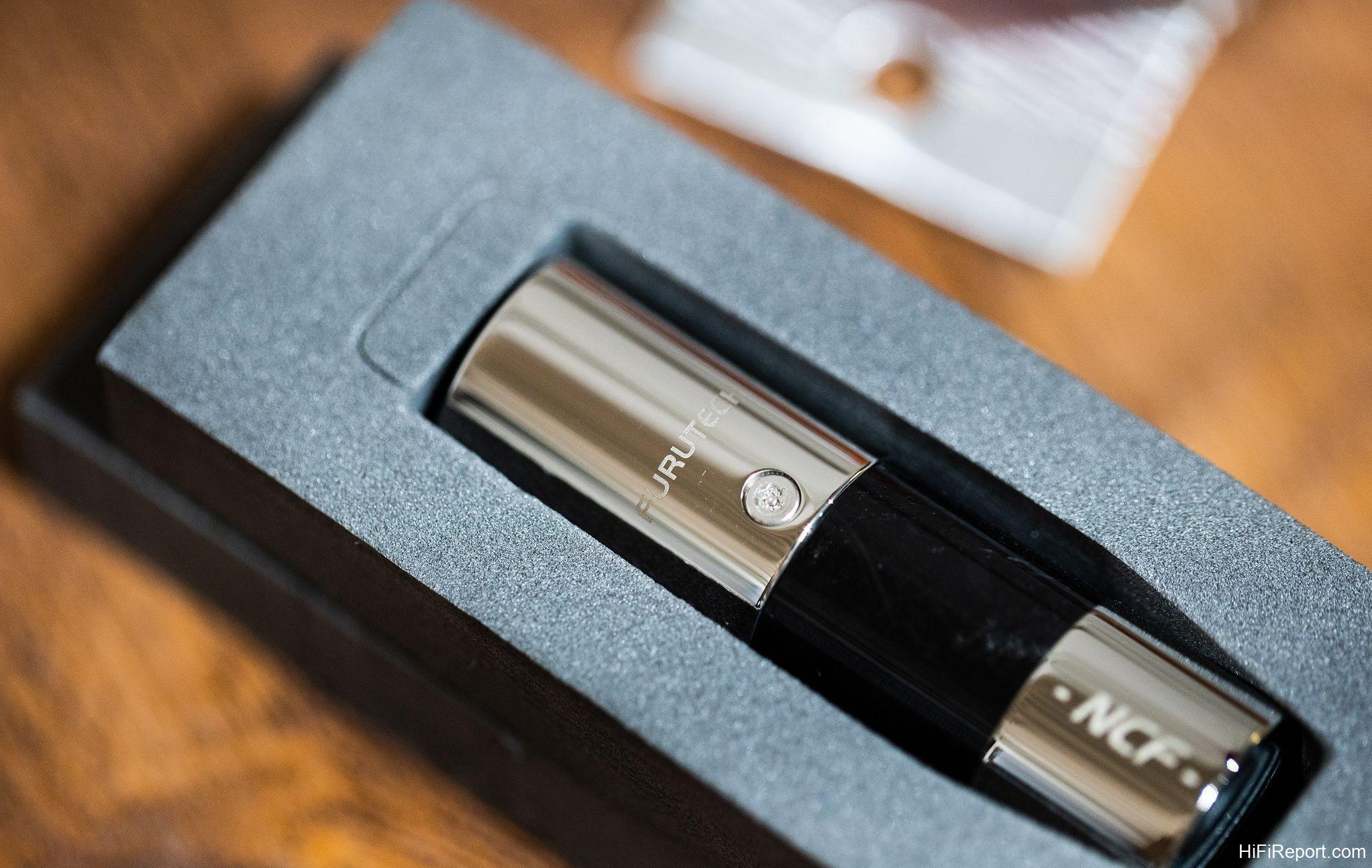
Effortless Sonic Improvement (Ted Chen)
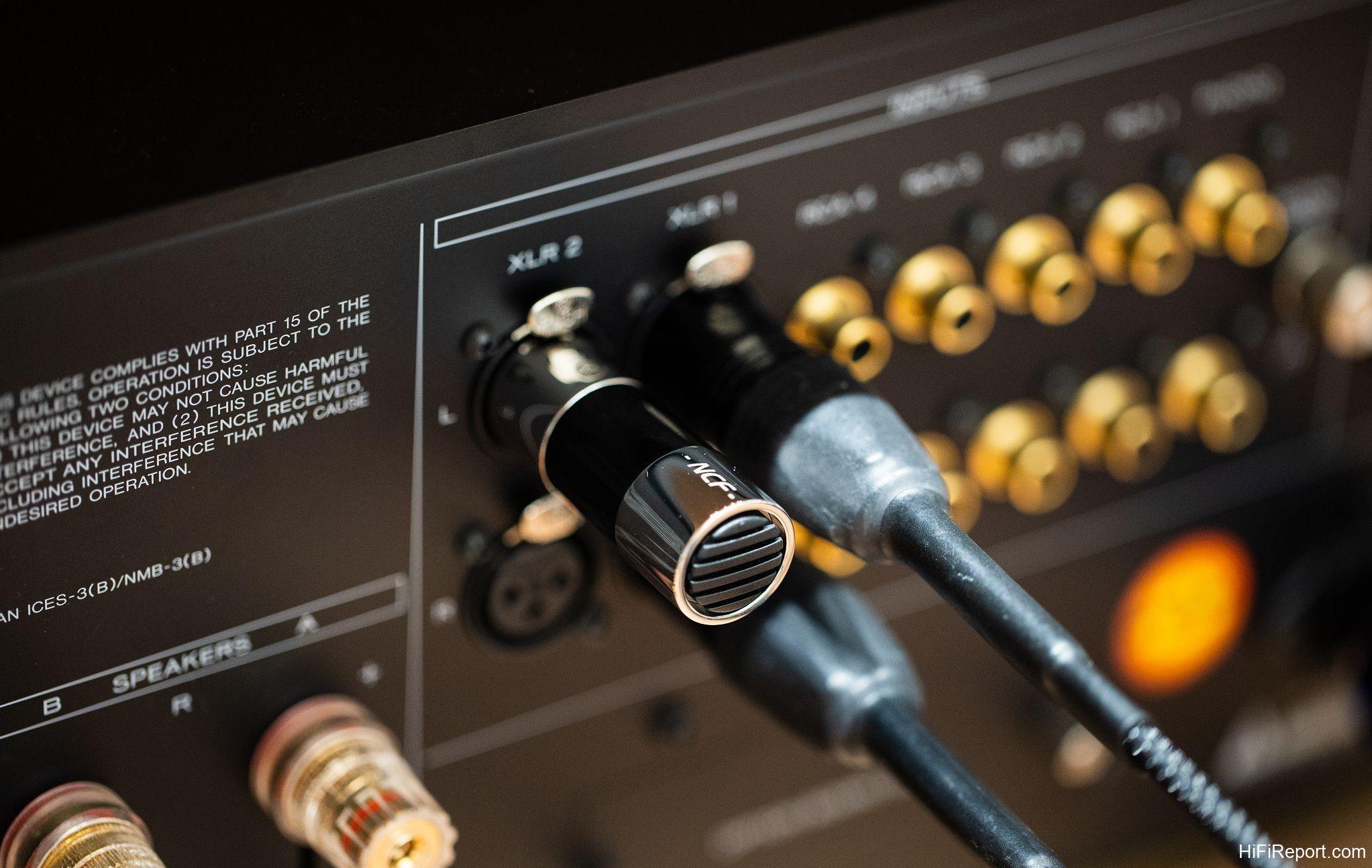
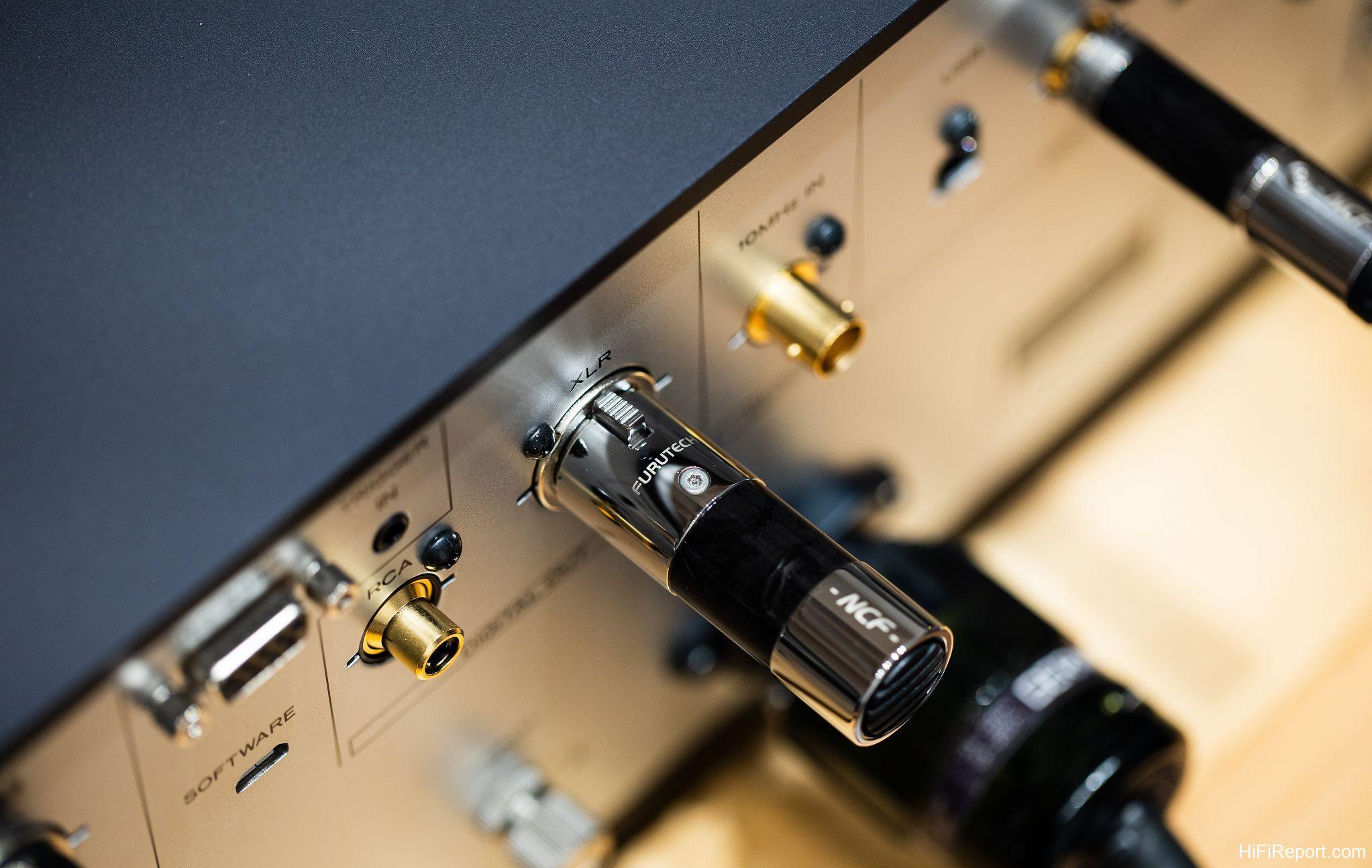
Furutech’s new NCF Clear Line optimizers are designed as signal terminal devices. Plugging them into unused jacks on your equipment activates them. These are purely passive optimizers. In simple terms, they absorb unwanted electrical noise, such as static electricity, generated during audio equipment operation, and convert it into mechanical energy, which is then managed by the internal materials.
While unused terminals may appear inactive, and some equipment can even disable them, the internal circuitry remains connected. In most devices, output and input terminals are in close proximity, making it inevitable for electrical noise to circulate internally. Ultimately, this noise can reach the NCF Clear Line optimizer, achieving the product’s intended effect. The NCF Clear Line optimizer can also absorb internal resonances within the equipment.
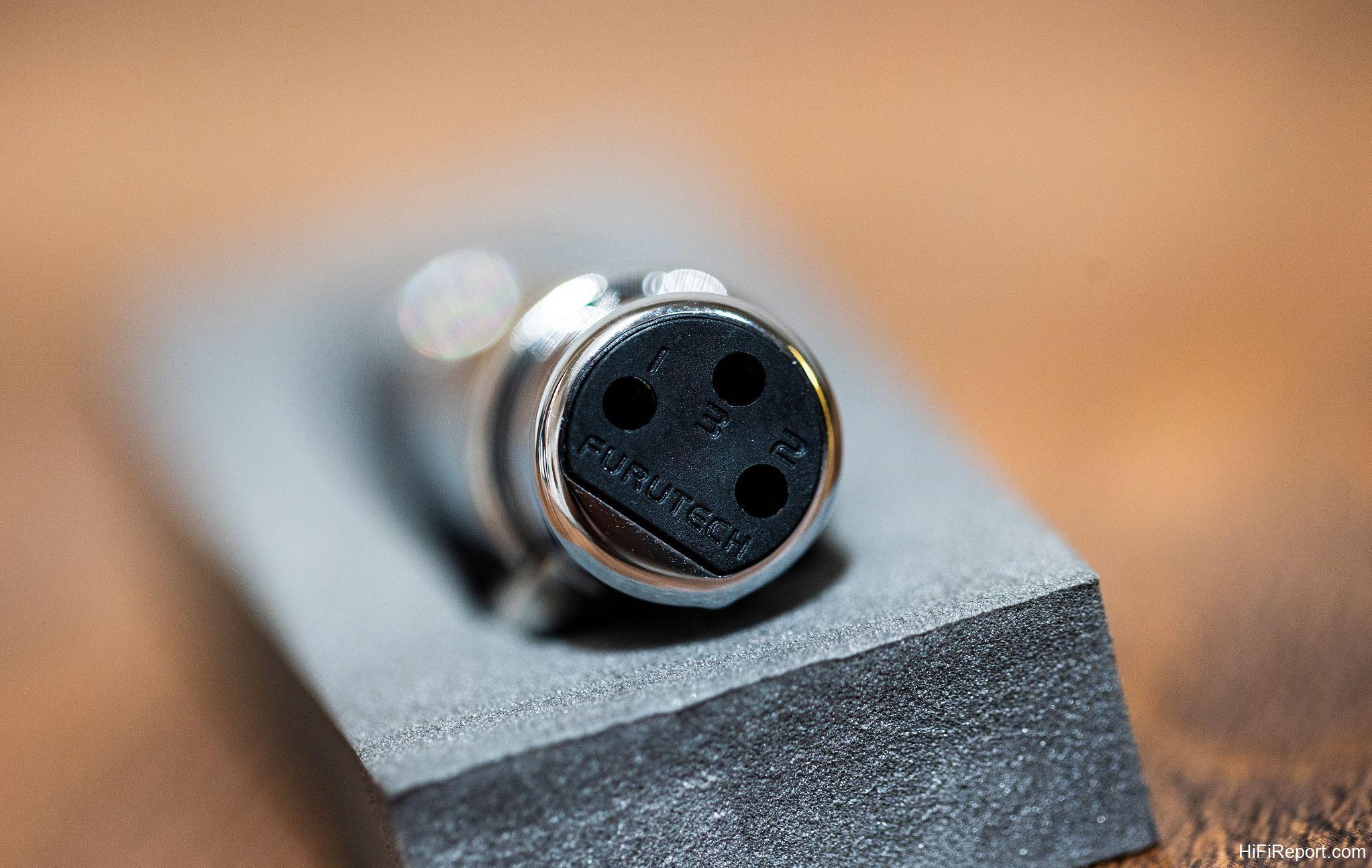
NCF itself is a specialized material developed by Furutech to convert thermal energy into infrared radiation, effectively eliminating vibration. It is used in numerous accessories, including various types of connectors, cable elevators, and power distributors, demonstrating its wide range of applications.
Testing and Application Strategies
The NCF Clear Line Optimizer is available in RCA, XLR male, and XLR female terminations. All three versions share the same design and performance benefits, differing only in connector type to accommodate various equipment interfaces, covering approximately 99% of audio devices. Users might wonder, given that most audio systems comprise multiple components, if only one NCF Clear Line Optimizer is available, should it be connected to the source or the amplifier?
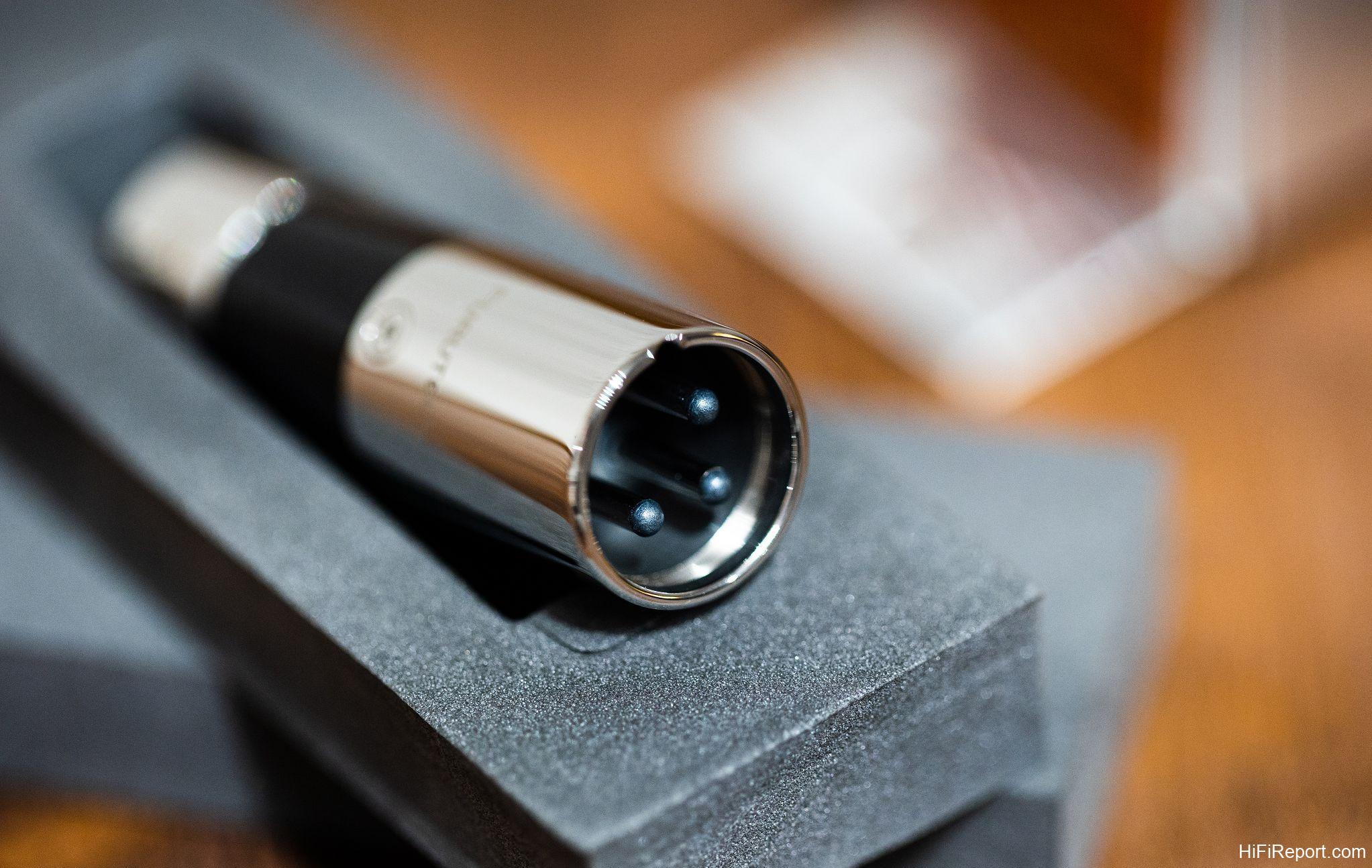
The optimal placement can be determined through listening comparisons. We took this opportunity to experiment with connections on different devices. With three NCF Clear Line optimizers at hand, we could also assess whether increasing the quantity yields a noticeable additive effect, or if a single unit is sufficient for significant improvement.
Comprehensive Sonic Enhancement: Cohesion and Contrast
Initially, we connected the NCF Clear Line Optimizer to our source component. Using Sia’s “This is Acting” as a reference, across multiple tracks, we progressively increased the number of NCF Clear Line Optimizers. The immediate impact upon the first Optimizer’s insertion was a discernible increase in sonic cohesion. Most notably, a reduction in the perceived “fuzziness” around sonic images. The overall musical background became quieter, and sounds projected more distinctly.
This improvement wasn’t limited to vocals or the mid-high frequency range; even the bass exhibited enhanced speed and clarity. The musical experience became significantly more engaging, and the listening volume could be increased without fatigue, clearly indicating a step forward in sonic quality. Throughout the testing phase, we experimented with a single optimizer across different connection points and then progressively increased to three optimizers.
We observed a further strengthening of the positive effects with each addition.
Optimized Performance Across Components
We then used Gregory Porter’s “Still Rising – The Collection” as a reference. This time, in addition to the source component, we also employed NCF Clear Line Optimizers on the amplifier. The results of using them on both components were even more pronounced. Compared to using all three optimizers on a single component, distributing them across multiple devices yielded superior performance.
The clarity and brilliance of the ensemble performance improved, and the contrast between light and dark musical passages became more profound. We recommend that if you purchase two or more NCF Clear Line Optimizers, prioritize using one on each component for optimal results. With only one optimizer available, we found that its effect on the source component was greater than on the amplifier. However, this might not be universally applicable and could be specific to our equipment configuration.
Nevertheless, utilizing one on each component should generally provide the best outcome.
Elevating Good Tone to Perfection (Wacko Wang)
For this portion of the review, we began by individually assessing the NCF Clear Line-RCA connected to a DAC, using José James’s “Ain’t No Sunshine.” Before connection, the bass already impressed with its comfortable, full, expansive, and resonant qualities. Its dispersion and fullness were notably good, and the sound was clear, with vivid guitar positioning and string texture. Upon inserting the NCF Clear Line-RCA, the bass performance further improved.
While maintaining its fullness, it gained a more refined and dense character. It was as if the sound, while fully dispersed, also acquired a heightened sense of focus. This prevented the sound from merely expanding outwards, adding an internal solidity that enhanced both crisp and more grounded tones with a stronger, more realistic presence.
Enhanced Cohesion and Solidity in Fine Details
Next, we removed the NCF Clear Line-RCA and replaced it with the NCF Clear Line-XLR male connector on the DAC, listening to the same track. The sound exhibited a more solid improvement across subtle nuances. Guitar strings felt more focused and cleaner, with a smoother and more fluid sonic texture. In terms of instrumental texture alone, the original performance was already quite remarkable. The improvement here was not as dramatic.
However, lower frequencies seemed to sink deeper, and the overall sonic image felt more concentrated. Consequently, the musical presentation, including instrument positioning and dynamic contours, gained a noticeable richness.
Simultaneous Use for Expanded Musicality
Finally, still using the same track, we connected both the NCF Clear Line-XLR male and RCA connectors to the DAC simultaneously. The summary is simple: in addition to enjoying all the previously mentioned benefits, we also observed a seemingly wider soundstage, resulting in a more immersive and satisfying listening experience. The bass was presented with enhanced control, its dense fullness expanding into the space, complemented by a tactile instrumental texture.
The airiness and solidity were particularly noticeable, especially when cymbal crashes occurred. The rich musicality seemed to cascade from above, while simultaneously stretching the soundstage wider, revealing a vibrant, clean, and cohesive performance space.
Refining Sound by Eliminating Noise
Next, we evaluated the NCF Clear Line series’ impact on sound quality when connected to an amplifier. We used Michael Bublé’s “Home.” Initially, we listened with only the NCF Clear Line-XLR male and RCA connectors on the DAC for several repetitions. This configuration alone was enough to deeply immerse the listener in the music.
The song’s enveloping quality was captivating, creating an experience akin to being close to the stage, interspersed with close-up shots, offering a sense of live presence without missing any crucial details. We then inserted the NCF Clear Line-XLR female connector into the amplifier. The vocals became even more refined, stripped of extraneous noise, leaving behind the purest and most beautiful timbre.
The reverberation around the vocal lines diminished slightly, while the delicate sense of airiness increased. This was particularly noticeable during the gentle breathiness at the end of the word “home,” enhancing the song’s sincere emotion and bridging the distance and emotional separation from the sound.
Immersive and Refined Timbre
Next, we left only the NCF Clear Line-RCA on the DAC and connected both NCF Clear Line-XLR male and female connectors to the amplifier, listening to the same track. The first noticeable change was a wider soundstage. The previous listening experience was already like being close to the stage, but now it felt like being fully immersed within it. The music enveloped the entire space, with a stronger sense of sonic diffusion and envelopment. Simultaneously, the sound seemed to become more refined.
For example, the slightly lower-pitched tones that appear at the beginning and repeatedly throughout the song were presented with greater delicacy, adding a sense of gentle beauty to the overall atmosphere of the track.
Different Combinations, Enhanced Sound
Finally, we connected the NCF Clear Line-RCA and both XLR male and female connectors to the amplifier simultaneously. The overall dynamic range of the song exhibited a more noticeable improvement. The tactile quality of instrumental decays became clearer and more defined, and the solidity of sonic endings improved slightly. In the latter part of the track, layers of strings enter the background.
Initially, they might have sounded somewhat compressed and overwhelming, but now, with the more solid presentation of each instrument’s decay, the strings, while still intense, felt less intrusive, making the whole song sound more natural. Even though the track is lyrical, the added dynamic elements made it more engaging. Through various combinations of Furutech NCF Clear Line’s three different connector types and different equipment connections, distinct sonic enhancements were achieved.
Interested users should definitely experiment to discover their preferred sonic presentation.
Furutech NCF Clear Line Optimizer
* Do not attempt to disassemble the screws.
* Allow a burn-in period of 24 hours or more for optimal performance.
* Prioritize use on preamplifiers and source components for the most significant effect.