
KEF LSX II Wireless Speaker Review
Years ago, KEF’s R&D team recognized the evolving needs of modern high-end audio enthusiasts. Beyond demanding pristine sound quality, today’s HiFiReport readers also seek audio products with aesthetic appeal and user-friendly features. KEF was early to market with active wireless speakers embodying these qualities, and they’ve become bestsellers. We recently reviewed the LS60 floor-standing model, and now we examine the LSX II bookshelf speakers, offering greater placement flexibility.
Their active design and integrated network streaming capabilities mean a high-quality audio system is instantly ready with just a power cord. KEF also offers optional accessories like S1 stands, B1 wall brackets, and P1 desktop pads, plus the KC62 subwoofer for a 2.1 channel setup. Priced under USD 1,500 (under NTD 50,000), the LSX II comes in various colors, making it highly competitive.
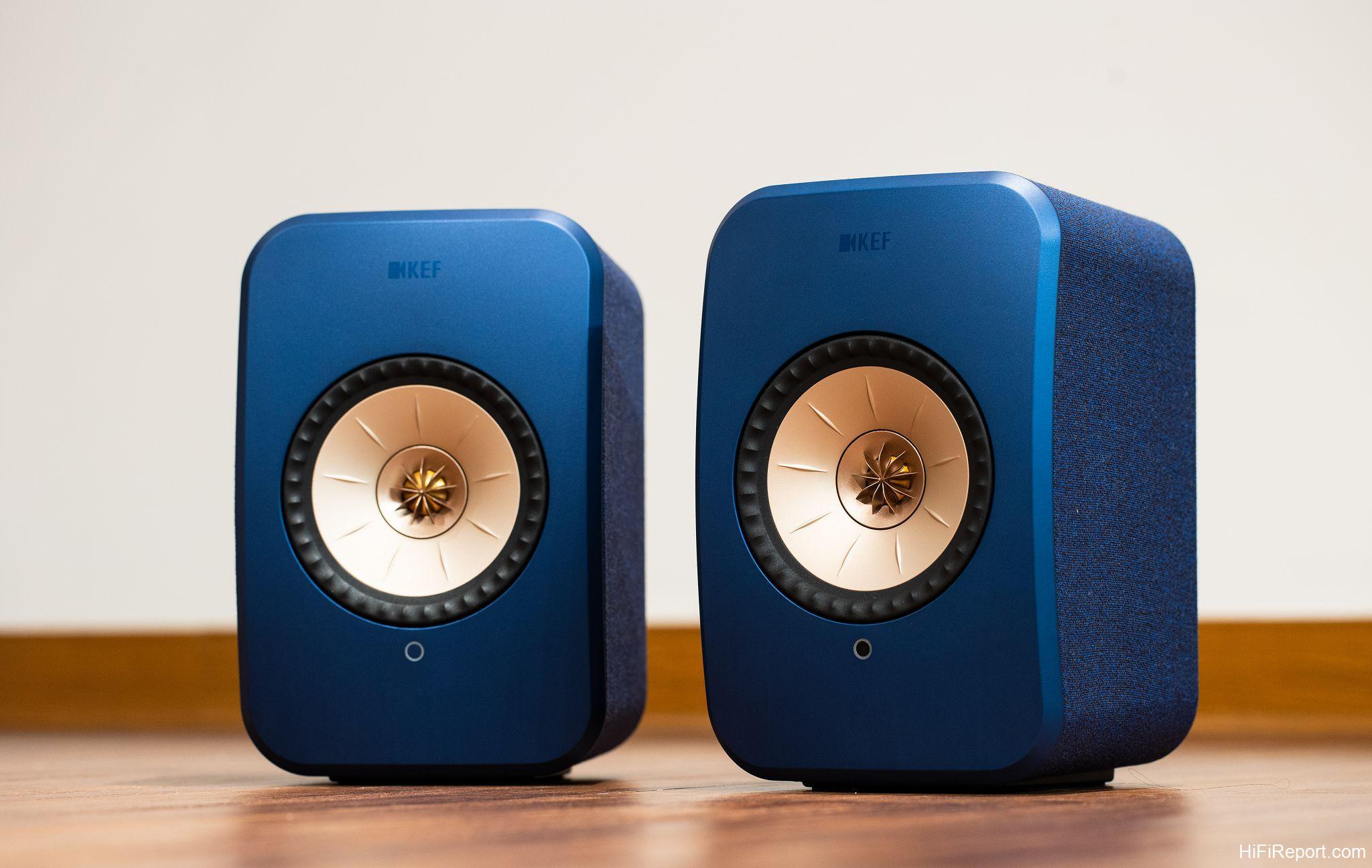
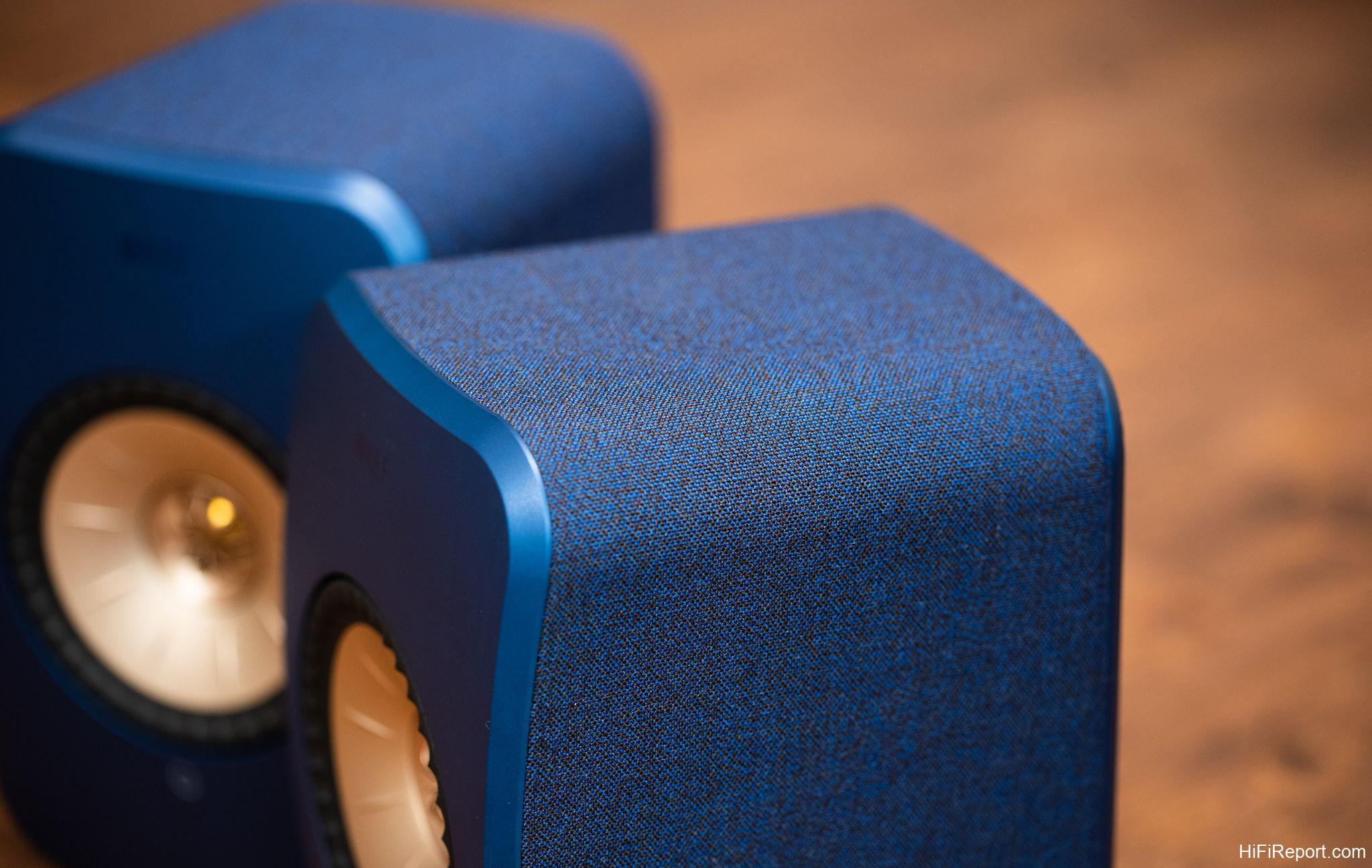
We received the popular Cobalt Blue version, which appears to be currently out of stock on the official website.

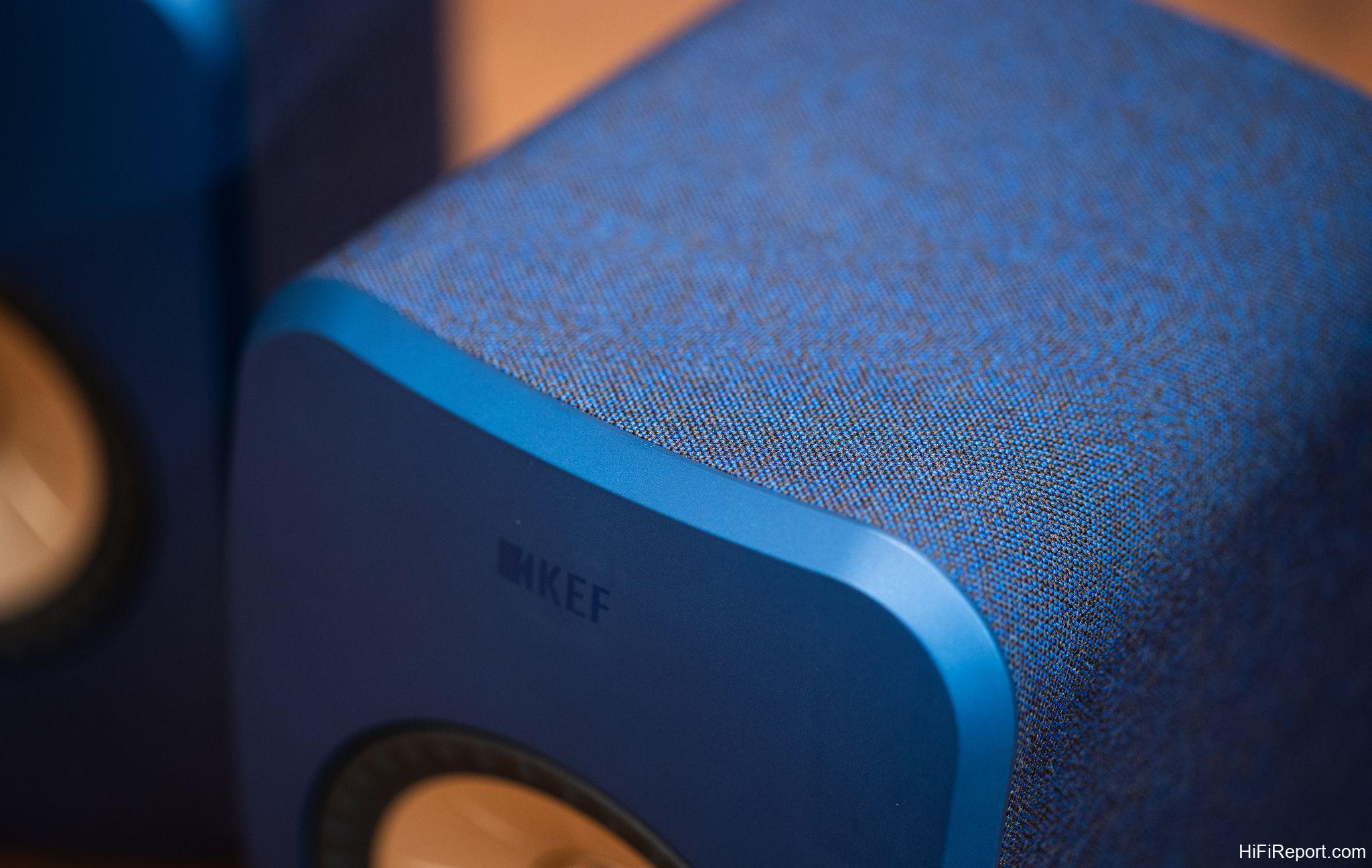
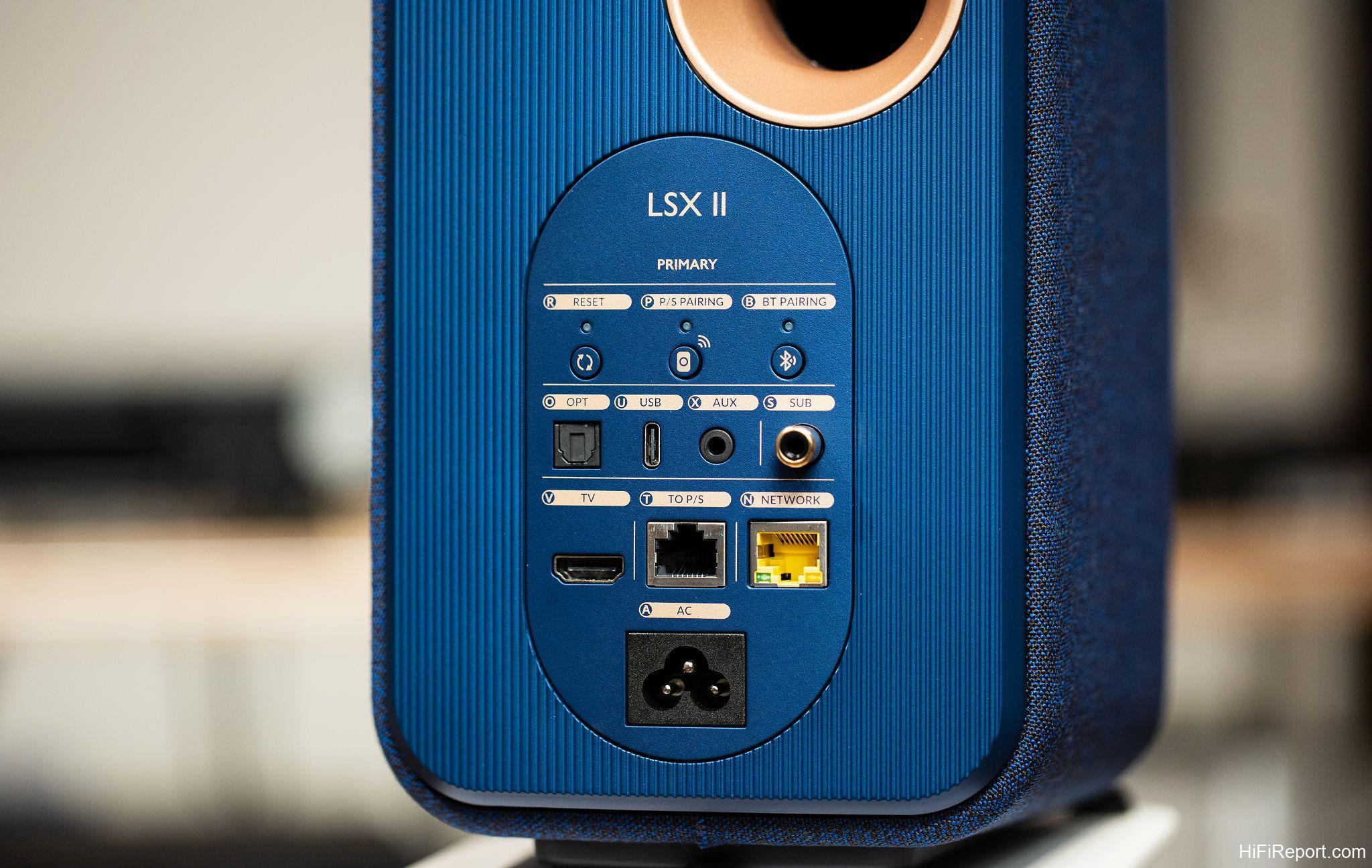
The LSX II’s design, like the LS60, is by industrial design master Michael Young. It features KEF’s patented 11th generation 4.5″ Uni-Q driver, a built-in 200W amplifier, and decoding capability up to PCM 24Bit/384kHz, DSD, and MQA. The primary speaker’s rear panel hosts inputs including HDMI ARC, TOSLINK optical, USB Type-C, 3.5mm analog AUX, and dual RJ45 network ports (one for connecting to the secondary speaker). An RCA subwoofer output is also provided.
The LSX II supports virtually all current mainstream streaming services and protocols, including AirPlay 2, Google Chromecast, Roon Ready, Spotify, Tidal, Amazon Music, Qobuz, and more. Users need not worry about compatibility; all functions and playback are managed via the free KEF Connect app. KEF’s advanced W2 wireless platform ensures high-quality audio transmission wirelessly, simplifying setup and maintaining the LSX II’s sonic fidelity.

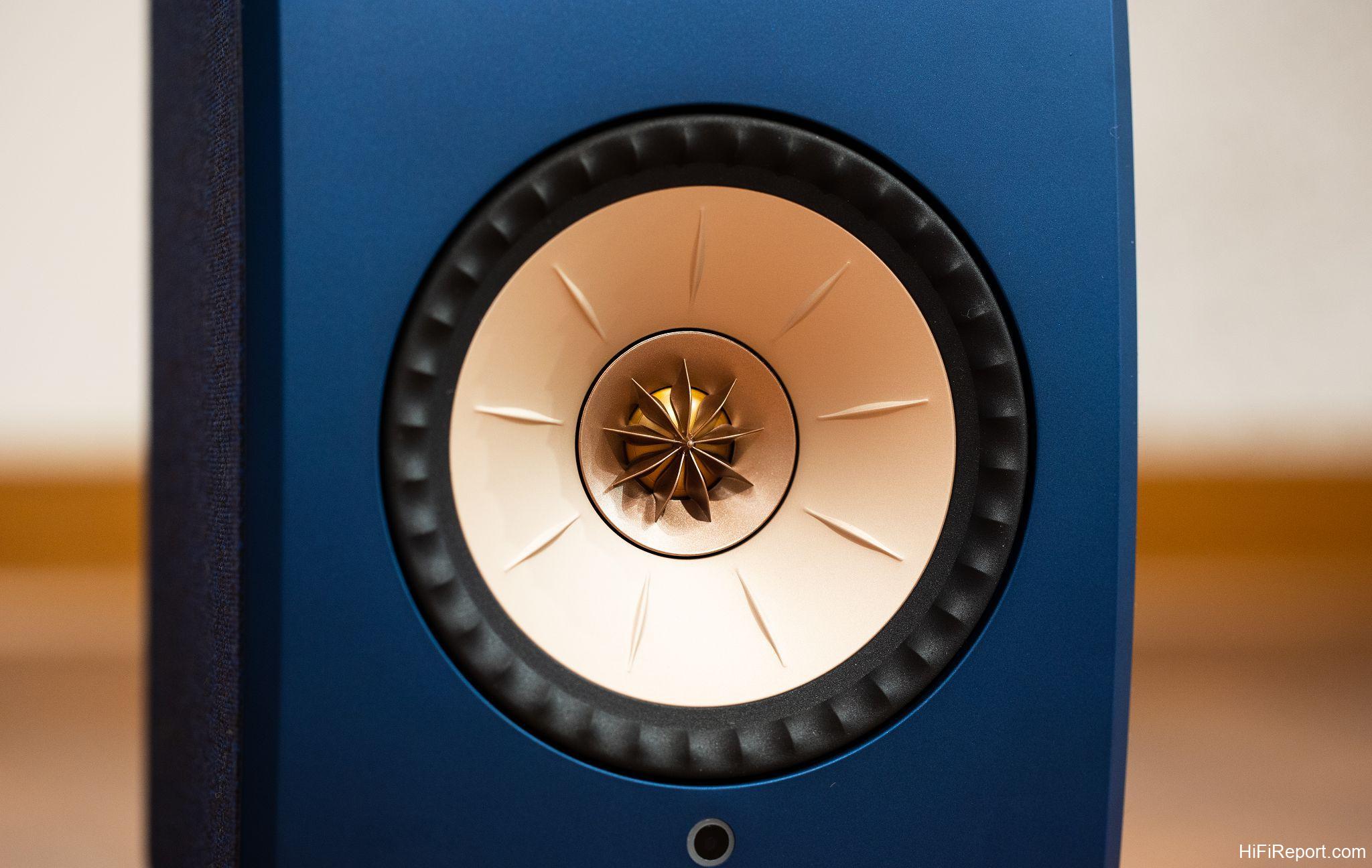
KEF’s patented Uni-Q driver places the tweeter at the acoustic center of the mid-bass driver, creating a single point source. This design allows sound to disperse evenly throughout the room, overcoming the sweet spot limitations of conventional speakers. Every listening position benefits from the same natural, detailed sound.
The LSX II utilizes KEF’s latest custom Digital Signal Processing algorithms, managed by the Music Integrity Engine (MIE™), to ensure phase-coherent sound reproduction, achieving purity, precision, and balance.
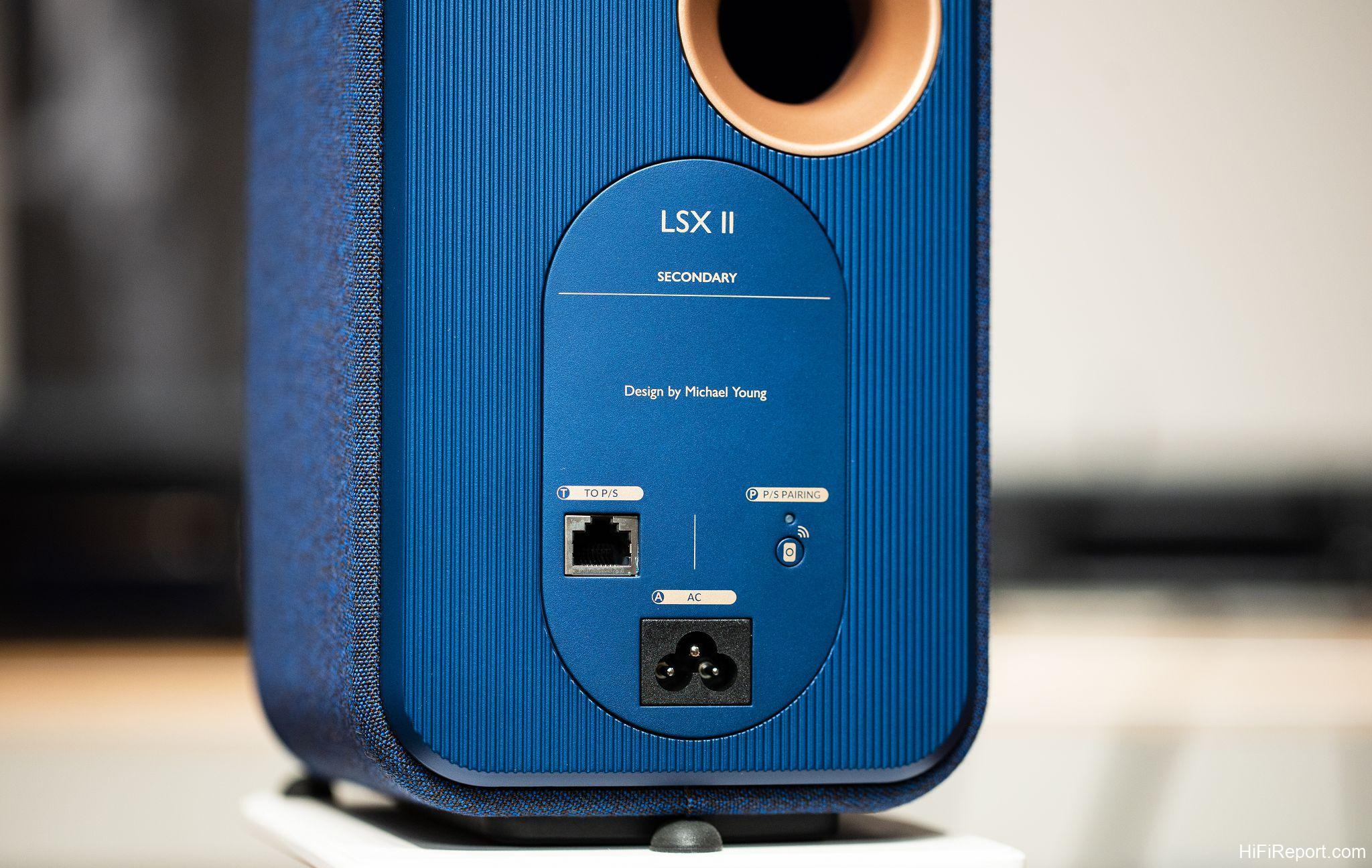
The speaker system comprises a PRIMARY and a SECONDARY speaker, with all primary input/output interfaces located on the PRIMARY speaker. The AC power input uses a less common “Mickey Mouse” connector. To replace the included power cord, you’d need a specific connector type or a readily available IEC320-C5 Plug Adapter.
The LSX II’s base features connection points for optional KEF accessories, including S1 Floor Stands, B1 Wall Brackets, and P1 Desk Pads.
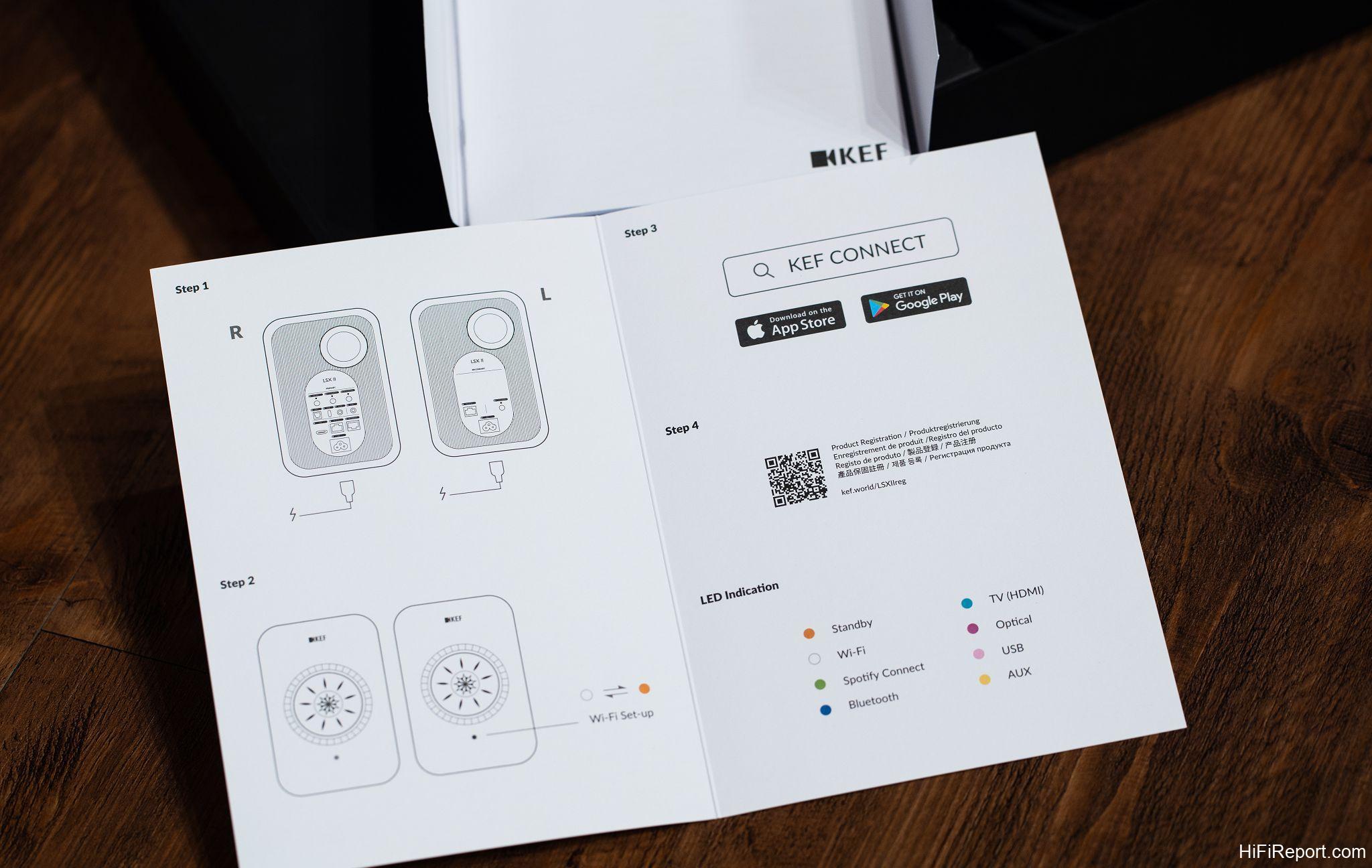
The KEF Connect app is the best way to control and configure the LSX II. Available for free on both Apple and Google app stores, it integrates all streaming services and unlocks the LSX II’s features, especially the crucial EQ settings. Adjusting the EQ to your specific setup and room is essential. The EQ offers both “Normal” and “Pro” modes. Start with “Normal” to configure speaker placement, room acoustics, streaming quality, and more.
If the LSX II doesn’t sound as good as you’ve heard elsewhere, incorrect settings are likely the cause. Subwoofer integration is also configured here.
Consumer-Centric Design (Ted Chen)
In the vast landscape of audio brands, KEF has achieved remarkable success. Many outside the audiophile realm recognize KEF, even if they can’t name another audio brand or articulate KEF’s specific strengths. They can usually recall the brand after a moment’s thought. This is a significant accomplishment for a company bridging the gap between high-fidelity and consumer products. Many traditional brands are now pursuing this path, but it’s proven to be challenging.
KEF, with its strong foundation in acoustic technology and R&D, has historically appealed to audiophiles and now successfully caters to a broader audience. Their active wireless speakers precisely target the market, excelling not just in acoustic design but also in user-friendliness, aesthetics, marketing, market strategy, pricing, and customer service. Their overall comprehensive performance is likely unmatched in the audio industry.
Feature-Rich and User-Friendly
The KEF LSX II is the second-generation product. The original LSX was already captivating upon release. I recall being immediately impressed by its compact size, refined aesthetics, build quality, and vibrant color options, instantly generating desire. This size and design are perfect for placement beside TVs or computers. A two-channel setup still significantly outperforms soundbars in sound quality and soundstage. The LSX II offers similar convenience to soundbars.
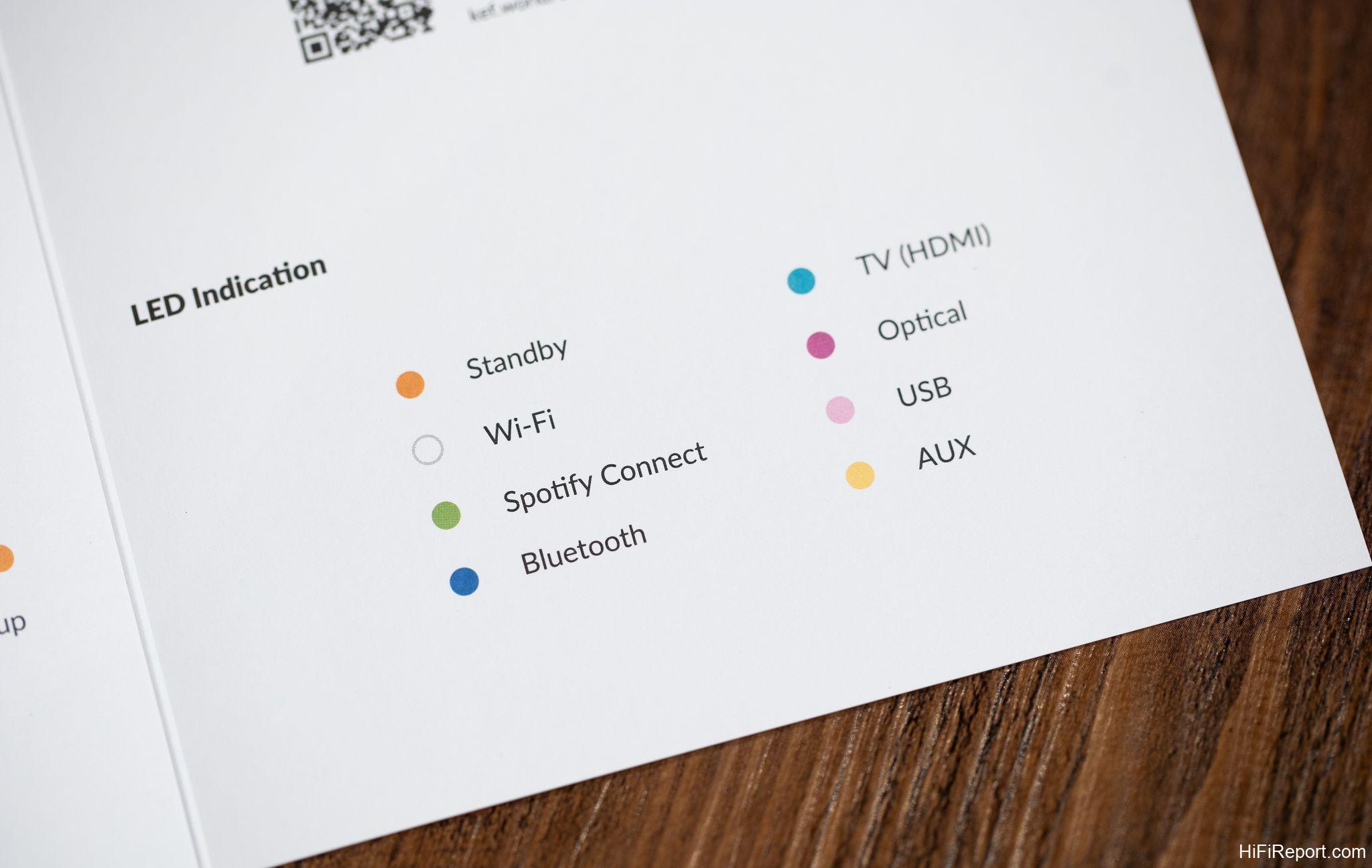
The KEF LSX II is directly controlled via the KEF Connect APP, available for both iOS and Android, with an intuitive, fully translated interface for adjusting every function. Connectivity is extensive, covering nearly every common audio source: HDMI ARC for TV integration, optical for gaming consoles or CD players, versatile USB Type-C, 3.5mm AUX for analog signals, and RCA subwoofer output for extended low-frequency response, compensating for the speaker’s small size.
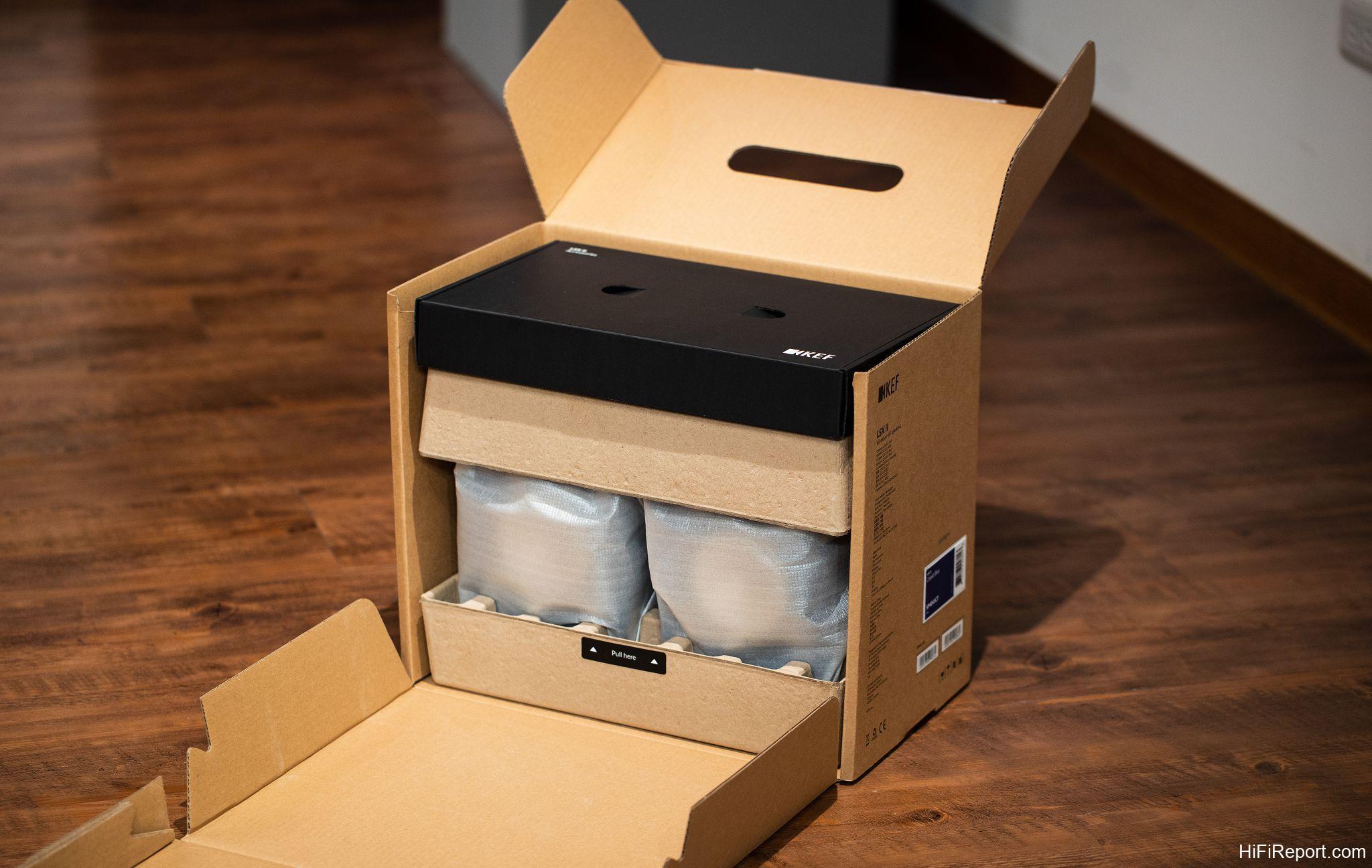
However, music enthusiasts will primarily use network streaming. The LSX II offers both wireless and wired options. Wireless setup requires only power cables for each speaker. Wired connection ensures network stability and bandwidth, connecting only to the primary speaker, with the secondary speaker wirelessly receiving audio. Alternatively, network cables can link both speakers to minimize interference.
Excellent Aesthetics and Sound Quality
The KEF LSX II’s sound performance is impressive. Its sonic character is modern, detailed, lively, and clear, delivering consistent quality across various music genres without noticeable bias. Vocals are exceptionally clear in the midrange, and the high frequencies are clean and transparent. It excels not only in music but also in other applications. The bass is surprisingly robust for its size, with impressive quantity, speed, and control, highlighting the advantages of active speaker design.
The system can reproduce substantial volume levels without distortion or muddiness, even at high volumes. Cabinet resonance is well-controlled, easily filling typical living rooms and family rooms. Adding a subwoofer further extends deep bass, but the LSX II’s low-frequency performance is already sufficient for pop music and small ensemble genres. The KEF Connect APP’s EQ is highly effective, allowing adjustments to treble and bass to suit different environments and sound preferences.
It can also correct channel imbalances caused by placement issues.
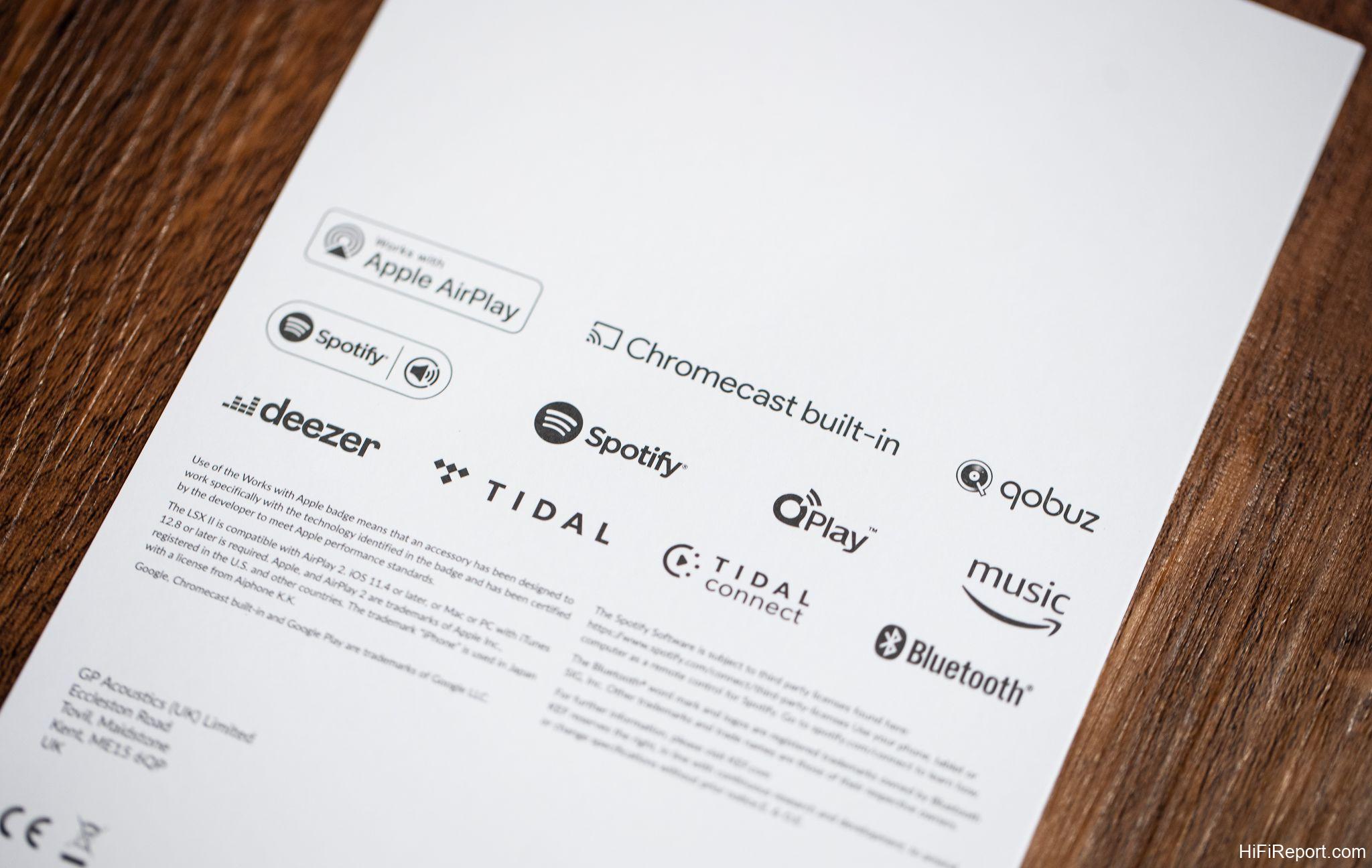
MQA Support and Neutral Sound Signature
For listening tests, I streamed Tidal directly through the KEF Connect APP. The LSX II supports MQA decoding, enabling playback of all Tidal Masters tracks. Listening to Vitas’s global hit “Opera No. 2” was intriguing. The slightly playful melody and delicate vocal delivery showcased Vitas’s vocal charm, culminating in a soaring high note that elevated the music. The arrangement’s low frequencies broadened the overall bandwidth, enhancing the musical richness.
The KEF LSX II performed admirably, its neutral sound signature providing clarity and cleanliness. Excellent frequency separation and impactful, fast bass made for an engaging and satisfying listening experience.
Superior Mid-High Frequencies, Suitable for Medium Spaces
Switching to UPnP via the KEF Connect APP to access music on our NAS, DSD files played flawlessly. Carol Kidd’s “All My Tomorrows” album highlighted her emotionally charged vocals in this ballad. The LSX II reproduced it with clarity and maintained good sonic depth. Piano notes were crisp and transparent, and vocals were captivatingly warm and nuanced. Overall balance was excellent, and the sound signature was lively and pleasing.
Despite the relatively small listening space we used, the LSX II performed very well. Even with the speakers spaced two meters apart, sound density remained impressive. Active speakers continue to improve, maximizing their strengths. Compared to passive speakers, they eliminate amplifier matching concerns, ensuring consistent performance. High volume handling and low distortion are particular strengths. Combined with digital filters or EQ, they adapt exceptionally well to different environments.
In terms of value, convenience, and sonic stability, wireless active speakers like the KEF LSX II are ideal for budget-conscious consumers seeking quality sound and ease of use, even for less tech-savvy users.
Faithful Sound Reproduction, Reliving Movie Scenes (Wacko Wang)
Playing “Bathroom Dance” from the “JOKER” soundtrack revealed the KEF LSX II’s remarkable fidelity. The initial string friction was palpable. Layered, resonant tones emerged, dense and lingering, creating a weighty sound that gripped the listener, a heart swaying with the bow’s motion. As choral vocals entered, accompanied by steady drums, the tense, vivid arrangement evoked scenes from the movie.

This track underscores Arthur’s bathroom self-discovery, and the KEF LSX II’s faithful reproduction allowed a re-experiencing of the film and the music’s original intent.
Immersive Listening Experience
Switching to “Like A Dog Chasing Cars” from “The Dark Knight” soundtrack, the realistic sound reproduction continued. Distinct sonic textures and clear string-bow friction details were evident. The neutral sound signature conveyed the track’s atmosphere – the unsettling string resonance and the brass’s ominous reverberation fully immersed the listener in the suspense. The sound possessed surprising force; the KEF LSX II’s small size belied its powerful output.
The music’s tension and the clean, soaring strings, created a visceral mix of anxiety and adrenaline.
Small Size, Big Presence
Next, “Why So Serious?” from “The Dark Knight” soundtrack demonstrated the KEF LSX II’s precise soundstage. The opening strings spread distinctly across the left and right channels, creating a clearly defined and immersive soundscape that enhanced the music’s atmosphere. The crisp percussion before the climax was detailed, conveying every nuance and heightening the unease. When the drums hit, the LSX II was genuinely impressive. Large-scale orchestral music sounded effortless, even spacious.

The sound remained focused, not dispersed, despite the room size. While lacking the sheer scale of large floor-standing speakers, the LSX II delivered substantial impact. Without seeing them, it would be hard to believe such sound came from these compact speakers.
Live Performance Realism
Calum Scott’s “One More Try” showcased the KEF LSX II’s detailed and nuanced sound. The opening strings were rich and textured, with a smooth, resonant decay. Vocals were strikingly realistic, positioned convincingly in front of the listener, with remarkable clarity. Clean, pure vocals, from chest voice to smooth falsetto transitions, were free of distortion. The subtle piano accompaniment created a sense of depth and layering, with distinct separation between voice and instrument.
As Scott’s vocals intensified, the KEF LSX II captured the raw emotion and vocal artistry, delivering a truly captivating performance.
Effortless Dynamics, From Delicate to Powerful
Finally, Freya Ridings’ “Weekends” highlighted the KEF LSX II’s surprising power for its size. Ridings’ weighty, substantial vocals were fully realized. From the opening notes, her voice was striking and captivating. Listening to this track on the LSX II was a demonstration of dynamic capability. Vocals were full and rich without being heavy. Quiet passages revealed breathy, delicate nuances, while powerful sections featured impactful drums that drove the rhythm.
Compared to the movie soundtracks, the drums here were more dynamic and rhythmically engaging. Paired with Ridings’ powerful vocals, the KEF LSX II delivered a soundstage far exceeding its compact dimensions.
KEF LSX II Active Wireless Speaker System
* Uni-Q Coaxial Driver Array
* Tweeter: 19 mm (0.75 in.) aluminum dome
* Bass/Midrange: 115 mm (4.5 in.) magnesium-aluminum alloy cone
* Frequency Range (-6dB at 85dB/1m): 49 Hz – 47 kHz
* Frequency Response (±3dB at 85dB/1m): 54 Hz – 28 kHz
* *Dependent on EQ settings*
* Amplifier Output Power: Bass: 70W, Treble: 30W (Class D)
* Max.
SPL at 1m: 102 dB
* Wireless Streaming Features: AirPlay 2, Google Chromecast, Roon Ready, UPnP Compatible, Bluetooth 4.2
* Streaming Services: Spotify (via Spotify Connect), Tidal (via Tidal Connect), Amazon Music, Qobuz, Deezer, QQ Music (via QPlay), Internet Radio, Podcast
* *Dependent on service availability in different countries*
* Inputs:
* Primary Speaker: HDMI ARC, TOSLINK Optical, USB Type C, Analog 3.5mm AUX, RJ45 Ethernet (network), RJ45 Ethernet (inter-speaker)
* Secondary Speaker: RJ45 Ethernet (inter-speaker)
* Output: RCA Subwoofer Output
* Input Resolution:
* Network: Up to 384kHz/24bit
* Optical: Up to 96kHz/24bit
* USB Type C: Up to 192kHz/24bit
* HDMI: Up to 1.411Mbps PCM
* *Dependent on source resolution*
* Wi-Fi Network Standard: IEEE 802.11a/b/g/n/ac, IPv4, IPv6
* Wi-Fi Network Band: Dual-band 2.4 GHz / 5 GHz
* Speaker Interconnection:
* Wireless: all sources resampled to 24bit/48kHz PCM
* Wired: all sources resampled to 24bit/96kHz PCM
* Supported Formats (Network): MQA^, DSD, FLAC, WAV, AIFF, ALAC, AAC, WMA, MP3, M4A, LPCM and Ogg Vorbis
* Home Automation System: Elan, RTi, Crestron Home, Savant, Control4
* Power Input: 100 – 240VAC 50/60Hz
* Power Consumption: 200W (operating), <2.0W (standby) * Dimensions (H x W x D per speaker): 240 × 155 × 180 mm * Weight (Per Set): 7.2 kg