
KEF Reference 1 Meta Review
The name KEF originates from Kent Engineering & Foundry, a company founded on October 2, 1961, by Raymond Cooke (1925-1995). This era, a decade after World War II, saw many individuals who had gained experience in radar and electronics during the war embark on careers in the audio industry after demobilization. Raymond was one such individual.
Having served in the Royal Navy during WWII, he went on to study Electrical Engineering at London University and spent much of his demobilization pay on audio equipment – he was an audiophile through and through.
It’s said that Cooke likely met Gilbert Briggs (1890-1978), the founder of Wharfedale loudspeakers (established in 1932), at a meeting of the London Recording Engineering Society in the late 1940s. At the time, Briggs was already a renowned figure in the audio world, having written “Loudspeakers,” a book considered a bible in the industry. However, Cooke disagreed with many points in the book and raised his concerns with Briggs.
Surprisingly, Briggs invited Cooke, then still a university student, to revise the book. Cooke naturally accepted the paid offer. After graduation, he seamlessly joined Wharfedale’s technical department.
Before working at Wharfedale, Cooke spent two years in the BBC’s recording engineering department, involved in developing recording decks and related hardware. From 1955 to 1961, Cooke was employed by Wharfedale. In 1959, Wharfedale was sold to the Rank Organization, but Cooke stayed on because he wanted to research new materials to replace the paper cone diaphragms long used in audio.
The new owners, however, weren’t interested in this research project, leading Cooke to believe he should venture out on his own to realize his dream.
Driver Innovation and the Birth of Uni-Q
KEF initially focused on developing loudspeaker drivers. Cooke’s earliest goal was clear: to reproduce 20Hz without necessarily needing a 15-inch driver. Driven by this ambition, KEF developed many famous drivers and collaborated with the BBC to produce the renowned BBC LS 3/5A. For a time, KEF’s speaker kits were bestsellers worldwide, and many audiophiles in Taiwan likely purchased them.
Later, models like the 104, 104ab, and 105 were introduced, establishing KEF as a prominent loudspeaker manufacturer. Cooke remained dedicated to research and development throughout his life, never abandoning his work even as his health deteriorated in his final years. Raymond Cooke passed away on March 19, 1995.
While KEF’s driver development achievements are numerous, the true turning point came with the introduction of the Uni-Q coaxial driver in 1988. KEF had been researching coaxial drivers for many years, but had been hampered by the lack of magnets small enough and strong enough to miniaturize the tweeter and place it centrally on the same axis. It wasn’t until neodymium magnets became commercially viable that Uni-Q could be launched in 1988. Over the years, Uni-Q has been continuously improved.
The twelfth generation, introduced in 2018, featured an improved design with acoustic damping material in the gap between the tweeter and mid-woofer, first appearing in the R11. In 2020, KEF introduced the twelfth generation Uni-Q with MAT (Metamaterial Absorption Technology) absorption design, first used in the LS50 Meta. Now, KEF’s Uni-Q is combined with Meta, becoming the brand’s new technological highlight.
KEF Product Range and the Reference Series
Arranging KEF’s product lineup by tier, the absolute top is undoubtedly the Muon, although this is a limited edition, and it’s unclear if it’s still available. Next is the Blade series, followed by the Reference series, R series, Q series, LS50 Meta, and T series. These are all passive loudspeakers. Their wireless active counterparts include the LS 60 Wireless, LS 50 Wireless II, and LSX II.
Among these series, the Reference and R series are particularly interesting. These two series share a similar aesthetic and utilize a comparable number of drivers. From a distance, they might be mistaken for the same series, and the Reference series’ first letter is indeed R.
Reference vs. R Series: What’s the Difference?
However, the price and weight difference between the two series are substantial.
Putting aside the differences in driver quality, the Reference series cabinets feature thick aluminum front baffles, while the R series uses standard baffles.
Comparing the Reference 5 and R11, both using five drivers, the latter measures 1249 x 200 x 383.5mm and weighs 37.7kg, while the former measures 1350 x 205 x 462mm and weighs 60.2kg. Although the volumes are similar, the weight difference is significant. This is reflected in the pricing: the R11 costs approximately $8,667 USD, while the Reference 5 is approximately $23,933 USD.
Reference 1 Meta Pricing
Therefore, if you see the small Reference 1 Meta bookshelf speaker priced at a staggering approximately $9,933 USD – more expensive than the R11 – there’s no cause for surprise, as the quality of the cabinet, drivers, and crossover is fundamentally different!
Reference Series Model Numbering
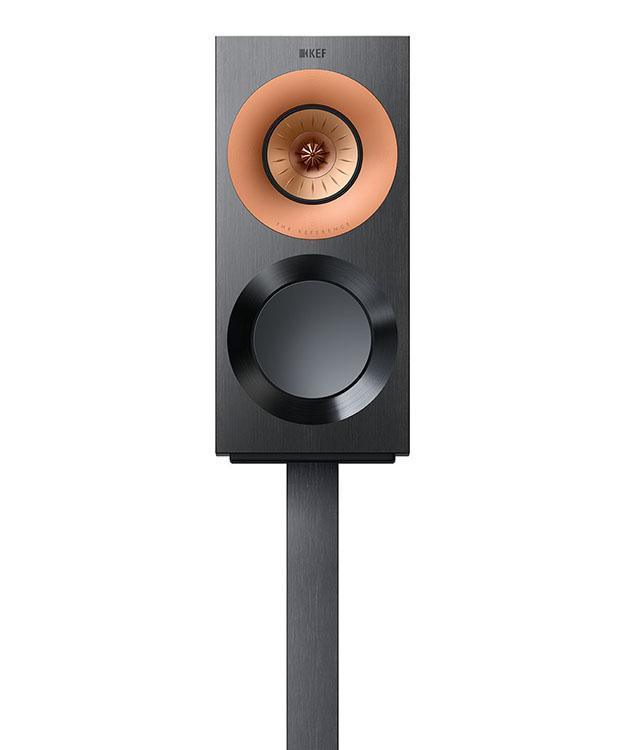
The model numbering scheme for the Reference series is quite interesting. The Reference 5 uses five drivers, the Reference 3 uses three drivers, and the Reference 1 Meta uses two drivers. There are also the Reference 4 center channel speaker using five drivers and the Reference 2 center channel speaker using three drivers; these two center channels are deliberately numbered with even numbers. Of course, if you’re looking for a subwoofer, the Reference series includes the 8b.
I won’t discuss the in-wall models.
Reference 1 Meta: Features and Technology
The predecessor to the Reference 1 Meta, the Reference 1, was launched at the Munich High End show in 2014, while the Reference 1 Meta was released in 2022, an eight-year gap. The biggest difference between the Reference 1 Meta and its predecessor is the addition of “Meta” to the name. I’ve written about Meta numerous times in Audio Forum; it stands for Metamaterial Absorption Technology, named using the prefix “Meta” from the first word.
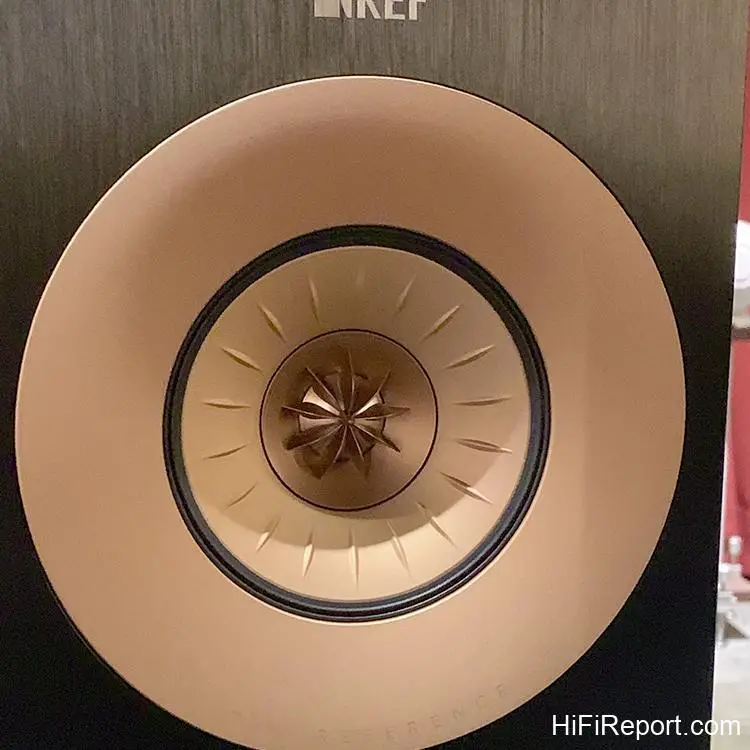
Simply put, a circular black hard plastic disc is added behind the UNI-Q driver. This disc has 30 channels, the shortest being 0.5cm and the longest 25cm. These channels are designed based on the quarter-wavelength principle to absorb the backwave emitted by the tweeter. Experimental results show they can absorb 99% of the tweeter’s backwave.
Cabinet Construction
Apart from the addition of Meta behind the Uni-Q driver, the Reference 1 Meta is visually indistinguishable from its predecessor, and the cabinet construction method is also the same. The Reference 1 Meta’s cabinet is primarily made of MDF, with higher-density MDF used internally for reinforcement. This method is similar to that of many loudspeaker cabinets.
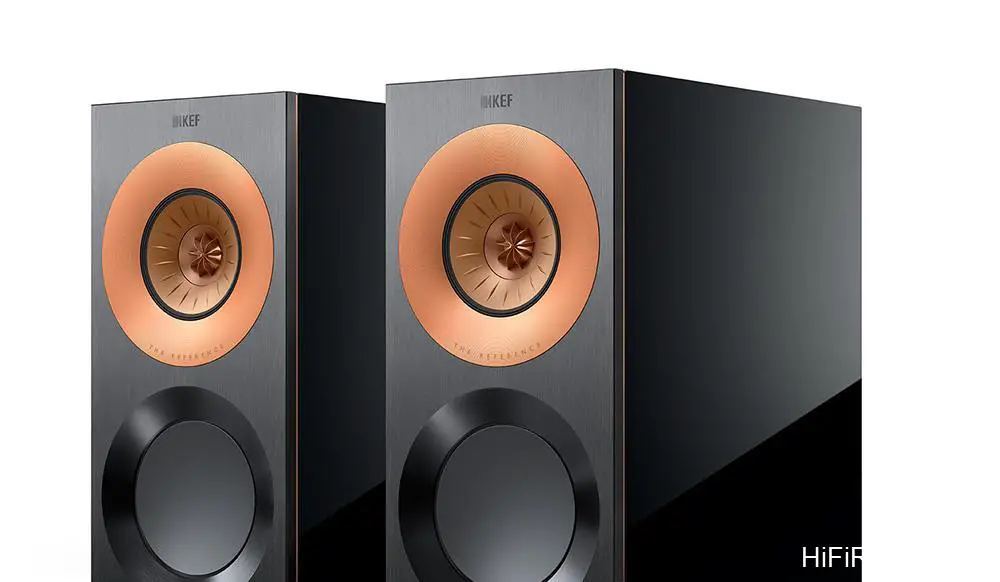
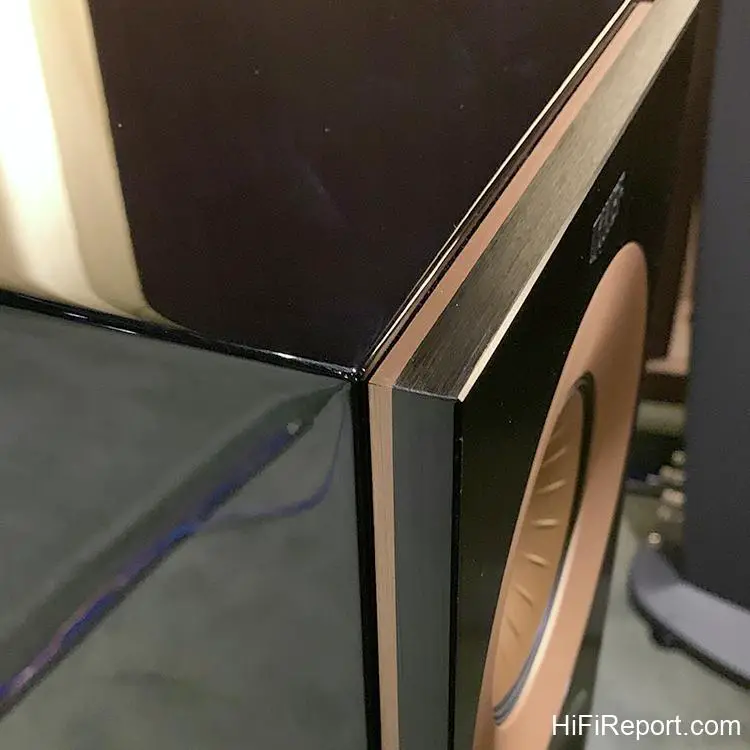
What sets the Reference 1 Meta apart is its front baffle, which is made from a thick block of aluminum alloy overlaid with a resin layer (though it looks like a copper plate). Long screws then pass through the cabinet from the rear, securing the baffle tightly to the cabinet, making it a unified structure.
Driver Details
The coaxial driver in the Reference 1 Meta utilizes the latest 12th generation UNI-Q Meta. The tweeter features a 1-inch aluminum dome, the midrange driver uses a 5-inch aluminum cone, and the woofer is a 6.5-inch aluminum cone. This woofer driver has been in use since its debut in the Blade series. The tweeter’s breakup frequency is approximately 40kHz, well beyond human hearing.
The tangerine waveguide functions above 7kHz, helping the tweeter control dispersion and providing a gain of 3.5dB above 15kHz. The midrange driver operates roughly between 450Hz and 2.1kHz, and its shallow horn waveguide provides about a 7.5dB gain.
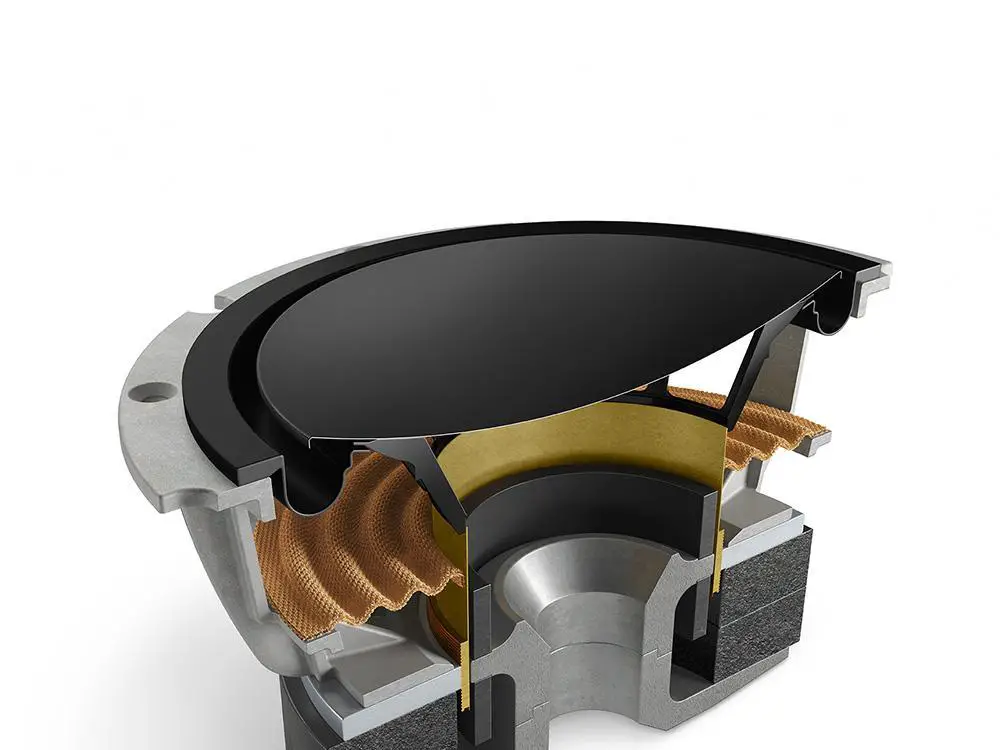
The woofer features a double-pleated surround, a shallow concave aluminum cone without a dust cap (one-piece construction), and a concave semi-circular suspension. The voice coil is wound with aluminum wire, and the voice coil former has a very large diameter, only slightly smaller than the diaphragm itself. This design enhances the integration between the voice coil and diaphragm.
Rear Panel Features
Moving to the rear of the Reference 1 Meta, there are three sets of binding posts, six in total, plated with platinum, giving them a high-quality feel. The top and bottom sets are for connecting speaker cables, while the middle set is purely for loosening and tightening the internal jumpers.
In other words, if you wish to bi-wire, you must loosen the middle set of terminals; if you use only a single speaker cable, you must tighten the middle set so that the internal jumpers connect the upper and lower sets of terminals.
Besides the terminals, you’ll also see the bass reflex port. The bass reflex tube of the Reference 1 Meta is replaceable, a feature KEF calls Flexible Port Technology. Two types of bass reflex tubes are included: one longer and one shorter. The longer tube provides a gentler bass roll-off, extending down to about 37Hz. The shorter tube rolls off faster, starting around 40Hz. To replace the bass reflex tube, you first need to unscrew the outer conical ring.
Distortion Performance
The most impressive aspect of the Reference 1 Meta is its secondary and tertiary harmonic distortion performance. KEF is one of the few manufacturers bold enough to publish loudspeaker harmonic distortion figures.
Higher harmonic distortion indicates greater coloration, and the Reference 1 Meta provides very detailed distortion specifications: secondary and tertiary harmonic distortion (at 90dB/1m) is less than 0.5% (40Hz – 100kHz); less than 0.2% (200Hz – 2kHz); and less than 0.1% (2kHz – 20kHz). These numbers might seem high compared to amplifier harmonic distortion figures, but in the realm of loudspeakers, they represent extremely low distortion.
Sensitivity and Technical Specs
The Reference 1 Meta’s crossover points are set at 450Hz and 2.1kHz. Furthermore, the two speakers are paired, with an accuracy within 0.5dB, which is quite precise. A point requiring attention is its sensitivity, which is only 85dB, and its average impedance is 4 ohms (minimum 3.2 ohms, maximum not specified, but I estimate it exceeds 10 ohms). This suggests it’s not an easy speaker to drive and requires pairing with a higher-powered amplifier.
Listening Setup
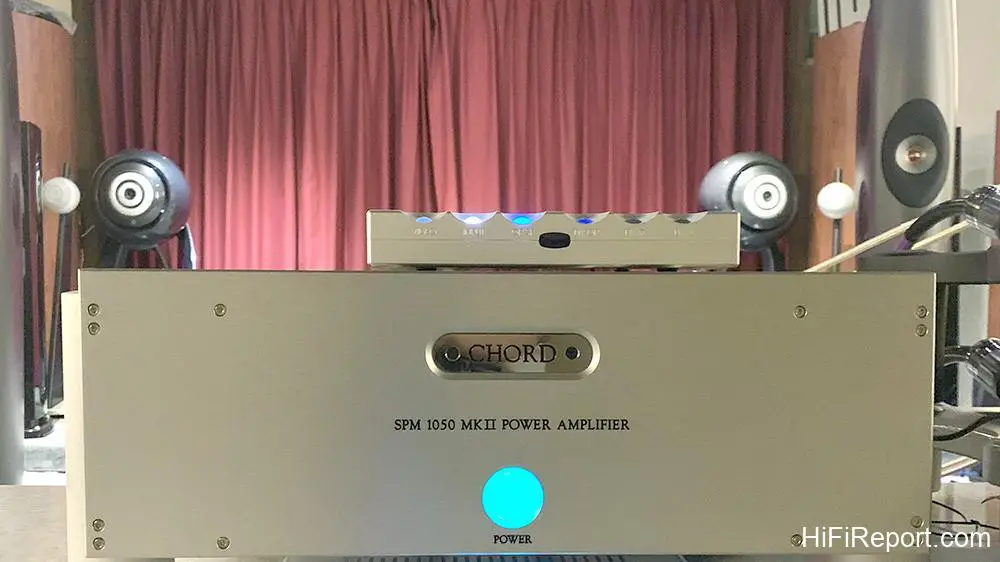
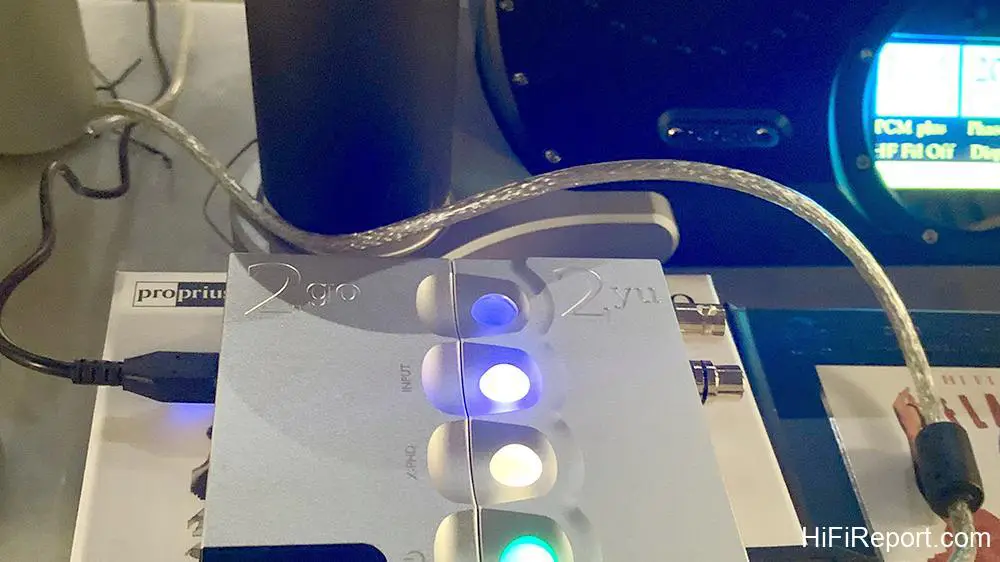
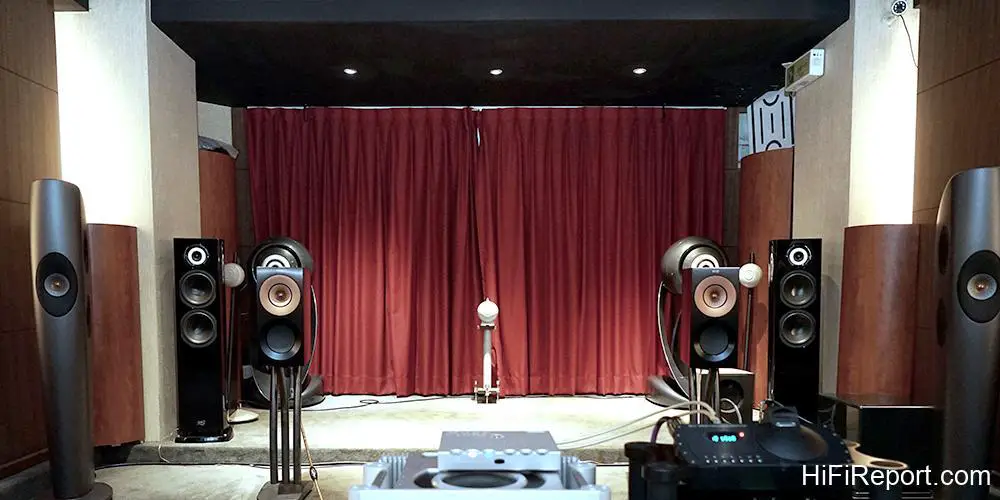
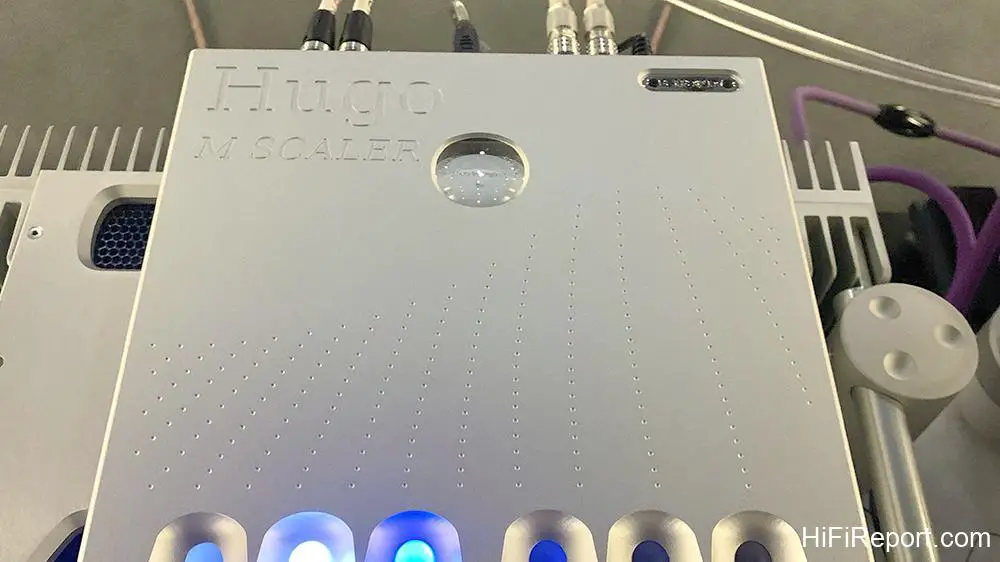
The listening session for the Reference 1 Meta took place in the basement listening room at Yashih Audio in Taipei’s Minsheng East Road. The accompanying equipment was as follows: a Chord Hugo 2 Go+2Yu streamer paired with a Hugo M Scale upscaler. The preamplifier was a Chord Dave (with built-in DAC), and the power amplifier was a Chord SPM 1050 MK2 (200 watts into 8 ohms).
The frequency response of this listening space measured quite well, without critical dips or large peaks, allowing for a relatively balanced sonic presentation.
Listening Impressions
First, I must say that the Reference 1 Meta produced surprisingly full low, mid, and high frequencies even in the large space of the Yashih basement. I was truly astonished. Frankly, the Reference 1 Meta’s woofer is only 6.5 inches (165mm), a size typically considered for a mid-woofer, yet it managed to deliver ample bass. The coaxial driver isn’t particularly large either, but it allows the Reference 1 Meta to completely break away from the common perception of small bookshelf speakers.
Subjectively, if you close your eyes, you might easily mistake them for floorstanding loudspeakers.
For instance, listening to Lady Gaga singing the theme song for “Top Gun Maverick,” her full-bodied, powerful voice and the rock accompaniment hit you directly. I couldn’t believe such small speakers could produce such robust sonic energy, with clear sonic lines and potent bass that wasn’t weak or muddy. Listening to Fink’s “Blueberry Pancakes,” the powerful impact of rock music was reproduced remarkably well, allowing me to feel the fullness of the mid and low frequencies.
When listening to John Campbell’s “Way Down in the Hole,” his raspy, magnetic, and rough voice, accompanied by the bass, also presented me with a full mid and low frequency range. With Anette Askvik’s “Liberty,” not only were the mid and low frequencies full-bodied, but the saxophone was also rich and full. The overall scale and spaciousness of the music exceeded what typical small bookshelf speakers can achieve.
Moving on to Yao Siting’s “My Heart is Too Chaotic,” although the music doesn’t contain a lot of deep bass, the prominent female vocals and crisp acoustic guitar accompaniment were able to fill the entire space. The Reference 1 Meta felt unrestrained, delivering a balanced sound from highs to mids and lows despite being a bookshelf speaker.
Listening to Hideaki Tokunaga’s “Yasashii Kiss O Shite,” the Reference 1 Meta again presented a massive soundstage; the vocals, electronic synthesizer, and drums were all incredibly full. Even listening to the live version of Sally Yeh’s “Once Hurt My Heart,” the kick drum bass was full, and Sally Yeh’s voice was powerful and penetrating. The entire rock feel of the song was fully realized.
The Reference 1 Meta delivered powerful performance with popular music, but how about classical? I listened to Sueye Park’s solo violin album “Journey Through A Century” and found the Reference 1 Meta’s violin sound to be rather restrained. It possessed sweetness and luster, but it wasn’t overtly brilliant; rather, it was the type of sound you could listen to for hours, carrying a sense of warmth.
This violin timbre differs significantly from what some audiophiles might expect from metal diaphragms, which they associate with a “metallic” sound. In reality, I’ve listened to many KEF speakers where the tweeter, midrange, and even woofer diaphragms are metal, yet the sound across various music genres never exhibits a so-called “metallic” quality.
If metal diaphragms inherently produce a “metallic” sound, then speakers using plastic diaphragms should sound “plastic,” shouldn’t they? The typical “metallic” sound likely occurs at the diaphragm’s breakup point. Due to this breakup, the diaphragm generates excessive vibration at that frequency, leading to a prominence in sonic energy that audiophiles label as “metallic sound.”
From the specifications, the Reference 1 Meta’s tweeter breakup point is at 40kHz, well beyond the speaker’s upper frequency limit. This could be one reason why the violin sounded restrained, warm, sweet, and smooth.
The cello reproduction by the Reference 1 Meta was warm and relaxed. Listening to Yo-Yo Ma and Emanuel Ax’s “Hope Amid Tears,” the piano was smooth and warm, as if enveloped in a soft glow. The cello had a rich, resonant quality without sounding rough or hard. In my experience, insufficient mid-bass quantity often makes the cello sound thin, rough, hard, and lifeless.
The Reference 1 Meta’s rendering of cello and piano, however, generated a sense of pleasure, indicating the beauty of its generated timbre and tonal quality.
Indeed, when listening to cello and piano sonatas, small bookshelf speakers are often not significantly inferior to large floorstanders, as the fundamental frequencies of such music are mostly concentrated from the mid-bass upwards. The Reference 1 Meta’s three-way, three-driver configuration is more than capable of handling this frequency range.
How did the Reference 1 Meta perform with string quartets? When testing audio equipment, I invariably use string quartets because a pleasant string quartet reproduction indicates excellent balance across the high, mid, and low frequency ranges, resulting in overall musical balance. If a string quartet sounds unsettling or uninteresting, it suggests there are issues to be addressed.
I used the Tokyo String Quartet’s performance of Beethoven’s String Quartet Op. 18 No. 1 for testing. The sound produced by the Reference 1 Meta was remarkably neutral and balanced, with no particular frequency range unnaturally highlighted and no excessive sweetness. The blend of the four string instruments was superb.
Here, I want to emphasize that the Reference 1 Meta’s high frequencies have a sweetness, but it’s not overly sweet. To use a fruit analogy, the sweetness in the Reference 1 Meta’s high frequencies is like that of a pear, not the intense sweetness of an Irwin mango.
How did the Reference 1 Meta fare with orchestral music? By my standards, reproducing the full scale of large orchestral works is naturally challenging for a speaker this size. However, in terms of musical balance, the Reference 1 Meta performed exceptionally well. For instance, listening to Klaus Mäkelä conducting the Oslo Philharmonic in Sibelius’s “Symphony No. 3,” I found the orchestral low-frequency foundation to be quite good.
The string section had a thickness reminiscent of Maazel’s interpretations. The refinement of the strings and the detailed, layered resolution were also excellent, allowing for a full appreciation of the sonic beauty of the symphony.
Listening to Lorin Maazel conducting the Cleveland Orchestra in Brahms’ “Academic Festival Overture,” the orchestral string section had sufficient body, and the brass instruments produced a warm, substantial, brassy sound. More importantly, the overall music felt very stable and solid, lacking the thinness often characteristic of bookshelf speakers.
Can a speaker as small as the Reference 1 Meta handle bass drums? I specifically chose the film score “Curse of the Golden Flower” composed by Shigeru Umebayashi to test this. To my surprise, the Reference 1 Meta was able to reproduce the bass drums in the music quite effectively. Even in that large listening space, the drum sounds were focused, solid, full-bodied, and dynamic.
However, I must also note that the Reference 1 Meta’s bass volume capacity is still not comparable to floorstanding speakers. When listening to this type of music, volume must be controlled, or the woofer might struggle to handle the intense drum impacts.

Conclusion
Considering the price point for a bookshelf speaker, the Reference 1 Meta is quite expensive. However, you shouldn’t forget that it’s a three-way design, unlike the typical two-way configuration of most bookshelf speakers. Furthermore, its Uni-Q coaxial driver provides outstanding imaging and soundstage precision, a quality that most two-way bookshelf speakers cannot match. Additionally, it weighs 18.2kg, which is heavier than typical bookshelf speakers.
Even better, it’s one of the few speakers that dare to publish secondary and tertiary harmonic distortion data, indicating its sound is genuinely neutral. The final advantage? Listen with your eyes closed, and you’ll believe it’s a floorstanding speaker. Is your space too small for large speakers? The KEF Reference 1 Meta allows you to buy a bookshelf speaker while enjoying the musical balance of a large floorstander.
Specifications
* Type: Three-way coaxial bass reflex bookshelf loudspeaker
* Introduced: 2022
* Drivers Used: One 12th Generation Uni-Q Meta coaxial driver, one 165mm woofer driver
* Frequency Response: 45Hz-35kHz +/-3dB
* Average Impedance: 4 ohms (minimum 3.2 ohms)
* Sensitivity: 85dB
* Crossover Points: 450Hz, 2.1kHz
* Harmonic Distortion: Secondary and tertiary harmonic distortion (90dB/1m) less than 0.5% (40Hz – 100kHz); less than 0.2% (200Hz – 2kHz); less than 0.1% (2kHz – 20kHz)
* Maximum Output: 111dB (pink noise, 1m)
* Dimensions (WHD): 205×440×422mm
* Net Weight: 18.2kg
Associated Equipment
* Source: Chord Hugo 2 Go+2Yu streamer, Hugo M Scale upscaler
* Amplification: Chord Dave (DAC/Preamp), Chord SPM 1050 MK2 (Power Amp)
Key Features
* Utilizes the 12th Generation Uni-Q Meta coaxial driver.
* Woofer design is similar to the Blade, featuring a double-pleated surround and aluminum voice coil.
* Despite being a bookshelf type, it is a three-way design.
* Sounds with the scale and presence of floorstanding speakers.