
Linsoul KZ ZSX 5BA+1DD 6 Driver Hybrid in-Ear HiFi Earphones Review
The KZ ZSX is a wired hybrid IEM for listeners who want a detailed, V-shaped sound signature from a budget set without lugging a DAC or a bulky over-ear headphone around. The single takeaway: six drivers (five balanced armature, one dynamic) deliver resolving, bass-present sound that owners consistently place in the company of much pricier gear, with the included cable and stock tips as the two weak points.
Design and Build
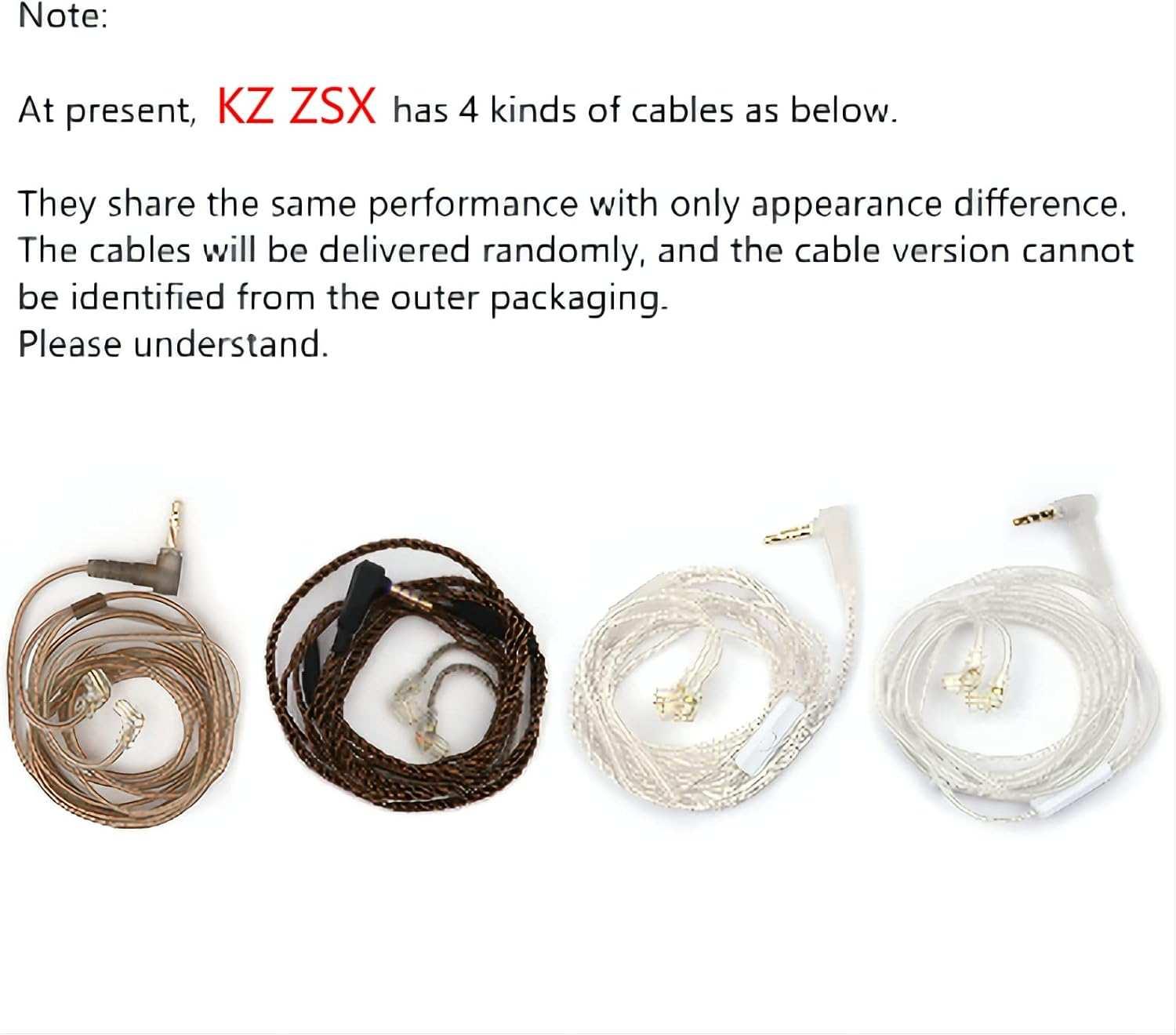
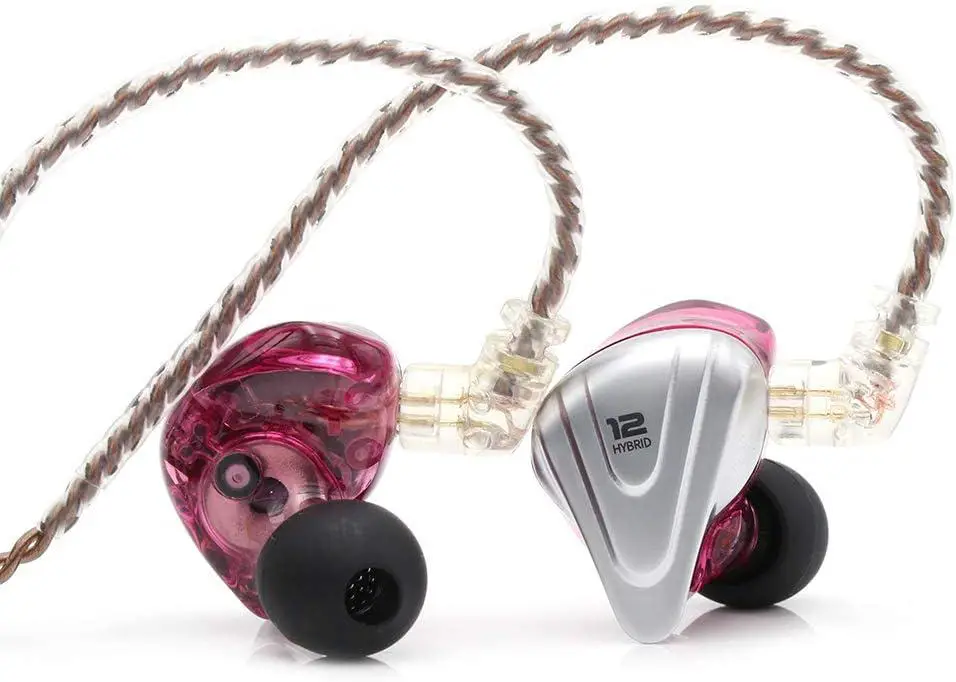
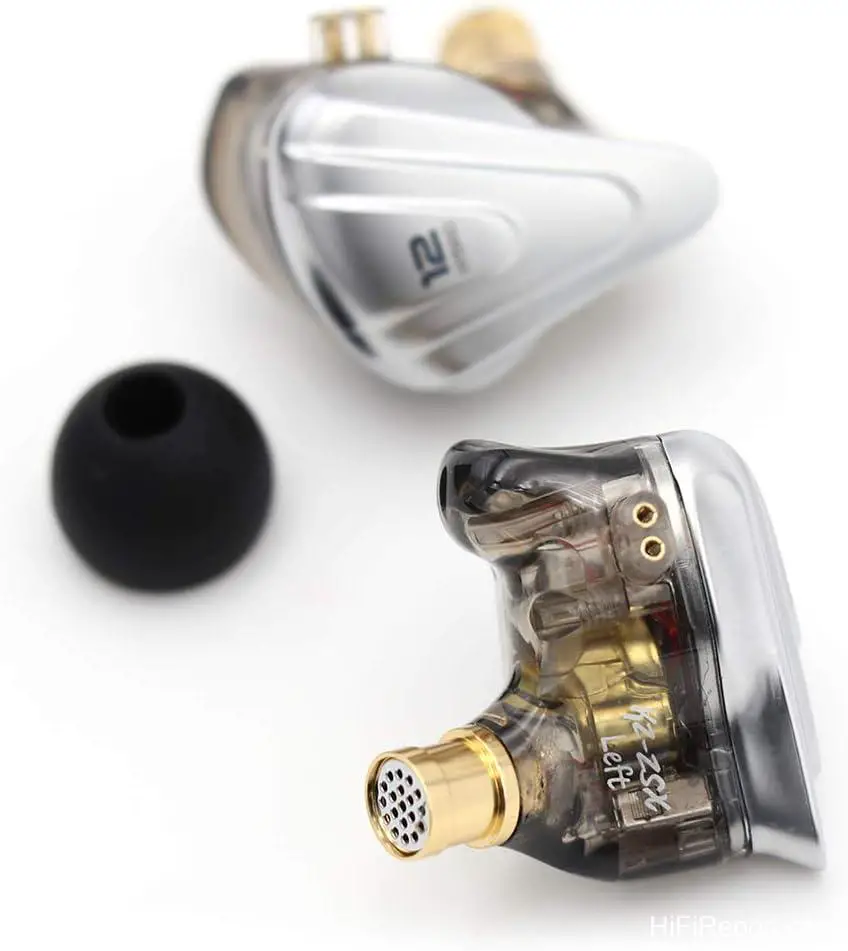
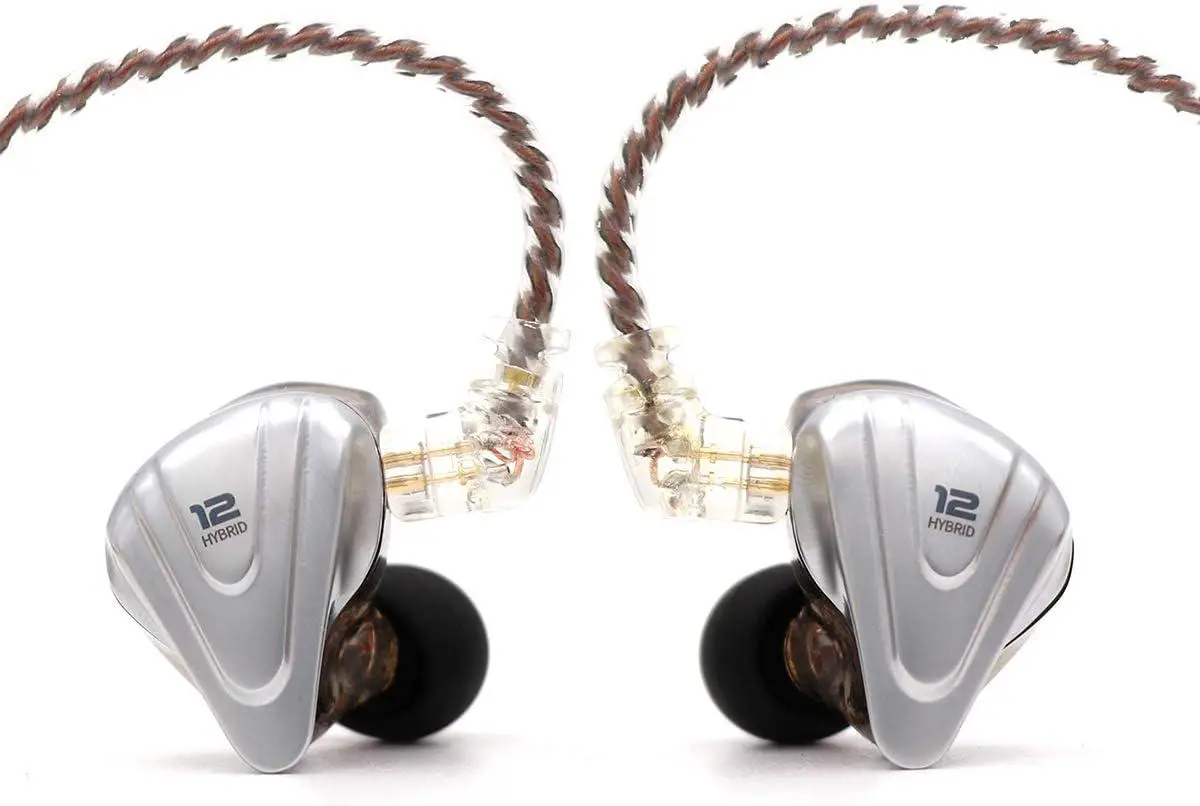
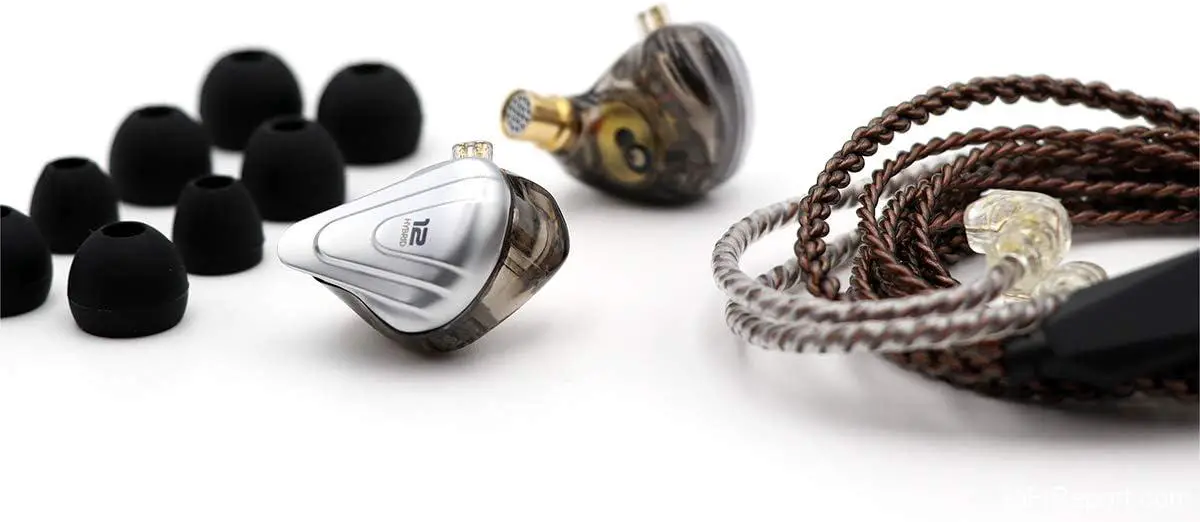
The faceplate is zinc alloy and the body cavity is imported resin, producing a two-tone shell that catches light differently at each angle. Several owners describe the combined materials as giving the shell a shimmer and an elegant look that reads a tier above its weight class. Around the 2-pin socket sits a limit slot protection design, which Linsoul says stops the pins from shearing when you unplug or swap the cable. The cable itself is gold-plated, detachable, and uses a 2-pin connector, so upgrading to a balanced or custom wire is a matter of plugging in a new cord rather than replacing the earpieces.
In everyday handling the shell feels solid. One reviewer who cycles through multiple IEMs said they do not bother protecting the ZSX from wear because the resin and zinc construction feels durable. A separate buyer ordered the “black” color option and received a silver shell, with the product box also printed as “black,” so the color listing is unreliable. The cable drew the harshest comments: the thin core and unusually long Y-split section tangle easily, and multiple owners swapped to a 16-core silver or 8-core braided replacement within days of unboxing. The limit slot around the pins does extend the connector’s lifespan, a small detail most IEMs in this class skip.
Wearing Comfort
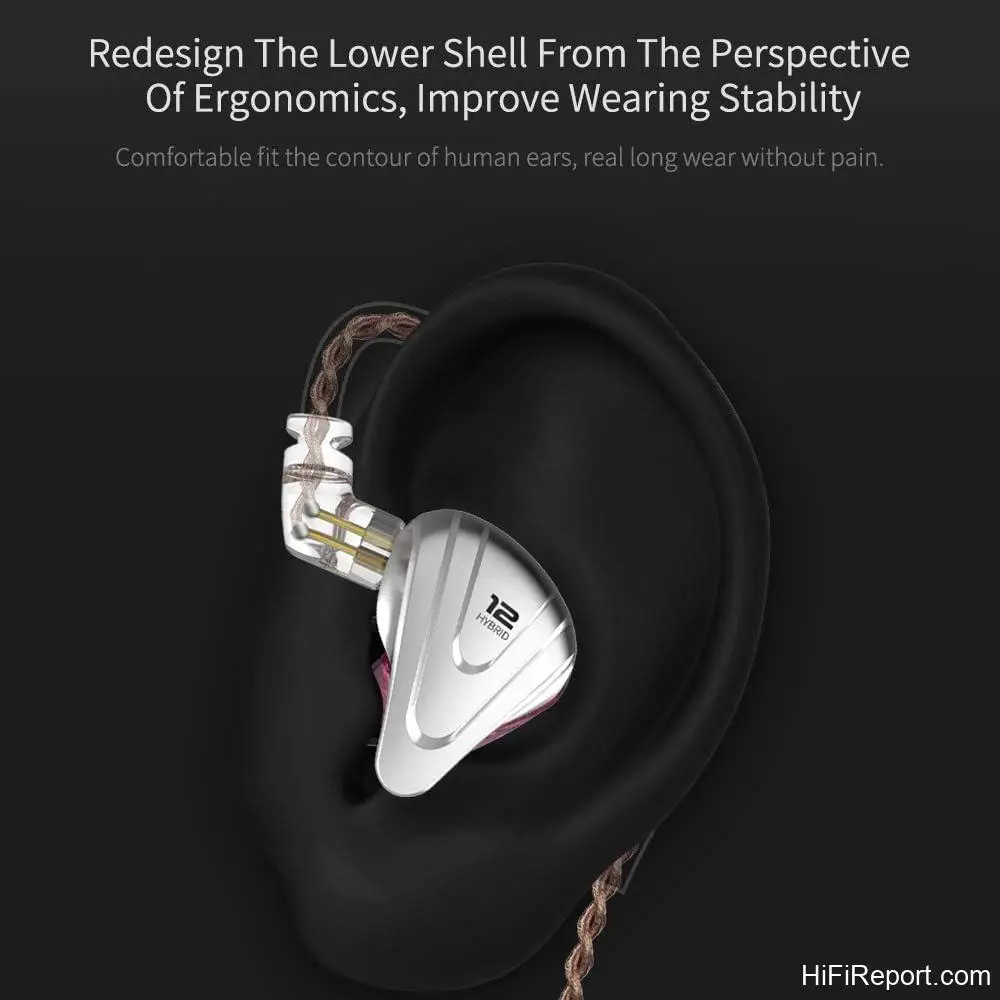
Linsoul shaped the cavity using cochlea data, and the result is an earbud that seats deeply without pinching. One owner who runs several IEMs called the ZSX the most secure fit in their collection, noting the shell grips so firmly that tugging the cable will not dislodge it; they have to push it out by hand. The set ships with four pairs of ear tips (the included tip plus three additional sizes), and owners who move to memory-foam tips report a tighter seal and less pressure after long sessions. Linsoul describes the molding as fitting the ear like a custom-molded earbud, and the deep canal placement keeps the shell seated even during vigorous exercise.
Extended wear is where the comfort story shows. A touring musician who plays shows every two weeks reported wearing the ZSX through a full workday without hot spots. A PC gamer switched from over-ear cans to the ZSX and said the fatigue dropped noticeably during hours-long sessions. The multi-chamber shell sits slightly deeper than a single-driver IEM, and no owner in the review set flagged pain or discomfort after prolonged listening. Four included tip sizes mean most ears find a workable seal without hunting for a replacement.
Sound Quality
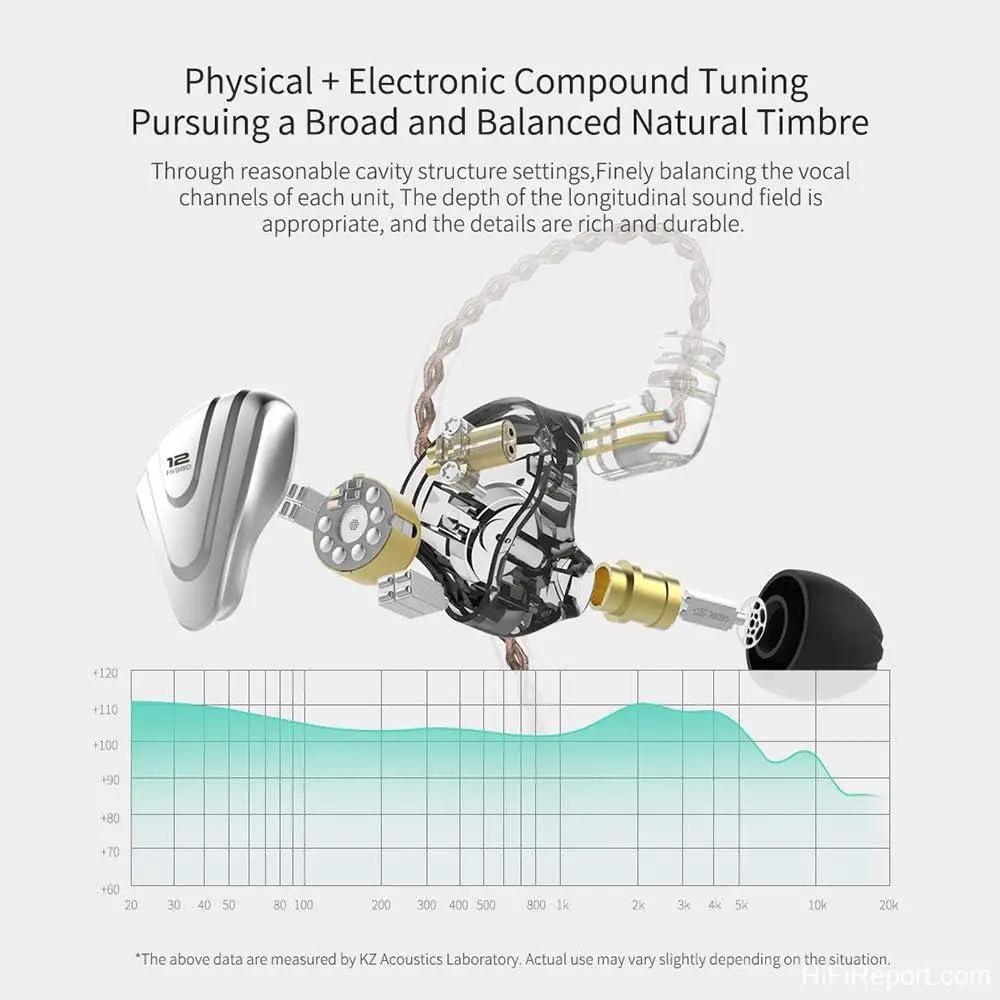
The ZSX produces a well-resolved, V-shaped signature with bass that is present and extended without smothering the mids. The clearest evidence comes from an owner who A/B tested the ZSX against a modified MH750 and a stock phone IEM: the ZSX matched the MH750 in bass quantity but outperformed it in upper-end clarity and instrument separation, approaching the detail level of a set several tiers above it in price. One owner who started with a different IEM noted that the ZSX’s out-of-the-box tuning required only minor EQ tweaks: a small sub-bass boost, a few dB cut in the mid-bass, and a gentle lift in the upper mids brought the curve into line with their preference, a level of near-stock tuning they had not expected from this tier.
Bass
The single dynamic driver handles the low end. One owner ran a frequency test and reported the response stays clean down to roughly 27 hertz before rolling off around 20 hertz. Quantity is comparable to a mid-range IEM, but the quality reads as controlled: one reviewer called it “well extended and not overdone,” while another noted the bass is more pronounced than stock phone earbuds without turning boomy. For listeners who enjoy a low-end punch, the extension and definition land without crowding the midrange. A self-described basshead who tested the set with a phone DAC said the low end surprised them in both depth and definition.
Midrange
Mids sit slightly recessed relative to the bass and treble peaks, the hallmark of the V-shaped tuning. Despite the dip, owners report clear vocal texture and good separation between instruments. A musician who uses the ZSX for monitoring on the road found the mids “nice and loud” with a natural pace for mixing. A reviewer feeding the IEM through a Sony Walkman and an IFI DAC described the mids as well balanced and textural, with male and female vocals reading as natural and positioned correctly in the field. The recess is narrow enough that most casual listeners do not notice it until they compare against a flat-tuned reference.
Produced by hifireport.com. Copying, scraping, or republishing is strictly prohibited.
Treble
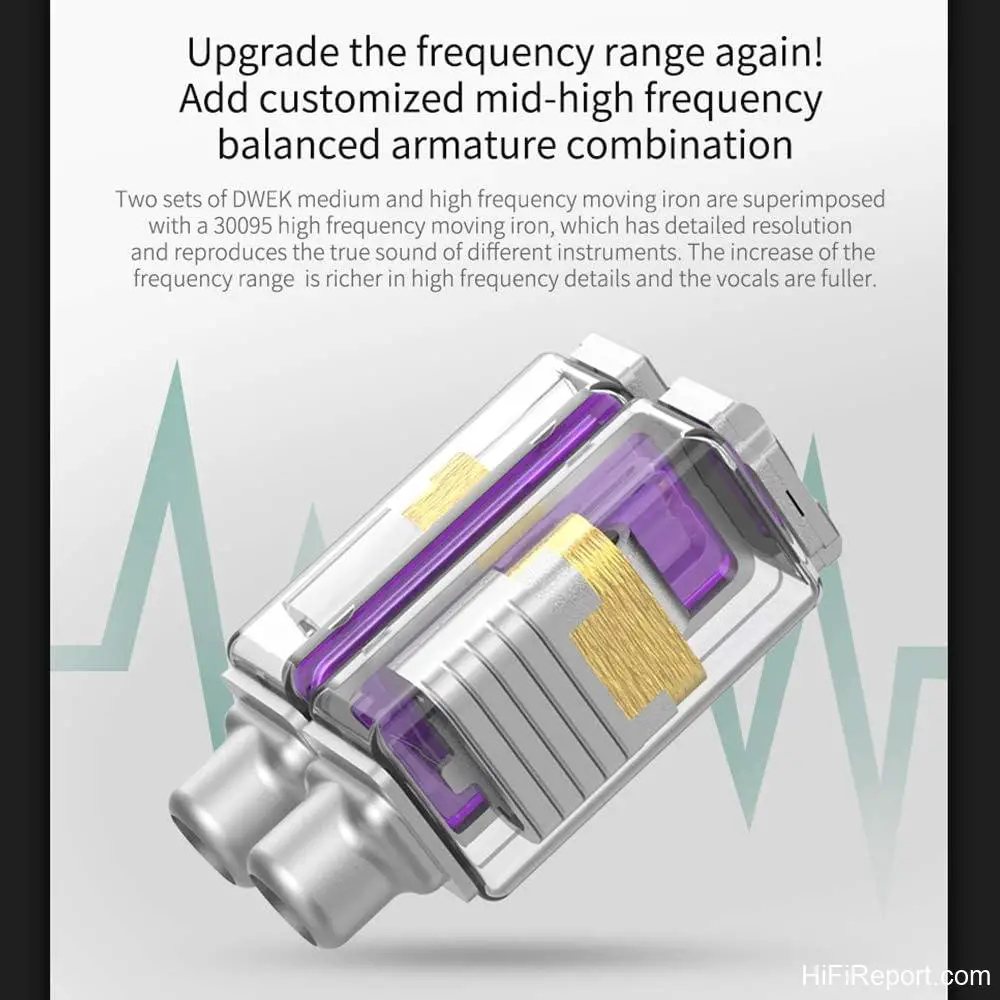
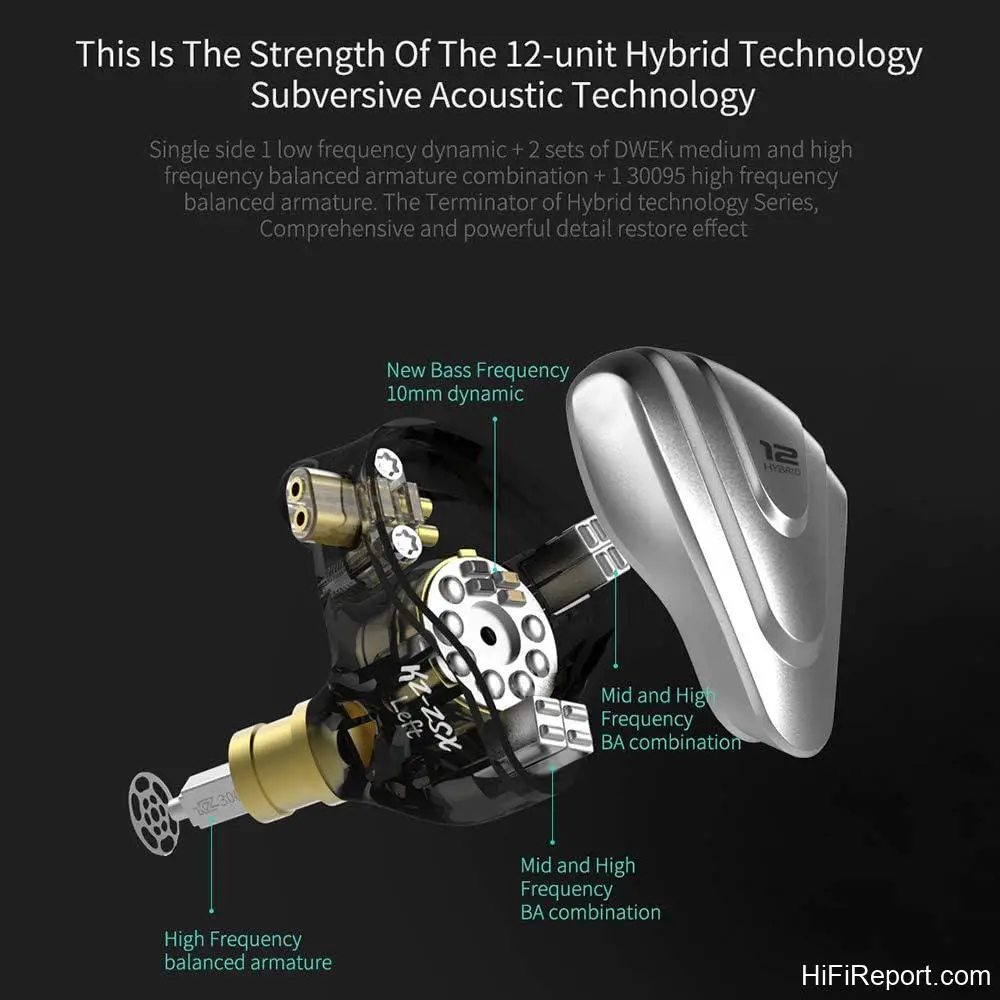
The two DWEK balanced armature drivers and one 30095 driver cover the upper register. Owners describe the highs as crisp and refined, with no sizzling or peaky spots. A few listeners noticed mild sibilance on certain J-pop and lofi tracks, but the consensus is that the treble extends cleanly and adds detail without fatiguing. Swapping the stock cable for a silver-plated or balanced 4.4 mm connection pushed perceived brightness and sparkle further, according to several owners who made that upgrade. One reviewer specifically noted the high end is nicely refined compared to other KZ sets, with no sharp peaks or harshness in the top register.
Soundstage
With the stock unbalanced cable the soundstage reads as modest and somewhat compressed. One owner using an LG phone as the source found the presentation opened up considerably after moving to a balanced cable and a dedicated amplifier. Instrument separation is the standout trait: a reviewer who had only experienced that level of detail on a premium IEM placed the ZSX “very close” to that reference, particularly in classical and orchestral tracks. An Italian owner using the IEM at a PC for both music and gaming reported a sound scene wider than expected for the tier, with clear spatial separation between channels.
Noise Cancelling
The ZSX has no active noise cancellation; isolation comes entirely from the physical seal of the resin shell and ear tip in the canal. Linsoul states the cavity design effectively isolates external noise, and owners confirm the deep, snug fit blocks ambient office or transit sound well enough for casual listening. The seal doubles as the comfort feature: the same shape that keeps the IEM secure also cuts extraneous noise. During vigorous exercise the shell stays seated, which means the passive blocking holds even when the head moves and a looser tip would let sound bleed in.
For loud environments or airplane cabins, a passive seal will not match a dedicated ANC headphone, but for a commute or a quiet library the blocking is sufficient. Owners who swap to memory-foam tips report an even tighter seal, which improves both the noise isolation and the perceived bass extension. The lack of electronics means there is no hum, no hiss, and no power management, so the only variable in the isolation story is how well the tip fits your particular ear canal.
Battery and Charging
These are wired in-ear monitors. There is no battery, no charging port, and no Bluetooth radio built into the earpieces. Power comes from whatever source you connect through the detachable gold-plated 2-pin cable. If a wireless path matters, Linsoul sells a Bluetooth cable that pairs with the 2-pin socket, and one owner reported the Bluetooth link handling lossless files on an iPhone without audible artifacts, which cut down on the gear a commuter has to carry.
The absence of a battery is as much a plus as a limitation. You do not manage a charge cycle, watch a percentage drain, or set a timer. The only maintenance is keeping the 2-pin contacts clean, and the limit slot protection reduces the chance of a cracked socket ending the cable’s service life. A wired IEM is ready the moment you plug it in, with no pairing step and no dead-end mid-session.
What Customers Are Saying
Sound resolving power is the dominant praise theme. Owners repeatedly compare the ZSX favorably to IEMs and over-ear headphones that cost several times more, citing better instrument separation, more defined mids, and bass extension that surprises them on first listen. The secure fit is the second pillar; multiple reviewers called the ZSX the most stable IEM in their rotation, and that seal feeds directly into the passive isolation story. A musician who plays shows every two weeks said the set is comfortable enough to wear through an entire workday and that the volume, mids, and bass all hold up under repeated use.
Cable quality is the dominant complaint. The included wire is thin, and the long Y-split section tangles in pockets and bags, prompting a wave of replacement-cable purchases. The “black” color listing shipped as silver for at least one buyer, with the box also mislabeled, so the color option is unreliable. On the positive side, the four included ear tip sizes make it easy to find a seal, and owners who keep the stock cable still rate the drivers and shell highly. No reviewer in the set reported driver failure, rattle, or a comfort problem after extended use.
The midrange recess is a recurring note. Listeners who favor vocal-forward or acoustic genres sometimes find the V-shaped dip thin, and a few mentioned applying a small EQ boost in the lower mids to even out the curve. Otherwise, the complaint list stays narrow: the cable, the color mismatch, and the basic stock tips. International owners, including buyers in the UK, Spain, and Italy, echo the same pattern: strong driver performance, a comfortable fit, and a stock cable that gets replaced quickly.
Gaming owners add a practical use case that extends beyond music. Several buyers who switched from over-ear cans to the ZSX for PC play reported better directional audio in shooter titles and less ear fatigue over multi-hour sessions. One gamer noted that footsteps in a dense title come through clearly and that explosions register without becoming overwhelming, a balance that suits sustained play sessions.
Pros and Cons
Pros:
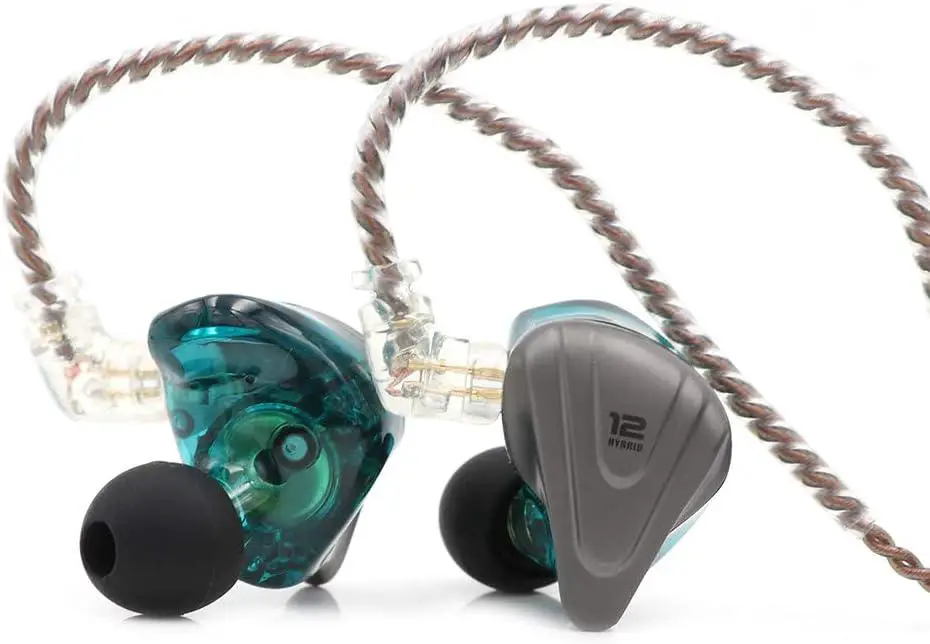
- Five balanced armature plus one dynamic driver configuration delivers detailed, V-shaped sound with strong instrument separation
- Zinc alloy faceplate and resin cavity feel sturdy; limit slot protects the 2-pin interface from breakage
- Secure, deep fit based on cochlea data keeps the IEM in place through exercise and long sessions
- Detachable 2-pin cable allows upgrades to balanced, silver, or custom wires
- Passive isolation from the shell seal blocks ambient noise without electronics
- No battery or charge cycle to manage; plug in and use
Cons:
- Stock cable is thin and tangles easily because of the long Y-split
- “Black” color option has shipped as silver; the listing does not match the product
- Stock ear tips are basic, and many owners replace them within the first week
- Mids sit recessed in the V-shaped tuning, which vocal-heavy listeners may find thin
- No active noise cancellation; blocking is passive only
Verdict
The KZ ZSX suits a listener, commuter, or gamer who wants a resolving, bass-present IEM for daily use without carrying a DAC or a large over-ear can. If you value instrument separation, a secure fit for workouts, and the option to upgrade the cable later, the ZSX checks those boxes. The stock cable is the weakest link, and swapping it for a balanced or silver-plated 2-pin wire the day you unbox the set is the single upgrade that changes the ownership experience. Pair it with a quality source or a small DAC and the six-driver stack separates and extends in ways that owners compare to sets costing multiples of what they paid.
If your listening lives in the 1 to 3 kHz region and you want a flat, neutral curve for critical mixing or acoustic vocal work, a single-dynamic-driver IEM with a warmer midrange is the better fit. The ZSX’s V-shape is deliberate and engaging for most genres, but it will not substitute for a reference tuning. Similarly, anyone who needs active noise cancellation for a frequent-flying routine will outgrow the passive seal quickly; a dedicated ANC headphone or earbud handles that use case better. For everyone else in the budget wired IEM space, the driver stack, the fit, and the upgrade path make the ZSX a strong daily set.
Produced by hifireport.com. Copying, scraping, or republishing is strictly prohibited.
Specifications
- Driver configuration: 5BA+1DD (two DWEK BA, one dynamic driver, one 30095 BA, plus two additional BA)
- Faceplate material: Zinc alloy
- Cavity material: Imported resin
- Cable: Detachable, gold-plated, 2-pin
- Connector protection: Limit slot design
- Ear tips included: 4 pairs (stock + 3 additional sizes)
- Connection type: Wired (no battery, no Bluetooth radio in the earpieces)
- Tuning: V-shaped (bass and treble elevated relative to mids)
- Fitting basis: Cochlea data molding for secure canal placement
Frequently Asked Questions
Can I replace the stock cable?
Yes. The earpieces use a detachable 2-pin connector, so you can plug in any 2-pin replacement wire, including balanced 4.4 mm or silver-core options. Multiple owners swapped to a 16-core silver cable and reported a measurable gain in treble sparkle and overall clarity. The limit slot around the pins protects the socket during swaps.
Do these work well for gaming?
Produced by hifireport.com. Copying, scraping, or republishing is strictly prohibited.
Yes. Two owners who game on PC reported the ZSX handles directional audio in titles like Escape from Tarkov and Battlefield without issue. Footsteps and in-game cues come through clearly, and one gamer said the IEM cut down on ear fatigue compared to over-ear cans during long sessions.
Are the stock ear tips good enough, or should I upgrade?
The stock tips are comfortable and seal adequately for most ears, and four sizes are included so you can find a fit. Several owners who moved to memory-foam tips reported a tighter seal, which improved both passive isolation and perceived bass extension. It is an easy, low-effort upgrade, but the stock tips are functional out of the box.
Does the ZSX come in black as listed?
The product listing offers a “black” option, but at least one buyer received a silver shell with a box also printed as “black.” If color matters to you, order from a seller that shows the actual shell color in photos, or be prepared for the silver finish. The shell is resin and zinc alloy, so the two-tone appearance will differ from a solid single-color finish.

- Newest 5BA+1DD Hybrid Earphones. After several successful series of hybrid driver earphones, here comes the terminator, KZ ZSX. It features high quality driver configurations which includes two DWEK BA drivers for medium and high frequency, one DD for low frequency and one 30095 driver for high frequency. With this setting, the sound is powerful and comprehensive, dynamic and bright in all respects.
- Exquisite Craft. The faceplate is made of zinc alloy while the cavity is made from imported resin. The two different material not only presents an elegant look and shimmer but also be practical and durable. The detachable gold-plated 2 pin cable offers fully upgradability and the limit slot protection design greatly avoids the pin from breaking and prolongs the service life of the interface
- Physical Electronic Compound Tuning. By having the reasonable cavity structure, finely balancing the vocal channels of each unit, the sound field reaches a deep performance. The details are rich. You can experience the full play of all the drivers, displaying a smooth, sensible, detailed music experience