
MoFi SourcePoint 8 Review
When Hi-Fi enthusiasts hear the name MoFi (Mobile Fidelity Sound Lab, MFSL), they invariably think of their meticulously remastered records. These audiophile pressings consistently outperform versions from other companies. Founded in the USA in 1977 by recording engineer Brad Miller, MoFi’s roots actually stretch back to 1958 when Brad first used the Mobile Fidelity name for a recording.
Following some initial record releases, MoFi formally established itself with the primary goal of producing Original Master Recordings on vinyl. They famously employed the painstaking half-speed mastering technique and sourced master tapes directly from the original record labels. Coupled with premium “Supervinyl” pressing material, MoFi records quickly became synonymous with exceptional sound quality. As technology evolved, MoFi expanded its offerings to include CDs, cassettes, and SACDs.
2016 marked a significant turning point for MoFi. The company branched out, establishing “MoFi Electronics” to design and manufacture hardware, including turntables, phono cartridges, and phono preamplifiers. Simultaneously, they unveiled “Ultradisc One-Step,” a revolutionary master-reproduction technology. Then, in 2021, a truly seismic event shook the audio world: the renowned loudspeaker designer Andrew Jones joined MoFi.
With over 40 years of experience at prestigious firms like KEF, Infinity, TAD/Pioneer, and ELAC, Andrew Jones’s arrival signaled MoFi’s serious ambitions in loudspeaker development. After nearly two years of intensive R&D, MoFi launched its debut loudspeaker, the SourcePoint 10. This speaker, unlike any of Andrew’s previous designs, featured a massive 10″ coaxial driver with a 1.25″ soft dome tweeter at its center.
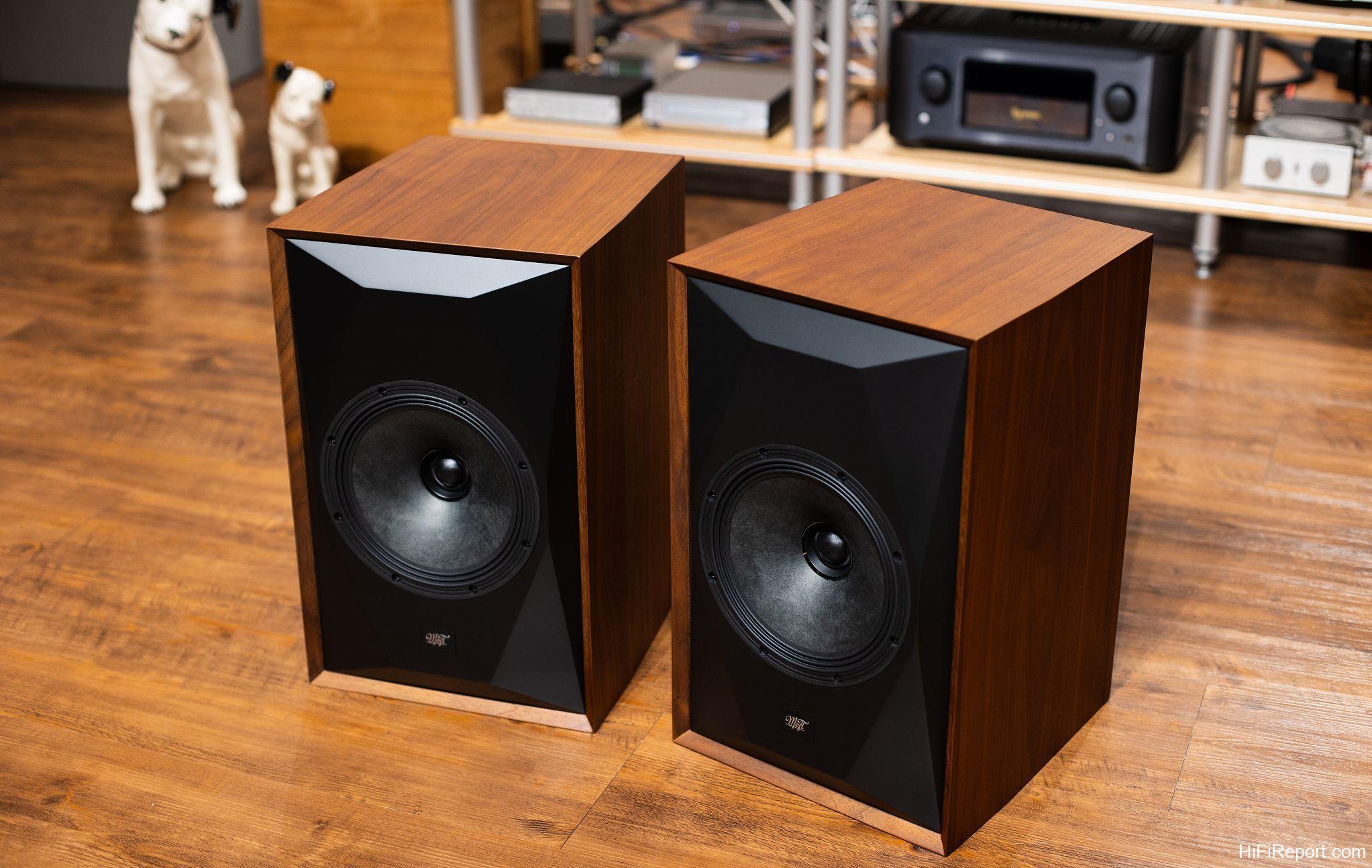
Having experienced the SourcePoint 10 at several audio shows, I can attest to the immediate impact of a master designer at work. Its sonic performance was truly stunning, offering exceptional value and posing a significant challenge to competitors in the ~$120,000 NTD price range. While technically a bookshelf speaker, the SourcePoint 10 is quite substantial in size. Therefore, at the Munich High End Show this year, MoFi introduced the SourcePoint 8, featuring an 8″ coaxial driver.
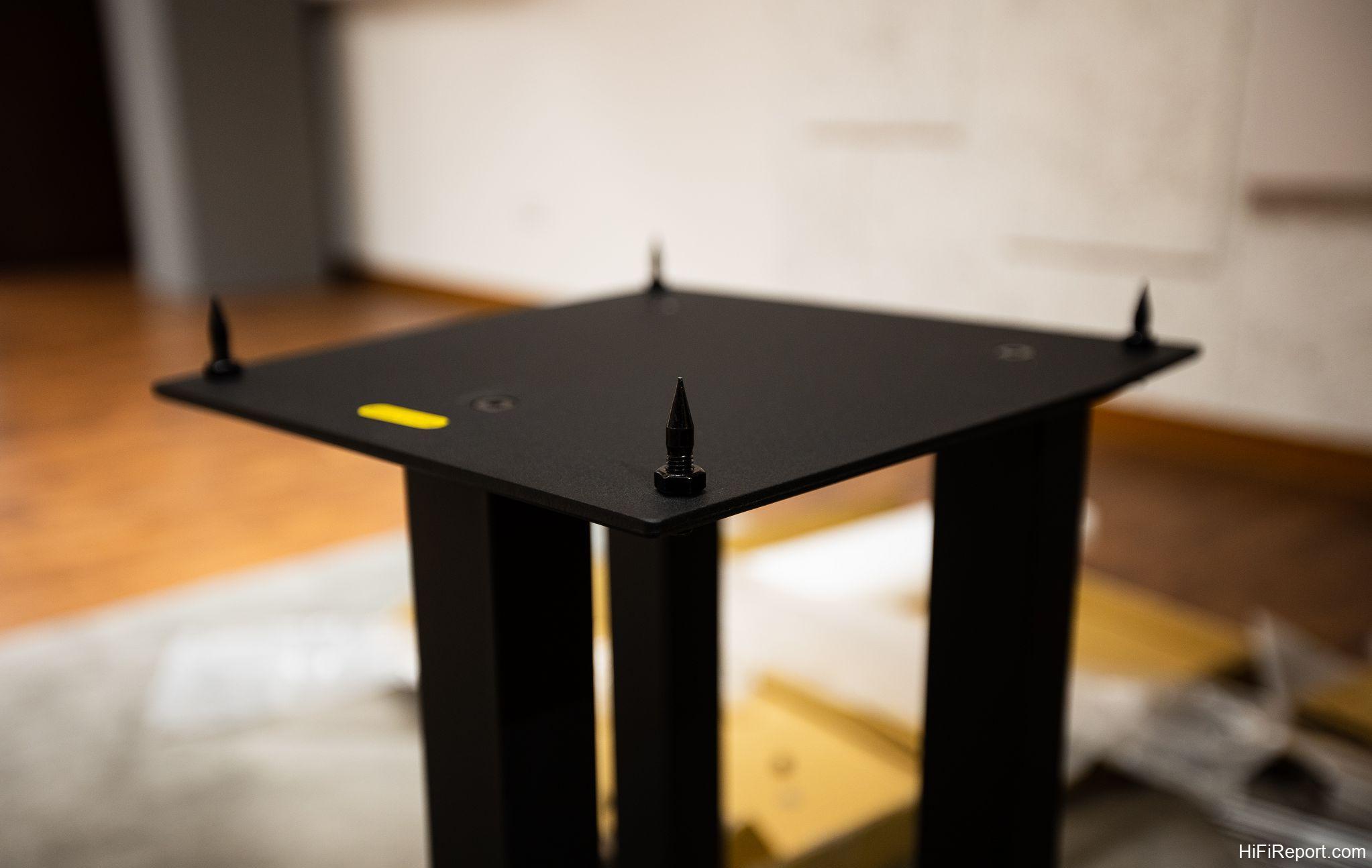
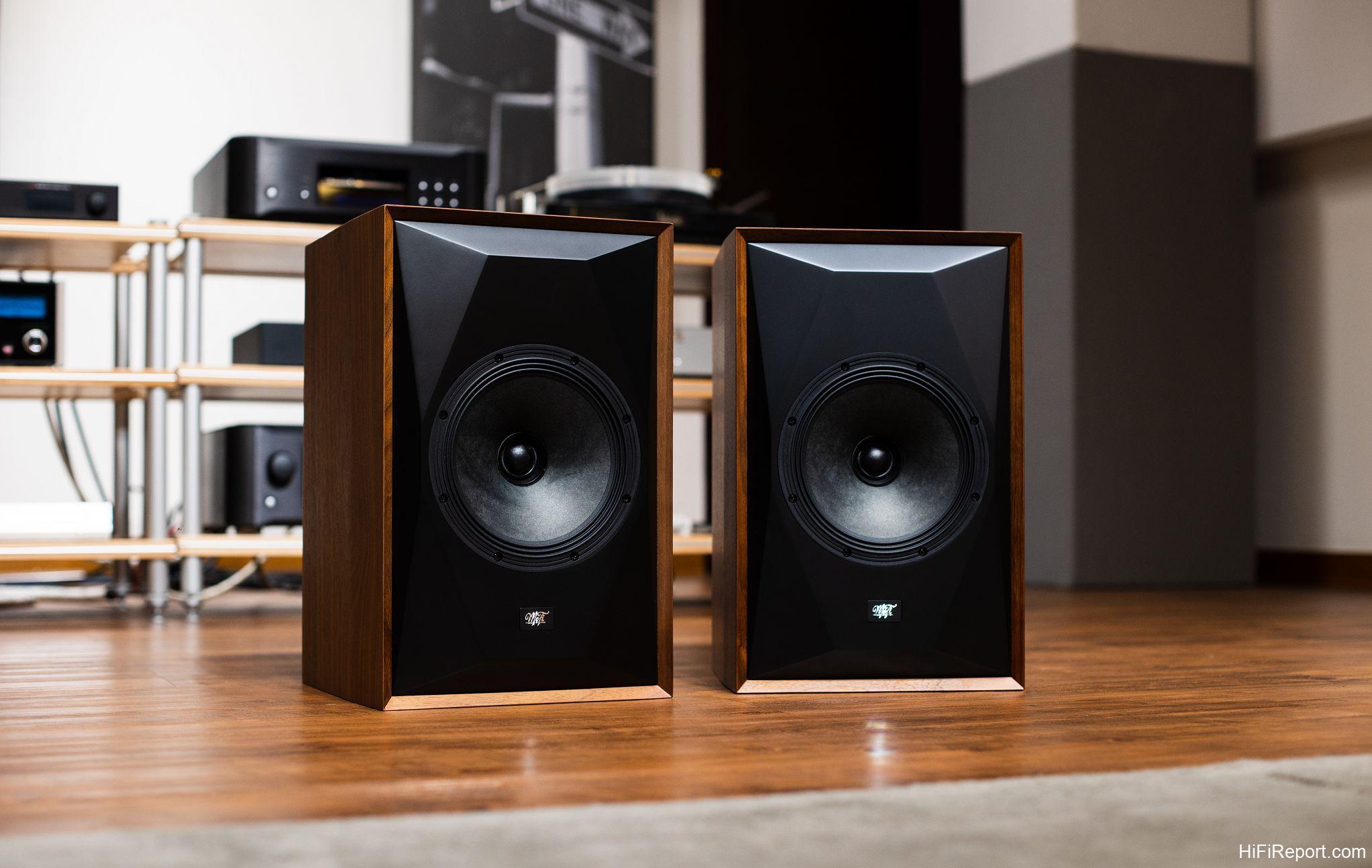
This model, the subject of our review, is essentially a scaled-down version of the SourcePoint 10, tailored for listeners whose spaces might not accommodate its larger sibling.
The SourcePoint series represents a fresh start for Andrew Jones. From the cabinet to the crossover and drivers, every element is a completely new design, embodying the culmination of his four decades of expertise. Coaxial drivers inherently offer the advantages of a point source, while the woofer cone acts as a waveguide for the tweeter, enhancing high-frequency efficiency and directivity.
The coaxial driver in the SourcePoint 8 utilizes MoFi’s exclusive “Twin-Drive high-flux” neodymium magnet system. This sophisticated design optimizes both woofer and tweeter frequency response and minimizes magnetic distortion, resulting in remarkably accurate sound reproduction. The SourcePoint 8 boasts a frequency response of 47Hz-30kHz, an 8 Ohm impedance, and a sensitivity of 87dB. The crossover point is set at 1.6kHz, and each speaker weighs a substantial 12.7kg.
Unique Front Baffle Design
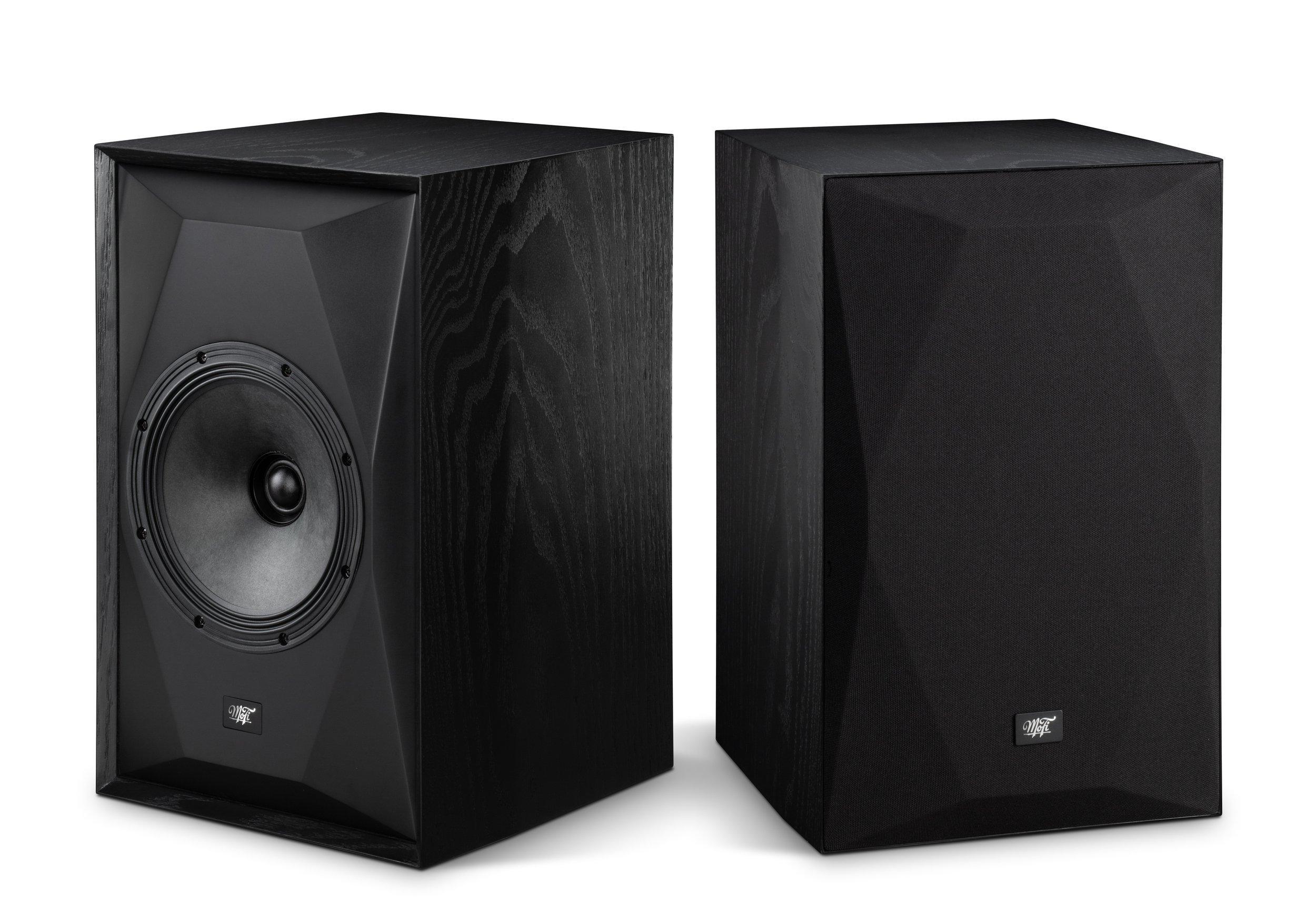
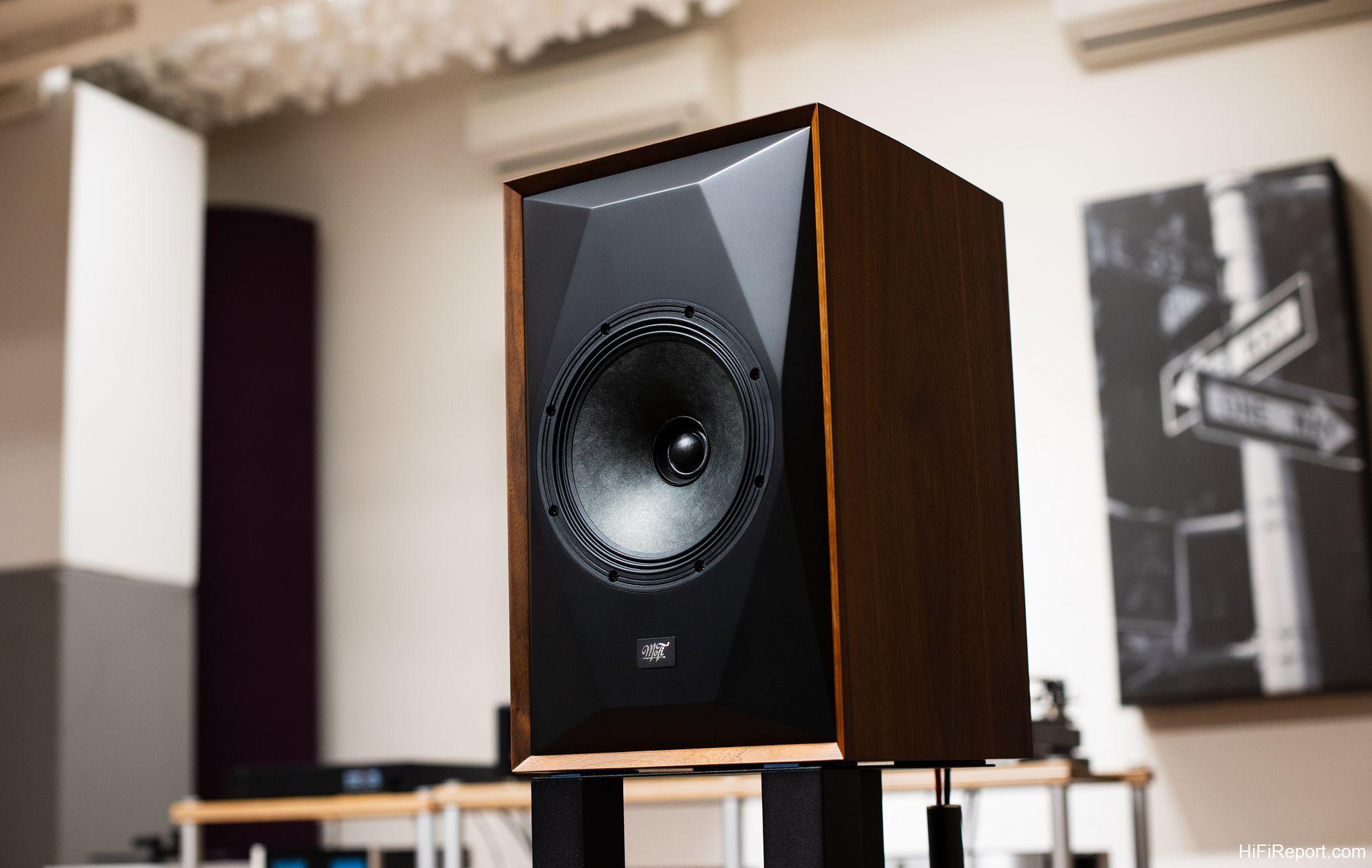
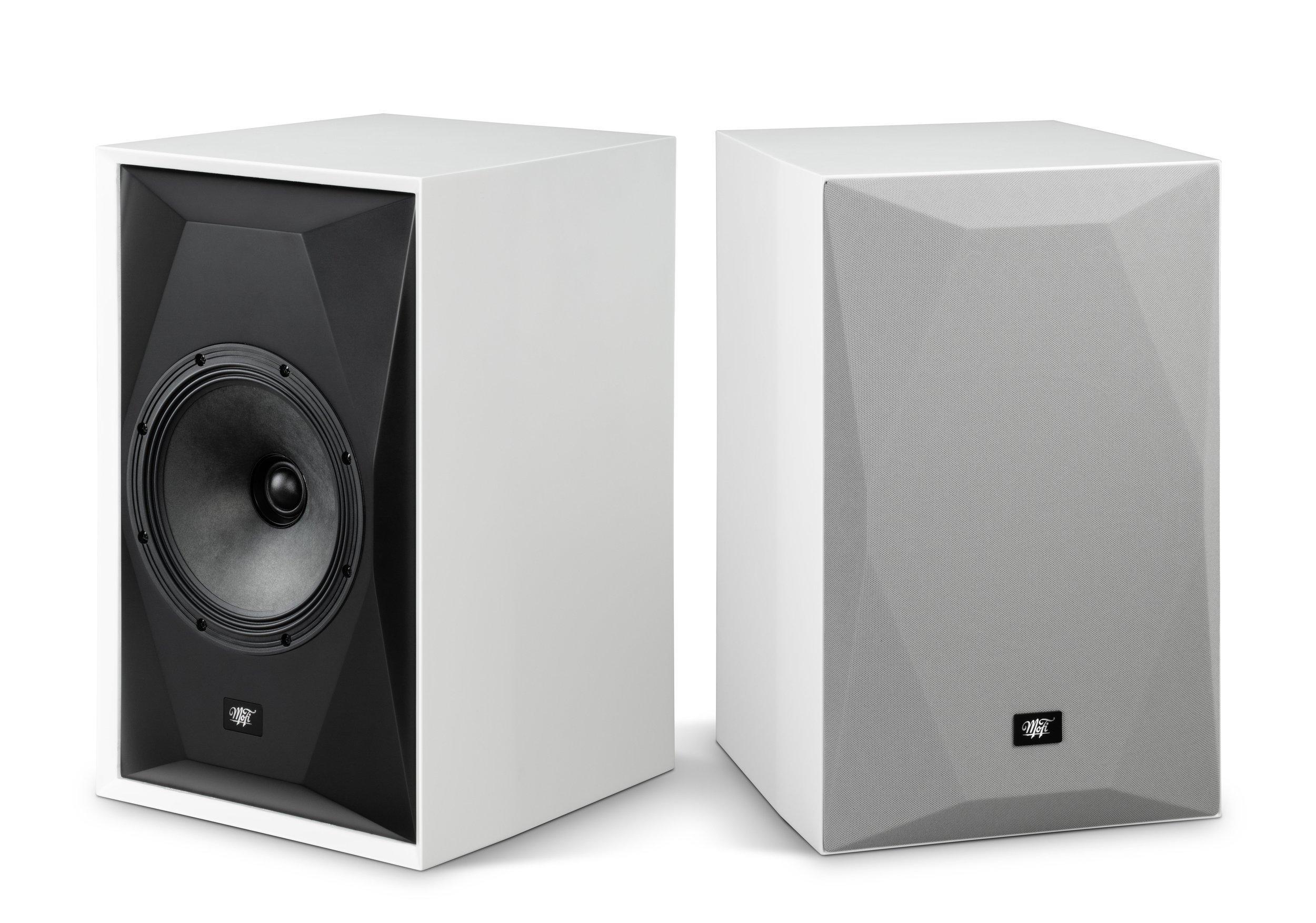
The SourcePoint 8’s front baffle showcases a distinctive multi-faceted, non-parallel design. This innovative approach minimizes sound diffraction and interference. Andrew Jones’s mastery is evident in this departure from conventional flat baffle designs. This more complex construction undoubtedly increases manufacturing costs. You’ll also notice the coaxial driver is slightly protruded, a deliberate choice to further reduce cabinet resonance and coloration.
SourcePoint 10 Exploded View
This is an exploded diagram of the SourcePoint 10, but aside from size differences, it is structurally very similar to the SourcePoint 8.
Internal Structure and Driver Anatomy
This diagram illustrates the internal structure and driver components of the SourcePoint 10, which shares the same design principles with the SourcePoint 8. Internally, the cabinet is reinforced with two layers of damping panels and employs a dual-ported bass reflex design. During the SourcePoint design process, Andrew Jones discovered that a single reflex port was insufficient to handle the energy of the powerful driver. The dual-port configuration yielded significantly better results.
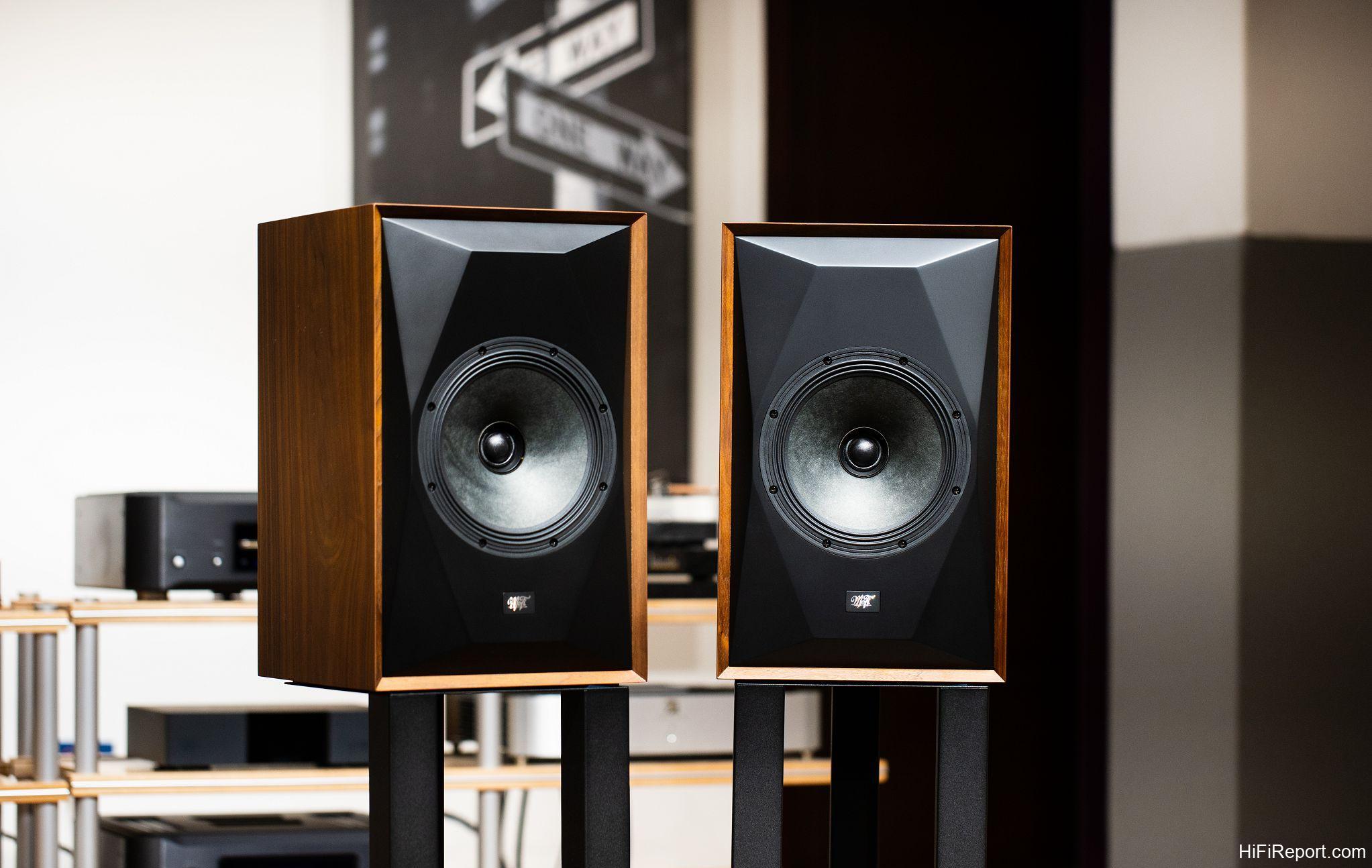
The coaxial driver’s integrated dual magnet system creates a synergistic effect, achieving more than the sum of its parts. Notably, the woofer utilizes a paper cone diaphragm, a hallmark of Andrew’s renowned designs.
Rear Panel View
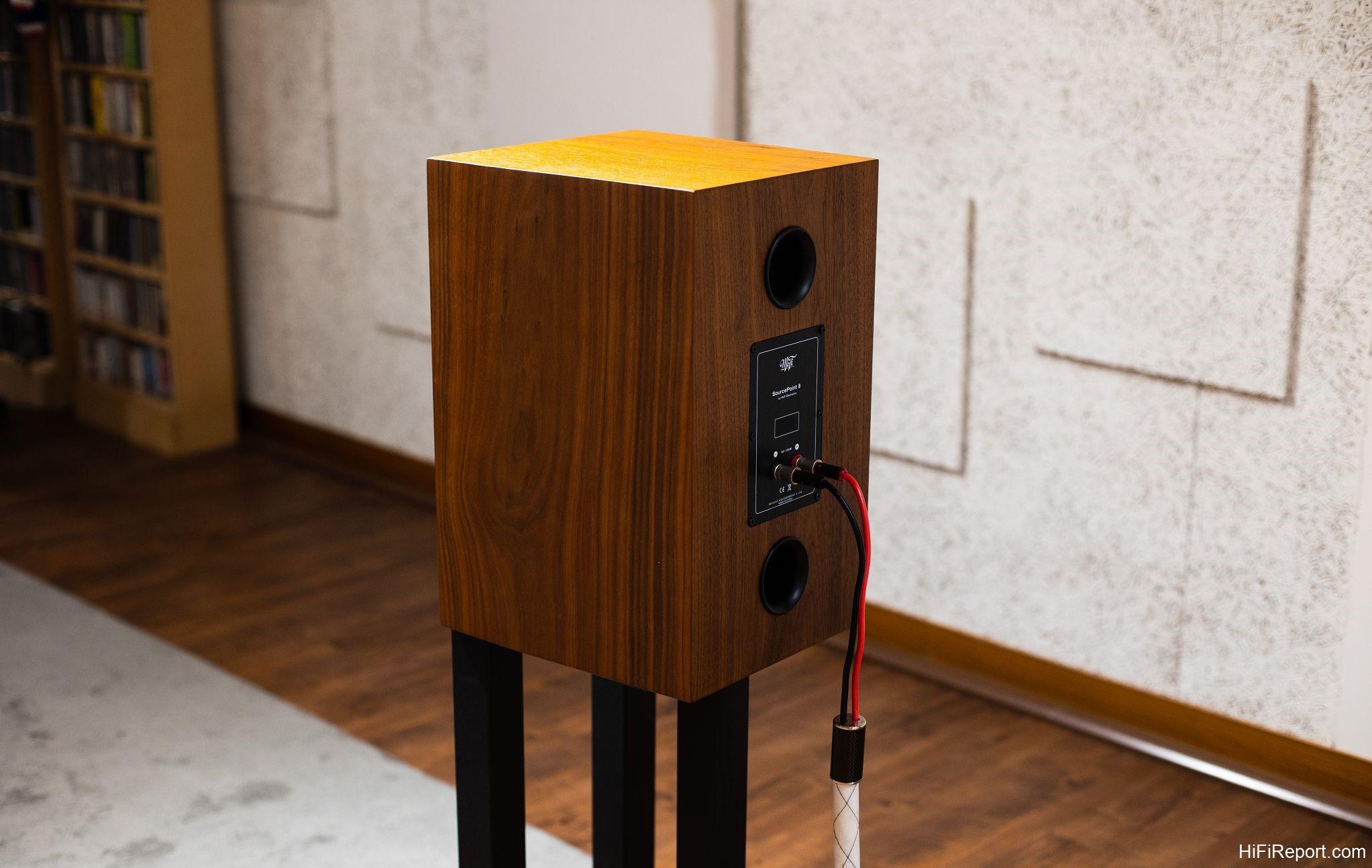
The rear panel of the SourcePoint 8 features dual reflex ports and a single-wiring terminal configuration.
Dedicated Speaker Stands
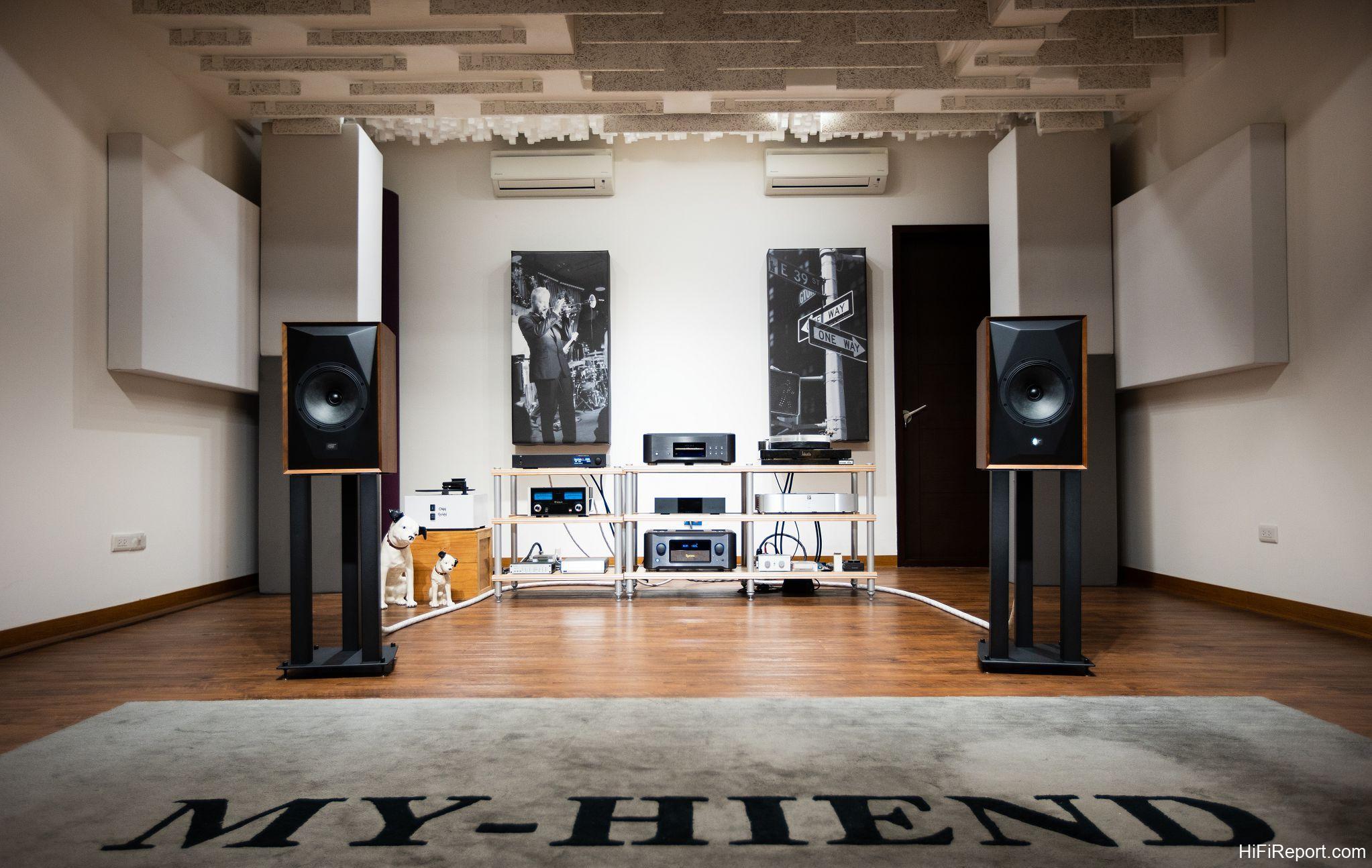
MoFi offers dedicated stands specifically designed for both the SourcePoint 10 and SourcePoint 8. Purchasing these stands alongside the speakers is highly recommended. Intriguingly, the stands are Made in Taiwan, providing an extra reason to support them.
TiGLON D-REN Pro Isolation Pads
Fang Zhou Audio also provided Japanese TiGLON D-REN Pro isolation pads, featuring a patented magnesium shield. These pads effectively absorb vibrations, provide non-slip stability, and protect surfaces, making them a popular and practical accessory.
Effortless Access to Master Design
MoFi, or Mobile Fidelity Sound Lab, is a well-known American record company specializing in audiophile recordings across various formats, including SACD and vinyl master recordings. Since 2016, they have expanded into audio hardware. Leveraging their recording studio heritage, MoFi’s home audio products exhibit a distinct studio aesthetic and are offered at accessible prices, appealing to a wide range of music lovers.
MoFi strategically collaborates with accomplished designers in each product category. For instance, their turntables are designed under the guidance of Allen Perkins of Spiral Groove, phono preamplifiers by Tim de Paravicini, and the SourcePoint speaker series by Andrew Jones, formerly of TAD and ELAC and a highly respected figure in the industry.
Room-Filling Sound
The SourcePoint 8 employs an 8-inch mid-bass driver in a coaxial configuration with a soft dome tweeter, creating a point source radiation pattern – hence the “SourcePoint” name. Anyone familiar with loudspeaker design will immediately recognize the significance of this approach. While a smaller sibling to the SourcePoint 10, the SourcePoint 8 retains approximately 80% of its cabinet volume.
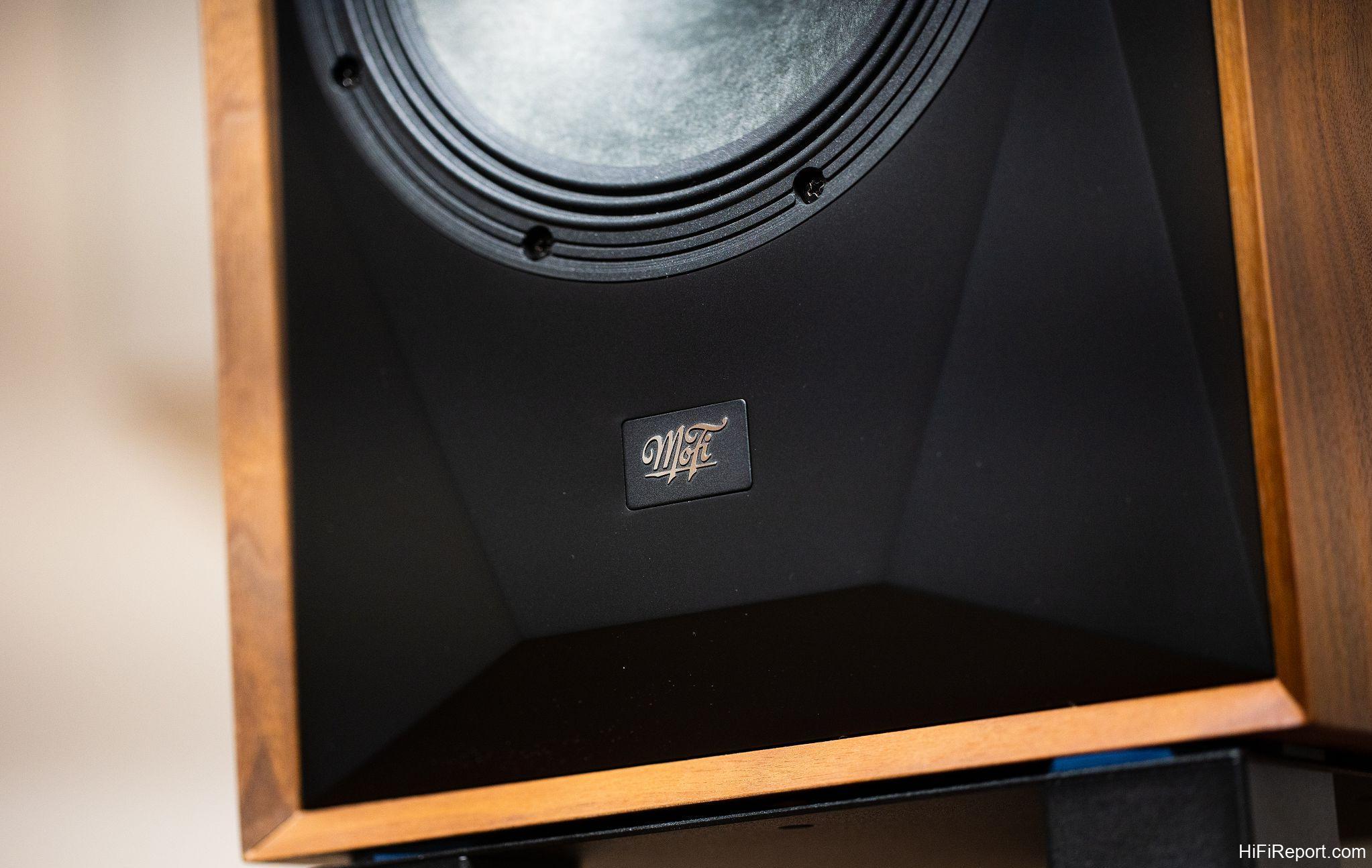
Combined with the dual bass reflex ports, it delivers ample bass extension and quantity, readily filling medium-sized rooms. The SourcePoint 8’s cabinet construction is commendable, featuring a warm and natural wood veneer. The front baffle’s angled facets add a distinctive, non-traditional visual appeal, enriching the design and avoiding a monotonous appearance. The cabinet’s non-parallel front-to-back design further minimizes internal standing waves.
Dedicated Stands Enhance Playback
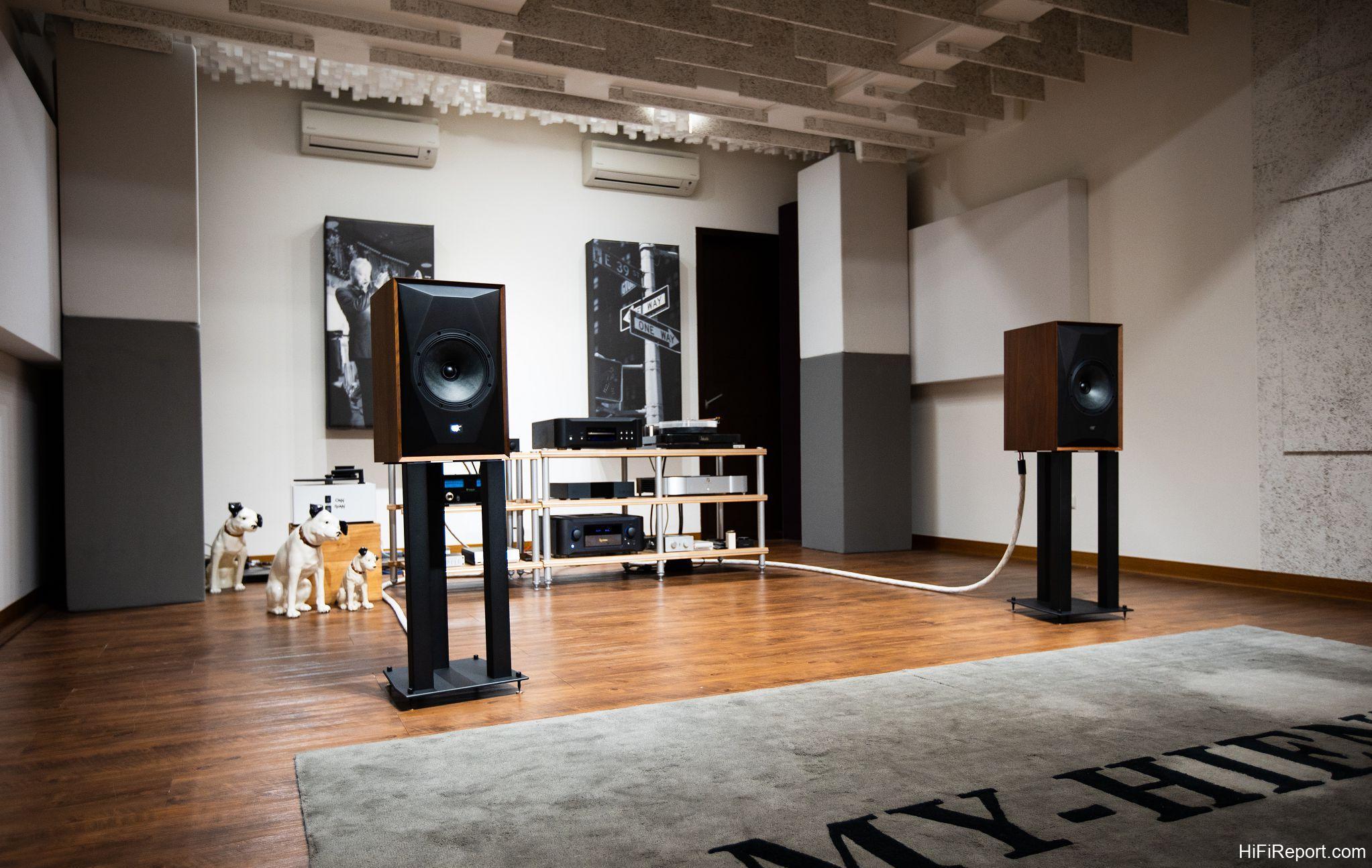
Both the SourcePoint 8 and SourcePoint 10 have dedicated stand options. The SourcePoint 8 stand utilizes a three-legged support, while the SourcePoint 10 stand has a four-legged design. While optional, these dedicated stands are highly recommended. Although users with existing stands can certainly experiment, it’s crucial to avoid placing bookshelf speakers, especially those capable of significant energy output like the SourcePoint 8, directly on flimsy tables or shelves.
Using proper stands dramatically improves sonic performance. MoFi includes isolation pads to place between the speaker cabinet and stand, further damping vibrations and preventing potential wood veneer damage. For our evaluation, we opted for the even more effective Tiglon isolation pads.
Music with Emotional Impact
During listening sessions, I explored a wide range of musical genres, and the SourcePoint 8 consistently performed exceptionally well. These are speakers capable of reproducing virtually any type of music with finesse. They particularly excelled with jazz, violin, piano, and vocal performances, delivering an almost luxurious listening experience, especially considering their sub-$100,000 NTD price point. We consider them remarkably high value. Several sonic characteristics stood out.
Firstly, the SourcePoint 8 possesses an inherently appealing tonality. A touch of warmth and fullness lent an intimate, human quality to jazz recordings, such as the renowned “Jazz at the Pawnshop.” The sense of presence was excellent, not in a hyper-realistic, overly analytical way, but rather in a comfortably engaging “live music” presentation. It encouraged pure musical enjoyment rather than critical scrutiny of sonic accuracy. Secondly, the sound was remarkably relaxed and unforced.
This was particularly evident with “Jazz at the Pawnshop,” where even at higher volumes, the sound remained effortless and unstrained. Moving to vocal-centric pieces and smaller ensemble instrumental works, the SourcePoint 8 showcased its transparency and clarity, especially with violin, guitar, and piano-based compositions. While MoFi might not be a household name in loudspeakers yet, they are enjoying considerable success in the US and European markets.
Audiophiles who overlook the SourcePoint 8 would be missing out on a truly exceptional listening experience.
Complete Sonic Picture with Beautiful Timbre (Wacko Wang)
Listening to Gavin James’s “Sober” as a reference track, the MoFi SourcePoint 8 demonstrated outstanding instrument timbre reproduction. The piano sounded exceptionally beautiful, exhibiting both seamless fluidity and sparkling clarity. Paired with the somewhat melancholic vocals at the song’s beginning, the speakers created a complete and immersive sonic panorama. The subtle sadness of the song was conveyed with poignant clarity.
Piano notes lingered in the air, like shimmering points of light or gentle raindrops falling from above.
As the song progressed, the vocal falsetto was rendered with remarkable precision, almost as if the sound coalesced from a line into a focused point, drawing the listener in with bated breath. The vocal texture was delicate yet possessed underlying strength. The clean and articulate presentation also revealed excellent control of air and ambience.
When the piano re-entered with denser chords, the listening experience felt like an emotional release, not an overwhelming surge, but rather a rich and controlled outpouring, expressed in a comfortable and engaging manner by the MoFi SourcePoint 8.
Subtly Powerful and Layered Bass
Moving to Gabrielle Aplin’s “Ghosts,” the SourcePoint 8 showcased its prowess with high-frequency vocals. The voice was exquisitely beautiful, delicate yet not weak. Instead, it conveyed a sense of resilience and tensile strength, coupled with a gorgeous timbre. The pristine high-frequency presentation was like a silver thread, with the voice seemingly emitting subtle glimmers of light.
The drum sounds were equally pleasing, not overtly aggressive or chest-thumping, but more like a heavy object sinking into the ocean, stirring up a gentle cloud of sediment upon reaching the seabed – controlled, layered, and comfortable bass frequencies.
Luminous and Articulate Piano
Referencing Freya Ridings’s “Face In The Crowd,” the piano intro immediately impressed with its beauty. Through the SourcePoint 8, the piano notes flowed seamlessly, without any audible gaps or discontinuities. The overall presentation was remarkably fluid, yet each note retained a distinct sense of separation.
This combination of fluidity and articulation, combined with the beautifully clear and luminous timbre, made the piano sound like pearls scattered in a flowing stream, moving smoothly while maintaining their individual brilliance. Vocals were clean, focused, and commanding. In the song’s latter part, when paired with lower-register piano chords, the piano became deeper and more profound, creating a dark backdrop for the vocals.
As the vocal intensity increased, the piano became more soaring, expanding the song’s sonic scope and creating a sense of vastness and grandeur.
Clear Details and Superb Texture
Finally, listening to The Civil Wars’s “Poison & Wine,” it became abundantly clear that the MoFi SourcePoint 8 excels in instrument reproduction. The guitar texture in this track was exceptionally vivid. The opening string plucks were utterly captivating, producing incredibly lifelike “twang” sounds. The lingering resonance and air movement after each pluck were palpable. The sonic image was so realistic that you could almost visualize the individual strings and subtle hand movements.
The low frequencies from the guitar strings were equally satisfying, never overpowering but maintaining a solid, grounded presence. Both male and female vocals were delicate yet substantial, never sounding thin. The female vocals, in particular, possessed an ethereal quality. The overall balance was excellent and well-integrated.
Furthermore, the speakers revealed a wealth of vocal detail, capturing subtle nuances in breath control, phrasing, and dynamics, effectively conveying the song’s emotional tension and melancholic undertones.
MoFi SourcePoint 8 Bookshelf Loudspeaker Specifications
* Type: 2-way bass reflex
* Driver: 8″ Coaxial driver, paper cone woofer, 1.25″ soft dome tweeter
* Frequency Response: 47Hz-30kHz
* Impedance: 8 Ohms, 6.4 Ohms minimum
* Sensitivity: 87dB/2.83V/1m
* Crossover Frequency: 1.6kHz
* Minimum Recommended Power: 30W
* Maximum Input Power: 150W
* Dimensions: 290 x 456 x 320mm, 290 x 456 x 335mm (with magnetic grille)
* Weight: 12.7kg