
Neumann NDH 30 Review
The name Neumann immediately conjures images of studio-grade monitoring headphones, instantly signaling to discerning listeners the distinction between professional and consumer-level audio equipment. Indeed, the newly introduced Neumann NDH 30 is purpose-built for the professional recording sector, prioritizing exceptionally accurate stereo reproduction.
Closed-back Then Open-back
Neumann’s headphone product line is streamlined, featuring just three models. The NDH 20 and NDH 20 Black Edition are essentially identical, differing only in their finish—aluminum or black. The NDH 30, the most recent addition, adopts an open-back design, setting it apart from the closed-back NDH 20.
Why introduce the closed-back NDH 20 initially, followed by the open-back NDH 30? Professional recording monitoring headphones are predominantly closed-back, primarily to address the demands of diverse live recording scenarios. Closed-back headphones excel at minimizing external noise interference, enabling recording engineers to concentrate on critical monitoring tasks and accurately evaluate recording quality. Open-back headphones, being more susceptible to external sounds, are comparatively less suited for on-location recording work.
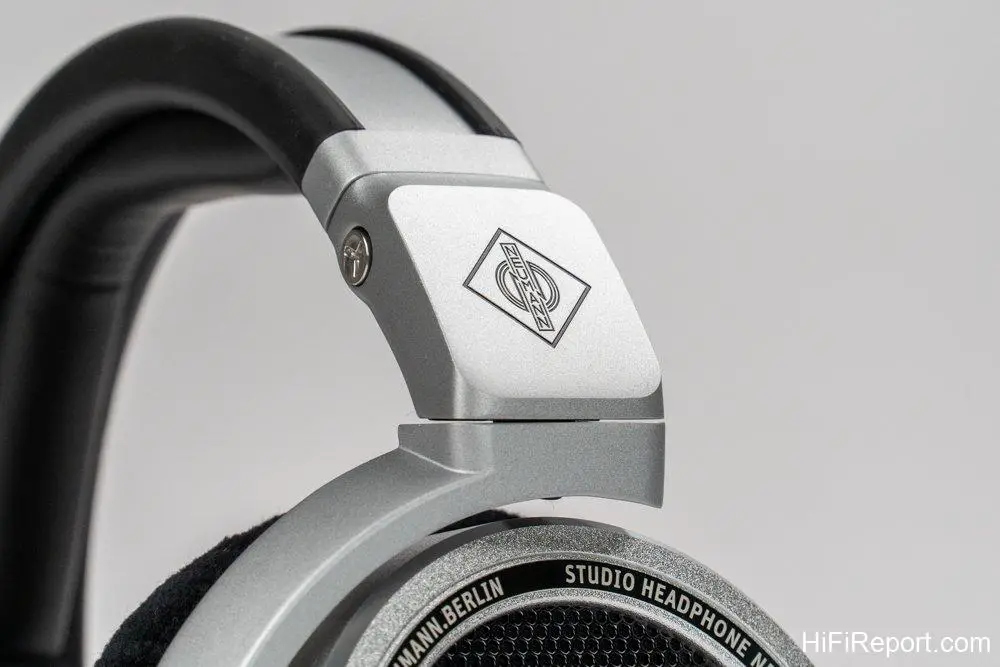
Consider Sennheiser as an example: within their current lineup of nine studio monitoring headphones, only the HD 400 Pro is an open-back design; the remaining eight are closed-back. This clearly illustrates the prevalence of closed-back designs in professional headphone applications.
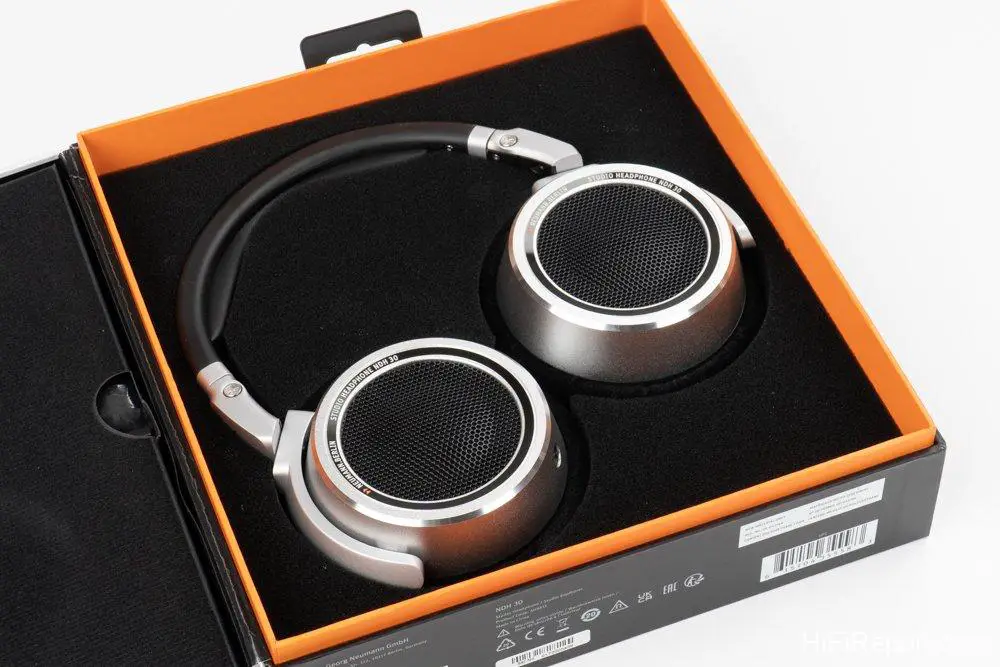
In contrast to Sennheiser’s extensive product range catering to various specialized professional needs—a “sea of models” strategy—Neumann adopts a more focused approach. Initially offering only the NDH 20, they now complement it with the NDH 30—one closed-back, one open-back. This clearly communicates to recording engineers that an extensive array of monitoring headphones is unnecessary; selecting Neumann is sufficient. Both models are reference-grade, differing solely in their closed-back or open-back design.
Emphasizing Accurate Sound Reproduction
What distinguishes professional monitoring headphones from consumer-grade counterparts? Essentially, professional monitoring headphones are tools, whereas consumer headphones are more akin to recreational devices. Consumer headphones are designed to cater to user enjoyment, often prioritizing aesthetics, variety, and diverse sizes. Some are even specifically tuned for particular music genres. These are not priorities for recording engineers. Professional recording engineers demand “accurate” monitoring headphones to critically assess recording quality.
However, defining “accurate” sound is subjective. Among recording engineers and broadcast professionals I know, preferred monitoring headphone brands vary widely. So, which brand is truly “accurate”? The answer is, they all are, in their own way. The crucial aspect is that recording engineers must understand the strengths and limitations of their tools. Familiarity with their equipment allows them to “compensate” mentally, effectively judging the quality of the recorded sound.
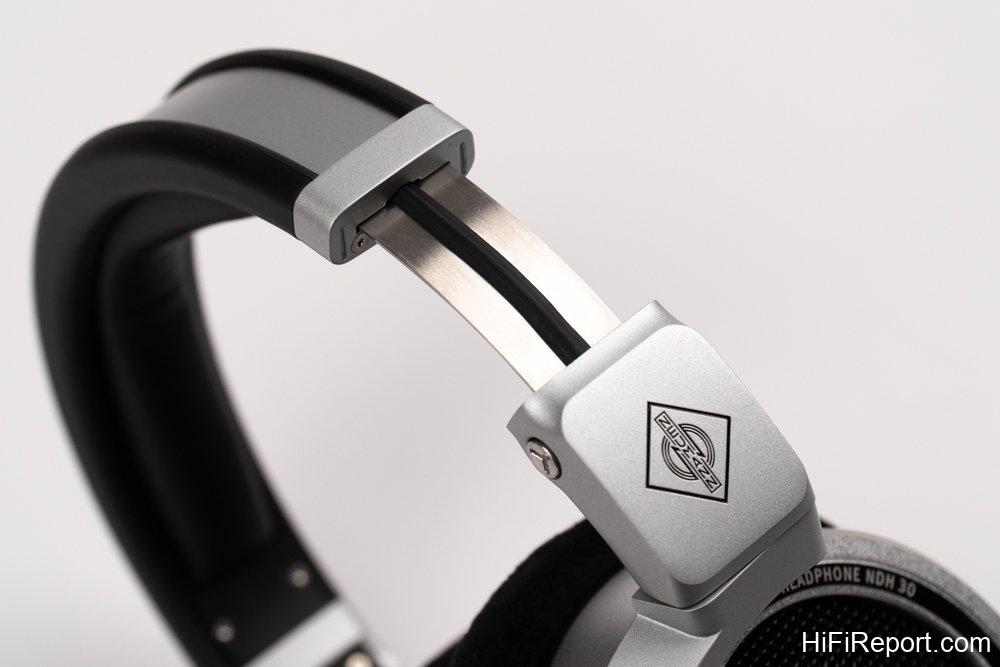
The user remains the key. As with any tool, recording engineers must know the capabilities of their equipment and use their professional expertise to evaluate recording quality.
Tuning Technology Shared with Neumann Studio Monitors
If the expertise of the recording engineer using the headphones is paramount, why emphasize the NDH 30? Shouldn’t users simply choose based on personal preference, become familiar with their chosen headphones, and rely on “mental compensation” to achieve accurate sound? Such an approach underestimates the significance of the NDH 30.
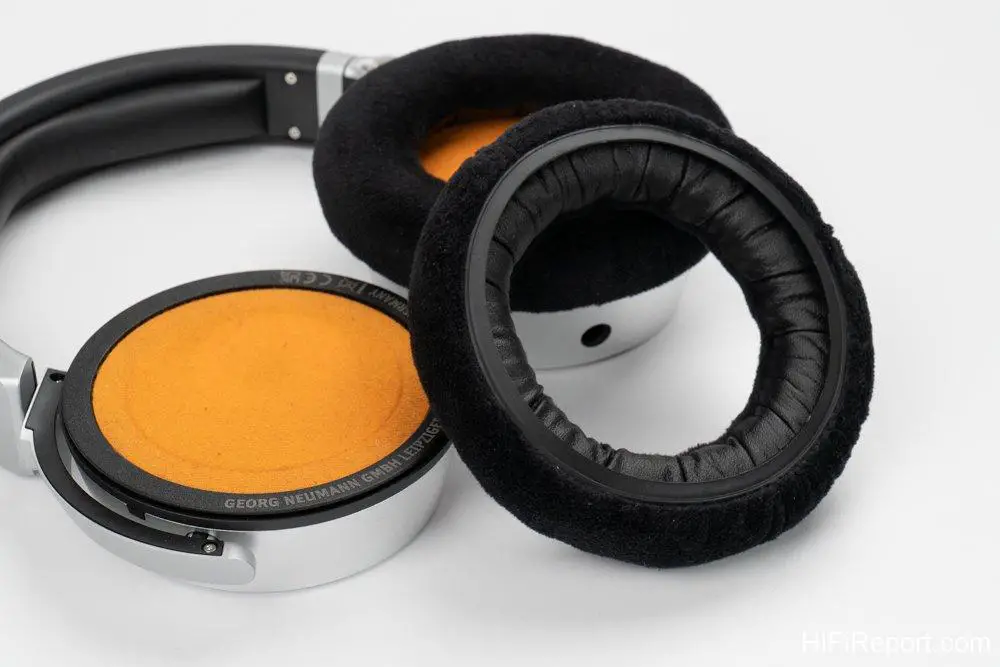
Neumann’s primary objective with the NDH 30 is to achieve a sound signature that closely mirrors their own studio monitor loudspeakers. This ensures consistent monitoring quality whether using headphones or speakers, eliminating the need to compensate for sonic discrepancies between the two and reducing guesswork when making subtle sonic adjustments across different monitoring environments.
How does Neumann achieve sonic parity between the NDH 30 and their studio monitors? The answer lies in Neumann Automatic Monitor Alignment technology. It’s well-known that speaker playback is significantly affected by room acoustics. Audiophiles meticulously optimize speaker placement to mitigate these effects. But what if room configuration restricts speaker placement flexibility? DSP-based digital room correction can be employed. Even in acoustically imperfect spaces, the sound can be calibrated to meet studio monitoring standards.
The Ingenuity of Frequency-selective Absorbers
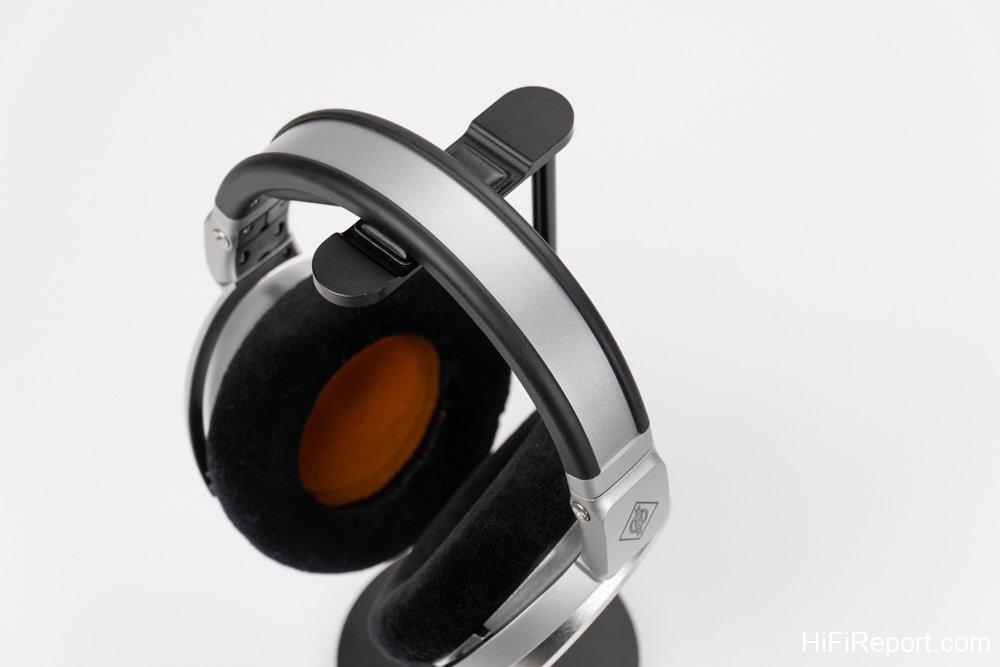
However, the NDH 30 is fundamentally a passive dynamic headphone, lacking any electronic components or power input for DSP correction. How is this alignment achieved? Neumann’s solution, developed through extensive research, is the integration of Frequency-selective Absorbers within the NDH 30. What are these? They are sound-absorbing damping materials, but crucially, they are frequency-selective. Instead of broadband absorption, they target specific frequency ranges. This technology aims to replicate the sonic characteristics of Neumann studio monitors within the confined acoustic space between the NDH 30 and the listener’s ear.
This raises a valid question: if one isn’t using Neumann studio monitors, will the NDH 30 still achieve sonic consistency with one’s speaker setup? Perhaps not directly. However, the key insight is that for recording engineers, both studio monitors and headphones are tools for professional work. The primary goal is consistent sonic performance across monitoring systems, enabling seamless workflow regardless of the chosen tool. Imagine a scenario: a recording engineer works on a project during the day using Neumann studio monitors. Late at night, the producer calls, requesting a slight increase in mid-range fullness and brighter highs, with immediate turnaround. The engineer can then switch to the NDH 30, achieving a monitoring experience virtually identical to their Neumann speakers, minimizing the risk of sonic misjudgments in the revisions.
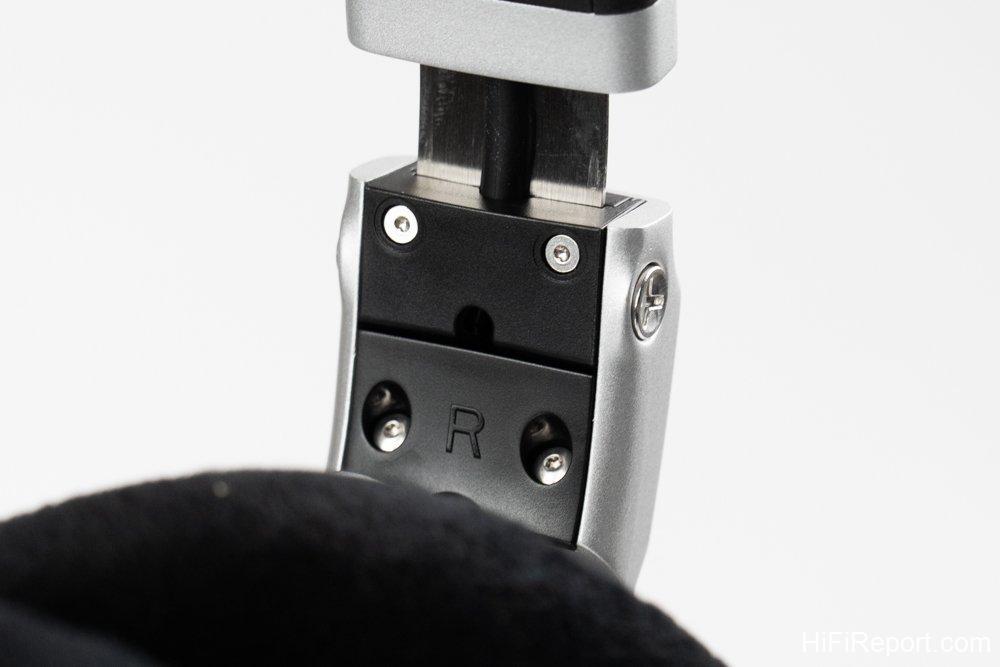
Neumann’s appeal to professional recording engineers lies in their Neumann Automatic Monitor Alignment technology, now extended to both studio monitors and headphones. This provides engineers with a consistent sonic reference across different monitoring tools, a significant advantage. Of course, this also implies that recording engineers are potentially always on call, with no excuse to postpone work due to lack of studio monitors – “Just use the NDH 30,” the producer might say.
Open-back Design Leans Towards Consumer Appeal
Another notable aspect of the NDH 30 is its open-back design. Given that studio environments predominantly favor closed-back headphones, why opt for an open-back design? This design choice hints at a broader appeal, extending beyond professional studios to discerning end-users. In the consumer headphone market, open-back designs are favored for their more expansive soundstage. The NDH 30’s open-back nature not only caters to music production but also expands its utility to immersive content creation, such as VR and 3D gaming, where sound spatialization and movement are critical. The NDH 30 is well-suited for monitoring these applications.
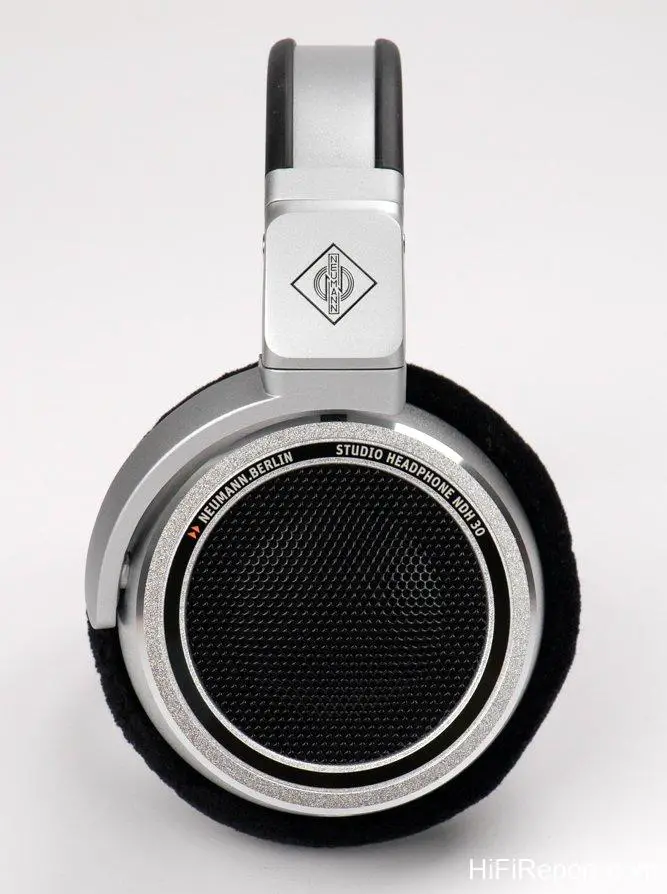
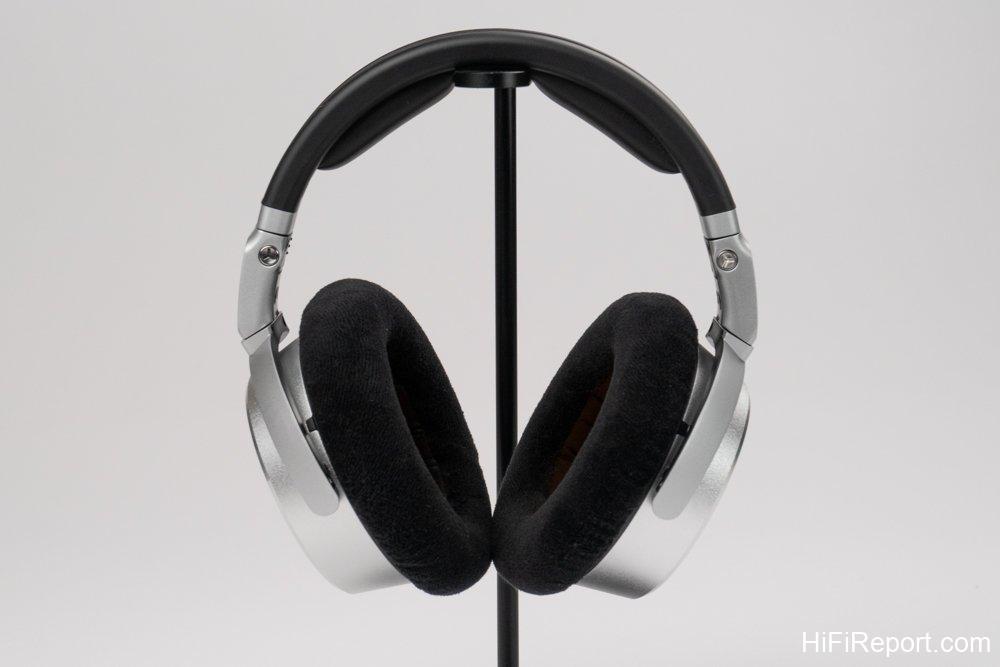
This year, I acquired Sennheiser HD 400 headphones, primarily drawn to their open-back design. While isolation is compromised, the soundstage is significantly more spacious. Now, with the arrival of the NDH 30, it feels like a “The Tragedy of Two Great Men”—why couldn’t the NDH 30 have come sooner? Compared to the HD 400, the NDH 30 boasts an aluminum housing, along with generously padded earcups and headband, offering exceptional comfort. Although slightly heavier, the build quality feels substantially more robust and durable compared to the HD 400’s plastic construction. The NDH 30 exudes a superior tactile and visual quality, but this comes at a price – the NDH 30 is roughly twice as expensive as the HD 400.
Surprisingly Easy to Drive for Monitoring Headphones
The NDH 30, like the NDH 20, employs a 38mm dynamic driver, suggesting that the primary distinction between the two models is their open-back versus closed-back design. The internal magnetic motor utilizes high-power neodymium magnets, ensuring high efficiency and low distortion performance. With a sensitivity of 104 dB, the NDH 30 performs adequately even when driven directly from a computer headphone output or even a smartphone, avoiding sonic collapse. However, for professional applications, a dedicated headphone amplifier is still recommended. Despite the NDH 30’s high 104 dB sensitivity, its 120-ohm impedance means that smartphones or computers alone may not fully unlock its potential. The sound might feel somewhat flat and lack dynamic punch.
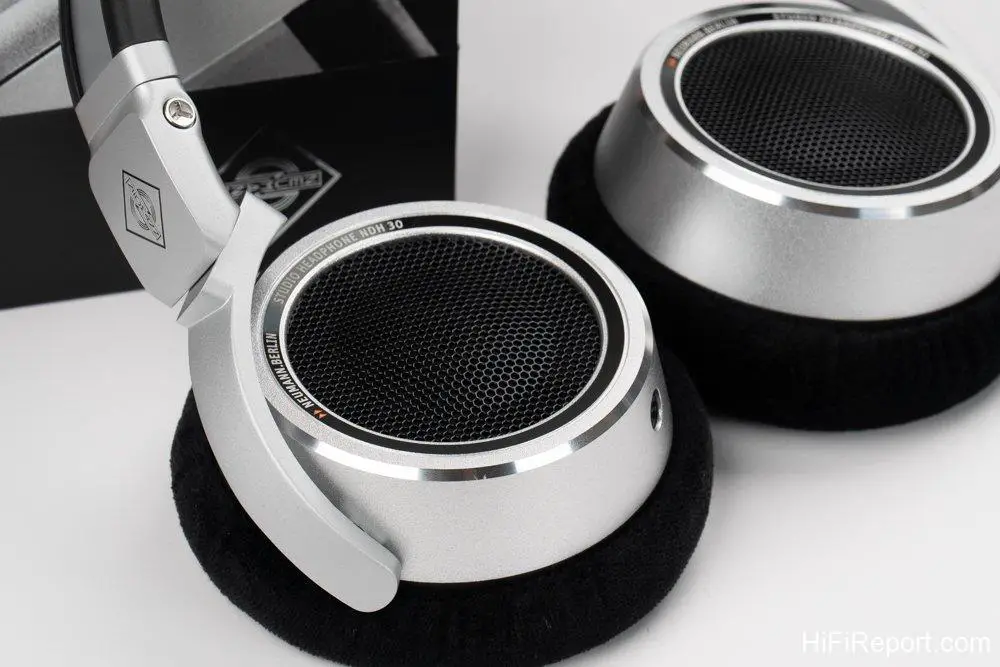
In essence, relying solely on a computer or smartphone to drive the NDH 30 might hinder accurate judgment of compression effects, potentially leading to over-compression and unnatural sound.
For testing the NDH 30, I used two USB DAC/headphone amplifiers: the Moondrop Moon River 2 and the iFi Go Blu. Both drove the NDH 30 effectively, immediately revealing a significant improvement over a direct computer headphone output. Dynamic range and power handling were enhanced, headroom at higher volumes was more relaxed, and nuanced changes in recording quality became more discernible.
Rich and Substantial Sonic Character
In terms of sonic character, my “The Tragedy of Two Great Men” comparison between the NDH 30 and HD 400 Pro highlights their distinct personalities. The HD 400 Pro is bright and articulate, while the NDH 30 noticeably excels in mid-range richness. For extended listening sessions, the NDH 30 is arguably more forgiving and less fatiguing.
Comparing their physical attributes, the HD 400 Pro is lighter. However, the NDH 30’s earcups and headband are more generously padded and plush. Despite being heavier, the NDH 30 doesn’t feel particularly cumbersome and offers excellent comfort. For prolonged work sessions, though, the lighter HD 400 Pro might be slightly less taxing.

Ultimately, both have their strengths, making a choice difficult. Price point might be the deciding factor, potentially placing the NDH 30 at a disadvantage.
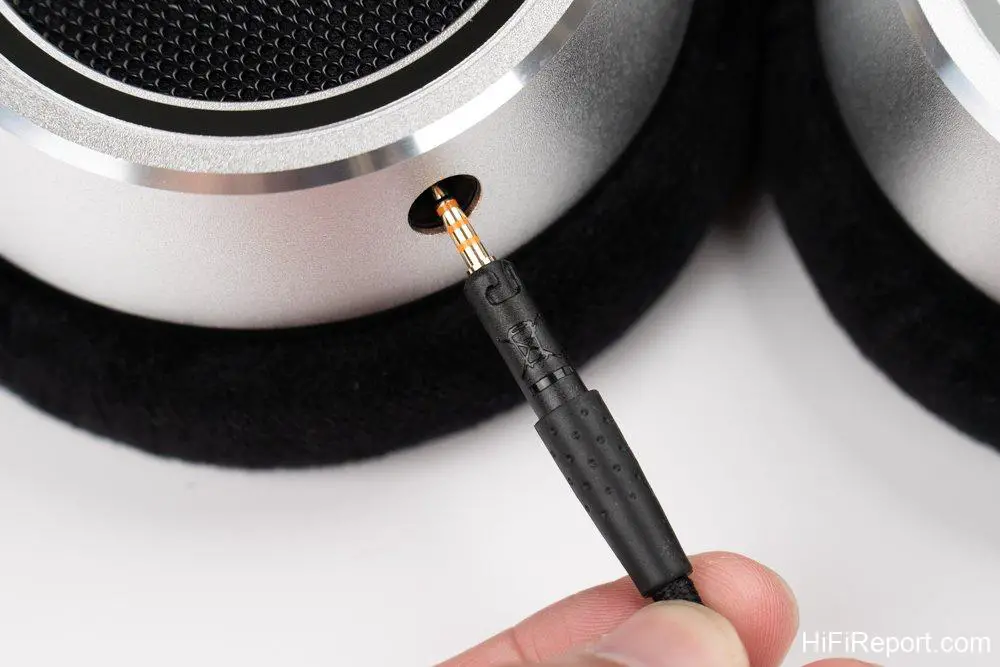
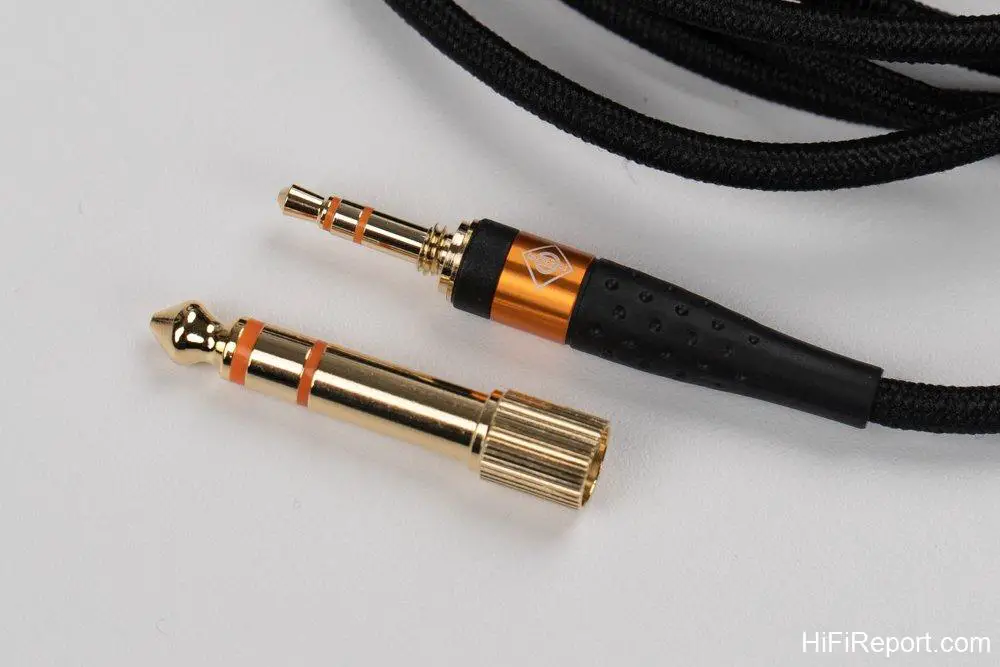
However, the higher-priced NDH 30 justifies its cost with more premium materials. Aluminum is inherently more durable and impact-resistant. The NDH 30 also includes a higher-quality fabric-sheathed cable with more robust headphone connectors, befitting a higher-end monitoring headphone.
Full-bodied and Versatile Across Music Genres
The NDH 30 possesses a full-bodied, rich sonic signature, but this doesn’t imply muddy bass. On the contrary, the NDH 30 exhibits strong monitoring characteristics with a consistent speed across the frequency spectrum, avoiding excessive coloration. The sonic richness likely stems from the specialized damping tuning. In terms of monitoring neutrality, the NDH 30 is suitable for a wide range of music genres.
Listening to Eric Clapton’s iconic “Unplugged” album, the NDH 30 vividly reveals all the nuances of the live recording. In “Nobody Loves You When You Are Down and Out,” the crisp, bluesy acoustic guitar melody is clearly defined. Eric Clapton’s foot tapping rhythms on stage enrich the live recording’s detail. The bass guitar is positioned on the rear left of the stage, and the keyboards on the right. Beneath the vocals, the positions of the two acoustic guitars are less distinct, but the harmonies are beautifully layered, echoing Eric Clapton’s lead vocals.
I recognize that these layers may not precisely reflect the actual stage setup but rather studio post-production enhancements. Yet, through the NDH 30, each instrument is rendered with remarkable realism.
Impressive Soundstage and Layering
Moving to the “Les Misérables” movie soundtrack, a recording compiled from on-set dialogue and studio-added orchestral score—essentially a “no live music” recording where all effects are studio-created. Listening to “Do You Hear the People Sing,” the drumbeats swell from afar, and layers of choral voices build, creating the sensation of a growing crowd approaching, escalating the stirring musical atmosphere. The NDH 30 presents a convincing sense of space, revealing trumpet lines within the choral arrangement.
Given the NDH 30’s rich sonic foundation, even during the explosive sound effects in “Building the Barricade,” it maintains a robust and full-bodied character. The brass section is bright yet not harsh, contrasting with the rumbling cannons and driving timpani, intensifying the battlefield tension.
Guitar Recordings Simplify Selection
For a pop music selection, listening to EggPlantegg’s “Hi Girl, It’s Been a While,” the NDH 30’s rich sonic texture beautifully accentuates the acoustic guitar intro’s resonance. The mid-range richness is excellent. If choosing between the HD 400 Pro and NDH 30, this track readily highlights their differences. The HD 400 Pro renders the guitar with a crisper, more transparent quality, while the NDH 30 adds a richer body resonance, resulting in a fuller sound. Both headphones reproduce acoustic guitar beautifully, but the HD 400 Pro is crisper, and the NDH 30 is richer.
The full-bodied and smooth NDH 30 is also exceptional for jazz, such as “Ella & Louis.” Listening to the classic “Let’s Call the Whole Thing Off,” the vintage analog recording character is evident on the NDH 30. Subtle tape hiss adds to the analog warmth. Ella Fitzgerald’s voice is rich yet sweet, while Louis Armstrong’s vocals are thick and raspy, like sandpaper. The NDH 30 captures the nuances of their voices beautifully. Recordings from this era can sometimes exhibit harsh high frequencies and sibilance if the treble is too prominent. The NDH 30’s warmer tonal balance enhances the music’s swing without sounding overly aggressive.
Switching to classical music, Gülda and Vienna Philharmonic’s rendition of Beethoven’s Piano Concerto No. 3, I compared an early Decca pressing with a later Esoteric SACD release. Ripped to PCM format for digital playback, the NDH 30 readily reveals the differences. The early Decca version is warmer, but detail retrieval is less refined, sounding slightly veiled. The Esoteric SACD remaster, even in PCM format, exhibits a pristine clarity, as if the recording has been meticulously cleaned.
Closing the Gap to the Recording Studio
While the NDH 30 is marketed as a professional monitoring headphone, I find it highly suitable for personal listening as well. Using studio-grade monitoring headphones for music enjoyment effectively narrows the perceived distance to the recording studio itself.
Sonically, the NDH 30 is characterized by its rich, full-bodied sound, combined with accuracy and directness. The open-back design enhances soundstage spaciousness. These are its key strengths. If you’re seeking to move beyond consumer-grade headphones and desire robust acoustic engineering without frivolous design elements, the NDH 30 is an excellent choice.
Specifications
* Type: Dynamic Open-back Headphones
* Driver: 38 mm Dynamic
* Frequency Response: 12 Hz to 34 kHz
* Nominal Impedance: 120 ohms
* Sensitivity: 104 dB SPL (@1kHz/1 Vrms)
* Max. Input Power: 1000 mW
* Continuous Input Power: 200 mW
* Total Harmonic Distortion: <0.03% (@1kHz, 100dB SPL)
* Cable Length: 3 m
* Connector: 3.5 mm
* Earcup Contact Pressure: 5.5 to 6.8 N
* Weight: 352 g (including cable)