
Nordost Super Flatline Speaker Cable Review
Looking back at the history of this Super Flatline speaker cable, it’s fair to say it was the product that truly put Nordost on the map and remains one of their most enduring classics. You can find online reviews dating back as early as 2002, and even then, the Super Flatline being reviewed was already the second-generation MKII. This suggests the original Super Flatline was released well before 2002.
I personally thought the Super Flatline was no longer available, which led me to purchase the similarly-priced White Lightning as a reference cable instead. It’s amusing how things come full circle, and I finally get to experience the classic Nordost Super Flatline.
Design and Technology
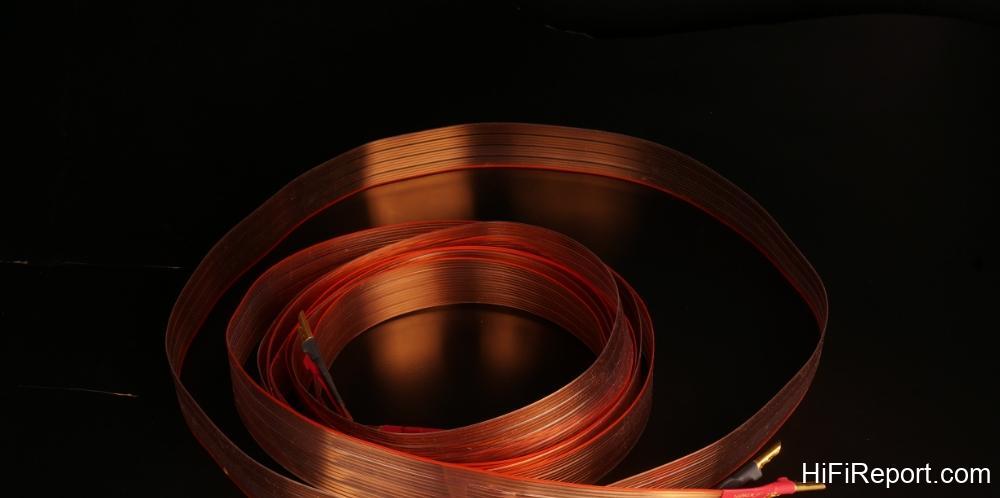
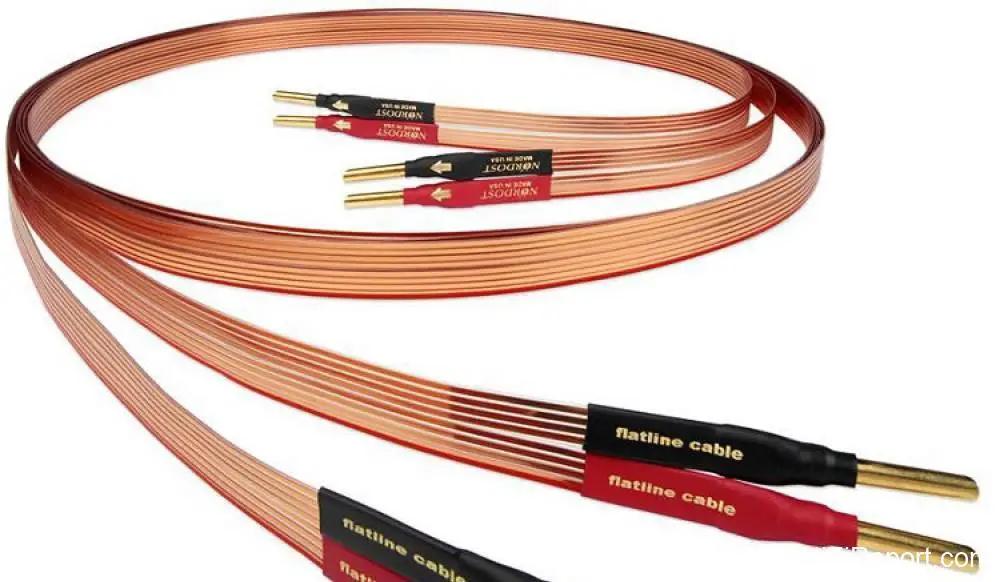
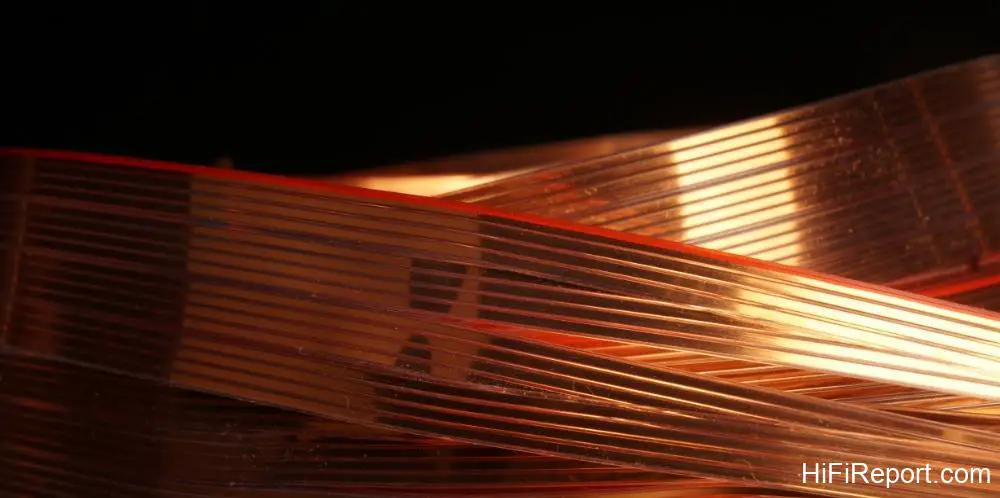
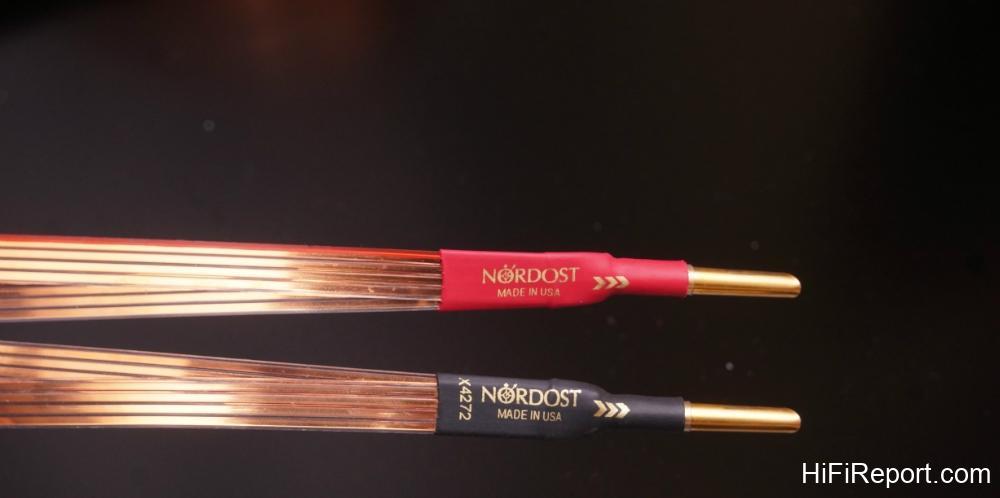
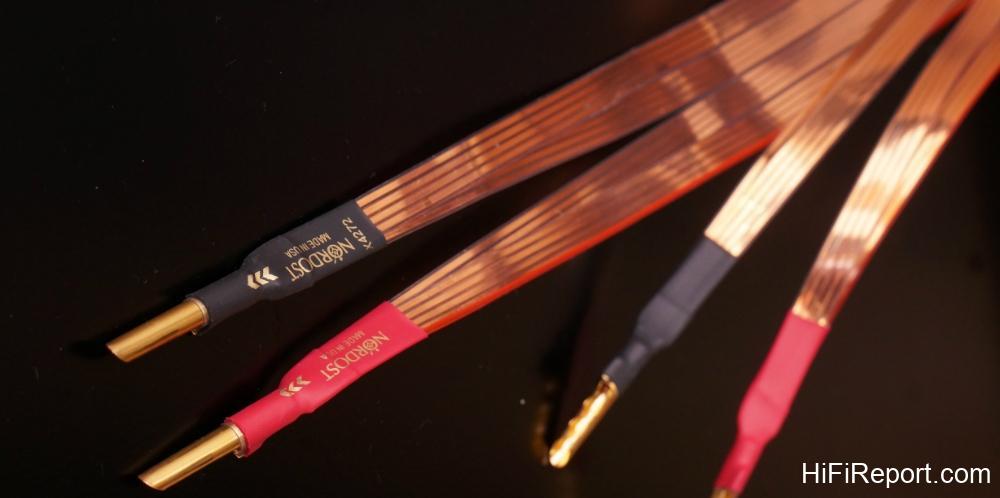
Examining the Super Flatline being reviewed here, the manufacturer has returned to the original model name, simply calling it Super Flatline. Its appearance is largely similar to the previous MKII version. The conductor material remains 6N OFC oxygen-free copper, with a gauge of 23AWG. This is paired with FEP flat extrusion technology and insulation material.

This design helps reduce the skin effect common in traditional round cables and minimizes internal capacitance, achieving a light-speed transmission efficiency of 91%. This significantly reduces time delay during signal transmission.

Furthermore, while the previous second-generation model used four conductors for each polarity, the new Super Flatline increases the conductor count. In the version I received, Nordost uses eight conductors for both the positive and negative polarities. Closer to the speaker connectors, Nordost arranges the conductors by overlapping two sets of four conductors each, stacked vertically.
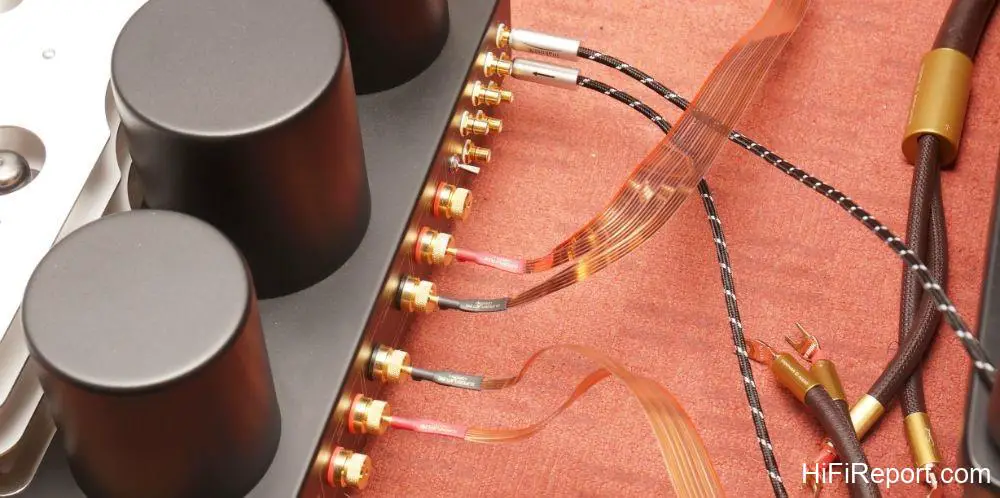
This configuration allows the cable to transmit 12.5 amps of current under a 300-watt output, nearly double the conductor volume of the previous second generation.
Impressive Live Recording Performance
What type of music does the Super Flatline play most impressively? I would definitely say live recording albums. Having listened to various musical genres through it, the Super Flatline consistently exhibits a remarkably strong presence when playing live recordings. It pushes Nordost’s signature transparency to the extreme, leaving competing cables in the dust. Take John Mayer’s “Where the Light Is” as an example.
From the opening sounds of the cheering crowd, this cable precisely sculpts a vast and expansive musical space. You can accurately pinpoint the source of the crowd’s voices across the soundstage, and it creates a beautiful depth perspective relative to the guitar performance. For a cable in this price range, this level of musical detail and soundstage presentation is truly exceptional.
Neutral Reference Quality
When I brought the cable back to my company to review with my familiar reference equipment, I found that the Super Flatline’s neutral and pure sonic character makes it an excellent choice as a reference cable for reviewers.
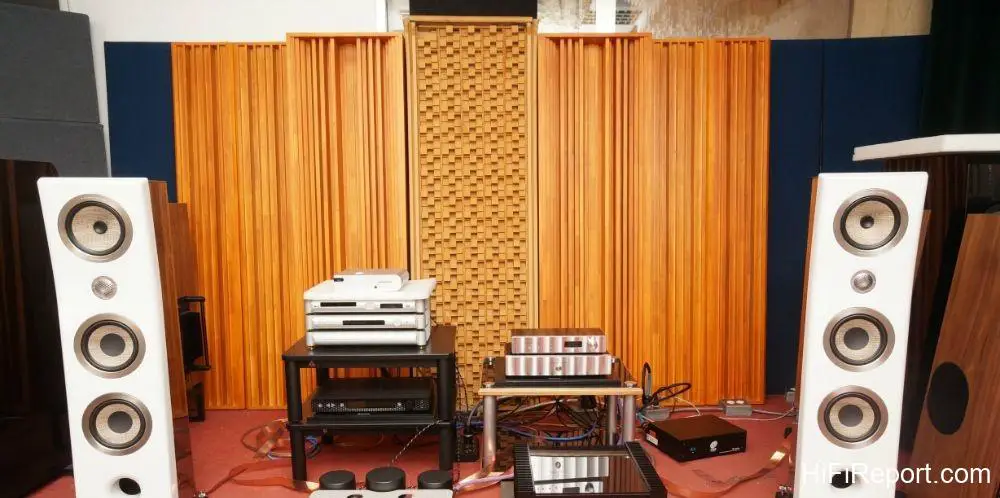
For instance, when I connected it to the MastersounD Dueventi tube amplifier, driving both the Focal Kanta No.2 and Audio Physic Tempo Plus speakers, this speaker cable immediately allowed me to discern the distinctly different sonic characteristics of these two pairs of speakers. The former is lively, sunny, and crisp, while the latter is relatively neutral, warm, and robust.
If a reference cable had significant coloration or bias, it wouldn’t be able to so accurately reveal the fundamental differences between these two speakers. This is a significant advantage of the Super Flatline.
Benefits of Neutrality
What are the benefits of a neutral and uncolored cable? It minimizes variables in audio system matching. For example, when I was reviewing the MastersounD Dueventi tube amp, I tried a few reference cables, and the sound just wasn’t right. Some made the midrange of vocals too thick and muffled, while others lacked the appealing sheen on the upper mids of violins.
Upon closer inspection, the issue was that the Dueventi amp itself has a distinctly flavored sonic signature – it’s golden-toned and emotionally rich. If you then pair it with a cable that also emphasizes midrange fullness, the music naturally sounds less crisp. In contrast, pairing it with the Nordost Super Flatline made everything fall into place perfectly.
Bass Performance
Finally, let’s discuss the aspect most people are concerned about: bass performance. The Super Flatline demonstrates remarkably fast and agile bass speed, which is particularly beneficial when paired with speakers that have a naturally full lower end. For example, while listening to Rachel Podger’s performance of “Vivaldi: 12 Violin Concertos,” this cable rendered the strings’ dazzling and spirited performance with great vitality.
The bass speed kept perfect pace with the clear and bright melodies of the strings, without any lingering or trailing effects. Switching to the album “Gan Da Shi” by MJ116, Nordost cables have always excelled at reproducing hip-hop and rap music. The fast and powerful bass rhythms require not only excellent transient response but also the ability to present different electronic bass textures with clarity, definition, and layered progression. That’s where the real skill lies.
Therefore, if you feel your audio system sounds less dynamic, lacks vitality, or even has less bass detail than expected, I believe choosing the Super Flatline can provide a significant improvement. Conversely, if you specifically prefer a dense, thick, or even somewhat uniquely colored bass performance, this cable doesn’t impart much sonic character in that area; the bass quantity is precise and controlled.
If your audio system already has a “lean” sound foundation, forcing the Super Flatline into that setup could lead to an imbalance in musical balance.
Limitations and Recommendation
Does this cable have shortcomings? Honestly, compared to cables from other brands, even though the Super Flatline uses mainstream OFC copper conductors, it doesn’t provide a particularly rich midrange warmth. Nordost’s almost uncolored sonic foundation remains strong. Compared to my long-term reference, the Nordost Red Dawn, the Super Flatline’s presentation of vocals and violins is relatively neutral and refined – it doesn’t sound as expansive or warm.
Furthermore, in terms of bass performance, its strength lies in speed and detail. If you particularly enjoy a full-bodied and impactful bass sound, this cable naturally won’t cater to your preference. However, setting aside these “misconceptions” about what one might incorrectly expect from Nordost, even though the Super Flatline is positioned in the relatively entry-level Leif Style series, I still strongly recommend it to all audiophiles interested in Nordost cables.
Besides offering excellent system matching flexibility, in terms of sound quality alone, it absolutely lives up to Nordost’s long-standing reputation in the industry. As the origin of their classic flat conductor technology, the Super Flatline is truly deserving of its status.
Specifications (Details from Text)
* Conductor Material: 6N OFC (Oxygen-Free Copper)
* Conductor Gauge: 23AWG
* Insulation: FEP (Fluorinated Ethylene Propylene)
* Technology: Flat extruded design
* Transmission Efficiency: 91% light speed
* Conductor Count: 8 conductors per polarity (as tested)
* Current Capability: 12.5 Amps (at 300 Watts output)