
Origin Live Aurora MK III Turntable Review
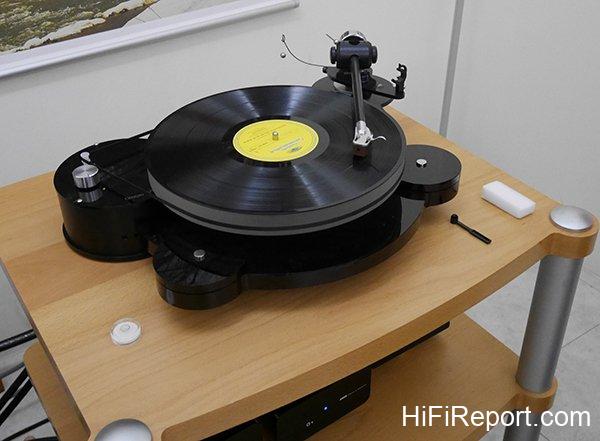
The Origin Live Aurora MK III turntable arrived at the HiFiReport editorial office about two months ago. As a newcomer to the brand, I found myself unfamiliar with its intricacies and, frankly, a little lost during the initial setup process.
So, what’s the best course of action when facing an audio enigma? Consult the experts! I reached out to Mr. Chen at Madison Audio, scheduling a visit to their listening room in Gongguan to seek his guidance.
Seeking Expert Advice
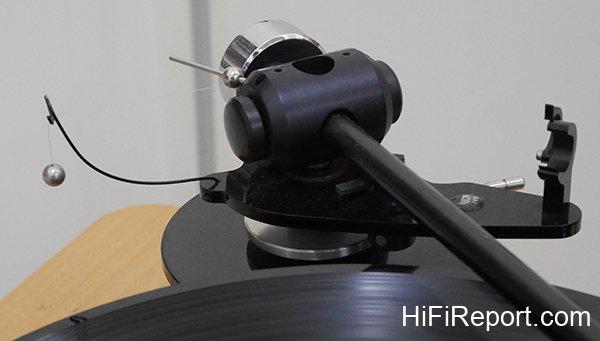
My struggles with the Aurora MK III stemmed from its seemingly straightforward design. It resembles other belt-driven turntables with separate motors, but the specifics eluded me. How should the motor be positioned? How tight should the belt be? I experimented with various approaches, but none felt quite right. Then there was the anti-skating mechanism, a delicate dance of fishing line and two small metal beads – one for the counterweight, the other meant to hang from the tonearm. I couldn’t secure the tonearm bead; it kept slipping. It was clearly a user error, not a flaw in the turntable itself.
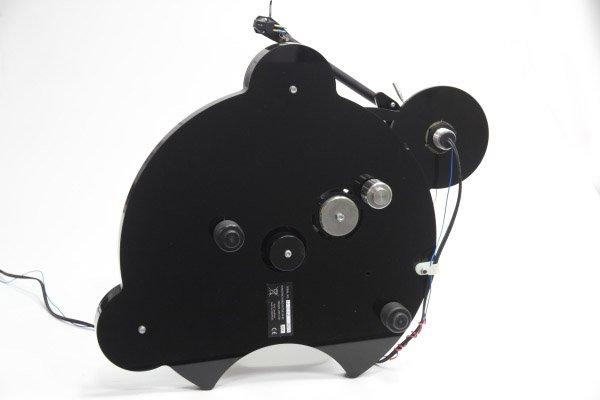
And indeed, the fault lay with me! The tiny bead concealed a set screw, requiring a hex key to tighten it securely onto the rear extension of the tonearm. This allows the bead to counterbalance the other, generating the necessary anti-skating force. The fishing line, I learned, should be positioned at roughly a 30-degree angle at the front and a 60-degree angle at the rear, with the bead on the tonearm approximately 0.5 cm (5mm) from the arm tube.
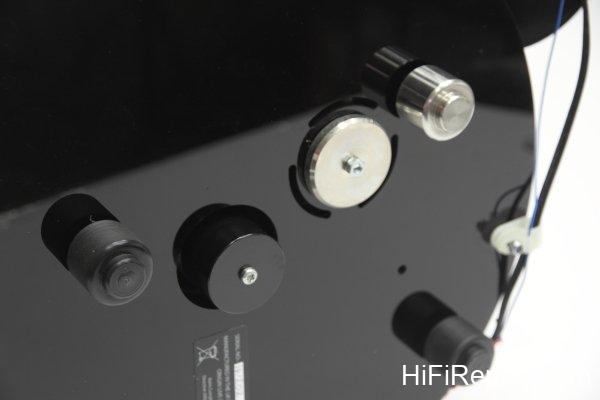
With the mysteries of the setup unveiled, I turned to the motor placement. It simply nestles into the groove on the turntable chassis, ensuring the plinth doesn’t touch the motor housing’s screws. If contact occurs, a simple adjustment of the turntable’s feet provides the needed clearance.
The Value of Local Expertise
Within a mere ten minutes at Madison Audio, my questions were answered. I’d saved myself a good amount of setup time.
This experience highlights the enduring importance of specialized dealers in the internet age. There are many online stores, sometime cheaper, but their expertise provides us invaluable service.
Of course, this service may be reflected in the pricing offered by dealers compared to “service-free” international e-commerce platforms, which can sometimes dodge taxes, resulting in even lower prices. However, unless you possess comprehensive knowledge of the product, online cross-border purchases carry inherent risks.
My encounter with the Aurora MK III underscores this point perfectly. The experts’ insights illuminated the brand and its products, sparking a newfound appreciation for Origin Live.
Introducing the “Niche of the Niche”
Mr. Chen of Madison Audio is a true Hi-End audio enthusiast. The brands he selects for the market, while relatively less renowned, catering to a niche within a niche, boast remarkable sophistication. Take, for instance, Stein Music’s tuning stickers and paints from Germany. The mere suggestion that these seemingly simple items can alter sound might raise eyebrows among audiophiles, sounding almost like hocus-pocus. However, Mr. Chen explained that Stein’s tuning stickers are surprisingly popular, not primarily among audiophiles, but with instrument shops, particularly for stringed instruments.
He learned about this application at the Moscow Audio Show two years ago. Stein Music had invited the Moscow Opera House’s concertmaster to perform a live demonstration, showcasing the enhanced fullness, resonance, and beauty of the violin’s tone after applying the Stein Music tuning stickers to the bow. This revelation led Mr. Chen to successfully market the stickers to instrument shops.
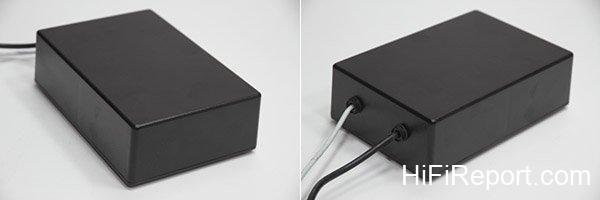
Mr. Chen, whose son plays the cello, immediately tested the stickers’ effectiveness on his son’s instrument. The results were undeniable, further bolstering his confidence in promoting the product to music stores. The demonstrable improvement in sound made for a compelling sales pitch.
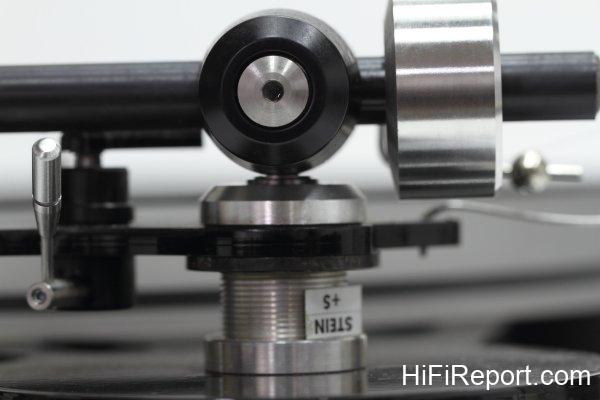
Consequently, the Aurora MK III turntable displayed at Madison Audio also features Stein Music tuning stickers – one on the motor and another beneath the tonearm base. He replicated this setup on the unit sent to HiFiReport, encouraging me to compare the results during testing.
Discovering Origin Live Through Modification Kits
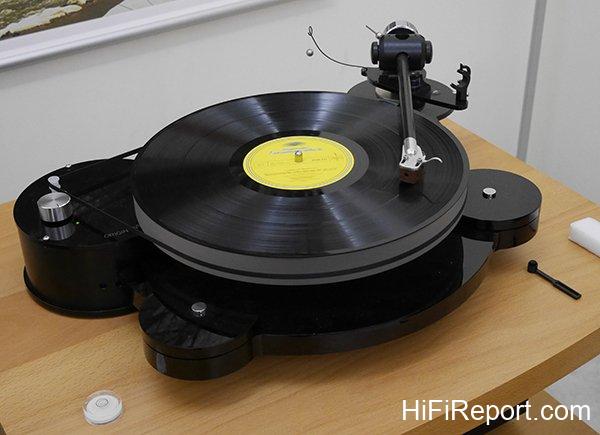
Mr. Chen’s journey to selecting the British brand Origin Live began with a foray into vinyl. He felt a gap in his offerings but struggled to find a suitable brand. Serendipitously, he discovered Origin Live’s modification kits for Technics direct-drive turntables. This led him to Mark Baker, Origin Live’s founder, a veritable treasure trove of knowledge within the British vinyl industry, renowned not only for his turntable modification skills but also as a sought-after design consultant.
Before entering the audio world, Mark Baker specialized in building minesweepers for the British Navy. This background instilled in him a deep understanding of fluid dynamics, crucial for ship navigation, and vibration damping, essential for mitigating the shockwaves of mine explosions. These skills proved remarkably transferable to the design of turntables.
The Science of Vibration Control
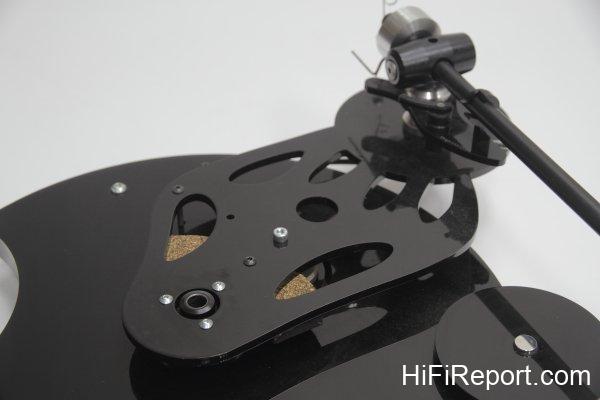
Mr. Chen then delved into the design intricacies of the Aurora MK III, starting with the tonearm mounting plate. This rhombus-shaped metal piece is secured near the central bearing at one end, with the other end featuring a hole for the tonearm.
The circular hole accommodates Origin Live’s own tonearms, while three smaller surrounding holes allow for the installation of Rega tonearms. This versatility ensures the Aurora MK III isn’t limited to the brand’s own arms, offering compatibility with the popular Rega range.
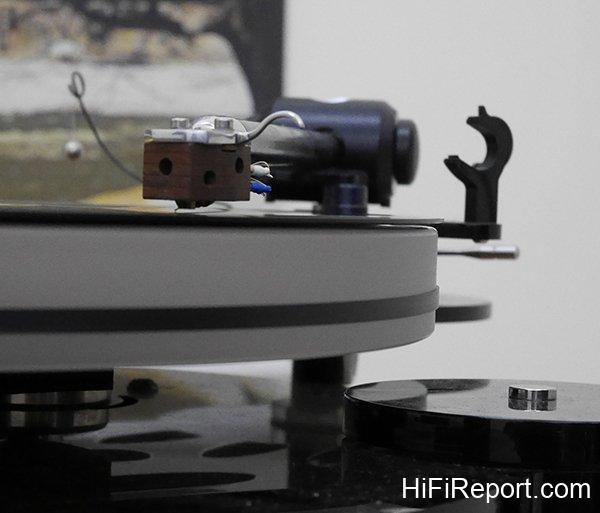
The seemingly unassuming metal plate, Mr. Chen explained, incorporates meticulously calculated vibration control measures. The openings on the plate are strategically designed to evenly disperse vibrations generated by the tonearm’s movement, channeling them to the tip of the rhombus.
These ingenious designs, which homogenize subtle vibrations, are a direct application of Mr. Baker’s expertise in minesweeper design, now employed to minimize vibration in a turntable. It’s a concept I’d never encountered before, and without Mr. Chen’s explanation, I would have remained oblivious to the vibration-damping properties of these seemingly decorative cutouts.
Furthermore, Mr. Chen highlighted the Aurora MK III’s signal wiring, emphasizing the separation of the signal and ground wires. This design optimizes grounding performance, minimizing signal noise.
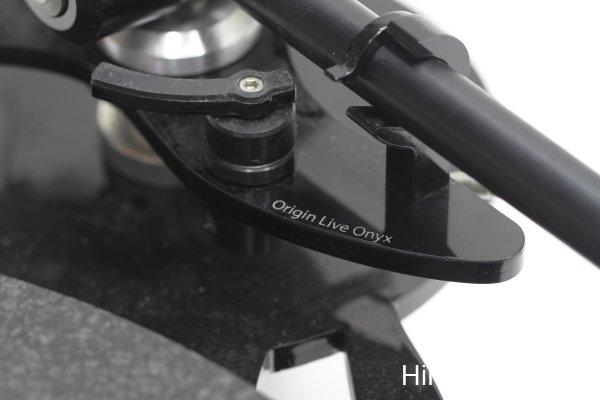
The tonearm displayed with the Aurora MK III at Madison Audio differed from the one sent to HiFiReport. The headshell looked slightly different and was black, while the one at Madison Audio had a silver headshell. I inquired about the difference, and Mr. Chen confirmed that I had been listening to the Onyx tonearm, a more entry-level model, while the one on display was the higher-end Encounter tonearm.
Rounded Feet for a Lively Sound
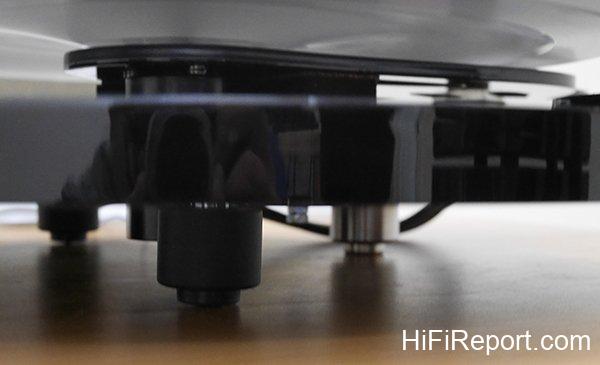
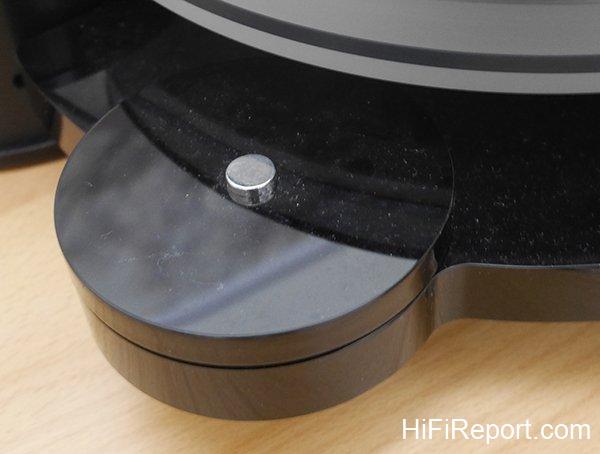
Mr. Chen also pointed out the unique design of the Aurora MK III’s feet. While many classic turntables employ a three-point support system, the Aurora MK III’s feet are distinctive, featuring rounded bottoms instead of sharp points. Mr. Chen explained that pointed feet tend to dampen the sound, diminishing its liveliness, which is why all Origin Live turntables feature rounded feet.
Moreover, the three feet of the Aurora MK III are crafted from different materials – one metal and two rubber – a further testament to the brand’s secret formula for vibration damping.
This detailed explanation deepened my understanding of the Aurora MK III, providing a more solid foundation for my subsequent adjustments at HiFiReport.
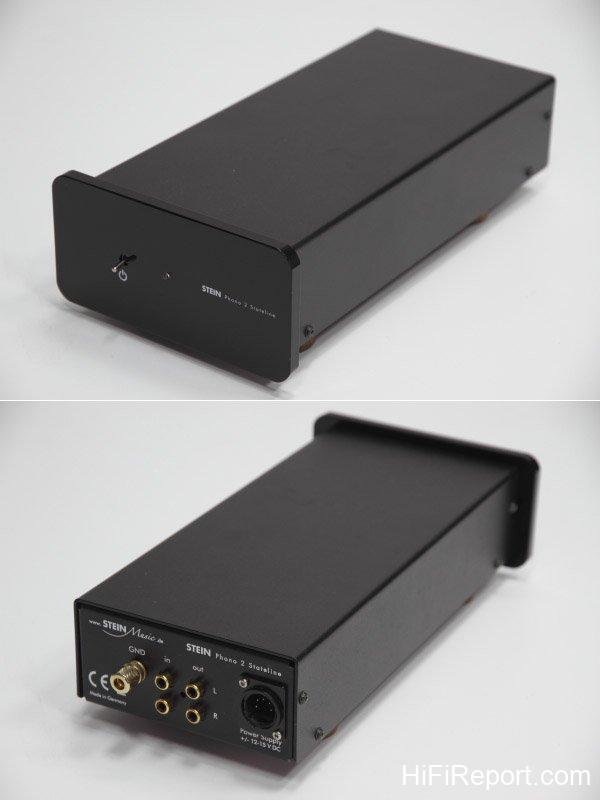
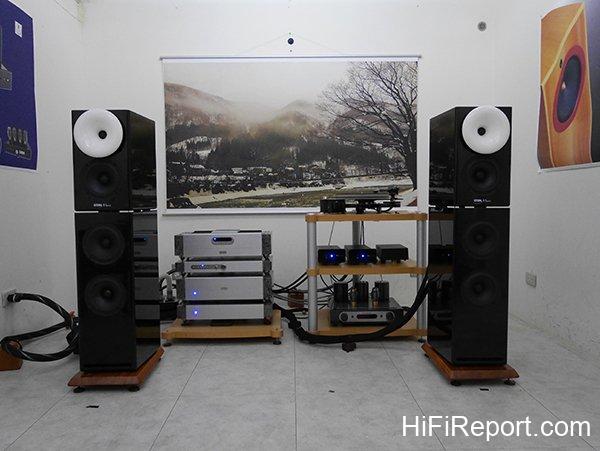
Naturally, I couldn’t leave Madison Audio without experiencing their meticulously tuned setup. The system comprised a full suite of French ICOS Audio preamplifier and power amplifier, a Stein Music Phono2 Stateline phono stage, a Stein Music Aventurin 6 cartridge, and the company’s High Line S speakers with Bass Extension subwoofers.
Pursuing a “Pyramidal” Soundscape
Mr. Chen selected a recording of French soprano Mady Mesplé’s youthful rendition of “Lakmé,” accompanied by a French orchestra performing the work of a French composer. This piece, familiar to HiFiReport readers as the opening theme of ‘s “Indoor Musings” program, features the “Flower Duet” (Viens Mallika) from Act I, a duet between Lakmé and Mallika.
I was surprised by Mr. Chen’s relatively low playback volume, yet it didn’t detract from the beautifully transparent and open soundstage that formed behind the speakers. The woodwinds ushered in the exquisite duet, the voices distinct and layered, one on the left, the other on the right, one high, one low, their harmonies weaving together seamlessly. Even at low volume, the imaging was precise and comfortable, free of any strain.
I recalled my previous visit to Madison Audio, two years prior, when I auditioned Music Affairs’ field-coil speakers. The speaker placement and listening position were reversed this time, and the speakers had been replaced with the High Line S. However, this listening experience felt even more relaxed and mellow. The “Flower Duet’s” seamlessly blended vocal parts were natural, clear, and transparent. I initially attributed the improvement to the different speakers, but Mr. Chen elaborated on the numerous adjustments made since my last visit, explaining that the sound had progressively refined, approaching his ideal: a “pyramidal” soundscape.
Intrigued, I asked for clarification. Mr. Chen emphasized his focus on tonal balance. The bass should be full, rich, and fast, with a powerful, impactful attack from the timpani that decays quickly, avoiding any muddiness or boominess. This forms the broad base of the pyramid. As the instruments’ ranges ascend, their images should correspondingly shrink, maintaining proportionality. The highest frequencies should be delicate, avoiding excessive emphasis that can lead to a harsh or overly stimulating sound.
This explanation resonated deeply, clarifying the concept of a “pyramidal” sound.
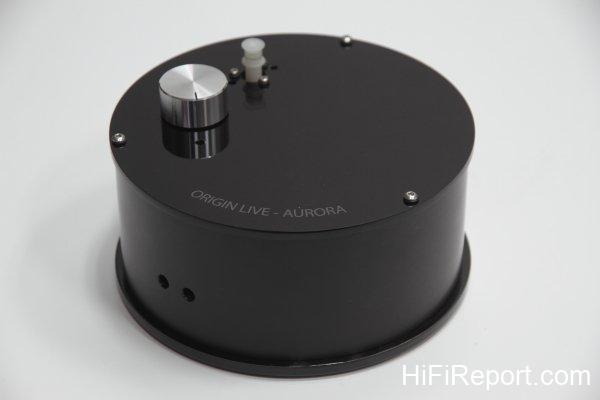
Aurora MK III’s motor requires external power supply. Origin Live supplies three kinds of specifications, standard model, Advanced model and Ultra Model.
Beautiful Soundstage and Layering
During our conversation, I selected two LPs from Madison Audio’s shelves: Beethoven’s Symphony No. 3 “Eroica” conducted by Karl Böhm with the Vienna Philharmonic, and Tchaikovsky’s Violin Concerto performed by Nathan Milstein.
We began with Böhm’s “Eroica.” After two powerful orchestral chords, the strings emerged from the rear of the soundstage, followed by the woodwinds, gradually building the music’s intensity. Despite the moderate volume, the accumulating musical emotion was highly engaging. Listening to the “Eroica” at a relaxed volume didn’t sacrifice detail; the musical foundation remained solid. Madison Audio has clearly invested significant effort in tuning over the past two years, solidifying its position as a reliable destination for audiophile listening.
Next, we listened to Milstein’s Tchaikovsky Violin Concerto, specifically the powerful and passionate third movement. The orchestra began with a forceful introduction, followed by the solo violin, its soaring notes beautifully centered in the soundstage. The interplay between the soloist and the orchestra remained clear and distinct, even at the moderate volume.
The overall timbre was comfortably warm, with the violin’s bowing and vibrato exhibiting a beautiful, lingering resonance.
It seemed the Aurora MK III had much more to offer, bolstering my confidence for the listening tests back at HiFiReport.
Handling Intense Dynamics with Ease
Finally, Mr. Chen played Shostakovich’s Symphony No. 5, performed by the Bournemouth Symphony Orchestra conducted by Paavo Berglund. He asked which movement I preferred, and naturally, I chose the majestic fourth movement. However, the needle dropped on the first track of side B, the slow third movement. The somber strings emerged like an autumn breeze, prompting Mr. Chen to ask if the volume was too low. I replied that it was comfortable but acknowledged that a more realistic representation of a live performance would require a higher volume. This was a strategic move, paving the way for the explosive fourth movement – once the volume was raised, the true test would begin.
At my suggestion, Mr. Chen increased the volume, aiming for a near-live musical intensity.
And there it was – the forceful orchestral tutti, the powerful timpani strikes, all maintaining a beautiful musical layering. Despite the relatively small listening space, there was no troublesome standing wave interference. The bass was deep, and the timpani’s insistent beat drove the orchestra’s momentum without any sluggishness. The strings possessed a healthy brightness, the brass powerful yet not harsh, preserving an overall beautiful musical balance.
This movement is characterized by its fierce, passionate energy, the strings, woodwinds, and brass locked in intense struggle, punctuated by somber, softer passages. After several rounds of this musical combat, a final shift from soft to loud heralds the arrival of a bright and triumphant major key, the brass proclaiming a victorious melody, the strings responding with powerful resonance, culminating in a breathtaking finale.
A Rewarding Trip to Madison Audio
Exhilarating! Even at a comfortable, lower volume, the soundstage and layering were clear and transparent. But Shostakovich demands to be experienced at a higher volume, allowing the musical conflicts to fully unleash their dramatic potential. Wait, wasn’t this supposed to be a learning experience at Madison Audio? How did it turn into a live report? My point is this: Madison Audio’s listening room in Gongguan has undergone significant improvements, and its most impressive feat is not its ability to play loud, but its ability to recreate a clear, transparent, and layered soundstage even at comfortable, lower volumes.
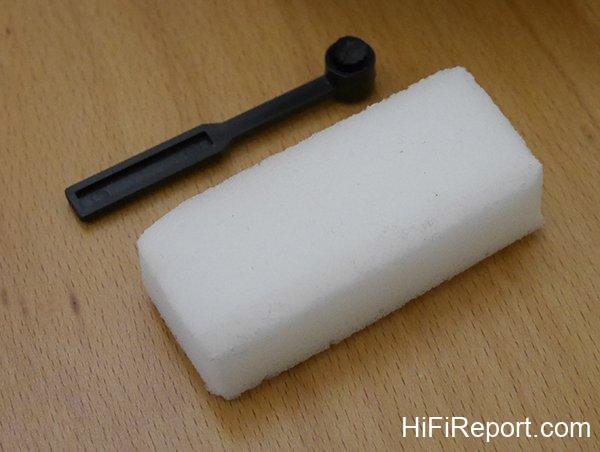
Want to learn how? Join me in seeking wisdom at Madison Audio. You’re sure to pick up some valuable “tricks of the trade”! Turntable feet hide Origin Live’s magics. Magic Sponge is the secret recipe of cleaning stylus’s head.