
Oriole OSA-AP2000 Power Purifier Review
Perhaps you might think the answer is simple: it must be due to the listening space. The Golden Dragon Hall boasts perfect spatial proportions and meticulous acoustic treatment, so better sound would seem a given. Initially, I thought so too. But strangely, even when I visited Oriole’s exhibit room at audio shows, I experienced the same phenomenon – the sound there was distinctly more relaxed than in our company’s listening room.
An exhibition hall’s spatial conditions are certainly less than ideal compared to our dedicated listening room, so why did Oriole’s tube amps still manage to sound better?
A subtle suspicion began to form in my mind: one variable might be the key to this difference, and that was the “power.” For a long time, I had noticed a considerable isolation transformer tucked away in the front left corner of the Golden Dragon Hall. Its size was substantial, but its chassis appeared rather unremarkable. Of course, Oriole also brought it along for use at every audio show.
I initially assumed it was something Oriole built solely for their own use and wasn’t available for sale, so I never inquired further. It wasn’t until recently that I discovered this isolation transformer was indeed for sale, and astonishingly, over 20 units had already been sold quietly, without any formal promotion.
Could this mysterious isolation transformer be the crucial factor behind the aforementioned sonic disparity? Coincidentally, Issue 427 of “Audio Art” magazine was planning a special feature on audio power. Thus, Oriole’s isolation transformer officially arrived in our listening room for review.
Besides connecting it to Oriole’s own tube amps, I also hooked up all the various solid-state amplifiers and sources in the listening room to this OSA-AP2000 isolation transformer for a thorough evaluation. The answer was finally revealed. Before diving into the details, I can confirm that this OSA-AP2000 is indeed the key to achieving a more relaxed and natural overall reproduction. Furthermore, the OSA-AP2000 possesses many other notable features worth exploring. Read on to find out more.
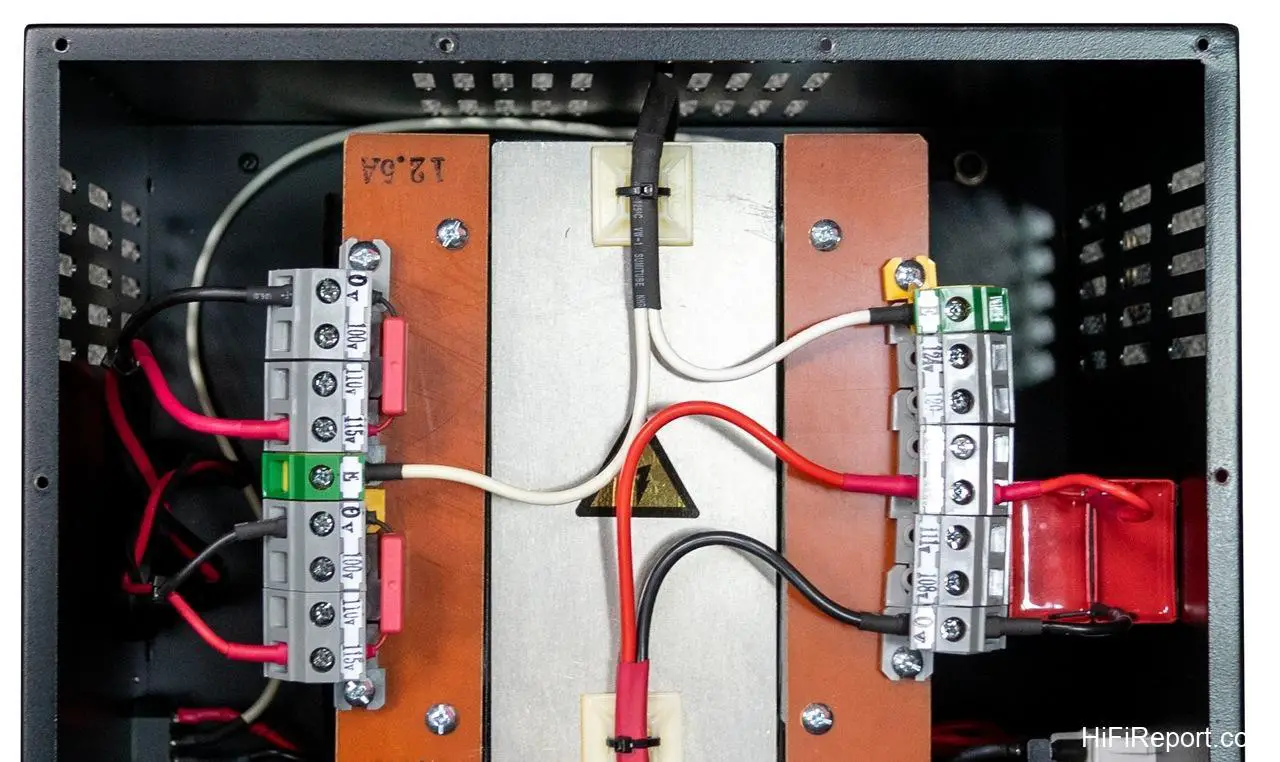
Inside the Transformer
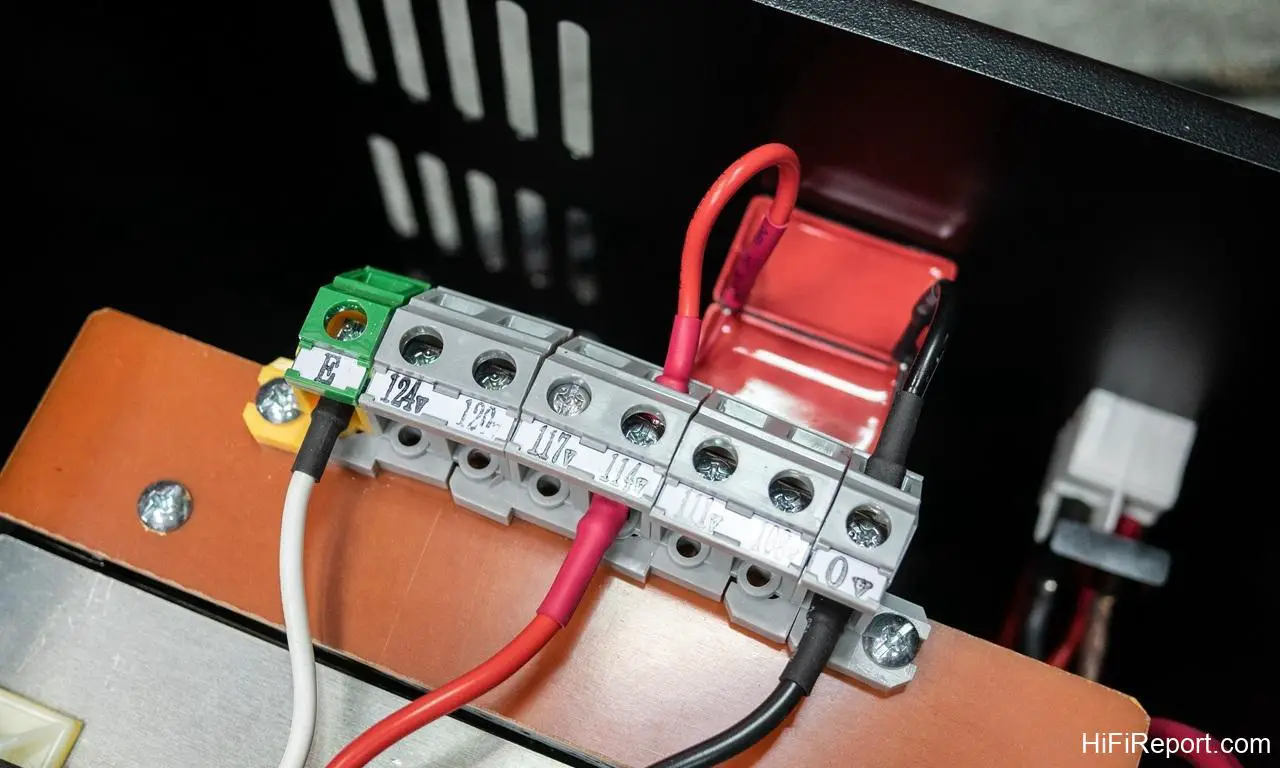
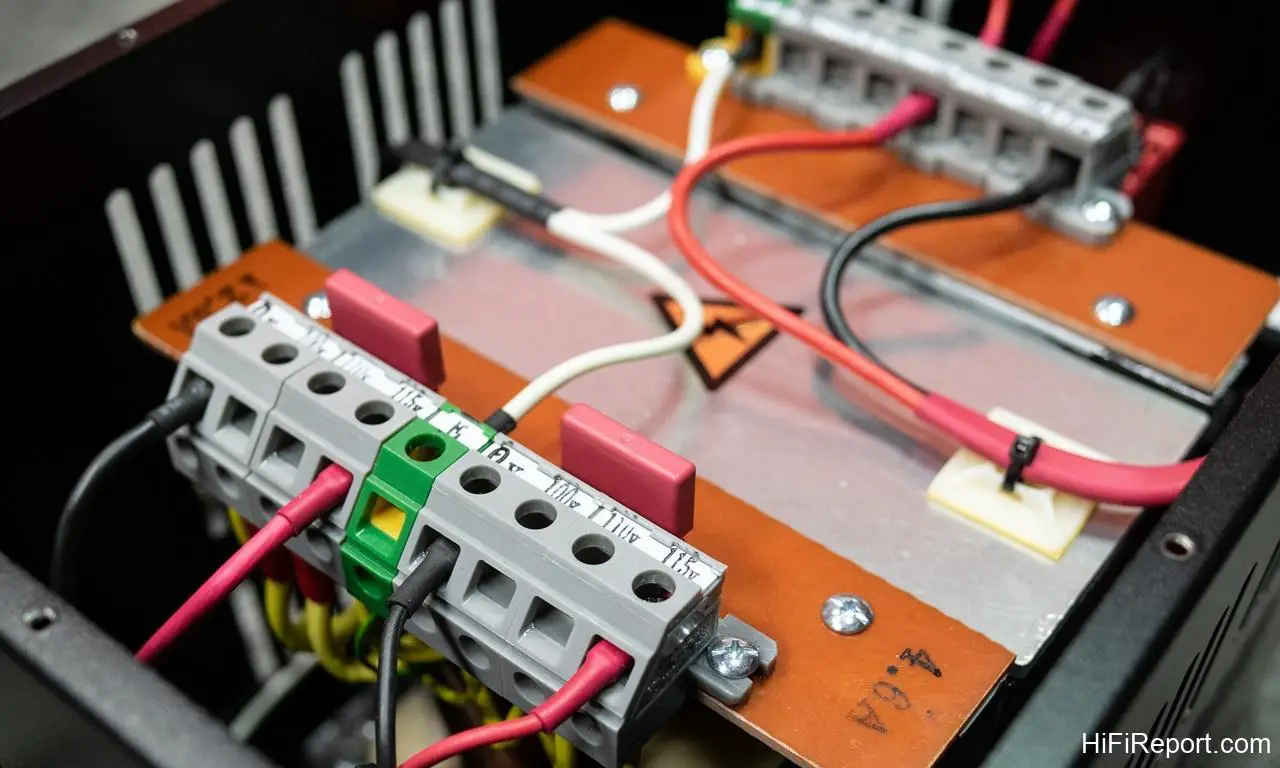
How does this isolation transformer manage to deliver such an improvement? Lifting the chassis cover reveals a single, colossal EI transformer. Apart from this, there are no other extraneous circuits. In the world of high-end audio, Oriole isn’t the only company using EI transformers for isolation purposes. However, I must admit, this is the first time I’ve encountered an EI transformer of such immense physical size.
In fact, the OSA-AP2000 isn’t even Oriole’s largest capacity model. Above it sits a 3,000-watt version, and below it, a 1,500-watt entry-level model. As indicated by its model number, the unit tested here is the 2,000-watt version.
EI vs. Toroidal Transformers
The question arises: is a toroidal transformer truly superior to an EI transformer? To delve into this issue, we must consider it from two perspectives: manufacturing cost and power capacity. If comparing mass-produced, relatively low-capacity transformers, then EI transformers are indeed cheaper to manufacture, making toroidal transformers the more expensive option.
However, if we compare small-batch, high-capacity transformers, the situation completely reverses. Manufacturing a top-quality, high-capacity EI transformer is significantly more challenging than building a toroidal equivalent, and the manufacturing cost increases substantially. In this scenario, the toroidal transformer is not necessarily a match for the EI transformer.
Second, due to their inherent structure, toroidal transformers cannot achieve perfect isolation between the primary and secondary windings. Whether used in amplifiers or isolation transformers, they cannot completely isolate the noise present in the mains power. This inability to fully filter mains noise is one of the primary reasons Oriole opted for an EI transformer for their isolation unit.
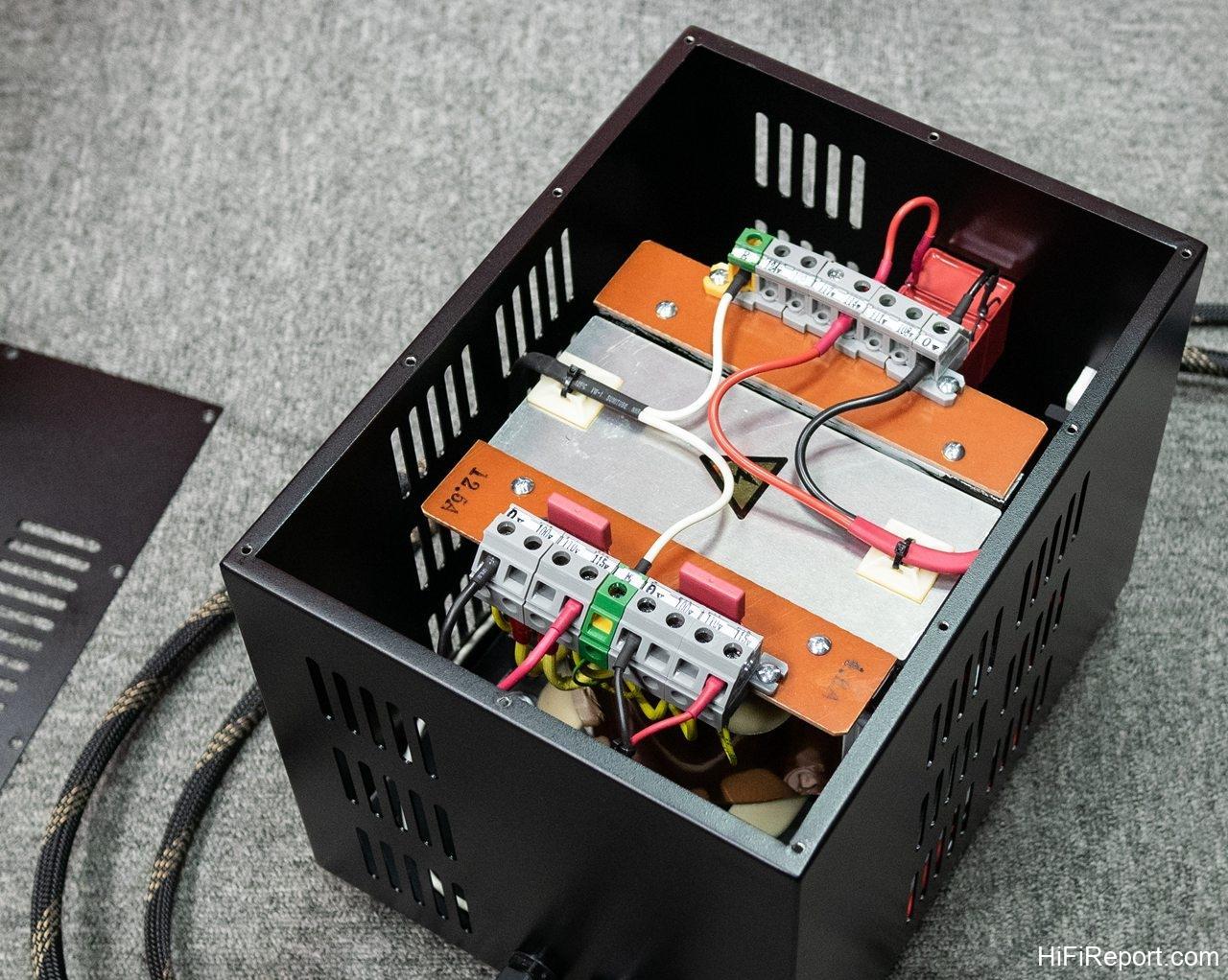
EI Transformer Advantages
Conversely, the disadvantages of toroidal transformers mentioned earlier happen to be the greatest advantages of EI transformers:
First, they possess a higher saturation voltage, allowing them to maintain stable voltage output even during high-power demands.
Second, the isolation between the primary winding (the initial side winding closest to the core, responsible for power input) and the secondary winding (the output side winding) in an EI transformer can be made excellent. This prevents mains noise from transferring to the secondary winding, ensuring the output of clean power for connected equipment. This characteristic perfectly aligns with the requirements of an isolation transformer.
EI Transformer Disadvantages
However, EI transformers also have their drawbacks:
First, large-capacity EI transformers are very prone to generating vibration noise. Building a quiet large EI transformer is an almost impossible task.
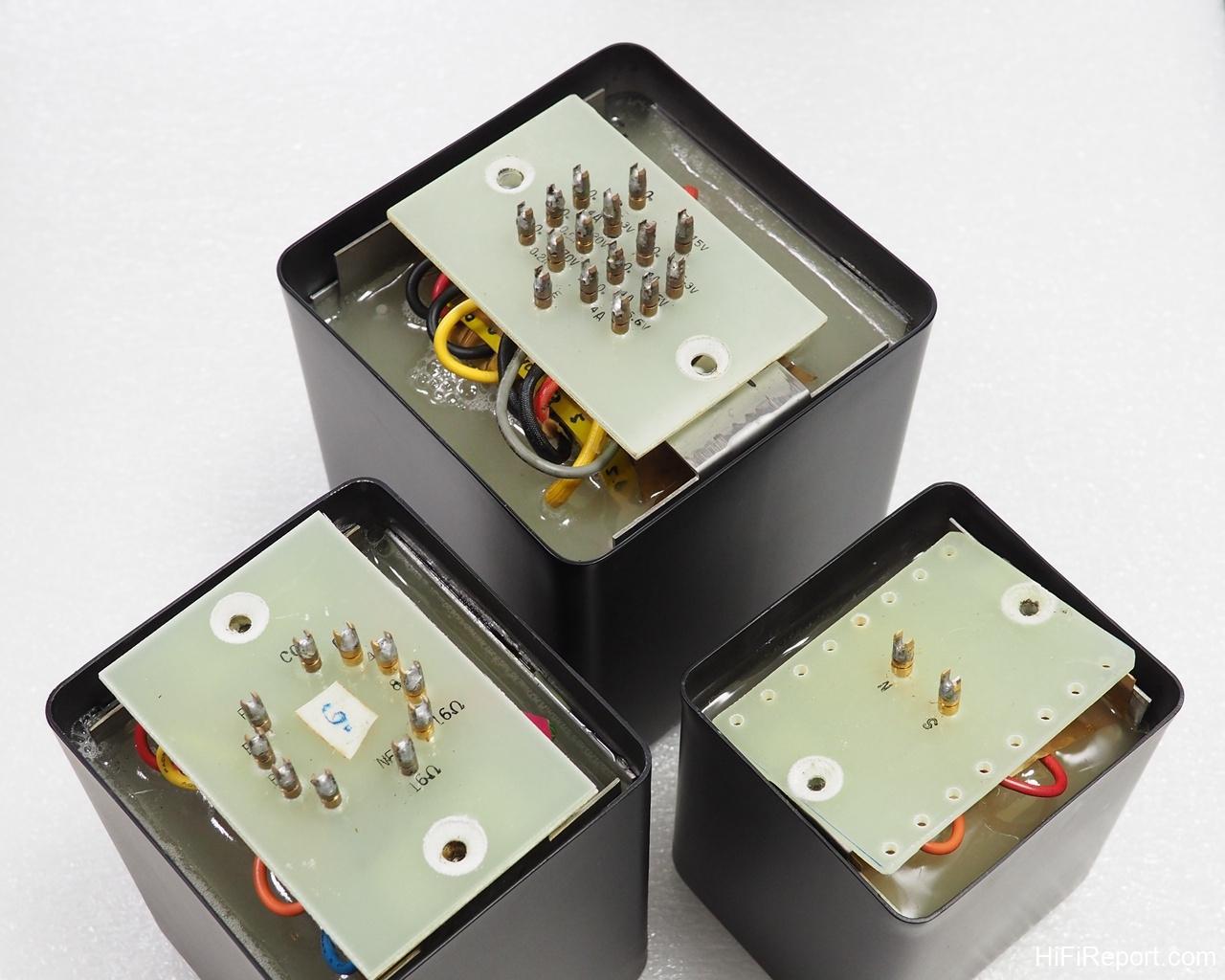
Second, EI transformers have a more significant magnetic leakage issue. When installed inside audio equipment chassis, this leakage can potentially interfere with sensitive audio circuits.
Among these two drawbacks, the second issue (magnetic leakage) is relatively easy to address; proper shielding can effectively eliminate magnetic interference. However, the first problem (vibration noise) is truly difficult to overcome. Now you should understand why general high-end audio manufacturers rarely use EI transformers.
In high-end audio equipment, the most common application for EI transformers is arguably in vacuum tube amplifiers. Why? Because tube amps require high voltage and low current, a characteristic that suits EI transformers well. Toroidal transformers are better suited for low voltage and high current output. Conversely, high-voltage toroidal transformers are prone to generating hum, making them unsuitable for tube amp power supplies.
High-Current EI Transformers
From the above discussion, you should understand that while toroidal transformers are generally more suitable for solid-state amplifiers requiring high current output, can EI transformers also achieve high current output? It is possible, but the manufacturing cost becomes prohibitively expensive.
Among high-end solid-state amplifiers, well-known brands such as Germany’s ASR, Denmark’s Vitus, and Japan’s Luxman are all proponents of using EI transformers. Based on my previous listening experiences with these amplifiers, their sound reproduction often exhibits a foundation that is thicker, more relaxed, yet simultaneously maintains fast transient response.
I must be honest, I personally quite like this sonic direction. What surprised me the most was that during this test, after powering the entire audio system with the OSA-AP2000, the overall reproduction characteristics also displayed the aforementioned thick, relaxed foundation. For me, as an advocate of EI transformers, this sonic transformation was simply delightful!
Oriole’s Obsessive Quality
Those familiar with Oriole’s tube amplifiers know that the transformers they use are not only expensive but also manufactured with extreme care. Logically, an isolation transformer’s primary function is simply to filter noise from the power supply, so one might assume that the quality of the transformer itself doesn’t need to be *that* meticulous.
Not so. In Mr. Tao’s philosophy, the idea of “good enough” is simply unacceptable. Even for an isolation transformer, he insisted on manufacturing it with the exact same stringent methods as their main tube amplifier transformers, using the same top-grade thin core material. The cost of the core material alone is staggering.
Just how meticulous are they? Mr. Tao discovered that the standard molds used in factories were designed for punching thicker cores. If these molds were used for thinner cores, the edges of the core would have burrs, preventing them from being stacked tightly and uniformly. To solve this problem, Mr. Tao specially commissioned the manufacturing of large tungsten steel molds.
The standard for the punched thin cores was that their edges must be perfectly smooth, without causing any cuts to the touch. Only by pressing the EI transformer cores together completely and tightly can the vibration noise of the EI transformer be fully eliminated and the range of magnetic saturation be maximized, resulting in sound reproduction that is both substantial and clean.
Returning to the previous question, why is it so difficult to manufacture EI transformers that don’t vibrate? Because selecting suitable core materials and developing specialized molds require significant investment. Other manufacturers are unwilling to make this investment, and thus cannot produce EI transformers of sufficient quality.
Viewed from another perspective, the large EI transformer that Oriole has invested heavily in and developed with such care is likely one of the very few high-capacity EI transformers on the market that does not produce vibration noise. Frankly, this feature alone is enough to demonstrate that the OSA-AP2000 possesses characteristics that make it one of the best isolation transformers available.
Considering its price point of less than NT$100,000 (approximately $3,200 USD), one can only say that Oriole’s pricing is truly generous.
Furthermore, Mr. Tao also insisted on using extra-thick copper wire for winding the EI transformer coils. The wire not only needs to be sufficiently thick but also must not have undergone annealing treatment. Hand-winding large EI transformers with such thick and stiff copper wire is enough to make your hands blister just thinking about it. However, Mr. Tao believes that only this approach guarantees sufficient power supply and good sound.
Frankly, it’s hard to find another company that manufactures EI isolation transformers with such dedicated attention to detail.
Features and Performance
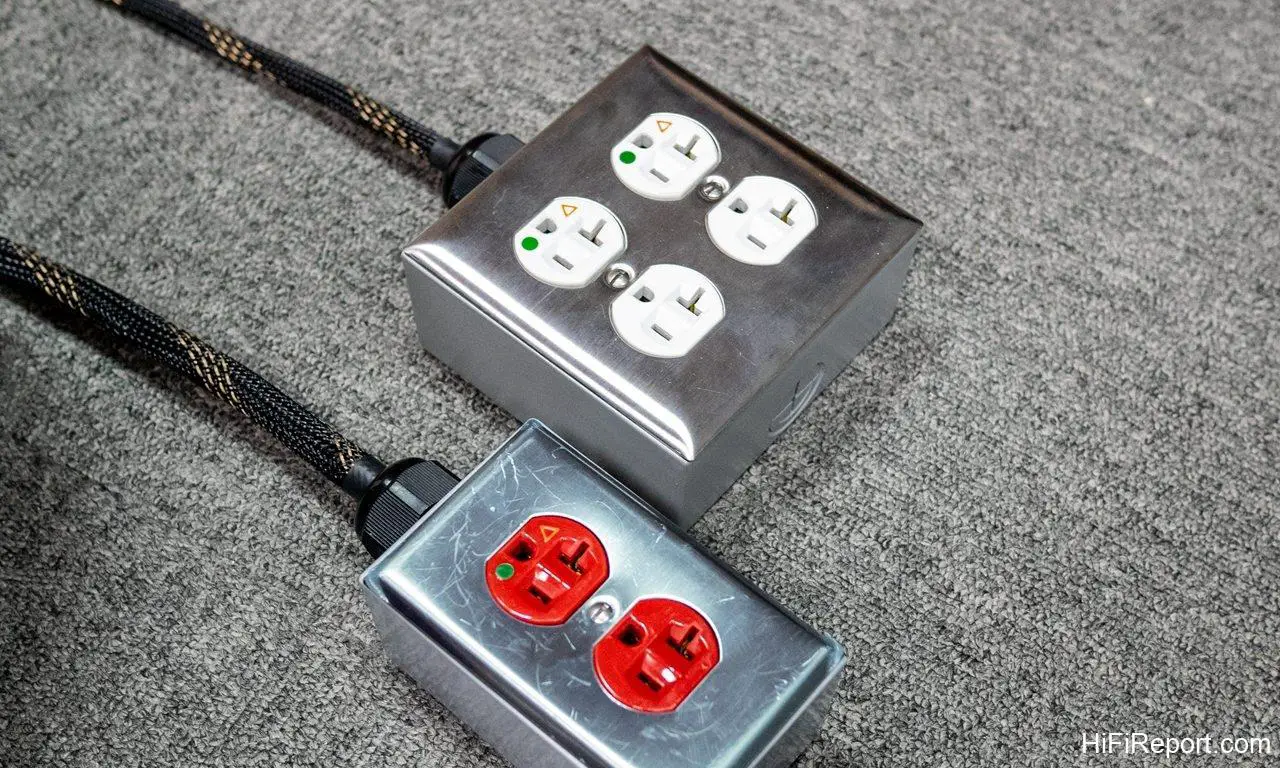
The OSA-AP2000’s EI transformer features three independent windings, meaning it can provide two independently isolated power outputs. One output is for use with amplifiers, while the other can power digital sources or equipment with lower power consumption, preventing mutual interference.
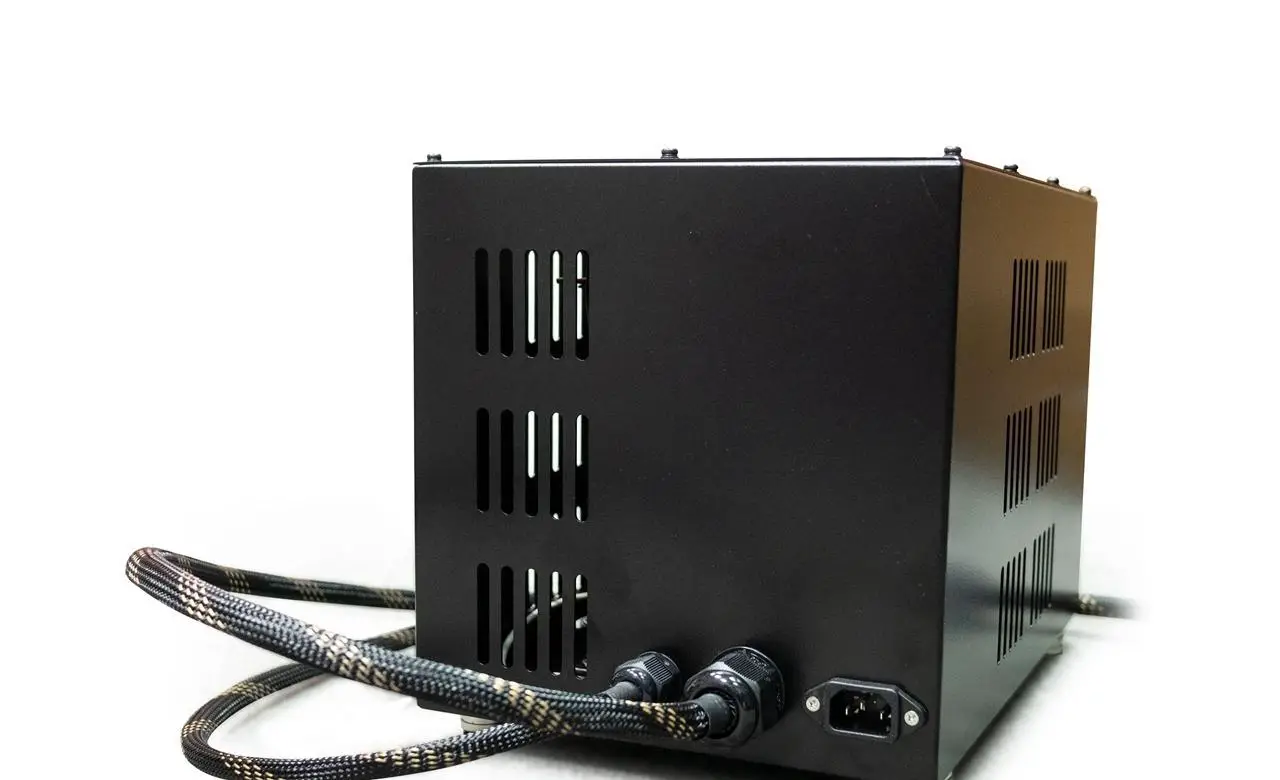
Notably, the sockets for these two independent outputs are housed in external power strips connected via cables separate from the main OSA-AP2000 unit. Why this design? Because it avoids the magnetic leakage interference from the transformer itself, and drawing the connections out makes equipment hookup more convenient. Mr. Tao mentioned that the length of these two external power cables can be custom ordered, tailored to the user’s actual needs, provided the length is within two meters.
In terms of current output, the OSA-AP2000 provides a total continuous current of 17 amperes, with a peak output capable of reaching twice that, 34 amperes. These are verified, uninflated figures. This level of current delivery capability essentially exceeds the power requirements of most high-power amplifiers on the market.
Listening Impressions
Listening to Mozart’s Violin Sonatas performed by Szigeti and Haebler, after powering the system with the OSA-AP2000, the violin’s tone became finer, the sense of space and soundstage positioning became more precise, and the piano touch gained a newfound agility. When switching back to mains power, the sound quality instantly became coarse, hazy, and muddy, and the subtle, captivating nuances of the music simply vanished.
Listening to Enrico Gatti and Laura Alvini’s performance of Mozart’s Violin Sonata in E Minor, K. 304, with baroque violin and harpsichord, the addition of the OSA-AP2000 resulted in a more transparent harpsichord sound. The violin lines became more focused, the tone more beautiful, the bowing details fully emerged, and even the subtle undulations of vibrato were clearly reproduced.
Without the OSA-AP2000, the sound quality instantly turned dull and ambiguous, and the harpsichord’s touch lost its clear, crisp texture.
Listening to Spanish pianist Alicia de Larrocha perform Bach’s French Suites, without the OSA-AP2000, the piano touch was distinct note-by-note but felt stiff and uninspired. The notes felt disconnected, lacking a sense of seamless flow. With the OSA-AP2000, the piano tone became rounder, the touch gentler, the subtle dynamic variations fully revealed, and the continuity of the piano notes flowed more beautifully.
Listening to Martha Argerich’s performance of Ravel’s “Jeux D’eau,” powered by the OSA-AP2000, I finally understood what “pearl-like, distinct touch” truly means. I was finally able to genuinely hear the incredibly subtle and nuanced dynamic variations in Argerich’s playing. Switching back to mains power, I realized that the touch I had heard previously was flat and lifeless, and the piano’s harmonic richness was pale and lacked warmth.
Listening to Bruckner’s Symphony No. 7 conducted by Markus Stenz, the stirring sounds of the strings playing pianissimo became clearer. The tutti sections were silky smooth and glowed with a gentle brilliance. The woodwinds also seemed illuminated by stage lights, radiating presence. The density, layering, and dynamic shifts in the climactic passages were presented more fully and completely.
Changing genres, I listened to British pop singer Ellie Goulding’s rhythmically powerful track “Midnight Dream” from her 2023 album “Higher Than Heaven.” Without the OSA-AP2000, the bass lacked focus and solidity, exhibiting bloom and sounding slow to start and stop. More seriously, it became noisy at high volumes. With the addition of the OSA-AP2000, all these issues were resolved.
Conclusion
In an audio system, I believe the importance of the OSA-AP2000 is no less than that of the source or amplifier. You only need to listen to it yourself to know. I believe you will discover its true value.
Specifications
* Equipped with one 2000-watt large EI transformer
* Total continuous current output: 17 amperes (34 amperes instant peak)
* Input voltage settings: 108, 111, 114, 117, 120, 124V
* Output voltage settings: 100, 110, 115V
* Weight: 27 kg