
Philips Fidelio TAFB1/96 Review
In today’s age of increasingly mature wireless technology, separate surround channels for soundbars are no longer groundbreaking. Yet, Philips Fidelio, a leading brand in the global soundbar market, continues to innovate, integrating new technologies into their products that offer significant benefits to users. Take the B97, released in 2020, for instance.
Building on the excellent detachable speaker technology of the B5, it incorporated contemporary audio decoding and height channel support, compatible not only with Dolby Atmos and DTS:X but also meeting the IMAX Enhanced standard. The detachable speakers could even be upmixed digitally to create a 7.1.2 channel effect, outlining the design blueprint for Philips Fidelio soundbars aiming for height channel immersion.
This year’s brand-new TAFB1/96 (hereafter referred to as FB1) combines the accumulated technological prowess of previous Philips Fidelio soundbars. It boasts refined performance in both product design and wireless/DSP processing. While adopting the familiar separate soundbar design, the FB1 supports DTS Play-Fi technology, widely used in current Philips products.
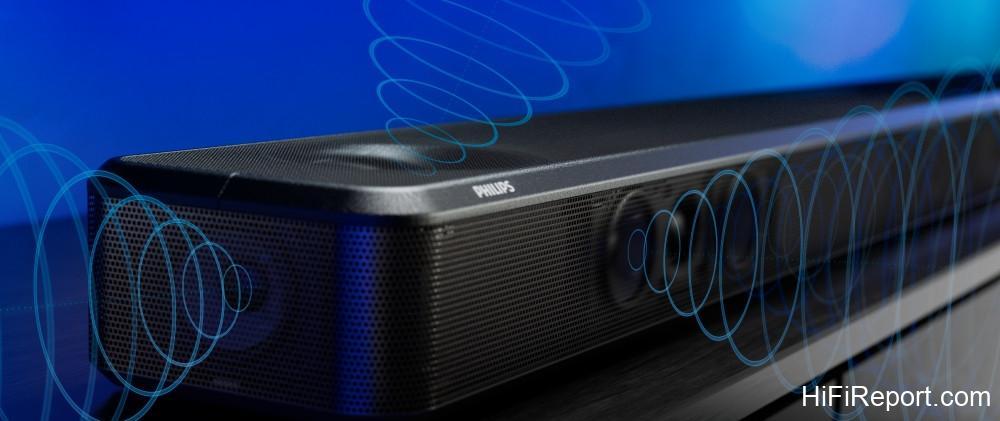
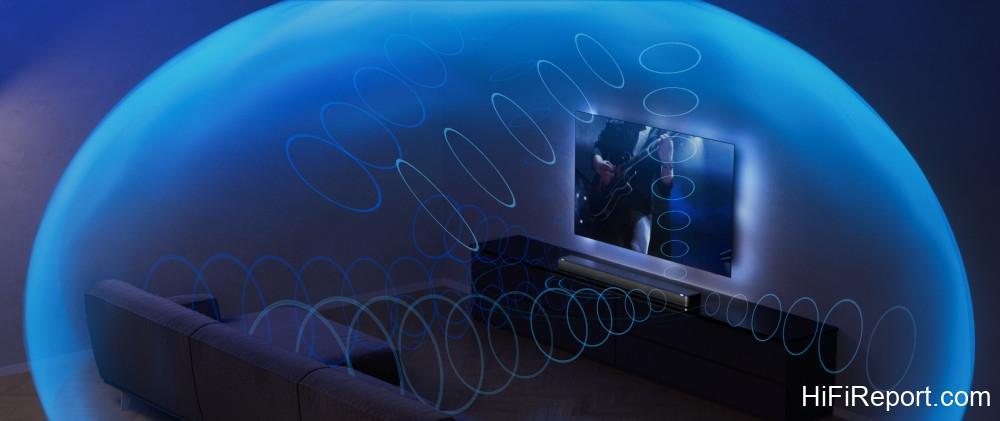
This allows for wireless connection of the subwoofer and surround channels, creating more precise sound positioning and improved audio quality, along with a spacious soundfield. Simultaneously, the FB1 handles the most advanced audio decoding formats in home theatre today and utilizes upward-firing drivers to generate the overhead soundstage. It can truly be said to be the soundbar system with the best height channel effect currently available on the market.
Key Features and Hardware
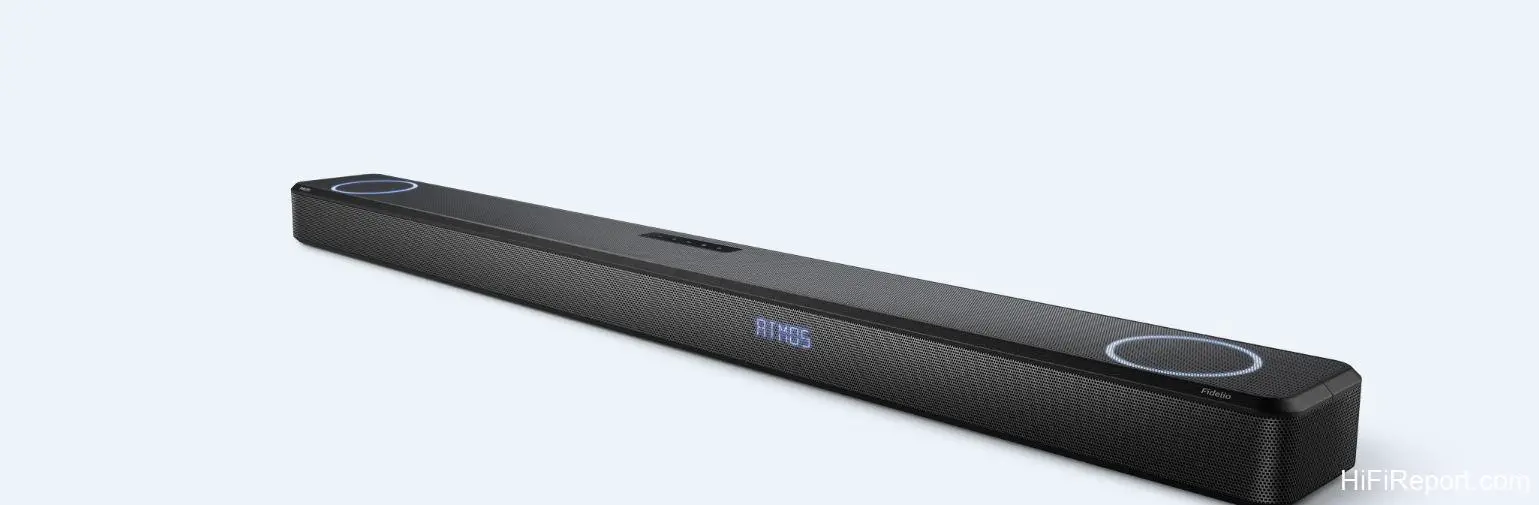
As the top-tier soundbar in the current Philips Fidelio lineup, the FB1 is designed with the industry’s highest specifications in both hardware and software. This high-end design philosophy endows this soundbar system with numerous standout features. Firstly, on the soundbar’s generous 1.2-meter chassis, Philips has packed 15 drivers.
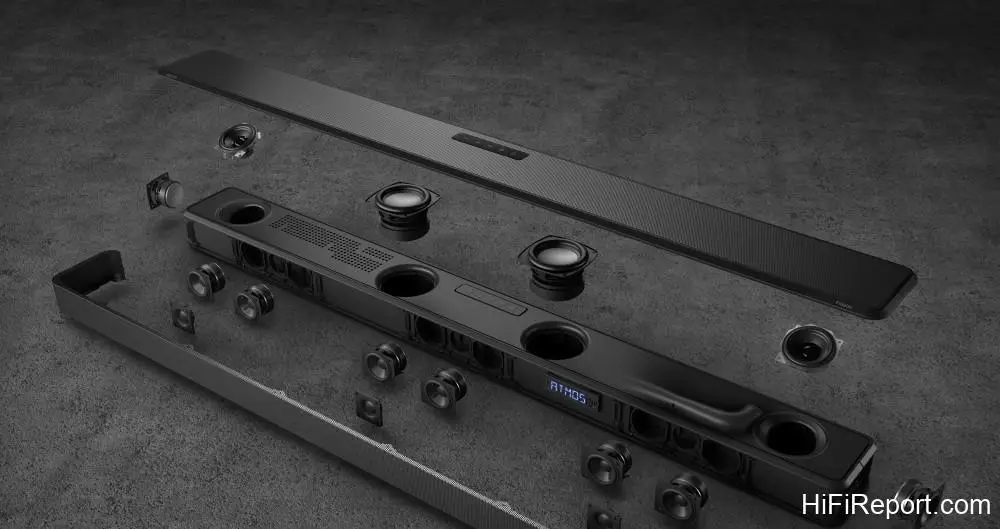
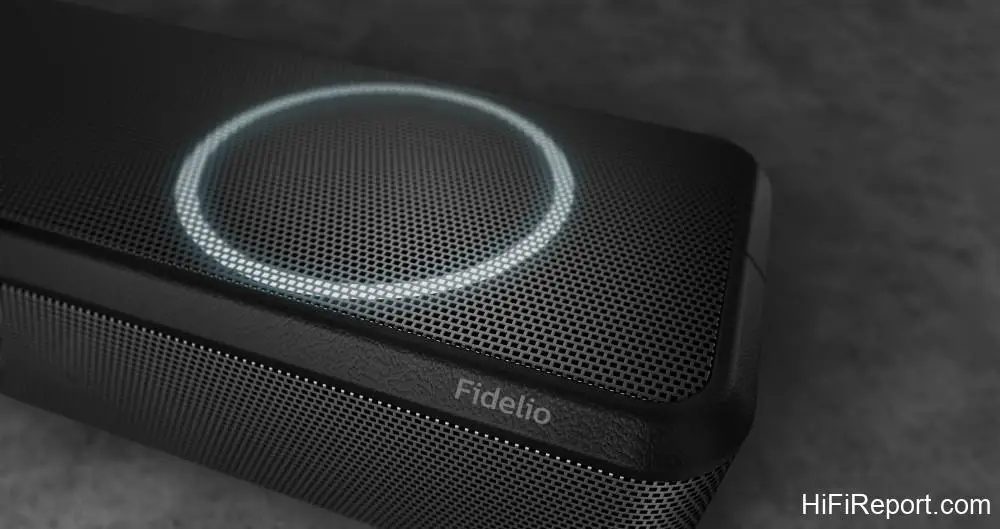
These 15 drivers are distributed across four areas: two full-range drivers and one tweeter for the center channel, four full-range drivers and two tweeters for the front left and right channels, one full-range driver on each side, two 3.5-inch bass drivers in the center, and a pair of upward-firing full-range drivers on each end.
Paired with wirelessly connected rear surround speakers and a subwoofer, driven by a maximum power of 620W (310W RMS, 1% THD), this system creates a 7.1.2 channel height channel home theatre experience.
It’s worth noting that the wireless subwoofer included with the FB1 features a rather distinctive design. It houses two 8-inch bass drivers configured for side-firing symmetric output. This kind of design, similar to a double push-pull structure, is frequently seen in subwoofers from renowned brands. The dual bass driver design enhances low-frequency dispersion, delivering greater energy and extension compared to traditional subwoofers with a single forward-firing driver.
Wireless Technology and Connectivity
Many higher-end soundbar systems on the market nowadays, like the FB1, come with wireless rear surrounds and a wireless subwoofer, offering convenient wireless connection via IR or Bluetooth. While wireless connection is common, Philips has recently placed significant emphasis on high-quality wireless audio transmission performance.
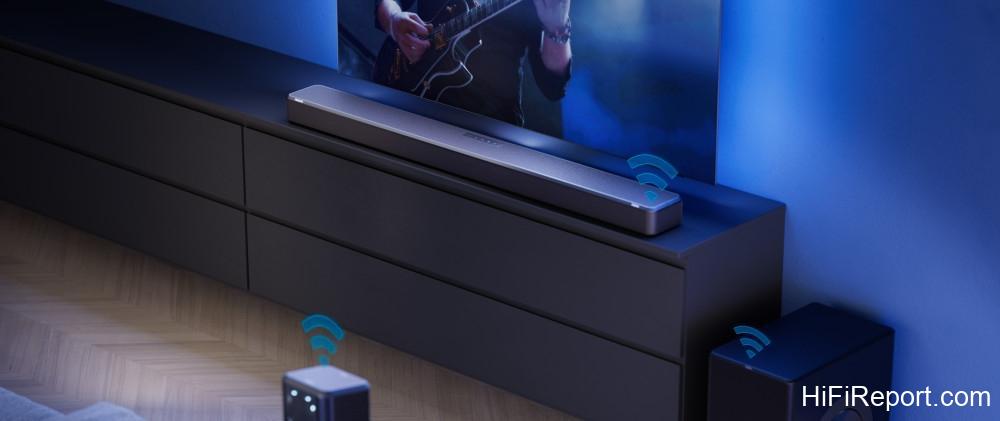
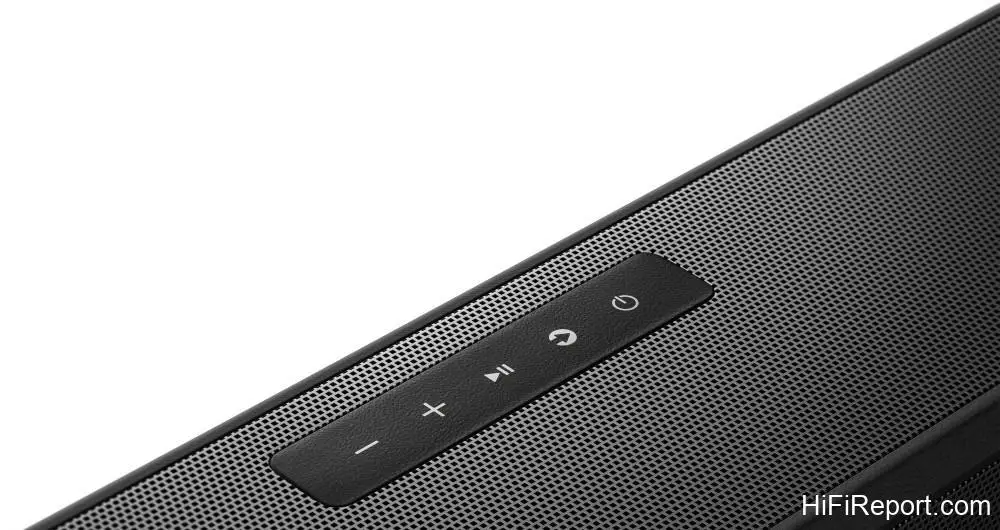
From TVs to wireless audio products, DTS Play-Fi serves as Philips’ primary conduit for transmitting wireless audio, enabling the setup of multi-room audio/video systems with displays and wireless speakers. As a flagship soundbar, the FB1 naturally supports this wireless technology.
Through simple setup using the accompanying app, the soundbar can connect via WiFi, providing a more stable and higher-quality audio transmission method for this 7.1.2 channel soundbar system, thus enhancing its wireless channel performance.
Audio Decoding and Certifications
Beyond stable wireless transmission technology, the FB1 also supports top-tier audio decoding and certification standards. In addition to handling Dolby Atmos encoded audio, it holds the IMAX Enhanced certification. Thanks to this audio certification, which uses DTS:X encoding, the biggest recent advantage is that consumers can now enjoy the IMAX Enhanced audio available on Disney+ through the FB1!
Starting this year, Disney+ includes “IMAX Enhanced signature sound powered by DTS” in its IMAX Enhanced films. To hear this encoding technology, consumers naturally need a product with IMAX Enhanced certification like the FB1.
Usage and Calibration
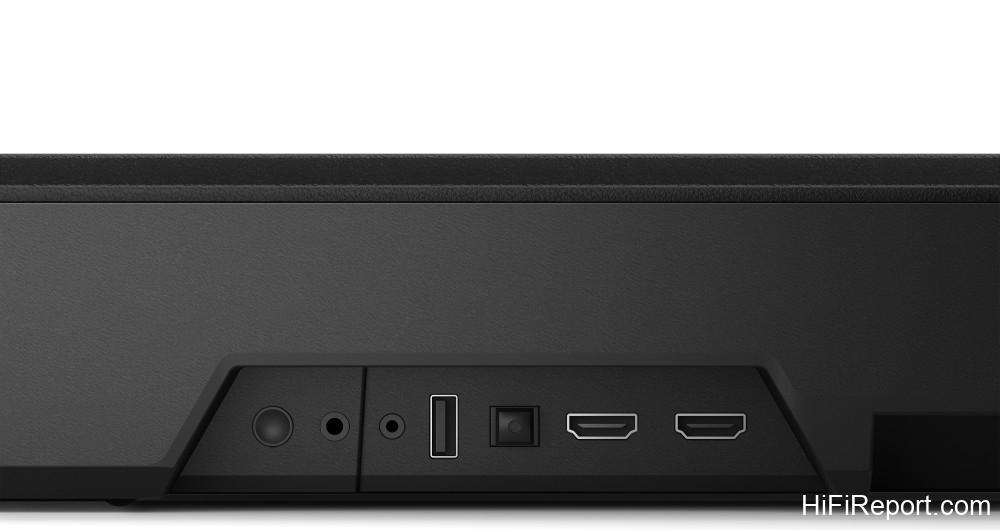
In terms of usage, you can experience premium home theatre audio with Dolby Atmos and DTS:X encoding via HDMI eARC audio return. The FB1 is also quite mature in its design for streaming music playback. Beyond watching movies, it serves as an excellent music playback system in your home. You can directly set the FB1 as the audio output device via Spotify Connect for quick and easy music playback, and also stream playlists from services like Amazon, Deezer, and Tidal.
Whether you’re watching movies or listening to music, you can utilize the FB1’s automatic room calibration feature (using the included microphone) to optimize speaker output for your seating position, achieving balanced and natural sound for music and superb immersion for movies.
Sound Performance
Regarding actual sound performance, the FB1 is arguably the soundbar I’ve heard in recent years with the most concrete “upward sound movement trajectory” and “physical sound energy.” Playing several Dolby Atmos-supported movies, I not only experienced a spacious sense of the front-to-back soundstage, but also found the sound positioning and imaging of the surround effects incredibly clear.
With the highly resolving and dynamically powerful sound reproduction, dialogue clarity, the impact of collisions, and the effect of the ambient sound environment were all spot on.
The sound coverage of the overhead soundstage is particularly outstanding. When helicopters or missiles whiz overhead, you can not only feel the sound energy moving from back to front above you, clearly hearing the trajectory, but the realism of the energy dissipating as the sound moves forward is also very strong. Honestly, I have rarely heard such excellent overhead soundstage effects from a soundbar system (even those with upward-firing drivers).
This highlights that besides the solid acoustic design of the speakers themselves, the stable connection and excellent audio quality delivered through the DTS Play-Fi connectivity technology significantly enhance this soundbar’s ability to build a convincing 3D soundstage, thanks to its upward-firing drivers.
Conclusion
Overall, the new Philips Fidelio FB1 soundbar is definitely a product you must get to know in the soundbar market this year. This soundbar not only features upward-firing height channel drivers but can also connect to a subwoofer and a pair of physical rear surround channels via DTS Play-Fi. Compared to the vast majority of products that simulate overhead effects using DSP, it creates a more realistic overhead soundstage spatial sense and surround immersion.
Once you experience it firsthand, you will undoubtedly discover the appeal of the height channels delivered by the FB1. It essentially rivals a standard Atmos multi-channel home theatre system, but at a much more affordable price, offering exceptionally high cost-performance. It comes highly recommended.
Specifications
* Drivers: Center – Full-range ×2, Tweeter ×1; Front – Full-range ×4, Tweeter ×2; Up-firing – Full-range ×2; Side – Full-range ×2; 3.5-inch Bass Drivers ×2
* Frequency Response: 40Hz-20kHz
* Supported Audio: Dolby Atmos, DTS:X, IMAX Enhanced
* HDR Support: HDR10, HDR10+, Dolby Vision, HLG
* Multi-speaker Technology: DTS Play-Fi
* Bluetooth: 5.0
* Smart Wireless Features: Chromecast, Spotify Connect, Works with Alexa/Apple AirPlay 2/OK Google
* Dimensions: 1,200×73×125mm
* Weight: 7.2kg