
PHILIPS Over The Ear Flexible Wrap Around Earbuds with Mic Review
You’re three miles into a morning jog, and the left earbud has slipped free for the second time. You stop, fumble it back in, reset your pace, and think about how you would rather just be running without the constant tug-of-war with a tiny plastic plug. The PHILIPS Over The Ear Flexible Wrap Around Earbuds address that exact friction with a design that wraps behind the ear and hooks over the top, so the speaker unit stays seated without pressing into the canal. No charging case to track, no Bluetooth pairing to manage. A 3.5 mm jack, a flexible hook, a built-in mic. You clip it on, step outside, and it holds.
First Impressions
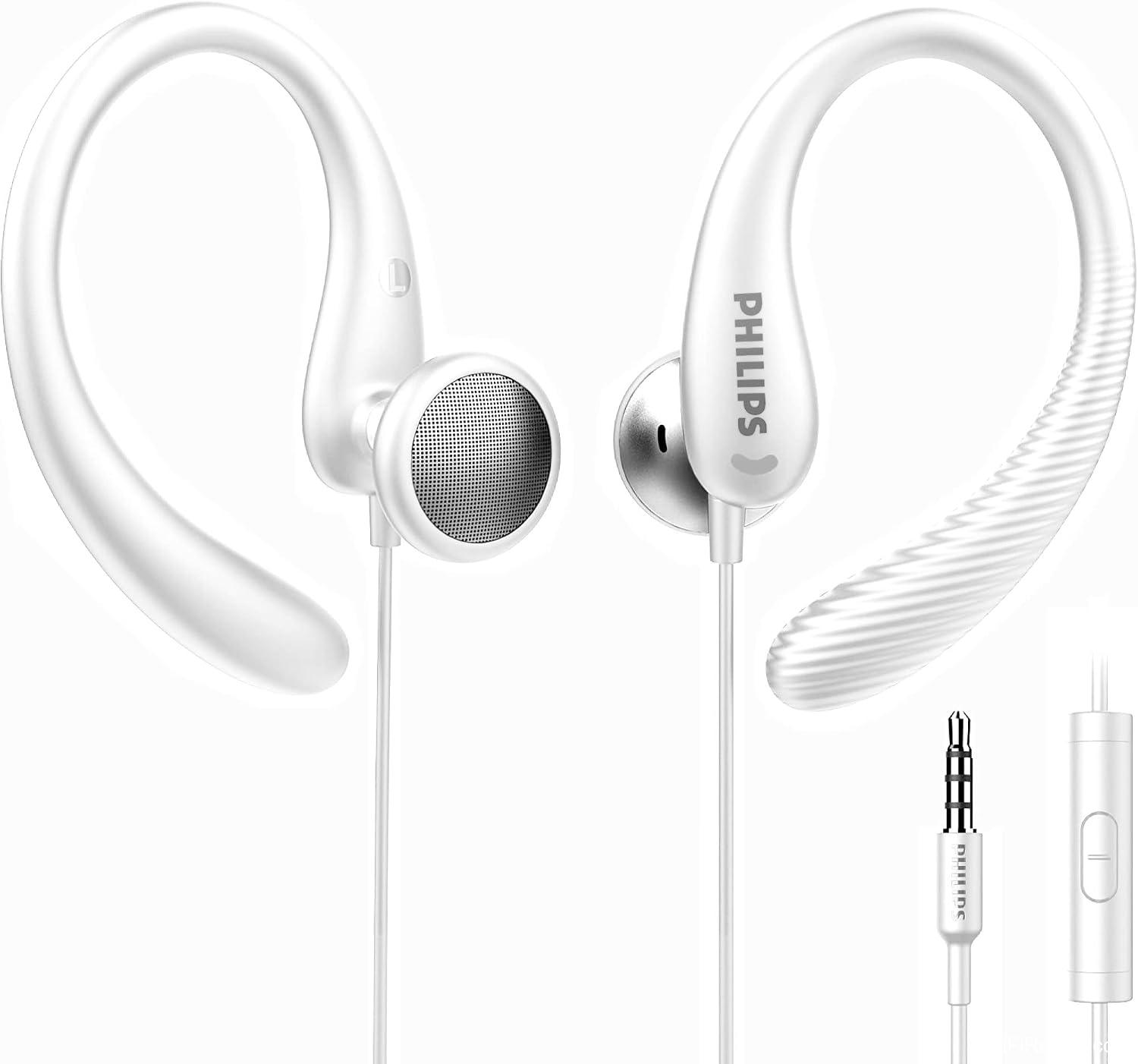
The earbuds arrive as a compact pair of wired units with a flexible wrap-around hook that curves behind the ear. The hook is the load-bearing element: it does the work of keeping the driver in place, so the earbud housing does not need to seal the canal the way a standard in-ear monitor does. The earbud sits just in front of the ear, the hook drapes behind the skull, and a thin cable runs down under the chin to the inline remote and 3.5 mm plug. Philips describes the fit as “secure, bounce-free” for active use, and the flexible plastic of the hook is shaped to flex with head movement rather than dig in or snap.
On first use, the hook takes a moment to settle. You press the earbud against the ear, slide the hook over the top, and the pressure point shifts to the back of the ear. Several owners with smaller ear canals note that this is a relief, because the earbud does not have to compress the canal wall to stay put. One reviewer who used the same design for more than 20 years said the first pair survived through portable CD players, early digital players, and onto a smartphone’s headphone port, and the newer unit is a close functional match. The build reads as utilitarian: soft over-ear material, a matte black finish, and a cable that resists tangling.
Exclusive to hifireport.com. Redistribution or scraping without approval is prohibited.
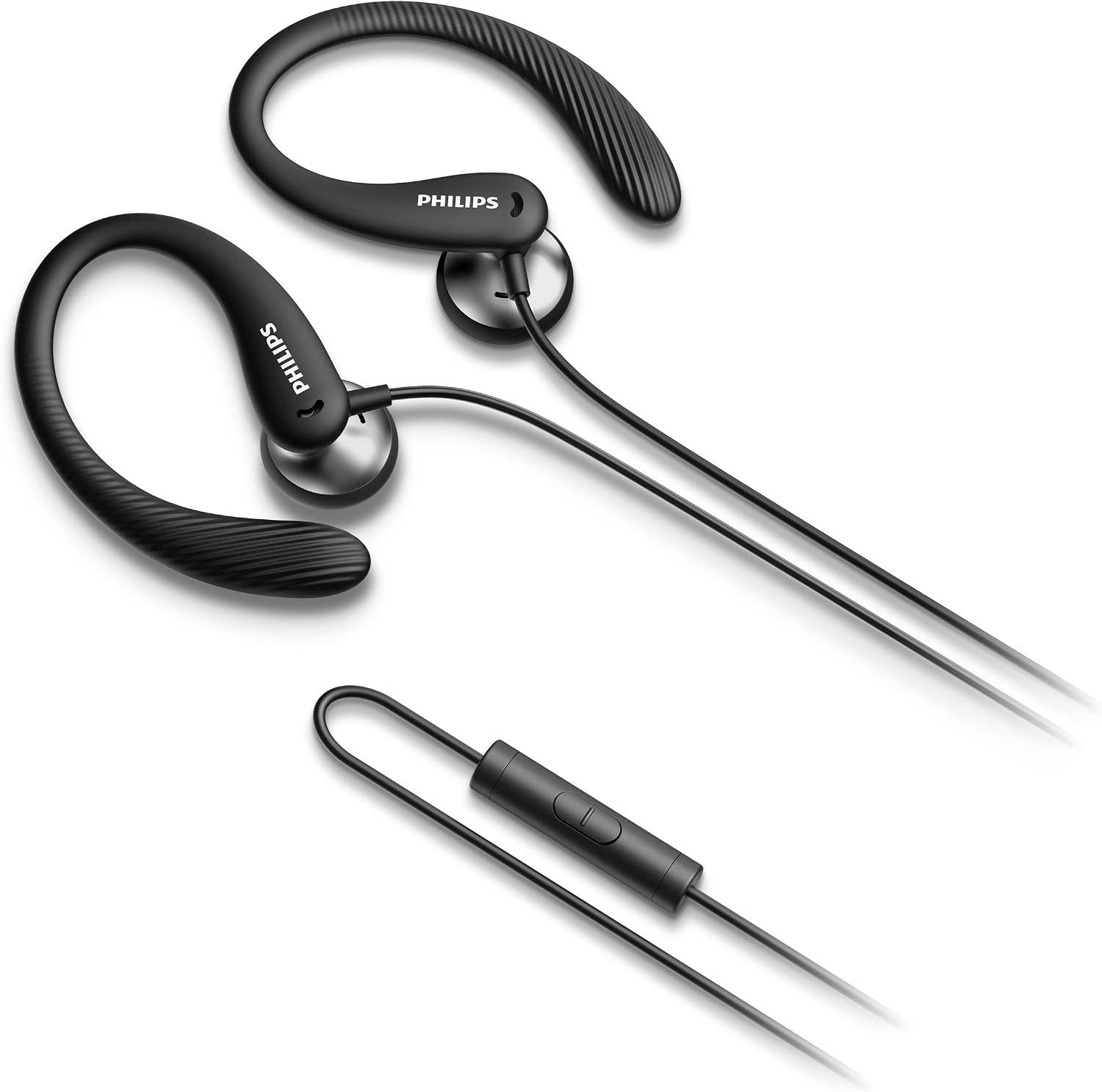
The inline remote sits on the cable and carries the mic plus volume and track controls. There is no LED display, no pairing button, no case. You plug the jack into a phone, laptop, tablet, or desktop and start listening. For anyone who has spent years juggling a charging routine and a dead battery at the worst moment, that simplicity is the point.
On Your Commute
A wired over-ear set changes the commute equation in two ways. The first is ambient awareness. The open design does not seal the canal, so the bus engine, the platform crowd, and the overhead announcement all carry through. One long-time owner confirmed that the earbuds do not block out surrounding noise; he kept the volume low enough to hear his name called in a hospital waiting room and raised it when he wanted to shut the world out. That trade-off is built into the form: open and aware, or louder and more separated.

The second change is the absence of battery anxiety. The 3.5 mm plug means you grab a phone, insert the jack, and the connection is instant. The inline mic handles a hands-free call on the platform without you digging the phone out of your pocket. The earbuds are small enough to tuck into a jacket pocket, and the flexible hook means they will not snag on a bag strap or a door handle the way a rigid earphone stem can. One owner who works from an older desktop chose the wired format specifically to avoid Bluetooth range limits and the ritual of charging, and called the simplicity the whole appeal for daily phone and laptop use.
The Sweat Test
Philips rates the earbuds at IPX2, which covers light sweat and a fine spray of rain but stops well short of a downpour or a submersion test. The product page frames the boundary clearly: indoor gym work, a jog in drizzle, a walk in light rain. A sustained heavy shower or any water activity is outside the spec. Owners who use the set for daily running and indoor workouts report the plastic and cable hold up over time, with no corrosion or fraying that would interrupt a session.
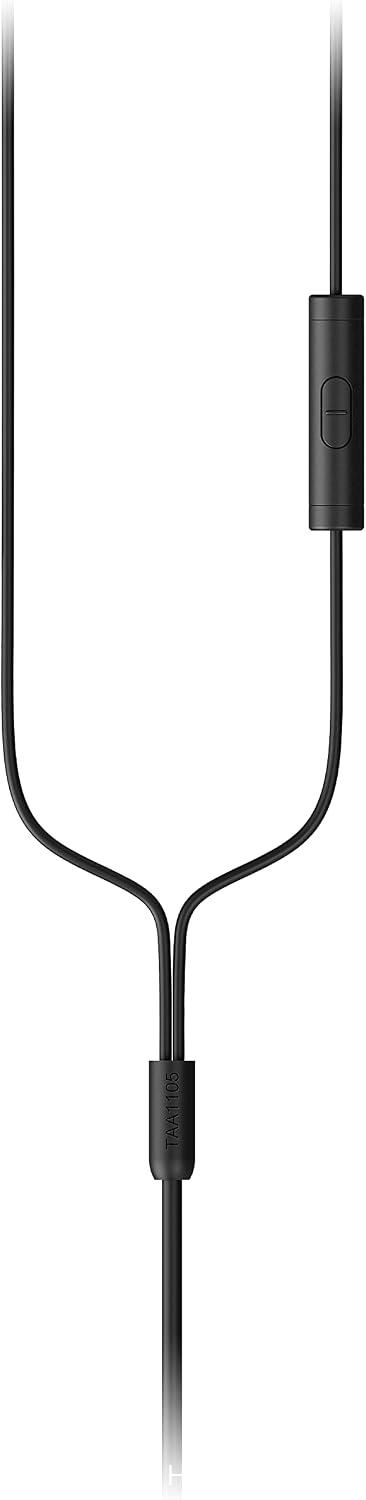
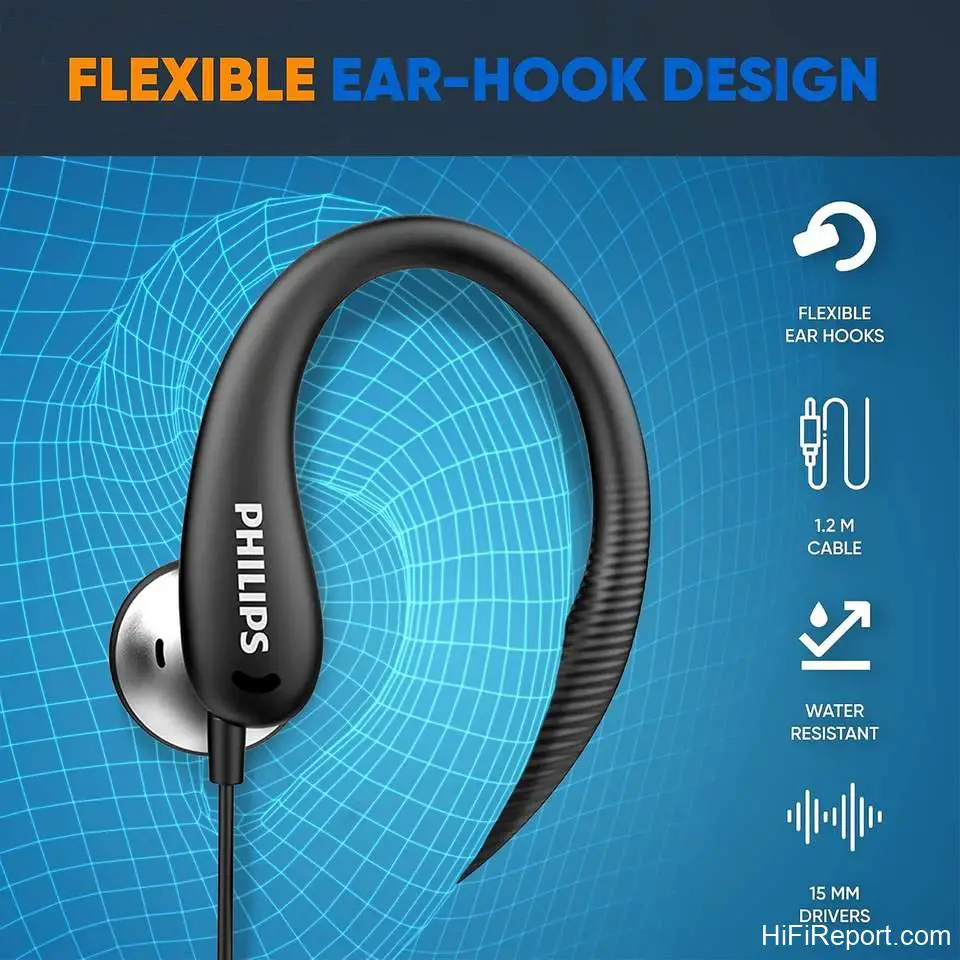
The hook does the heavy lifting for stability in motion. The earbud housing sits lightly in front of the ear; the flexible wire arc behind the skull is what prevents the unit from sliding forward on a bouncy surface. Several reviewers flagged that the hooks keep the buds seated through a jog when standard earbuds would pop free. One owner’s daughter, who was tired of earbuds falling out on every run, said these hooks solve that complaint completely. The flexible design also lets you angle the earbud slightly to find a comfortable pocket without the hook pressing into the mastoid bone.
Office Hours
At a desk, the earbuds double as a lightweight phone headset. The built-in mic on the inline remote handles a call without you lifting the earbud or reaching for the phone, which matters when a call lands mid-podcast or mid-task. For a steady stream of short calls during a work block, the hands-free setup keeps both hands on the keyboard. The 3.5 mm plug works with any computer, headset jack, or adapter, so switching between a laptop and a phone takes one plug-in. One owner described the mic as producing clear phone conversation, a detail that matters when you need to be understood on a work call without pulling off the earbuds.
Exclusive to hifireport.com. Redistribution or scraping without approval is prohibited.
Comfort across several hours is the other office question. The hook distributes pressure around the ear rather than loading the canal, which helps during a long meeting or a focused session. One owner who wears glasses noted that the earbuds do not interfere with the temple arms, a small detail that can make or break a long headset session. The cable drapes under the chin, so it does not dangle in a way that catches on a keyboard or a chair arm. The trade-off is the tether: stand up and walk across the room, and the cable comes with you.
Sound First
Frequency Response and Balance
The earbuds carry a 20 Hz to 20,000 Hz frequency response at 16 ohms of impedance, a spec that places them squarely in standard consumer earbud territory. In practice, owners describe the sound as clear and balanced, with crisp highs and a full low end that does not crowd the mids. One long-time user played high-energy songs at raised volume and reported no raspy breakup or noticeable background hiss. Voice clarity for podcasts and YouTube videos draws specific praise, which is the use case that matters most for a wired set on a commute or at a desk. The 16-ohm impedance means the earbuds draw power easily from a phone or laptop without a dedicated amplifier, the right match for a no-charge wired design.
How It Holds Up in a Noisy Room
Because the earbuds do not seal the canal, the room comes through. At a desk with a printer running or a colleague talking nearby, you hear more of the environment than you would with a sealed in-ear monitor. The practical response is to raise the volume, which one owner confirmed gives enough separation to focus on music or a call. The absence of a passive seal also means the low end will not have the pressure-driven punch of a canal-sealing design, but the 20 Hz floor on the spec sheet holds up in owner reports: bass is present and clean, just not exaggerated.
Owner Feedback
Fit is where opinions split most sharply. One owner with small ear canals called the over-ear design a game changer, saying that standard earbuds and wireless plugs simply do not work for the shape of their ears and that the hook-and-earbud combination is the only format that stays put. Another owner with a different ear shape reported the earbud housing rests just outside the canal, forcing them to crank the volume and leaving mostly high frequencies audible. A third owner said the earbud part does not fit into the ear and causes discomfort, requiring removal every 15 minutes during a session. The same hook that earns praise for stability draws criticism when the housing sits too shallow or too wide for the wearer’s anatomy.

Sound draws consistent praise from the reviews detailed enough to judge it. Multiple owners use words like “clear,” “smooth,” and “good enough,” with several calling the mic quality a surprise for a wired set. One owner compared the experience to a pair used for more than 20 years and said the newer unit is a close functional match, missing some sparkle and upgraded materials but holding the same ground.
For the workout scenario, the feedback skews positive. The hooks keep the buds through a jog when other earbuds fall out, and the IPX2 rating covers a sweaty indoor session or a light outdoor run. The caveat owners raise is that the open design lets more ambient noise in on a windy day than a sealed in-ear set would.

What We Like / What We Don’t
What We Like
- The flexible over-ear hook keeps the earbuds seated during running and gym work without canal pressure
- Wired 3.5 mm connection means no charging, no pairing, no dead battery mid-commute
- IPX2 rating covers light sweat and drizzle for indoor and casual outdoor use
- Inline mic and controls handle hands-free calls without lifting the earbud
- Clear, balanced sound with strong voice clarity for podcasts and phone calls
What We Don’t

- The earbud housing sits in front of the ear rather than inside it, which does not suit every ear shape
- No passive noise isolation; ambient sound carries through unless you raise the volume
- IPX2 is light protection only; a heavy downpour or submersion is outside the spec
- The cable is a permanent tether; there is no wireless mode
Bottom Line
The PHILIPS Over The Ear earbuds win in one specific situation: you need a wired set that stays on through a jog, a gym session, or a long walk, and you want zero charging, zero pairing, and a simple 3.5 mm plug. The hook design solves the falling-out problem for people with small canals or a history of struggling with standard in-ear plugs, and the sound is clear enough for music, podcasts, and phone calls without a dedicated amplifier.
Where it loses is for anyone who wants sealed noise isolation, a heavy-rain rating, or a wireless connection. The open design lets the room in, IPX2 stops at a fine spray, and the cable is a constant tether. For the runner who is done fumbling with earbuds and the office worker who wants to plug in and talk, the set is a straightforward, durable pick that has outlasted decades of daily use in at least one owner’s hands.
Key Specs
- Design: Over-ear / behind-the-ear with flexible wrap-around hook
- Connection: Wired, 3.5 mm audio jack
- Frequency Response: 20 Hz to 20,000 Hz
- Impedance: 16 Ohm
- Water Resistance: IPX2 (sweat-resistant, splash-proof)
- Microphone: Built-in, on inline remote
- Controls: Inline volume and track buttons
- Charging: None required
- Color: Black
Questions From Daily Use
Do these earbuds stay in during a run or gym session?
Yes, for most wearers. The flexible hook wraps behind the ear and holds the earbud housing in front without relying on canal pressure. Several owners who complained about standard earbuds falling out on jogs said these hooks solve that problem. The fit does depend on ear shape; one owner with a different canal size reported the housing resting outside the ear, so a short test before committing to a long run is wise.
Can I use these for phone calls at work or on the go?
The inline remote carries a built-in microphone that handles hands-free calls. One owner described the mic as producing clear phone conversation, and the 3.5 mm plug means there is no Bluetooth connection or charging cycle to manage. Plug the jack into a phone, laptop, or any device with a standard headphone port and the mic is live.
Will these handle rain or a heavy workout?
The IPX2 rating covers light sweat and a fine spray of rain, which is enough for an indoor gym session or a jog in drizzle. It does not cover a heavy downpour, submersion, or any water activity. If your routine includes sustained outdoor exposure or swimming, the spec does not support that use.
Do I need an adapter for my phone?
If your phone has a standard 3.5 mm headphone jack, you plug the earbuds in directly. For phones that use a USB-C or Lightning port, one owner mentioned using a small adapter to connect the 3.5 mm plug. The earbuds are a standard wired set, so any adapter that converts the phone’s port to a 3.5 mm jack will work.
No products found.