
ProAC K6 Signature Review
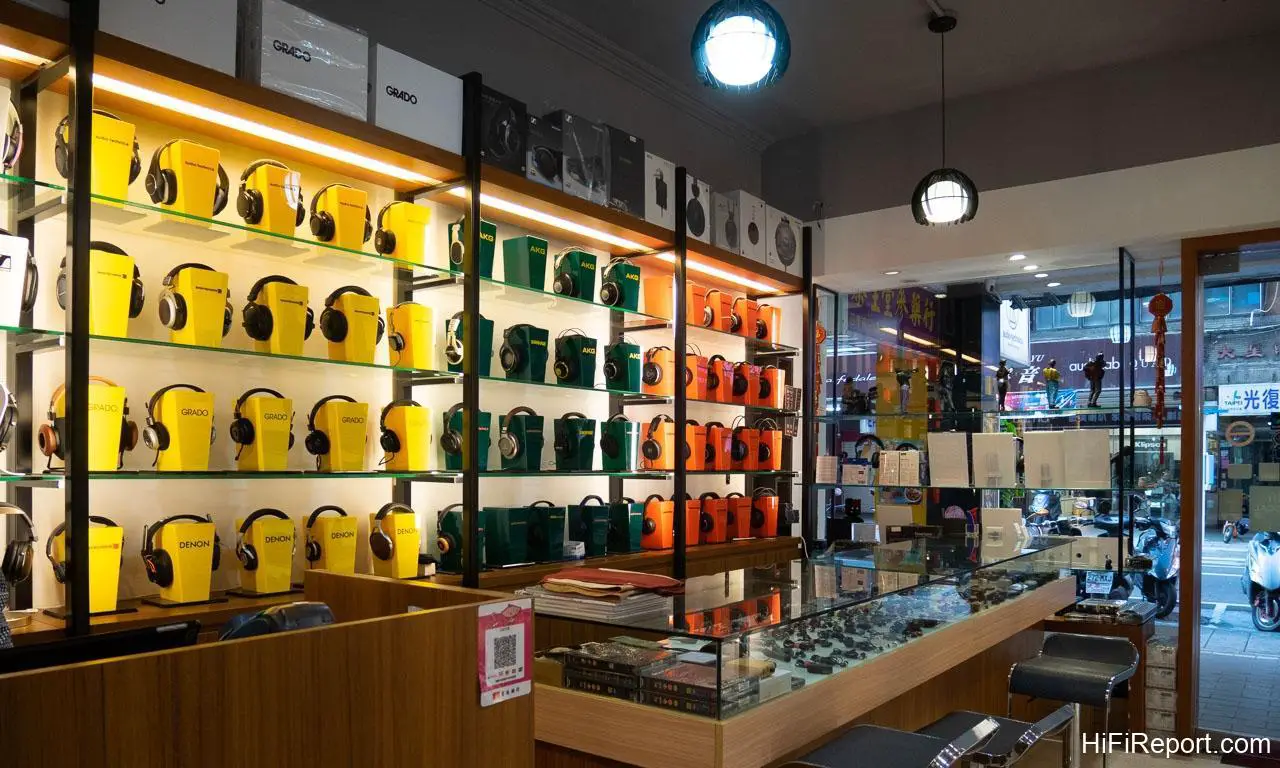
Looking at audio retailers in Taiwan today, Pinjia Audio, founded in 1984 and situated on Kaifeng Street near Taipei Main Station – a prime hub for audio sales – is, in my experience, one of the most opinionated and distinctive audio shops. Under the direction of the second-generation owner, Jimmy Tseng Yu-Hsiang, Pinjia is undoubtedly one of Taiwan’s most characteristic and dynamic audio stores.
Although the headphone market is booming and Pinjia does excellent business with headphones and related products, Jimmy remains committed to reserving space in the store for two-channel audio. He has meticulously crafted a listening room according to ITU standards, ensuring that even younger headphone enthusiasts can experience the sheer joy of listening to high-end two-channel systems.
While many retailers compete by highlighting the sound quality of audiophile recordings, Jimmy once, surprisingly, set up DJ equipment at an audio show. He even took to the decks himself, having a fantastic time playing music through a full high-end audio system. This truly connects with the younger generation and demonstrates a willingness to forge a completely different path.
You might assume Jimmy favors earth-shaking electronic bass, but you’d be quite wrong. While the common wisdom suggests that louder high-end audio is inherently better, Jimmy is devoted to achieving comprehensive playback performance at moderate listening levels. He believes that an audio system capable of comfortable, long-term listening is the ideal way to genuinely integrate high-end audio into one’s home environment.
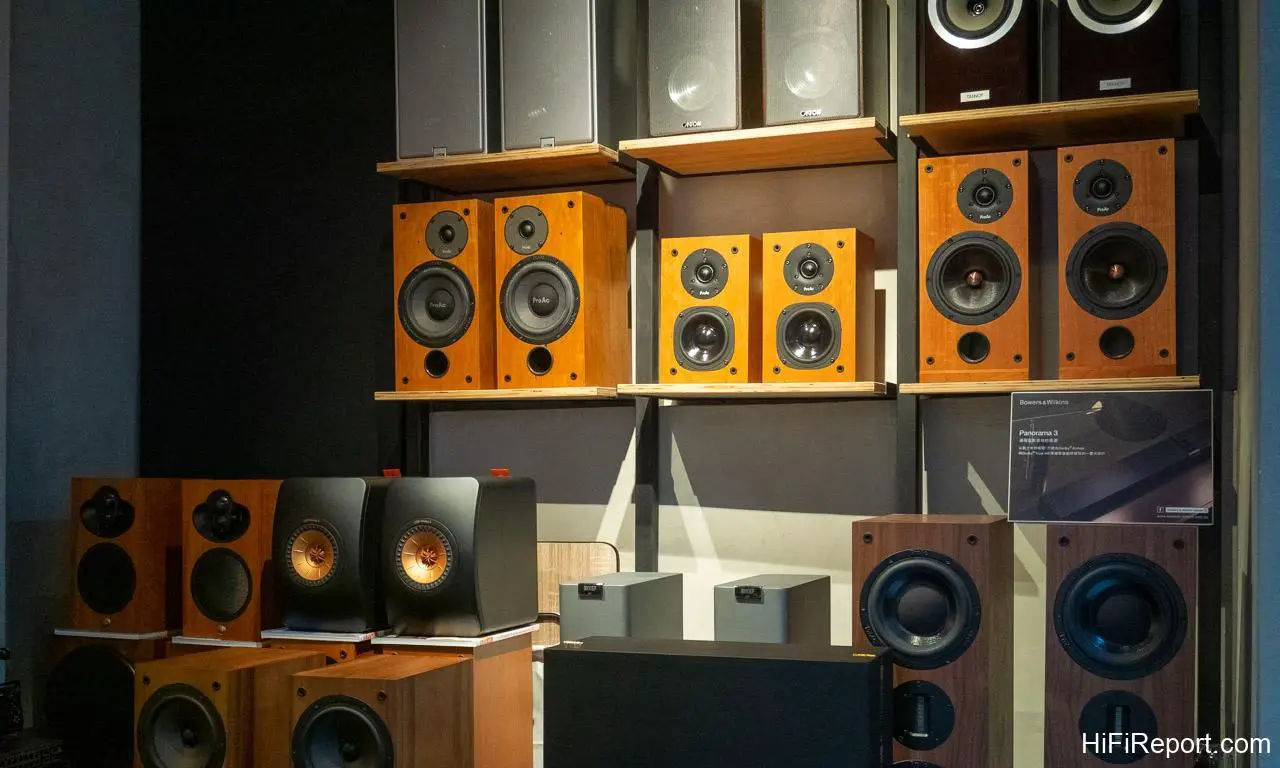
However, when I first stepped into Pinjia’s listening room and saw the entire wall covered with a variety of ProAC speakers, I must confess I found it somewhat perplexing. Logic would dictate that Jimmy, known for consistently challenging conventional thinking, wouldn’t be drawn to speakers with such traditional, boxy designs, would he?
Pinjia Audio’s Relationship with ProAC
My initial doubts vanished completely after the K6 Signature speakers began to sing.
Jimmy has a background in professional recording engineering, and ProAC also has close ties to the professional recording world. Their speakers are known for their precise monitoring capabilities, able to faithfully reproduce the original recording as intended. This playback characteristic perfectly aligns with Jimmy’s criteria for selecting audio equipment. Furthermore, Jimmy’s preference for balanced reproduction at moderate volumes happens to be a major strength of ProAC speakers.
One truly has to commend Jimmy’s discerning eye for recognizing the genuine capability hidden beneath ProAC’s understated exterior. I later learned that this keen insight is inherited from his father, Mr. Tseng Wen-Ching. Mr. Tseng Senior had already started selling ProAC speakers when he managed Pinjia Audio, making Pinjia one of the most senior and experienced ProAC retailers in Taiwan.
As for me, I was absolutely thrilled about this audition! Because the playback from this system allowed me to hear once again that exquisite, unforgettable quality of ProAC speakers that I’d first encountered many, many years ago.
To this day, I clearly remember the wonderful experience of listening to the then-flagship Response 4 floorstanding speakers over two decades ago. What those speakers presented was the sweetest and most natural string sound I had ever heard. Although they only used a silk dome tweeter, the mid-high frequencies were incredibly airy, the music gently filled and diffused throughout the space, and the soundstage was remarkably expansive.
Even playing at low volumes late at night, the loose yet layered bass could still easily spread throughout the room.
For over twenty years, I’ve longed to hear that sound again, but speakers possessing that specific character have been almost non-existent. Unexpectedly, upon arriving at Pinjia on this day, the ProAC sound that had lingered in my memory reappeared! The ProAC K6 Signature floorstanding speakers I auditioned that day undoubtedly inherited ProAC’s most captivating and beautiful traits. The difference? These speakers are only about half the size of the imposing Response 4.
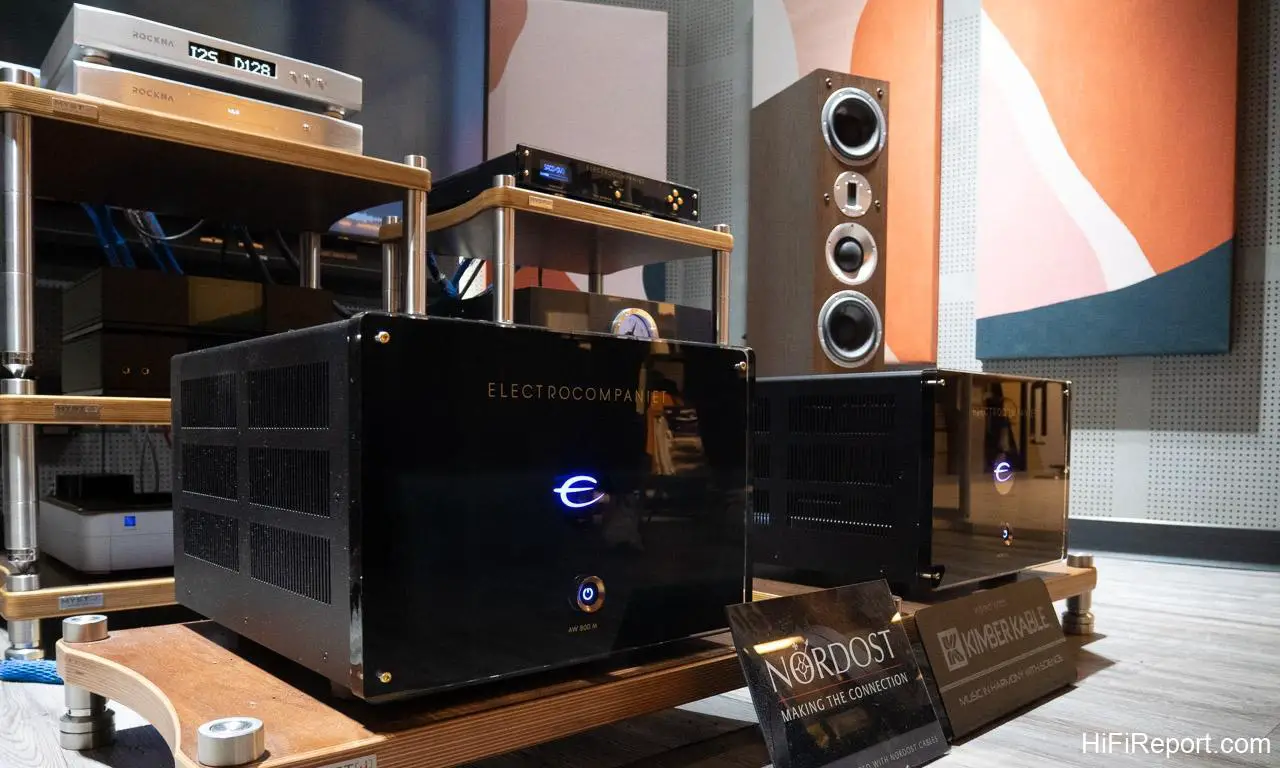
The excellent sound I experienced at Pinjia, of course, didn’t come solely from the speakers. It was the integrated result of room treatment, careful equipment matching, cable selection, and other contributing factors. However, let’s begin by discussing the K6 Signature speakers themselves.
K6 Signature Design
In ProAC’s current lineup, the K6 Signature is positioned just below the current flagship, the K10. It is the only model in the entire range designated as a “Signature” version, underscoring its unique status.
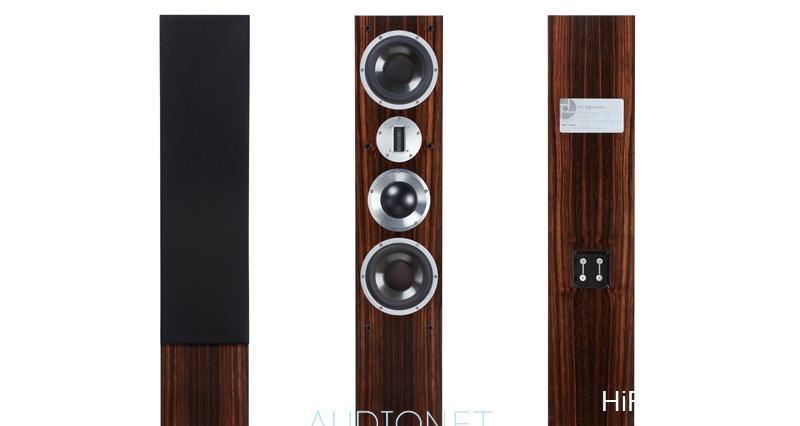
Naturally, if there’s a Signature version, there’s also a standard K6. Both models share the same cabinet dimensions, but their overall designs exhibit significant differences. Foremost among these is the crucial dome midrange driver, responsible for the most vital part of musical reproduction. Its size has been upgraded from 2 inches on the K6 to 3 inches on the K6 Signature, making it the same size as the dome midrange driver in the K10.
A larger diaphragm implies better low-frequency extension capabilities, leading to superior integration with the bass drivers. Simultaneously, the driver can handle more power, which further reduces distortion. ProAC’s factory claims this specific driver offers enhanced detail retrieval, along with better integration and dispersion characteristics when working in conjunction with the tweeter and bass drivers.
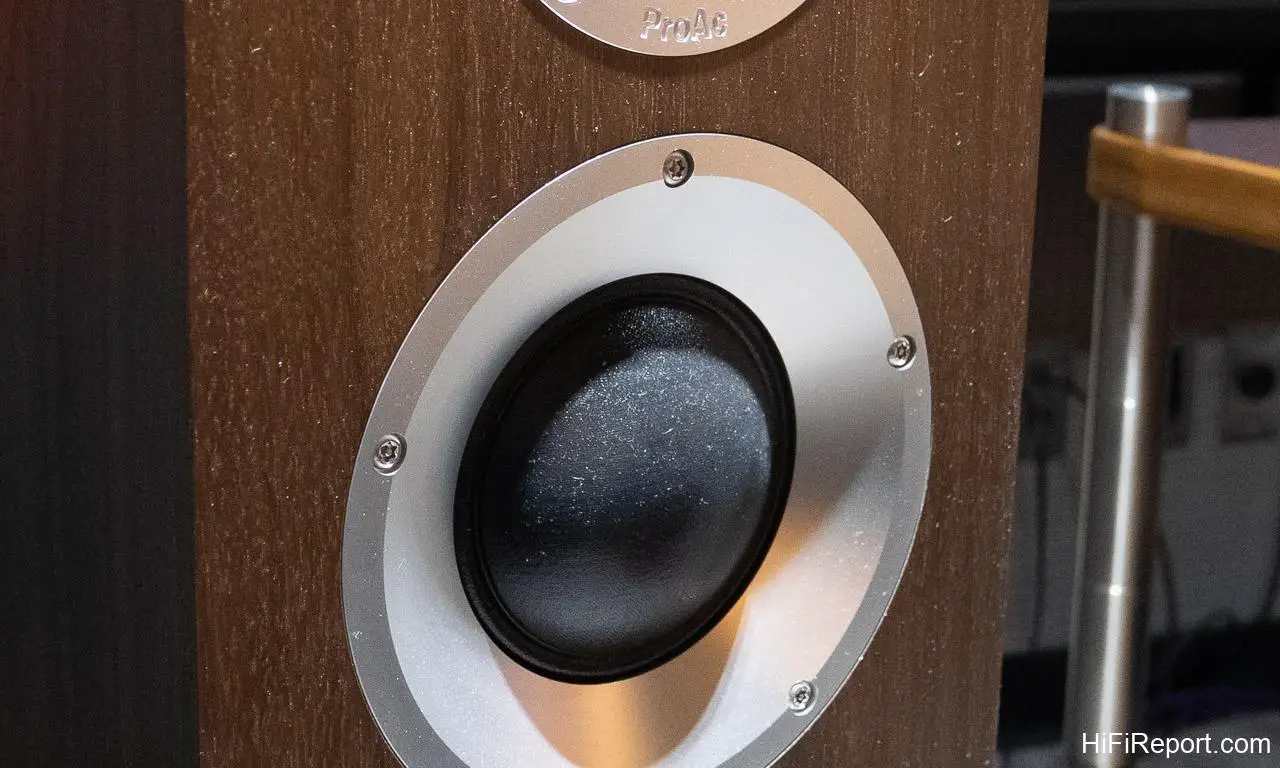
The diaphragm for this dome midrange was developed in-house by ProAC. It is paired with a short horn flare precisely machined from T6061 aerospace-grade aluminum, which helps to smooth the frequency response and ensures more uniform off-axis dispersion. Notably, while the driver has its own sealed chamber behind it, this chamber features ventilation ports, unlike the completely sealed chambers typically found with similar drivers.
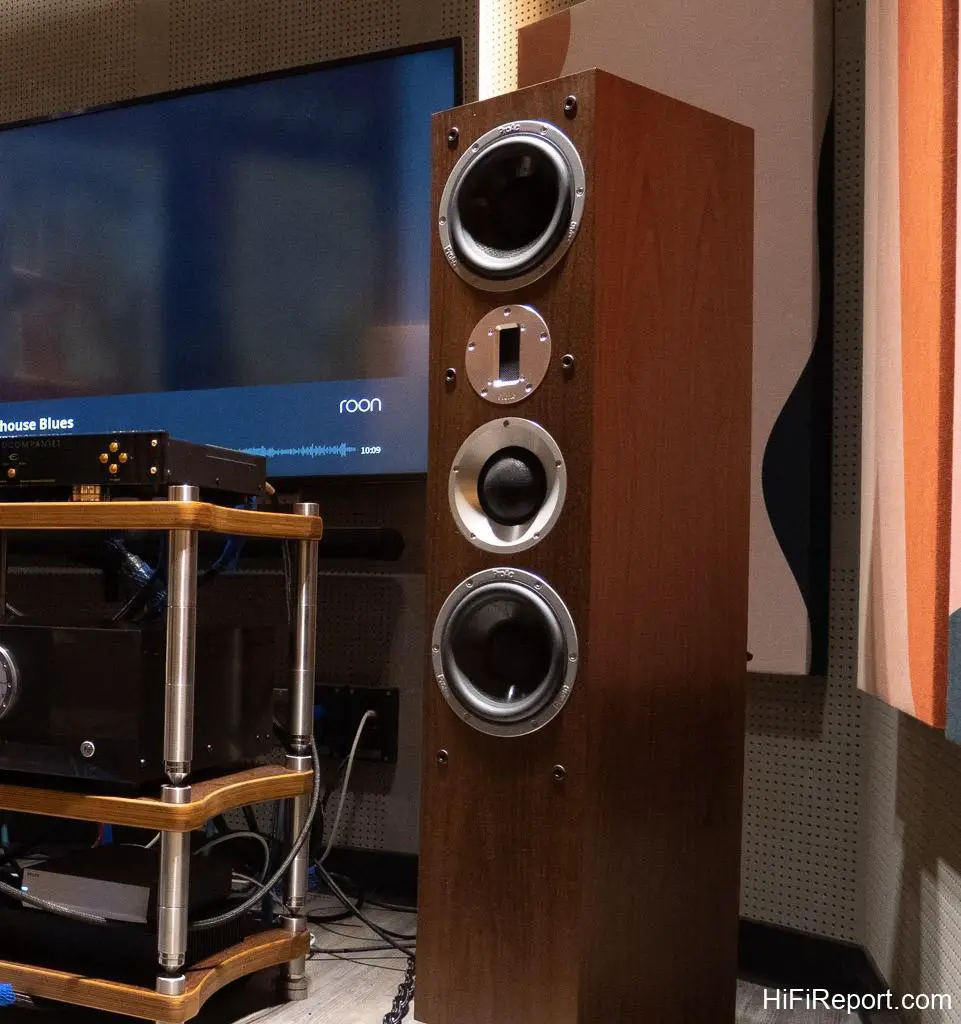
Another key difference between the K6 Signature and the K6 is the alteration in the configuration of the two bass drivers per channel. One bass driver has been moved above the tweeter. This revised arrangement allows the tweeter and midrange drivers to be positioned lower, bringing them closer to the optimal height for the listening position.
The height of the tweeter is extremely important. Theoretically, it should be level with your ears when seated in the listening position. The impact of listening height becomes particularly pronounced in near-field setups, yet many people often overlook adjusting speaker height during placement.
In fact, you can easily verify this with a simple experiment: when listening near-field, subtly crouching down or standing up will reveal a noticeable difference in the detail and transparency of the mid-high frequencies. The ribbon tweeter used in the K6 Signature inherently possesses excellent horizontal dispersion but a relatively narrow vertical dispersion angle. This is advantageous as it minimizes interference from floor and ceiling reflections.
However, it also makes the impact of listening height even more critical, which explains why ProAC deliberately adjusted the driver arrangement in the K6 Signature.
Kevlar Woofers
Turning now to the 6.5-inch bass drivers used in the K6 Signature, the “K” in the model name is derived from the Kevlar diaphragm material employed for the bass drivers. Kevlar is a special woven fiber developed by DuPont, renowned for its exceptional toughness and primarily used in ballistic vests. Its outstanding damping properties also make it an excellent material for driver diaphragms.
Drivers utilizing Kevlar diaphragms are not uncommon, but the Kevlar diaphragms in the K-series undergo a polymer impregnation treatment, which further enhances their rigidity. Visually, they initially resemble carbon fiber material. Indeed, ProAC did previously use carbon fiber for driver diaphragms, only switching to Kevlar for the subsequent K-series.
The bass drivers used in the K6 Signature are also custom-designed. From the special Kevlar diaphragm to the metal frame, everything was developed by ProAC and ultimately assembled by the professional British driver manufacturer, Volt.
Ribbon Tweeter
The ribbon tweeter equipped in the K6 Signature also features unique characteristics. The manufacturer claims the ribbon diaphragm is lighter and thinner than a strand of hair. What’s particularly surprising is that the magnetic system employs Alnico (aluminum-nickel-cobalt) magnets, rather than the Neodymium magnets commonly found in typical ribbon drivers.
Many audio enthusiasts hold drivers using Alnico magnets in high regard, considering them the secret to the excellent sound of many classic drivers. However, I am currently only aware of ProAC using Alnico magnets in a ribbon tweeter.
The use of ribbon drivers is a critical element in shaping ProAC’s signature sound. The first ProAC speakers to officially incorporate a ribbon tweeter were the aforementioned Future series, at which time Stuart Tyler declared he had finally discovered the ideal ribbon driver. From that point onwards, ribbon drivers appeared with increasing frequency in ProAC speakers.
In fact, Stuart Tyler experimented with building speakers using Decca-manufactured ribbon tweeters paired with Quad electrostatic drivers and dynamic woofers as early as the 1970s when he first began developing loudspeakers. This clearly demonstrates that his preference for ribbon drivers was already formed at the very outset of his speaker development journey.
Cabinet Design
Regarding the cabinet construction, ProAC’s boxy cabinet shape, while appearing conventional, is actually the result of decades of continuous experimentation by Stuart Tyler. This includes everything from the internal structure and cabinet proportions to the application of internal damping. Casually altering these elements could potentially compromise the original optimized design. This is the primary reason why ProAC has consistently adhered to the square cabinet design.
The K6 Signature’s cabinet is constructed from HDF (High-Density Fiberboard), a material with a higher density than the MDF typically used for speaker cabinets. In addition to internal bracing, the inner walls are lined with bitumen damping material to absorb cabinet resonance. It’s noteworthy that ProAC applies bitumen damping of varying thicknesses at different locations inside the cabinet. This precise management is part of ProAC’s secret to achieving their excellent sound.
It is also worth noting that the bass reflex ports on all current ProAC floorstanding speakers are located on the bottom panel, firing downwards. Beneath the port is a plinth, which serves two key purposes: firstly, it fixes the distance between the port and the floor, and secondly, it ensures that the port always faces the same material surface (the plinth), preventing variations in floor material at the listening location from affecting bass performance.
The Crossover and Legacy
And the crossover? This is undeniably another crucial factor behind ProAC speakers’ excellent sound, yet they have never publicly revealed any design details. Following the passing of founder Stewart Tyler in 2021, one might wonder if there’s anyone to carry on his legacy. Worry not, Stewart’s son-in-law, John, has been working alongside him in speaker development and manufacturing for over 30 years.
Just as Sonus Faber’s legendary designer Franco Serblin had a son-in-law to continue his work, Stewart’s lifetime of accumulated expertise has found a worthy successor.
Bringing the scene back to Pinjia’s listening room, this space measures approximately 5 to 6 ping (roughly 165 to 198 sq ft). Although it was built following the ITU recommendations for near-field monitoring, both the room size and the comfortable atmosphere are very similar to that of a typical home living space. However, small rooms are notoriously susceptible to bass standing waves. Would this room suffer from that issue?
Bass Performance
Let’s begin by discussing the bass. Take Beyoncé’s track “Partition.” The electronic bass at the beginning is like a depth charge, plumbing the depths from the low bass all the way down to the lowest frequencies – almost akin to a frequency sweep test signal. One listen to this track immediately reveals whether the mid-low to low frequencies in the room are smooth.
How did Pinjia’s room perform? I must state unequivocally that this is the listening space with the smoothest bass response I have ever heard. The bass extension not only had balanced energy but was also entirely free of any muddiness or blurriness, with absolutely no standing wave issues. Even more impressively, this system demonstrated superb bass control. Whether played at high volumes or at moderate levels, it presented bass that was incredibly clean, extended, fast, and tight.
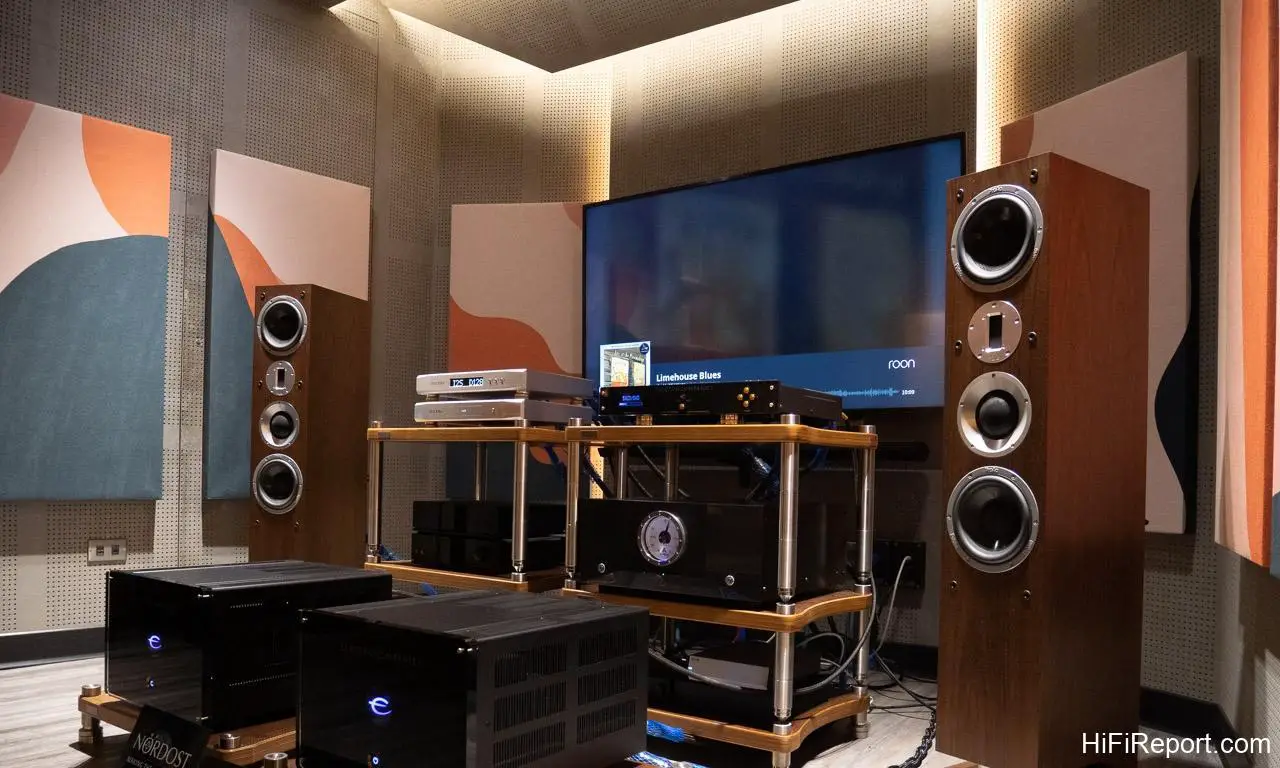
Without a doubt, the rendition of “Partition” I heard at Pinjia was the best I have ever experienced. This is the result of integrating an outstanding room with an outstanding audio system, so I can confidently tell you that this performance was unparalleled.
How about listening to organ music with the K6 Signature system in a 5-ping space? I listened to Bach’s Toccata and Fugue in D minor performed by organist Felix Hell. Recorded at the Weiwuying National Kaohsiung Center for the Arts, it’s an excellent recording. The K6 Signature reproduced the organ’s bass not only with rich thickness but also with clear layering.
Crucially, the diffusion and flow of the bass were remarkably natural and effortless, completely devoid of any strained or forced feeling. For speakers equipped with only two 6.5-inch bass drivers per channel, achieving this sense of ease is truly quite difficult.
Jimmy recommended I listen to “The Art of HiFi: Bass,” a compilation released by PS Audio. This was my first time hearing this collection, personally recorded by PS Audio’s founder, Paul McGowan, in DSD256 format. It is available on PS Audio’s official website.
I must specifically clarify here: how loud exactly is the “moderate volume” I’ve been referring to throughout this article? Generally, when testing audio equipment, I typically play music at higher volumes than a normal listening level, usually reaching around 90 dB SPL. The purpose is to evaluate the performance of the equipment and speakers under extreme playback conditions.
However, during my audition at Pinjia, while I did conduct some tests at high volume, most of the time the listening level was around 70-80 dB SPL. This is more representative of the volume at which most people actually listen to music at home.
Bass Performance – Summary of Findings
Based on the bass performance described above, I can summarize the following findings:
First, the K6 Signature exhibits excellent bass extension, with a resonant, agile quality and clearly defined layering. I wonder if anyone has noticed that the published specifications for ProAC’s current floorstanding speakers are quite astonishing; they all extend into the ultra-low frequency range. Are these figures exaggerated?
I’ve verified this previously by auditioning other ProAC floorstanding speakers, and this audition of the K6 Signature confirms once again that ProAC’s stated specifications are not exaggerated. The bass indeed extends very low, and you can perceive the ultra-low frequency extension even without playing at high volume.
The EC AW 800M
Second, the equipment used in this pairing was an Electrocompaniet AW 800M power amplifier driving the K6 Signature. Let’s talk about the AW 800M’s performance. Honestly, given Jimmy’s listening volume, such immense output power isn’t strictly necessary. However, while theory is one thing, in practice, high power remains crucial for fully unleashing a speaker’s potential, especially its bass performance.
It’s noteworthy that although the AW 800M boasts astonishing output power, its linearity is already superb even at low power output. This is precisely why it could fully unlock the K6 Signature’s bass performance and deliver a balanced presentation across all frequencies, even at moderate volumes.
This level of performance is likely attributable to the AW 800M’s incredibly generous power supply. Even in stereo mode, it operates as a dual-mono design with independent transformer power supplies for each channel.
It also features Electrocompaniet’s exclusive “direct coupled high open loop bandwidth topology” technology, which not only provides a high slew rate and wideband amplification characteristics but also exhibits extremely robust capability in handling variations in speaker load impedance. Seizing the opportunity during this K6 Signature audition, Electrocompaniet’s latest flagship power amplifier, the AW 800M, left a profound impression on me.
Pinjia’s Listening Room
Third, I must still commend Pinjia’s listening room. Although it was constructed according to professional ITU standards, utilizing a polygonal RFZ (Reflection Free Zone) design, both the room size and speaker placement are actually very similar to a typical home environment. Despite the speakers being only about 25 cm from the rear wall, it completely eliminated standing wave interference and clearly presented the bass layers.
If you wish to replicate this sound in your own home, I highly recommend visiting Pinjia for a personal experience. Jimmy provides a detailed introduction to the construction of this listening room on Pinjia’s official website.

Mids and Highs
Besides the excellent mid-low frequency performance, I also want to particularly emphasize the K6 Signature’s timbre and tonal quality. Listening to the Alban Berg Quartet’s rendition of Beethoven’s String Quartet No. 7, Op. 59/1, I found the positioning of the four violins to be incredibly precise, and their forms very clearly defined. What especially caught my attention was the exceptionally clear string resonance and the overall harmonious performance.
The string tone was transparent and refined, yet simultaneously exhibited a soft, natural texture reminiscent of raw cotton fabric. This quality of string sound was truly captivating.
Listening next to Sibelius’s “Valse Triste,” conducted by Karajan with the Berlin Philharmonic, the most enchanting aspect was the sheen on the strings. It was like warm sunlight reflecting on water, shimmering and dazzling. It was precisely this ethereal string sound that brought back fond memories of listening to the Response 4 speakers years ago, only the K6 Signature offered even higher purity of tone and more refined timbral quality.
Hearing Rachel Barton Pine perform Bach’s Violin Sonatas, in a version with harpsichord accompaniment, what struck me was the K6 Signature’s outstanding mid-high frequency resolution. It fully conveyed the rich resonant energy and dense texture of the renowned 1770 Italian Nicola Gagliano violin played by Rachel.
The high frequencies were incredibly focused and highly penetrating, yet the K6 Signature’s reproduction was completely free of any sense of pressure, faithfully presenting a smooth texture and vivid tonal luster.

Mid and High Frequency Characteristics
Who says silk dome tweeters can’t match the transparency and refinement of other drivers with metal or even diamond diaphragms? The K6 Signature not only fully possesses these qualities but also offers a natural texture that is often lacking in speakers using those special diaphragm materials. This is the magical quality that makes ProAC speakers so captivating.
Esprit Cables
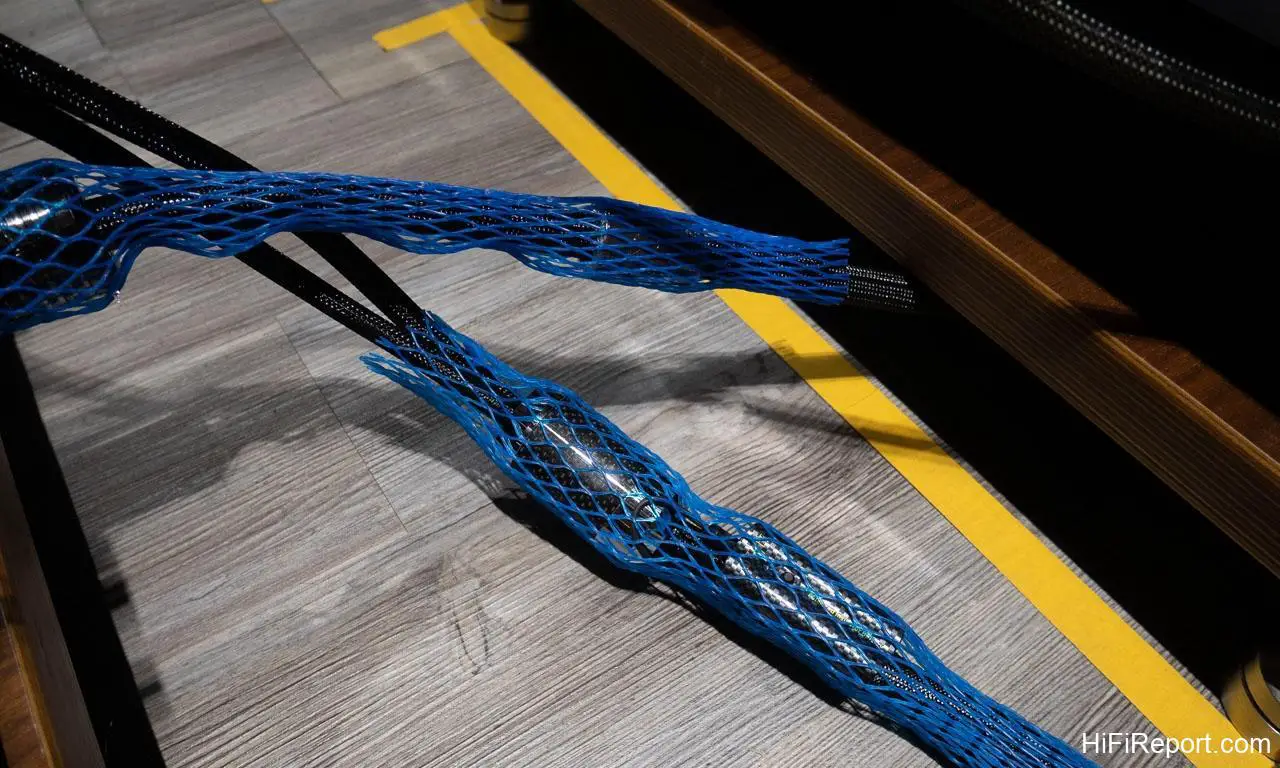
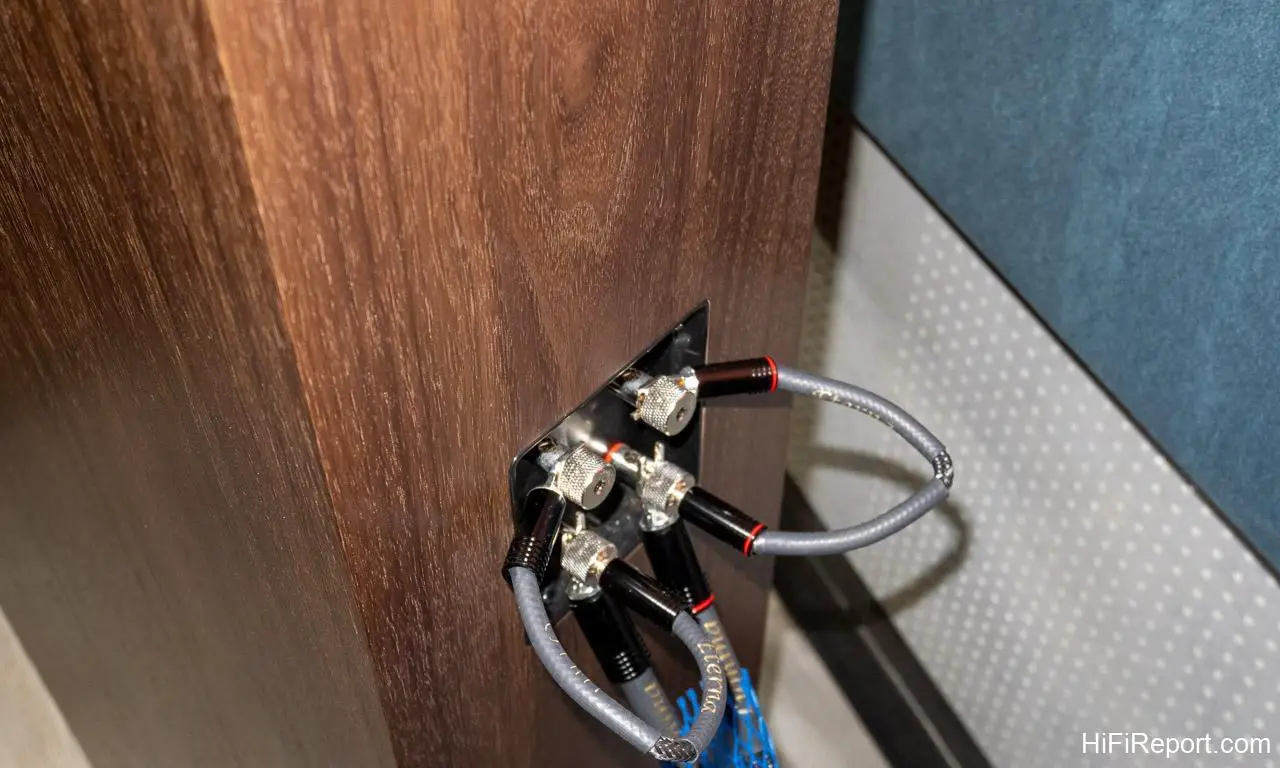
At this point, I must make a special mention of another crucial factor behind the excellent sound during this session. Before this audition, Jimmy had replaced the main power and speaker cables with Esprit cables. The overall reproduction gained a greater sense of openness and liveliness, and micro-dynamic details became even more apparent.
Esprit Cable was founded in 1997 and offers a vast range of cables across 11 series. They have become the largest high-end audio cable leader in France. The Eterna series cables chosen by Jimmy represent Esprit’s core lineup. Starting from this series, they feature the exclusive “bias battery box device,” which introduces a 12V voltage into the insulation layer to reduce capacitive reactance and further minimize noise interference.
Esprit’s progressive shielding structure is also quite unique; it addresses the issue where traditional cable shielding can suppress liveliness while simultaneously shielding against noise to achieve a quieter musical background. Our site interviewed Esprit Cable President Richard Cesari last year, providing a detailed introduction to their technology and design philosophy.
Conclusion
Finally, I’d like to share my impressions of “A Song for Thor,” the first track on the album “Thunder” by Stephan Micus, a musician skilled in playing ethnic instruments from around the world. First and foremost, the kick drum hit at the beginning of the track is noteworthy. While the K6 Signature speakers aren’t particularly large in physical size, the kick drum they reproduce is truly immense in scale.
Furthermore, they convey the energy of the drumhead’s vibration with remarkable looseness and layering. Beyond that, the cymbal strikes are incredibly lively, and the sound quality of lightly tapped metal bells is transparent and ethereal.
From the performance on this track, we can discern that the K6 Signature’s three frequency bands are exceptionally well-balanced, and the entire frequency range exhibits consistent transparency and layering. Crucially, these qualities are fully evident even when played at moderate volumes.
Although the K6 Signature is significantly smaller than the Response 4, the former flagship I so admired, its playback energy far exceeds the constraints of its cabinet size. The purity of its sound quality and delicate texture have been refined to an even higher standard. One could say that founder Stuart Tyler’s over 40 years of research have been distilled entirely into the K6 Signature’s remarkably compact cabinet, allowing it to integrate effortlessly into typical home environments.
Without question, as ProAC’s sole “Signature” edition, the K6 Signature stands as ProAC’s highest achievement and a truly exemplary piece with significant collectible value.
Specifications
* Type: 3-way, 4-driver, bass reflex floorstanding loudspeaker
* Drivers:
* Ribbon tweeter × 1
* 3-inch dome midrange driver × 1
* 6.5-inch polymer-impregnated Kevlar diaphragm bass drivers × 2
* Frequency Response: 25Hz-30kHz
* Nominal Impedance: 4 Ohms
* Sensitivity: 90dB (1W/1M)
* Recommended Amplifier Power: 10-250 Watts
* Dimensions (HWD): 1150 × 212 × 344mm
* Weight: 44 kg