
PS Audio LANRover USB Transporter Review
American High-End audio manufacturer PS Audio is committed to developing top-tier audio equipment. Their product range, including turntables, DACs, and power processors, consistently offers impressive performance at attractive price points. Now, PS Audio extends its High-End ethos to computer audio users with the LANRover USB Transporter, tackling noise issues, the most vexing problem in computer-based audio, right at its source.
The LANRover USB Transporter (hereafter referred to as LANRover) is a remarkably user-friendly device. Its design is straightforward and easily understood. Initially launched in the first half of 2016, it officially entered the market at the end of the year. Our testing reveals it to be highly effective, offering significant benefits for computer audio enthusiasts.
Deep Dive into High-End Design Logic
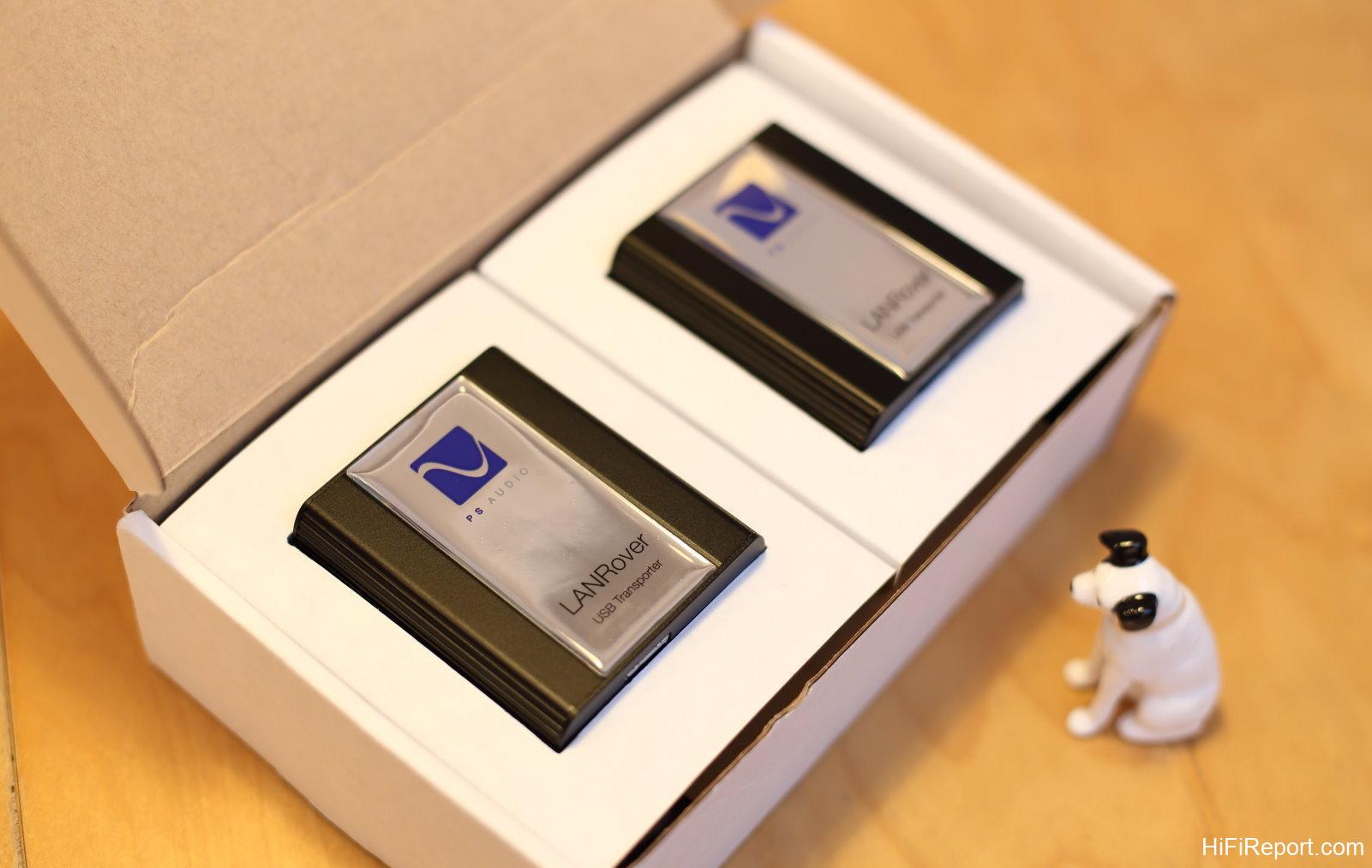
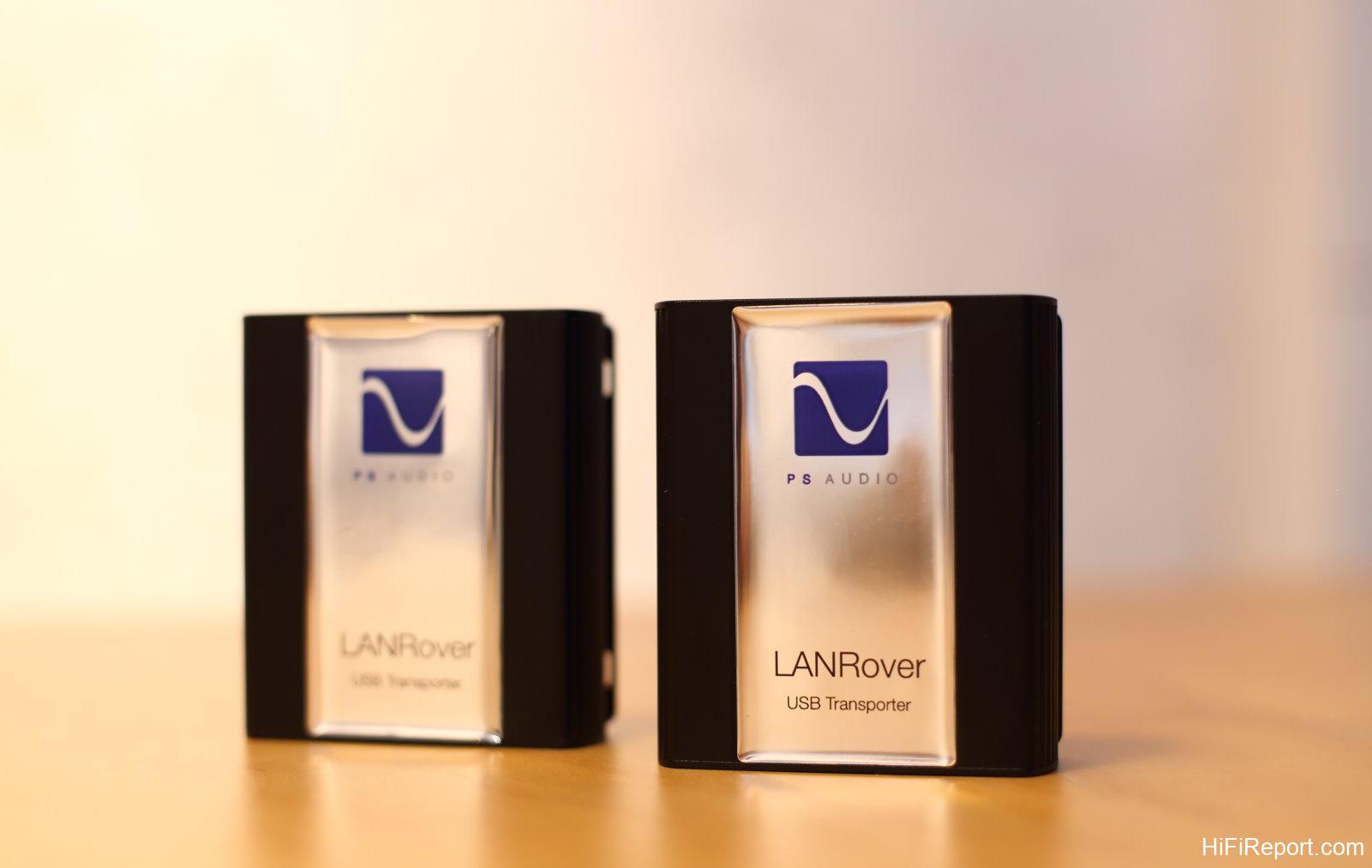
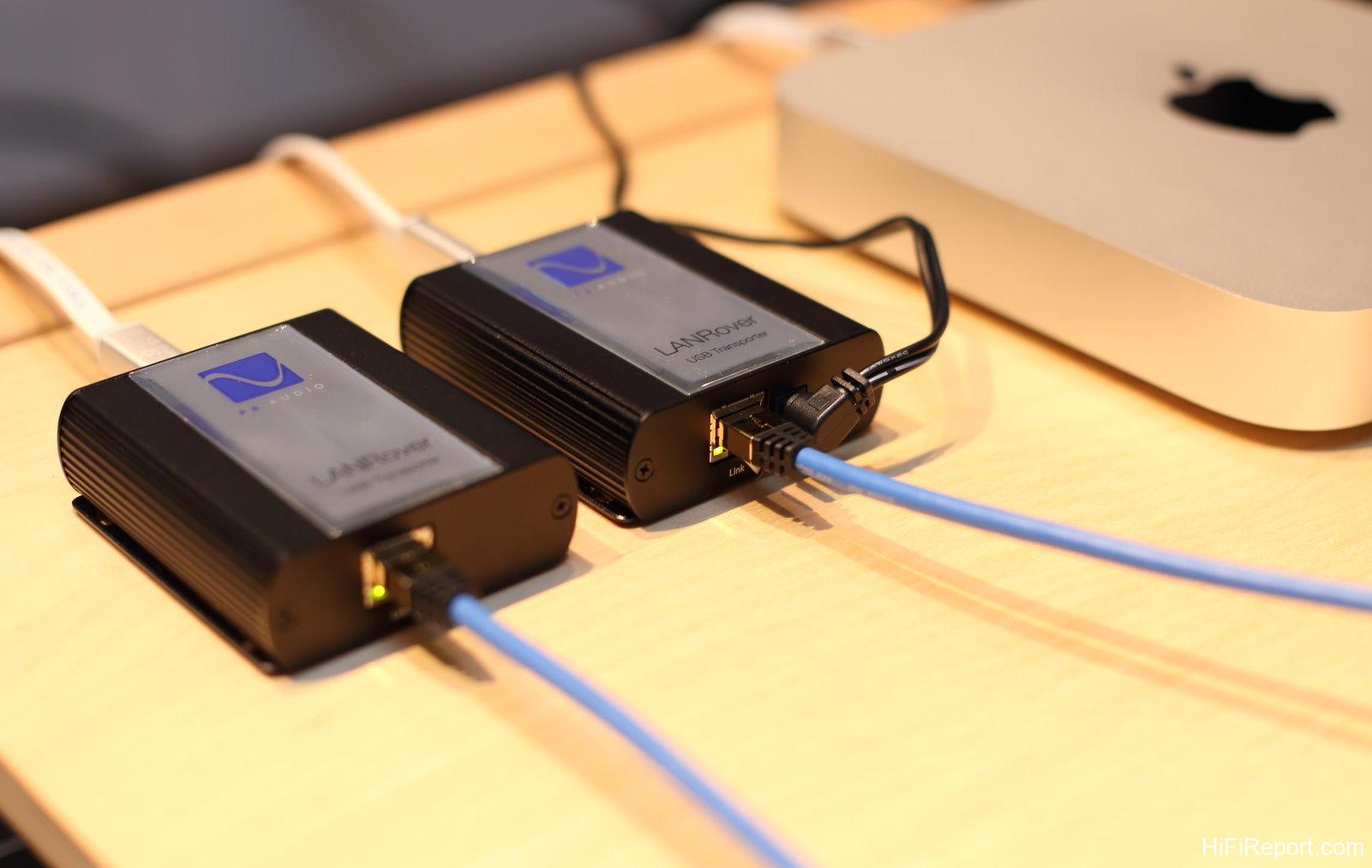
The market isn’t new to products aimed at resolving computer audio noise. Typically, these solutions involve inline filters inserted into the USB cable path connecting the computer to the DAC. Upon unboxing the LANRover, the first major difference is immediately apparent: its two-piece design, unlike the common single-unit approach. Each of the two black boxes, housed in aluminum casings to shield against external wireless interference, is roughly palm-sized.
Their compact footprint caters to the space-saving needs of computer audio users.
Visually, the two LANRover units are nearly identical, differing only in their input and output terminals. One is designated as the “sender,” and the other as the “receiver.” Due to the distinct USB connector orientations, incorrect connection is virtually impossible, eliminating the need for explicit labeling.
A Bridge Isolating Computer and DAC
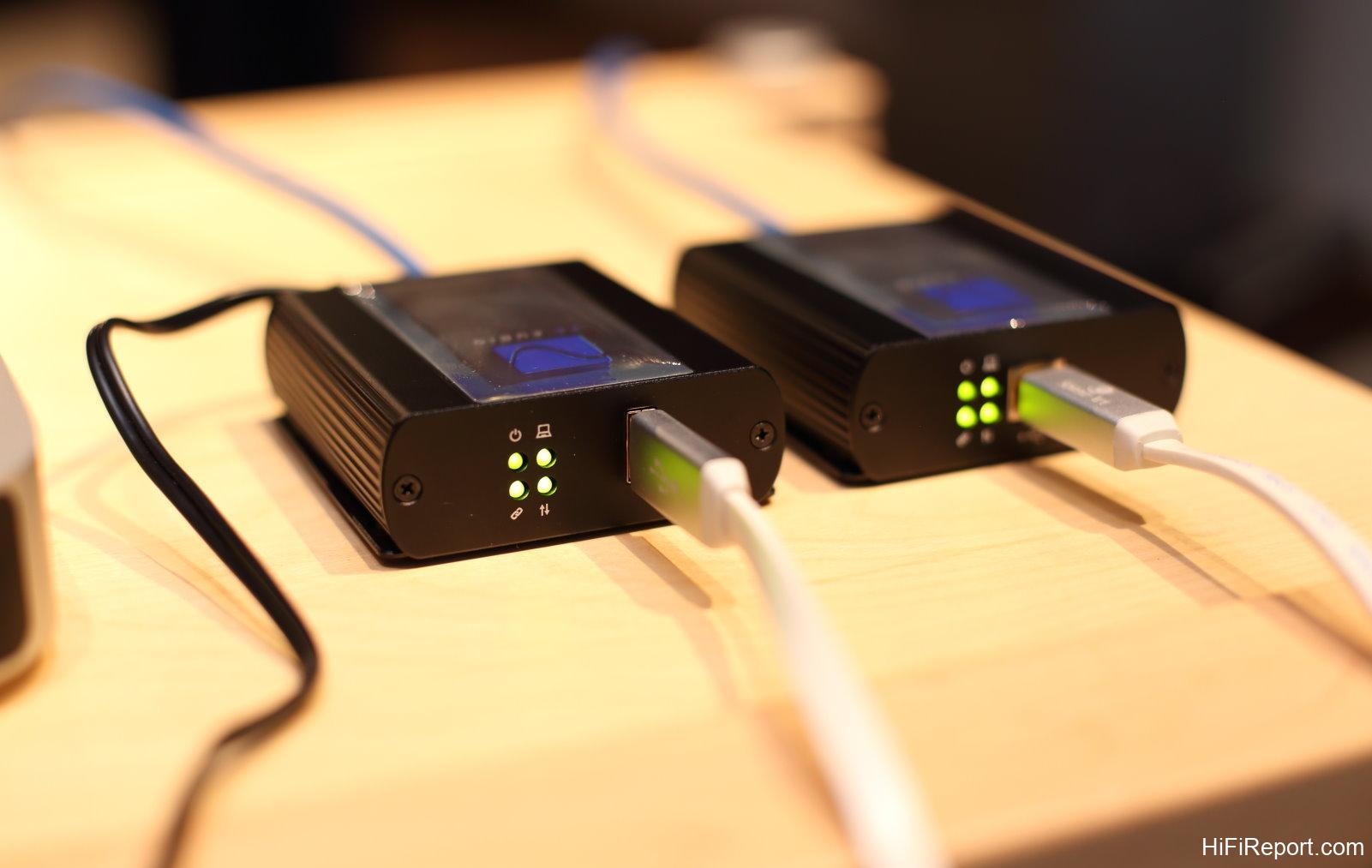
On the front panels of both units, you’ll find USB ports and status indicator LEDs. Let me first explain the connection method of the LANRover to enhance understanding. The LANRover acts as an intermediary bridge between the computer audio source and the DAC, primarily utilizing USB connections. The sender unit on the right receives the audio signal from the computer via USB, while the receiver unit on the left transmits the signal to the DAC, again via USB.
Therefore, users will need to supply two USB cables.
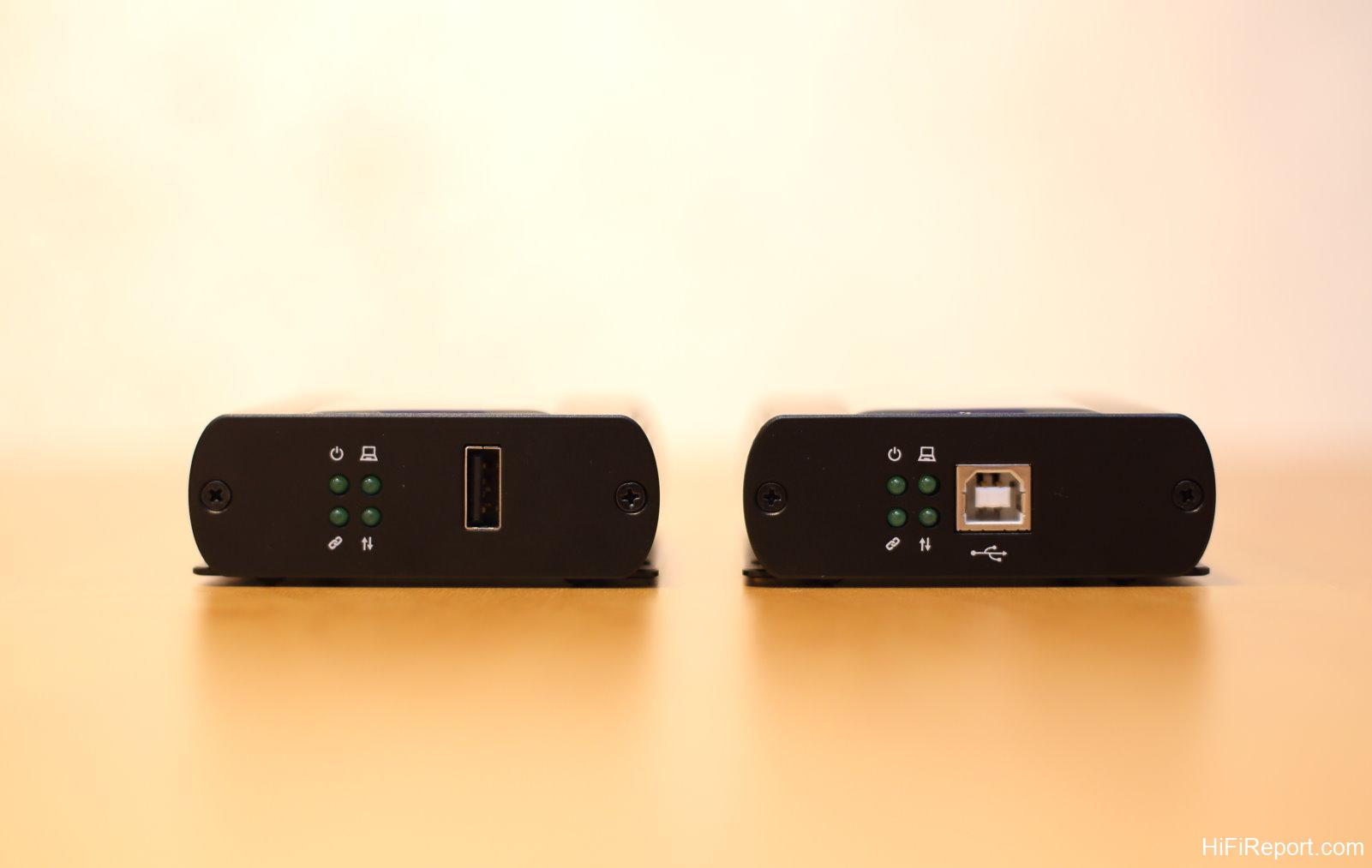
The LANRover’s USB ports support up to USB 3.0 specifications, with a maximum transfer rate of 480Mbps. It accommodates PCM files up to 192kHz/24bits and DSD audio formats from the computer source. Each LANRover unit features four status LEDs: the top left indicates power, the bottom left illuminates when the two LANRover units are linked, the top right lights up upon receiving a signal from the computer, and the bottom right illuminates during file transmission.

Reorganizing Files, Addressing Noise and Jitter
On the rear panel, each unit is equipped with an Ethernet port. Once both units are connected to the computer source and DAC via USB respectively, they are linked to each other using an Ethernet cable. The LANRover sender converts the digital signal from the computer source into Ethernet packets for transmission to the receiver.
“The core of LANRover’s effectiveness lies in this signal reception and conversion process. Its High-End performance stems from the sender unit’s ability to re-process the digital signal received from the computer via USB. It performs re-timing and rebuilding, effectively eliminating noise and addressing crucial digital timing issues (jitter). The signal is essentially restored to its pristine, original state before being converted into network transmission packets for onward transmission.”
Network Cable Extends Reach to 100 Meters
USB, while convenient and widely used, has inherent limitations. Firstly, it facilitates “bidirectional” noise transmission between the computer source and the DAC. Noise not only originates from the computer but can also be fed back from the downstream components, especially when a sensitive DAC operates in a less-than-ideal environment, negatively impacting sound quality. LANRover not only regenerates the signal but also isolates the computer source from the DAC.
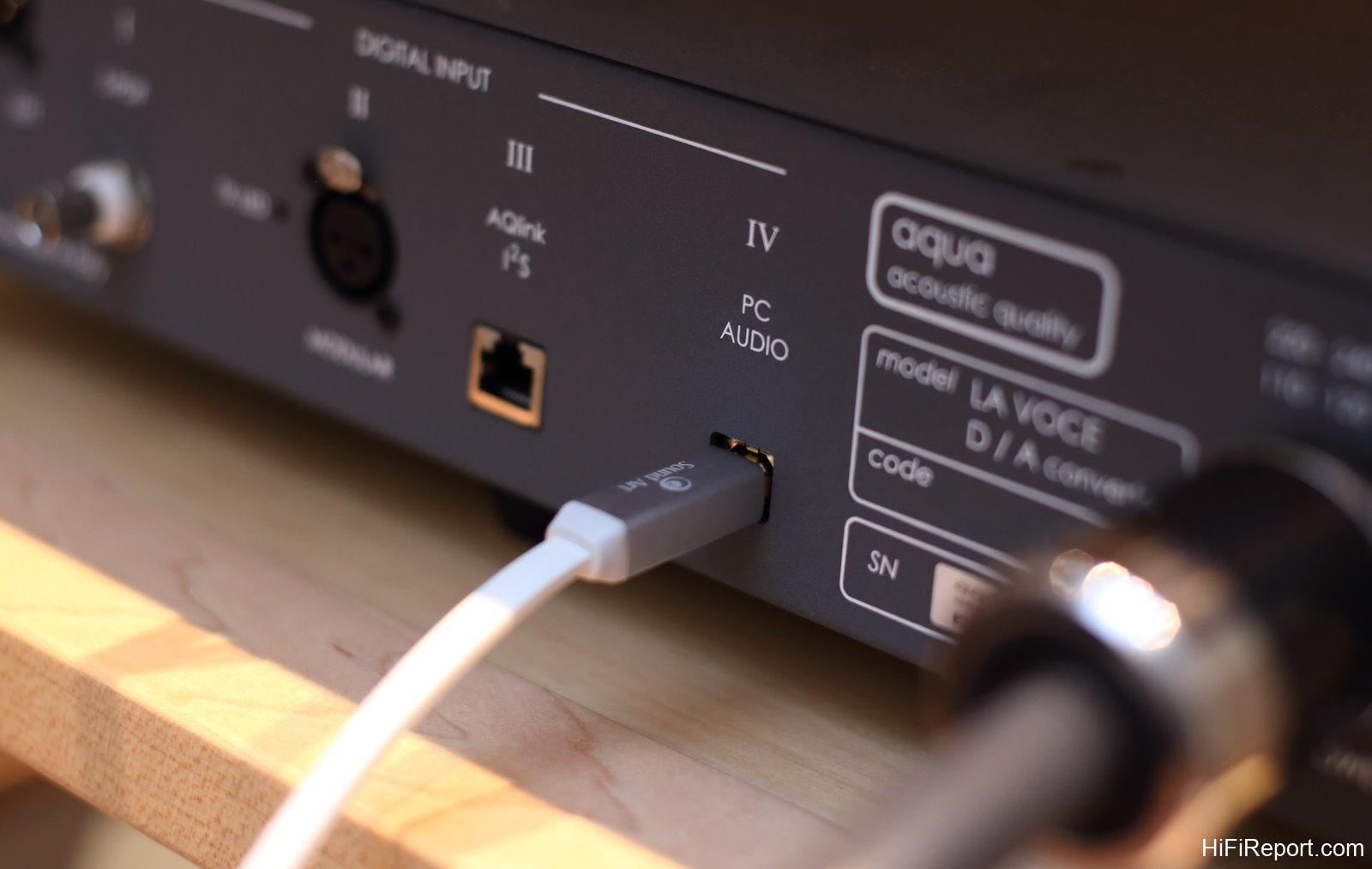
Secondly, signal degradation over USB cables increases significantly with cable length. By converting the signal into network packets, LANRover leverages network cabling to extend transmission distances to an impressive 100 meters. In practical terms, this allows users to physically separate the computer source from the audio system, keeping computer-generated noise far removed from the listening space.
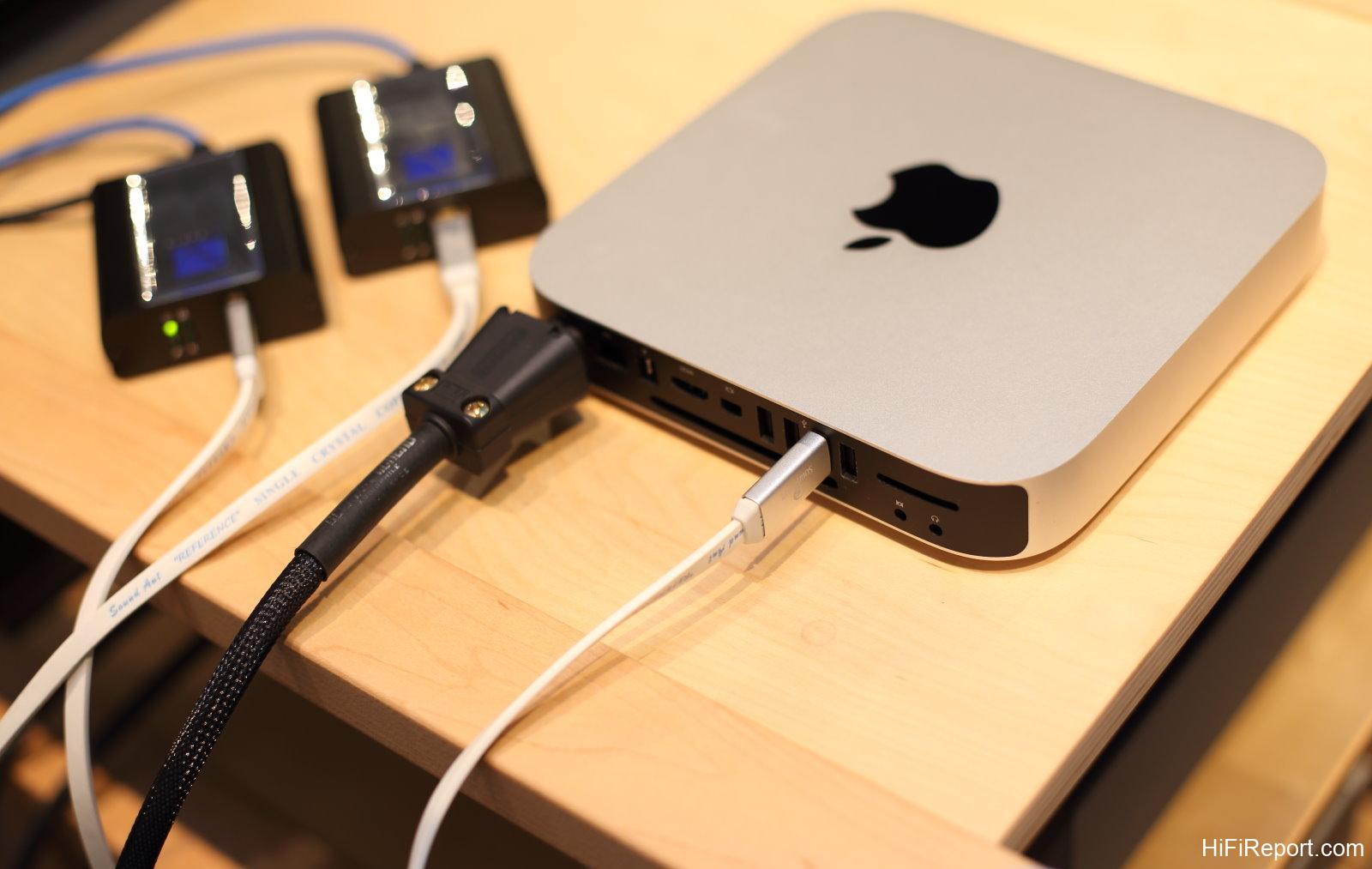
The sender unit, connected to the computer source, is powered via USB. The receiver unit, connected to the DAC, includes a 5V power input and comes with a power adapter and cable.
In typical operation during music playback, all LEDs will be illuminated. For optimal performance, position the sender as close to the computer as possible and the receiver as close to the DAC as possible, using the shortest possible USB cables. Naturally, higher quality USB cables are recommended, and if you have one superior cable, it’s best used on the DAC side.
Router Option for Extended Distances
The two LANRover units are interconnected via a CAT 5e or higher Ethernet cable. A significant advantage is the virtually unlimited cable length, with the manufacturer specifying up to 100 meters, which should be ample for most users. If users already have pre-installed long-distance network cabling and prefer not to run another dedicated cable, they can utilize a router. Connecting each unit to the home network router achieves the same functionality.
Any DAC equipped with USB input can be used with LANRover. LANRover provides only USB output and does not offer other digital output options.
Many audiophiles, even those with turntables or CD players, often incorporate computers as audio sources. LANRover offers a straightforward path to achieving enhanced sound quality in such setups. In our practical evaluation, we used a Mac Mini as the source, playing music files stored on the computer, and compared the listening experience with and without LANRover.
Reducing Sonic Harshness
A common drawback of using a computer as an audio source is a perceived sonic harshness or restlessness, lacking a sense of stability and making extended listening sessions fatiguing. It’s akin to an fidgety, impatient youth. Upon introducing LANRover into the system, the background immediately became noticeably blacker, and the sense of sonic agitation diminished. The overall sound became more composed and stable.
Kit Chan’s vocals became smoother, especially the reduction of graininess and congestion in the high-frequency range of her voice, resulting in a more natural and relaxed presentation.
Music Becomes Smoother and More Fluid
Adding LANRover brought forth a gentler, more refined Paula Cole. This album boasts excellent recording quality, with vocals that sound exceptionally sweet even on neutral systems. The blacker background further enhanced perceived resolution, making the enunciation of lyrics clearer and more distinct, yet also more cohesive. LANRover’s impact is demonstrably significant, increasing smoothness and fluidity.
Musical notes flowed more naturally and extended more gracefully, with a palpable reduction in previously subtle harshness.
Sound Becomes More Stable and Grounded
Winterplay, a Korean Pop Jazz group, produces albums with clean and transparent sound, characterized by a lively and engaging style. With LANRover in place, the sound remained vibrant without becoming strident. It enhanced the coherence between vocals and instrumentation, resulting in a nimble, fluid, and grounded sonic presentation. The sound gained a sense of solidity, eliminating any feeling of ethereal lightness or instability.
Computer Audio Source and USB DAC Solution
The PS Audio LANRover USB Transporter is meticulously designed for audiophiles who utilize computers as their primary audio source. Many computer audio enthusiasts invest in optimizing their computer setups. If you’re using USB transmission, LANRover is definitely worth exploring. It provides a comprehensive solution, boasting a compact and aesthetically pleasing design, ease of use, effective isolation between computer and DAC, and the pedigree of a High-End audio manufacturer.
What reason is there not to give it a try?
Specifications
* **Input:** USB 2.0 or 3.0
* **Output:** USB 2.0 or 3.0
* **Data Rate:** Up to 480 Mbps
* **PCM Support:** Up to 192kHz/24-bit
* **DSD Support:** Yes
* **Ethernet Connection:** 100Base-T
* **Maximum Transmission Distance:** 100 meters
* **Power (Receiver):** 5V DC (external power supply included)
* **Power (Sender):** USB Powered
* **Dimensions:** (Each Unit) Approximately Palm-Sized
* **Housing Material:** Aluminum
“`