
Revival Audio Atalante 4 Review
Revival Audio, hailing from France, has taken the Hi-Fi world by storm. Established only in 2021, they launched the acclaimed Atalante 5 in September 2022. In just over a year, their global distribution network has expanded rapidly, a testament to the inherent quality of their products. Recently, Revival Audio has broadened its flagship Atalante range with a new addition. Unlike the bookshelf designs of the Atalante 5 and Atalante 3, the Atalante 4 is a floor-standing speaker, completing the Atalante lineup and offering consumers a wider selection based on their listening space. The Atalante 4 was promptly delivered to the MY-HiEND listening room for review.
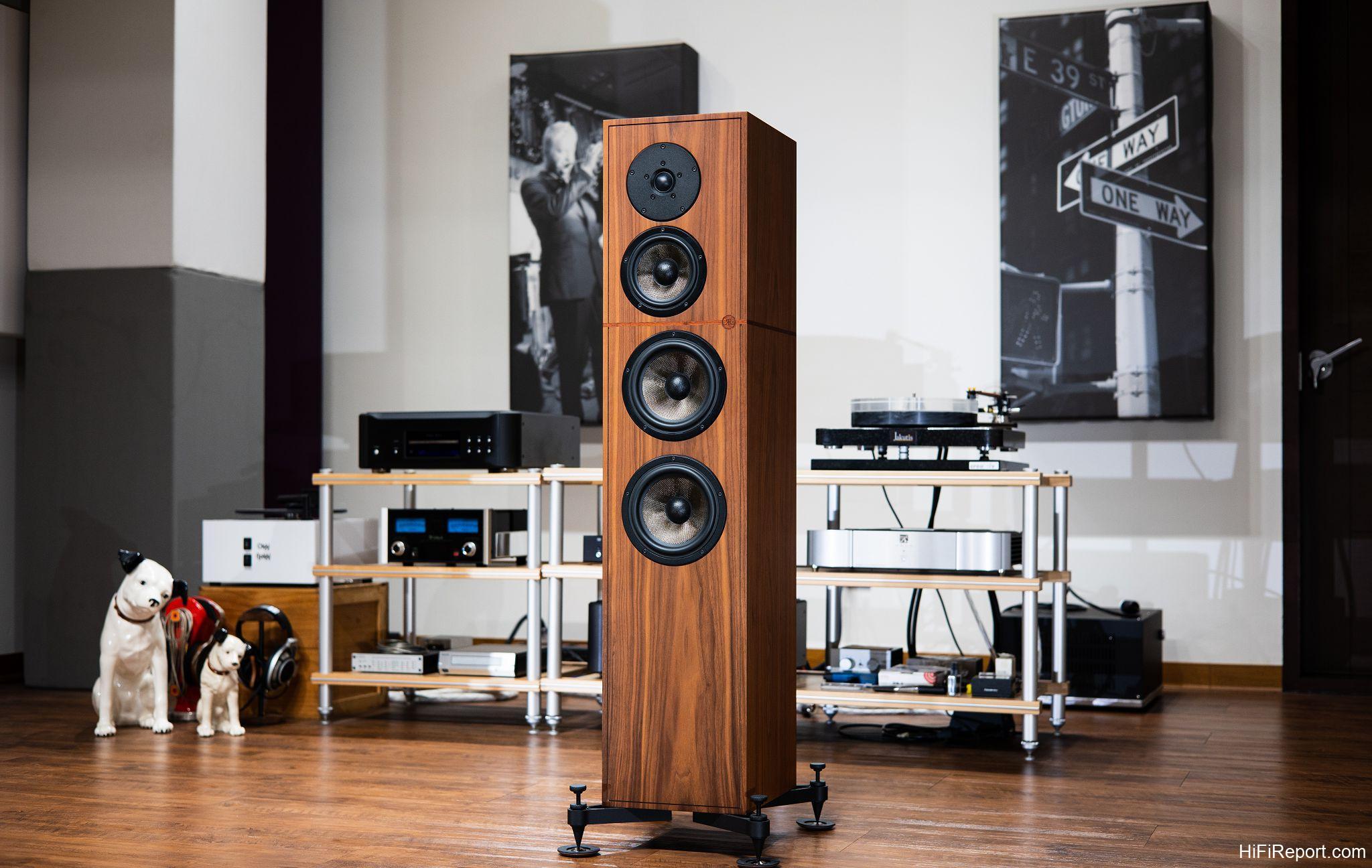
The model number clearly indicates the Atalante 4’s position within the range, slotting neatly between the Atalante 5 and Atalante 3. It employs a 3-way, 4-driver configuration. Staying consistent with the Atalante family, it features a 28mm soft dome tweeter. However, the midrange is a newly developed 5″ BSC (Basalt Sandwich Construction) driver, while the dual 7″ BSC woofers are shared with the Atalante 3.
Looking at the componentry, the Atalante 4 is poised to deliver a broader frequency range, greater energy, and enhanced dynamics compared to the Atalante 3. However, when contrasted with the Atalante 5, which boasts a large 12″ BSC woofer, the Atalante 4 will naturally offer slightly less low-end energy and extension. The Atalante 5 reaches down to 28Hz, while the Atalante 4 extends to 38Hz. Customers can select the ideal model based on their room size and system synergy.
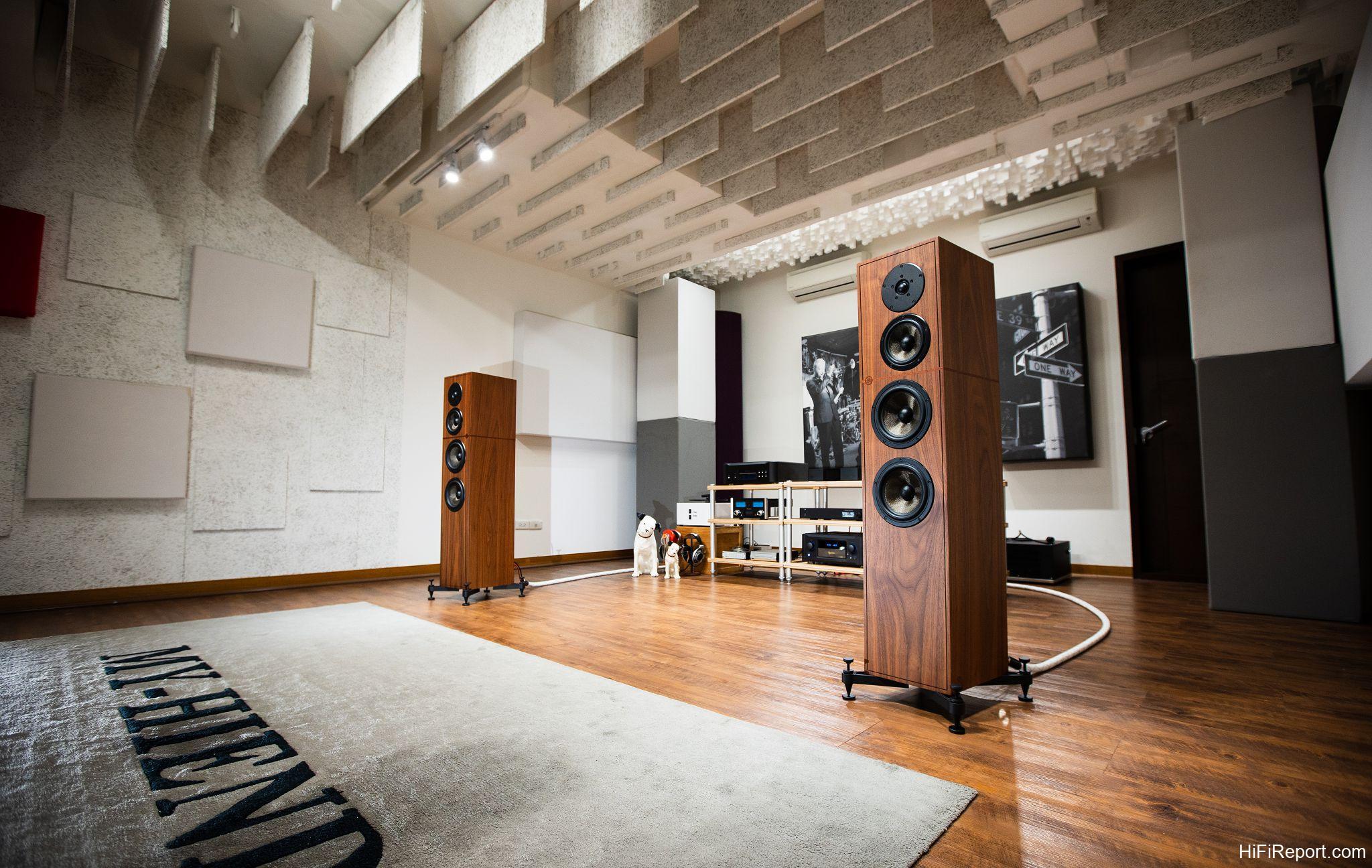
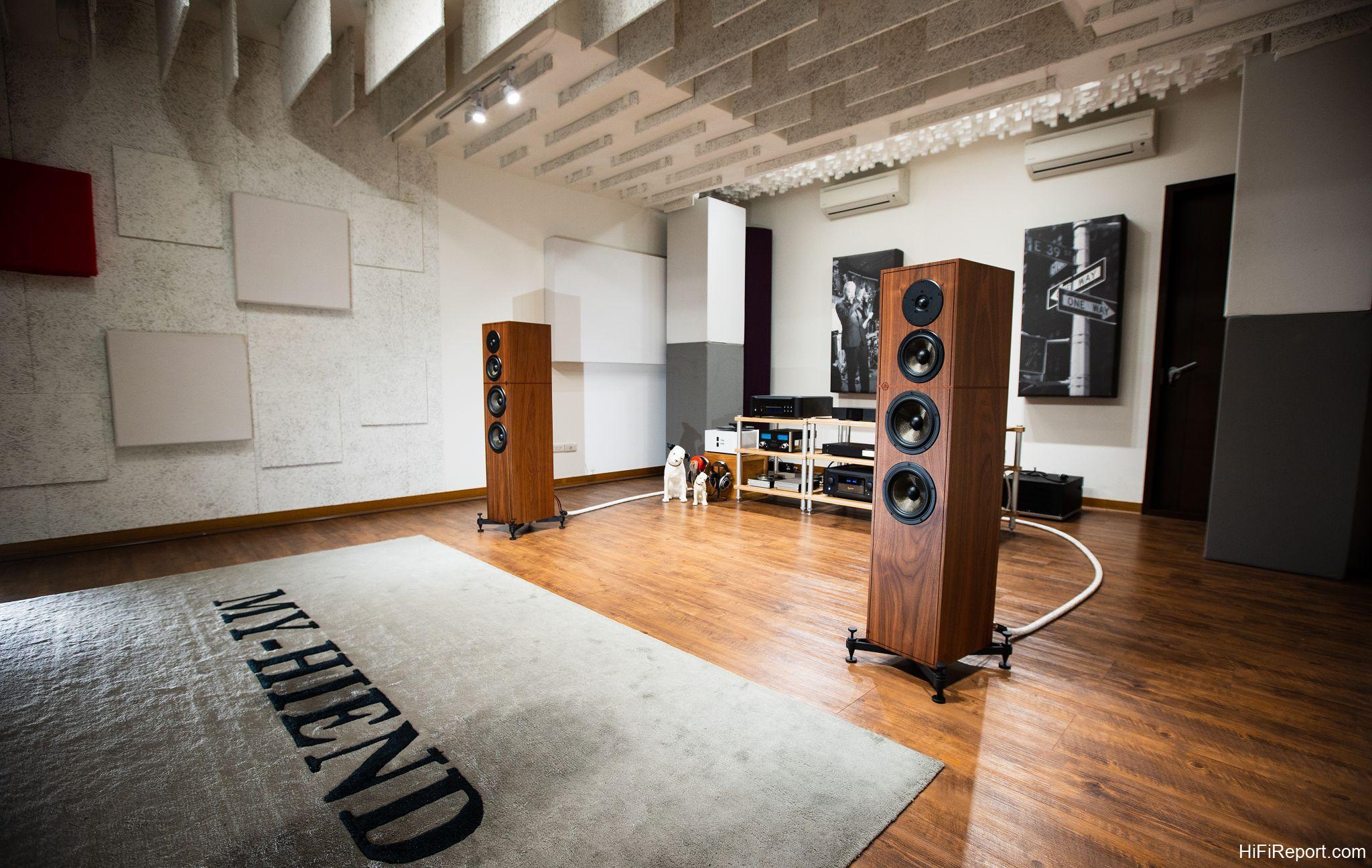
Revival Audio’s product design is a collaboration with renowned French design firm A+A Cooren Design Studio, achieving a balance between French and Japanese aesthetics. The cabinet is crafted from hand-selected walnut wood, and bass reflex ports are located on the rear, both top and bottom.

Two-Part Speaker Grille
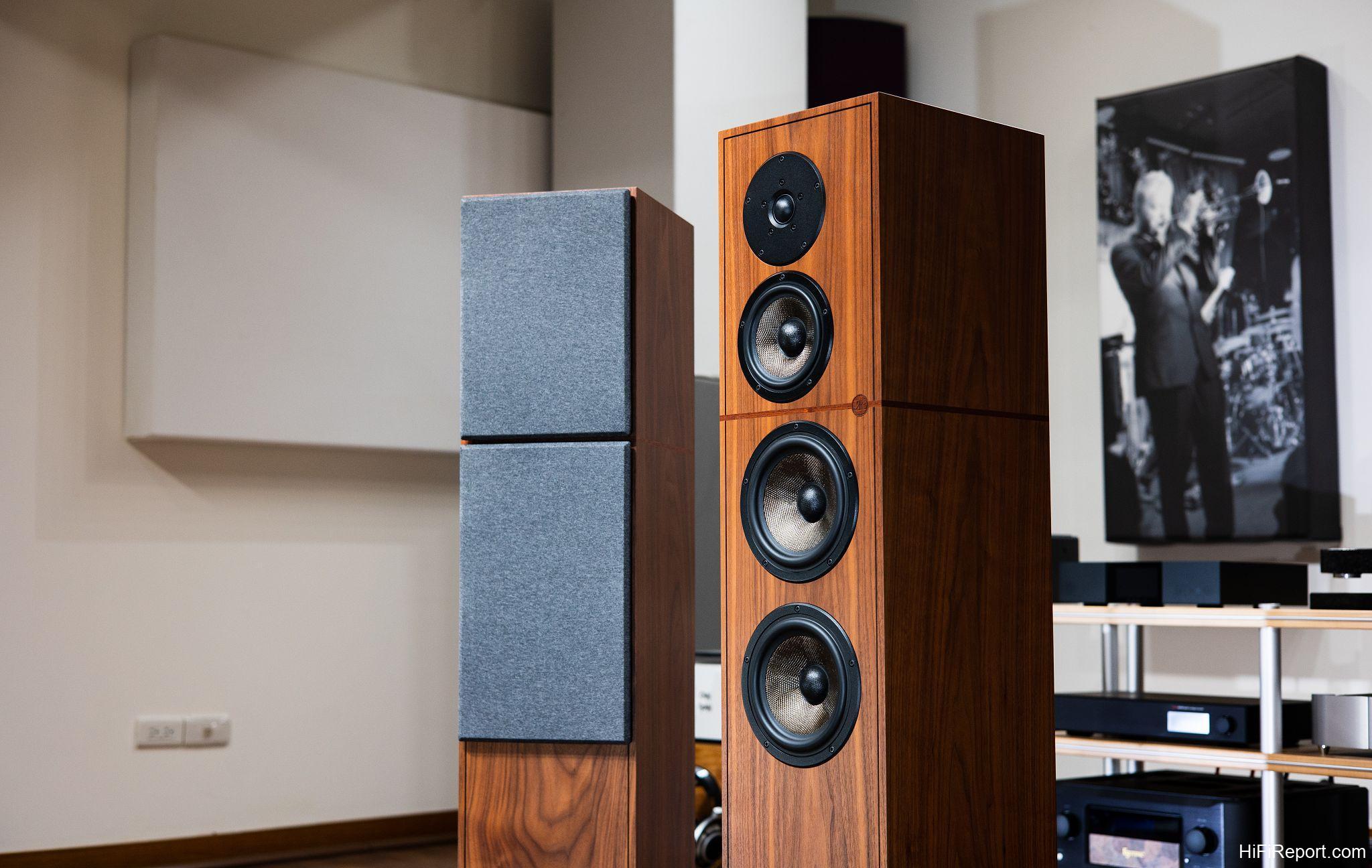
Similar to the Atalante 5, the speaker grille employs a two-part design, offering greater flexibility and ease of use. It’s also easier to remove and store compared to a single-piece grille.

Revival Audio Patented Tweeter Technology
All Atalante models utilize this in-house developed 28mm RASC soft dome tweeter. RASC is Revival Audio’s proprietary coating, and it incorporates Revival Audio’s patented ARID (Anti-Reflection Inner Dome) technology, capable of absorbing over 95% of internal chamber resonances.
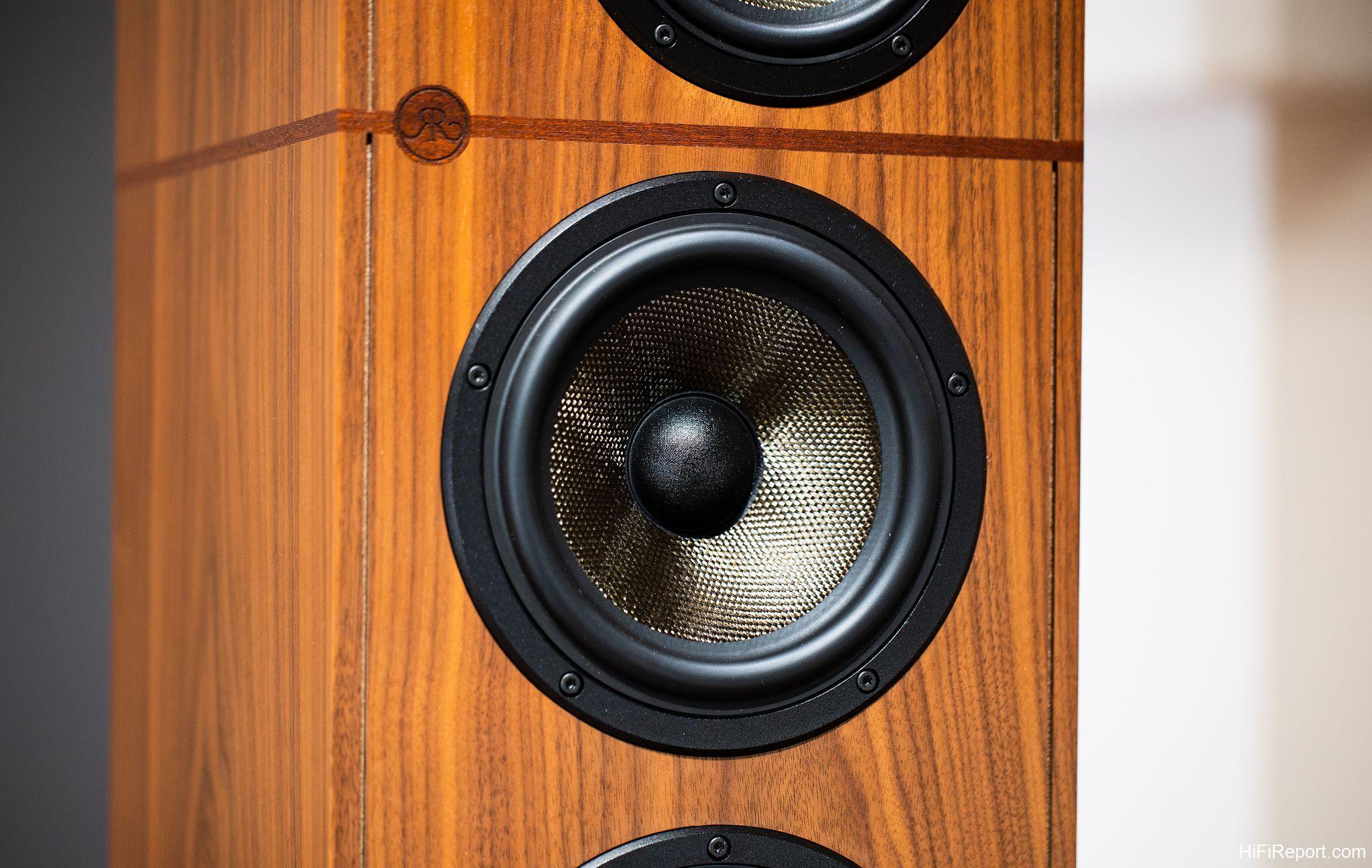
BSC Basalt Sandwich Construction Drivers
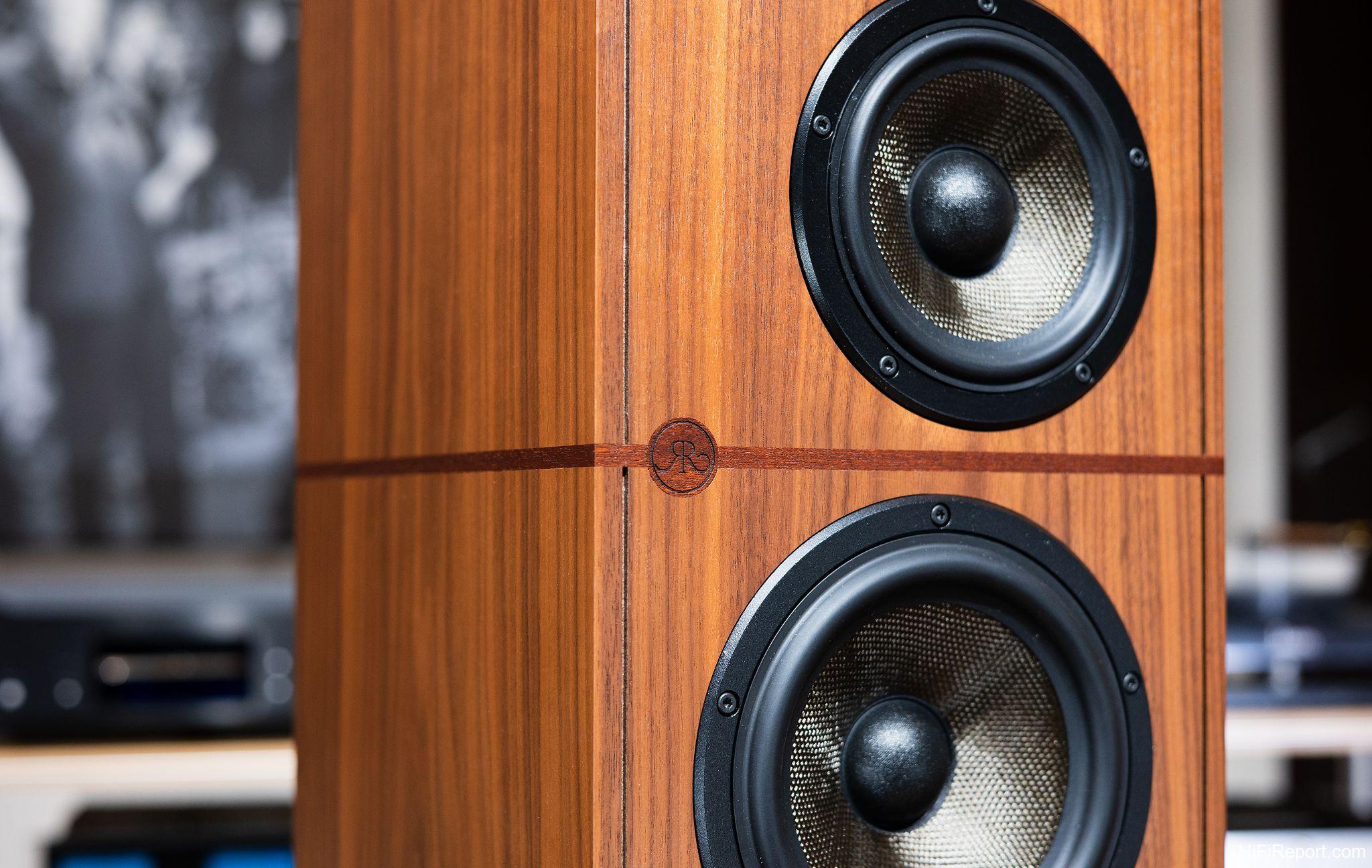
The ribbon lines and logo on the cabinet are precision laser-engraved, adding a refined touch. The 5″ midrange driver and dual 7″ woofers utilize Revival Audio’s in-house developed BSC (Basalt Sandwich Construction) sandwich structure drivers. Revival Audio is the industry’s first manufacturer to adopt basalt as a driver material, known for its high rigidity, lightweight nature, and excellent damping properties. The drivers are equipped with oversized ferrite magnets. The crossover is meticulously tuned by hand, by ear, using carefully selected audiophile-grade components, including Van den Hul Skyline Hybrid wiring.
ARID Technology for Resonance Absorption
A device installed behind the driver to absorb resonance. This is Revival Audio’s patented ARID (Anti-Reflection Inner Dome) technology.
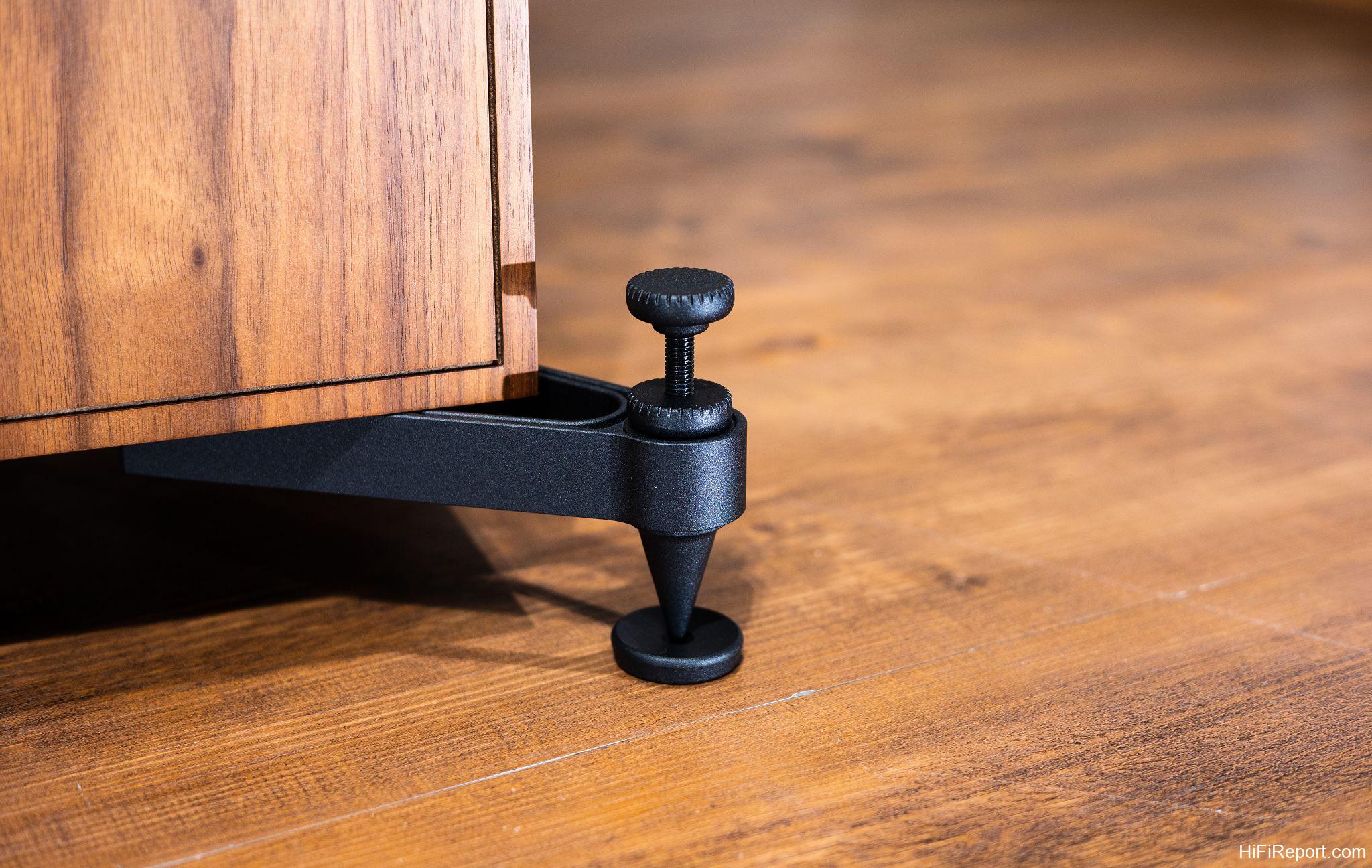
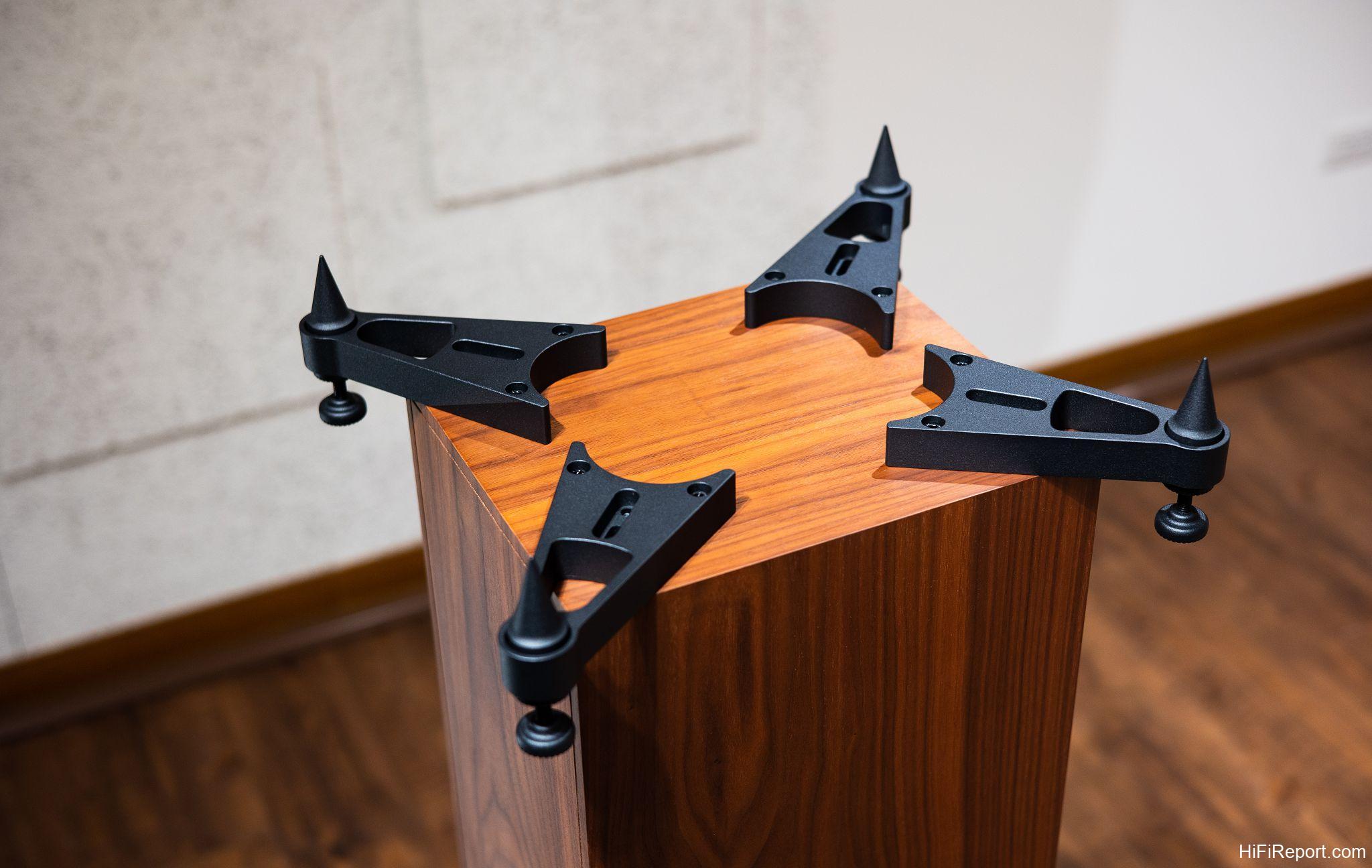
Premium Spike Set
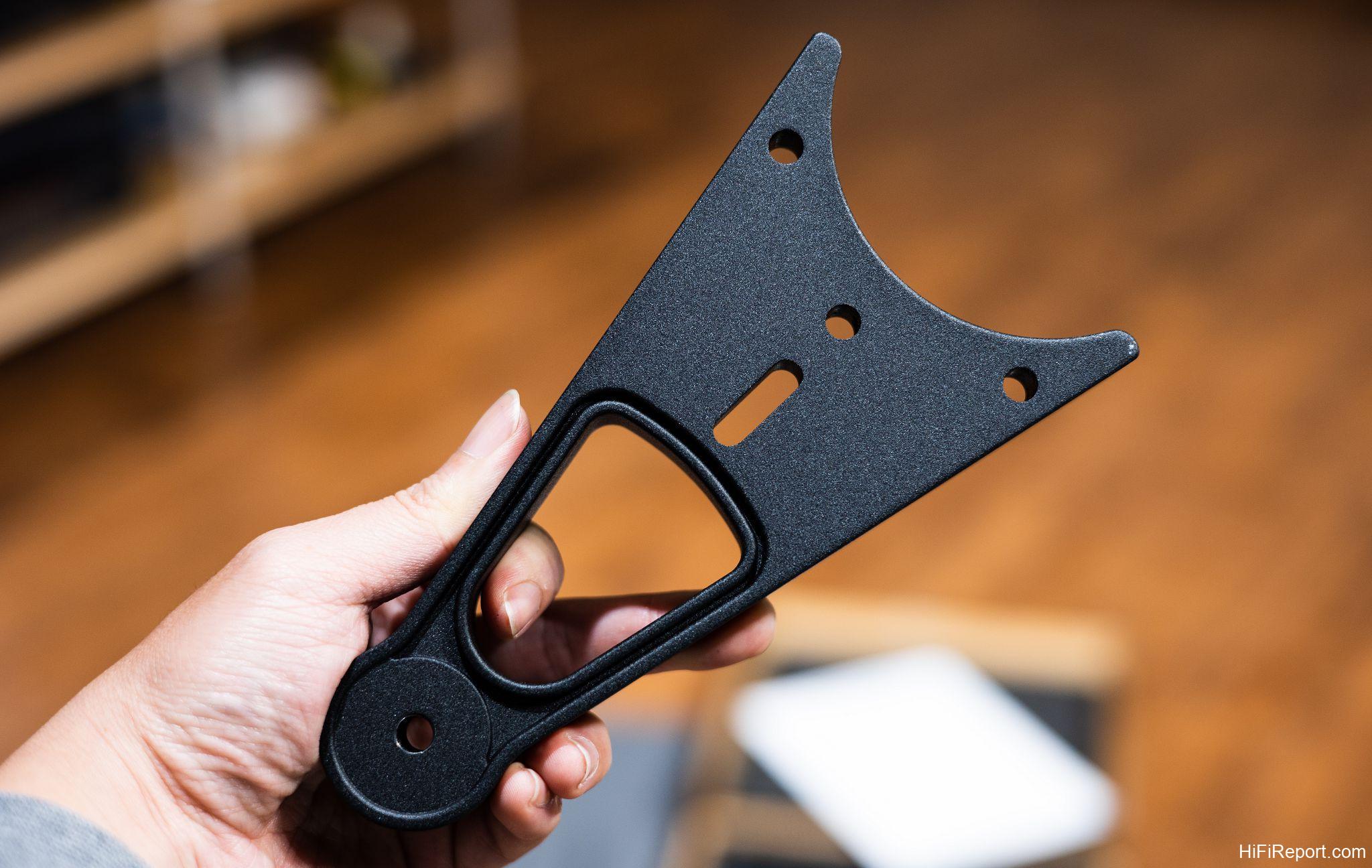
The base and spike design of the Atalante 4 are quite distinctive (Premium Spike Set), likely made of stainless steel, and feature height adjustability for leveling.
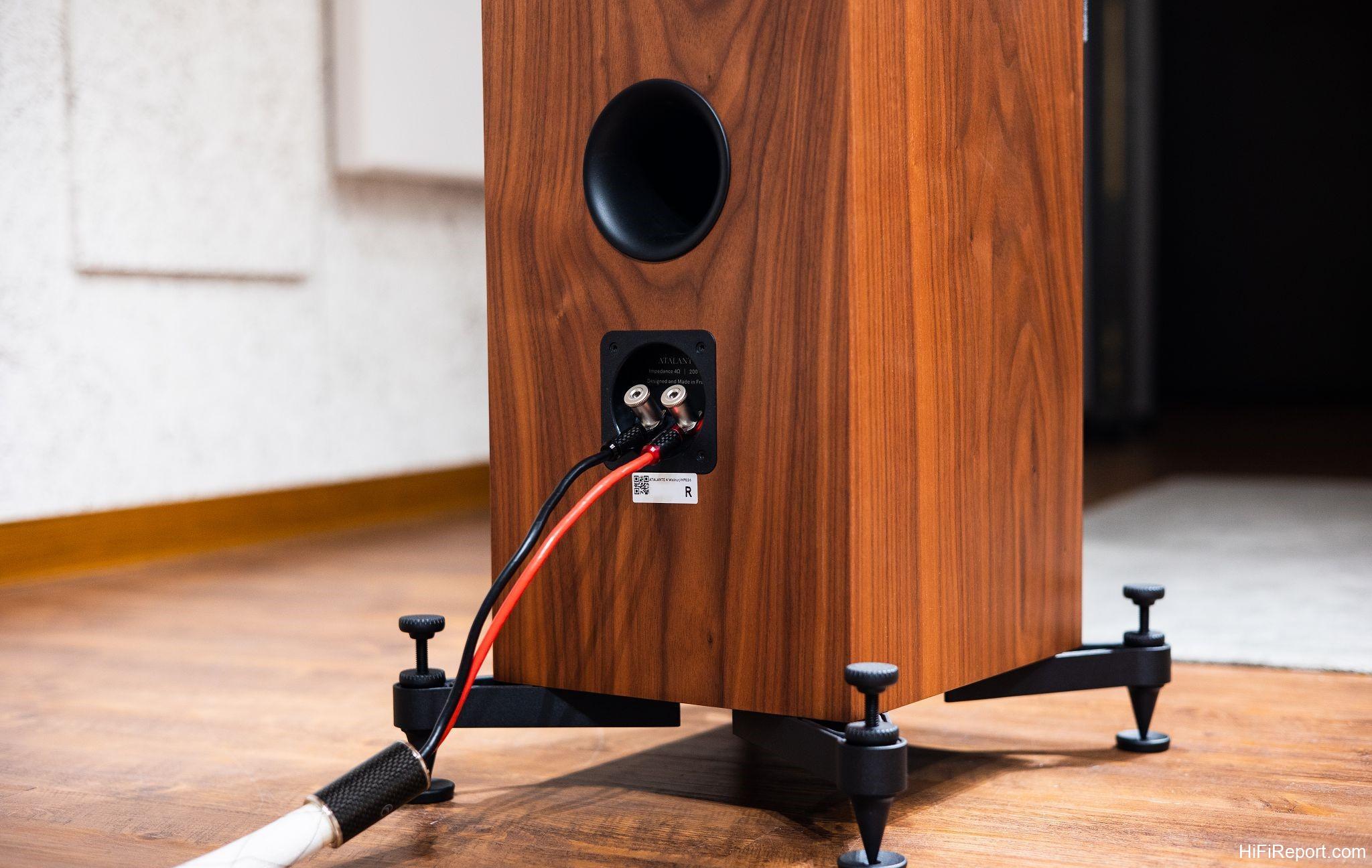
Left and Right Channel Designation
Unlike the Atalante 5 or 3, the Atalante 4 is marked at the factory as left (L) or right (R) channel, indicating the tweeter is positioned on the outer side.
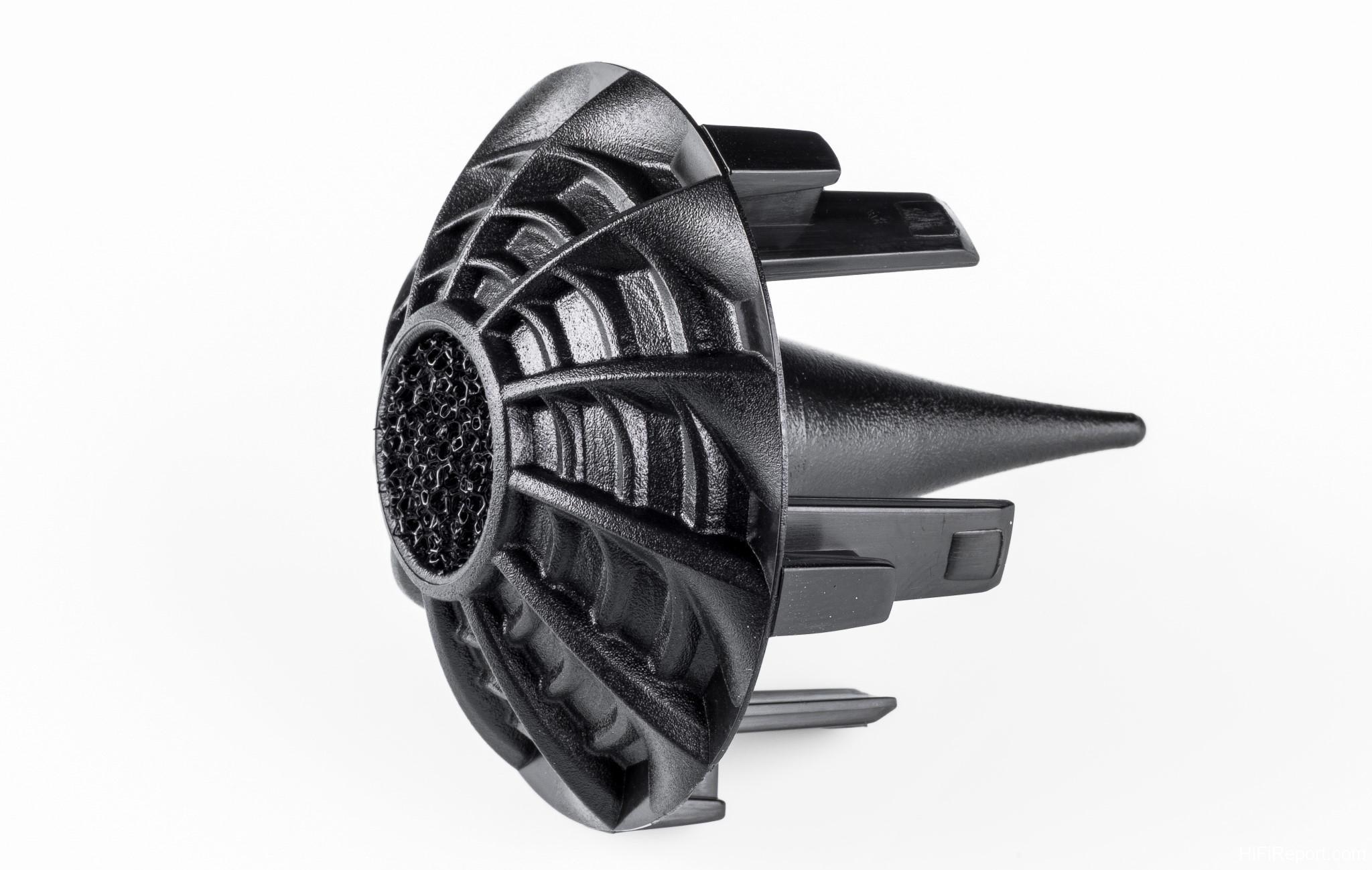
Acoustic Foam Tuning Cylinders
The factory includes high-density acoustic foam cylinders for the bass reflex ports, which can be used for tuning. Users are encouraged to experiment with their effect.
Highly Competitive Newcomer
If there’s one loudspeaker brand that has rapidly ascended in popularity over the last couple of years, it’s undoubtedly Revival Audio from France. From the moment their debut product, the Atalante 5, emerged, many were intrigued by its design – a blend of classic speaker aesthetics with thoughtfully modern touches. At first glance, they might appear reminiscent of established heritage brands, yet closer inspection reveals sophisticated design nuances. Shortly after experiencing their sound and learning their price points, it became clear that Revival Audio was offering exceptional value.
Beautifully designed, sonically impressive, and crucially, affordably priced compared to increasingly expensive competitors, they represent a compelling trifecta of desirability. Upon their introduction to Taiwan by Artsound Audio, sales swiftly took off. We too had the opportunity to experience the Atalante 5 and Atalante 3 bookshelf models, both the larger and smaller siblings. The tangible quality, design execution, and rich wood grain were immediately striking upon unboxing, exceeding even the expectations set by photographs. Revival Audio emphasizes their collaboration with A+A Cooren, a recipient of prestigious French design awards, in crafting the exterior, resulting in uniquely clever details within the traditional wooden cabinet framework.

Elegant and Sonically Impressive Floorstander
Revival Audio recently unveiled the Atalante 4, the first true floor-standing model in this series. Staying true to their commitment to accessible pricing, the Taiwanese distributor has set the price at $4495 USD (NTD 145,000), a welcome proposition for budget-conscious audiophiles. This speaker delivers a balanced performance across various aspects of music reproduction, including scale, energy, timbre, resolution, musicality, detail retrieval, and dynamics.
It should readily satisfy a broad spectrum of music enthusiasts. The 3-way, 4-driver configuration, incorporating dual 7” woofers and a bass reflex design, provides ample energy and soundstage envelopment for medium-sized rooms. The base, spikes, and pads, features not previously seen on the Atalante 5 and Atalante 3, are exceptionally well-crafted. Visually, Revival Audio and A+A Cooren have meticulously refined the product presentation. Sonically, it builds upon the positive reception of its two predecessors in the series, making it an easy and compelling choice for discerning audiophiles.
Neutral with a Touch of Warmth
For initial listening impressions, I turned to Michael Jackson’s “Thriller.” The opening sound of a door creaking open is remarkably realistic, filled with spatial cues and precise localization. The Atalante 4’s soundstage width and depth are impressive, projecting accurate imaging within our listening room. The subtle details of the door opening, combined with the lone wolf’s howl, effectively convey a sense of vast emptiness and desolation.
As the low-frequency rhythm enters, the Atalante 4 immediately reveals a rich and textured background. The overall sonic character is dense yet maintains good resolution, with a pleasing thickness. Paired with our Class A amplifier, the tonal quality exhibits a subtle warmth, leaning towards a highly agreeable sonic profile. Recently, I also had the opportunity to hear the Atalante 4 at the distributor Artsound Audio, driven by different system configurations.
The dynamic and resolving capabilities of these speakers were vividly showcased, presenting a different sonic flavor compared to what I experienced in our listening room. This demonstrates the Atalante 4’s ability to faithfully reproduce the upstream components’ characteristics. Whether handling simple or complex, dynamically demanding musical passages, it defies expectations for a floor-standing speaker in its price range (approximately $4495 USD). It’s safe to say that this speaker delivers exceptional value for money, exhibiting a high level of performance in terms of timbre, dynamics, detail retrieval, musicality, and soundstage imaging.
Grand Soundstage and Impressive Bass
Moving on to “On Paganini: Diabolus in Musica,” the Atalante 4 effortlessly reveals the transparency in the violin’s high frequencies, rendering them remarkably smooth and pleasing to the ear. Simultaneously, there’s a sense of crystalline clarity coupled with a rich and full-bodied texture. The mid-bass frequencies exhibit both resilience and weight, allowing one to perceive the subtle resonance of the violin strings and body, with just the right amount of detail in the bow-string interaction.
During orchestral passages, the presentation becomes grand and expansive, with ample musical authority. The Atalante 4’s bass response demonstrates a palpable and elastic sense of air movement. While I was highly impressed by the 12” woofer of the Atalante 5 in this regard, I was surprised to find a similar sensation emanating from the Atalante 4’s dual 7” woofers. The violin performance on this album is, of course, exceptional. The Atalante 4 vividly captures the agility and rhythmic precision of the playing, with abundant detail. The bow-string friction is rendered neither harsh nor dry, maintaining a suitable level of warmth while preserving neutrality.
Effortless Detail Retrieval
Having previously auditioned both the Atalante 3 bookshelf and Atalante 5 large bookshelf speakers, I was deeply impressed by their meticulous build quality and exceptional sound. This time, the subject of review is the Atalante 4 floor-standing speaker, and in terms of exterior craftsmanship, it maintains that same impeccable standard. For sound evaluation, I began with Alicia Paige’s cover of “Moves Like Jagger.” The Atalante 4 renders the texture of instruments with remarkable realism and a beautifully refined timbre. A subtle sense of airiness surrounds the sonic image, enhancing the tactile impression of the plucked strings.
I also observed that even at moderate volume levels, all details remain clearly discernible. For example, the rhythmic punctuations of the background percussion are vividly rendered, along with subtle nuances like rustling sounds, the drumhead’s tautness, and the impact of each strike – all presented with crisp clarity and prominence. Extended listening revealed a delicate and captivating musicality inherent in the sound. The string tones occasionally exhibit a touch of warm richness, while the vocal inflections are remarkably engaging.
The sound maintains pristine clarity during louder passages, yet in quieter moments, it’s imbued with a gentle, tender quality. Even the subtle vibrato in the vocals is conveyed smoothly, without any sense of jaggedness or abruptness, allowing the notes to ascend and descend with fluidity. After listening, I felt as if the song itself had become even more emotionally resonant.
Excellent Instrument and Vocal Integration
Turning to Eric Clapton’s “Tears in Heaven (Acoustic Live)” for further evaluation, I again found the instrumental reproduction to be outstanding. The textures are distinct, and the sound quality is pristine and transparent, while the timbre remains beautifully expressive and moving. Both the resonance of the strings themselves and the ringing tones they produce convey a palpable sense of three-dimensionality and refinement.
Furthermore, the sound maintains its crisp articulation without sacrificing any inherent elasticity. Combined with the speaker’s precise transient response, these qualities contribute to a captivating sense of sonic immediacy, with notes seemingly springing into existence before the listener. Even the relatively subdued string tones within the track possess a three-dimensional and substantial quality. The instrumental performance alone is already remarkably accomplished. Personally, I felt that in this particular track, the string sound was comparatively dominant. Listening through the Atalante 4 seemed to amplify its vivid texture and dynamic range.
The strings appeared closer to the listening position, and the lateral positioning of sounds seemed slightly more pronounced. However, when integrated with the vocals, the overall presentation became remarkably cohesive. The vocals are presented with a balanced presence, perhaps less aggressively prominent than the strings, but this integration creates a more harmonious and balanced soundstage. The soundstage doesn’t feel weighted towards any particular direction, but rather unfolds into a wide and expansive panorama.
Beautiful, Dense Tone for Extended Listening
Finally, selecting a more dynamic track than the previous two, I listened to “Cocaine,” also by Eric Clapton. The musical arrangement features a greater number of instrumental elements, yet the inherent beauty of the timbre remains evident. While listening to this track, I found myself instinctively increasing the volume, and then further increasing it. The reproduction of the electric guitar tones remained agreeable, and even at higher volumes, the more strident passages in the music never became harsh or fatiguing.
The sonic quality remains consistently beautiful and engaging, even in tracks with slightly complex arrangements, and extended listening at higher volumes produced no sense of listener fatigue or discomfort. The bass performance in this track is also notably excellent. It’s not a loose or boomy presentation, but rather possesses a dense, tightly knit, and concentrated quality. While the perceived weight isn’t overtly heavy, it nonetheless conveys a substantial and imposing presence.
I also found the bass to exhibit excellent elasticity and control, with notes emanating cleanly and maintaining a comfortable curvature at their decay, akin to a taut, well-inflated ball with a thick outer layer. Particularly in the later instrumental section of the track, the bass foundation effectively supports the midrange and treble instruments, highlighting the speaker’s cohesive sonic integration and presence. Even the spaces between notes contribute to a more relaxed listening experience, allowing one to clearly appreciate every nuanced detail, even during rapid musical passages.
Specifications
* Design: 3-way, 4-driver bass reflex
* Tweeter: 28mm soft dome, Revival Audio ARID (Anti-Reflection Inner Dome) technology
* Midrange Driver: 5″ BSC (Basalt Sandwich Construction)
* Woofer: 7″ BSC (Basalt Sandwich Construction) x2
* Frequency Response (+/-3dB): 38Hz–22kHz (-3dB)
* Sensitivity (2.83V/1m): 89dB
* Nominal Impedance: 4 ohms
* Minimum Impedance: 3.2 ohms @ 120Hz
* Crossover Frequencies: 550Hz and 3.0kHz
* Recommended Amplifier Power: Up to 200W, 30-50W recommended minimum
* Recommended Listening Area: 30 to 60 m²
* Dimensions (H x W x D): 1200 x 345 x 395mm
* Weight: 38kg