
Siltech Triple Crown Review
Siltech, a manufacturer renowned for its data-driven approach to audio, is widely recognized for its dedication to high-end audio cables. Cables are a significant component within any audio system, and many audiophiles relentlessly pursue the ultimate in interconnects. The technological sophistication required to produce a pair of truly exceptional cables is arguably on par with that of a high-end player or amplifier.
Considering the multitude of cables needed to connect a complete system, the overall expense can often be staggering.
This lucrative market has attracted numerous manufacturers. However, sound perception is inherently subjective, and consumers may struggle to understand the premium pricing of certain cables, sometimes leading to costly mistakes with obscure or dubious products. Established brands like Siltech, however, ground their approach in data and technology.
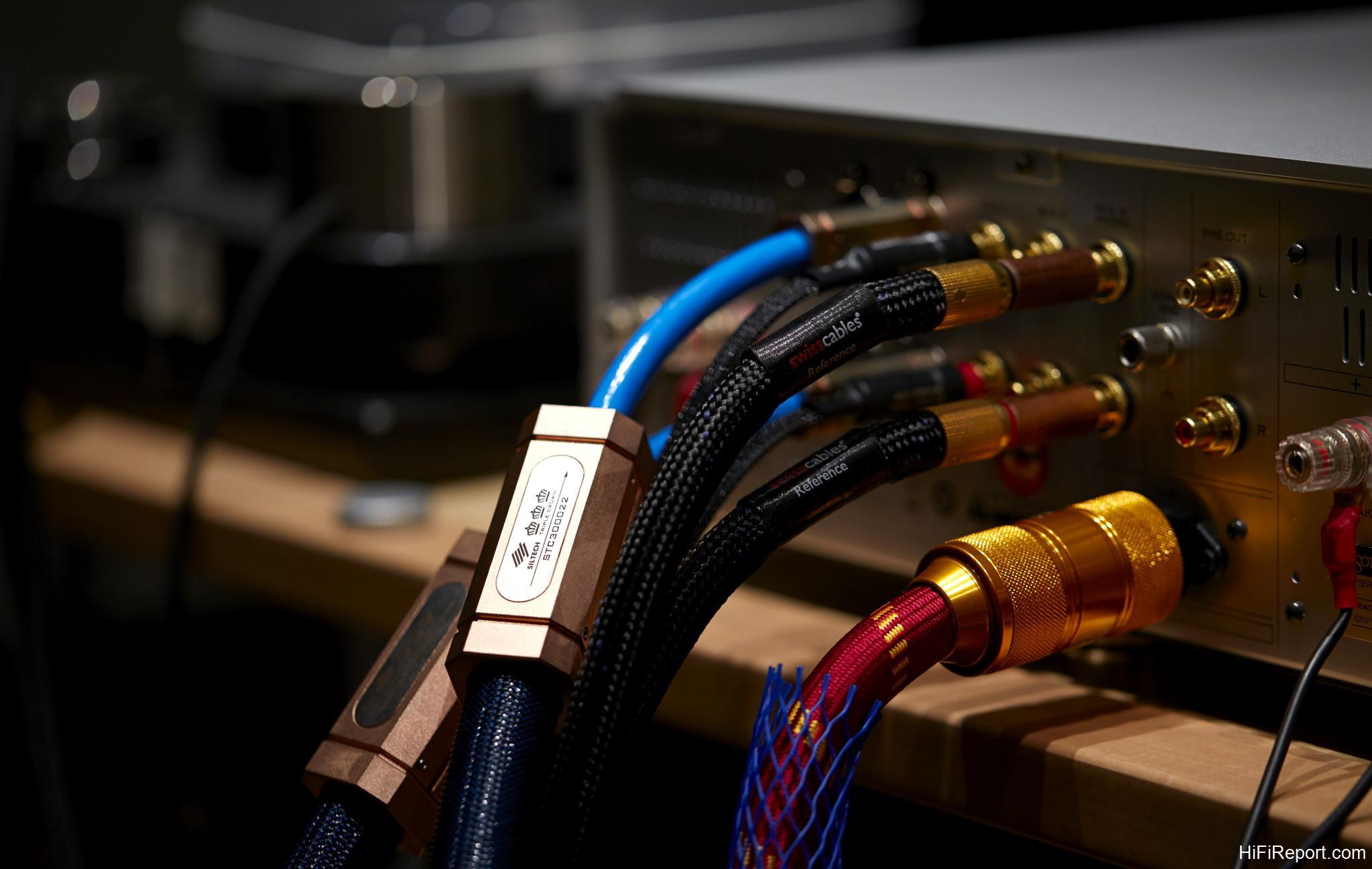
From material selection and manufacturing processes to the final product, everything is rooted in quantifiable metrics, eschewing any “voodoo” elements. This scientific methodology represents the most rational approach. After all, while electronic components can be disassembled and examined, dissecting every cable for scrutiny is impractical. Therefore, choosing reputable manufacturers is paramount.
Regardless of alluring narratives, scientific rigor and brand credibility should be the guiding principles in product selection. While Siltech is not alone in this category, audiophiles are best served by actively seeking opportunities to test and audition cables from these trusted manufacturers, simplifying the process of finding the ideal sonic match for their systems.

In essence, Siltech’s design philosophy is firmly rooted in scientific principles, driven by extensive research, prototyping, and meticulous measurement. Cable research is a costly endeavor, requiring the use of various expensive metals as raw materials, coupled with iterative testing, modification, and refinement cycles. This demands significant financial investment as well as considerable human resources and time.
Siltech emphasizes the use of advanced instrumentation, believing that crafting high-end cables relies on a combination of sophisticated technology, refined craftsmanship, and exploratory innovation. Numerous factors can influence the final sound, and achieving optimal results often necessitates iterative adjustments due to shortcomings in specific areas, such as speed, jitter, distortion, magnetic fields, noise, dynamics, and micro-signal processing.

Many of these parameters can be objectively measured, but this requires substantial investment in state-of-the-art equipment. Siltech’s confidence in its products stems from these investments and rigorous manufacturing processes. As technology advances, Siltech continuously refines its techniques and equipment to deliver the best possible sound to music enthusiasts.
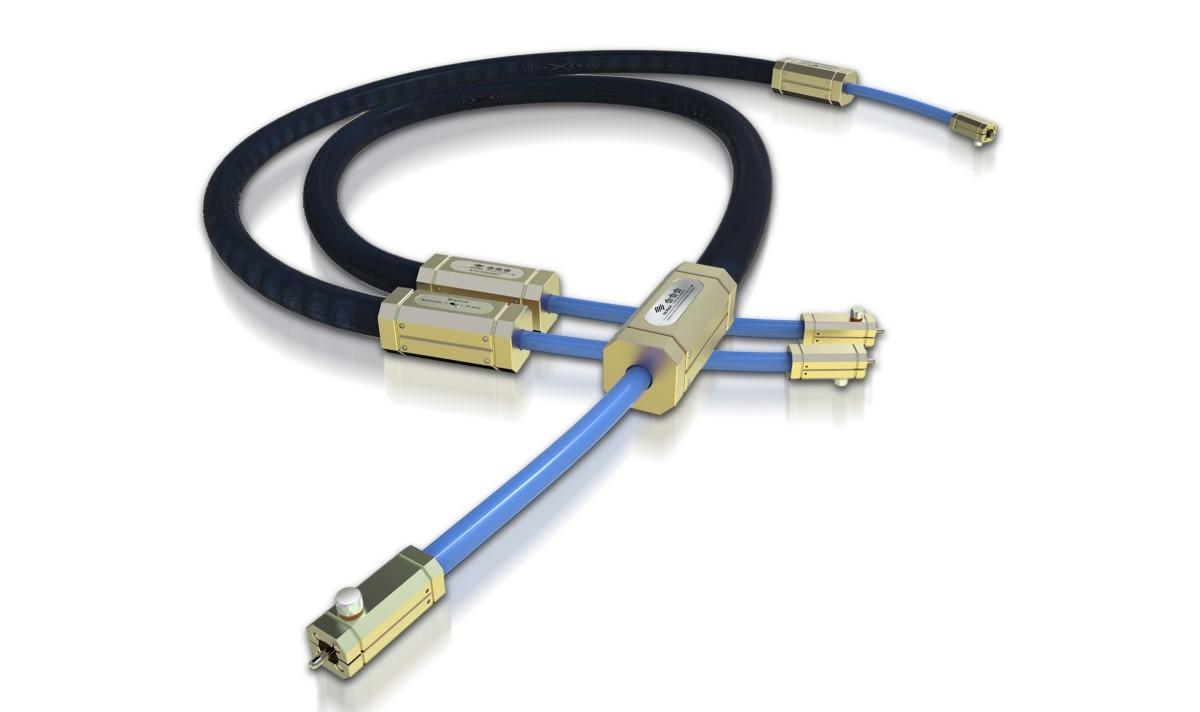
Triple Crown represents Siltech’s pinnacle of achievement, their ultimate flagship cable line. No higher echelon of cable exists within their portfolio. The signature blue cable jacket is a hallmark of Siltech’s standard aesthetic. For this review, we received two top-tier signal cables: one terminated with RCA connectors and the other with balanced XLR connectors. Visually, the two cables are identical, even sharing the same packaging, differentiated only by their connector type.

Both the Triple Crown RCA and XLR cables utilize single crystal silver conductors and feature an adjustable internal shielding switch to accommodate different equipment. They incorporate three proprietary technologies: an adjustable locking mechanism, multiple ultra-low-loss self-grounding structures, and a 24K gold-plated four-pin connector designed for perfect contact with equipment terminals. Due to the inherent stiffness of the cable, bending can be challenging.
Therefore, the cable section near the connectors is engineered to be more flexible. The Triple Crown truly embodies a remarkably complex and sophisticated design.
Uniquely, Siltech holds equity in mining operations, granting them access to the highest quality raw materials. This is particularly crucial for a company whose core material is gold-silver alloy. This, combined with a scientifically driven manufacturing ethos, has propelled Siltech to its current position of acclaim and commercial success among high-end cable manufacturers.
Historically, many audiophiles who have experimented with Siltech cables, across both their premium and more accessible lines, have been profoundly impressed by their performance, making them a force to be reckoned with. Furthermore, Siltech cables maintain exceptional value in the second-hand market. In an era of escalating prices for high-end audio equipment, the resale value of components becomes a significant factor to consider when making purchasing decisions.
Upon opening the packaging, the internal protection for the cables is immediately apparent. A custom-cut foam insert securely cradles the cable, reflecting the premium nature of a product costing upwards of twenty thousand Euros and demanding impeccable protection against any damage. A prominent Siltech logo is centrally positioned within the packaging.
Both the cable connectors and the central metal housing are engraved with serial numbers and the Siltech logo.
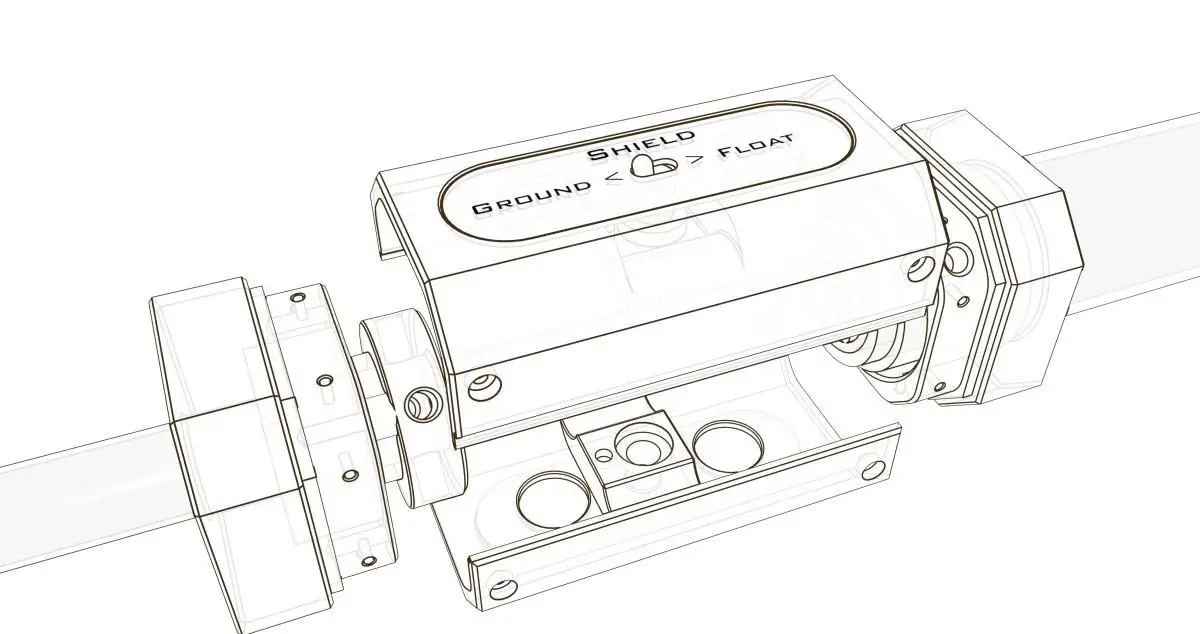
The metal housing also indicates the directional orientation for connection and provides basic textual information.
The “SHIELD” switch offers “GROUND” and “FLOAT” options, allowing for shielding adjustments depending on the connected equipment.

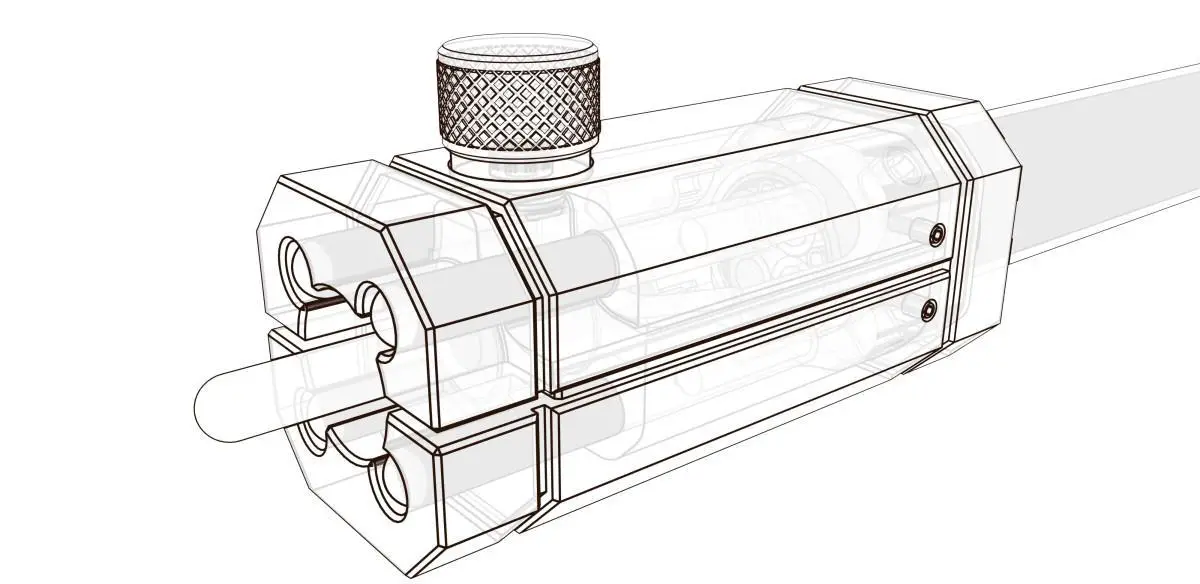
The RCA connector features a small, user-adjustable screw, a unique design that allows for subtle sonic fine-tuning. The center pin and four-pin structure are crafted from single crystal silver, while the surrounding connector body is 24K gold-plated.
The balanced XLR cable is visually identical to the RCA version.
The following images illustrate the RCA connector with the screw loosened and tightened for comparison.
This image, taken from the side with the screw tightened, shows the minimal and even gap between the upper and lower connector clamps.
This image shows the loosened state, where the terminal end of the connector is visibly open. The frontal view below provides a clearer perspective.
This is the tightened configuration.
This is the loosened configuration. When inserted into equipment, the four surrounding silver pins firmly grip the circumference of the equipment’s RCA jack, ensuring the central pin is perfectly centered for optimal connection.
In practical use, the screw is initially loosened to facilitate easy insertion into the equipment. Subsequently, tightening the screw ensures the connector firmly grasps the equipment’s terminal.
[Video of connector and metal housing internal structure disassembly]
Listening Impressions
After incorporating the Triple Crown cables into the system and listening to various albums, the overall sonic transformation was immediately noticeable. The most striking change was a significant increase in sonic density, particularly evident with vocal recordings. The presence and solidity of vocals became remarkably tangible, as if the singer’s lung capacity had been enhanced. The low-frequency extension also deepened perceptibly, especially pronounced with instruments like the saxophone.
Soundstage depth expanded noticeably, revealing finer musical details and improving the balance between primary and secondary musical elements. The overall sonic quality experienced a clear and comprehensive upgrade.
As illustrated in the preceding images, the metal housing on the cable features a switch to select between “Float” and “Ground” shielding modes. Extensive A/B testing was conducted with both settings. The fundamental sonic character was established with the initial switch, as the differences between the two modes are readily discernible. In direct comparison, “Float” mode presented a brighter, more forward sonic image with a greater sense of dynamic range.
“Ground” mode, conversely, offered a more restrained, darker, and weightier presentation. If a system already tends towards brightness or lacks sonic solidity, “Ground” mode can provide a substantial improvement. My overall impression of the Triple Crown is that it leans towards a weighty and textured sound, and selecting “Ground” mode further accentuates this density and richness.
The sonic performance of the Triple Crown cables demonstrably surpassed my existing reference cables. Given the Triple Crown’s price point, this outcome is hardly surprising. The key question lies in identifying the specific sonic strengths and characteristics of the Triple Crown.
Through comparative listening, the most compelling attribute of the Triple Crown emerged: its ability to transform a somewhat flat, two-dimensional musical presentation into a more holographic and three-dimensional experience, imbued with enhanced energy and realism. Every element within the music, from vocals and piano to drums and beyond, instantly gained a more concrete and lifelike quality, enriched by more complete harmonic overtones.
Simultaneously, the dynamic gradations and impactful transients within the music became more pronounced, heightening the emotional expressiveness and nuance of the performance. Integrating the Triple Crown into the system evoked a similar sense of sonic elevation as transitioning from a Class B amplifier to a high-quality pure Class A amplifier.
Indeed, the sonic characteristics of the Triple Crown closely resemble those of pure Class A amplification: high density, fullness, and a captivating sonic allure.
Listening to *TAS 2014: The Absolute Sound* compilation album with the Triple Crown cables truly showcased the value of audiophile-grade recordings, delivering an exceptional and transformative listening experience. *TAS 2014* encompasses a diverse range of musical genres, unified by their exceptional recording quality and showcasing exemplary works from various musical domains. It serves as both a source of musical enjoyment and an excellent tool for evaluating audio equipment.
Over repeated listening sessions, exceeding five complete playbacks of the album, the nuanced details of violin passages, the deep resonance of drums, and the fullness of piano tones were all rendered with remarkable fidelity. The dynamic range, both macro and micro, and the precise soundstage imaging were consistently impressive.
The opening track, “Paganini: Variations on ‘Dal tuo stellato soglio’ MS 132 – Variation 2,” presented violin passages with a silken delicacy and captivating intricacy. Despite its simple melody and concise structure, this movement proved endlessly engaging. The second track, “Ahela-I Rejoice,” filled the listening space with the ethereal beauty of female vocals and sustained, resonant bass drum notes. “Ahela,” akin to “Hallelujah,” evokes a hymn-like quality.
The combination of soaring vocals, wide dynamic range, and deep bass drum created an almost celestial experience, reminiscent of hearing angelic voices under the moonlight, perfectly capturing the emotive essence of a high-quality audio system and audiophile recording.
Track five, “The Man Who Sold The World,” carries a thematic undertone of critique and irony, as suggested by its title. Originally a 1970 rock hit by David Bowie, this rendition, performed by British jazz vocalist Claire Martin and the cello ensemble The Montpellier Cello Quartet, takes on a new dimension of feminine strength and elegant grace.
The exquisite cello quartet arrangement and delicate piano solos complement Claire Martin’s mature and captivating vocals, making the track endlessly enjoyable.
Track six, the French song “L’eau A La Bouche,” translated as “When I Speak Sweet Nothings,” is performed by Serge Gainsbourg, a multi-talented artist encompassing singer, writer, painter, photographer, actor, and director. This song, the theme from the 1959 film of the same name, despite its age, avoids a distinctly dated recording quality in terms of instrumentation, which is remarkably well-defined in the mix. The vocals, however, retain a more vintage 1959 sonic character.
Nevertheless, this juxtaposition creates no sense of dissonance, suggesting considerable effort in post-production mixing. The overall mood of the song is lighthearted and playful, evoking the flirtatious exchanges of lovers. Track seven, “Buttons And Bows,” presents a distinctly vintage recording, with a somewhat compressed dynamic range reminiscent of early phonograph recordings.
However, its cheerful melody remains highly engaging and musically compelling, rivaling even modern high-fidelity recordings in terms of musicality. Notably, this song was used in a popular cider commercial, making it instantly recognizable to those of a certain age.
Track eight, “Schumann: Symphony No. 3 ‘Rhenish’ – II. Scherzo,” is a symphonic movement by Romantic composer Robert Schumann, depicting the scenic beauty of the Rhine River in Germany. Schumann’s masterful composition vividly captures the landscapes, and the performance by the Scottish Chamber Orchestra is both nuanced and impactful, further enhanced by the excellent recording quality and rich detail.
The music transitions seamlessly between moments of tranquil delicacy and grand, majestic passages. Even without firsthand experience of the Rhine, listeners can readily conjure their own mental images of the riverbank through this evocative music.
Track nine, “Sleeping Houses,” performed by Emily Barker, pairs her vocals with prominent piano accompaniment, a perfect synergy. Here, the Triple Crown’s ability to reproduce the full-bodied sound of the piano is again demonstrably beneficial. Emily Barker’s vocals, while not pristine in a clinical sense, possess a pure and direct quality, brimming with emotion, effectively conveying the song’s emotional core to the listener. This is a truly exceptional track.
Track ten, “Caruso,” performed by Christian Willisohn, shares a similar emotional depth. Again, piano serves as the central accompaniment, in this case a Steinway Model D. The rich, resonant piano sound, combined with Christian Willisohn’s deep, yet melancholic vocals, creates an ideal pairing for a poignant love song. Christian Willisohn’s heartfelt delivery is sure to captivate listeners of all genders.
Siltech’s single crystal silver conductors in the Triple Crown cables are engineered to deliver the highest possible resolution and the least impeded signal path. The advanced cable construction minimizes micro-distortions and other error-inducing factors.
Utilizing state-of-the-art audio measurement techniques, Siltech focuses on optimizing not just the cable itself, but also all components within the signal path, including connectors, both mechanically and electrically, to minimize all sources of distortion.
Cable performance extends beyond laboratory-measured technical specifications and LCR values, as most cables are not used in laboratory settings. Siltech’s extensive empirical research recognizes that in real-world applications, focusing solely on numerical specifications is insufficient. Maintaining consistent cable performance is equally critical.
In many respects, the consistency and high quality of the Triple Crown cables contribute significantly to their exceptional results, with mechanical and electrical stability serving as key factors.
If single crystal silver is already considered the pinnacle of conductor technology, how can it be further improved? Siltech pursued enhanced performance by focusing on material quality. The single crystal silver conductors used in Triple Crown are the largest diameter conductors Siltech has ever employed. Such material extravagance comes at a considerable cost, making it feasible only for ultra-premium, cost-no-object cable designs like the Triple Crown.
Excessive cable length and flexibility can easily compromise delicate audio signals. Optimal audio performance often stems from cable diameter and rigidity. Siltech aimed to design a large-diameter cable that is both rigid and practically usable, structurally stable yet flexible enough for real-world applications. Ultimately, Siltech engineers developed a novel cable construction that ensures geometric and mechanical consistency regardless of cable bending.
The new Air Cradle Construction, combined with massive single crystal silver conductors and ultra-low density Teflon insulation, provides exceptionally low inductance, resistance, and capacitance.
While signal transmission through the cable itself is one aspect, signal transfer through connectors is another critical consideration. The new cable structure of the Triple Crown necessitated a redesign of the connectors, as existing connector designs were no longer optimally compatible. The design principles remained the same: maintaining mechanical and electrical stability and preserving the Triple Crown’s exceptional performance.
Single crystal silver conductor rods bridging the connection between the connector and the cable body serve as the ideal intermediary and are one of Siltech’s three patented technologies. The other two patents pertain to self-centering technology (ensuring precise terminal alignment) and a specialized connector clamping mechanism. These three innovations collectively guarantee consistent and reliable signal transmission across diverse equipment configurations.
Collaborating with Swiss watchmakers, Siltech achieved an exceptional level of complexity and refinement in the connector design.
The Triple Crown cable’s electrical housing also incorporates a switch allowing users to select whether to engage shielding, depending on the specific equipment being used. As previously mentioned, the Triple Crown’s cable body, designed for optimal performance, is inherently weighty and rigid. However, the design team prioritized usability as much as possible. The cable section near the connectors is engineered to allow for 90-degree free rotation, minimizing any impact on sonic performance.