
Skullcandy Push True Wireless in-Ear Earbud Review
The Skullcandy Push True Wireless is a first-generation set of wireless earbuds aimed at buyers who want Skullcandy’s signature bass-forward sound without a cable, and the single takeaway is this: it delivers punchy, fun audio and a secure fit, but the left-bud-only architecture and a persistent static hiss at volume keep it from feeling like a mature product. At 3.6 out of 5 stars across 3,465 Amazon ratings, the Push sits in the middle of the true-wireless field. It suits commuters and gym users who prioritize bass and a snug fit over active noise cancellation or multipoint pairing.
Design, Materials and Feel
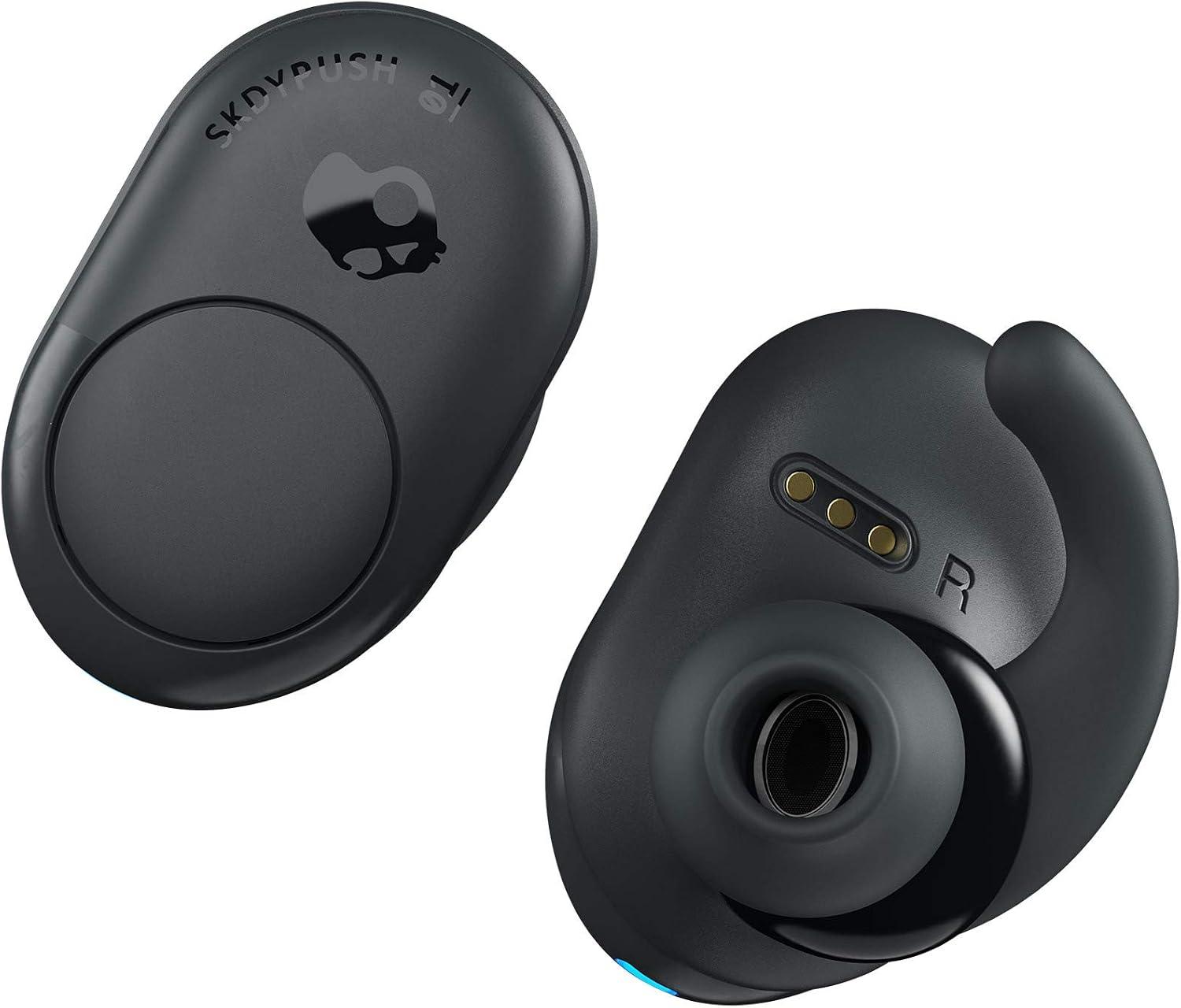
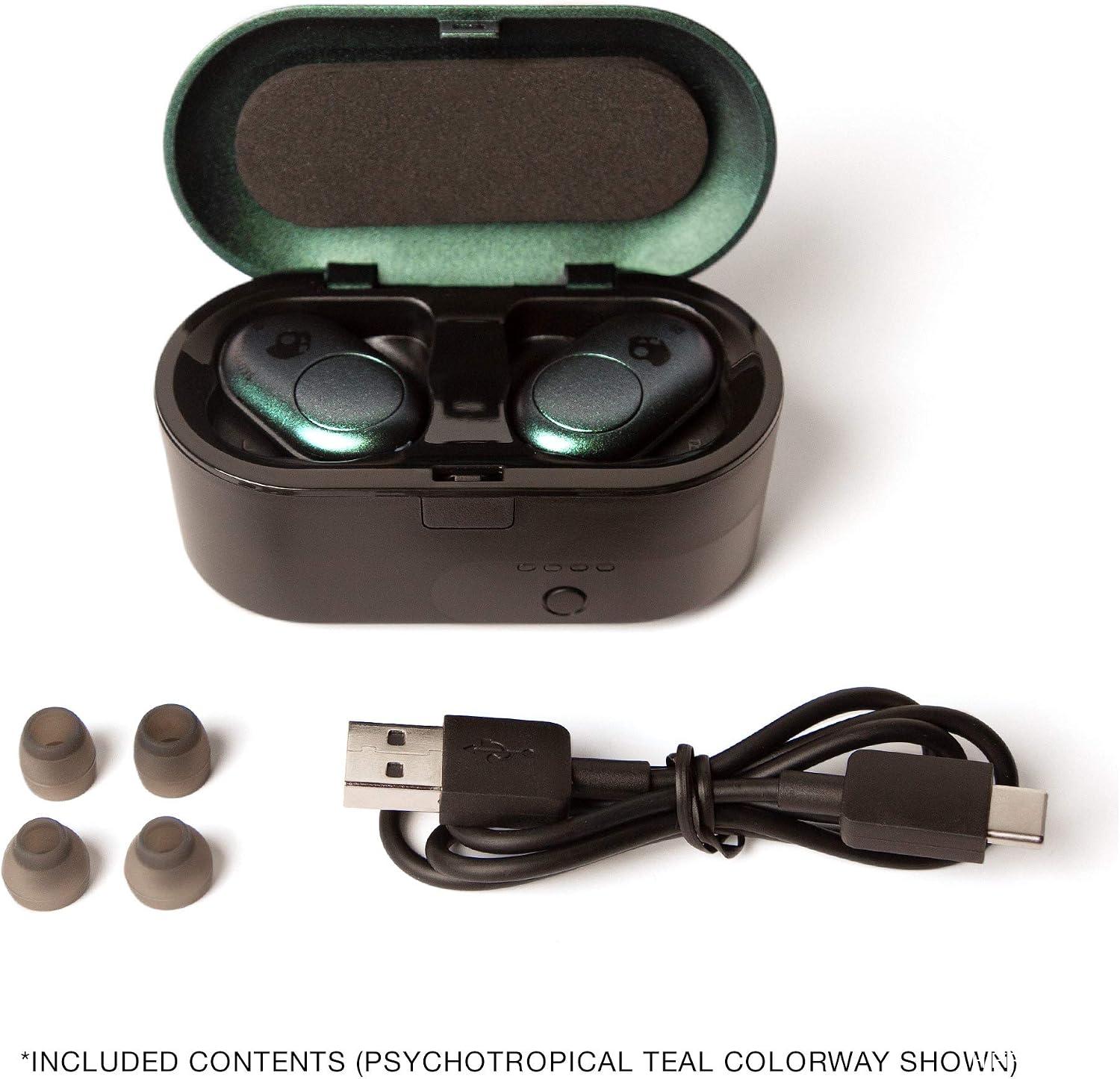
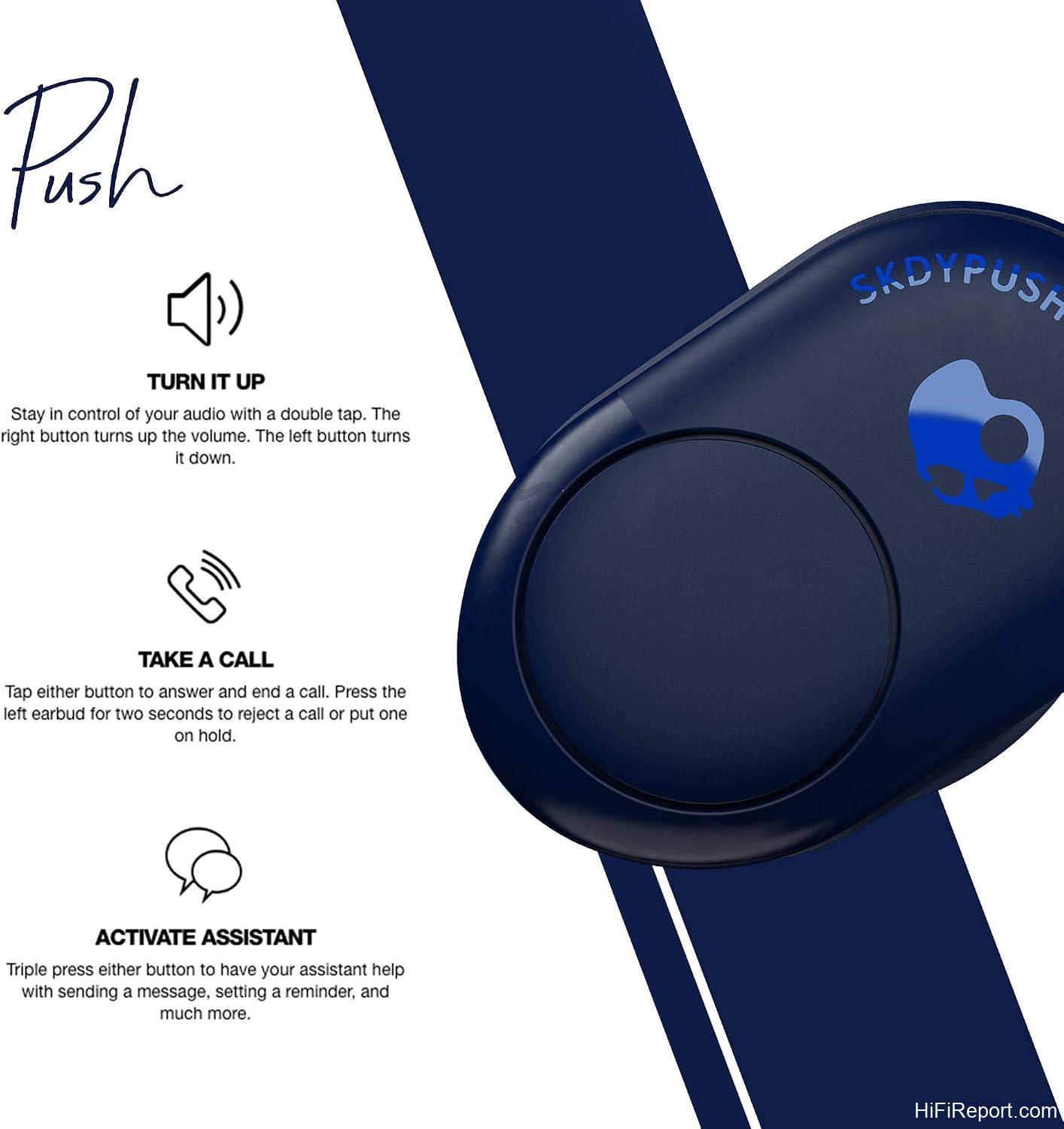
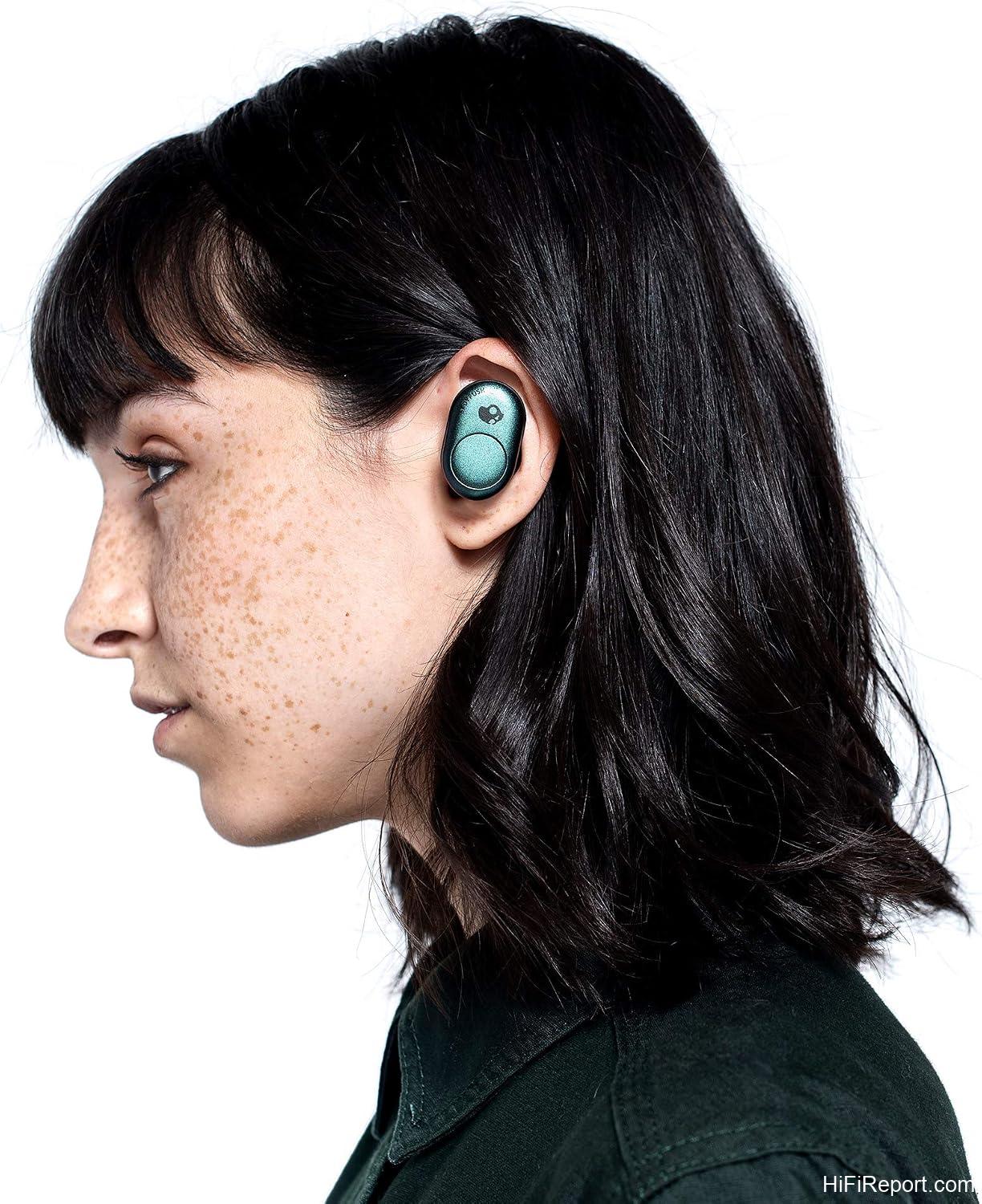
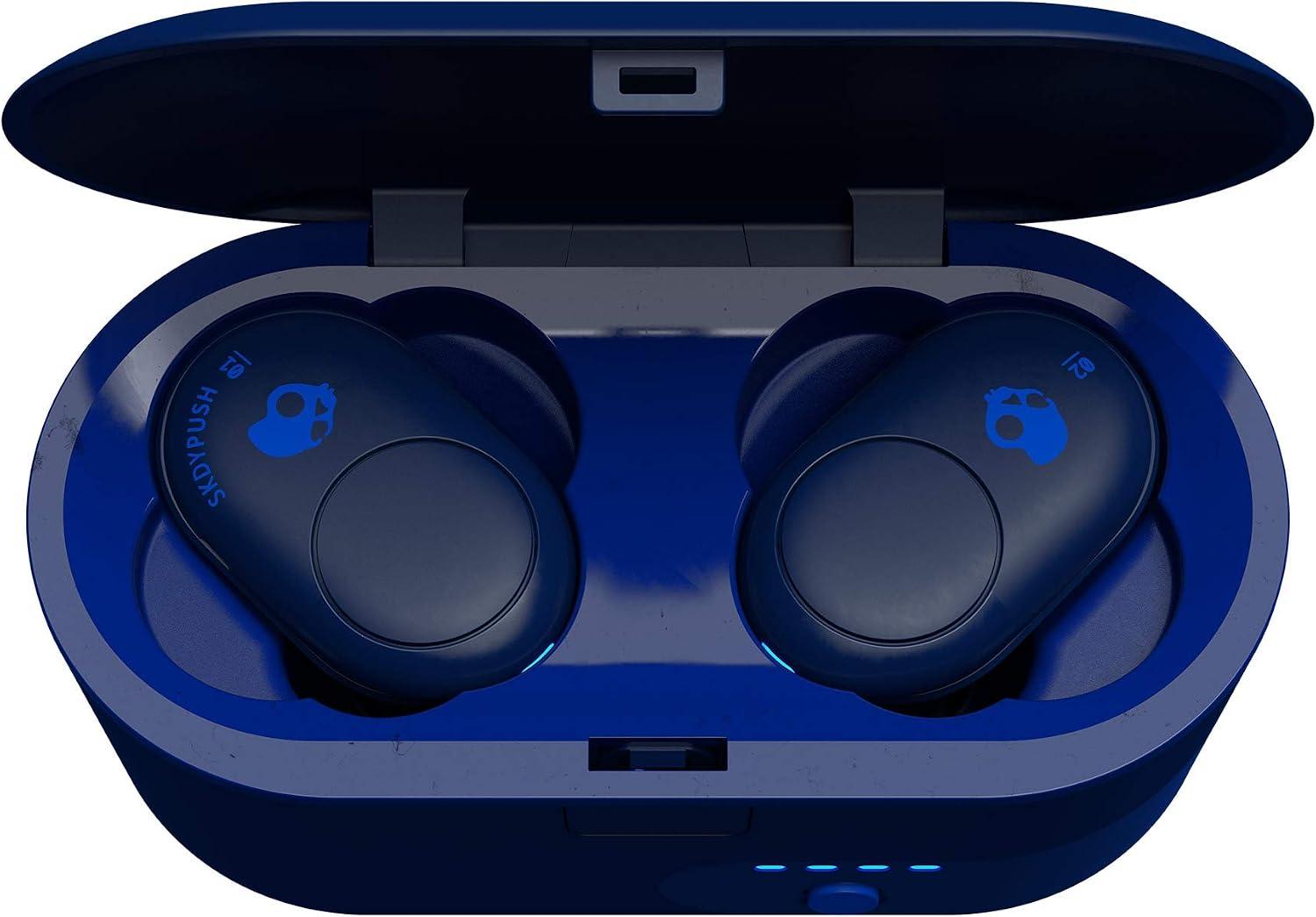
The Push earbuds are small, rounded in-ear units with a single physical button on each side. That button handles play/pause, track skip, volume, call answering, and voice-assistant activation, which keeps the interface straightforward: one control per bud, no touch surfaces. The ear gels ship in S, M, and L sizes, and the FitFins (the small silicone wings) are pre-installed and not interchangeable, a limitation several owners flagged. The charging case is a rounded, hinged box with pegs that hold both buds; it is noticeably larger than competing cases from the same era, and multiple reviewers called the size a pocket-filler. A blue LED on the case shows how many full bud-charges remain, and each bud has its own small indicator light.
First published at hifireport.com. Copying or republishing this content is prohibited.
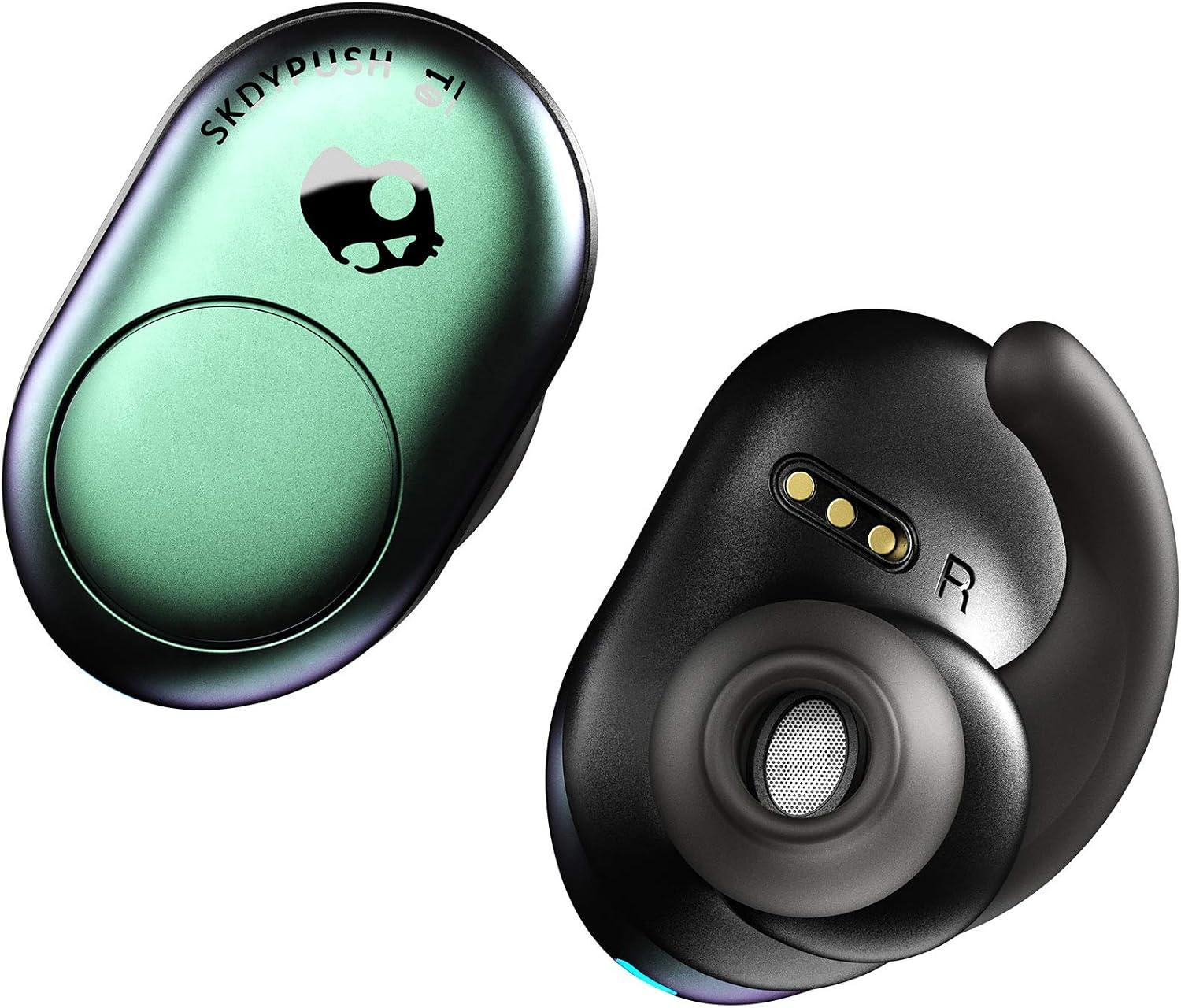
Materials are molded plastic throughout. A German reviewer in the source set described the build as functional but plastic-feeling, and another owner called the buttons “very soft and not hard to press.” The case lid has no spring assist, so it stays shut until pried by hand. The Indigo colorway is a deep matte blue, and the product imagery shows clean, unbranded exteriors with the Skullcandy logo on the case. The charging port is USB-C, which was ahead of many competitors still on micro-USB when the Push launched in 2019.
The overall look is compact on the buds themselves, though the case is bulkier than you would expect for a set of this size. The single-button layout is the defining design choice: no multi-press sequences, no slide controls, just tap or long-press on one flat surface.
Comfort and Fit
The Push uses a dual retention system: silicone ear gels seal the canal, and the FitFins hook behind the outer ear ridge. Owners consistently report that the buds stay in during running and walking, which is the primary use case most reviewers tested. One US reviewer could run without the buds falling out but lost them during jumping. The gels provide a tight seal that several owners described as comfortable for extended sessions; one user wore them for 8 to 10 hours on a family trip and reported no ear fatigue.
Pressure points are minor but present. A German reviewer found the FitFin in the right ear slightly more intrusive than the left, and a US reviewer described the rubber-like hoop as needing to be pushed back into place after a few minutes of wear. The buds are light, and most owners said the weight was barely noticeable after the first five minutes. Because the FitFins are not interchangeable, a poor fit is a permanent condition unless the buyer returns the unit.
For long sessions, the consensus is that the Push is comfortable but not exceptional. The seal blocks most ambient sound passively, and the low weight prevents the ear fatigue that heavier in-ear models produce. The main comfort complaint is the case, not the buds: it is large enough that carrying it in a slim phone pocket is awkward, and several owners kept it in a bag instead.
How They Sound
The Skullcandy Push is a bass-forward, warm-sounding set of earbuds that rewards casual listening and pop, rock, and hip-hop tracks, but the persistent static hiss at higher volumes and the left-bud-only signal path make it inconsistent for critical listening.
Bass
This is where the Push earns its Skullcandy pedigree. Multiple owners, including a German reviewer who listens to prog, rock, jazz, and orchestral material, described the bass as well-defined even at high volume and notably more controlled than the typical thumpy in-ear low end. The bass does not simply rattle; it stays articulate through the low-mid transition, giving tracks a sense of weight without muddying the mids. One US reviewer who plays drums noted the low end outperformed pricier competitors in bass impact. The frequency response leans warm, so sub-bass extension is present but not the last word.
Midrange
Vocals and midrange instruments sit slightly forward in the mix, which a German reviewer flagged as a distinct mid-hump in the tonal balance. The mids are clear enough for podcasts and spoken word, but the forward placement means backing vocals and acoustic instruments can sound congested in dense mixes. One reviewer found that the largest included tip size actually improved midrange presentation compared to the smaller tips, so proper seating matters. The overall mid character is competent but not reference-grade; it suits genres that favor a vocal-forward mix.
First published at hifireport.com. Copying or republishing this content is prohibited.
Treble and Top End
The top end is the least developed part of the Push’s sound. A US reviewer noted the highs are okay but that pushing the volume up introduces a static layer on top of the audio, most noticeable in vocal sibilance and cymbal transients. A Mexican reviewer described the overall sound as fun but flagged a static hum whenever the buds are powered on without audio playing, which is distracting in quiet rooms. The treble does not reach into the upper ranges with much energy, so the sound can feel closed-in on tracks that rely on air and sparkle.
Across genres, the Push sounds best when the bass is doing the work: pop, EDM, hip-hop, and rock all benefit from the low-end emphasis. Classical, acoustic, and electronica tracks that need a flat, wide presentation will reveal the mid-hump and the treble roll-off. The static noise remains the most consistent audible artifact and appears at higher volumes, regardless of genre.
Noise Cancelling
The Skullcandy Push does not include active noise cancellation. It relies entirely on the passive seal of the silicone ear gels and the FitFin wings to block ambient sound, and there is no ANC processor, microphone array, or transparency mode in the design. What you get is the physical isolation of a well-seated in-ear tip, which mutes mid-frequency road and engine noise reasonably but does little for low-frequency rumble or sudden high-frequency sounds.
In practice, owners described the isolation as adequate for a bus or office commute, but one US reviewer said flatly that you hear everything around you. The seal quality depends heavily on whether the gel and FitFin match your ear shape, and since the FitFins are not interchangeable, a poor fit lets more ambient noise through. For buyers who read “noise cancellation” in the product description and expected an active system, the Push will feel underwhelming on an airplane or in a loud gym. The passive seal handles a fan or quiet office hum; it is not a substitute for a dedicated ANC set.
Battery Life
The Skullcandy Push is rated for 12 hours of total battery life, which breaks down to roughly 6 hours in the earbuds and 6 additional hours stored in the charging case. The case charges via USB-C, and a blue LED indicator shows how many full bud-charges remain. One US reviewer reported 8 to 10 hours of real-world playback before the buds flagged low, which lands at or above the rated figure, while another noted the case could only fully recharge the buds once by the time of their review, a year after purchase.
The most consistent battery complaint across the source set is degradation. Multiple owners reported that the case battery drains faster than the bud battery, forcing nightly case charging even when the buds still have power. One reviewer described the case “using up all its charge by the end of the day” while the buds retained half their charge. There is no rapid-charge feature listed for the Push, and the charging speed is a standard full cycle from the case pegs with no top-up claim in the sources. Real-world owners landed in a range from 7 to 10 hours of combined use before needing to recharge.
Microphone and Calls
The Skullcandy Push routes all calls through the left earbud, which houses the active microphone; the right bud is a passive monitor that cannot answer or make calls on its own. This single-mic architecture means the caller hears you through one channel, and voice pickup is adequate in quiet settings but struggles in wind or busy streets. One US reviewer described the microphone as barely functional, with the other party unable to hear clearly, and another called the outdoor call experience “too noisy around.” The left-bud-only routing creates a practical problem: if the left bud loses connection or is not seated properly, calls drop entirely. Volume during a call is adjusted by tapping the right bud to increase and the left bud to decrease, so you cannot manage call volume with the ear you are listening on.
App and Connectivity
The Push pairs over Bluetooth and supports phone voice assistants (Siri on iOS, Google Assistant or Alexa on Android) via a long-press of the button. No dedicated Skullcandy app for the original Push model appears in the source set; the Skullcandy app referenced in the company’s current lineup is tied to newer products such as the Push ANC Active and Method 360. The Push has no multipoint pairing, so it connects to one device at a time. No codec selection (aptX, LDAC, or similar) is stated; the connection uses the standard SBC and AAC Bluetooth audio profiles. The claimed range is 33 feet, but multiple owners reported intermittent dropouts well inside that distance, particularly when walking past cell towers or when the phone is in a back pocket.
Customer Feedback Highlights
At 3.6 out of 5 stars across 3,465 Amazon ratings, the Push earns its middle-of-the-road score from a clear split: owners who value bass-heavy sound and a secure fit are satisfied, while owners who need reliable two-bud independence or clean call audio are frustrated.
The praise clusters around three themes. First, the sound: reviewers repeatedly describe the bass as amazing or the best in-ear low end they have experienced, with the defined low-end character holding up across genres. Second, the fit: the ear gels plus FitFins keep the buds locked during runs, and the low weight means long sessions do not cause fatigue. Third, the simplicity: one button per bud, straightforward Bluetooth pairing, and a case with a visible charge LED make the daily routine friction-free.
The complaints are just as consistent. The left-bud-only architecture is the most-cited issue: the right bud is a dead weight without the left, so a single dropped or uncharged left bud renders the pair inoperable. Static hiss when audio is playing at volume is the second most-mentioned flaw, with several owners describing a constant background sizzle that ruins quiet passages. The third complaint is battery inconsistency: owners report the case draining faster than expected, the buds randomly powering on inside the case, and the right bud losing its Bluetooth link after a week or two of use. A smaller but notable thread involves manufacturing defects, with at least two reviewers receiving units where the case would not close properly or the buds were missing from the box.
First published at hifireport.com. Copying or republishing this content is prohibited.
What We Like / What We Don’t
What We Like
- Bass stays articulate and defined at high volume, a strength confirmed by owners across multiple genres
- FitFins plus ear gels keep the buds seated during running and vigorous movement
- Single-button controls are simple and learned within a day
- 12 hours total battery life (6 buds + 6 case) is competitive for the generation
- USB-C charging on the case is convenient and now standard
What We Don’t
- Right bud is inoperable without the left; no standalone use or fallback
- Persistent static hiss above moderate volume, especially in vocal passages
- No active noise cancellation; passive isolation only
- Case is large and the lid has no spring assist
- Battery degrades noticeably after several months of daily use
Bottom Line
The Skullcandy Push True Wireless suits buyers who want a bass-heavy, cable-free listening experience for commutes and workouts, who can tolerate a single-button interface and do not need active noise cancellation or two-bud independence. It is the right pick if your library is pop, hip-hop, EDM, or rock and your main use is solo listening in a relatively quiet environment. The left-bud architecture and the static artifact are design compromises that will not improve with a firmware update.
Best for bass-forward listeners who commute or work out and want a simple wireless setup with a secure fit; look elsewhere if you need active noise cancellation, two-bud solo use, clean call audio, or a quiet background at any volume level.
Specifications
- Bluetooth: Wireless (version not specified in sources)
- Total Battery Life: 12 hours (6 hours earbuds + 6 hours case)
- Water Resistance: IPX4 (sweat and water resistant)
- Ear Gel Sizes: S, M, L (included)
- FitFins: Pre-installed, non-interchangeable
- Controls: Single button per bud (play/pause, skip, volume, call, assistant)
- Charging: USB-C via case
- Color (this model): Indigo
- Microphone: Left bud only (call, volume, assistant)
- Active Noise Cancellation: No (passive isolation only)
Questions Buyers Ask
Can I use just the right earbud on its own?
No. The left bud is the master that holds the Bluetooth connection and houses the microphone. The right bud acts as a passive listener and will not play audio or take calls without the left bud powered on and connected. If the left bud is uncharged or out of range, the right bud is inoperable.
Does the Push have active noise cancellation?
No. The Push relies on the physical seal of the silicone ear gels and the FitFin wings to block ambient sound. There is no ANC processor, no noise-cancelling mode, and no transparency or ambient-sound feature. Isolation is passive only.
How long does the battery actually last in real use?
The manufacturer rating is 12 hours total (6 hours in the buds, 6 hours from the case). Owners in the source set reported 7 to 10 hours of combined playback before needing to recharge, with the case battery tending to drain faster than the bud battery after several months of regular use.
Why do I hear static when the buds are on but not playing audio?
Multiple reviewers noted a low-level static hum that appears whenever the earbuds are powered on, regardless of whether audio is playing. The hum is most noticeable in quiet rooms and becomes more pronounced as volume increases. It is a known artifact of the Push’s signal path and was present from the first generation; no firmware update in the source set resolved it.
- Bluetooth wireless technology
- 12 hours of total battery life
- Water resistant