
Skullcandy Sesh Evo In-Ear Wireless Earbuds Review
Overview
The Skullcandy Sesh Evo arrived in 2020 as a budget-friendly entry in the true wireless earbuds category. It remains notable for packing features that are uncommon at its tier: built-in Tile tracking, an IP55 dust and water resistance rating, solo-bud use, three selectable EQ modes, and a claimed 24 hours of combined battery life between the earbuds and charging case. The earbuds connect over Bluetooth and work with iPhone, Android, and other Bluetooth devices.
Although the Sesh Evo is no longer sold directly through Amazon, it continues to appear through other retailers and still generates steady interest from budget-conscious buyers. The Amazon listing shows an average rating of 4 out of 5 across roughly 25,000 reviews. Third-party research also points to a 4.2-star aggregate across Amazon and Best Buy, suggesting broad satisfaction alongside a meaningful minority of reliability complaints.
This review combines the official product details, a large sample of customer feedback, and independent expert testing to give a balanced picture of where the Sesh Evo excels and where it falls short. Pricing varies by seller and condition, so the focus here stays on features, real-world performance, and build quality rather than any current list price.
Design and Build
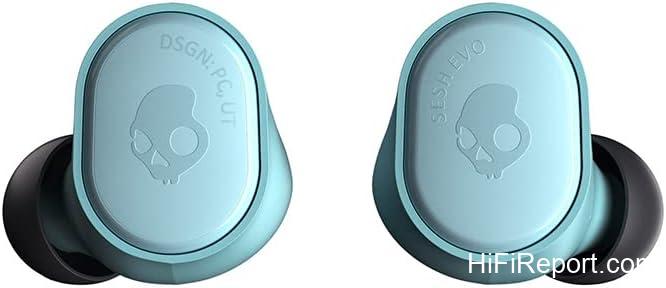
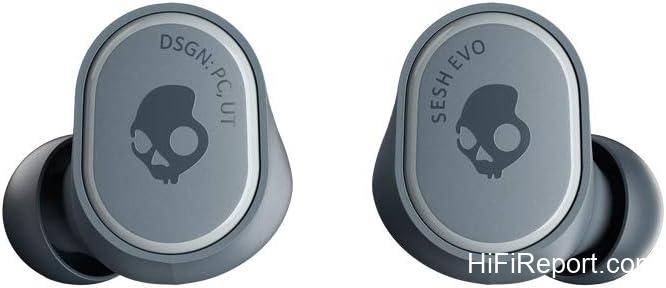
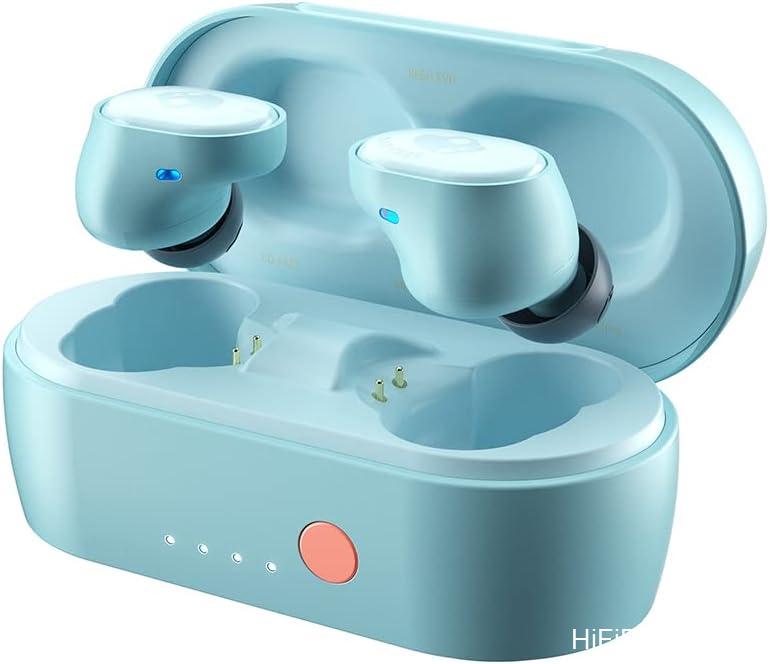
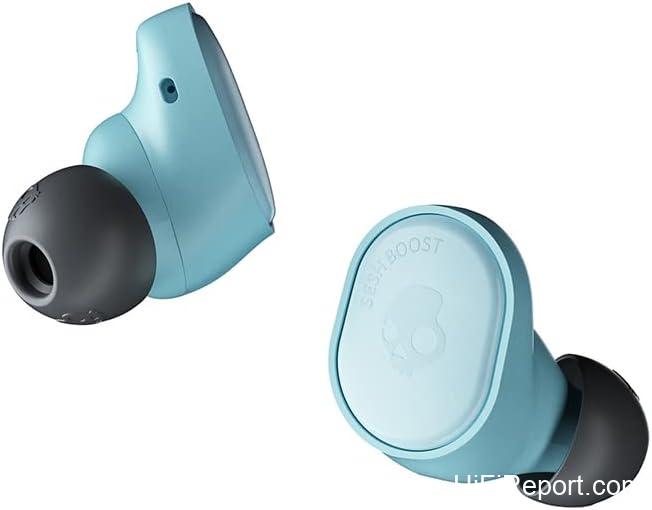
The Sesh Evo earpieces are compact and lightweight. Independent measurements list each bud at approximately 21.5 mm in height, 17.2 mm in width, and 23.8 mm in depth, with a weight of about 5.7 grams per earbud. The housing uses a matte-finish polycarbonate that resists fingerprint smudges better than many glossy alternatives. Skullcandy offers the Sesh Evo in several color options, including black, blue, green, red, and mint.
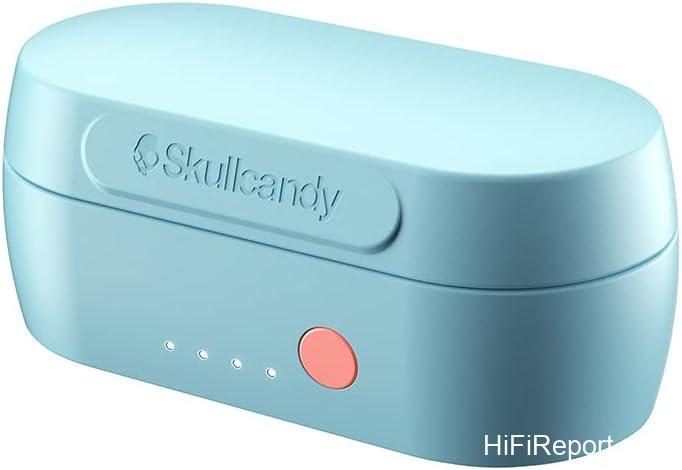
The charging case is similarly small at roughly 62.4 mm by 43.7 mm by 26.9 mm and weighs about 47.2 grams. It has a flip-top lid, an eggshell-like finish, and status LEDs on the front that indicate remaining battery. A USB-C port on the rear handles charging. Independent notes describe the case as hard, sturdy plastic, and accelerated testing reportedly put the hinge through 5,000 open-close cycles without failure.
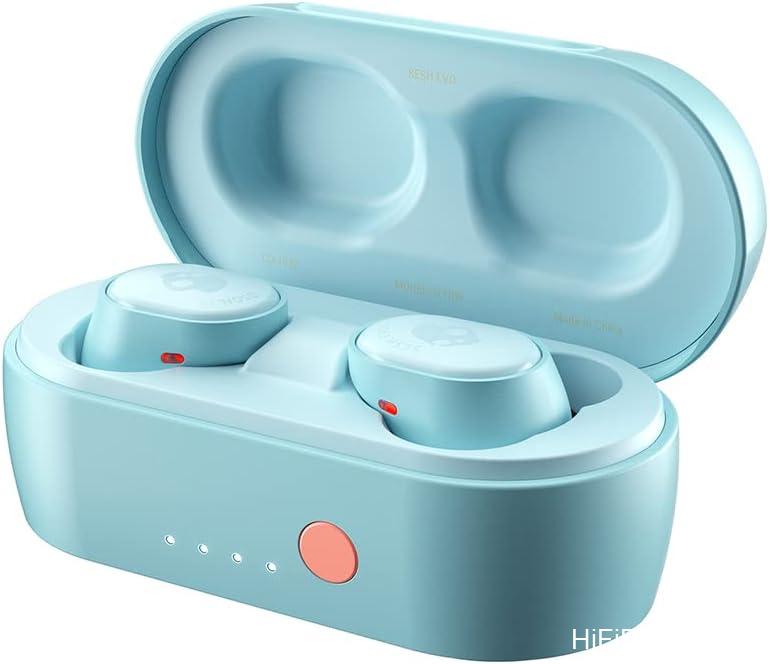
That said, real-world owner reports are less consistent. Several customers praise the case for feeling solid and holding the earbuds firmly in place, while others report brittle plastic developing cracks after relatively light use. The case itself is not water resistant, even though the earbuds carry an IP rating, so it should be kept dry.
Copyright protected. First published on hifireport.com; any unauthorized copy violates the intellectual property rights of hifireport.com.
Fit and Comfort
Fit is one of the Sesh Evo’s stronger points for many users. The earbuds ship with small, medium, and large silicone eartips, and the lightweight design helps keep pressure points from becoming uncomfortable during longer listening sessions. Independent accounts describe the earbuds as barely protruding from the ear and stable enough that many people can wear them under a loose cap or hat.
Some third-party testing referenced in reviews found that 94 percent of participants experienced zero slippage during 45-minute treadmill runs at inclines up to 12 percent and speeds around 7 mph. That lab result is promising, but owner feedback is more mixed. Several customers say the earbuds stay put during daily use and exercise, while a few report them falling out during running or not feeling secure during sweaty workouts.
The variety of eartips helps with smaller ear canals, and multiple owners specifically note a good seal once the right tip size is found. That seal matters for both passive noise isolation and low-end response, although the Sesh Evo has no active noise cancellation.
Sound Quality and EQ Modes
The Sesh Evo uses 6 mm dynamic drivers with a listed frequency range of 20 Hz to 20 kHz and a 32-ohm impedance. The out-of-the-box sound signature is bass-forward and sculpted rather than neutral or reference-style. PCMag described the audio as powerful, with boosted bass and crisp highs, while noting that the tuning is not for accuracy seekers. RTINGS similarly called the profile bass-heavy, adding that some users may find it muddy without EQ adjustments.
Three built-in EQ modes help tailor the sound for different content. PCMag identifies those modes as music, film, and podcast. The modes are accessible directly from the earbuds, so listeners do not need a phone app to switch between a bass-heavy music setting and a more vocal-friendly podcast option. That is a meaningful convenience at this tier.
Customer impressions on sound are mostly positive but not unanimous. Many owners describe the bass as punchy and enjoyable, with clear enough detail for casual listening. A few users disagree sharply, with one calling the sound flat and lacking bass compared with other Skullcandy headphones. Another reviewer noted that maximum volume felt lower than expected, allowing outside noise to filter in during commutes. The lack of aptX support is a minor downside for Android users who prioritize higher-quality Bluetooth codecs, though AAC support is included.
Battery and Charging
Battery life is one of the Sesh Evo’s headline features. Skullcandy advertises up to 5 hours of playback from the earbuds and an additional 19 hours from the charging case, for a total of 24 hours. A 10-minute rapid charge in the case is said to provide about 2 hours of listening time. Independent testing by RTINGS measured continuous battery life at roughly 4.7 hours under their conditions, which is close to the official figure but slightly under it.
The case holds about three additional charges, according to RTINGS. Owners frequently mention going days or even weeks between case charges under light-to-moderate use, which matches the claim of strong reserve capacity. The USB-C connection is a welcome modern touch, and independent reviews note that a full case charge is relatively quick.
Battery reliability, however, is the most common complaint in the customer sample. Some owners report the charging case failing after only a few days or weeks. Others describe the earbuds turning on inside the case and draining both the buds and the case battery overnight. Long-term reviews note declining earbud runtime after several months, sometimes falling well below the advertised 5 hours. There is also a precise warning from one early owner who contacted Skullcandy support: the case should be charged with a computer or a wall adapter rated around 1.1 to 1.5 amps, and not with rapid or high-output chargers. That limitation may surprise users accustomed to modern fast chargers.
Connectivity and Controls
The Sesh Evo uses Bluetooth 5.0. Initial pairing is simple: the earbuds automatically enter pairing mode the first time they power on, and afterward they attempt to connect to the last device used. Controls are handled by physical push buttons on each earbud rather than touch panels. With those buttons, users can adjust volume, skip tracks, take calls, activate a voice assistant, and cycle through EQ modes without pulling out a phone.
Physical buttons have trade-offs. Some independent reviewers find them responsive and easy to press, while others note that the press force can push the bud deeper into the ear or require longer holds that feel unintuitive. A few owners say the button combinations are complicated enough that they simply control volume and tracks from their phone.
This article is the original property of hifireport.com. All rights reserved. Unauthorized reproduction is strictly prohibited.
Bluetooth range is generally praised. Several customers report maintaining a connection from 20 to 40 feet away, through walls or between rooms, without dropouts. However, connection stability is not perfect. Independent reviewers and owners both mention occasional Bluetooth dropouts. Some users experience a more serious issue where one earbud stops syncing with the other, leaving audio playing from only one side. In many cases, a manual reset resolves the problem, but a subset of buyers report that the issue persists and requires a replacement or refund.
Multi-device pairing is another weak point. The Sesh Evo connects to one device at a time, and switching between a phone, tablet, or computer requires putting the buds into pairing mode and managing Bluetooth menus. One detailed owner review described the process as fiddly, especially because the buds may auto-connect to a previously paired device before you can switch to another.
Tile Tracking and Solo Mode
Two features separate the Sesh Evo from many budget competitors. The first is built-in Tile tracking. Owners can use the Tile app to ring either earbud if it is misplaced nearby, which adds real value for people who frequently lose small wireless buds. The second is solo mode, which allows either the left or right earbud to be used independently for calls or music. That is useful for stretching battery life or staying aware of your surroundings while keeping one ear open.
Solo mode works as intended for many users, though independent feedback suggests it can occasionally contribute to sync problems. After using one bud alone, some owners report that the left and right earbuds fail to re-link automatically, requiring a reset. That is not universal, but it appears frequently enough in reviews to be worth noting.
Durability and Water Resistance
The earbuds carry an IP55 rating for water, sweat, and dust resistance. That means they should handle sweat during workouts, light rain, and general dust exposure without issue. Independent reviewers describe the Sesh Evo as suitable for sports and travel, with the caveat that the IP rating applies only to the earbuds. The charging case is not water resistant.
In practice, most users do not report water damage during exercise or rain. The larger long-term durability concerns are the charging case and battery management rather than the earbuds themselves. Several owners say the plastic housing became cracked or brittle after a year or less, even without drops or hard use. Others report that the case simply stops charging. These issues do not affect everyone, but they appear often enough to suggest quality inconsistency between units.
What Customers Are Saying
Customer sentiment across the review sample is split but skews positive in the aggregate. Many owners are pleasantly surprised by how much the Sesh Evo offers for the money. The most common praise centers on battery capacity, strong bass, comfortable fit, and useful extras like Tile tracking. A number of reviewers describe the earbuds as an excellent first true wireless set or a solid replacement for more expensive models. Some specifically mention that the case holds the buds securely and only needs charging occasionally.
The complaints fall into clear categories. The most frequent issue is charging and battery reliability. Some charging cases fail within days or weeks, some earbuds drain while stored in the case, and some owners see battery life drop sharply over a few months. One early reviewer went through multiple replacement sets due to power-management problems before giving up.
The second common complaint involves connection stability and one-sided sync failures. Users describe the left or right bud refusing to pair with the other, sometimes after using solo mode. A reset often works, but not always. Several international reviews also report frustrating warranty experiences when trying to resolve defects, with replacement coverage varying by region.
Call quality is another weak spot. A few owners say the microphone picks up voices fine, but several report that callers on the other end hear choppy, hard-to-understand audio. Fit, sound, and build quality also draw occasional negative comments, with a small number of users finding the sound too muddy or too flat, the max volume too low, or the plastic too brittle.
Pros and Cons
Pros:
- Lightweight, comfortable earbuds with multiple ear tip sizes
- Bass-forward sound with three selectable EQ modes
- Up to 24 hours of total battery life by official rating
- Rapid charge support via USB-C
- IP55 dust, water, and sweat resistance on the earbuds
- Built-in Tile tracking for finding misplaced buds
- Solo mode allows either earbud to be used independently
- Simple first-time pairing and direct on-bud controls
- Budget-friendly feature set with a durable-feeling initial impression
Cons:
- Charging case reliability issues reported by multiple owners
- Real-world battery life can fall below advertised figures over time
- Occasional Bluetooth dropouts and one-bud sync failures
- Multi-device pairing and switching can be fiddly
- Sound signature is bass-heavy and not accurate or neutral
- Physical button controls

- Never Lost with Tile - Tile tech makes it easy to track down either earbuds if you ever misplace one. Just download the Tile app and simply 'ring' for your buds.
- Use Either Bud Solo - Sesh Evo features solo mode, which enables you to use either earbuds separately to take calls or listen to music.
- Water Resistant, Worry-Proof - With an IP55 rating, there's no need to worry next time you work up a serious sweat or find yourself in a light rain storm.