
Sonoma Acoustics Model One Review
Sonoma Acoustics made its debut at the 2016 Rocky Mountain Audio Fest (RMAF) in Denver, Colorado. Frankly, as a new brand, they were completely unknown to me. However, their booth was filled with the same headphone system, showcasing a sleek design with a high level of finish. After a listening session, I was left with a very positive initial impression.
A year later, local distributor (Fanglang Audio) announced they had secured the agency for the Sonoma Acoustics Model One (M1) electrostatic headphone system. This rekindled my curiosity, and I immediately contacted them to arrange a review for HiFiReport.
A visit to Sonoma Acoustics’ official website reveals their impressive pedigree. They are the developers of the world’s first DSD recording and editing system. When Sony and Philips introduced SACD, DSD (Direct Stream Digital) emerged as the next-generation digital format. At the time, Sony’s R&D department in Japan only had a two-channel portable DSD recorder. To meet the demands of multi-channel recording, Philips in the Netherlands later developed an eight-channel DSD recorder.
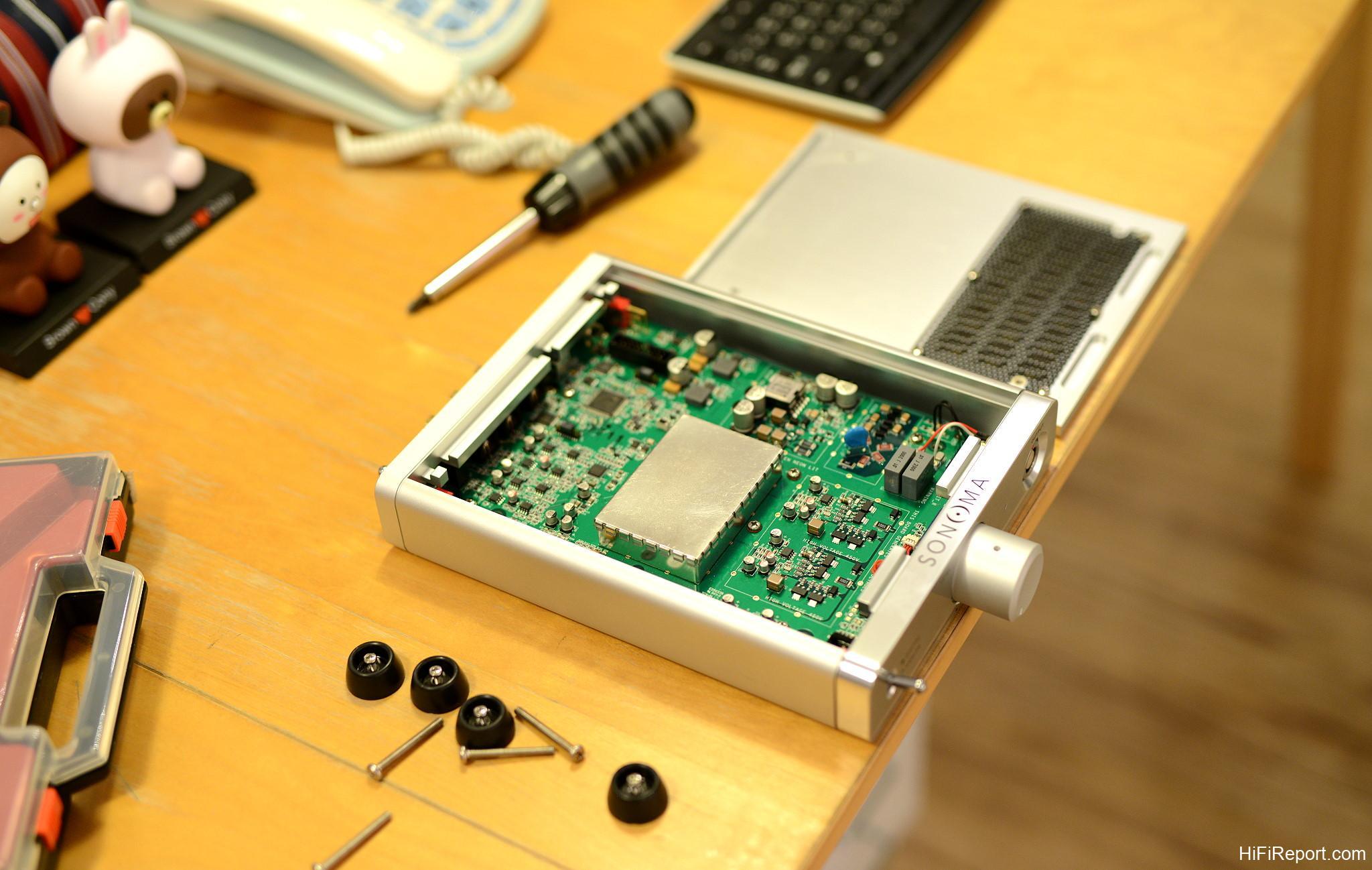
However, the market still lacked tools for directly editing DSD. To address this, the original SACD development team in the US convened professional market experts and software engineers in San Francisco. In less than two years, they developed the Sonoma Workstation, the world’s first DSD recording and editing system, which remains in use today for many high-resolution, high-quality recordings.
Driven by the pursuit of perfect sound reproduction and an unparalleled listening experience, Sonoma Acoustics further launched the Model One high-resolution electrostatic headphone system. Learning that (Fanglang Audio) had become the distributor for Sonoma Acoustics came as no surprise. Kent Poon, a key figure at , is a renowned music producer and mastering engineer.
When he met David Kawakami, General Manager of Sonoma Acoustics, they naturally found themselves engaged in endless conversation – kindred spirits recognizing each other.
Pictured at the 2017 RMAF, on the left is Gus Skinas, Marketing Manager of Sonoma, and on the right is Dan Anagno, CTO of Warwick Audio Technologies, the developer of the HPEL driver.
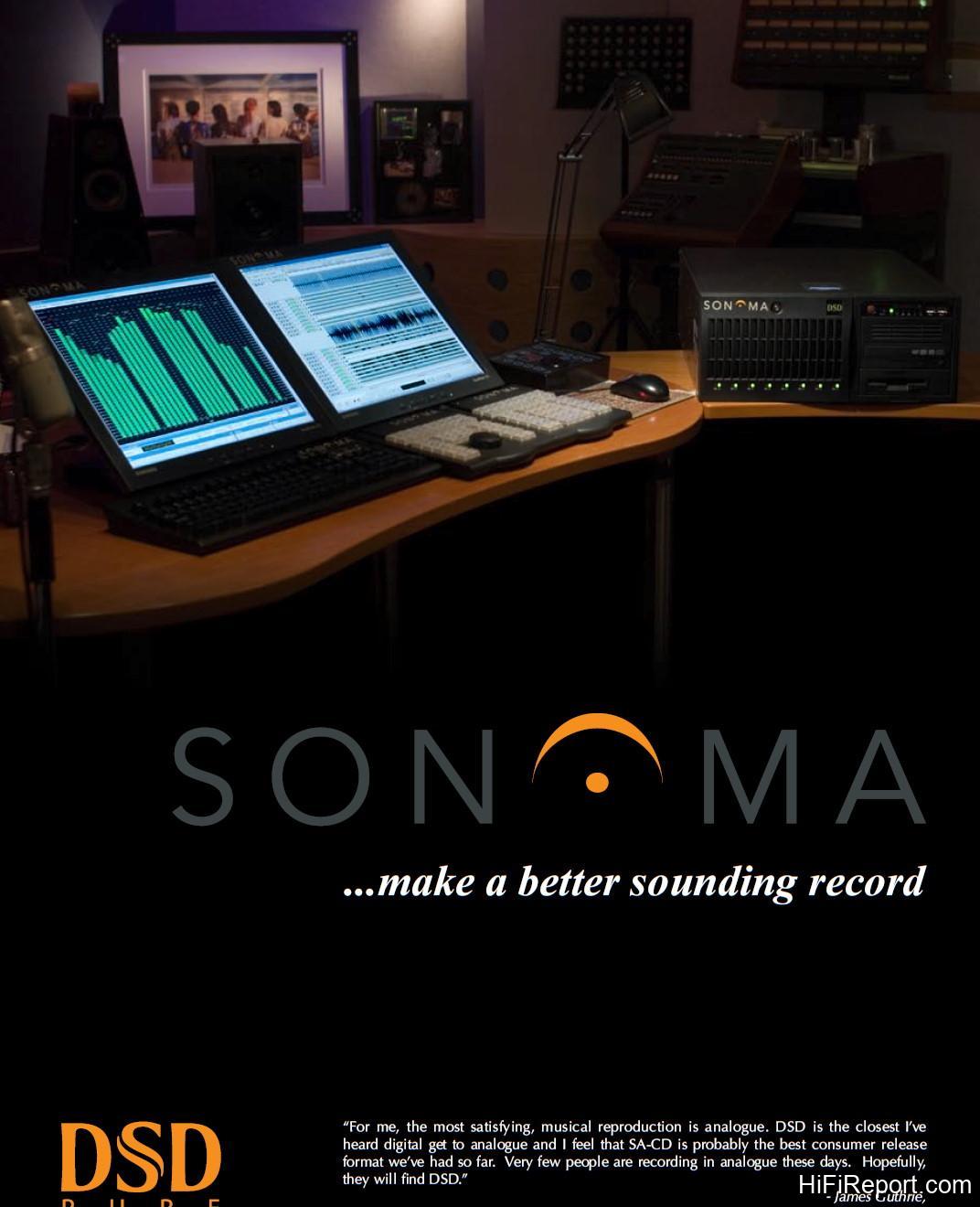
From the packaging of the Sonoma M1, you can immediately sense their meticulous attention to detail throughout. The headphones and accessories are cleverly and very securely arranged.
Unboxing the product – it’s quite a substantial box.
The packaging exudes a luxury feel, sure to delight even female users. The M1 headphones themselves are constructed from high-tech materials, weighing only 303g (excluding cable).
The urge to put them on is irresistible… XD
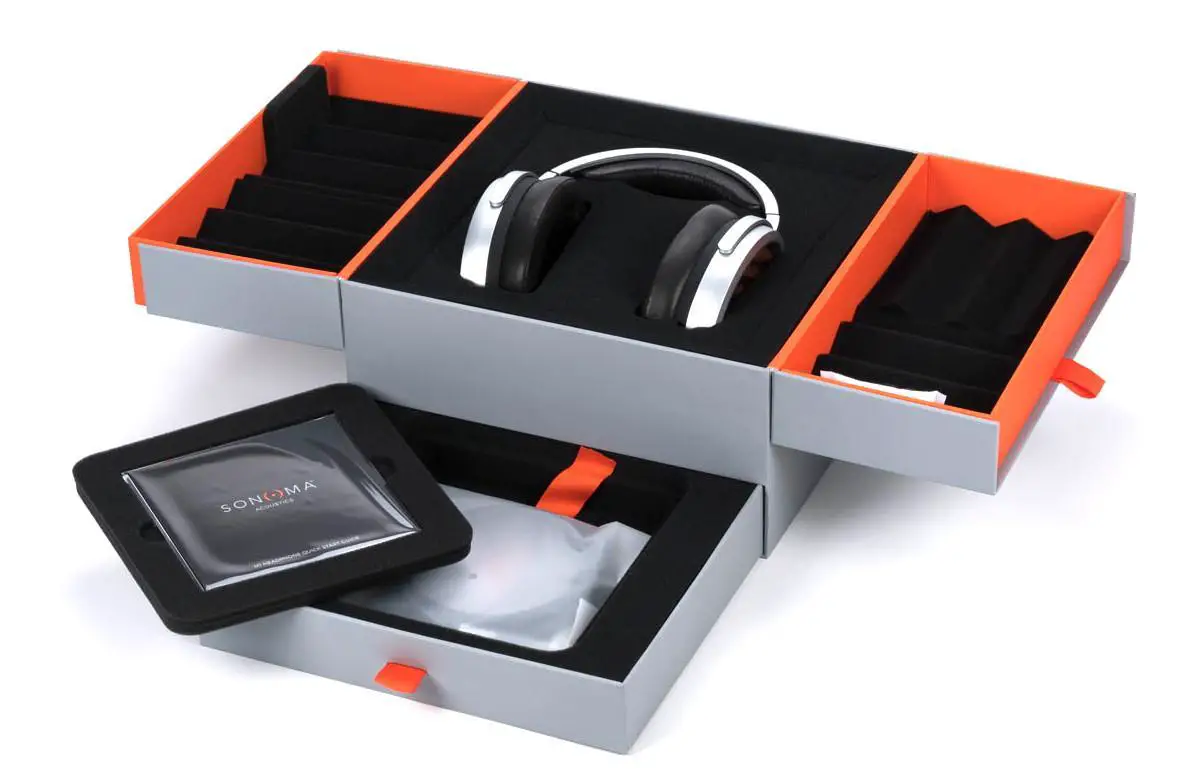
The drawer below contains the manual and cables. Of course, related files can also be downloaded from the official website.
M1 Custom Low-Capacitance Cable
Given the low-capacitance characteristics of electrostatic headphones, their cables also require custom design. Sonoma partnered with cable specialist Straight Wire Inc. to develop a brand new cable specifically for the M1. The objectives were to achieve the lowest possible capacitance, minimize mechanical noise, maximize signal purity, and ensure lightweight flexibility. The conductors are made of high-quality, silver-plated, ultra-pure oxygen-free copper (OFHC).
Foamed polyethylene is used as the filling material, offering excellent damping and dielectric properties. The ground wires for the left and right channels are independent. Carbon-based materials are incorporated into the outer jacket to maximize separation between conductors. To further enhance cable strength, two Kevlar® fibers are woven into the cable. This dedicated cable boasts a capacitance of less than 50 pF/m. At the amplifier end, it is electronically isolated from the amplifier body.
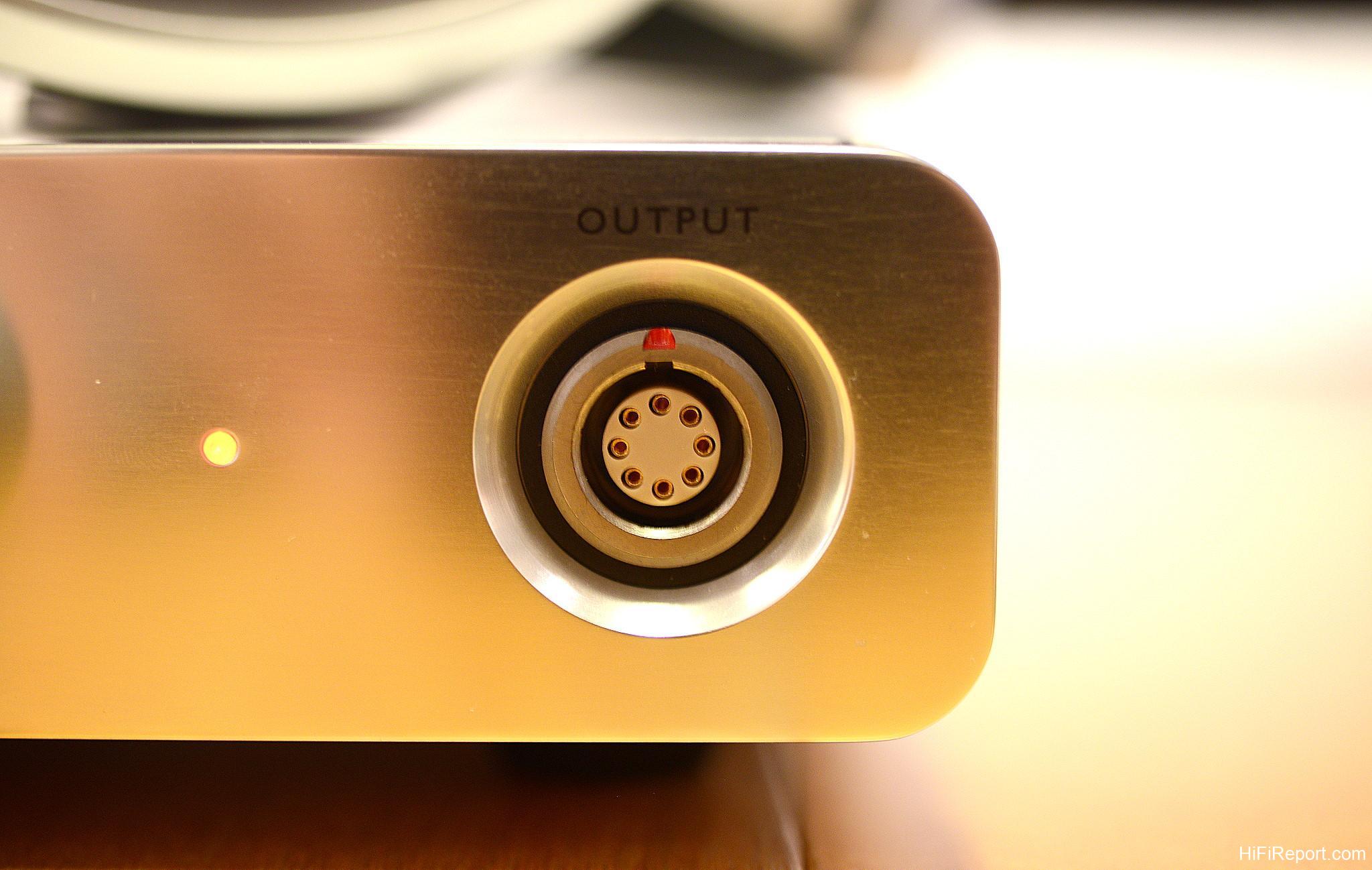
Precision-engineered connectors ensure a secure connection. Notably, the cable incorporates an inductive loop, which automatically stops the amplifier from operating when the cable is disconnected.
The cable length is 2 meters, which is quite generous.
The 4-Pin balanced stereo connector features a foolproof design. A red ring on the cable marks the right channel.
Connecting the cable to the M1 headphone amplifier.
The headphone jack on the M1 amplifier.
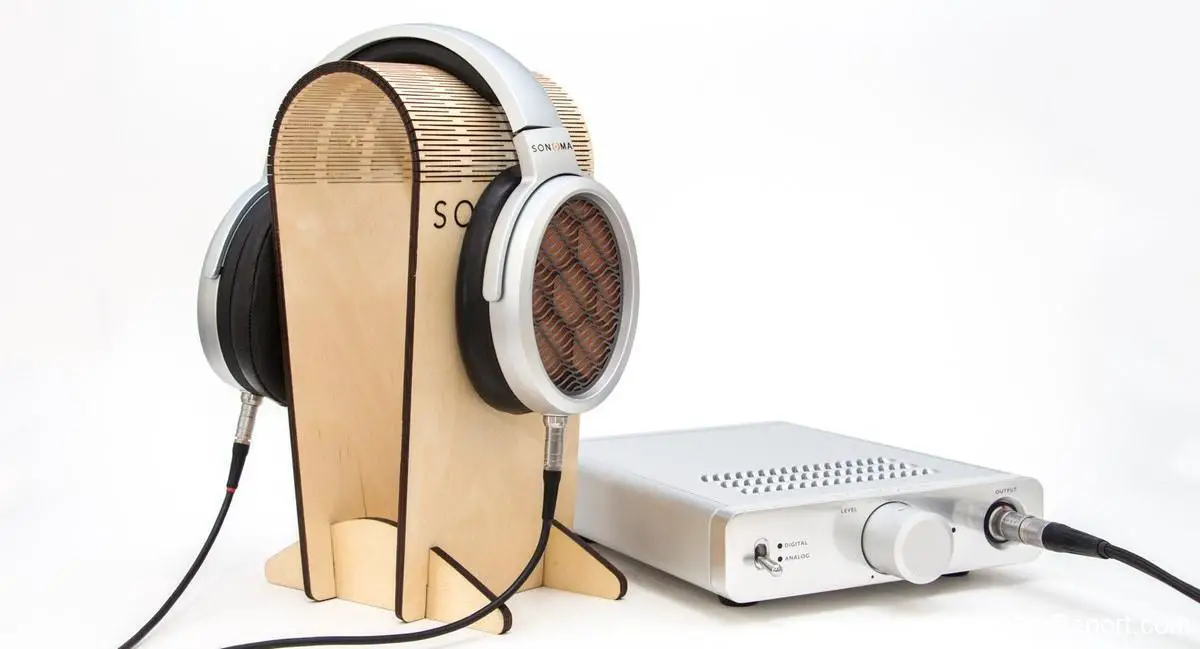
M1: The First Headphone to Utilize HPEL Drivers
The ideal speaker driver should have the smallest possible mass for rapid signal response, perfect damping characteristics, low distortion, and perfect linearity. Electrostatic drivers, first introduced 60 years ago, come closest to these ideal characteristics. The Sonoma Model One is the world’s first headphone to use the High-Precision Electrostatic Laminate (HPEL) driver, developed by Warwick Audio Technologies (WAT) of the UK.
These drivers are incredibly thin at only 15μm, thinner than a human hair. They are exceptionally light, responsive, and exhibit zero distortion and perfect linearity, remaining remarkably linear even up to 60kHz. Channel matching is within ±0.8 dB, and they are designed for durability and reliability.
Comprehensive Material Selection for Headphones
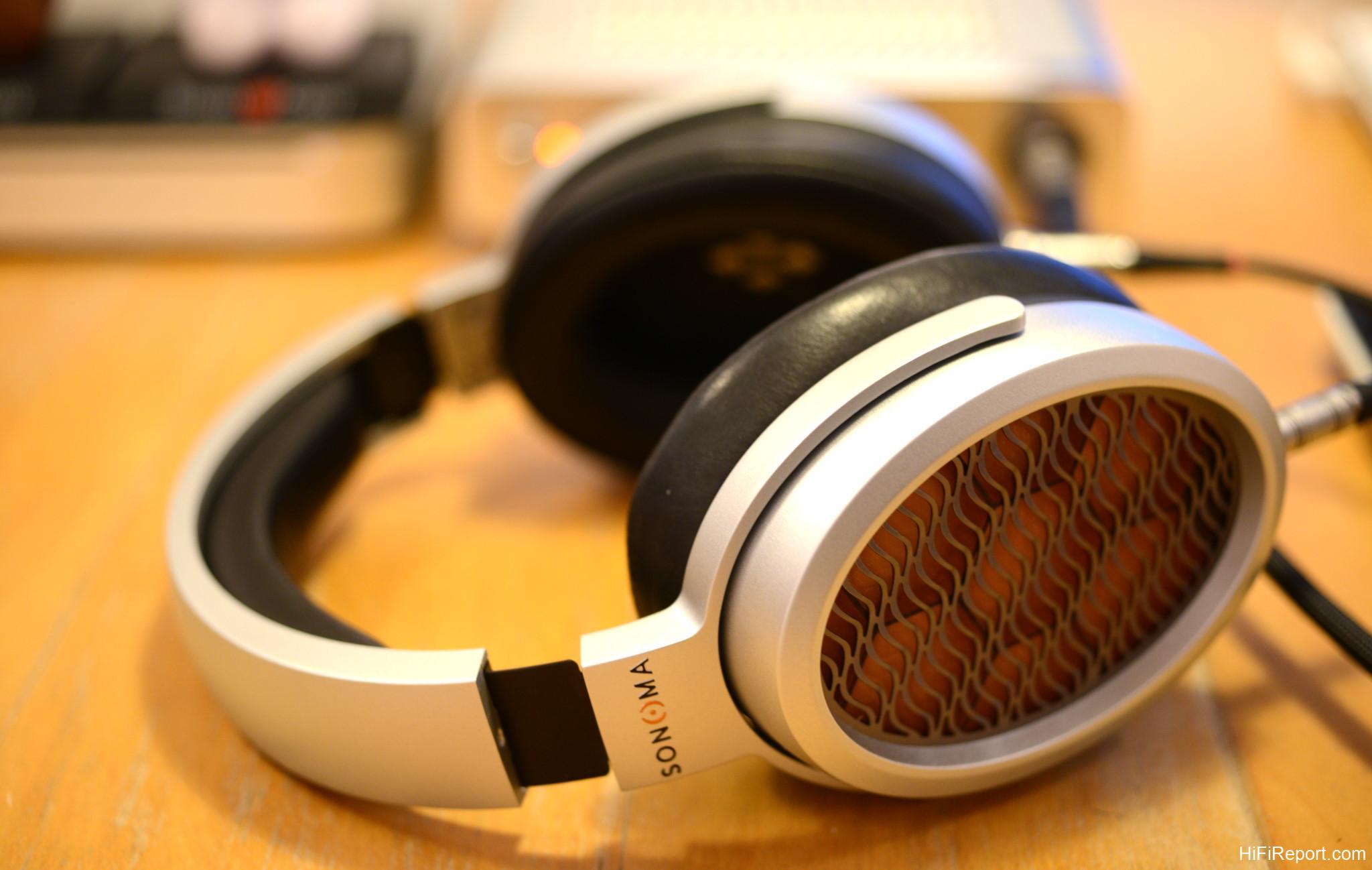
The M1 earcups are crafted from magnesium, a metal that is only one-third the weight of aluminum, offering superior sound damping characteristics and EMI/RFI shielding. Despite their robust construction, the headphones are remarkably light at just 303g. Screws and fasteners used throughout the headphones are made from high-quality stainless steel, ensuring durability, stability, and rust resistance.
For optimal wearing comfort, the earpads are made from incredibly soft Cabretta sheepskin leather, known for its lightness, smoothness, support, and durability. The headband is constructed from a special Nylon 12 (aka Polyamide 12) material, which provides excellent elasticity, maintaining its strength even with continuous wear. It also offers good damping properties to eliminate noise and vibration.