
Sony IER-M9 and IER-M7 Monitor Headphone Review
Some readers may not fully grasp the distinction between “monitoring headphones” and regular headphones. Standard headphones are primarily designed for enjoying music, and as such, they often undergo significant “tuning” processes. A common example is bass-heavy headphones, which intentionally boost the low-frequency range to cater to consumers who prefer a more impactful bass sound.
Purpose and Use of Monitoring Headphones
Monitoring headphones, however, are different. They are engineered specifically for monitoring purposes, tracing their origins back to even military and communication applications. The primary use of modern monitoring headphones is to meet the demanding requirements of professional performers and music engineers. You might notice that many singers wear in-ear monitors while performing on stage. These are monitoring headphones.
This is necessary because a singer might be positioned behind the main speakers (which face the audience) or very close to the backing band (while the audience is further away). Monitoring headphones provide crucial assistance, allowing them to hear the actual performance dynamics (such as the balance between vocals and accompaniment) to deliver a flawless performance.
Professional music engineers also rely on high-quality monitoring headphones when mixing or mastering. These headphones allow them to perceive minute details within the recording. This not only helps in identifying flaws in the recording (like picking up unnecessary background noise) but also enables more precise multi-track mixing and other post-production processes. These are the tasks that monitoring headphones are designed to fulfill.

Design Characteristics of Monitoring Headphones
This distinction means that monitoring headphones must have specific design characteristics that differ from general headphones. Good monitoring headphones should exhibit a very flat frequency response curve. Any artificial boosting or coloring will distort the curve, potentially boosting energy in certain frequency bands while, even worse, possibly suppressing others and obscuring details. Furthermore, the sound from monitoring headphones must be utterly neutral and uncolored.

The playback must be highly accurate, faithful, and natural, ensuring that instruments and vocals sound as close to the original recording as possible to achieve the ideal monitoring effect.
Who Needs Monitoring Headphones?
From the above explanation, it becomes clear who the target audience for monitoring headphones is. Firstly, it includes music performers and professional music engineers. Excellent monitoring headphones allow them to hear every detail with absolute precision, enhancing their work quality and enabling peak musical performance.
Secondly, they are for audiophiles who prioritize fidelity, accuracy, and high-quality sound reproduction. Experienced listeners know that “fidelity” is a crucial value in the pursuit of ultimate sound quality. While personal sonic preferences vary, only true fidelity allows us to explore the original essence of musical recordings, experience the genuine emotions the creators intended to convey, and appreciate the original timbre and tone of instruments.
Therefore, serious audiophiles should own a pair of accurate monitoring headphones.

Sony’s Expertise in Monitoring Headphones
Sony’s decision to develop a new generation of high-end monitoring headphones stems from their accumulated expertise. Many veteran audiophiles know that Sony is one of the few brands capable of developing balanced armature drivers, giving them a key advantage in in-ear headphone design. Since introducing the popular XBA series featuring balanced armature drivers, Sony has continuously refined and improved their designs over the years.

The launch of the new flagship IER-Z1R in-ear monitor, for instance, is partly due to the development of improved drivers, and this success has also been applied to the Stage Monitor series.
Driver Configuration and Technology
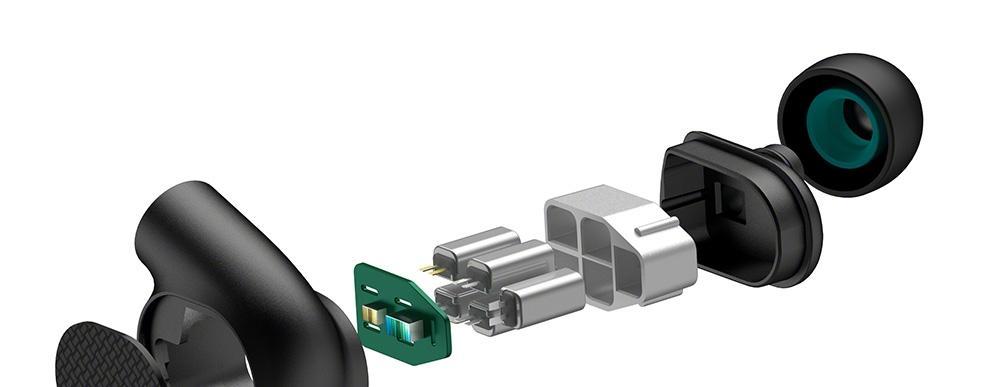
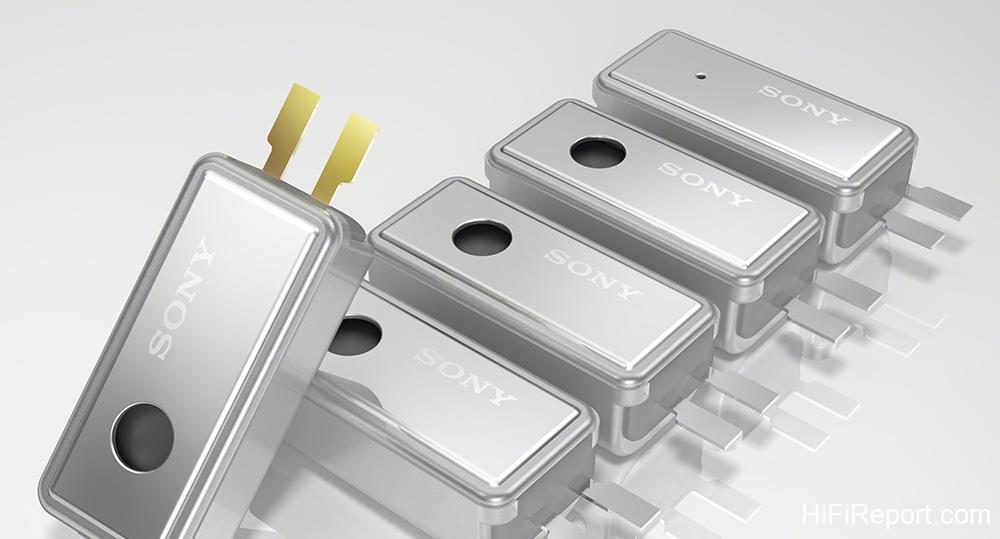
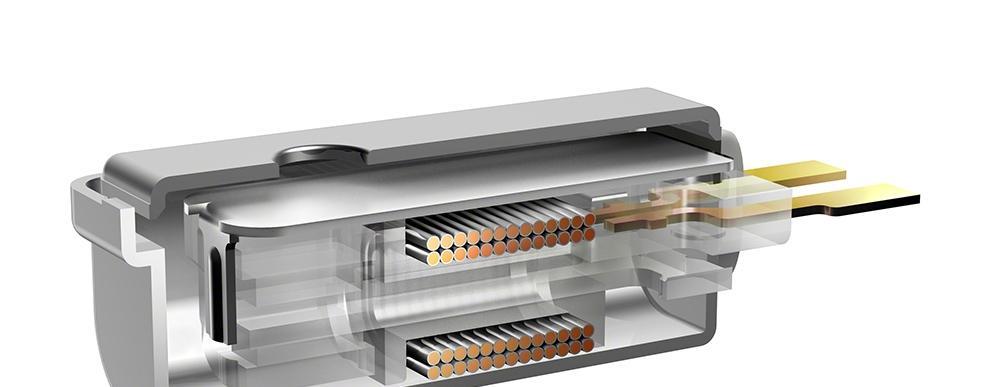
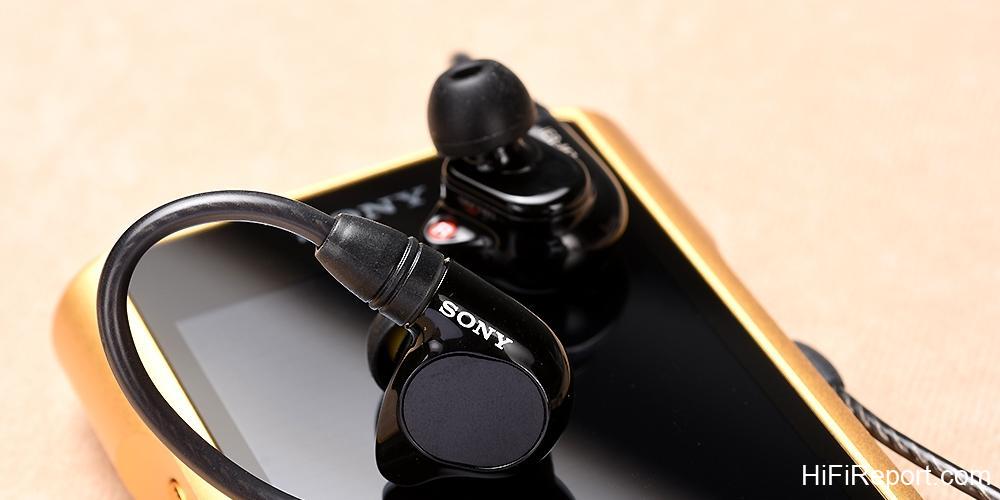
To achieve the most neutral and balanced monitoring effect, both the IER-M7 and IER-M9 exclusively utilize balanced armature drivers. The IER-M7 features a 4-driver configuration, comprising one woofer, two full-range drivers, and one tweeter. The higher-end IER-M9 steps up to a 5-driver setup, adding a super tweeter to the IER-M7’s configuration. Notably, this super tweeter is a high-grade unit, identical to the one used in the flagship IER-Z1R.
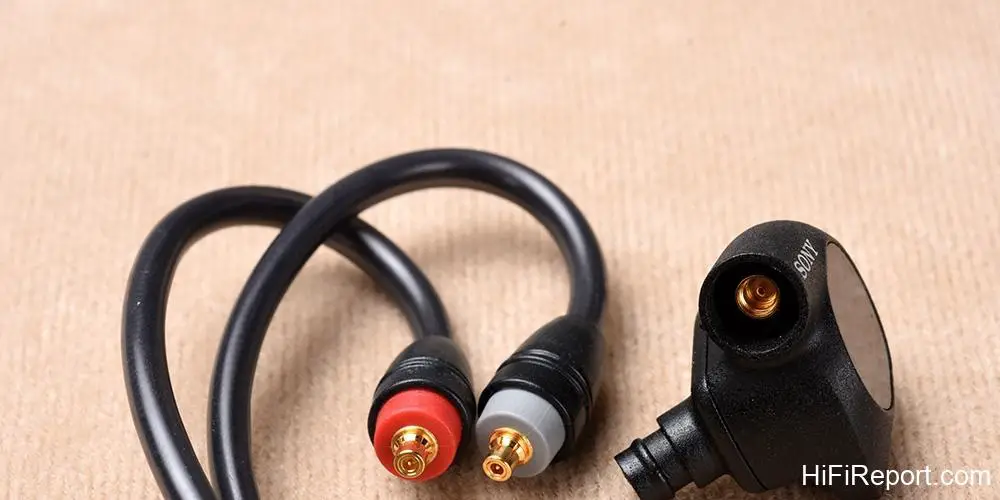
This super tweeter driver features a diaphragm made of magnesium alloy. According to Sony’s research, magnesium alloy possesses superior acoustic properties compared to materials like aluminum, titanium, and copper. Additionally, the voice coil has been modified to use silver-coated copper wire. The terminal connections are gold-plated to enhance conductivity, all contributing to the improved sonic characteristics of this driver.
Construction and Accessories
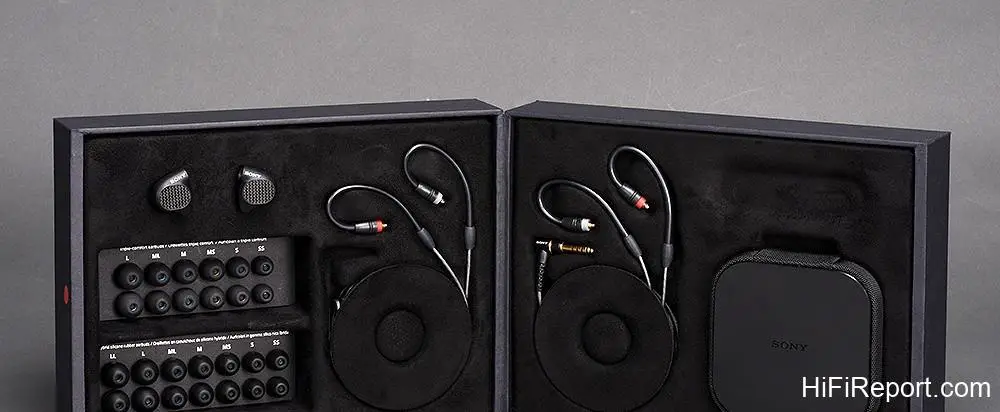
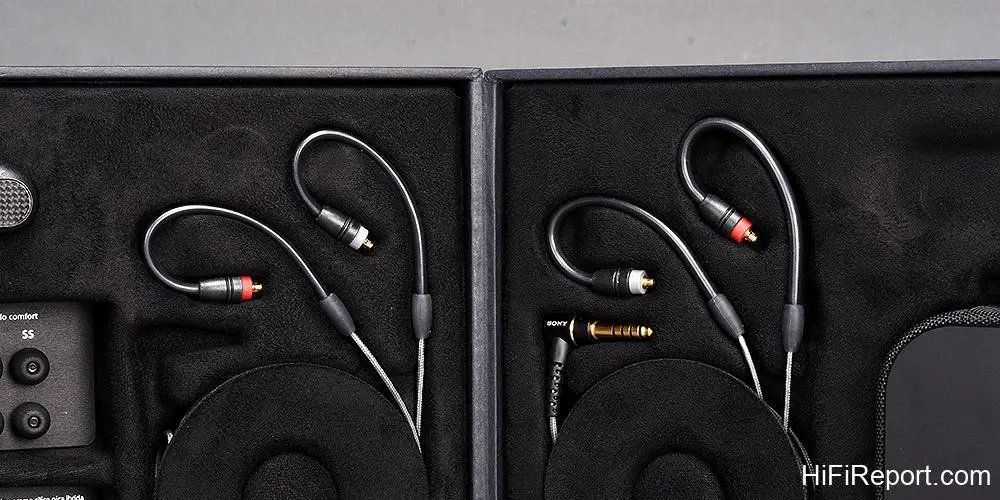
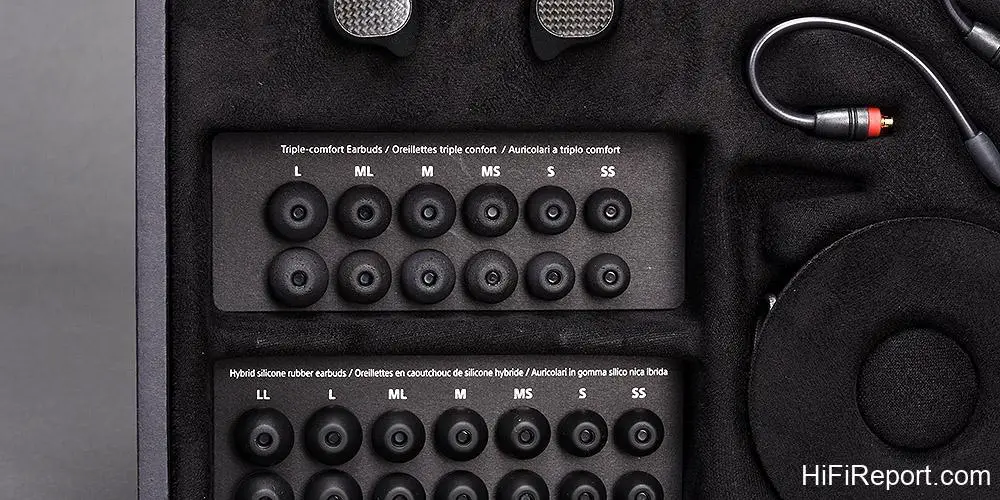
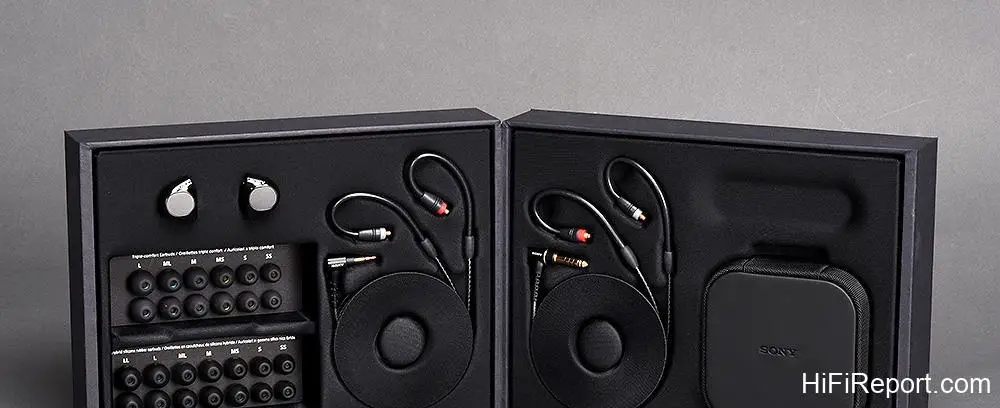
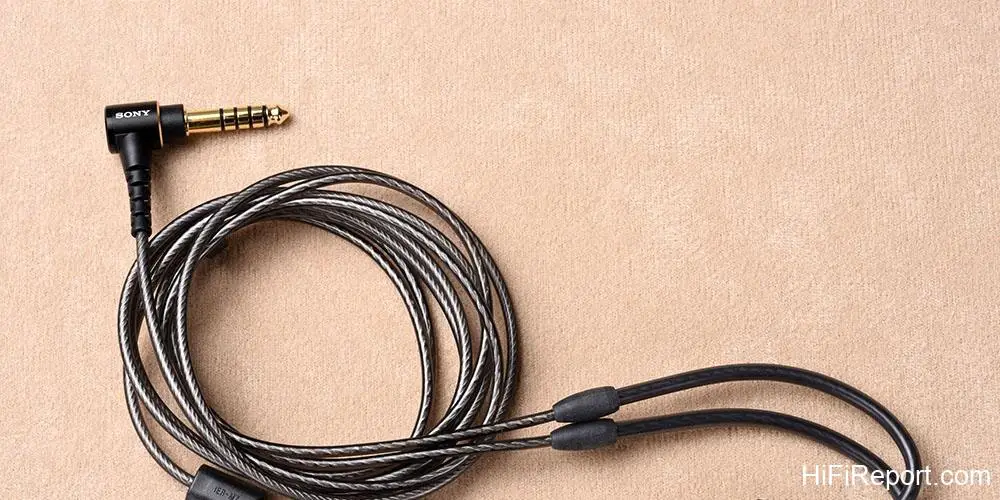
In terms of other design aspects, the IER-M9 incorporates a magnesium alloy inner housing structure. This helps suppress unwanted vibrations and reduces interference and resonance. For the cables, both models in the series use silver-coated oxygen-free copper wires and support 4.4mm balanced connections. Furthermore, the ear tips, like those included with the flagship IER-Z1R, come in a generous selection of 13 pairs, indicating comprehensive attention to every detail.

Tuning Process and Professional Feedback
Beyond premium materials and specifications, Sony leveraged a unique resource to create the ultimate monitoring headphones: their own music division. They collaborated with professional musicians from Sony Music Japan, who provided testing and feedback, leading to continuous improvements based on real-world musical needs. This process wasn’t limited to evaluating Sony’s own products; they conducted extensive comparisons with headphones from other renowned brands.
These comparisons covered key areas like vocals, treble, bass, spatial imaging, and soundstage localization, undergoing repeated revisions until the IER-M7 and IER-M9 were confirmed to meet professional musicians’ demands, achieve true monitoring quality, and outperform competitors in their class before final approval for launch.
IER-M9 Listening Impressions
For this review, we paired the Sony IER-M9 with a Sony NW-WM1Z player, connected via the 4.4mm balanced interface. The result was indeed a beautifully balanced frequency response. High-frequency details were remarkably clear, and the low frequencies lacked the artificial boost often found in popular headphones, instead presenting as clear, natural, elastic, and well-layered bass.
The midrange, particularly vocals, felt neither recessed nor pulled back; instead, they were presented with confident naturalness, creating excellent separation and presence between the main vocalist and accompanying instruments. Another impressive aspect was the headphones’ ability to distinguish between different instrument timbres and tones.
Even when multiple instruments played simultaneously or complex elements intertwined in the music, the IER-M9 rendered everything with crystal clarity, ensuring no detail was missed while maintaining the overall natural flow of the piece.
Take, for example, “Don’t drift too far away” by Elephant Revival (played from a DSD file). Each member of this band is proficient in multiple instruments. When performing this song, they combine at least five different instruments, including violin, cello, and banjo, along with vocals. Presenting all these elements naturally is no easy feat.
Through the IER-M9, when multiple instruments came together, each one was clearly audible. And upon closer listening, the timbre and tone of every instrument remained wonderfully natural, with the high frequencies extending cleanly and delicately. Simultaneously, the IER-M9 created a very convincing sense of space, so despite the density of instruments, they didn’t feel crowded together.
Because the proportions of the various instruments were maintained so naturally, it felt as if they were all recorded in the same acoustic space – a remarkable quality. Some headphones lacking sufficient neutrality or naturalness struggle to maintain the proper size and proportion of instruments during multi-instrument passages, resulting in an unnatural sound texture. Worse, the lack of separation between instruments can lead to a cluttered listening experience.
The IER-M9 exhibited none of these issues, delivering a performance that was entirely neutral, natural, and high-quality.
The vocal performance was also ideal. Some people stereotypically believe that balanced armature headphones produce a leaner midrange vocal, but the IER-M9 completely shatters this notion. Its vocals possess excellent body, and even the lower midrange has impressive solidity, power, and impact.
While successful headphone design plays a major role, this characteristic is likely also significantly influenced by the support for the 4.4mm balanced interface, which adds considerable depth to the sound.
Let’s consider another track that truly tests monitoring headphones: Dream Theater’s “AWAKE.” This piece is packed with rock instrumentation played at a fast, intense pace. Through the IER-M9, it presented a vast soundstage. This large spatial canvas allowed the instruments within to flourish, clearly revealing the interplay between the vocalist, backing band, and other instruments.
Crucially, they were presented with distinct layers, positions, and directions, each possessing complete melodies and forms, with every single detail rendered with exceptional clarity.
In the low frequencies, the drum beats were steady and rapid. With headphones that lack good control, this track can sound bloated in the bass, perhaps even becoming a muddy, rumbling mess. The IER-M9, however, showcased excellent speed, definition, and elasticity in the bass – not just impactful, but also full of life. Because the bass remained tight and defined, the rock music became far more listenable.
The entire piece wasn’t just an onslaught of sound pressure; certain intricate details were also exceptionally rendered. For instance, some guitar plucks sounded incredibly ornate, almost possessing a mesmerizing quality.
When playing more popular music, such as Adele’s “Hello,” the IER-M9 reproduced the vocals with remarkable naturalness and realism. Adele’s voice sounded full-bodied, while the accompanying piano in the background was focused and solid. The relationship between the main vocal and accompaniment was clearly delineated yet felt entirely natural.
During the passionate chorus, the IER-M9 maintained its characteristic style – the bass wasn’t exaggerated or bloated but presented with clarity and impactful presence. One particularly noteworthy detail was the clear spatial reverb on Adele’s voice. The difference between the IER-M9 and other headphones was its ability to render this spatial reverb with exceptional length and lingering quality, making the voice feel ethereal, seemingly floating in space before slowly fading away.
IER-M7 Comparison
Regarding the IER-M7, it is also an exceptionally capable headphone. Its fundamental tuning and balance remain consistent, with the main difference being the absence of the super tweeter driver. This results in a slightly smaller sense of spatial scale and less perceived soundstage depth. However, based on my listening experience, this can also be considered a different sonic presentation.
While the IER-M9 creates a large, outdoor-stage-like spatial image, the IER-M7 portrays a more intimate, studio-like space. Combined with its more accessible price point, I believe it will cater to the needs of consumers with different preferences and requirements.
Conclusion
After this round of testing, it’s clear that the Stage Monitor series successfully achieved Sony’s objectives, creating a line of neutral, natural, high-fidelity, and highly resolving monitoring headphones. Whether reproducing natural acoustic recordings, furious rock music, or popular tracks, they demonstrate excellent spatial imaging, balance, and reveal every detail with clarity. Both their musicality and technical performance are quite extraordinary.
Achieving Accuracy: Sony’s Approach
To create the best monitoring headphones, “accuracy” and “fidelity” are arguably the paramount considerations. In the realm of in-ear driver technology, balanced armature drivers, with their short excursion and stable structure, inherently possess greater accuracy and fidelity compared to most dynamic drivers.
Sony, being one of the few brands with the capability to develop balanced armature drivers, has combined years of experience with the latest technology, giving them a key advantage in developing monitoring headphones.
Furthermore, Sony made many correct decisions regarding peripheral aspects and tuning design. For instance, using a magnesium alloy inner housing structure stabilizes driver placement and significantly suppresses vibrations. Also, the full support for the 4.4mm balanced interface allows the headphones to perform at their peak.
Additionally, the continuous incorporation of feedback from professional musicians during the design and development process ensured that the monitoring characteristics met demanding requirements, ultimately resulting in a truly excellent product line. If you are looking for neutral, monitoring-oriented headphones that allow you to explore the original form and beauty of music recordings, this series is highly recommended.
For professional musicians, the Stage Monitor series will naturally serve as a valuable tool for their work and is well worth owning.