
Sony MDR-AS20J Active Style Headphones Review
The Sony MDR-AS20J pairs 13.5mm neodymium drivers with a clip-on, vertical-in-ear architecture and a 3.9-foot cord, placing it squarely in the budget exercise-earphone tier. The soft loop hangers that wrap over the top of the ear give the product a retention mechanism most standard earbuds do not have, and the sweat-resistant moisture guard design targets the one environment where most wired earphones fail. What follows is a listening and durability verdict built from owner reports and the specifications Sony publishes for the line.
Spec Snapshot
- Driver: 13.5mm, neodymium
- Cord length: 3.9 ft
- Fit style: Clip-on, vertical in the ear
- Sweat resistance: Moisture guard design
- In the box: Headphones, extension cord, cord clip, warranty card
Drivers and Design
Sony specifies 13.5mm driver units backed by neodymium magnets for the MDR-AS20J. The earbuds seat vertically inside the canal rather than pointing inward, which changes the acoustic path: sound exits toward the front of the ear and fills the canal differently than a conventional in-ear monitor does. The soft loop hangers wrap over the top of the ear, and the product description notes that they “fit a wide range of ear sizes.” The loop also lets the wearer adjust how deeply the bud sits, trading isolation for awareness without removing the headphone or re-seating it from scratch.
The sweat-resistant moisture guard design routes moisture around the transducer housing instead of letting it pool on the driver. Sony positions this for athletes and anyone in continuous physical activity, from running to weight training. The clip-on form factor means there is no rubber eartip to lose, crack, or degrade over months of gym use. A small cord clip, included in the box, secures the cable to a shirt or pocket so it does not swing free near the hands during a run or a basketball session. The housings are compact plastic shells with a colored ring at the speaker face; the ring can shift if the bud takes a direct impact, but the underlying driver and magnet assembly remain sealed.
The Tuning
The MDR-AS20J delivers a bass-forward, midrange-clear signature that owners consistently describe as more capable than expected for a wired earphone in this tier. A long-term user calling the pair his “personal headphones of choice” noted deep, rich bass, clear and sharp mid-ranges, and decent treble. The same owner said the headphones get very loud, often allowing him to sit at the lowest volume setting on his source device and still hear detail, which saves battery on phones and MP3 players.
For hip-hop and rap-heavy playlists, the neodymium drivers push enough low-end weight to keep the rhythm section anchored without bloating. One owner with a library that is 95 percent hip-hop and rap, 4 percent jazz, and 1 percent pop reported that the bass thumped without becoming overbearing and the high end stayed crisp. He left the buds in for a full day at school, noting they were barely noticeable and mostly muted library ambience when the music was off.
Treble presentation is the softest part of the tuning. A user who preferred a crisper, more treble-forward sound found the MDR-AS20J slightly bass-heavy by comparison and called the overall picture good for the tier but not reference-grade. No owner in the collected reviews flagged harshness, sibilance, or digital artifacts. The complaint, where it appeared, was a relative lack of top-end extension rather than a tonal defect. One runner in a noisy gym reported that the volume held up against surrounding equipment noise without needing the source turned to maximum, and that the loudness at the ear did not correlate with how much bleed others heard.
This content belongs to hifireport.com. Unauthorized reproduction is strictly prohibited.
Cable, Plugs and Build
The cable measures 3.9 feet, long enough to tuck a phone or MP3 player in a back pocket, across the chest, or on the forearm during a run. An extension cord is included in the box for users whose device sits higher, and the small clip lets the wearer secure the cable to clothing so it does not bounce near the hands or get caught on equipment. The connector at the earbud end is fixed with no detachable cable, so a frayed wire means the end of the unit.
Build complaints cluster around that cable. Multiple owners reported the wire near the headphone jack developing a loose connection, ultimately cutting out one side entirely. One user taped the cable at the joint and said the fix added months of usable life to a second pair. The housings are small enough that a footstep can displace the speaker from its casing or crack the colored ring; one owner snapped a shifted driver back into place and reported no audible change, while another superglued a cracked ring back in place. The neodymium drivers and loop hangers survived repeated drops and sweat exposure across the reviews, but the cable remains the weak link in the build.
Time With the Music
The MDR-AS20J earns its reputation as a set-and-forget workout earphone. Owners run, lift, do CrossFit, play basketball, and use stair-steppers with the buds staying seated. The vertical orientation and loop hanger mean the bud does not pop out the way a standard in-ear does during a head shake, a pull-up, or a jump shot. One reviewer who could not get any standard in-ear bud to stay put through basic movement described the MDR-AS20J as the first pair that held position through running, cycling, sit-ups, and weight lifting without adjustment.
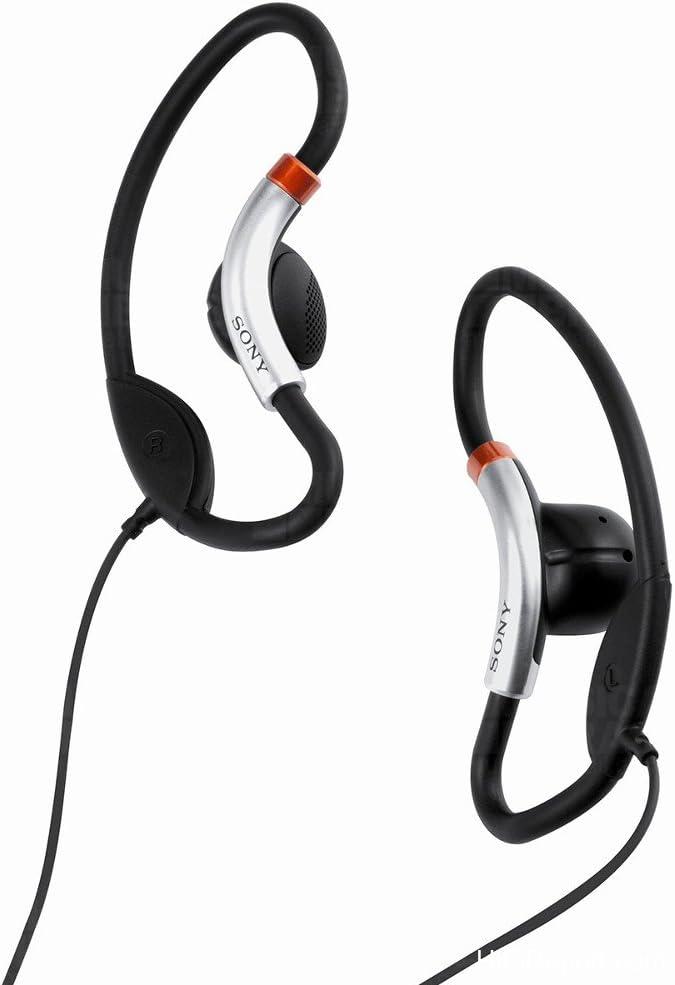
For studying or commuting, the loop lets the wearer push the bud in for a near-seal when focus is needed or hang it looser to stay aware of traffic and conversation. One user wore them all day in a commuter parking lot and a quiet library, keeping them in even while dozing, and noted that glasses did not interfere with the fit. The forward-pointing sound design means people nearby can hear what is playing. One reviewer flagged that as awkward for loud or genre-specific choices in a shared gym, but another pointed out that the bleed at the ear is lower than the perceived volume suggests, so the social cost is smaller than it first appears.
This content belongs to hifireport.com. Unauthorized reproduction is strictly prohibited.
In the high-impact category over extended periods, the headphones hold their own but are not immune to time. One owner logged roughly nine months of regular running use before the right earbud began losing sound relative to the left and a mild static shock appeared on the left bud during treadmill sessions. Another user reached two years on a second pair after the first failed at the cable joint. The spread in service life suggests handling habits, cleaning routines, and cable management matter more than the unit’s inherent defect rate.
How It Stacks Up
The available web sources do not include a structured side-by-side comparison of the MDR-AS20J against a specific competitor model. One owner who found the loop too large for his ears and the speaker too wide for his canals pointed to a Sennheiser neckband-style sport headphone as the alternative that stayed put regardless of ear shape. That recommendation is anecdotal and owner-sourced rather than a controlled listening test, but it identifies the neckband form factor as the practical fallback when the clip-on loop does not suit the wearer’s anatomy.
Owner Feedback
Praise concentrates on three recurring themes. Fit is the first: the loop hanger stays through running, stretching, floor work, and even sleep for most owners, and the absence of a rubber tip removes a common failure and replacement point. Comfort is the second; multiple users described the buds as barely noticeable during long wear and compatible with glasses. Sound is the third: the bass depth and overall loudness exceed what owners expected from a wired earphone at this tier, and the volume holds up in noisy gym environments without maxing out the source device.
Complaints track the fit question and the cable. Ear size matters more here than with a standard earbud: one owner and his wife both found the loop too large and the speaker too wide, and the buds fell out on a stair-stepper, during pull-ups, and in ordinary housework. The cable near the jack is the most repeated mechanical failure across reviews, with owners losing one side at various points in the first year or two. A minority of runners also reported intermittent static shocks from the left bud on a treadmill, and several noted that with enough lateral movement the speaker shifts a few millimeters out of the canal, softening the sound until a quick re-seat restores full level.
What We Like / What We Don’t
- Loop hanger keeps the bud seated through high-impact exercise and sleep
- 13.5mm neodymium drivers deliver bass depth that outperforms many peers in the tier
- No rubber eartip to lose, crack, or degrade during months of gym use
- 3.9-foot cord plus included clip and extension keeps the cable out of the way while moving
- Moisture guard design handles sweat exposure without shorting for most users
- Cable near the jack is the primary failure point; owners report losing one side within nine months to two years
- Fit depends on ear size; smaller ears report the loop and speaker as too large
- Forward-pointing sound design lets nearby people hear the music
- No detachable cable, so a frayed wire ends the unit
- Treble extension is the softest part of the tuning
Verdict
The MDR-AS20J is a set-and-forget wired earphone for the person who runs, lifts, cycles, or plays court sports and wants the headphones to stay in place without constant mid-set adjustment. The loop hanger, vertical seat, and moisture guard handle the physical demands of a workout, and the 13.5mm neodymium drivers produce enough low-end weight to keep a hip-hop or rock playlist driving without maxing out the source. If the user’s ears are on the larger side and a standard in-ear bud pops out at the first incline, this is the retention mechanism that solves the problem without adding headband bulk.
The caveats are mechanical rather than acoustic. The non-detachable cable will eventually be the reason for a replacement, and owners who find the loop too large for their ear shape will be better served by a neckband sport headphone. For the right ear geometry and a use pattern centered on exercise, commuting, or long daytime wear, the MDR-AS20J holds up as a straightforward wired earphone that does one job well and keeps doing it.
Key Specs
- Driver size: 13.5mm
- Driver type: Neodymium
- Cord length: 3.9 ft
- Fit style: Clip-on, vertical in the ear
- Loop: Soft, over-the-ear hanger
- Sweat resistance: Moisture guard design
- Cord clip: Included
- Extension cord: Included
- Color: Black
- Aggregate rating: 4 out of 5 (1,093 ratings)
- In the box: Headphones, extension cord, clip, warranty card
Questions Owners Ask
Do the MDR-AS20J stay in during high-impact exercise?
Yes, for most ear sizes. The soft loop wraps over the top of the ear and the vertical bud seats in the canal, so running, jumping, cycling, and floor work keep the bud in place without readjustment. Owners with smaller ears report the loop as too large and the bud shifting or falling out on a stair-stepper or during pull-ups, so fit varies by individual ear geometry.
How long do the cables typically last under regular use?
Owners report a range from roughly nine months to two years of daily exercise use before one side cuts out, most often at the cable-to-jack joint. Taping the cable at the connector and avoiding sharp bends on gym equipment extends the usable life. Because the cable is not detachable, a frayed wire means replacing the entire pair.
Can I clean the buds if the sound gets muffled or drops out on one side?
Yes. Several owners found that earwax blocking the small pores in the speaker face reduced or cut the sound intermittently. A can of compressed air or a gentle toothpick clears the blockage and restores the original volume and timbre. Blowing or sucking manually is less effective and not recommended.
Will the headphones work with glasses on?
They will. One owner who wears glasses reported no interference between the frames and the loop hanger, and the vertical seat keeps the bud positioned so the temple of the frame does not press on the housing. Comfort during long wear remained unaffected, and the fit stayed stable through head movements.

- Loop hangers prevents dropping off the ear
- Soft loop hangers for comfortable fitting
- Lightweight clip-on style (Vertical in the ear)