
Sony MDRE9LP/BLK Ear Buds Review
Overview
The Sony MDRE9LP/BLK is a budget wired earbud from a manufacturer better known for premium audio, but this particular model takes a deliberately simple approach. Unlike many modern in-ear headphones that use silicone tips to seal the ear canal, the MDRE9LP uses a classic open-air earbud shape that rests in the outer part of the ear. That one design choice drives much of the conversation around this product: some buyers see it as the last comfortable wired earbud standing, while others find it loose, thin-sounding, or inconsistent from batch to batch.
Amazon’s aggregate rating sits at 4.2 out of 5 across roughly 11,000 ratings. Best Buy shows a similar 4.3 out of 5 from 73 reviews, with 86 percent of reviewers saying they would recommend the product. Third-party scoring is more cautious. One outlet gives the MDRE9LP a 72 out of 100 overall, pointing to strong compatibility and easy setup but lower marks for build quality, reliability, and features. In practical terms, this is a no-frills wired headphone for casual listening, not a high-performance audio accessory.
The product’s core identity is straightforward: a lightweight, 3.5 mm wired earbud with no battery, no pairing, no companion app, and no in-line microphone or remote. It works anywhere a standard headphone jack is available, and it disappears into a pocket or bag more easily than larger over-ear models. Buyers looking for active noise cancellation, wireless freedom, or audiophile-grade resolution should look elsewhere. Buyers looking for a simple, inexpensive, and comfortable wired earbud for low-key listening may find exactly what they need.
Sony markets the MDRE9LP with familiar entry-level promises: a hybrid driver system for deep bass and clear highs, secure-fitting silicone earbuds, light weight, and a durable cord. The reality, based on a large volume of customer and expert feedback, is more mixed. For every reviewer who praises the sound and long-term durability, another reports a tinny response, uneven fit, or a channel cutting out after a short period. The result is a product with a loyal following but enough consistency issues to make expectations important.
© hifireport.com – Original review content by hifireport.com. Reprinting without written permission is not allowed.
Design and Build
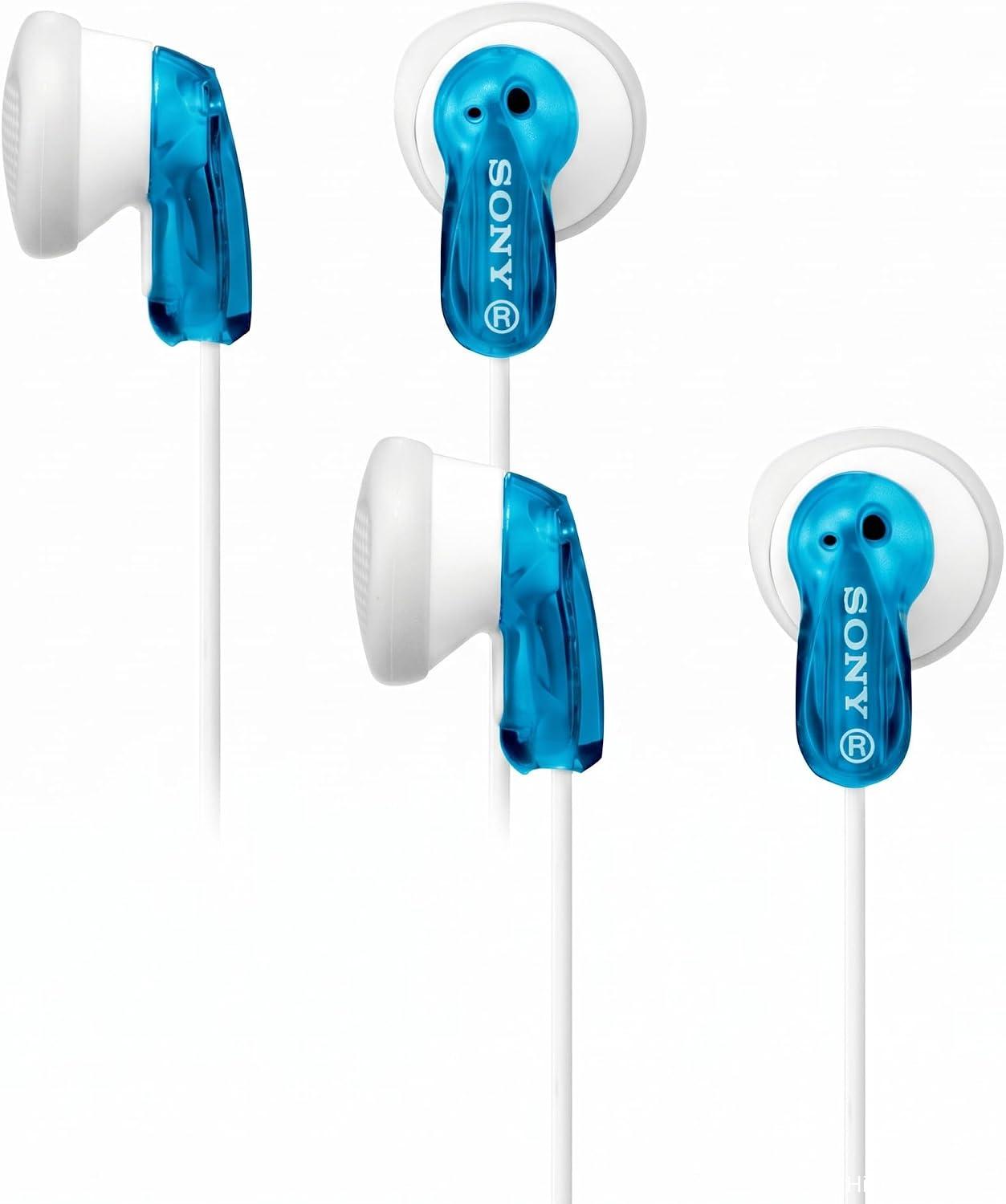
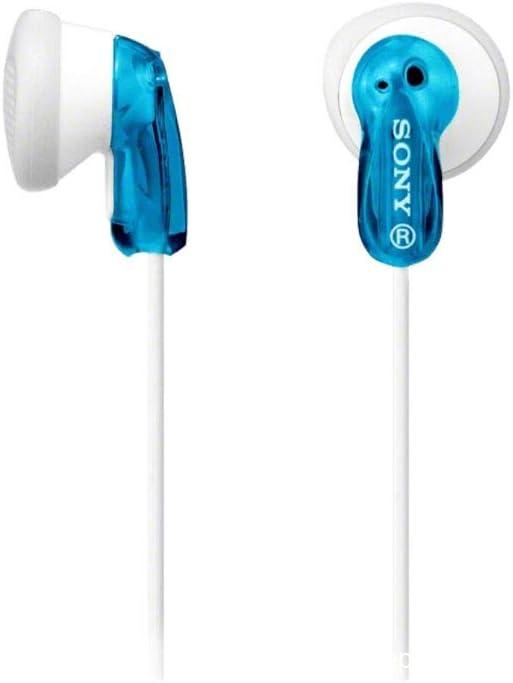
The MDRE9LP is a small, rounded earbud that sits in the concha, the outer bowl of the ear, rather than being inserted deeply into the ear canal. This open-air design is increasingly uncommon, but it remains popular with buyers who find silicone-tipped in-ear monitors uncomfortable or painful. The shape is minimalist, with no protruding nozzles, no memory-foam tips, and no bulky housings. In black, it is especially low-profile, though other color options are available.
Build quality is where opinions diverge sharply. Sony’s official materials describe a lightweight cord and durable construction. Many long-term users report using the same pair for one to two years or longer, sometimes through daily gym sessions, pocket storage, and even accidental laundry cycles. At the same time, a meaningful number of reviewers report failures early in ownership: a left channel going silent after a week, a short in the wire fresh out of the box, or an earpiece cover falling off during normal handling.
Some of this inconsistency may come down to batch variation or changes over the product’s long retail life. A few customers who repurchased the earbuds after years of use observed that newer units felt lighter and more flexible than older pairs, with thinner-feeling wires and weaker sound. Others found no such difference. Because the MDRE9LP has been sold for a long time, it is possible that different production runs have not always been identical. Still, the overall pattern suggests that durability is less predictable than on Sony’s more expensive headphone lines.
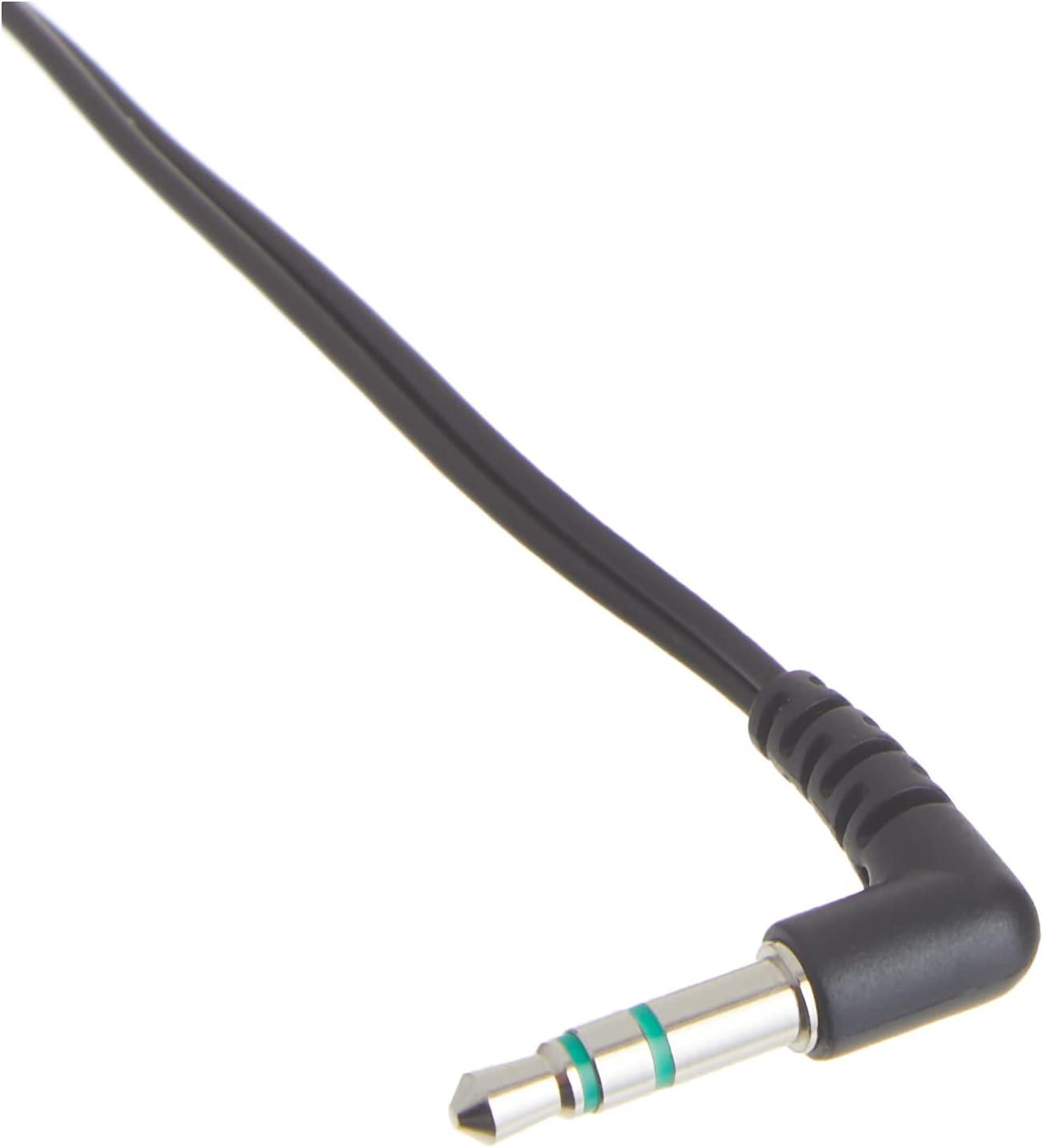
The cable terminates in an L-shaped 3.5 mm stereo mini plug. The right-angle design can reduce strain when the cable is bent in a pocket or bag, and several reviewers specifically credit this connector with extending the life of their earbuds. The downside is that the angled plug does not fit every phone case or accessory layout. One reviewer described the angled jack as making the earbuds impossible to use with certain newer devices because the plug would not seat properly. This is not a universal complaint, but it is worth checking against your own gear.
Sony supplies the earbuds with two sets of silicone covers intended to improve fit and comfort. These covers slip over the hard plastic shells and provide a slightly softer contact point. They do not create a seal in the ear canal, so they are not equivalent to the replaceable tips found on canal-style in-ear monitors. Some users appreciate this because it avoids the pressing, plugged-up feeling of deep-insertion earphones. Others find the covers a little too minimal and report that the earbuds can shift or fall out.
At a structural level, this is a lightweight product. Official specs list a dynamic driver with a neodymium magnet, a 16-ohm impedance, and a rated frequency response that reaches from the deep-bass region through the upper treble. That sounds respectable on paper, but spec sheets for open-air earbuds tell only part of the story. Because the design does not seal against the ear canal, low-frequency reproduction and isolation depend heavily on individual ear shape and how the earbud rests in place.
Comfort and Fit
Comfort is the MDRE9LP’s strongest selling point for a particular group of listeners. The classic, non-intrusive shape makes it one of the few remaining options for people who dislike the rubber-stopper style that dominates modern in-ear headphones. Customers with small ears, in particular, often say these are among the only earbuds that fit them without pain or a constant feeling of pressure. That alone explains much of the product’s staying power despite its age.
For sleep listeners, the open-air shape has a practical advantage. Because the earbud does not protrude deeply or create a sealed plug, it is easier to wear while lying on one side. Several reviewers describe using the MDRE9LP as a go-to for audiobooks, music, or videos before sleep, with no need to worry about battery life. Wired operation also means there is no charging case, no Bluetooth pairing, and nothing to forget overnight.
Fit consistency, however, is not universal. Some users report that the earbuds stay put during walking, jogging, and gym workouts, while others say they fall out with even slight head movement. Ear anatomy varies widely, and with an open-air design there is no silicone tip digging in to hold everything in place. The supplied covers help, but they cannot fix a fundamental mismatch between the earbud shape and a given ear. If you need a secure fit for running or heavy movement, this is a roll of the dice.
That loose, non-sealed fit also affects what you hear in noisy environments. The MDRE9LP provides essentially no isolation from outside sound. In a quiet room, that can be a benefit: you remain aware of your surroundings, and the listening experience feels open and airy. On a busy street, near traffic, or around power tools, the same quality means outside noise washes over the music unless you raise the volume. One reviewer found it usable next to a running air compressor only by wearing the earbuds under industrial hearing-protection earmuffs.
For office or at-home use where some ambient awareness is desirable, the lack of noise isolation can actually feel safer and less fatiguing than a sealed in-ear monitor. But it is important to understand what the product is not. It is not a noise-cancelling earphone, and it should not be relied on to block lawnmowers, engines, or loud public transit. Sony’s own spec sheet lists noise control as none, which is accurate.
Sound Quality
Sound quality on the MDRE9LP is the most polarizing aspect of the entire product. Some users describe the audio as surprisingly good for a budget open-air earbud, with clear mids, enough bass for rock and hip-hop, and no obvious distortion at high volume. Others describe exactly the opposite: a thin, faraway, boxy sound with almost no low end. Neither camp is necessarily wrong, because an open-air design is extremely sensitive to fit and positioning.
This article is the original property of hifireport.com. All rights reserved. Unauthorized reproduction is strictly prohibited.
The earbud uses a 13.5 mm dynamic driver with a neodymium magnet and a rated sensitivity of 104 dB/mW. Sony’s marketing mentions a hybrid driver system for deep bass and clear highs, but in practice this is a conventional single-driver open earbud. Its 18 Hz to 20 kHz frequency response looks broad, yet frequency response alone does not guarantee strong bass perception. Without a sealed ear canal, low frequencies can leak away, and the bass you hear depends greatly on how the earbud contacts your ear.
Reviewers who find the proper fit often speak well of the bass. Some say the low end is surprisingly strong for small earbuds, making them enjoyable for electric guitars, rock, heavy metal, hip-hop, and electronic music. Others with a different ear shape say the bass is nearly absent unless they physically press the earbuds against their ears. This split is likely not just subjective preference; it reflects real physical differences in coupling between the driver and the ear.
The midrange and treble present a similar pattern. Customers who like the MDRE9LP describe clear sound with enough detail for podcasts, ASMR videos, and casual music listening. Critics say the sound is tinny and distant, like a phone speaker across the room. The difference likely comes down to fit, output level, source device, and batch variation. Some users find the earbuds sound much better through a dedicated music player with EQ presets than through a basic smartphone.
One third-party outlet assigns the product an audio quality score of 64 out of 100 and a performance score of 68 out of 100. That aligns with the broader pattern: acceptable for the product’s class, but not close to reference quality. The same outlet gives build quality a 54 and reliability a 58, suggesting that the earbuds are better at being a simple, everyday listen than at being a long-term audio investment.
The absence of a microphone and remote is both a limitation and, for some buyers, a feature. You cannot take calls, adjust volume, or pause music from a button on the cable. For people who hate in-line controls and fragile remote modules, that simplicity is appealing. For anyone who wants a general-purpose wired headset for phone calls, the MDRE9LP is not the right tool.
Real-World Performance
In daily use, the MDRE9LP works best in low-movement or low-noise situations: at a desk, in bed, on a quiet commute, or paired with a portable music player. The light weight and thin cable make it easy to carry, and the open-air design reduces the plugged-up feeling that makes long listening sessions uncomfortable for some people. If you mainly listen to audiobooks, podcasts, or background music while sitting, the practical experience is generally positive.
For fitness, the picture is divided. Some reviewers use these earbuds for walking, jogging, and gym workouts without issue, noting that they stay in place and tolerate sweat reasonably well. Others cannot keep them in during movement. Because there is no ear-canal seal and no wing or hook, security depends entirely on your ear shape. If you are shopping specifically for workout earbuds, this is a key limitation to consider.
The wired connection itself is straightforward. The 3.5 mm plug works with laptops, tablets, smartphones that still include a headphone jack, portable music players, and older MP3 players. Sony specifically mentions compatibility with Walkman players, iPod, and similar devices. There is no USB-C or Lightning connector, and no adapter is included. Devices without a 3.5 mm jack will require an external adapter, which is not part of the package.
Because the cord is about 3.94 feet long, it provides enough reach from pocket to ear without excessive tangling. The L-shaped plug can reduce stress where the cable enters the device, and several owners credit that connector style with helping their pairs last longer. At the same time, a right-angle plug can interfere with bulky phone cases or recessed headphone sockets. It is a minor ergonomic tradeoff, but worth noting if you use a heavily protected phone.
There is also a subset of users who prize these earbuds for sleeping. The lightweight shells do not press deeply into the ear, the cable is long enough to reach across a bed, and there is no battery that dies mid-book. For someone who falls asleep with audio playing, the MDRE9LP offers an inexpensive and surprisingly practical solution. Durability under that kind of nightly use is not guaranteed, but several reviewers report that the current cable design holds up better than older Sony versions.
What Customers Are Saying
Customer sentiment is broadly positive on value and comfort, with recurring complaints about consistency. In the Amazon review base, the most enthusiastic users describe the MDRE9LP as a long-term standby. They like that it avoids the deep-insertion rubber-tip design, fits smaller or sensitive ears, and delivers a clear enough sound for everyday music and spoken-word content. Some say they have bought multiple pairs over the years and keep coming back because the fit and form factor are hard to find elsewhere.
Comfort is one of the most frequently cited positives. Many reviewers compare these earbuds favorably with modern in-ear monitors that must be jammed into the ear canal. For them, the open-air shape is more hygienic, less painful, and easier to wear for hours at a time. People who use the earbuds while falling asleep value both the physical comfort and the absence of a battery to manage. The small size and light weight also make the MDRE9LP easy to slip into a pocket or bag without a case.
Sound quality receives mixed praise. A portion of reviewers say the earbuds sound better than expected, with surprisingly strong bass for an open-air design. Some describe clear, loud playback without annoying static or distortion, especially when paired with a music player that offers equalizer presets. Others are far less impressed. Negative sound comments include descriptions of thin, distant, or boxy audio with little to no bass. A small number of reviewers felt the sound was comparable to free airline earbuds.
Durability feedback is similarly split. Many long-term owners say their pairs have lasted a year or two with daily use, and some recount mishaps such as trips through the washing machine that the earbuds survived. However, a significant number of buyers report early failures: one channel cutting out after a week, a fresh-out-of-the-box short that drops sound when the cable moves, or earpiece covers that fall off quickly. A few repeat buyers believe the quality of newer batches has declined compared with older purchases.
Another common observation is the lack of an in-line microphone and controls. Some reviewers view this as a positive, preferring a simpler cable without fragile buttons or a bulky microphone housing. Others find it inconvenient because the earbuds cannot be used for hands-free calls or quick volume changes. This split reflects different use cases more than a universal flaw, but it is important to know before buying.
The international reviews paint a similar picture. Some customers outside the United States describe excellent value and good bass for a low-cost Sony product. Others report weak sound, loose fit, or early breakage. That cross-market pattern suggests the core strengths and weaknesses are not limited to one region. The positive feedback tends to focus on comfort and the classic style; the negative feedback centers on sound consistency, fit security, and durability.
Aggregate ratings help place these opinions in context. The Amazon score of 4.2 out of 5 across roughly 11,000 ratings is strong for a budget audio product. Best Buy’s 4.3 out of 5 with 86 percent recommendation sends a similar signal. But the volume of critical four-star, three-star, and one-star reviews makes clear that this is not a uniformly outstanding product. It is a product that works very well for some ears and use cases, and poorly for others.
Pros and Cons
- Pros
– Lightweight, pocket-friendly wired design with no batteries or pairing.
– Classic open-air earbud shape for listeners who dislike canal-style silicone tips.
– Comfortable for many users with small or sensitive ears.
– Good everyday value for casual music, podcasts, and audiobooks.
– L-shaped 3.5 mm jack may reduce cable strain at the connection point.
– Multiple color options and supplied silicone covers add flexibility.
– Many long-term users report years of service when handled carefully.
– No in-line remote or microphone can mean fewer fragile parts.
- Cons
– Sound quality is inconsistent and heavily dependent on fit and ear shape.
– Weak bass for some listeners, particularly if the earbud does not sit snugly.
– Almost no noise isolation; poor choice for loud environments.
– Fit can be insecure during running, gym work, or head movement.
– No in-line microphone, remote, volume control, or call support.
– Mixed build quality and possible batch-to-batch consistency issues.
– Not suitable for critical listening or bass-heavy audiophile use.
– Angled plug can interfere with some phones or cases.
Verdict
The Sony MDRE9LP/BLK is a niche product that survives because it still does something many modern earbuds do not: it offers a lightweight, open-air listening experience without forcing anything into the ear canal. For buyers who find deep-insertion earphones uncomfortable, or who want a simple wired backup for sleep, travel, or desk use, the MDRE9LP remains an appealing option. Its low cost and easy availability make it a low-risk pick for casual everyday audio.
At the same time, the earbuds are not a good fit for everyone. If you need secure in-ear retention for running, meaningful noise isolation for commutes, or consistent, full-bodied bass, you will likely be disappointed. The lack of a microphone and remote limits its usefulness as a smartphone companion. And while many pairs last a long time, the number of early-failure reports means durability should be treated as uncertain rather than guaranteed.
The 72 out of 100 expert score from third-party research is a useful summary. It is not a high-performance headphone, but it is easy to set up, broadly compatible, and comfortable for its intended audience. The strongest reasons to buy are the specific comfort and fit preferences that this classic style serves. The strongest reasons to avoid are the inconsistent audio response and the absence of modern conveniences.
Ultimately, the MDRE9LP is best seen as a dependable, old-school wired earbud for

- Hybrid Driver system for deep bass and clear highs
- Comfortable, secure-fitting silicone earbuds
- Lightweight for ultimate music mobility