
Sony WF-1000X Wireless Noise Cancelling Earbuds Review
The recurring question among true wireless earbud buyers is whether active noise cancelling can deliver meaningful quiet in a housing no bigger than a large bean. The drivers are tiny, the electronics have to shrink to fit, and the sealed canal does most of the passive work. Sony’s WF-1000X made the claim that digital noise cancelling, paired with a 6mm driver and a Smart Listening app, would give you real ANC without the bulk of over-ear cans. This review tests that claim against what owners report after weeks and months of daily use.
The answer the sources point to is qualified. The noise cancelling works, the sound quality draws consistent praise, and the ambient-sound flexibility in the app was ahead of the curve at launch. But the 3-hour battery ceiling, a right-earbud disconnect pattern that shows up across multiple units, and left-ear-only call routing create a product that rewards the right use case and frustrates the wrong one. The sections below walk through each of those points.
What Makes It Different
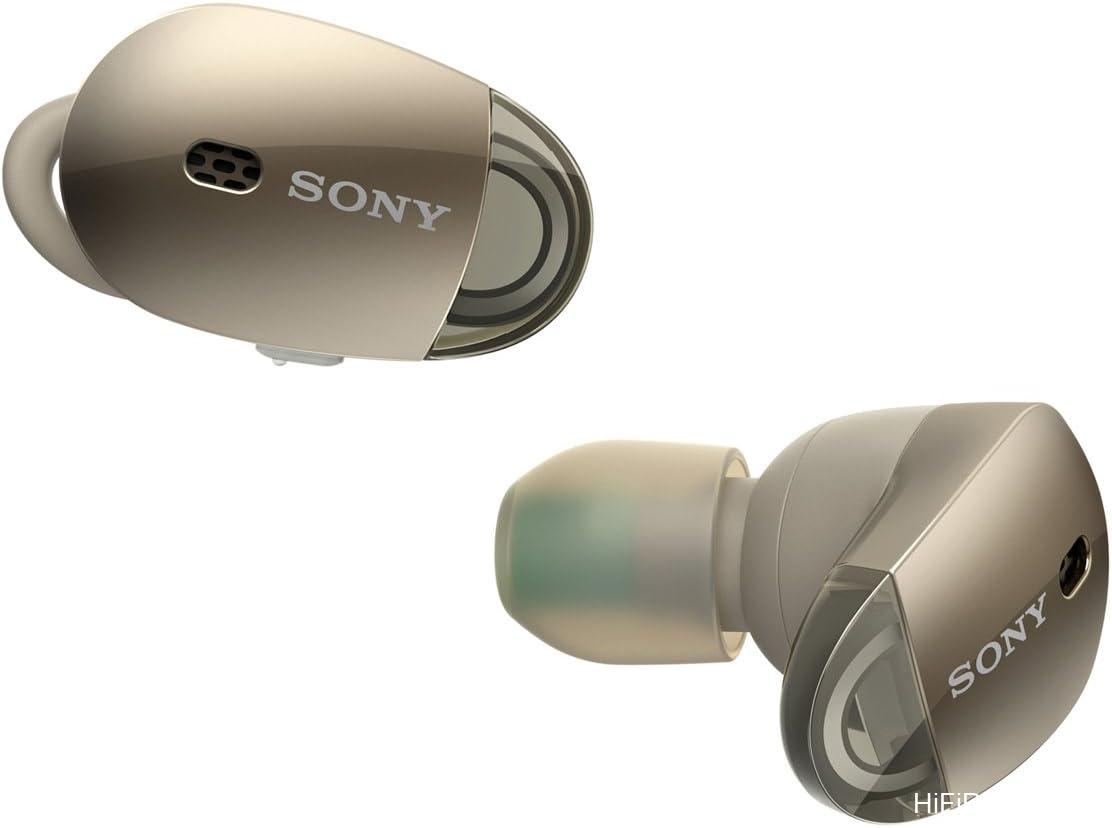
The single standout claim on the WF-1000X is its digital noise cancelling system, managed through the Sony Headphones Connect app and layered over a 6mm dynamic driver. At the time of release, true wireless earbuds with ANC were rare in the market; most competitors shipped open or passive designs that relied on ear-tip seal alone. Sony’s Adaptive Sound Control went a step further by sensing activity level and automatically switching between noise-cancelling and ambient-sound modes, a feature the product listing describes as letting the earbuds “automatically switch to ambient sound mode based on your activity.”
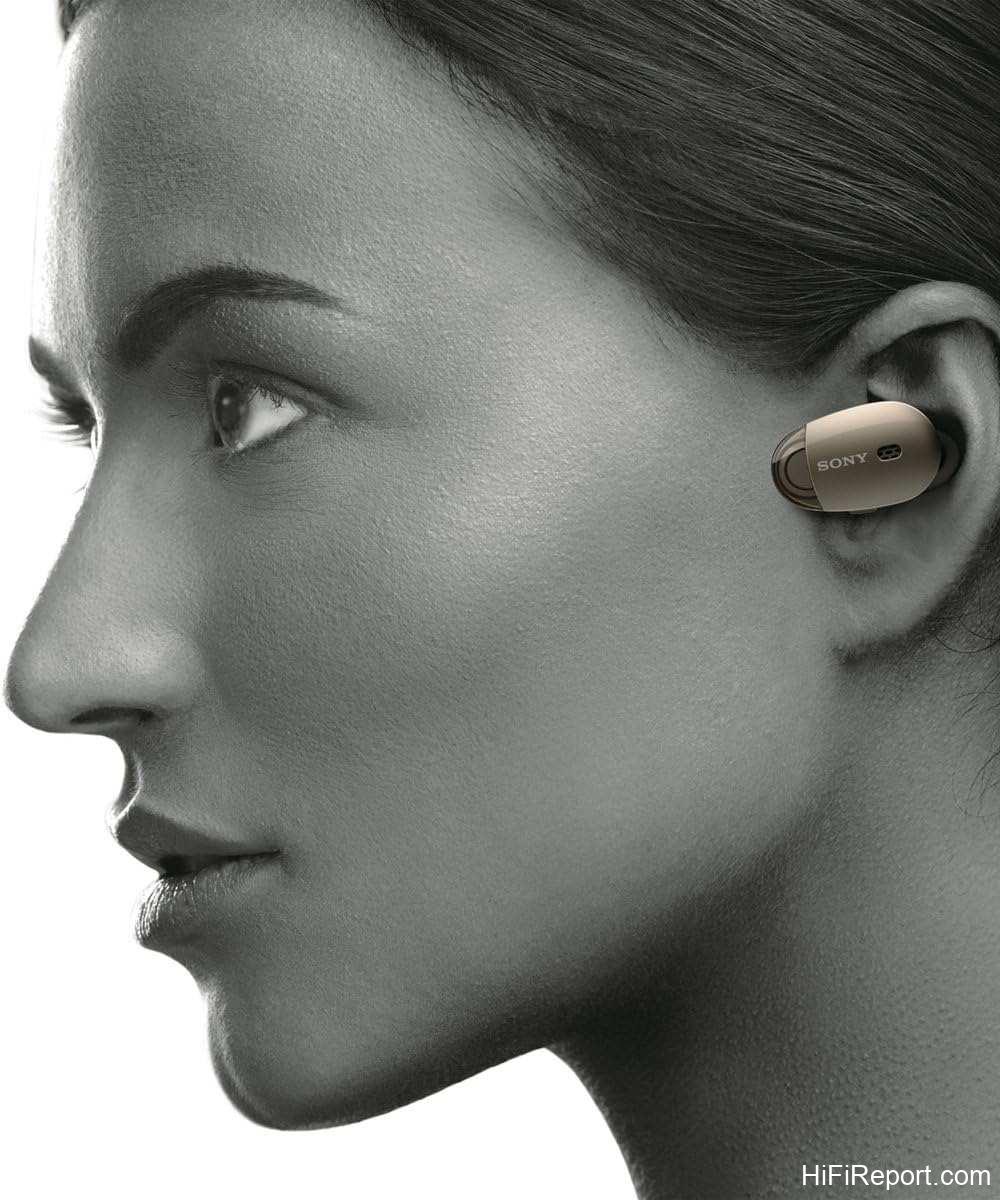
Why that matters to a buyer is that you gain a dial for external sound without pulling the buds out of your ears. The app offers a Voice Mode that passes the human-speech spectrum while still cancelling engine hum and low crowd murmur, and a Normal Mode that opens up the full external soundscape on top of your music. For someone commuting by transit or working in a busy office, that ambient flexibility separates a product you keep on from one that sits in a drawer.
Digital Noise Cancelling Under the Hood
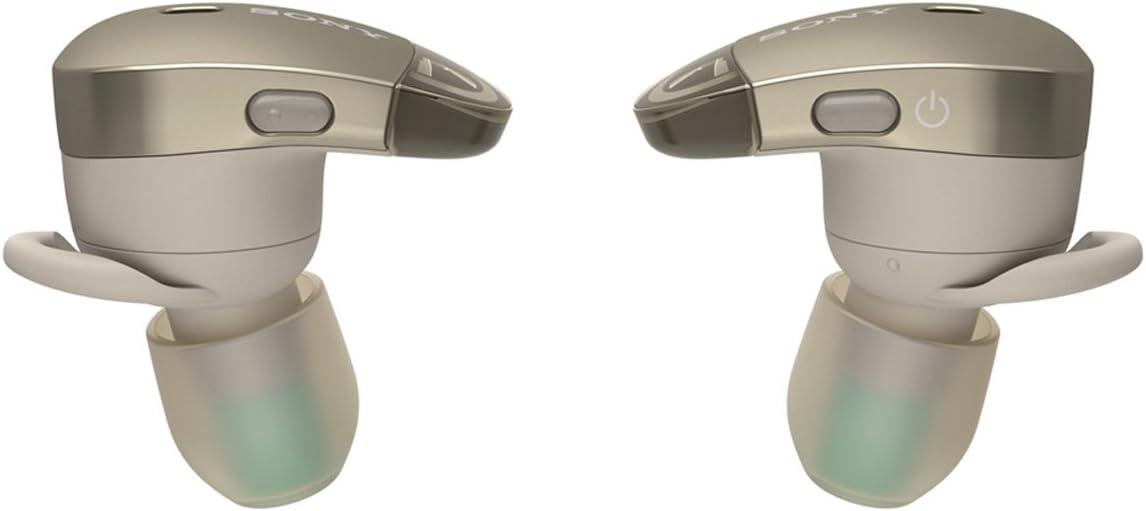
The hardware path for the ANC runs through the 6mm driver and the digital processing Sony labels Smart Listening. Built-in microphones read ambient sound, and the system generates an inverted signal to cancel it. The app layers three selectable modes on top: a default full-cancellation mode, Ambient Sound Voice Mode, and Ambient Sound Normal Mode. Adaptive Sound Control sits above all three and can auto-switch to an ambient setting when it detects walking, a behavior one long-term owner called “a little flaky” and preferred to override by hand.
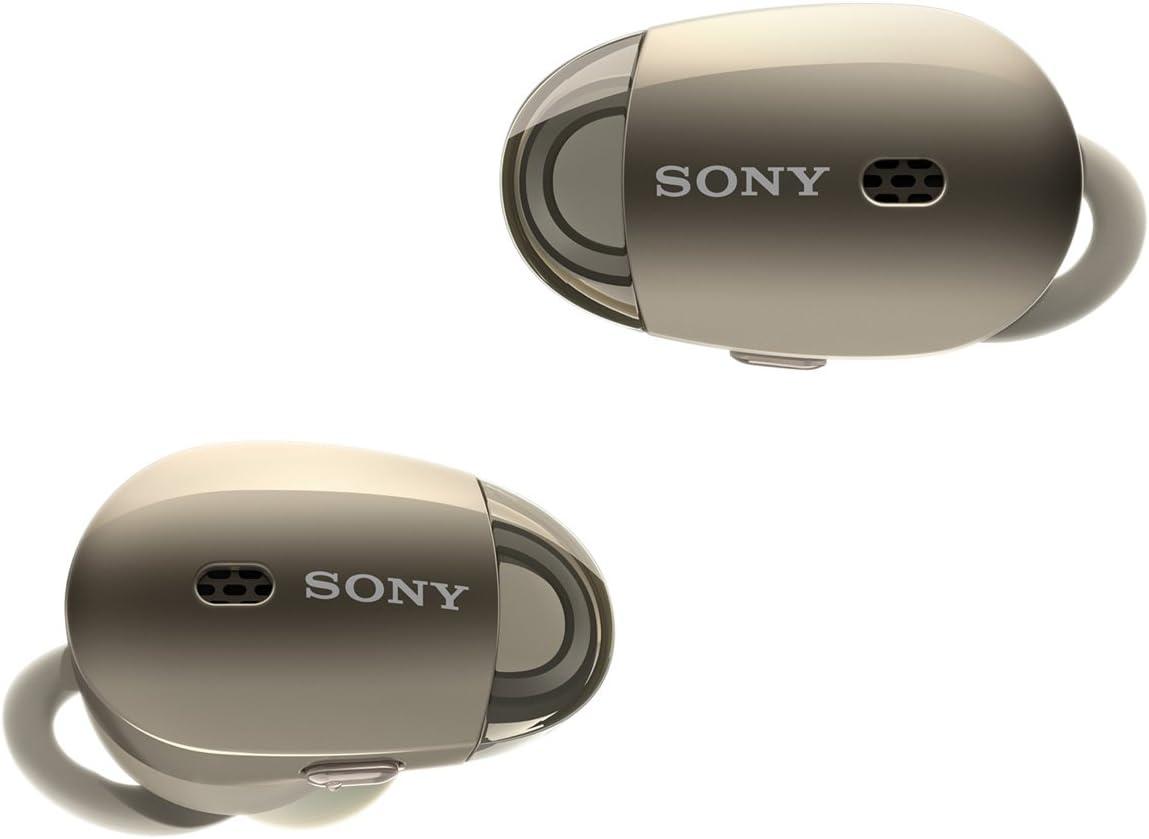
On the software side, the Headphones Connect app for Android and iOS handles mode toggling, a built-in equalizer, and a choice between sound-quality-priority and connection-stability codec settings. The stability option forces the link to SBC rather than AAC, trading a measurable drop in audio detail for fewer dropouts. At least one reviewer noted that the app’s codec readout did not usually match what they heard, suggesting the reporting layer was imperfect at launch.
The practical ceiling on the ANC is physical. The earbuds seal the canal, which blocks a large portion of ambient noise passively. The active layer then removes what slips through, mostly low-frequency drone. One owner who also ran Sony MDR-1000X over-ear headphones rated the WF-1000X cancellation at roughly 85 to 90 percent of the over-ear performance. Another, standing still on a busy street, could not detect a difference between ANC on and off beyond a faint hiss when the system engaged. The real-world result sits between those two experiences and depends on the noise source and the ear-tip seal.
Sound Check
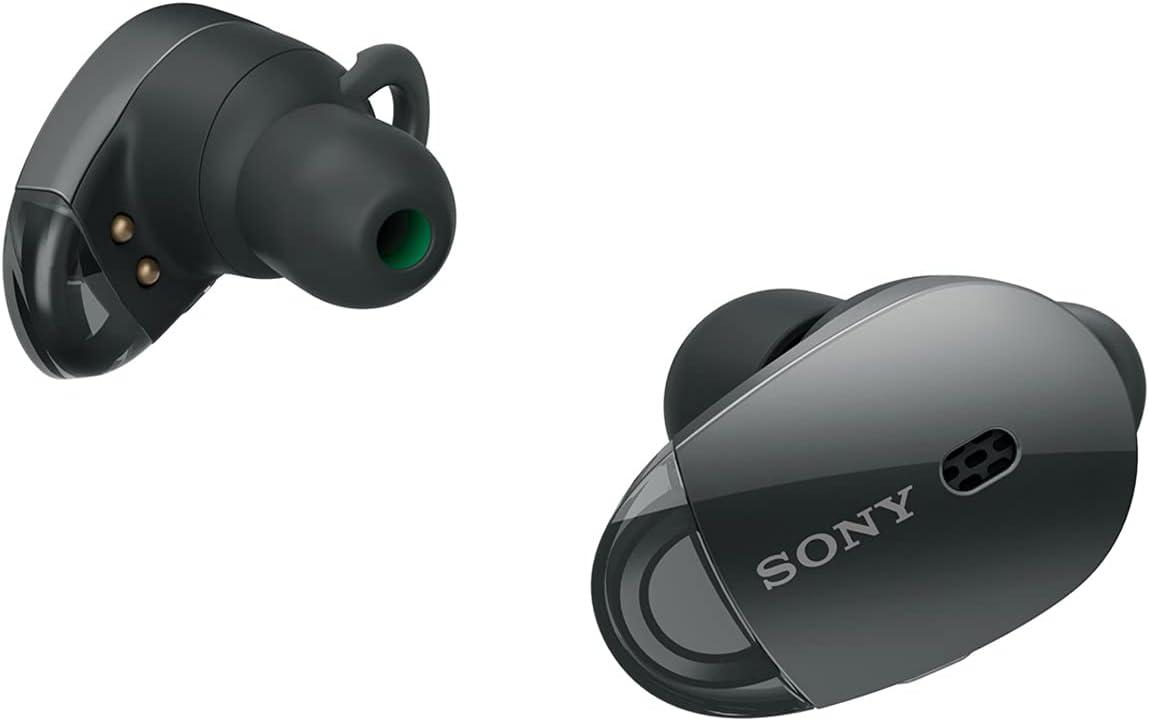
The sound quality from the WF-1000X is well above average for a single-driver true wireless pair, and the owner consensus backs that up.
Owners who came from the Sony over-ear 1000X line noted the earbuds track the same tuning philosophy: balanced mids, present bass that does not tip into boom, and treble that stays smooth without going brash. One reviewer called the out-of-the-box tuning well-balanced and rated it a step above the Bose SoundSport Free of the same era. The 6mm driver handles the low end with more authority than the smaller drivers in competing true wireless sets, though it cannot match the extended bass or wider soundstage of a full-sized headphone.
A detail that trips up new users is the two-level volume system. The Headphones Connect app sets a baseline output on the earbuds themselves, and the streaming device applies its own volume on top. Set the app volume low and push the phone to maximum, and the buds stay quiet. The app retains that baseline per device, so a tablet and a laptop run at different levels without re-tuning. Several reviewers flagged the maximum output as a touch lower than a wired set delivers, which is the transmission ceiling of the Bluetooth link at that time.
Published originally on hifireport.com, all rights reserved, no unauthorized reuse.
Beyond the Headline
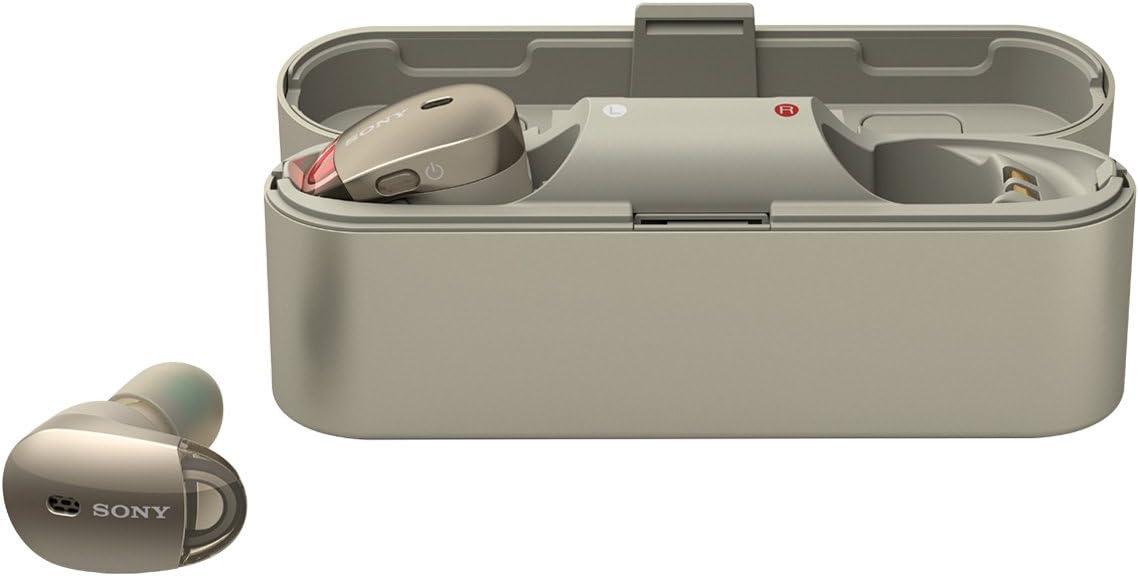
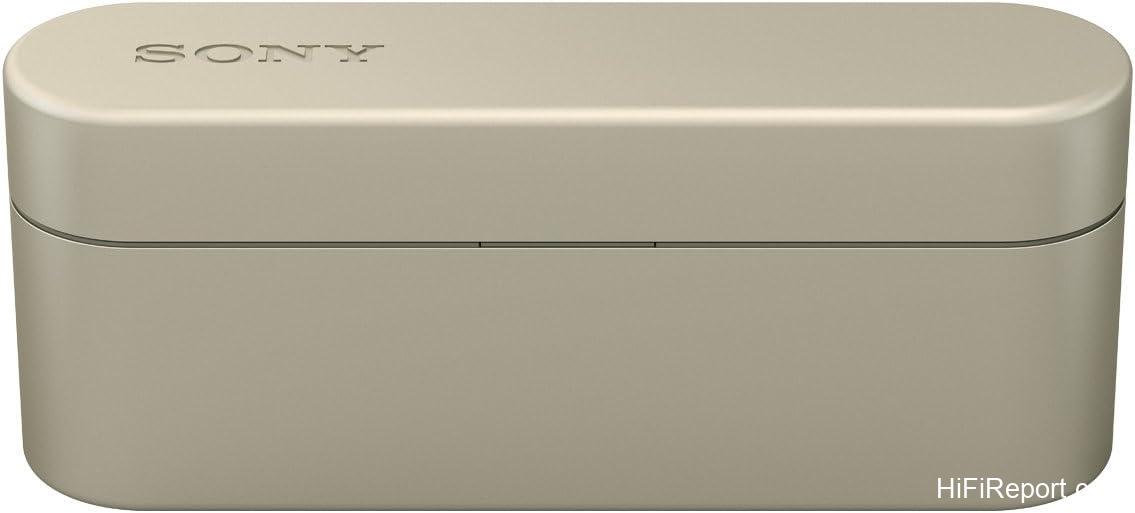
Comfort and fit earn consistent praise across the owner reviews. Sony ships four sizes of ear-tip pairs, including Short Hybrid silicone rubber tips in SS, S, M, and L, Triple-Comfort foam tips in S, M, and L, and Fitting Supporters in M and L. Most owners found a secure, sealed fit within a couple of tries. The buds are small enough to disappear in the canal, and the metal charging case, while larger than a typical AirPods-style shell, still pocket-carries without much bulk.
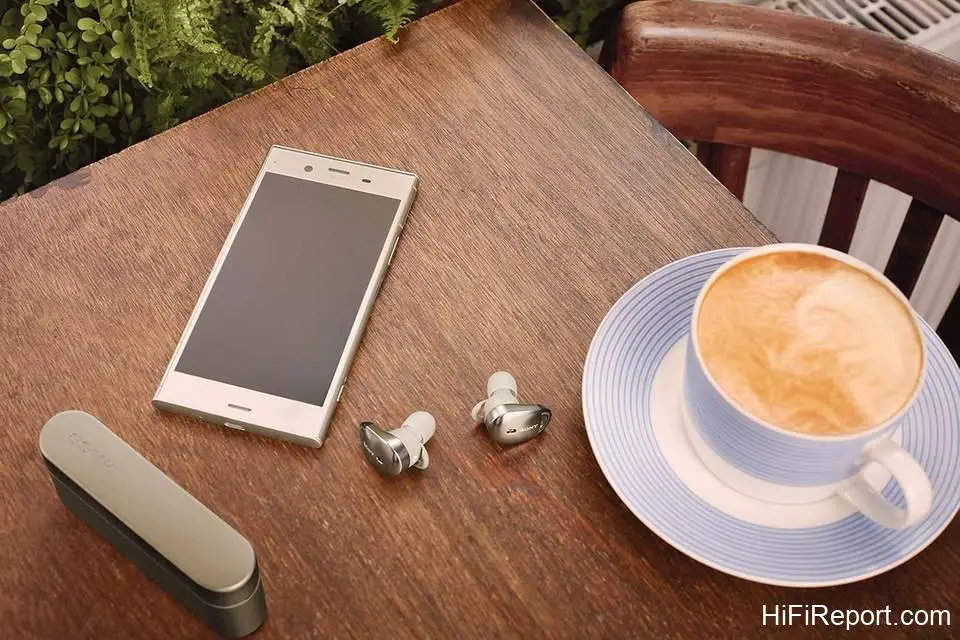
Battery is the clearest weakness. The earbuds deliver up to 3 hours per charge, and the case adds two full recharges for a total of up to 9 hours. The math looks generous on paper, but the case needs 1 to 2 hours to top up the buds, so the 9-hour figure assumes you recharge mid-session. For a cross-country flight, one owner found the buds dying during descent. On the return leg, the low-battery warning fired after only 1 1/2 hours of a supposedly full charge. For a short commute or desk session, 3 hours is workable; for travel, the margin is tight.
Calls route through the left earpiece only, a limitation every reviewer flagged. You hold the left bud to your ear and speak, but the other party hears a single channel and the microphone struggles to separate your voice from background noise. One owner described phone conversations as usable only in a quiet room.
Day-to-Day
A typical train or bus commute stays inside the 3-hour battery window, and the ANC takes the edge off engine drone while the Voice Mode keeps you aware of stop announcements. The balanced tuning makes podcasts and music comfortable at a volume that does not require cranking past a safe level. The caveat is the right-earbud disconnect pattern: several owners report the right side dropping out during movement, especially when the phone sits in a pants pocket. The fix is to seat the right bud back into the case and re-pair, which takes seconds but breaks the listening flow.
At the gym, the picture splits. The buds stay in firmly through lifting and stationary cardio, and the passive seal blocks a good share of gym-floor noise. The same owners who report a solid fit also note that the connection wobbles when the body moves between the phone (usually in a bag or on a rack) and the earbuds. For a long run where the phone is in a front pocket, the disconnects get frequent enough to distract, and the 3-hour window will outlast the session.
What Owners Say
The praise cluster centers on sound quality and comfort. Multiple owners called the tonal balance the strongest they had heard from a true wireless set, and the secure fit with the included tips kept the buds through hours of wear. The case felt solid in hand, and NFC pairing on Android was described as near-instant. For people coming from wired earbuds, the jump to a genuinely wireless setup with ANC was the deciding factor, and several said they retired the wired set entirely.
The complaint cluster is consistent and specific. The right earbud losing connection, sometimes repeatedly in a single session, is the most cited issue. Battery life that falls short of the rated 3 hours, particularly after several cycles, ranks second. Call quality limited to the left bud and weak microphone performance in noise rank third. A fourth theme is the case lid, which one owner described as a thin plastic hinge that does not seal tightly, a design choice that felt out of step with the metal body around it.
Published originally on hifireport.com, all rights reserved, no unauthorized reuse.
Does owner experience confirm the headline ANC claim? Partially. In low-frequency-heavy environments such as a cabin or a quiet office, the cancellation is real and owners hear a clear difference. In a busy street with multiple mid-range noise sources, the effect thins out and at least one owner could not detect a difference between ANC on and off. The claim holds; the expectation needs calibrating to the environment.
What We Like / What We Don’t
What We Like
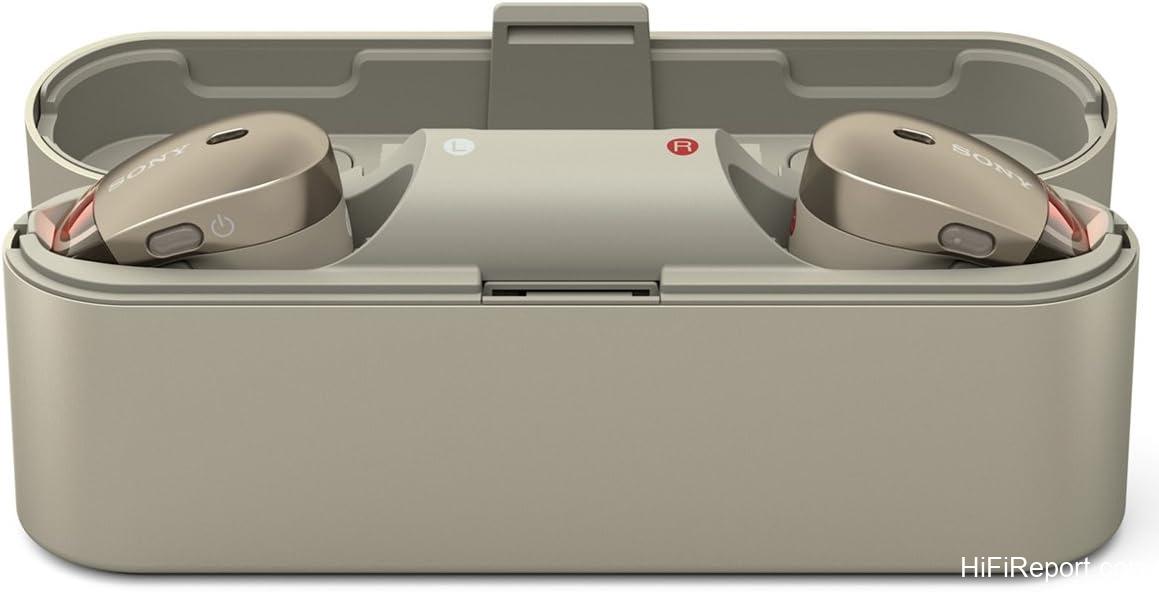
- Balanced, well-tuned sound from the 6mm driver that holds up against wired in-ear sets
- Four ear-tip sizes plus fitting supporters for a secure, comfortable seal
- Adaptive Sound Control and three ambient modes in the Headphones Connect app
- NFC pairing on Android for a fast initial setup
- Solid-feel metal case that pocket-carries without bulk
What We Don’t
- Right earbud disconnects during movement, requiring a re-seat into the case
- Up to 3 hours of battery life per charge is short for travel or long workouts
- Calls route through the left earpiece only, limiting two-way conversation
- Case lid uses a thin plastic hinge that does not seal tightly
- No water resistance or waterproofing
Verdict
The WF-1000X delivers a credible noise-cancelling experience in a true wireless form factor, and the sound quality it pairs with that ANC is the strongest in its class at the time. If your primary use is a short commute or a desk session where you can top up the case between sittings, the digital noise cancelling, the ambient-sound flexibility, and the balanced tuning make this a product that earns a place in the rotation. The Adaptive Sound Control layer, while sometimes overzealous, gives a level of external-audio control that passive earbuds cannot match.
If your main scenario is a long flight, a multi-hour run, or a noisy open-plan office where you take constant phone calls, the 3-hour battery ceiling and left-ear-only call routing will frustrate you faster than the ANC can please you. Best for the commuter or desk user who wants meaningful noise cancellation without over-ear bulk; look elsewhere if you need more than 3 hours of continuous play or reliable two-earphone call quality.
Key Specs
- Driver: 6mm dynamic
- Noise cancelling: Digital, with Adaptive Sound Control and three ambient modes
- Battery (earbuds): Up to 3 hours per charge
- Battery (with case): Up to 9 hours total
- Connectivity: Bluetooth, NFC
- Call routing: Left earpiece only
- Ear tips included: SS, S, M, L Short Hybrid; S, M, L Triple-Comfort; M, L Fitting Supporters
- Case: Chargeable, USB cable included
- App: Sony Headphones Connect (Android, iOS)
- Water resistance: None
Questions Worth Asking
Will the noise cancelling actually make a difference on a busy street?
It depends on the frequency content of the noise. The system handles low-frequency drone such as airplane engines and HVAC hum well, and owners confirm a noticeable drop in that range. Mid-range street noise, close conversations, and traffic see a thinner effect, and at least one owner standing still on a busy street could not detect a difference between ANC on and off beyond a faint hiss.
How does the 3-hour battery limit play out on a real flight?
One owner who flies frequently reported the buds dying during descent on one trip and the low-battery warning firing after only 1 1/2 hours on the return leg despite a full charge. For a two-to-three-hour domestic flight the margin is tight; for longer routes, a case recharge mid-flight becomes necessary.
Can I take phone calls without the other person complaining?
Calls route through the left earpiece only, and the microphone picks up surrounding noise. Owners describe conversations as workable in a quiet room but difficult on a street or in a moving car. If taking calls on the move is a daily requirement, this limitation will stand out quickly.
Do the connection dropouts happen to everyone, or is it a defect in some units?
The right-earbud disconnect pattern appears across multiple units and over several months of use in the owner reviews, suggesting a firmware or antenna-design characteristic rather than an isolated manufacturing defect. Switching to the stable-connection codec (SBC) reduces dropouts at the cost of audio detail. At least one owner exchanged a pair and saw the same behavior continue.

- True wireless design with uninterrupted Bluetooth streaming.
- Digital Noise Cancelling lets you listen without distractions.
- Sony|Headphones Connect APP for Android /iOS uses Smart Listening technology to control your ambient sound settings .