
SOULNOTE A-2 ver.2 Integrated Amplifier Review
Soulnote has emerged as a powerhouse brand in recent years, earning stellar reviews since entering the high-end audio market and bringing a captivating flair to the world of Japanese audio design. Their formidable R&D capabilities are reflected in a comprehensive product lineup that undergoes continuous technological refinement. Launched late last year, the A-2 ver.2 is their latest mid-range integrated amplifier.
Drawing on the experience gained from the original A-2, this second-generation model introduces major improvements.
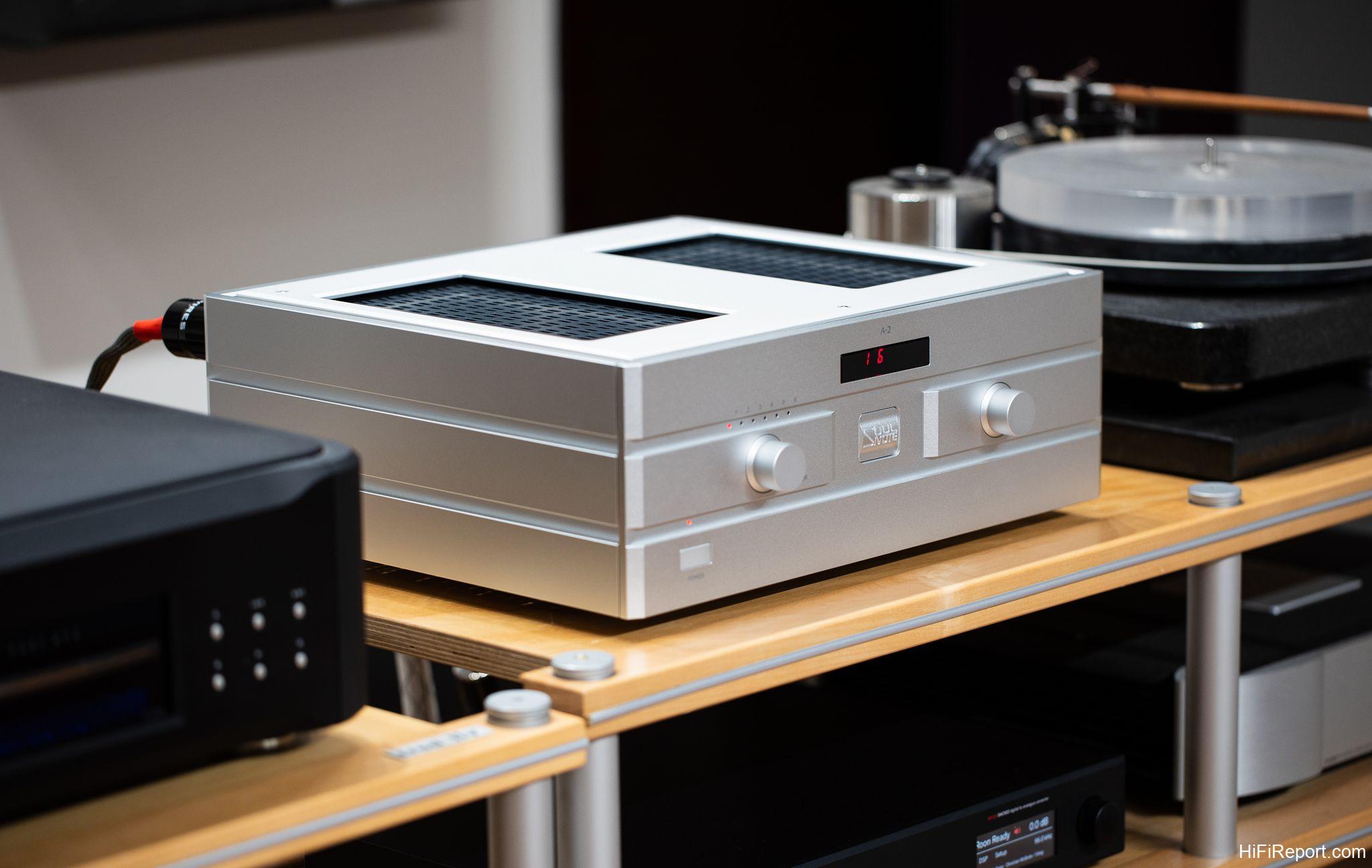
While the Soulnote 1 Series serves as the high-value entry-level line, the 2 Series acts as the mid-range offering, closely approaching the performance of the flagship 3 Series. The A-2 ver.2 features a remarkably thick, high-quality aluminum chassis, maintaining the brand’s classic aesthetic. The left knob selects the input source, the right knob controls the volume, and a sleek, elongated display screen sits top-center.
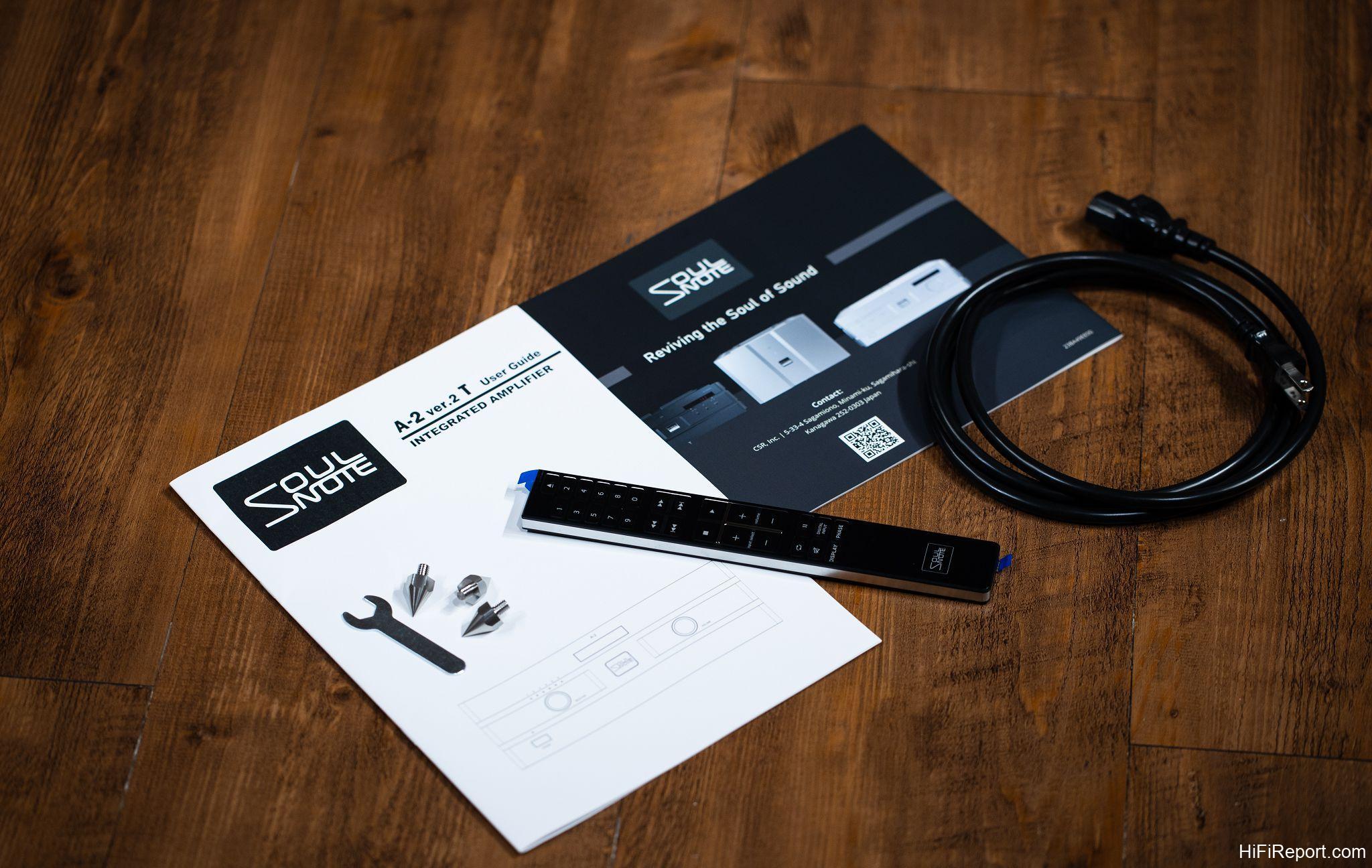
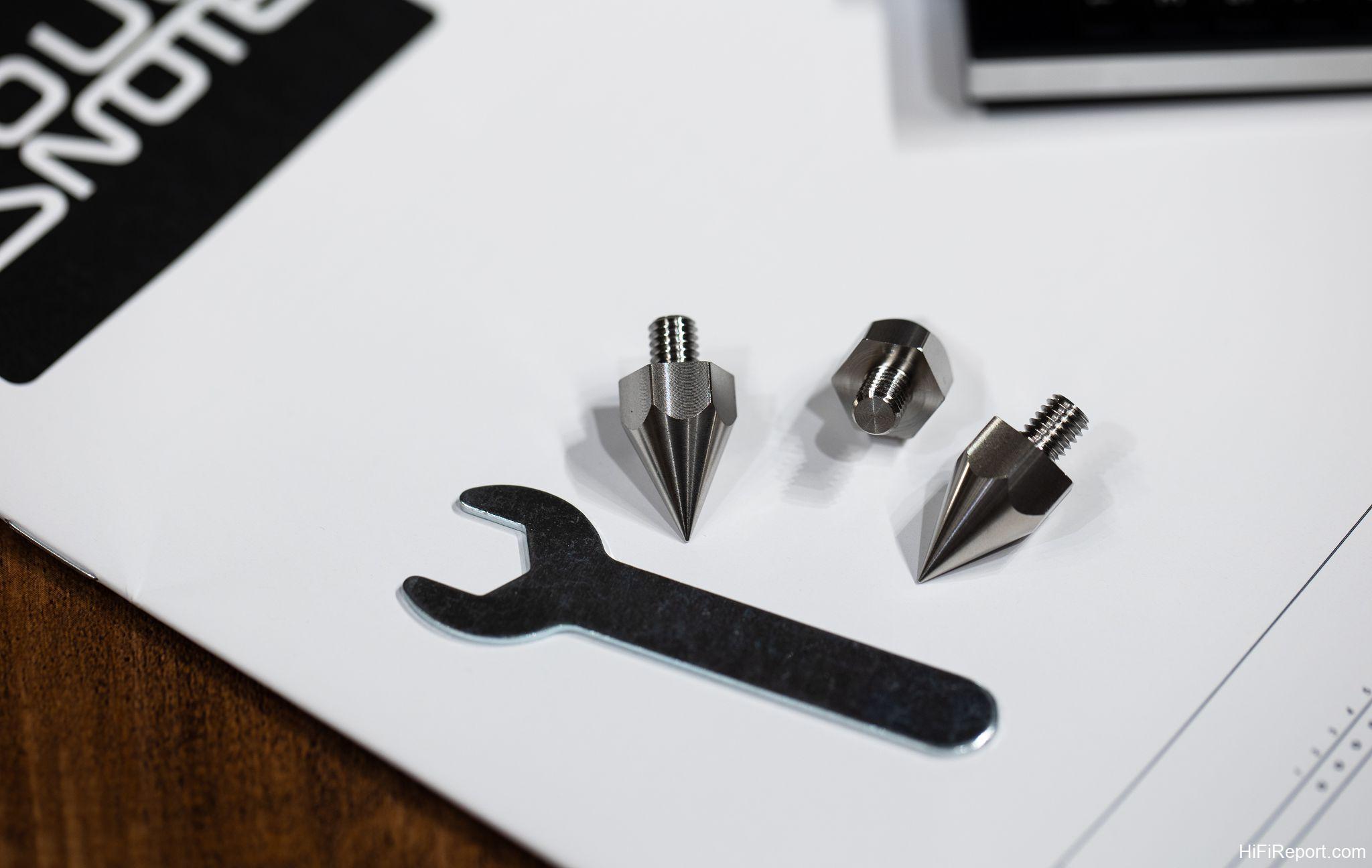
Swapping to the factory-supplied isolation spikes.

The semi-floating top plate has become an open secret in the industry for tuning and improving sound quality, and Soulnote was one of the first manufacturers to discover and implement it. Uninitiated users might assume it is a quality control issue—mistaking the loose-fitting top plate for a manufacturing defect—but this is entirely by design.
In the A-2 ver.2, the gap between the top plate and the chassis has been further increased to deliver an even more open, unconstrained soundstage. Additionally, the entire chassis structure incorporates anti-resonance technology derived from the flagship 3 Series.
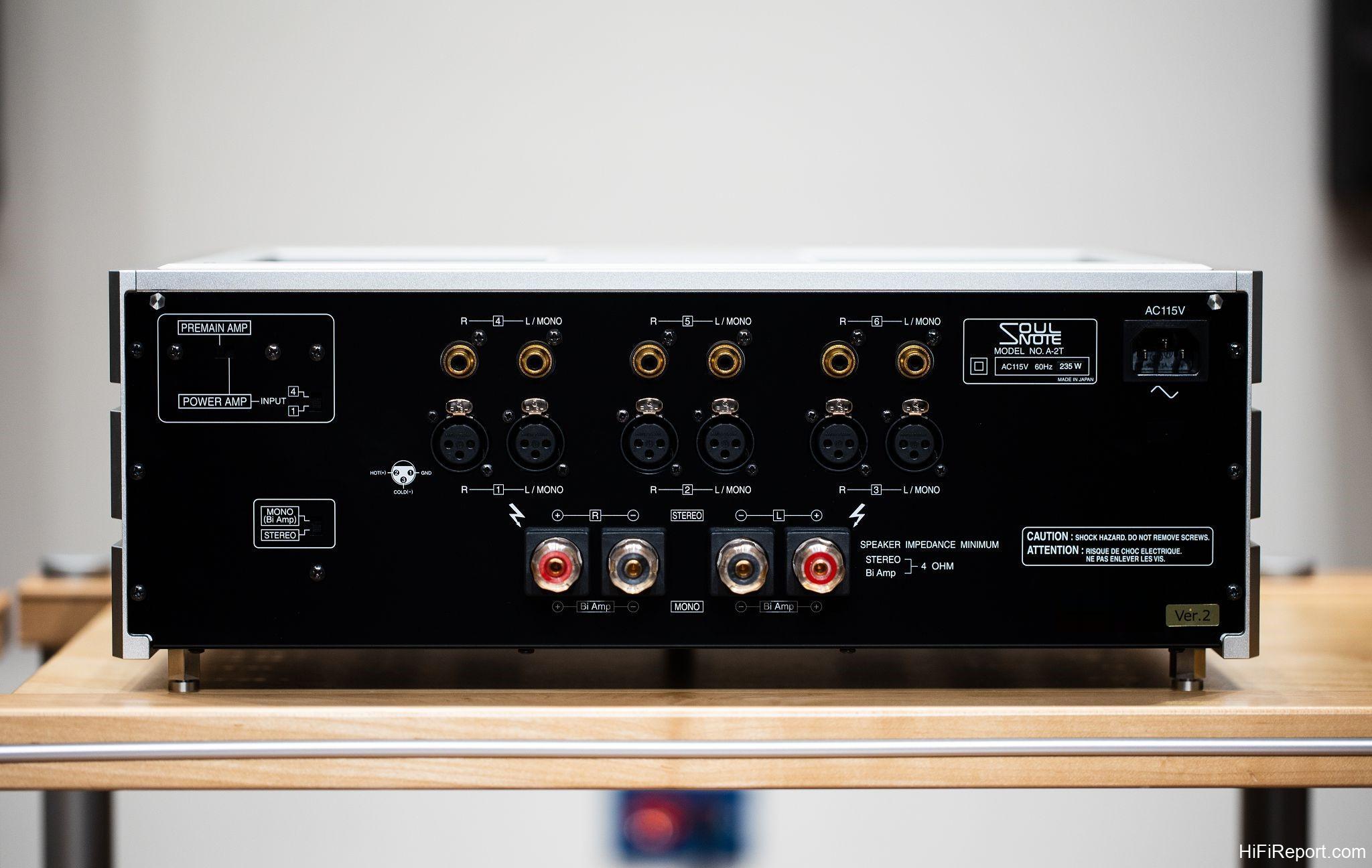
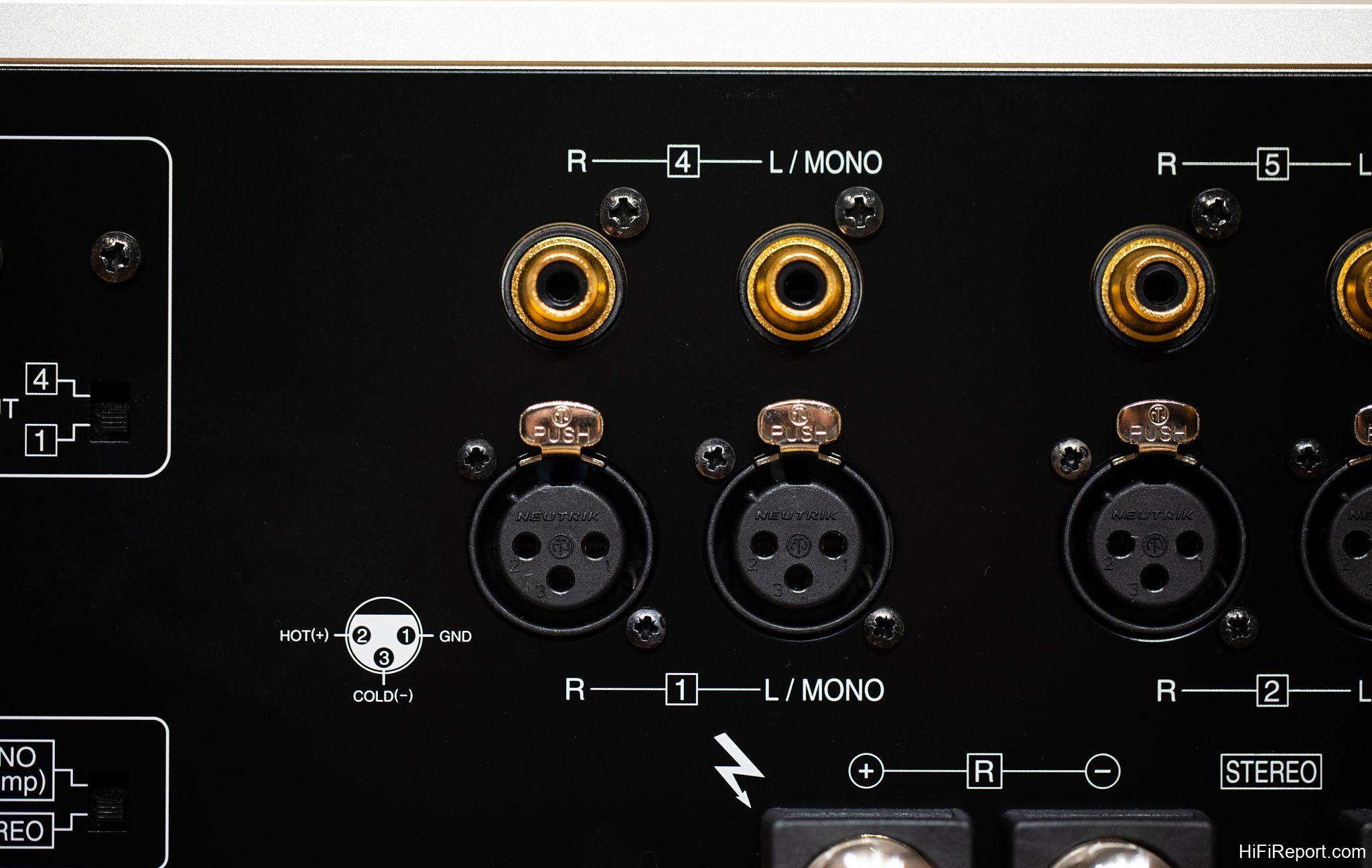
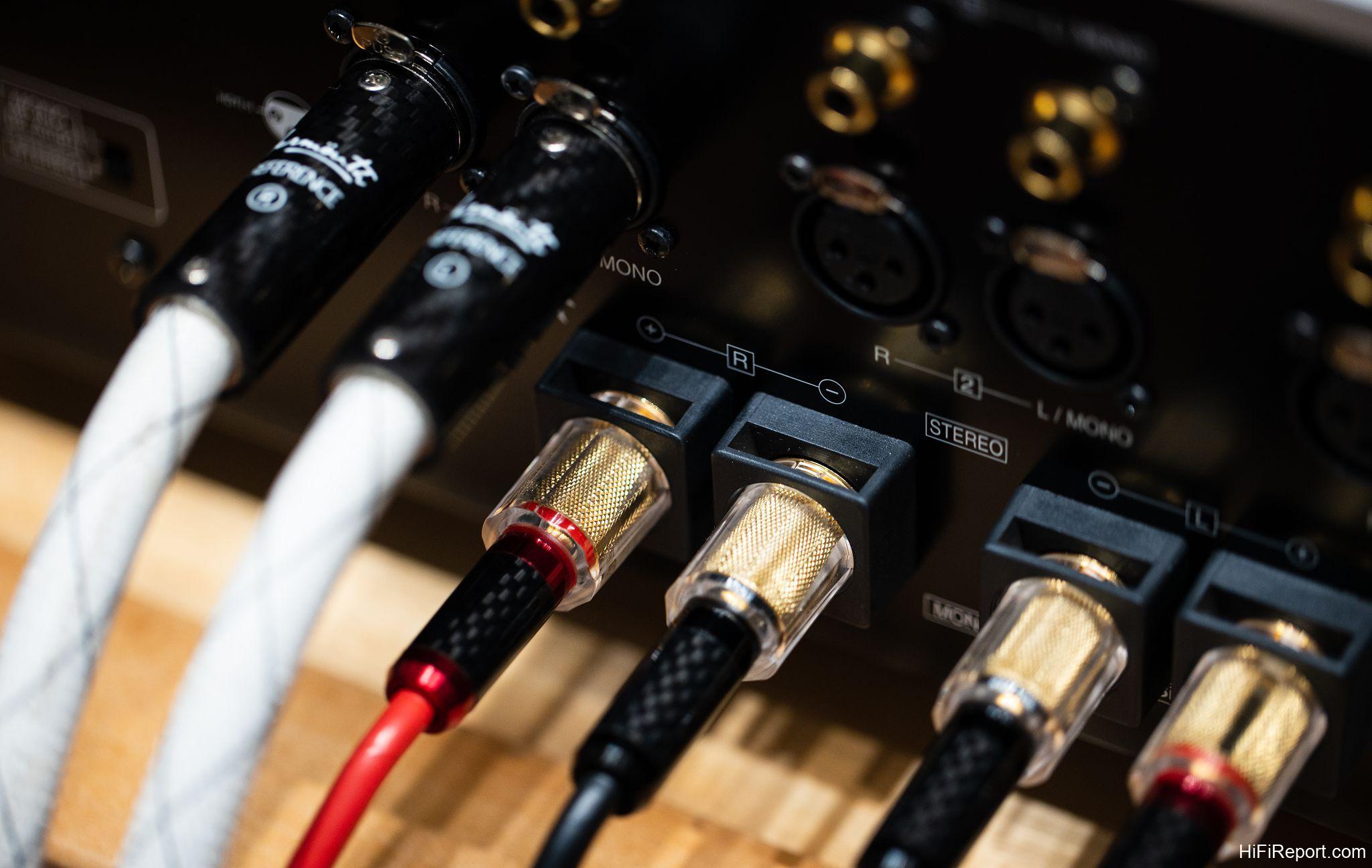
Externally, apart from the “ver.2” badge on the bottom right, the unit looks virtually identical to its predecessor. It features three pairs of RCA inputs and three pairs of balanced XLR inputs. It can be configured as a preamplifier, a power amplifier, or set up for mono or bi-amping configurations. The official import version is a true 115V design.
Japanese Audiophile Prestige
Visually, the Soulnote A-2 ver.2 integrated amplifier closely resembles its predecessor, continuing the use of an all-metal chassis. Soulnote maintains design consistency across different product tiers, allowing users with full-stack systems to upgrade individual components while keeping a cohesive aesthetic.
Positioned as a mid-range offering between the flagship A-3 and the entry-level A-1, the A-2 ver.2 features component selection and internal architecture tailored to its segment. In keeping with Japanese audio tradition, higher-tier models receive increasingly premium components.
The primary difference between the A-2 ver.2 and the original generation lies in the integration of cutting-edge technology from the flagship 3 Series. Rather than pursuing a simple power upgrade, output actually decreased from 100W to 80W. However, the redesigned circuit architecture significantly boosts “instantaneous current delivery capability,” giving the amplifier vastly superior control over speakers.
The driver stage of the A-2 ver.2 utilizes the exact same TO-3P high-speed, high-power transistors (2SC2837/2SA1186) as the output stage. By maintaining an exceptionally high idle current in the driver stage, it instantaneously compensates for fluctuations caused by current changes in the output stage. Soulnote describes this as the most significant technical breakthrough over the previous generation.
The voltage gain stage features a completely new circuit developed specifically for the second-generation model, which dramatically simplifies the signal path and introduces a new bias circuit to improve stability.
Although it retains the same massive 600VA non-impregnated toroidal power transformer, the A-2 ver.2 features a lowered output voltage. This design choice prioritizes “instantaneous current delivery capability” under low-impedance loads over chasing maximum wattage into 8 ohms, ultimately enhancing the subjective sense of dynamic punch and speaker control.
Power and Vitality
I felt as though I had only recently reviewed the flagship Soulnote A-3 integrated amplifier, but checking my records revealed it was back in July 2024. Yet, the emotional impact of its sound has stayed with me. Testing the A-2 ver.2, which inherits trickle-down components and circuit technologies from that flagship, naturally raised my expectations.
It did not disappoint. Soulnote amplifiers are renowned for their ability to balance raw power with musical vitality, backed by an exceptionally dark, silent background that allows fine details to instantly pop. This quality was fully realized in the flagship A-3 and becomes more pronounced as you move up the range, but the A-2 ver.2 confidently upholds this stellar sonic signature.
Captivating Detail
Playing Koji Tamaki’s “Yukan no Kokoro” (The Wine Red Heart) on the Soulnote A-2 ver.2 was an absolute joy. It handles rich, charismatic male vocals beautifully without ever sounding stiff.
The vocal body is full-bodied yet impeccably controlled; the mid-bass does not spill over or bloat, instead exhibiting the tight, dense impact of a solid sandbag—digging deep and remaining rock-steady.
At the same time, micro-details remain abundant. The pitch-black, quiet background makes the vocals sound exceptionally vivid and agile without any hint of restlessness. The soundstage feels as if a spotlight is trained precisely on the singer, leaving the audience holding their breath as every lyric and melody is intimately delivered.
Additionally, the physical tactile and audible feedback of the relays clicking when adjusting the volume knob is wonderfully tactile and satisfying.
Refined Japanese Texture
To begin the listening tests, I queued up Lala Hsu’s “Walking Fish.” The opening notes carried a touch of richness. Although the sound soared high, it possessed a satisfying weight and emotional resonance. The imaging was remarkably distinct, highlighted by a beautiful tonal contrast.
Despite the hint of density, the notes floated with an agile, lightweight grace. Both the musician’s touch and the trailing edges of the notes exuded an effortless refinement. Without feeling over-analyzed, everything remained crystal clear. The overall presentation was composed and calm, gliding effortlessly yet expressing the complete musical picture—subtle in flavor, yet incredibly rich in substance.
The vocals were exceptionally delicate, rendered with a light and gentle touch. A delicate sense of airiness surrounded the vocal edges, lifting the overall vocal stage slightly upward, yet it never felt untethered or overly diffuse.
During the chorus, the voice gained impressive power, flowing like smooth silk against the airy backdrop. As the vocals soared, a beautiful, radiant sheen shimmered at the edges. Under this soft glow, the singing felt deeply spiritual. Combined with the electronic instrumentation, the dynamics gained a layer of refinement, transforming a romantic melody into something extraordinary.
Natural Emotional Tension
Next, I listened to Accusefive’s “The One.” The piano notes were deep and rich. While the amplifier did not overly exaggerate the mechanics of the keys, the playing sounded wonderfully fluid, with each note rendered round and pearlescent. The key strikes felt natural and organic, with each rolling note carrying a dense, substantial weight that slowly and solidly bloomed in the room, crafting a dense and lingering atmosphere.
Brass instruments possessed a slightly darker hue, yet their metallic sheen remained clearly perceptible. Set slightly back in the mix, they successfully layered the track with rich textures and luster.
The vocals are highly distinctive, displaying a timbre I personally adore. Through the Soulnote A-2 ver.2, the voice felt much closer, almost within arm’s reach, presenting a tightly focused physical presence right in front of me.
The vocal nuances were superb. As trailing notes slowly decayed, the fading energy was meticulously traced. The delicate breathiness at the edges of the lyrics, along with the excellent contrast against the male backing harmonies, made for an incredibly rich vocal experience. It beautifully captured the emotional tug-of-war, conveying the song’s inner conflict with absolute clarity and naturalness.
Three-Dimensional Imaging
Finally, I turned to Stefanie Sun’s “Kingdom of Fools.” The transient response and dynamic control of the Soulnote A-2 ver.2 were exceptionally striking. Right from the opening track, the background struck me with its absolute clarity and cleanliness.
As the music swelled and subsided, waves of acoustic energy surged and receded. The dynamics, both horizontal and vertical, were outstanding. When the instruments paused, the background instantly returned to pure silence; when they returned, a dense wall of sound immediately bloomed. This effortless, clean dynamic control is incredibly satisfying.
In terms of vocal detail, the emotional delivery was effortless to appreciate. Stefanie’s slightly restrained singing style, along with the lingering hesitation as she trails off at the end of a line, was laid bare without any artificial exaggeration. The A-2 ver.2 naturally resolved her superb, nuanced vocal technique, rendering the vocals beautifully.
During the chorus, set against the spacious, airy sweep of strings, the physical presence of the instruments felt remarkably three-dimensional, maintaining a perfect distance from the vocals so her voice could soar unhindered. The entire presentation was dynamic, emotionally charged, and tonally exquisite.
Specifications
* Output Power: 80W x 2 (8 ohms), 160W x 2 (4 ohms)
* THD: 0.16% (1W 8Ω)
* SNR: 110dB (IHF A network)
* Frequency Response (8 ohms, 1W): 3Hz to 240kHz (±1.0dB)
* Input Sensitivity / Impedance: LINE 1, 2, 3 (balanced): 700mV / 16kΩ; LINE 4, 5, 6: 700mV / 8kΩ
* Dimensions: 430 x 160 x 423 mm (WxHxD)
* Weight: 20 kg