
Soundcore by Anker Liberty 3 Pro Review
Overview
The Soundcore by Anker Liberty 3 Pro is a feature-dense true wireless earbud aimed at listeners who want flagship-style audio customization without stepping into the most expensive tier of the market. Anker packed the Liberty 3 Pro with its ACAA 2.0 coaxial dual-driver acoustic architecture, personalized HearID ANC, an adjustable EQ system, LDAC support, wireless charging, and a generous assortment of ear tips and wings. On paper, it reads like a serious attempt to challenge premium models from Sony, Bose, and Samsung.
Expert reception is positive but measured. SoundGuys describes the Liberty 3 Pro as an audacious attempt from Anker and gave it a 7.3 out of 10, while PCMag rated it 3.5 out of 5 and called it good. Amazon customer sentiment is broadly favorable, with a 4.2 out of 5 aggregate rating across roughly 11,790 reviews at the time of collection. That average, however, conceals a split between buyers who love the customizable sound and those frustrated by fit, noise cancellation, or early software rough edges.
This review synthesizes Amazon product details, customer feedback, and third-party evaluations to give a balanced picture of where the Liberty 3 Pro excels and where it falls short.
Design and Build
The Liberty 3 Pro uses a stemless in-ear design with an oval body that sits inside the outer ear. PCMag notes that the earbuds are not unattractive, but the design is more functional than flashy. The focus is clearly on fit and acoustic performance rather than making a bold design statement. Anker offers the Liberty 3 Pro in multiple colorways, including Dusk Purple, Fog Grey, Frost White, and Midnight Black.
Build quality generally earns praise from owners and reviewers. The charging case is compact and sleeker than the previous Liberty 2 Pro case, and it includes integrated LED indicators that make it easy to see battery status at a glance. Some owners note that the case feels smooth and can be slightly slippery in hand, but this is a minor ergonomic complaint rather than a structural issue. The earbuds themselves feel solid, with detailed finishing that several customer reviewers describe as premium for the class.
The package includes a generous set of fit accessories. Anker supplies four sizes of liquid silicone ear tips and four flexible ear wings. The tips snap securely onto the earbud stems rather than sliding on loosely, which helps keep them in place during use. The ear wings wrap around the oval body and provide additional stabilization, particularly during activity.
The Liberty 3 Pro is rated IPX4 for water resistance, meaning it can handle sweat and light splashes. It is not designed for full submersion, but the rating is appropriate for gym use, running, and daily wear in wet weather.
Fit and Comfort
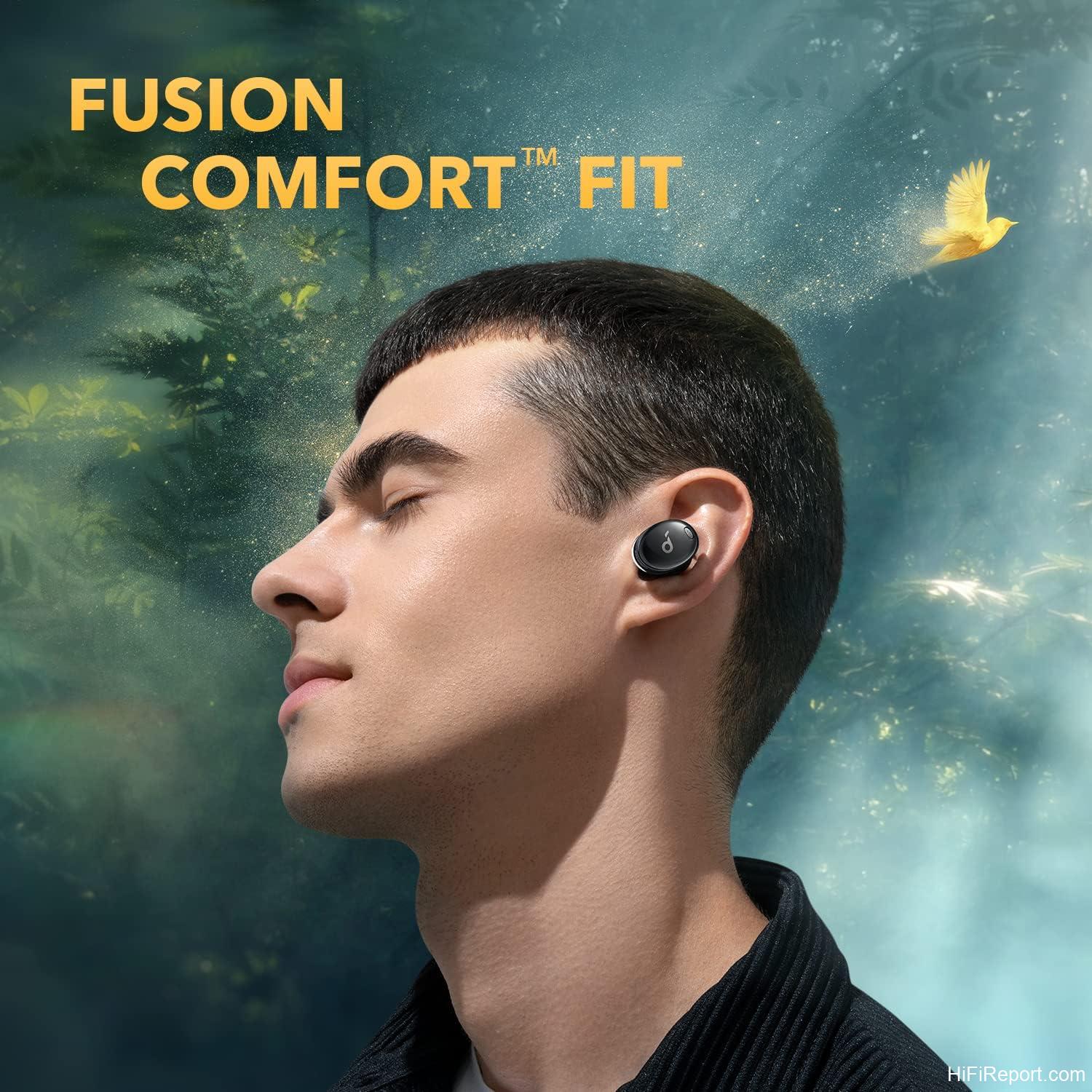
Fit is one of the Liberty 3 Pro’s most divisive areas. Anker calls its fit system Fusion Comfort Fit, combining a triple-point ergonomic shape with built-in ear pressure relief. The idea is to distribute contact across multiple points in the ear while reducing the plugged-up feeling that some in-ear models produce. The four ear tip sizes and four wing sizes let users mix and match to create a more personalized seal.
For many buyers, this system works well. Several customer reviews describe the earbuds as comfortable enough to wear for hours without fatigue, secure enough for gym sessions, and effective at maintaining a seal. One buyer noted that the lighter pressure compared with the Liberty 2 Pro made long listening sessions more comfortable while still preventing the earbuds from falling out.
Copyright protected. First published on hifireport.com; any unauthorized copy violates the intellectual property rights of hifireport.com.
However, not every ear is a good match. Some owners reported that they could not get a secure or comfortable fit despite trying every included tip and wing combination. A few described the oval body shape as simply incompatible with their ear anatomy. Others found the default ear tips too small or struggled to achieve a reliable seal. This is not unusual for true wireless earbuds, but it is worth emphasizing: the Liberty 3 Pro’s fit is not universal.
SoundGuys rated comfort highly in its scoring, and PCMag highlighted the generous ear-fit options as a practical strength. The key takeaway is that the Liberty 3 Pro rewards patience during initial setup. Spending time testing the tip and wing combinations and running the in-app fit test is essential before judging comfort or sound.
Sound Quality and ACAA 2.0
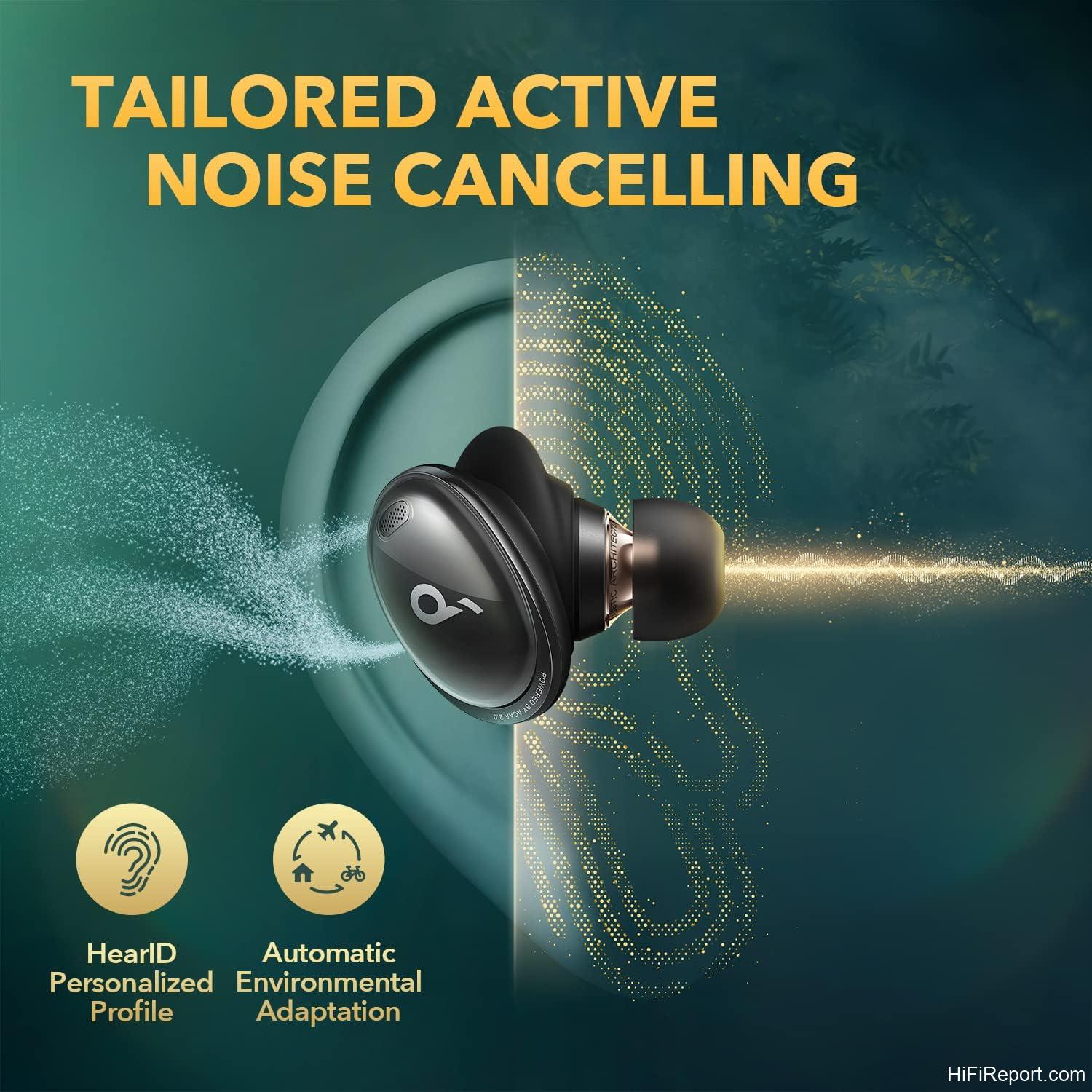
Sound quality is the Liberty 3 Pro’s strongest calling card. Anker uses an ACAA 2.0 coaxial dual-driver design that places a high-frequency balanced armature and a dynamic driver in a coaxial configuration. According to PCMag, the earbuds use a Knowles balanced armature for highs and a 10.6mm dynamic driver for lower frequencies. The goal is to deliver high and low frequencies directly to the ear without interference between the drivers.
The result, according to many listeners, is a wide, spacious soundstage that feels less closed-in than typical true wireless earbuds. Reviewers and owners frequently praise the sense of space, the precise instrument placement, and the deep, tight bass response. Anker markets the Liberty 3 Pro as recommended by 20 Grammy-winning producers, and while that is a promotional claim, the underlying sound quality does impress.
The default tuning, however, is not for everyone. PCMag describes the out-of-box sound as seriously bass-heavy with extra-bright highs, noting that purists may not love the default signature. SoundGuys also calls the default sound very bass-heavy. Some customer reviewers reported that the treble could sound sharp, sibilant, or piercing on certain tracks, especially with female vocals or cymbal-heavy material. Others found that male vocals, hip-hop, EDM, and bass-heavy music sounded excellent.
The good news is that the Liberty 3 Pro is highly customizable. The Soundcore app includes a full EQ with adjustable frequency bands, plus a HearID feature that plays test tones and creates a personalized sound profile based on the user’s hearing. Results with HearID are mixed. Some owners liked the tailored profile, while others felt it overemphasized treble and made the sound harsher. Manual EQ adjustment often provided better results.
Dustin Abbott, a reviewer known for detailed audio evaluations, called the Liberty 3 among the best-sounding ANC earbuds he had used, with outstanding audio quality for both music and video. That assessment aligns with the most enthusiastic Amazon reviews, though it is balanced by complaints about the bright default tuning.
Active Noise Cancelling and Transparency
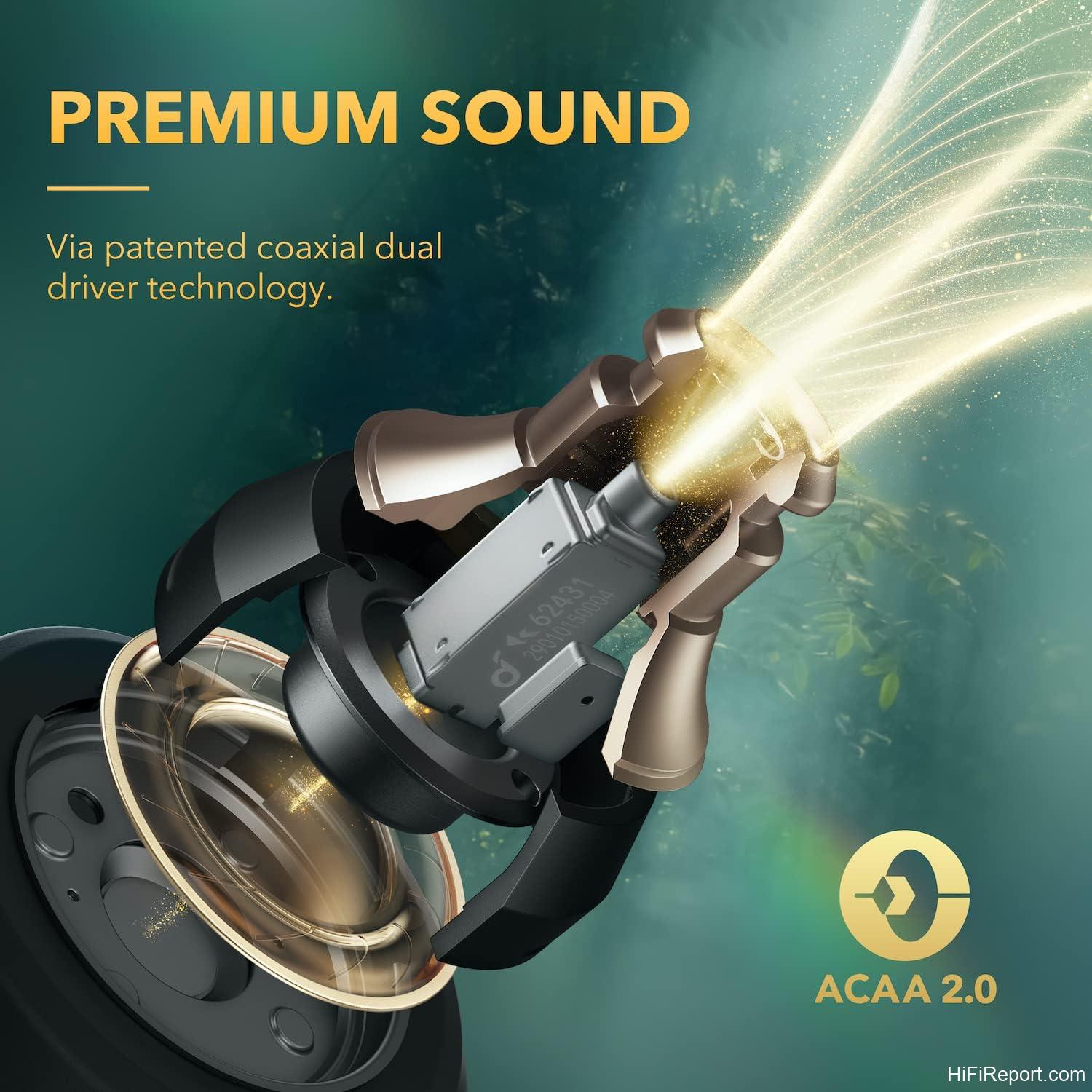
The Liberty 3 Pro includes active noise cancellation with a personalized twist. Anker’s HearID ANC analyzes the user’s ears and in-ear pressure to create a tailored noise-cancelling profile. The intent is to optimize noise reduction for each listener rather than applying a generic ANC curve.
Real-world ANC performance falls short of the class leaders. SoundGuys rated the ANC as mediocre at best, while Tom’s Guide described it as satisfactory. PCMag was somewhat more generous, calling the noise cancellation solid for the price. Customer feedback is similarly mixed. Some owners found the ANC effective enough to knock back office hum, TV noise, and household distractions. Others said it felt weak compared with competing earbuds from Sony or Edifier and did not live up to the marketing hype.
One interesting feature mentioned by an owner is an adaptive safety behavior: in transparency mode, a sudden loud environmental sound can trigger momentary ANC to protect the ear before returning to transparency. This is a thoughtful touch, but it does not fully compensate for the transparency mode’s broader weaknesses.
Transparency mode is a common complaint. Tom’s Guide called it disappointing, and several customers described it as unnatural, noisy, or not transparent enough. It works in a basic sense, but it is not as clear or natural as the awareness modes on top-tier competitors. The Liberty 3 Pro is more convincing as a music-first earbud than as an all-day awareness tool.
App, EQ, and Controls
The Soundcore app is a major part of the Liberty 3 Pro experience. Owners frequently praise the app for its depth and flexibility. It includes a full EQ, HearID sound personalization, HearID ANC setup, fit testing, control customization, and firmware updates. One Amazon reviewer went so far as to say the app should be a benchmark for other manufacturers.
Control customization is extensive. Users can assign single-tap, double-tap, and triple-tap actions independently for the left and right earbuds, and they can disable taps to prevent accidental triggers. Press-and-hold actions can toggle between ANC and transparency modes. This flexibility is useful, but the default control layout is not immediately intuitive. PCMag notes that some functions are missing by default and that the capacitive touch panels require a deliberate double tap.
Software has improved over time, but rough edges remain. Early buyers reported firmware and app bugs, including EQ profiles resetting without warning, ANC tests crashing, and occasional Bluetooth dropouts. Some of these issues were addressed through updates, but buyers should expect occasional quirks.
Tom’s Guide found that motion detection and Google Assistant integration needed work, and a few users noted that the fit test could give misleading results. The app is powerful, but it is not always perfectly polished.
Connectivity and Codecs
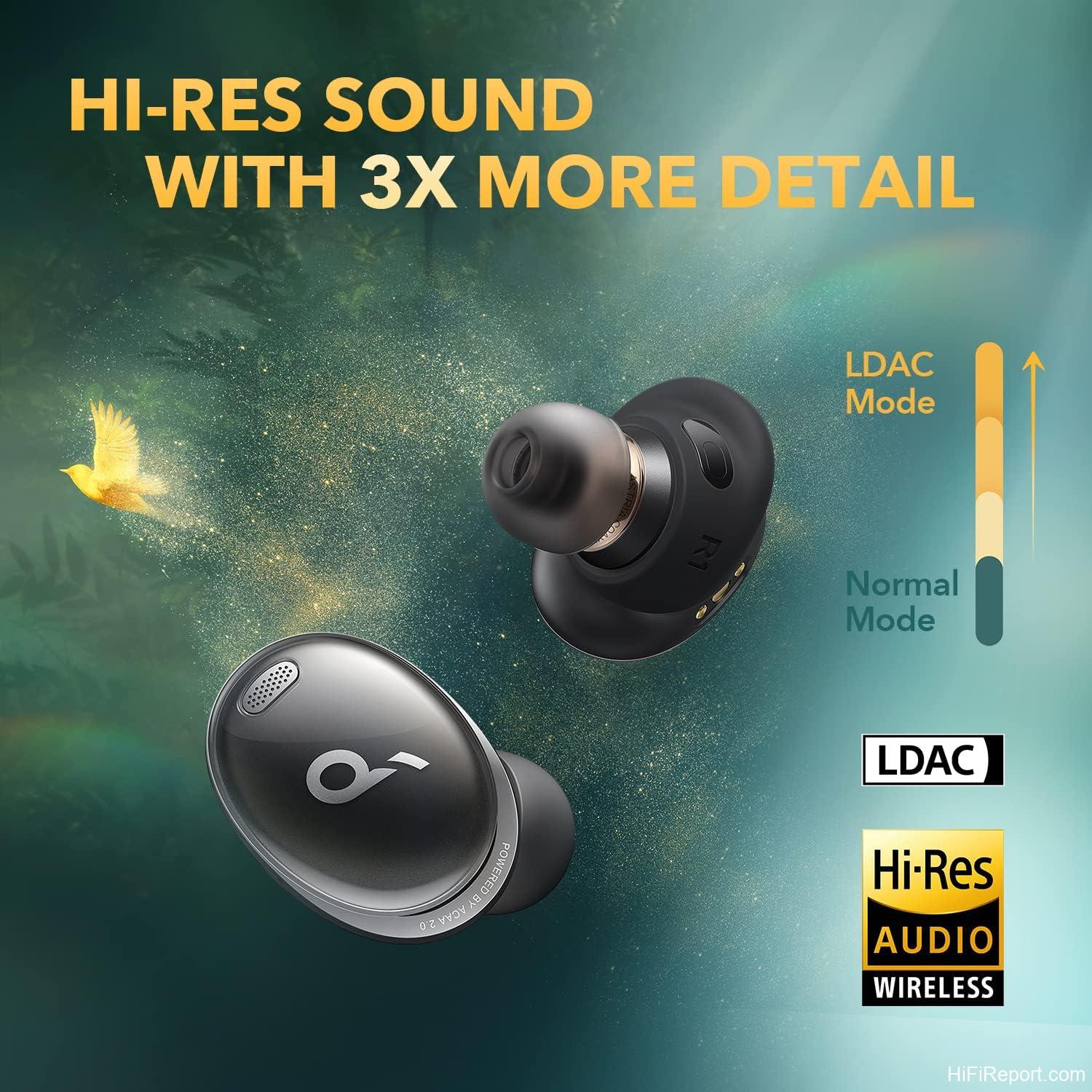
The Liberty 3 Pro supports Bluetooth 5.2 and works with SBC, AAC, and LDAC codecs. LDAC enables higher-bitrate wireless audio on compatible Android devices, and Anker markets the earbuds as supporting hi-res wireless audio. PCMag notes that the Liberty 3 Pro does not support aptX.
Multipoint connectivity is supported, allowing the earbuds to connect to two devices at the same time. This is a practical feature for users who switch between a laptop and phone. One limitation is that LDAC and multipoint cannot be used simultaneously; enabling LDAC disables multipoint until the codec is changed back to AAC or SBC. Several owners praised the multipoint implementation and stable connection range, though SoundGuys noted minor connection issues in its testing.
Long-range Bluetooth performance is a recurring positive in user feedback. Multiple owners reported strong connections through walls and across rooms, even when using LDAC. That said, some users experienced brief audio dropouts or resets every 30 to 40 minutes. These appear to be intermittent and possibly firmware-dependent.
Battery and Charging
Anker rates the Liberty 3 Pro for up to 8 hours of playtime on a single charge, with the charging case providing three additional full charges for up to 32 hours total. That rating applies with ANC off. With ANC on, Tom’s Guide lists roughly 6 hours per charge and 28 hours total with the case, while reviewer Dustin Abbott cites 6 hours per charge and 24 hours total with ANC enabled.
© hifireport.com – Original review content by hifireport.com. Reprinting without written permission is not allowed.
The charging case can be recharged via USB-C or wirelessly using a Qi-compatible charger. Charging time is approximately 2 hours for the earbuds and about 3 hours for the case, according to third-party notes. The case also includes indicator lights that display battery status.
Battery performance is adequate for daily use and competitive with many true wireless rivals, though not class-leading. SoundGuys rated battery life 6.3 out of 10, reflecting solid but unspectacular endurance. Users who keep ANC off and use AAC will come closest to Anker’s maximum runtime claims.
Call Quality and Microphones
Anker advertises the Liberty 3 Pro with six microphones for calls. Despite that array, call quality is inconsistent. Some owners found calls acceptable in quiet settings, but others reported that the microphones picked up too much ambient sound, making voices difficult to hear in noisy environments. Complaints included static, background noise bleeding through, and generally poor call performance compared with dedicated call-focused earbuds.
SoundGuys gave the microphone performance a 7.3 rating, placing it in the middle of the pack. The Liberty 3 Pro is best treated as a music-first earbud rather than a primary tool for voice calls in loud environments.
What Customers Are Saying
Amazon customer feedback for the Liberty 3 Pro is split between strong praise and notable frustration. The most enthusiastic buyers focus on sound quality. Many describe the soundstage as wide and immersive, the bass as deep and tight, and the overall performance as excellent for hip-hop, EDM, and bass-heavy genres. Several owners revised early negative impressions after spending time with EQ adjustments or firmware updates.
Fit is one of the most common areas of disagreement. Many users say the earbuds are comfortable, secure, and easy to wear for hours. Others report that the unusual oval shape simply does not
This article is the original property of hifireport.com. All rights reserved. Unauthorized reproduction is strictly prohibited.
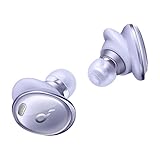
- Recommended by 20 GRAMMY Winning Producers
- ACAA 2.0: Our exclusive coaxial dual driver technology delivers high and low frequency sound directly to your ear without interference. Its wide soundstage is detailed and spacious, bass has a deep punch, mids are luscious, and treble sparkles.
- Personalized Noise Cancelling: Standard noise cancelling only adjusts noise based on data. HearID ANC analyzes your ears and level of in-ear pressure to create a tailored profile that optimizes noise reduction and reduces external sound to suit your ears.