
Spec RMP-DAC3EX Digital-to-Analog Converter Review
Last Christmas, I visited HiFiReport to discuss Tchaikovsky’s ballet “The Nutcracker.” That was my first encounter with the Spec RMP-DAC3EX.
On that day, Mr. Chang of HiFiReport showcased a complete Spec system. The amplifier was the newly launched stereo power amplifier RPA-MG3000, based on the RPA-MG1000 monoblock power amplifier. It combines two channels into one, transforming the original four-piece amplifier into a two-piece power-separated amplifier, maintaining an output power of 300W per channel (4 ohms).
The preamplifier was the flagship RPA-MGCEX, employing Spec’s acclaimed Pure Direct Controller technology. This is a near-passive preamplifier architecture with no active circuitry between input and output, aiming for the purest, highest fidelity reproduction.
This flagship pre-and-power amplifier system was paired with a surprisingly affordable source: the Spec RMP-DAC3EX, priced at just under 500,000 Japanese Yen in Japan.
Mr. Chang also added a Spec RMP-UB1 before the RMP-DAC3EX, a DDC supporting the Diretta transmission protocol. This protocol reduces digital noise and enhances the dynamic range of sound information by transmitting less data per unit time.
Mr. Chang also used Pachanko’s Constellation Mini SE music server as the Roon Core that day, also supporting the Diretta transmission protocol.
The speakers used during the presentation were Wilson Audio Sasha DAW. Driven by Spec’s flagship pre-and-power amplifiers and this digital system, the sound was transparent, clean, smooth, natural, dynamically expansive, and with a wide soundstage.
Over the years, I have often given lectures at HiFiReport. When Wilson speakers are featured, Mr. Chang often pairs them with Dan D’Agostino amplifiers and Merging NADAC.
This time, the Wilson sounded very different, shedding its bold, American style and exhibiting an elegant and nimble charm. If the previous pairing was a valiant hero, this time it was a dancing sprite.
This was the sound I loved.
Immediately, I shamelessly asked Mr. Chang to borrow the RMP-DAC3EX for a listen.
A few weeks later, I received a package from Mr. Chang, containing the Spec RMP-DAC3EX.
Power Supply Design & “Hibiki” Capacitors
Spec truly emphasizes power supply design.
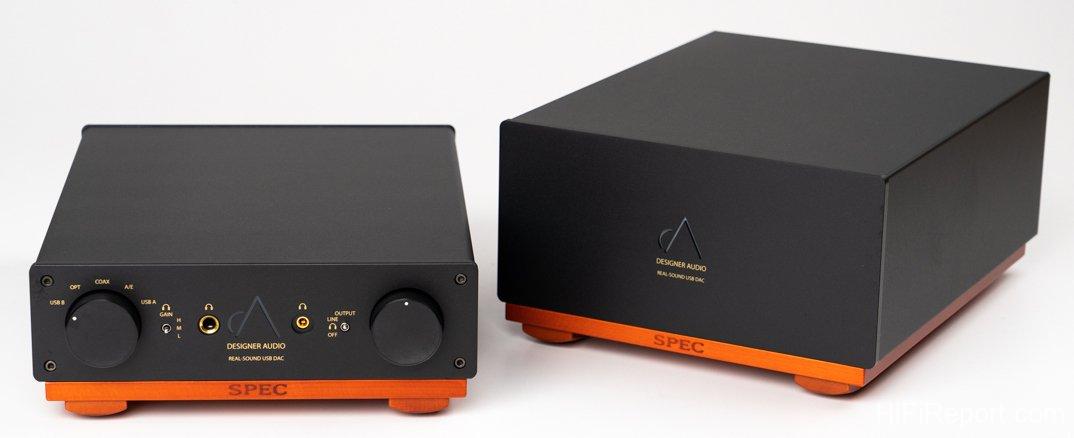
Not only are their two flagship power amplifiers power-separated designs, but the earlier-released RMP-X3EX streaming player also features a separate power supply.
Even with its modest price point, the RMP-DAC3EX still adopts a separate power supply, resulting in a two-piece design.
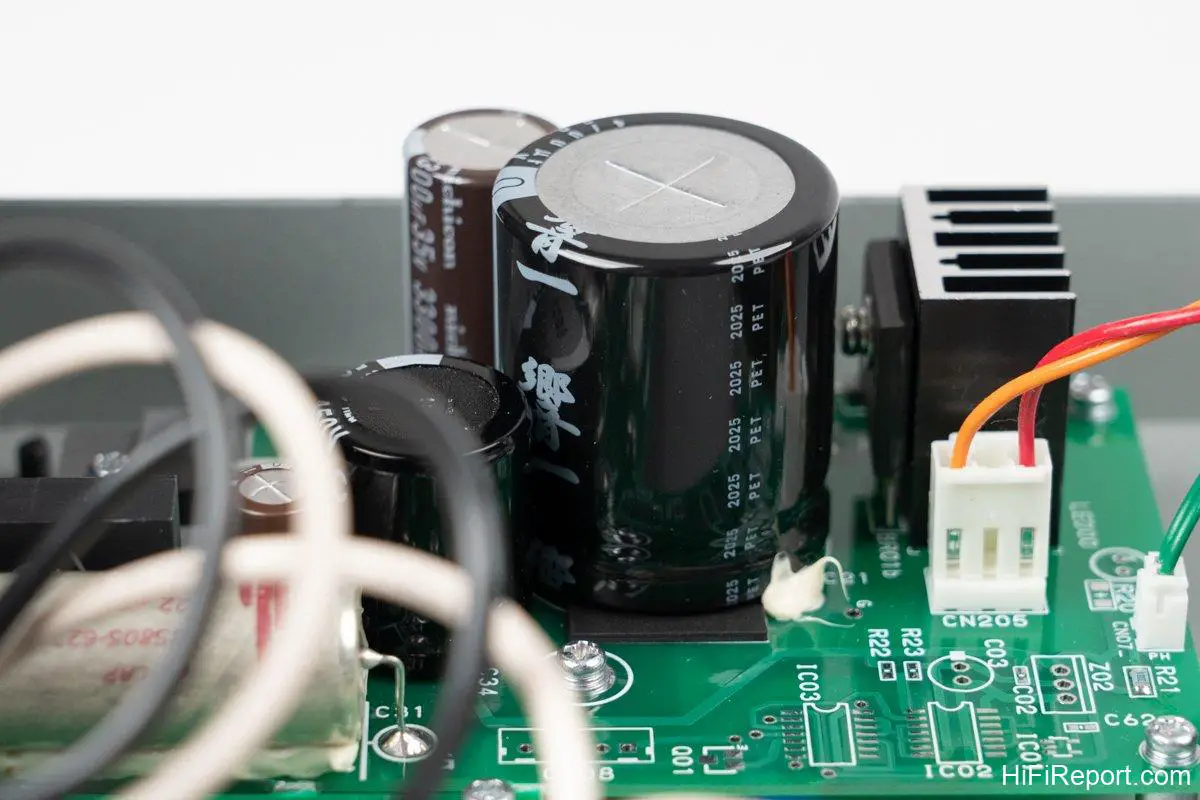
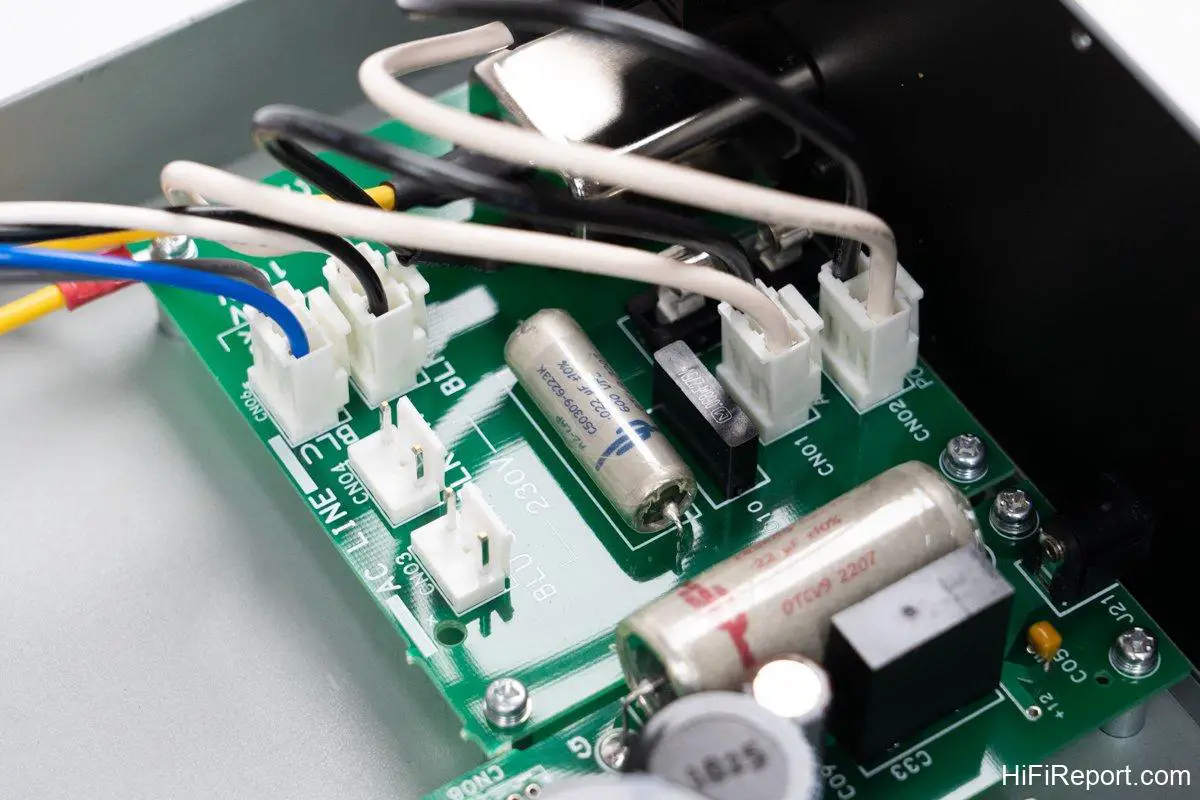
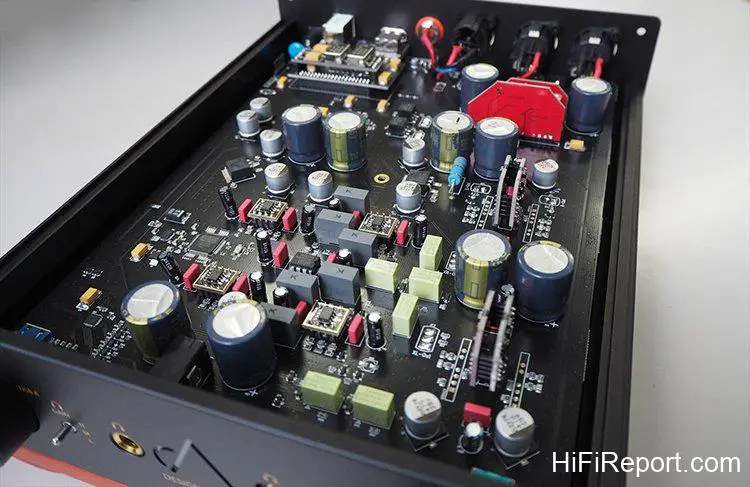
Inside the power supply unit, a custom-made R-Core transformer is used, and the capacitors are also carefully selected. Among them is a capacitor named “Hibiki,” co-developed by Spec and Nichicon. This capacitor, widely used in Spec amplifiers, can be considered Spec’s “secret recipe.” According to them, “Hibiki” capacitors make the sound more natural.
Furthermore, for better midrange performance, a new type of capacitor, model “MR56,” is also employed.
However, simply using high-end components does not guarantee good sound.
Their selection of components and materials undergoes extensive matching and repeated testing. The only standard is to make the sound as natural and as close to real musical instrument reproduction as possible.
Excellent Headphone Output
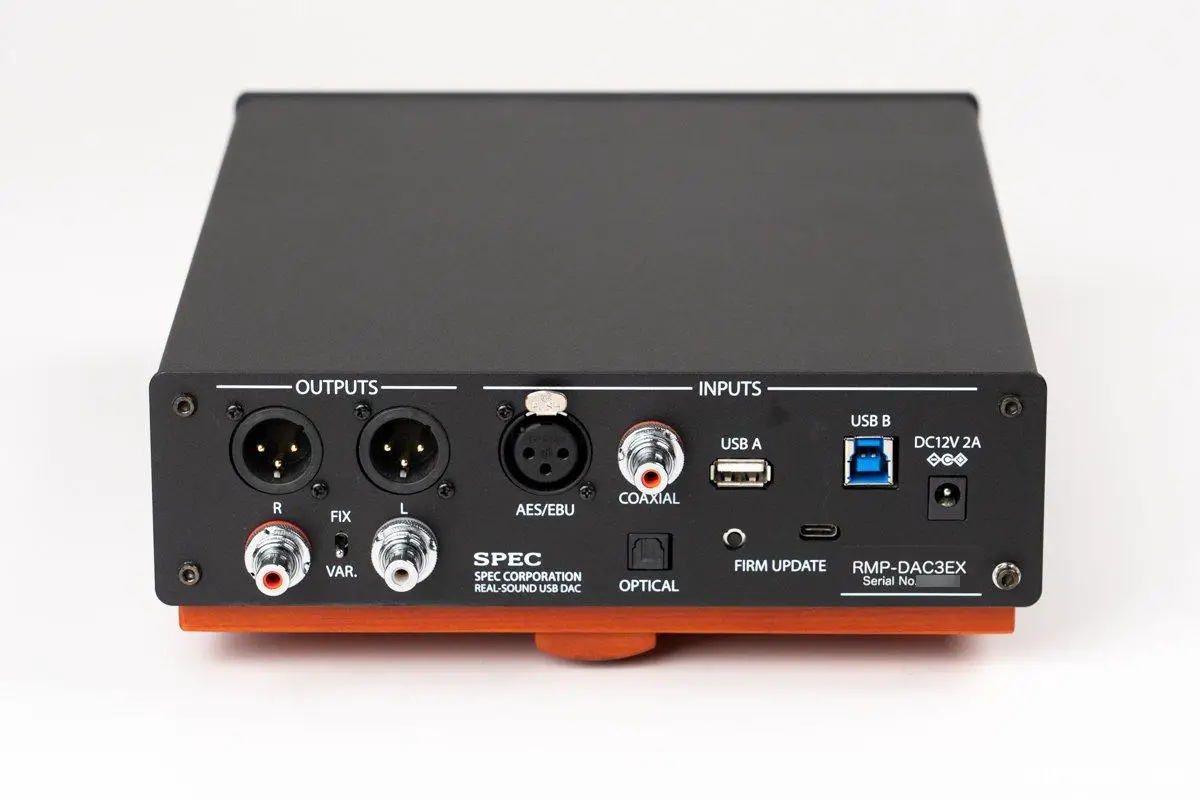
The RMP-DAC3EX boasts a comprehensive array of digital input terminals, including one each of AES/EBU, RCA coaxial, optical, USB type A, and USB type B. For analog outputs, both RCA and XLR are provided, sufficient for the vast majority of users’ needs.
There is also a USB type C port on the rear panel for firmware upgrades.
Both the digital coaxial and analog RCA output terminals are rhodium-plated, representing high-grade materials for its price range.
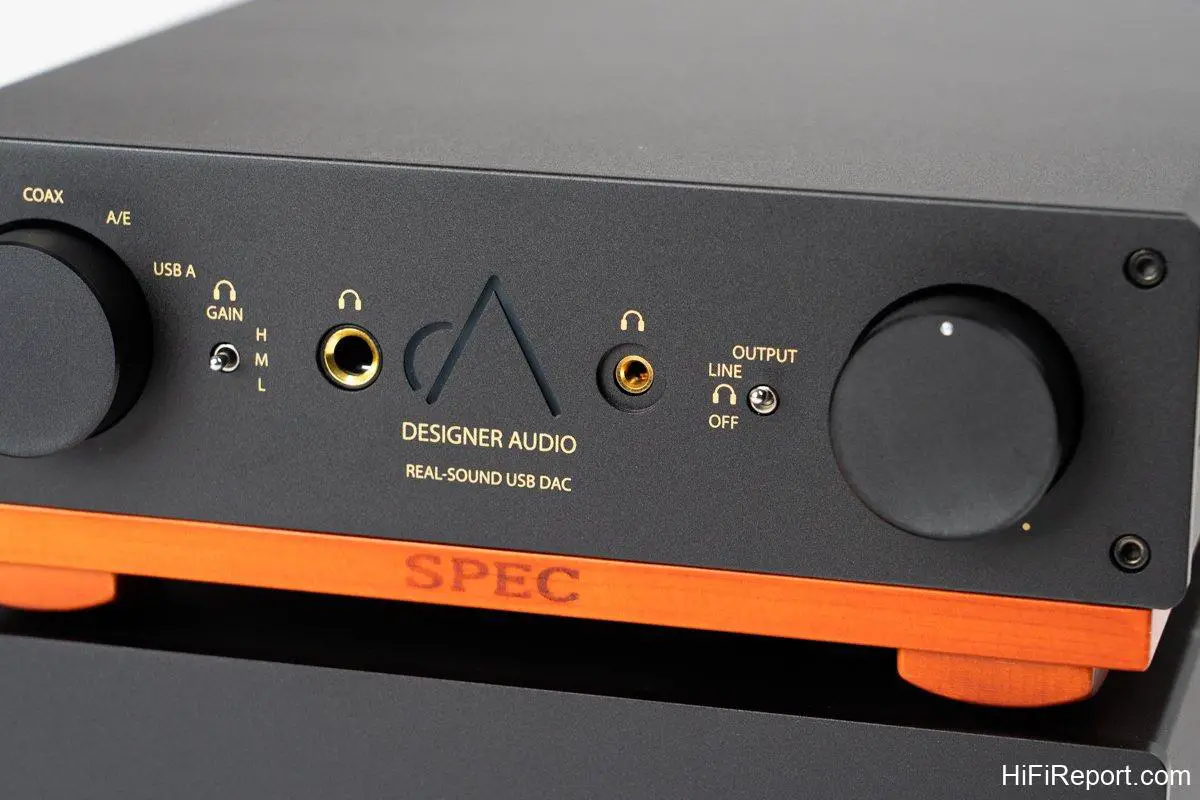
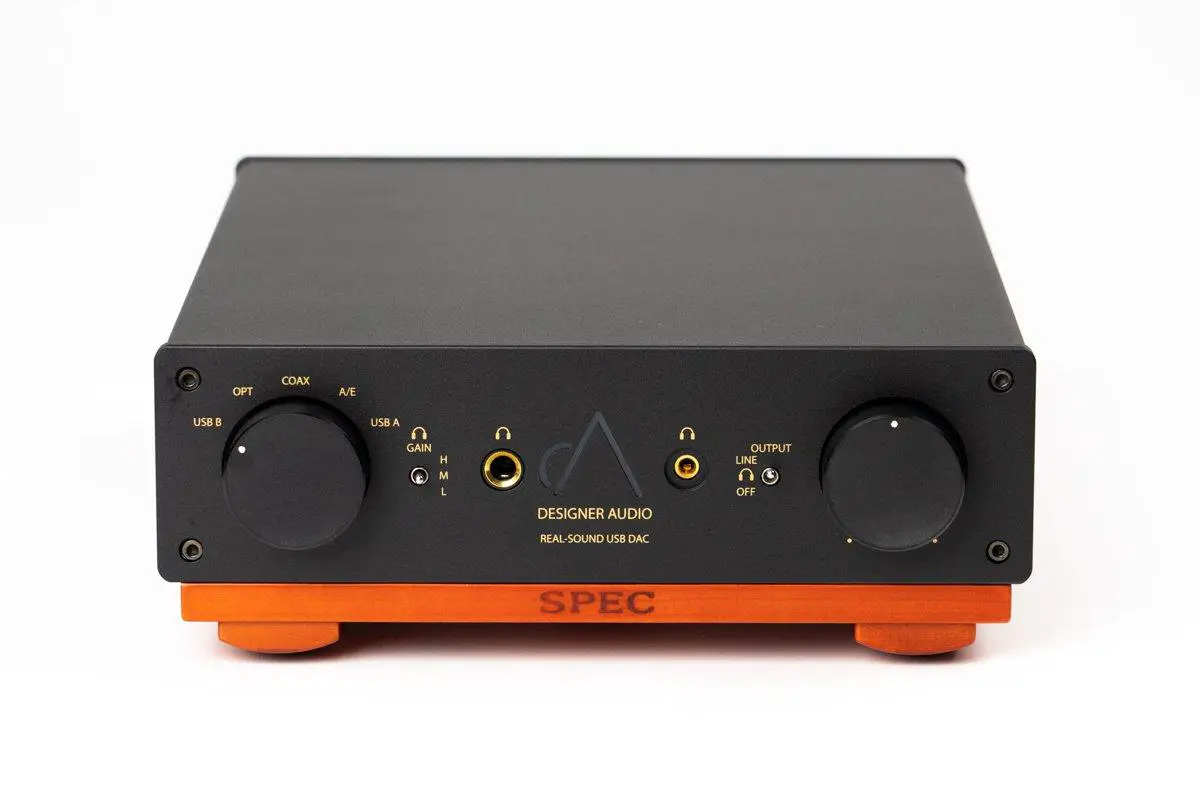
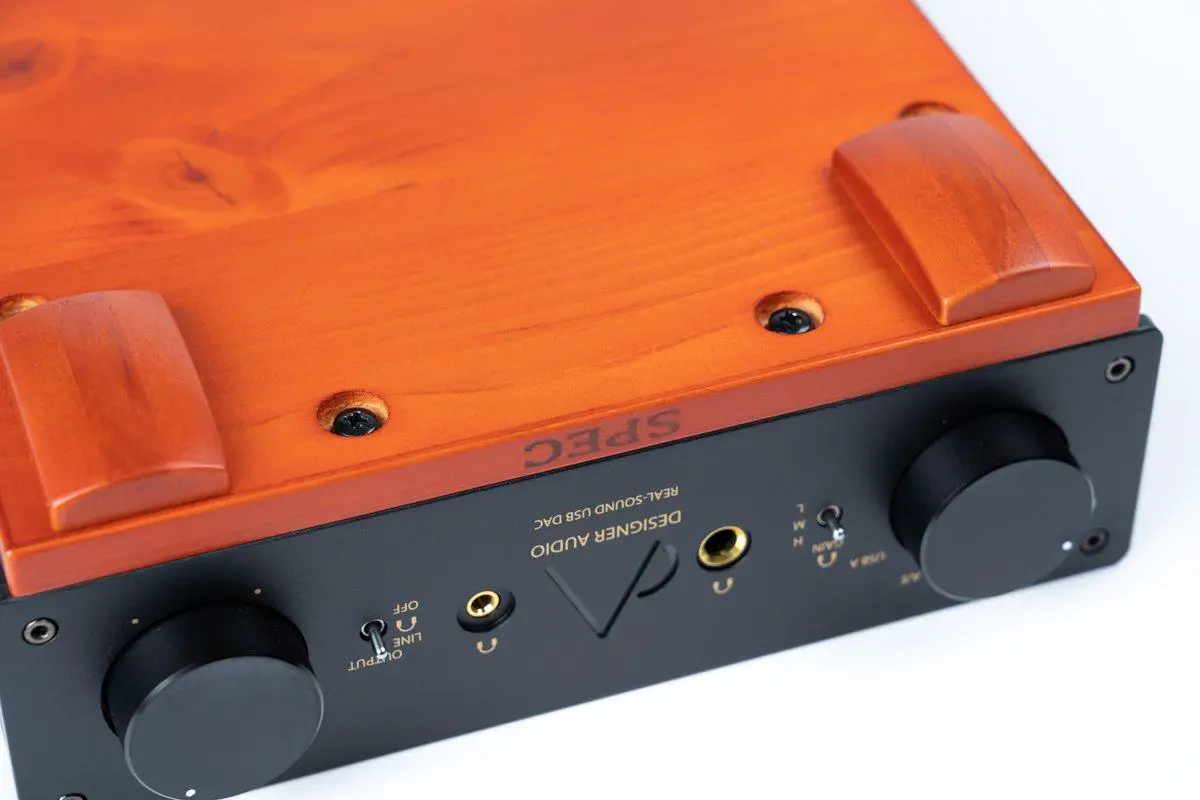
The front panel also features two headphone outputs, one 6.3mm and one 3.5mm, each with three levels of output gain selectable. In actual use, it seems this gain adjustment is not so much designed for headphones of different impedances, but more for adjusting the sound quality and timbre through gain.
Low gain provides a detailed sound with the soundstage slightly pushed back, while high gain offers a fuller, more solid sound that is more forward.
Using Sennheiser HD700 headphones to test its headphone output, the sound is remarkably clean, lively, and open. Details are clear, information is abundant, and the sound texture is realistic. While the soundstage may not be exceptionally wide, it achieves a good balance between concrete imaging and listening ease.
For headphone enthusiasts considering purchasing it purely as a DAC/headphone amplifier, the sound performance alone is worthwhile.
When using headphone output, the toggle switch next to the 3.5mm headphone jack should be set to the middle position, indicated by the headphone icon. For high-level output, switch it upwards. To turn off all outputs, switch it downwards.
If the toggle switch is in the high-level output position, even if headphones are plugged in, no sound will be heard.
Built-in Volume Control
The front panel features two knobs of the same size, symmetrically placed on the left and right.
The left knob is for input selection, and the right one is for volume control.
This volume control is not only for headphone output but also allows the RMP-DAC3EX to directly drive a power amplifier, controlling the volume.
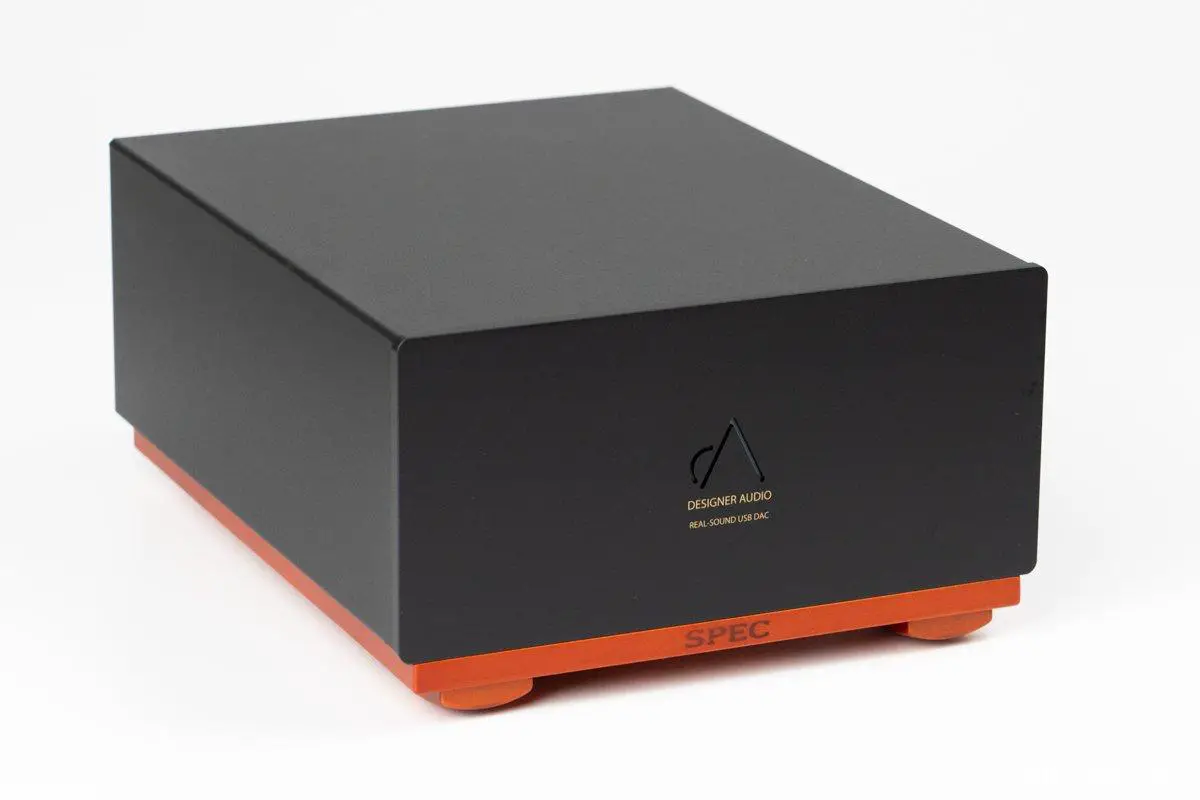
Whether to use it as a digital preamplifier or purely as a DAC is selected by the toggle switch near the analog output terminals on the rear panel.
The Spec logo on the front panel has an LED light behind it, which illuminates after power-on and displays different colors based on the sampling rate of the current digital input signal.
When the input is 44.1kHz or 48kHz, it displays red; for 2x sampling, it displays green; for 4x sampling, it displays blue; for 8x sampling, it displays purple; and for DSD input, regardless of the sampling rate, it displays white.
Instrument-Grade Wood Base & Feet
Spec is also peculiar in that while other manufacturers heavily promote their DAC circuit designs, Spec’s official website makes no mention of it.
It is only known that the RMP-DAC3EX uses ESS’s ES9038PRO chip as the decoding core; other details are entirely absent.
So, what does Spec talk about? Spec dedicates the majority of its description to the wood they use.
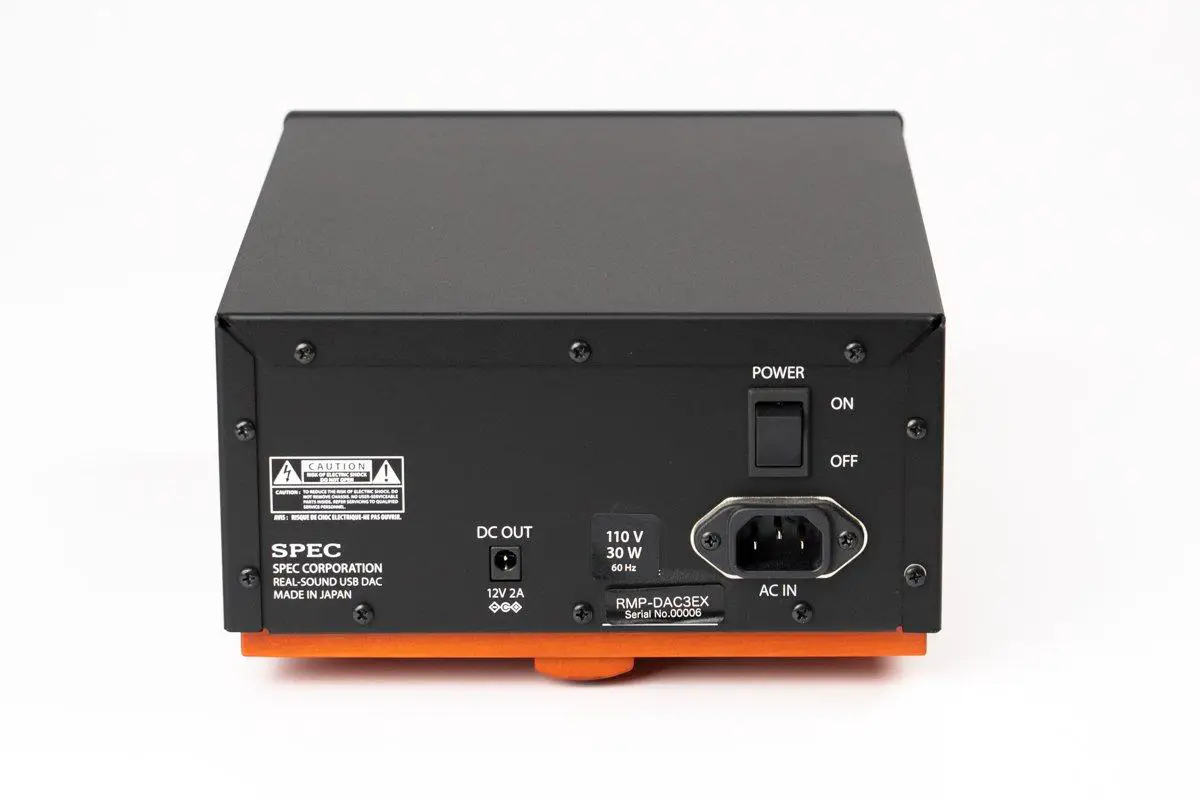
The most distinctive feature of Spec equipment is that, regardless of price point, their chassis incorporate natural wood. Some use wood side panels as support feet, while others use a base plate combined with feet. Different price points and applications dictate different thicknesses and compositions of wood.
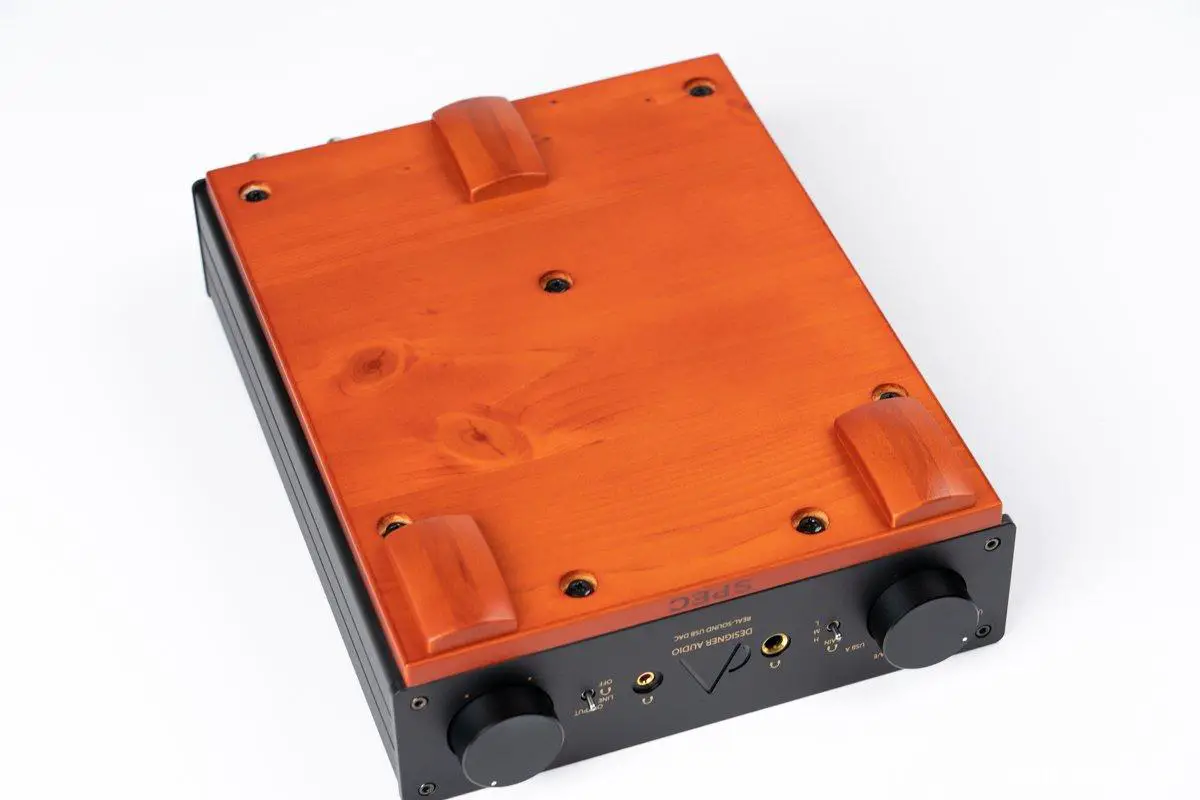
The chassis bottom of both the RMP-DAC3EX’s power supply and DAC main unit are first lined with a spruce wood base plate, and then inlaid with three feet.
These feet have a sandwich structure, composed of two layers of maple wood sandwiched around a layer of walnut wood.
Seemingly square feet, they have a curvature on the surface, allowing the feet to make contact at the apex of the surface, achieving the ideal of three-point grounding with minimal contact.
By harmonizing three types of wood with different hardness and vibration frequencies, the equipment achieves optimal resonance effects.
Spec also states that in the selection of wood, they draw inspiration from musical instrument making.
For example, the spruce wood used for the base plate is commonly used for the soundboards of violins and guitars, while the maple wood used for the feet is often used for the side and back plates of violins and guitars.
Spec proudly declares, “We have created a chassis structure that can produce sound like real music. The DAC3 is like a musical instrument.”
Unusually Vivid and Natural Sound
The sound of the RMP-DAC3EX is exceptionally vivid and remarkably natural.
Note the deliberate use of the adverb “exceptionally.”
This “exceptionally” does not refer to quantity, but to an unusual quality in “comparison.”
Its vividness and naturalness surpass any DAC in this price range, or rather, I shouldn’t just say “surpass,” but “far surpass.”
Is the difference really that significant? Audiophiles will certainly discern its characteristics, but I believe that those who can truly appreciate its charm are limited to music lovers.
Moreover, the more you love listening to music, the more you love music itself, and the more listening experience you have, the easier it is to perceive its quality.
If you primarily listen to unamplified natural instrument performances or vocal music, you will be even more captivated by its exceptional vividness and remarkable naturalness.
I am one such person.
Presenting Live Performances
Spec states on its official website, “The beauty of real sound is incomparable, and this is the ultimate musicality we strive to achieve.”
What the RMP-DAC3EX provides is the reproduction of natural sounds.
In Diana Krall’s rendition of “All or Nothing at All,” the opening double bass pizzicato is richly recorded and deeply resonant.
I have never heard such a visually evocative double bass pizzicato from a DAC in this price range, never.
The instrumental sound is not just a spherical, granular sound, but makes me feel as if I can see a plucking center of origin, and then the sound radiating outwards.
This is not about comparing whose bass is more “Q,” whose granules are larger, whose is fuller, or whose bass extends deeper.
It turns out, I had been listening wrong before.
The vividness of the RMP-DAC3EX is very different.
The vividness of other brands is just “lively and jumpy” sound, fast speed, good control, and the sonic sense of vividness emerges.
But the vividness of the RMP-DAC3EX is about presenting a fresh, live performance, full of life, right before me.
That’s why I say its sound is exceptionally vivid, and its vividness is unusual.
The Key: Harmonics for Realistic Sound
Spec’s pursuit of “real sound” is actually claimed by many manufacturers.
The question is, how to achieve real sound? Setting aside recording issues, focusing solely on the reproduction and restoration of recording information, Spec actually mentions a key point: the reproduction of harmonics.
Different musical instruments, playing the same note, can be distinguished because of their different harmonic compositions.
Therefore, the more completely the subtle harmonic information in the recording is reproduced, the more the harmonic profile can be restored, and the more the sense of sonic realism is brought about. This is what Spec proclaims as “real sound.”
This is not a matter of sound thickness and density, nor is it about whether the outline is clear; it is a matter of harmonic reproduction.
Because Spec recognizes (clearly understands) this point, they extensively use wood commonly found in musical instruments.
Scientific minds may not believe this, but music listeners can hear it.
The instrumental sounds reproduced by the RMP-DAC3EX, compared to other equipment in the same class, have a richer sound composition.
The difference lies in those harmonics.
Debussy’s Preludes: Rich Tonal Nuances
Take Pascal Roge’s performance of Debussy’s Preludes, for example. In the first volume’s “Voiles,” the word has both meanings of “sails” and “veils.” Debussy himself even requested the tempo of the performance to be like a gentle breeze.
The musical structure has three distinct voices. First, a rhythmically varied figure, using descending slurs to create the swaying motion of wind blowing sails or veils.
The sustained note in the low register provides a solid foundation.
And the middle register voice that appears last is the singing theme, calm and steady.
The sounds stacked by these three voices are extremely rich. When the RMP-DAC3EX performs this piece, it not only unravels the three voices but also skillfully blends their sounds.
Originally, this came from the pianist’s skillful hands (and of course, delicate pedal work). Now, through the RMP-DAC3EX’s reproduction, those sound components are wonderfully restored, allowing one to fully enjoy the tonal variations within.
Equally brilliant can be seen in “Le vent dans la plaine.” This piece depicts the scene of wind blowing across the plains, with grasses swaying and rustling in the wind, the wind sometimes strong and sometimes weak, which are the dynamic variations in the music.
More abstract is “Les sons et les parfums tournent dans l’air du soir,” which depicts the sounds and scents floating in the evening air at dusk.
Debussy uses variations in rhythm and harmony, spreading layers upon layers of transparent watercolors, stacking and overlapping, blurring and diffusing.
I have heard many pieces of equipment, regardless of price, that can interpret Debussy so well, but they are rare.
It is difficult for me to use common audiophile jargon to tell you how the RMP-DAC3EX expresses “real sound.” However, the harmonics that Spec emphasizes—the important components of sound, the factors that create timbre—are fully demonstrated in the RMP-DAC3EX’s reproduction of Debussy’s Preludes, showcasing its uniqueness.
Unrivaled Timbre Definition
Let me take Paavo Jarvi conducting the Bremen German Chamber Philharmonic Orchestra, performing Beethoven’s Symphony No. 6, as another example to comprehensively illustrate how the RMP-DAC3EX is vivid and natural.
This performance version uses a smaller orchestra, resulting in a lighter and brighter orchestral sound, and a cleaner and more transparent recording, capturing every detail of the stage. Playing this recording on any system, one can feel the difference from the commonly heard Beethoven symphonies.
However, using the RMP-DAC3EX to play it brings a tangible sense of reality. It restores the scale of this chamber orchestra on stage, the texture of the instruments is realistically discernible, and even the performers’ breath and posture can be perceived.
The first movement is a clear sonata form. The string section plays the first theme, full of idyllic pastoral scenery. The woodwinds take over lightly and dynamically, leading to richer strings, and the musical layers become richer. Following is the melodious and joyful second theme. The structure of this piece, the layers of voices, and the organization of the ensemble are all exceptionally clear in this smaller orchestra performance.
And what does the RMP-DAC3EX do? It transparently unfolds the textures of those instruments with an extremely vivid approach.
And in the development section, the rich colors created by Beethoven, especially the color sensation shaped by the mid-high registers of the strings and woodwinds, are all magnificent.
As for the ending of the second movement, the flute, oboe, and clarinet each represent different birds. The instrumental textures are clear and distinct, allowing one to fully identify their timbres without any ambiguous gray areas.
What Spec is pursuing seems very basic, but not everyone can achieve this level: “We want to make a violin sound like a violin, and an oboe sound like an oboe.” After listening, I believe they have achieved it, and done it very well, far exceeding my expectations for a DAC in this price range.
Beyond Price Point: High-End Territory
I am very glad I asked to borrow it. It turns out that Spec not only makes excellent amplifiers, but also DACs that are this good.
Their pursuit of High End may be different from what some people perceive, but to be so vivid, so natural, so rich in color, and so realistic, it has already reached a “high” “end.”
Specifications
* Type: Digital-to-Analog Converter
* Digital Inputs: AES/EBU x1, Coaxial x1, Optical x1, USB type A x1, USB type B x1
* Supported Sampling Rates: USB input supports up to PCM 32bit/384kHz, DSD 256, DoP 128; other inputs support up to PCM 24bit/192kHz
* Analog Outputs: XLR x1 (Max 4.6 Vrms), RCAx1 (Max 2.3 Vrms)
* Dimensions: Main unit / 215 x 82 x 299 mm (WxHxD); Power supply / 215 x 122 x 273 mm (WxHxD)
* Weight: Main unit / 3.0 kg; Power supply / 4.0 kg