
T+A Solitaire S540 Review
T+A was founded in 1978, and Siegfried Amft’s very first product was a loudspeaker. Over the past 45 years, Siegfried has experimented with nearly every loudspeaker design imaginable, from transmission lines and DSP-controlled active systems to electrostatic drivers. In almost every category, he has achieved peak performance. However, among all these architectures, Siegfried considers line source loudspeakers to be the most ideal design.
With the newly evolved Solitaire S540 (hereafter referred to as S540) speakers, what advancements has he made in line source design? That was my primary question when embarking on this review.
Siegfried Amft is undoubtedly one of the audio designers I respect the most. During his physics studies at the prestigious Hannover Technical University in Germany, he was a top student, consistently ranking first in his exams. One elective course he took was electroacoustics, taught by none other than Fritz Sennheiser (1912-2010), the founder of the renowned headphone brand Sennheiser.
As the saying goes, “A famous teacher produces a brilliant student,” and Sennheiser’s inspiration clearly set Siegfried on his future path in audio. With the launch of the new flagship S540 speakers, I was confident that Siegfried had made significant technical breakthroughs, making an in-depth exploration in this article well worthwhile.
Point vs. Line Source
Before delving into the S540’s specific technical features, I’d like to briefly explain the difference between point source and line source loudspeakers. Most speakers function as point sources, with sound waves radiating outwards from a single point. In this scenario, the sound energy expands as a spherical wave, spreading in all directions from the speaker. Naturally, in this state, not all of the speaker’s emitted energy is directed towards the listening position.
For every doubling of the distance from the speaker to the listening position, the surface area of the sphere increases fourfold, and the sound energy consequently drops to one-quarter. In terms of decibels, the volume decreases by 6dB for every doubling of distance.
What about line source speakers? Here, sound waves disperse as a cylindrical shape radiating outwards. For every doubling of the distance from the speaker to the listening position, the surface area of the cylinder increases by a factor of two, meaning the sound energy only decreases by half, resulting in a 3dB reduction in volume.
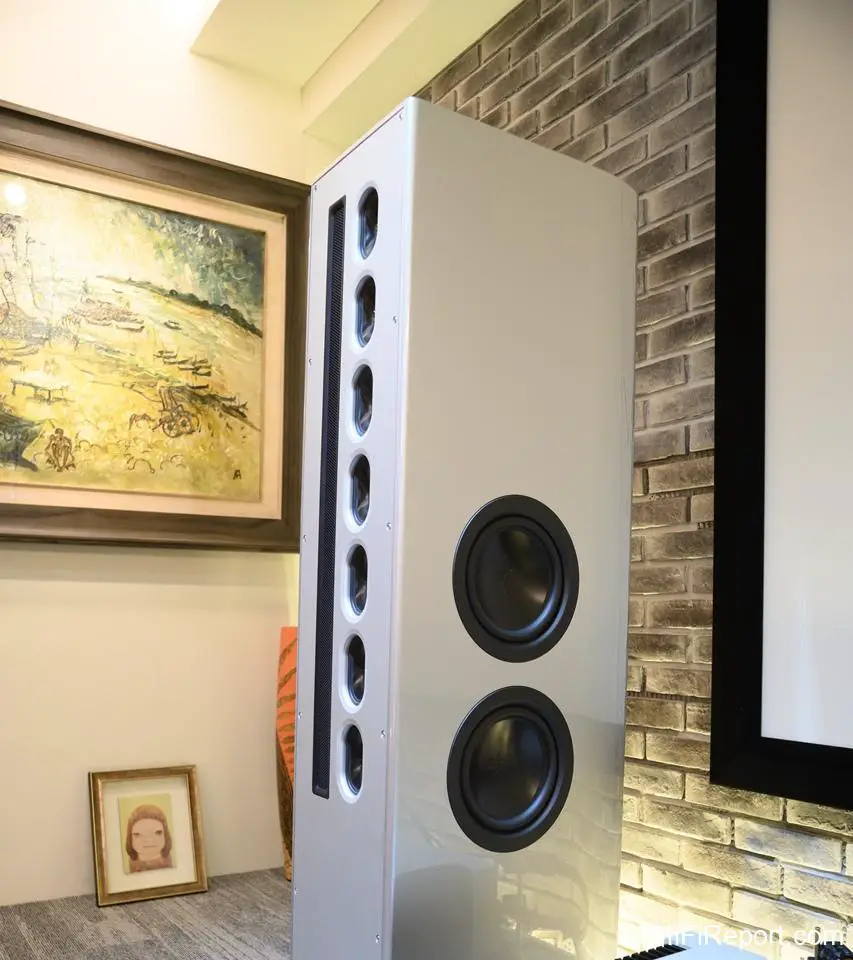
Of course, these are theoretical calculations. In reality, room reflections must also be considered, but the basic concept is what matters. Essentially, line source speakers can project sound energy further. At the same listening distance, a line source speaker will deliver more robust playback energy than a point source speaker. This is the first advantage of line source radiation.
Furthermore, line source speakers inherently limit vertical sound dispersion, effectively reducing interference from ceiling and floor reflections in the listening space. This is the second advantage of line source design.
S540 Technical Approach
Having understood the characteristics of line source speakers, let’s focus back on the protagonist of this article, the S540. T+A’s initial step in creating a line source was to employ a tall, ribbon-like planar-magnetic tweeter. While the predecessor, the CWT 1000-40, used an electrostatic tweeter, the S540 adopts a planar-magnetic driver. Both types are planar diaphragms and possess the elongated shape conducive to line source radiation.
They also share the benefits of a large radiating area, low phase distortion, fast transient response, and excellent high-frequency extension. So why did Siegfried switch from electrostatic to planar-magnetic drivers?
The primary difference lies in durability. The extremely lightweight and thin electrostatic diaphragm is inherently susceptible to heat and humidity. Over time, if dust accumulates, it can easily be damaged by arcing. This issue is particularly severe in hot and humid Asian countries, which Siegfried felt needed to be addressed.
On the other hand, during the development of their Solitaire series headphones, T+A conducted in-depth research into planar-magnetic drivers and gained significant manufacturing experience. Siegfried concluded that the planar-magnetic drivers developed by T+A had characteristics very close to electrostatic drivers but were more durable and didn’t require a power supply like electrostatics. This led to the decision to apply this technology to the new S540 speakers.
Mag850 Planar Driver
Notably, T+A refers to their developed planar-magnetic driver as “Planar Magnetostatic,” rather than the more common “Planar Magnetic,” indicating improvements in the magnetic system. This is indeed the case.
While developing the planar diaphragm for the Solitaire headphones, they discovered that using neodymium rod magnets of varying lengths arranged in a special structure could create a more uniform magnetic field, significantly reducing distortion in the planar diaphragm. T+A calls this innovative technology the Draft Control System. When T+A scaled up the planar diaphragm for the S540 speakers, this unique magnetic system was also scaled up accordingly.
A total of 64 neodymium magnets are arranged in a special structure to ensure the magnetic field is evenly applied across the entire 200 square centimeter diaphragm surface.
Furthermore, T+A uses a more advanced and stable polymer film as the base for the planar diaphragm, with a thickness of only a few micrometers. The voice coil applied to this base using photochemical techniques is also only a few micrometers thick, making T+A’s planar diaphragm truly as light and delicate as a cicada’s wing.
The combination of these two technologies results in playback characteristics remarkably close to electrostatic drivers, which is why Siegfried decided to use the newly developed planar-magnetic driver in the flagship S540 speakers.
T+A designates the planar-magnetic driver used in the new Solitaire speaker series as the Mag850, where 850 represents its length of 85 centimeters. Crucially, this driver is constructed from a single large-area planar diaphragm, unlike many similar designs on the market that piece together multiple smaller planar diaphragms. The manufacturing difficulty of the Mag850 is significantly higher, but its playback characteristics are also superior.

According to the factory data, the Mag850 can not only exhibit a greater dynamic range and portray more delicate micro-dynamics with richer detail and faster transients and better high-frequency extension, but its maximum sound pressure level can also easily exceed 125dB! It’s no wonder Siegfried chose to replace the original electrostatic driver with the Mag850. Currently, besides the S540, the slightly smaller S530 in the same series also uses the identical-sized Mag850 tweeter.
Midrange & Bass Design
Building an ideal line source speaker requires more than just the Mag850 driver. T+A also specifically developed oval-shaped midrange drivers for this purpose, employing seven of them arranged vertically to achieve line source playback in the midrange frequencies as well.
By changing the midrange diaphragms to an oval shape, not only could the midrange driver array be positioned closer to the Mag850 planar-magnetic driver, but T+A also implemented more refined tuning. Notice that the seven oval midrange drivers are recessed into the front baffle, making their emission points slightly set back compared to the Mag850. The front baffle also forms a short horn-like opening in front of the midrange drivers.
Also note that the S540 speakers are left and right specific. The Mag850 tweeter must be on the outer side, while the recessed midrange driver array must be on the inner side of the speaker. In this configuration, the horizontal dispersion angles on the two sides of the S540 are different. The dispersion angle towards the outside is smaller, which helps reduce interference from side wall reflections.
The dispersion angle towards the inside (between the two speakers) is larger, allowing sound energy to focus on the center of the soundstage.
Do you see it? The S540 not only reduces vertical angle reflections through its line source design but also minimizes side wall reflections through the clever pairing of the Mag850 and the midrange driver array. Is this design truly effective in practice? My listening session with the S540 on the second floor of Ri Yue Audio was the perfect test for this. How so?
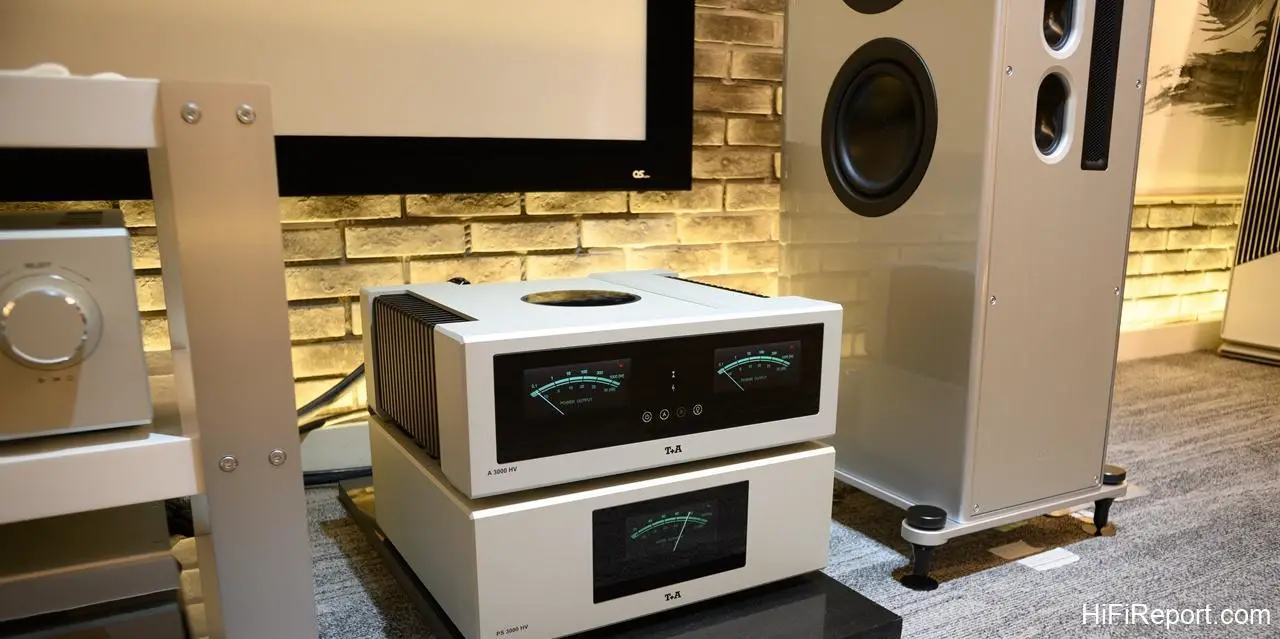
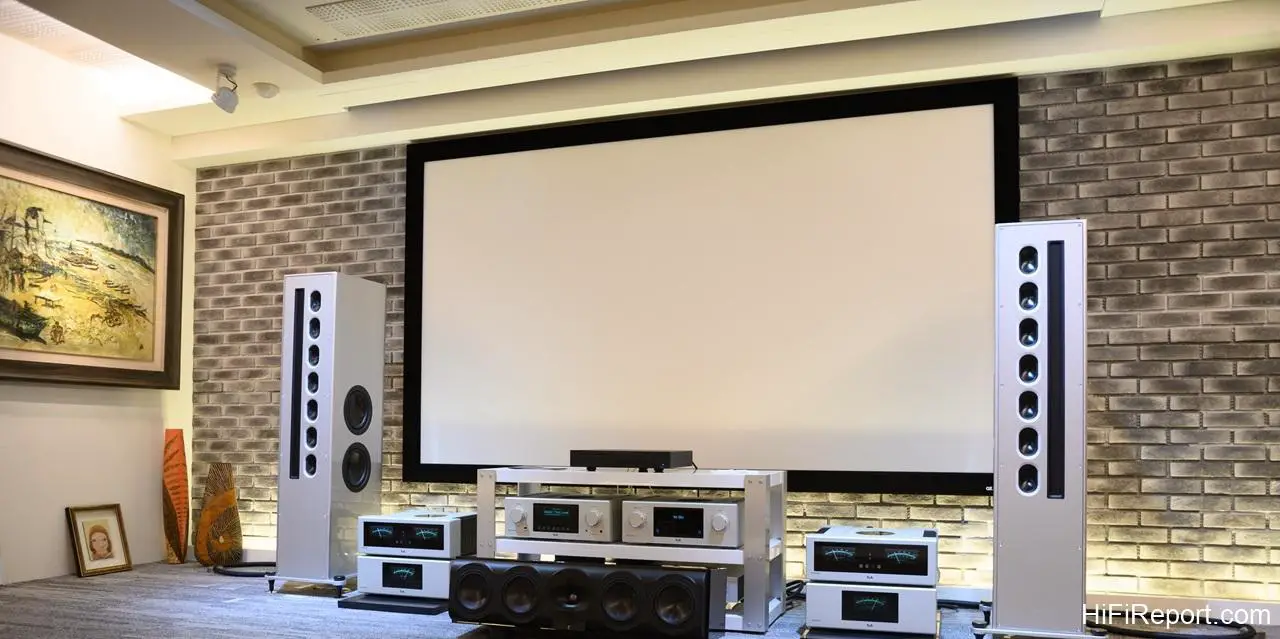
Anyone who has visited the second floor of Ri Yue Audio knows that this rather large listening space features two large vertical pillars situated directly between the speakers and the listening position. The staff at Ri Yue Audio have honed exceptional speaker placement skills in this space to minimize the impact of these two large pillars on audio playback.
I have conducted numerous equipment reviews in this space at Ri Yue, including my previous listening session with the predecessor Solitaire CWT 1000-40 speakers, which also took place here. I am quite familiar with the acoustic characteristics of this room. I must say, among all those listening experiences, this session with the S540 was the most stunning. Its asymmetrical horizontal dispersion characteristics effectively eliminated the interference from those two large pillars.
Not only was the placement of instruments in the soundstage precise, but their forms and outlines were also remarkably clear. The positioning and shape of every instrument and voice felt particularly stable and tangible. This sense of clarity and stability is clearly a result of significantly reduced room reflection interference, as reflected in the soundstage presentation.
Soundstage Mastery
Regarding soundstage performance, I found two particularly impressive aspects of the S540: First, even though these S540s were not pulled far from the rear wall, the soundstage depth and layering were presented with remarkable completeness. Second, while the S540 limits sound wave dispersion towards the outside of the speakers, it absolutely does not compromise the sense of openness in the soundstage.
In fact, the S540’s soundstage width can easily extend beyond the outer edges of the speakers. When playing certain live recordings made in churches, it can even reproduce the vast, soaring spatial sense of the cathedral. In short, the S540’s soundstage reconstruction ability is truly magical, making it arguably one of the best speakers I’ve ever heard at reproducing the spatial characteristics embedded within recordings.
S540 Design Details
There are still many technical details about the S540 yet to be mentioned. Here’s a list summarizing them:
* The secret behind the seven midrange drivers firing simultaneously is their ability to share the playback load. Each midrange driver only needs to perform minimal piston-like movement to reproduce sufficient sound energy. In this state, the distortion of each driver is greatly reduced, and their reaction speed can keep up as much as possible with the ultra-fast Mag850 tweeter.
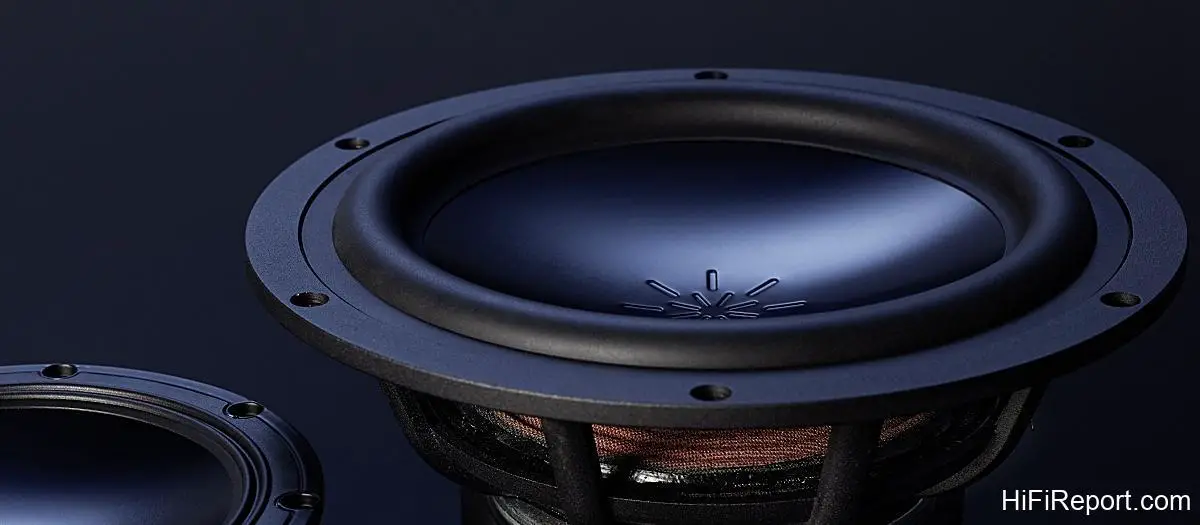
* Both the midrange and bass diaphragms feature the exclusive Star Stabilizer embossing treatment, which effectively suppresses cone breakup distortion.
* The crossover high-pass for the Mag850 is set at 1.8kHz, avoiding the 2-3kHz frequency band where the human ear is most sensitive. This allows for smoother reproduction of the upper midrange and treble.
* The frequency range handled by the midrange driver array is between 1.8kHz and 180Hz, covering an extremely wide band.
This means the most critical musical frequencies are reproduced by these seven midrange drivers, unaffected by crossover interference, allowing for optimal phase coherence.
* Each S540 cabinet is equipped with two 220mm bass drivers on either side. The drivers on opposing sides are connected at the rear by metal pillars. When the drivers on both sides move in phase, the vibration transmitted to the cabinet is significantly cancelled out.
* Why isn’t a line source architecture used for the bass drivers? Because typical home listening spaces aren’t very large, the benefits of a bass line source are limited. Furthermore, the S540’s bass drivers only need to reproduce frequencies below 180Hz, where directionality is no longer an issue, allowing them to blend fully with the line source mid-high frequencies.
* The S540 features a sealed cabinet design.
The main purpose of this is to enhance the transient speed of the bass, enabling it to keep pace with the ultra-fast response of the Mag850 and midrange driver array. It’s worth noting that the lower-tier S530 speakers, although sharing a similar design concept, require a bass reflex design (with a port on the bottom of the cabinet) due to their smaller cabinet volume to achieve sufficient bass quantity. However, this likely means compromising on bass transient speed.
* The S540’s front baffle is constructed from thick, large-area aluminum plate. The main cabinet is a double-layer structure made of MDF and HDF, with a total thickness of 5 cm. Siegfried believes that combining materials of different densities achieves optimal cabinet rigidity and damping characteristics. Special sound-absorbing damping material is also placed inside the cabinet, which is a necessary design feature for sealed enclosures.
Crossover and Tuning
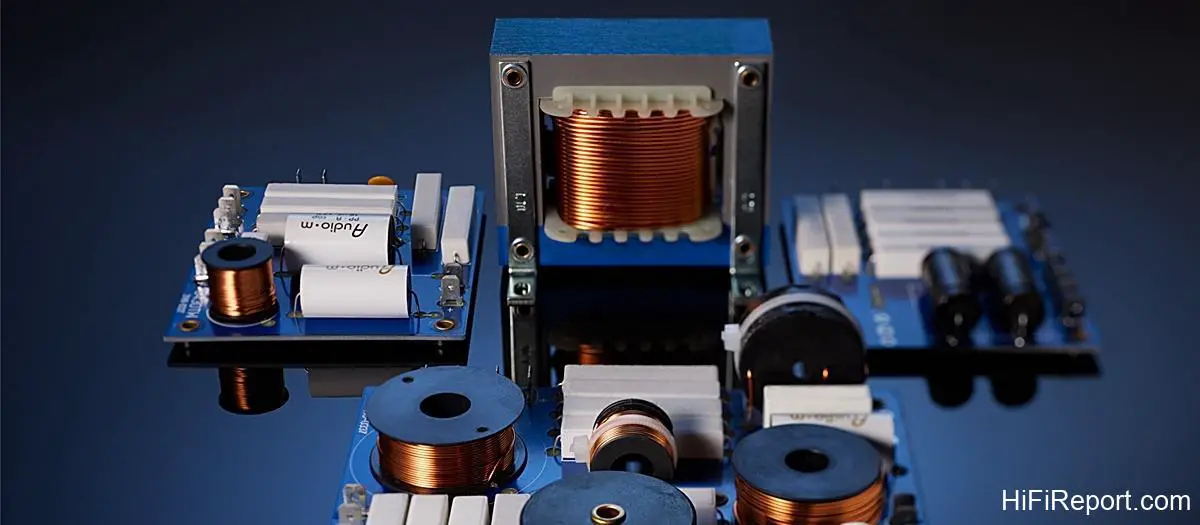
Finally, let’s discuss the S540’s crossover. It utilizes a unique FSR (Fast Signal Response) three-way crossover circuit architecture. This design precisely controls the soundstage and sound wave dispersion characteristics while ensuring consistent phase and group delay across the entire frequency range. A key point is that the impedance variation is minimal, posing little burden to the amplifier.
The crossover design is also meticulous about grounding and internal wiring. The Mag850 tweeter is connected using T+A’s proprietary coaxial cable, ensuring minimal loss for the transmission of the most subtle upper-midrange and high-frequency signals.
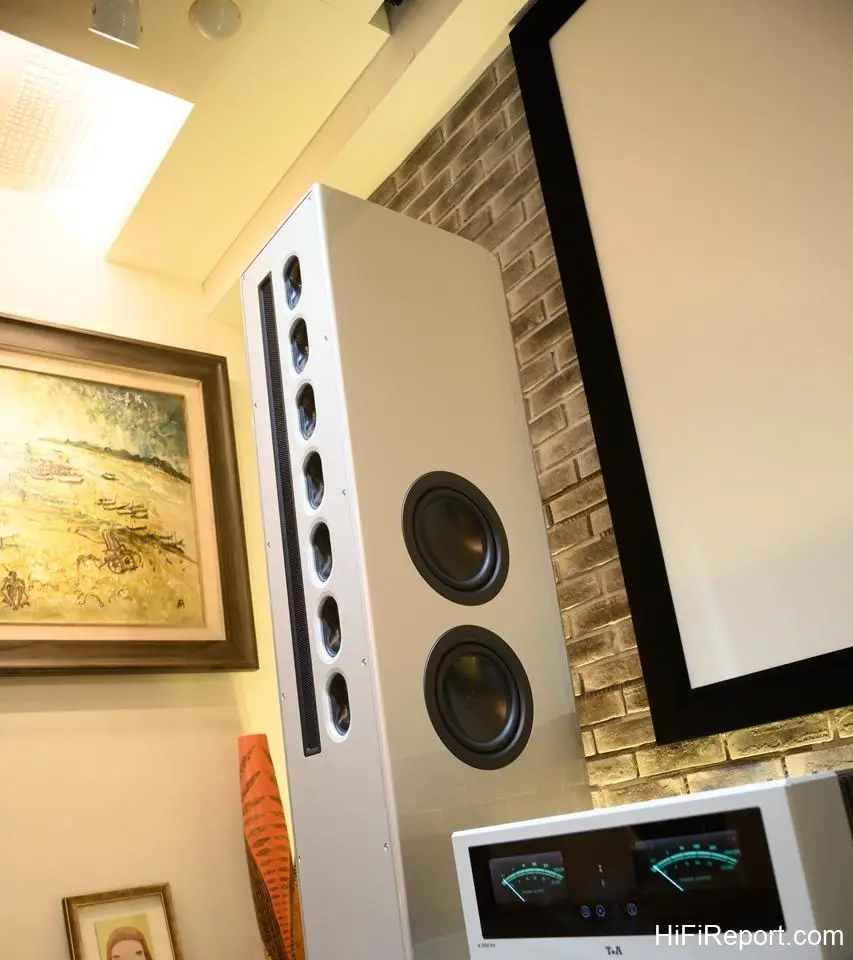
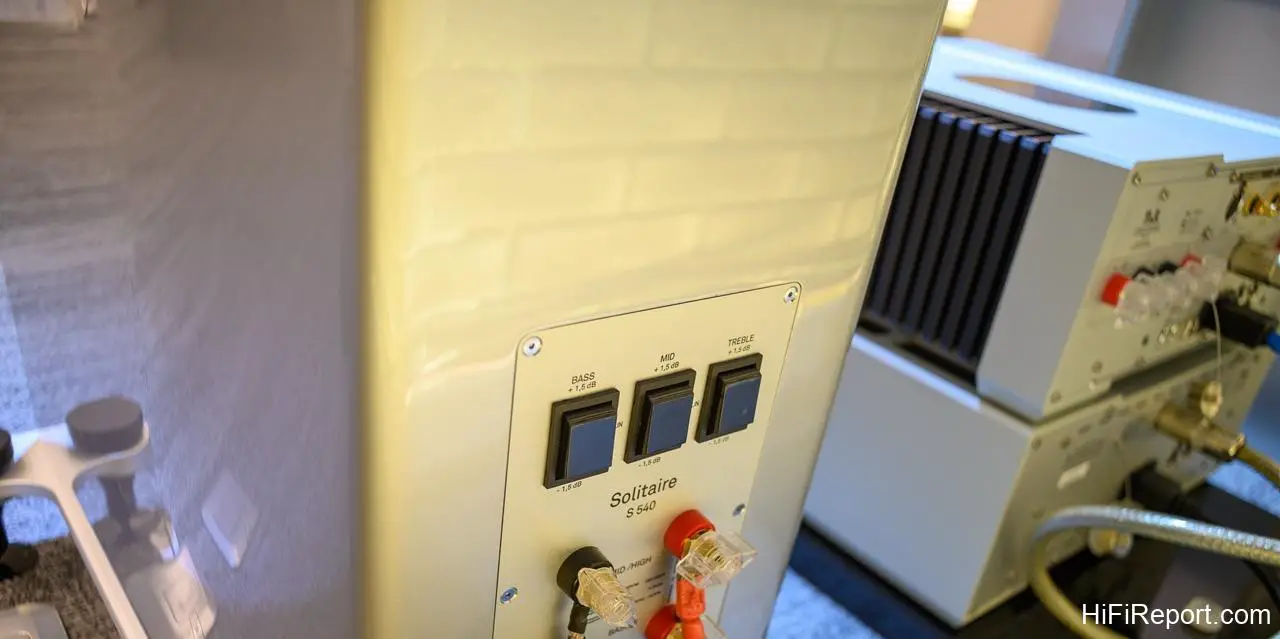
Notably, the S540’s rear panel is equipped with level adjustments for high, midrange, and bass frequencies. Siegfried considers this a crucial feature, allowing the speakers to be better adapted to different listening environments.
Listening Impressions
Each time I study T+A speakers, it feels like attending a masterclass in acoustic physics. It’s clear that the technical depth of speakers designed by Siegfried is simply astonishing. The real question, however, is whether the S540’s myriad technical features truly translate into authentic musical reproduction. Let’s now move on to the actual listening session to experience the S540’s sonic character.
Listening Examples
First, I tested the bass performance, directly challenging the fourth movement of Olivier Messiaen’s *Symphonie Concertante for Four Solo Instruments and Orchestra* (often mistaken for the “Organ Symphony”), conducted by Myung-Whun Chung. Compared to flagship speakers from other brands, the S540 isn’t particularly massive in size, yet the sheer power of its bass output is astonishing. The energy was more than sufficient to fill the large space on the second floor of Ri Yue Audio.
Crucially, the bass layers were incredibly clear, and the control was exceptional. Reproducing the extreme low frequencies of the pipe organ was absolutely no problem; even the lines of the lowest notes were clearly rendered. This shows that the factory specification of bass extension down to 20Hz is not an exaggeration.
Listening to the first track, “A Song for Thor,” from Stephan Micus’s album *Thunder*, the S540 reproduced an incredibly vast sense of the large drum’s physical presence. Both the energy and the sense of ease in the bass were completely characteristic of a large speaker system. If your listening space is limited and you prefer speakers that don’t dominate the room visually, yet you still desire the full-scale playback impact of a large system, the S540 perfectly meets these requirements.
While playing this album, another noteworthy aspect was the S540’s reproduction of metallic percussion. I heard an utterly transparent, refined, and liquid metallic strike quality. The high-frequency overtones extended with extreme ease, airiness, and naturalness. The timbre of the instruments was not only realistic but also exuded incredibly rich and beautiful tonal variations.
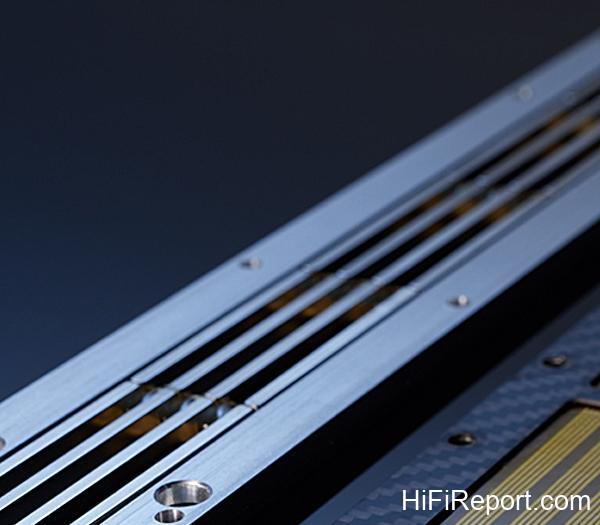
This demonstrates that the sonic performance of the exclusive Mag850 planar-magnetic tweeter has indeed reached an ultimate level of realism, smoothness, naturalness, and extremely low distortion.
Listening to Hilary Hahn’s performance of Mozart’s Violin Sonatas, the violin lines were not only focused but also possessed extremely high energy density. The tonal purity was exceptional, faithfully conveying the resilient power within her vibrato. Crucially, even during soaring high-pitched fortissimo passages, the tone remained free of tension or harshness – a natural advantage of the large-area planar diaphragm.
I must admit that even speakers equipped with the finest diamond or pure beryllium tweeters would struggle to surpass the S540’s tonal quality during such extreme string passages.
Listening to Martha Argerich playing Ravel’s “Ondine” from *Gaspard de la nuit*, the S540 fully captured the true essence of the piano queen’s performance. Her touch was powerful and decisive, and the instantaneous explosive power of the rapid runs was breathtaking. While her playing was incisive, it never felt rushed or chaotic. Every note was struck without hesitation, flowing naturally, making it feel as though Argerich was playing right before my eyes.
On the other hand, the S540 could also convey the emotional beauty of Argerich’s playing. While the tonal quality was exceptionally pure and transparent, it wasn’t a cold, pale, or sterile transparency. Instead, it radiated a warm luster; the flowing notes were like scattered pearls. The listening experience was like being warmly embraced by the music, utterly blissful.
My main question going into the vocal test was whether using seven midrange drivers simultaneously to reproduce the vocal mid-band would cause disharmony due to driver tolerances. The actual listening result proved the opposite. Not only was this issue absent, but the focus, harmony, body, and localization of the vocals were undeniably at the highest level of performance.
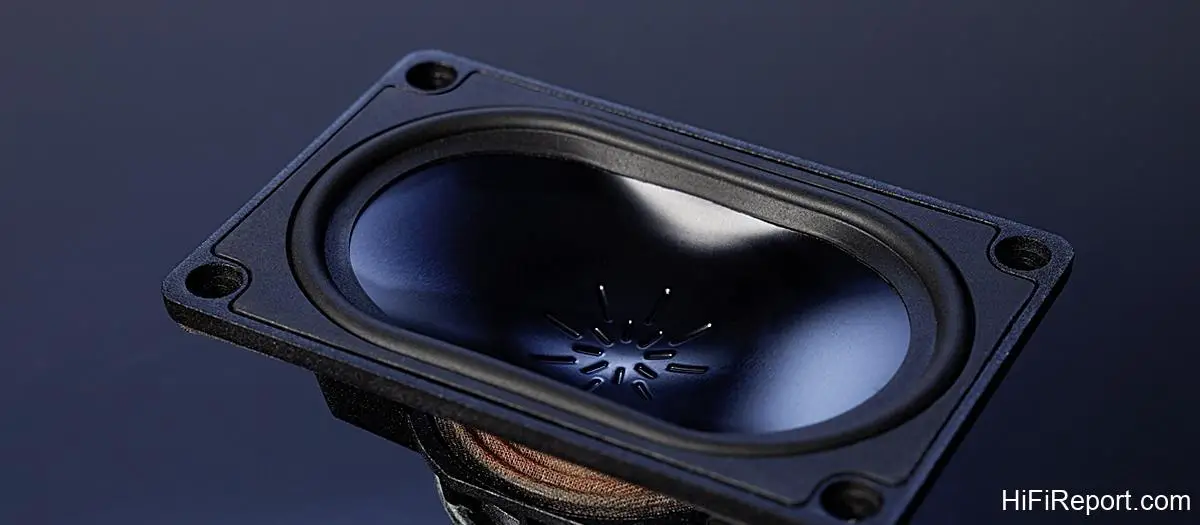
The listening experience with the S540 was magical. I tried testing it with various types of music, searching for any flaws, but found that in virtually every criterion of the audio “twenty musts,” the S540’s performance was among the very best I have ever heard.
Its soundstage performance is incredibly precise and expansive, its vocal midrange is extremely harmonious and smooth, its string high frequencies are utterly natural and flowing, and its bass performance can hold its own against the most formidable large speaker systems.
Here, I must pay my highest respects to T+A founder Siegfried Amft. He is not only one of the most profoundly knowledgeable scientists in the Hi-End audio world but also an artist deeply sensitive to the emotional beauty of music. The S540, designed under his guidance, is indeed a supreme masterpiece that perfectly integrates rational engineering and emotional artistry.
Specifications
* **Product Type:** 3-way, 12-driver, sealed floorstanding loudspeaker
* **Release Year:** 2023
* **Frequency Response:** 20Hz – 45kHz
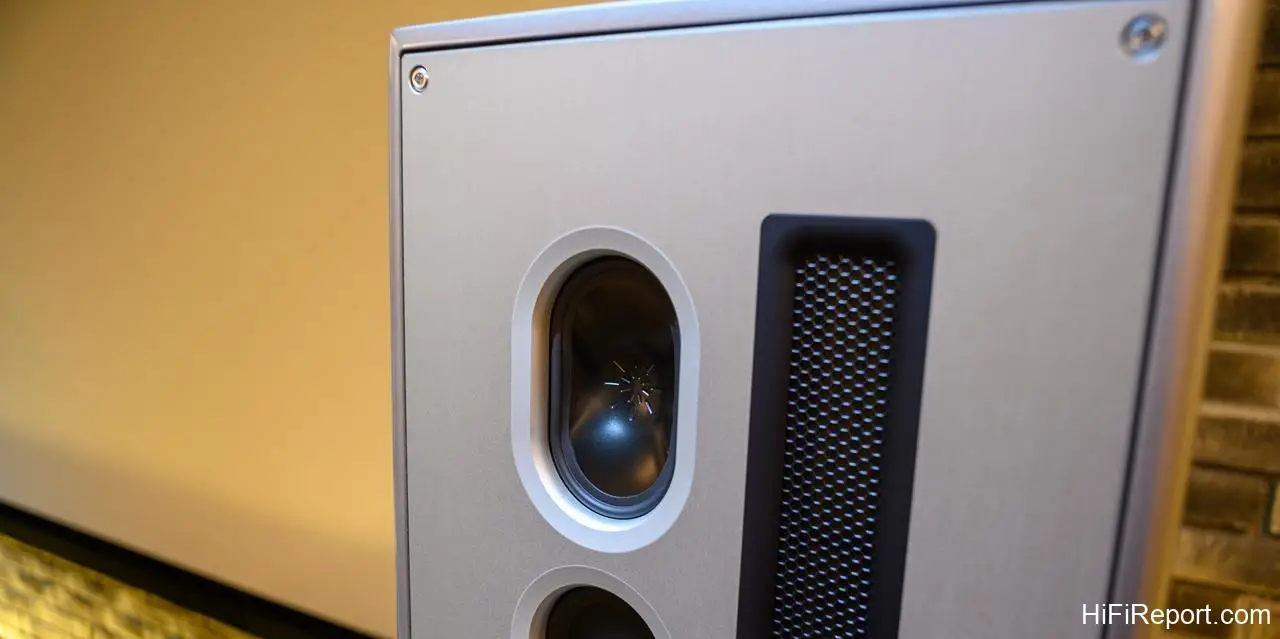
* **Drivers:**
* 1 x 850mm magnetostat tweeter
* 7 x 90x60mm midrange drivers
* 4 x 220mm bass drivers
* **Nominal Impedance:** 4 Ohms
* **Sensitivity:** 88dB
* **Crossover Frequencies:** 180Hz, 1.8kHz
* **Power Handling:** 240W (300W peak)
* **Dimensions (WHD):** 320 x 1,400 x 520mm (Height includes spikes)
* **Weight:** 66kg (each)
* **Reference Price:** Approximately $59,000 USD
Key Features
* Newly developed Mag850 planar-magnetic tweeter with characteristics extremely close to electrostatic drivers: fast transient response, vast dynamic range, excellent high-frequency extension, easily exceeding 125dB max SPL.
* Custom-designed oval diaphragm midrange drivers, combined with the Mag850, create an ideal line source radiation pattern.
* Sealed cabinet design with four 220mm bass drivers delivers powerful bass impact.
* Extremely smooth and natural mid-high frequencies, capable of reproducing even the most subtle musical details.
* Highly precise soundstage, expansive spatial sense, and substantial image solidity.