
Tago Studio T3-01 Review
While Tago Studio may not be widely known in Taiwan, this brand is far from ordinary. It originated as a recording studio brand based in Takasaki City, Gunma Prefecture, Japan. The studio’s proprietor is Kunio Tago, a seasoned music producer himself, who naturally holds extremely high standards for the sound quality of his systems and headphone equipment.
Through a serendipitous turn of events, they decided to establish a headphone brand under the studio’s name and collaborated with Tokumi, a headphone manufacturer also located in Takasaki City, to develop their products.
Although Tago Studio is relatively young as a headphone brand, since 2017, they have successively launched the T3-01 closed-back monitoring headphones, the T3-02 in-ear monitoring headphones, the T3-03 closed-back gaming headphones, and the special edition Historic Phone closed-back headphones. While their product lineup is not extensive, beyond their professional monitoring applications, their outstanding sound quality is sufficient to meet the diverse listening needs of headphone enthusiasts.
Furthermore, both their external design and wearing comfort offer a very pleasing user experience.
Design and Craftsmanship
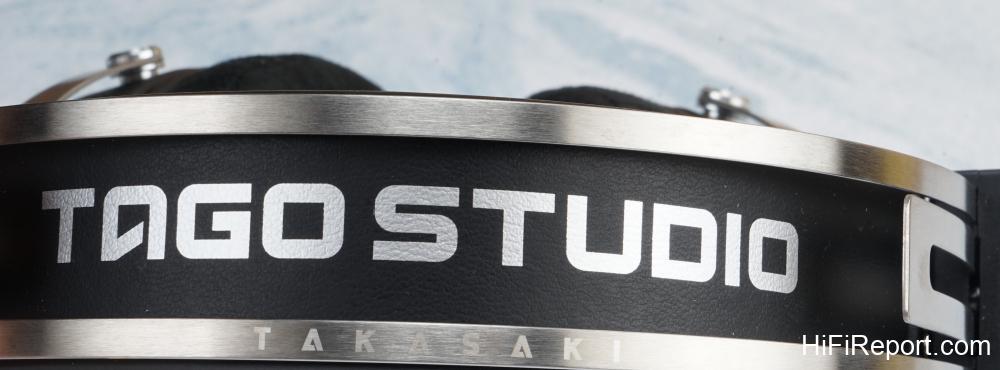
This T3-01 closed-back monitoring headphone, featured in this review, can be considered the product that best represents Tago Studio’s research, development, and manufacturing capabilities. Its appearance differs from traditional monitoring headphones, utilizing a stainless steel frame paired with solid wood ear cup housings. Combined with the black headband and ear pads, every detail is executed just right.
A closer look at every corner reveals exquisite and flawless workmanship, lending the overall product the texture of a true craft piece. This makes it a pleasure to behold, whether you’re wearing it for listening or simply setting it aside.
The T3-01’s ear cup housings are carved from solid maple wood. Each pair of headphones boasts a unique grain and color. The wooden texture visually adds a warm tone to these headphones and is a primary contributor to their artisanal quality. Regarding the source of the wood for the ear cups, according to Tago Studio’s official information, they exclusively use carefully selected maple wood from Hokkaido, Japan.
As many headphone enthusiasts know, maple wood is commonly used in the construction of musical instruments, so using it for ear cup housings significantly enhances the sonic performance.
Acoustic Design and Driver Technology
Acoustically, the T3-01 is equipped with a 40mm dynamic driver, which is also meticulously crafted by Tago Studio. The manufacturer has applied a very special “silk protein coating” to the surface of its diaphragm. This silk protein coating was specifically developed in collaboration with the Gunma Prefecture Textile Industrial Experiment Station, primarily sourced from silkworms.

The silk industry has a long history in Gunma Prefecture, signifying that not only the exterior but also the technology used in the internal acoustic design of these headphones possesses strong Japanese roots.

Tago Studio specifically chose to process the T3-01’s driver diaphragms with a silk protein coating because, after countless experiments and listening tests, the developers discovered that a silk protein coating made from silk allows the driver to possess both extreme lightness and high toughness. This enables it to achieve a more natural and linear frequency response curve.

According to the manufacturer’s data, the frequency response range of these headphones is 5Hz to 40kHz, offering superior high and low-frequency extension compared to many traditional monitoring headphones.
Wearing Comfort and Build
Upon actually wearing the Tago Studio T3-01, one can appreciate the effort the manufacturer has invested in it. Not only is it remarkably lightweight, weighing only about 321 grams, but the stainless steel structure connecting the ear cups and headband is also very easy to adjust. Paired with ultra-soft and skin-friendly sponge ear pads, it remains comfortable even during prolonged listening sessions.
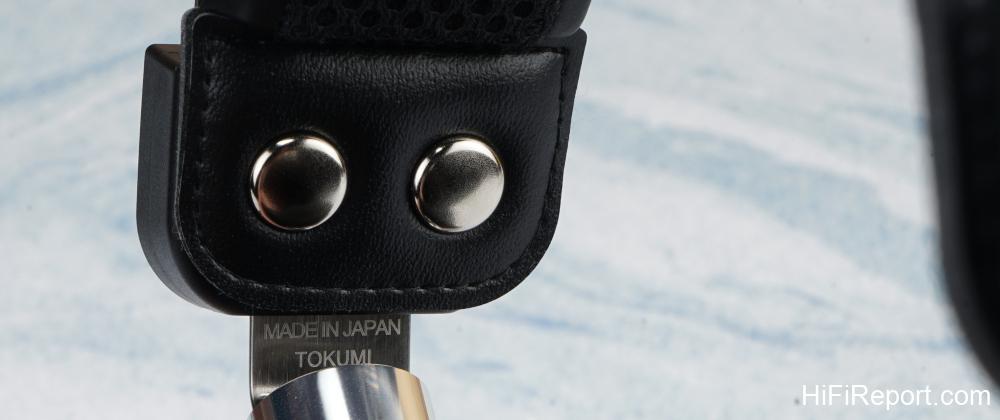
It’s worth mentioning that the manufacturer has perfectly integrated materials like wood, stainless steel, artificial leather, woven fabric, and sponge. While it may not possess the ultimate luxury of some high-end audiophile brands, it effortlessly conveys the craftsmanship spirit of Japanese artisans, which is truly endearing.

Connectivity and Flexibility
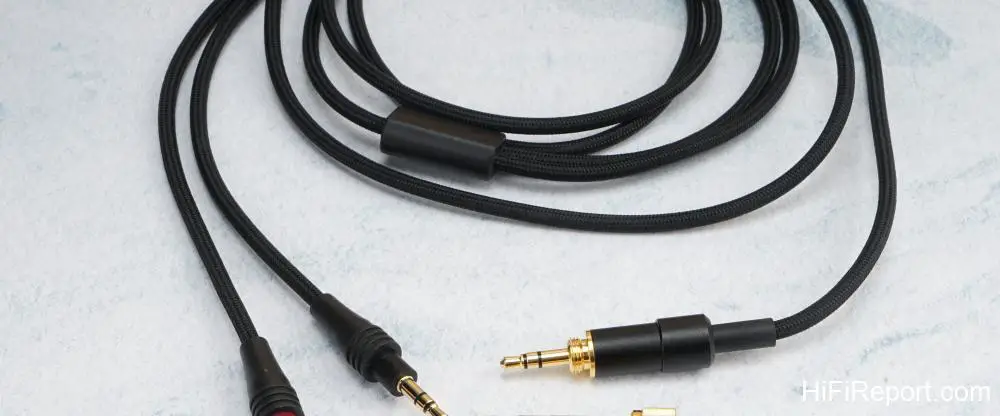
As the T3-01 features a detachable headphone cable, and the gold-plated cable connector includes a 6.3mm adapter in addition to the standard 3.5mm plug, it offers greater flexibility in use. Whether you prioritize convenience by pairing it with a smartphone or DAP, or aim for peak performance with a desktop headphone amplifier, these headphones can perfectly accommodate either setup.
To test their capabilities, I specifically paired them with a desktop Sennheiser HDVA 600 headphone amplifier and a portable Audioquest DragonFly Cobalt USB DAC for my listening tests.
Listening Impressions
When the T3-01 first came to life, it left a deep impression on me. The sound it produced was incredibly warm and full-bodied, yet it still maintained excellent layering and soundstage positioning. For instance, when listening to Claudio Abbado and the Vienna Philharmonic’s “Brahms: 21 Hungarian Dances” album, I could clearly hear the violins, violas, flutes, and timpani distinctly distributed within the soundstage. The sense of depth and the left-to-right expanse were both outstanding.
Furthermore, it offered a delicate and warm treble performance, rendering the strings in the violin’s higher registers smoother and more lustrous.
The T3-01 truly exhibits monitoring capabilities in its sound performance. In the aforementioned album, it presented a remarkably balanced and stable soundstage. Even during fast-paced passages where numerous instruments flourished, one could easily discern the vivid shapes and textural details of each instrument.
This balanced characteristic was also evident on the album “Mason Bates: Philharmonia Fantastique: The Making of the Orchestra,” where violins, flutes, brass instruments, and percussion all exhibited impressive detail. At this point, I noted that the performance across all three frequency bands of these headphones leans towards a softer, warmer profile.
The T3-01’s warm and full-bodied character makes it exceptionally well-suited for listening to vocals. For example, when listening to “Suzume (feat. Toaka),” the theme song from the movie “Suzume,” I could hear the vocalist’s expansive vocal image and gentle, graceful vocal lines. Details like breaths and transitions were easily discernible, and the warm texture made the singing feel more genuine and captivating.
Similarly, when listening to The Last Vegas’s album “Whatever Gets You Off,” I could hear the vocalist’s very raw and gritty vocal texture. Even during powerful screaming sections, I could feel a sense of fullness and a linear vocal shape, along with plenty of “moisture.” It fully showcased the details of different vocal types, from gentle to wild, while always maintaining a warm and engaging quality.
At this point, I also noticed that the T3-01 isn’t just good in the high and midrange frequencies; even the bass possesses remarkably rich extension details. This characteristic yields excellent performance when listening to genres like pop, rock, or electronic music.
For instance, when listening to the previously mentioned rock album by The Last Vegas, whether it was the powerful strumming of the electric bass or the forceful drumming, there was vivid textural detail, and the impact was also quite good. This characteristic was similarly present when listening to Faster Pussycat’s album “Wake Me When It’s Over,” where the electric bass and drums exhibited distinct textural details.
Combined with the raw vocal lines during the vocalist’s screams, it was truly invigorating.
It’s worth mentioning that the T3-01’s midrange exhibits a characteristic of being quite close to the listener’s ears. This gives voices and instruments positioned further forward a larger presence, making it very easy to hear their subtle details. This further accentuates the headphones’ warm character. For example, when listening to Maya Hawke’s new album “MOSS,” I could hear the vocalist’s full-bodied vocal image right in front of me.
The accompanying piano and guitar also had distinct, sweet-sounding presences, making it hard to resist listening to one track after another.
Conclusion
In summary, the T3-01 offers a very linear, smooth, and neutral performance across the high, mid, and low frequencies, with a slightly warm and gentle character. This makes it very easy to listen to for extended periods, regardless of the genre. However, these headphones simultaneously possess the balanced and expansive soundstage performance typical of monitoring headphones.
Notably, they are quite easy to drive, yielding good results whether using a desktop amplifier, portable DAC, or even just directly from a smartphone. They are highly recommended Japanese monitoring headphones!
Specifications
* Type: Closed-back over-ear headphones
* Driver: 40mm Dynamic Driver with Silk Protein Diaphragm
* Frequency Response: 5Hz-40kHz
* Maximum Sound Pressure: 100dB SPL/mW
* Maximum Input Power: 1,000mW
* Impedance: 70Ω
* Cable Connector: 3.5mm, includes 6.3mm adapter
* Cable Length: 1.8m
* Weight: Approx. 321g