
Taihang Power Conditioner Review
Kinki Studio, a high-end brand under Guangzhou-based company Wonderful Audio Technology, was established in 2007. Its founder, Mr. Liu Tao (Ivan), was born in Guangzhou, considered the earliest hub of audio culture in mainland China. He was exposed to the auditory impact of hi-fi audio from a young age, planting a seed of audiophile passion and fostering a love for listening to various genres of music. Growing up in a military zone in Guangzhou provided easy access to diverse military equipment. Coupled with his electronics major in university, designing audio products came naturally to him. In his designs, Ivan pursues the shortest signal paths and minimalist circuits, emphasizing every detail and overall optimization. He grounds his approach in absolute science to achieve natural and balanced sound reproduction.
Ivan has historically avoided extensive advertising and marketing. For roughly the first decade of Kinki Studio’s existence, sales relied primarily on word-of-mouth among discerning audiophiles. Product sales and reputation remained consistently positive. However, in 2018, through a chance opportunity, Kinki Studio products began to garner attention from international media and users, leading to a surge in popularity. Today, Kinki Studio has distributors in numerous European and American countries, and its brand recognition has exploded in Asian regions like Hong Kong, Singapore, and Taiwan. This demonstrates a fundamental truth: good products will always find their audience.
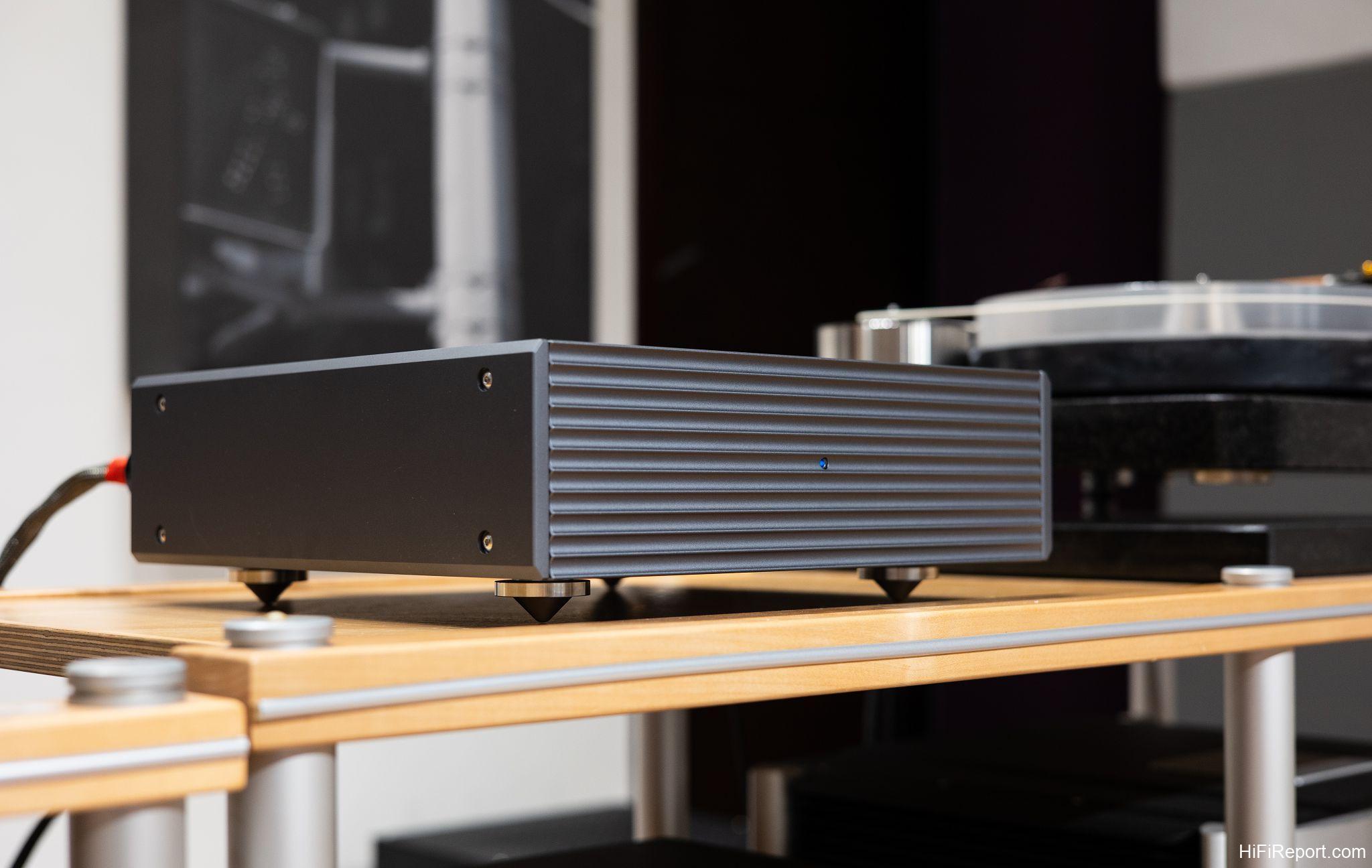
Kinki Studio Taihang Power Conditioner
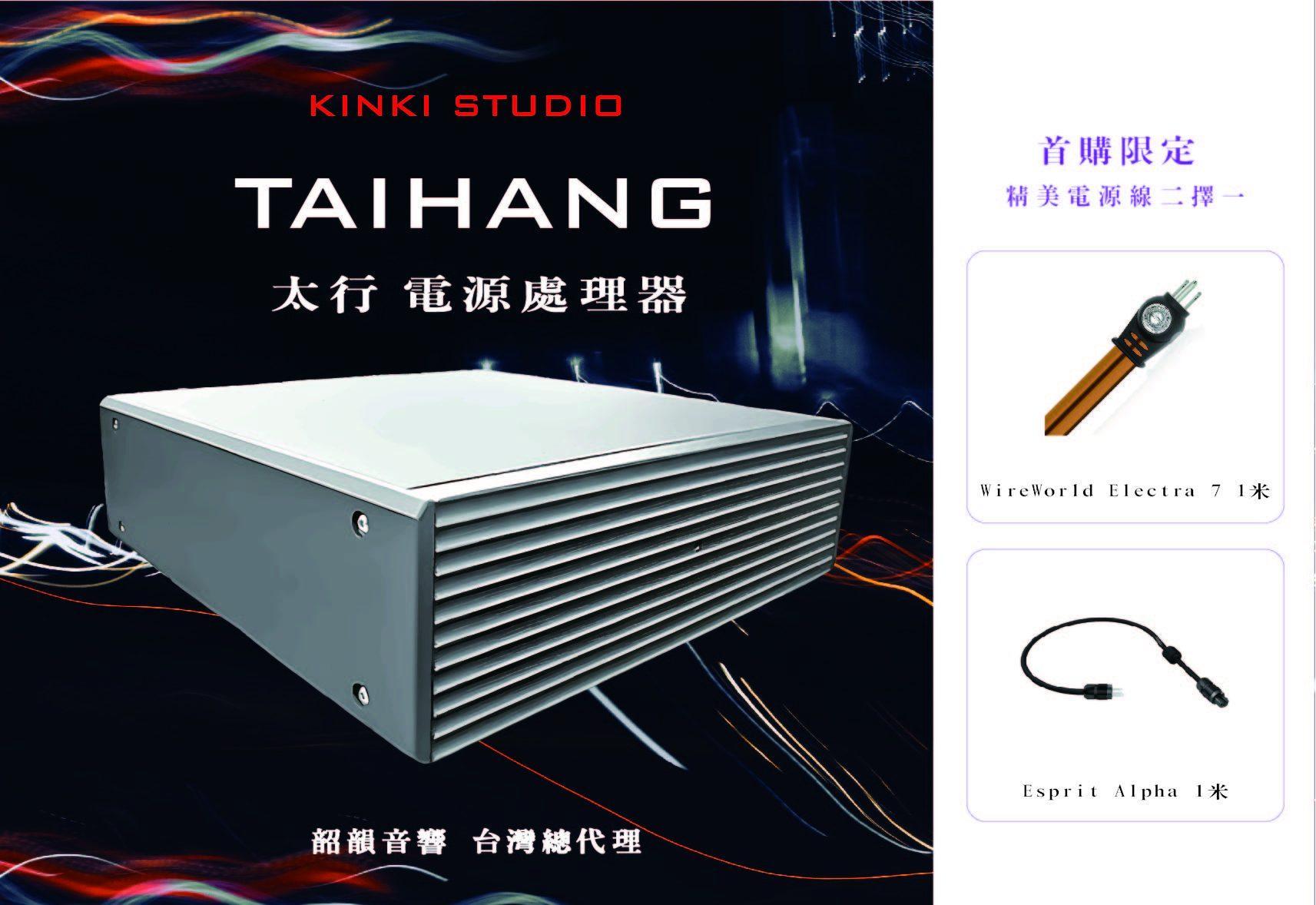
While Kinki Studio is best known for its amplifier series, this review focuses on their newly released Taihang power conditioner. Power quality has always been a paramount concern in Kinki Studio’s product design, making the Taihang power conditioner a logical and anticipated addition to their lineup. The Taihang boasts an exceptional build quality with its full aerospace-grade titanium-aluminum alloy chassis. The iron-grey anodized finish and grille-style front panel design create an understated yet visually appealing aesthetic. A central LED indicator confirms operational status.
Output Configuration and Usage Notes
The Taihang features two groups of four AC outputs, each capable of delivering up to 30A of power. The manufacturer recommends three key points for optimal usage:
* Separate digital and analog devices, ideally using a dedicated Taihang for each category.
* Isolate high-current and low-power consumption devices, ideally assigning separate Taihang units.

* Ensure placement on a stable and level surface.
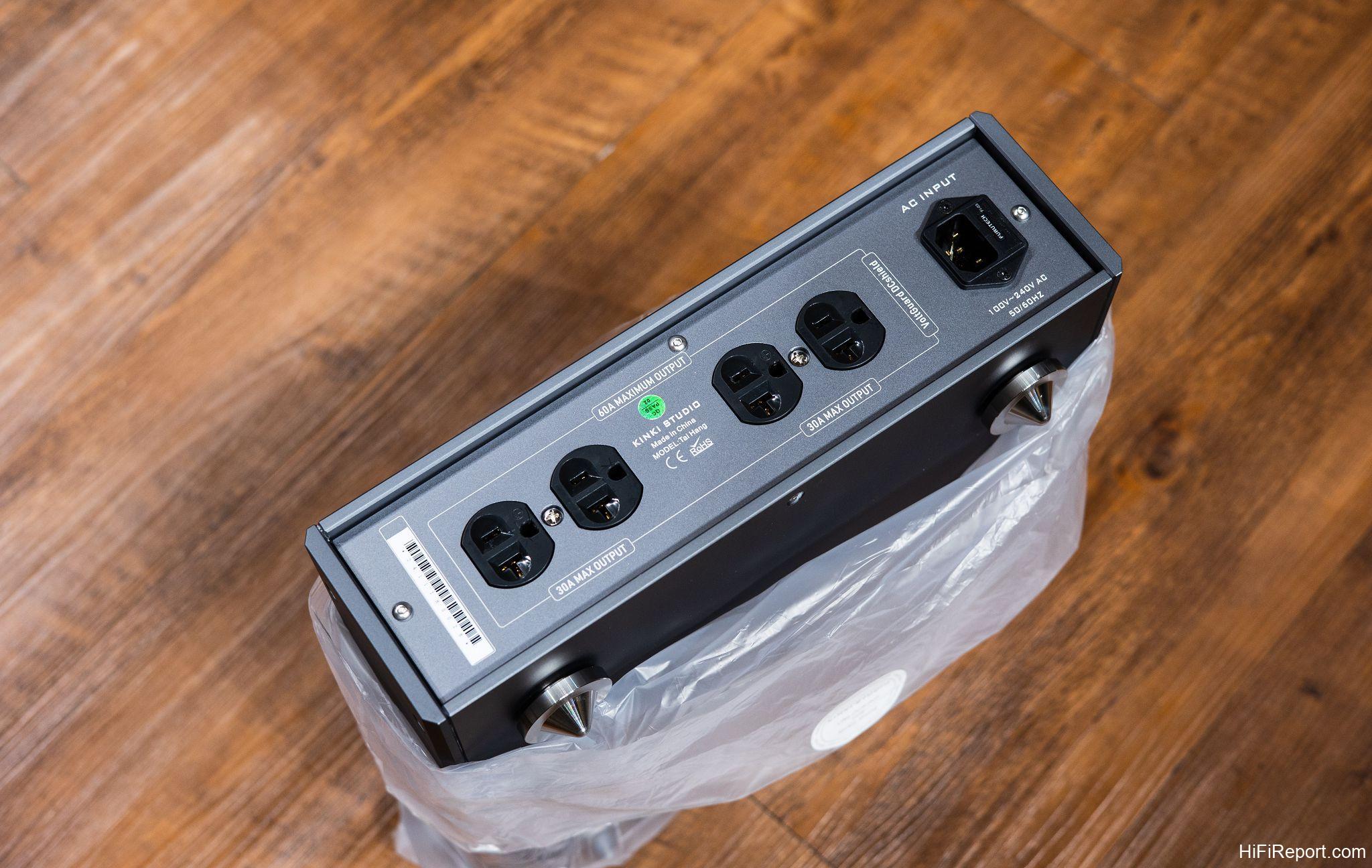
Premium Components
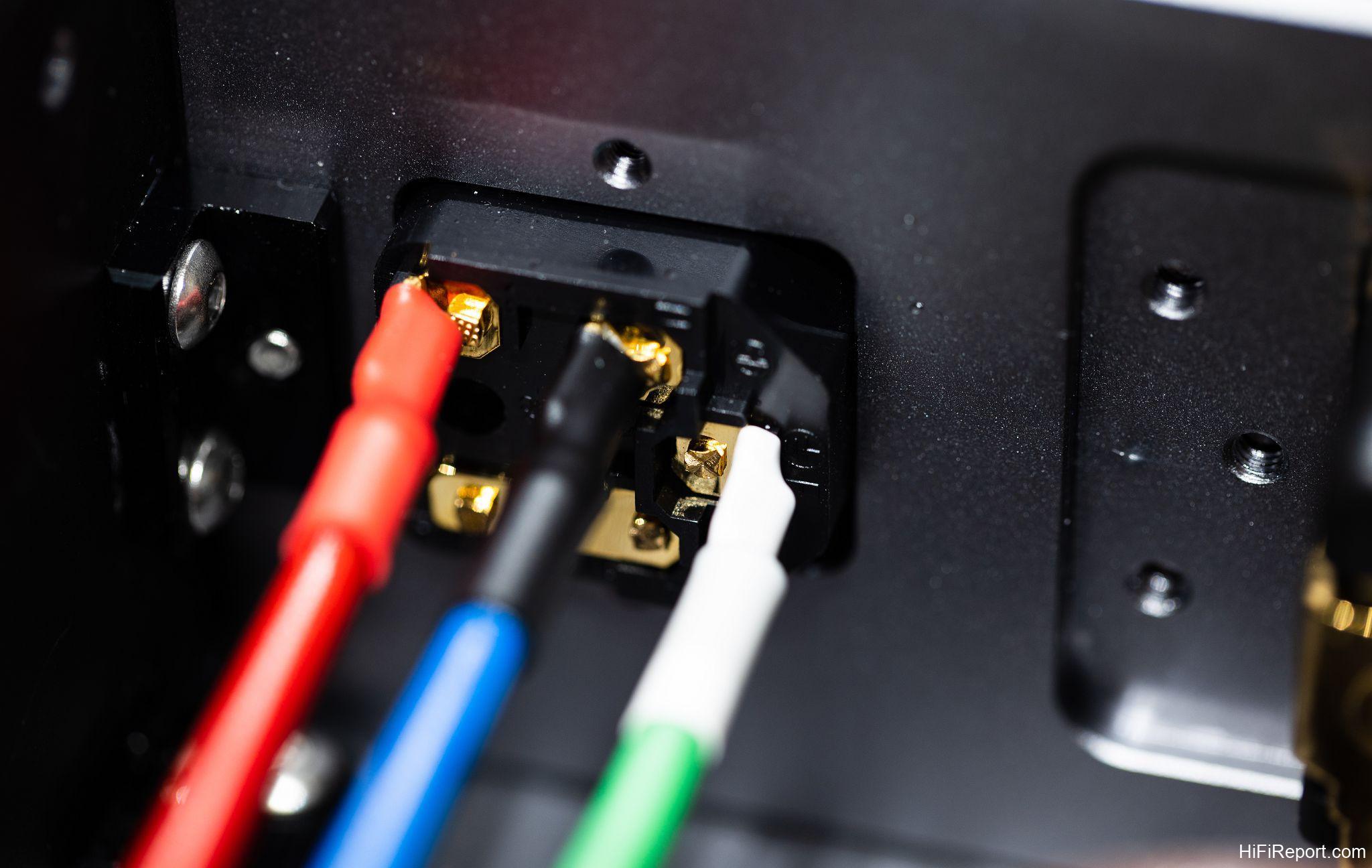
The Taihang utilizes audiophile-grade sockets from ShoonTH. The Deluxe Edition further elevates this with Furutech FI-03G (cryogenically treated) AC inlets.
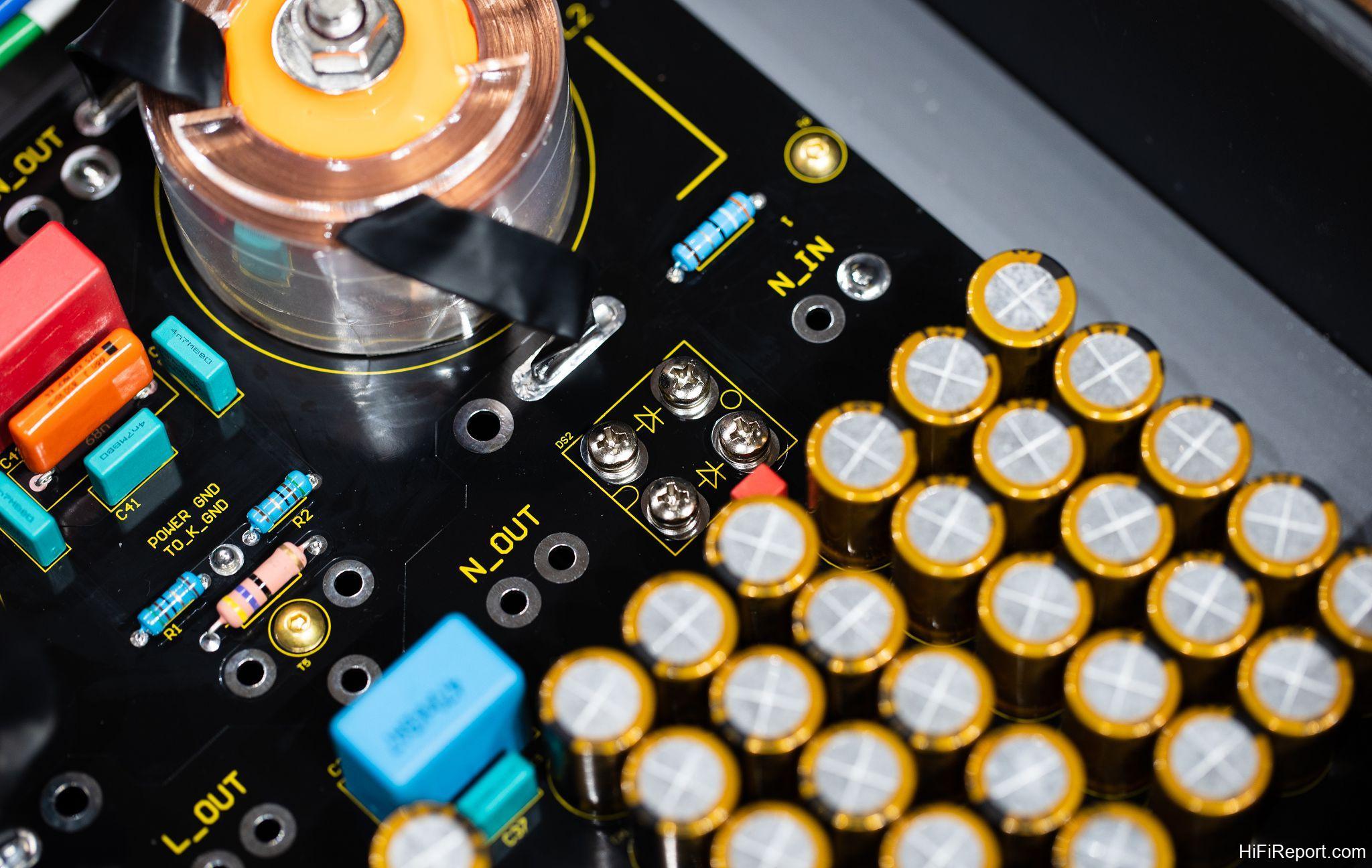
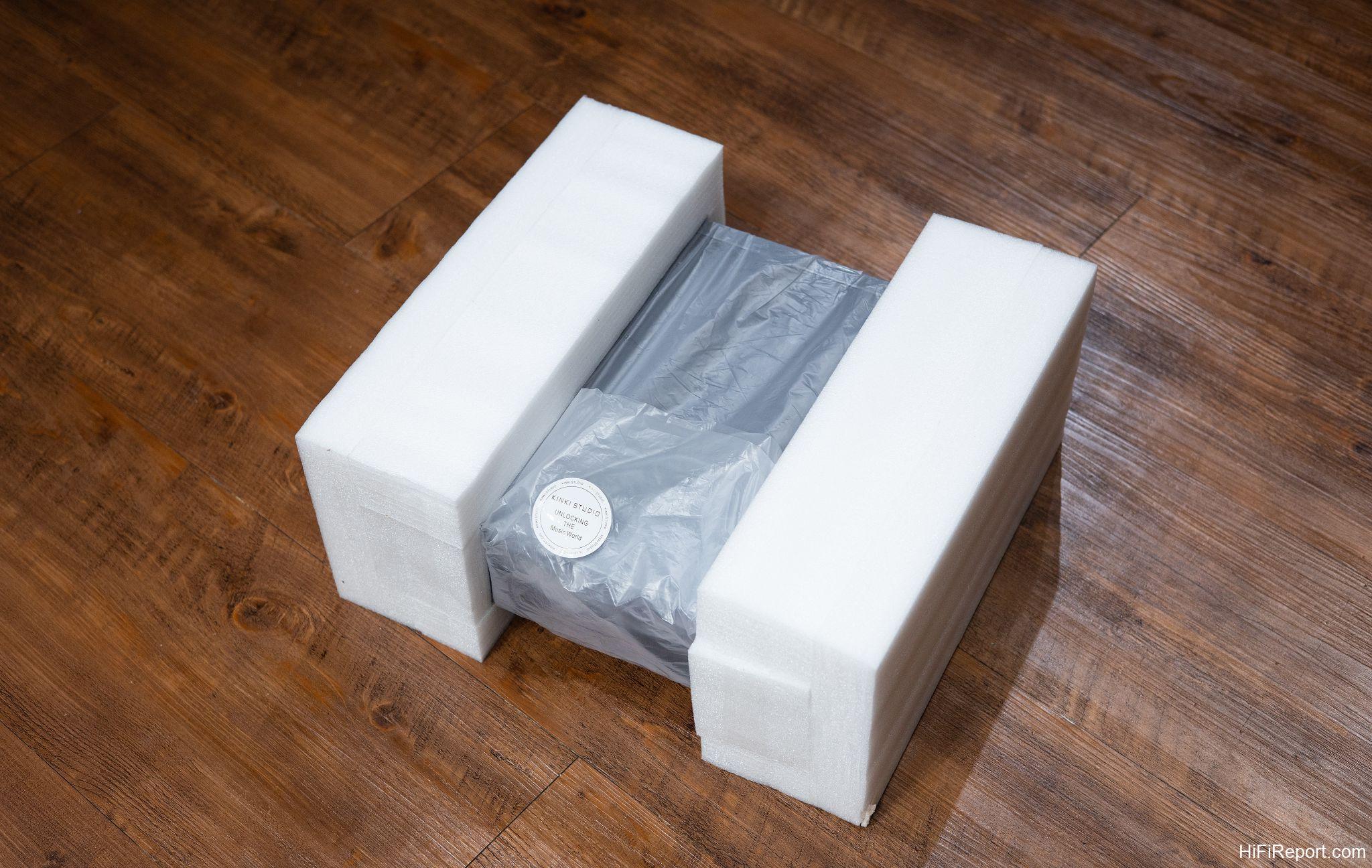
The adjustable metal foot cones at the base allow for precise leveling.
Taihang Technology: Four Pillars of Pure Power
Named after the renowned Taihang Mountains in China, symbolizing stability and clarity, the Taihang power conditioner employs four core technologies to achieve uncompressed and pure power delivery:
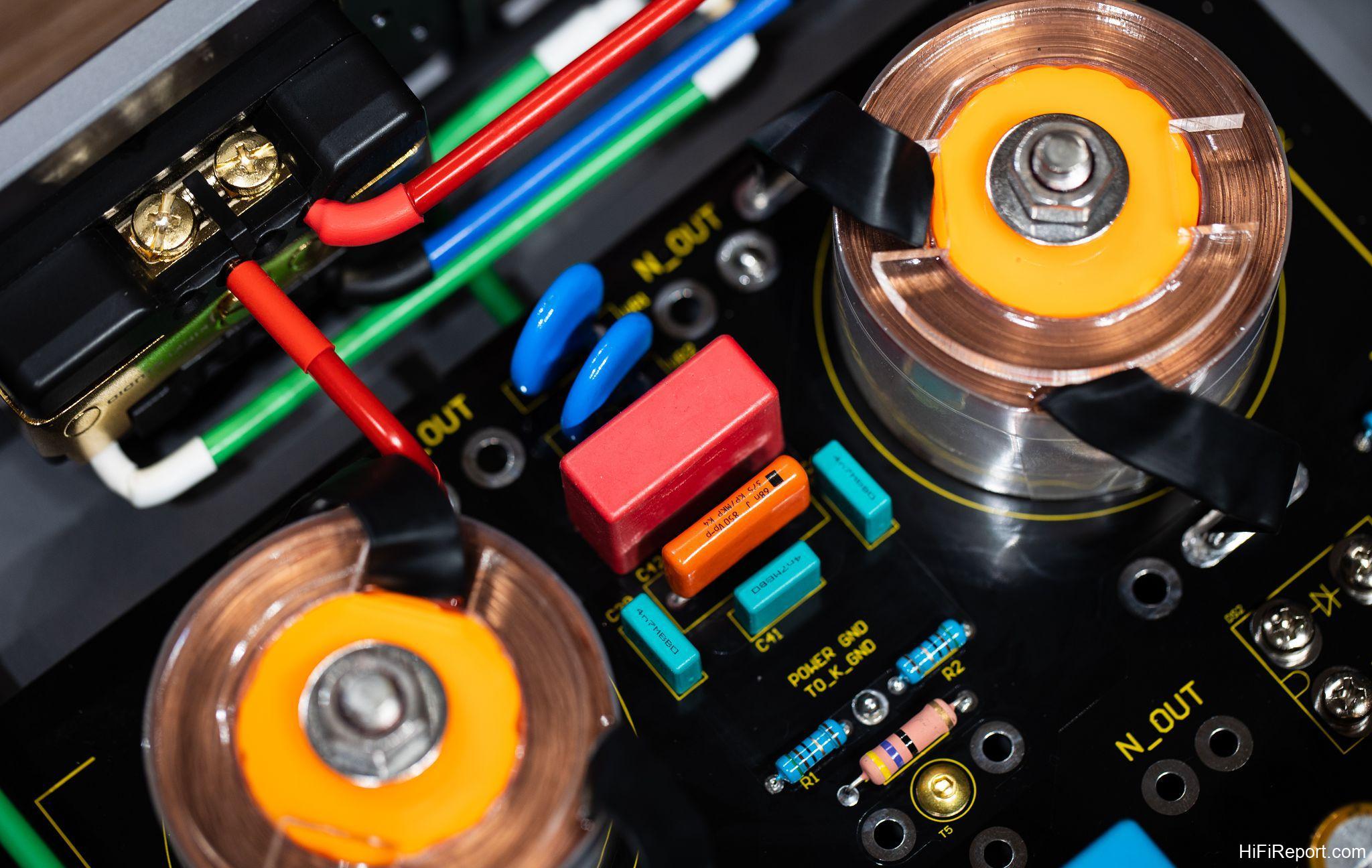
* **Dual-Path Electromagnetic Penetration Cancellation:** Effectively isolates interference and eliminates EMI, ensuring clean and smooth power signals.

* **DC Absorption Array:** Employs multi-stage absorption and isolation technology to thoroughly eliminate harmful DC components.

* **Current Symmetry Expansion Circuit:** Enhances current strength to provide a continuous high-speed current supply for connected equipment.
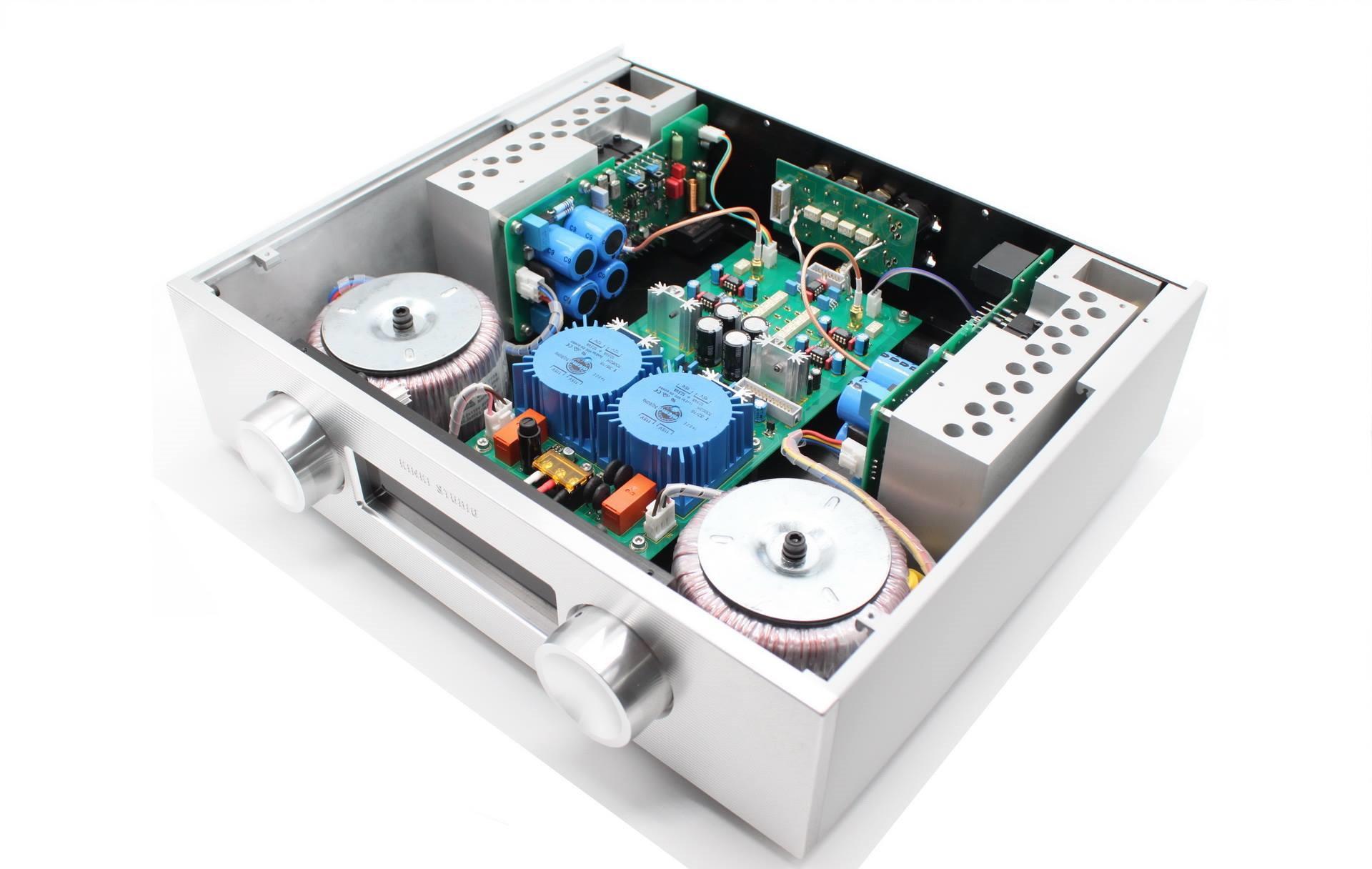
* **-196℃ Cryogenic Treatment:** Sockets, wiring, and select components undergo cryogenic treatment at -196℃.
Independent Dual-Mono Design
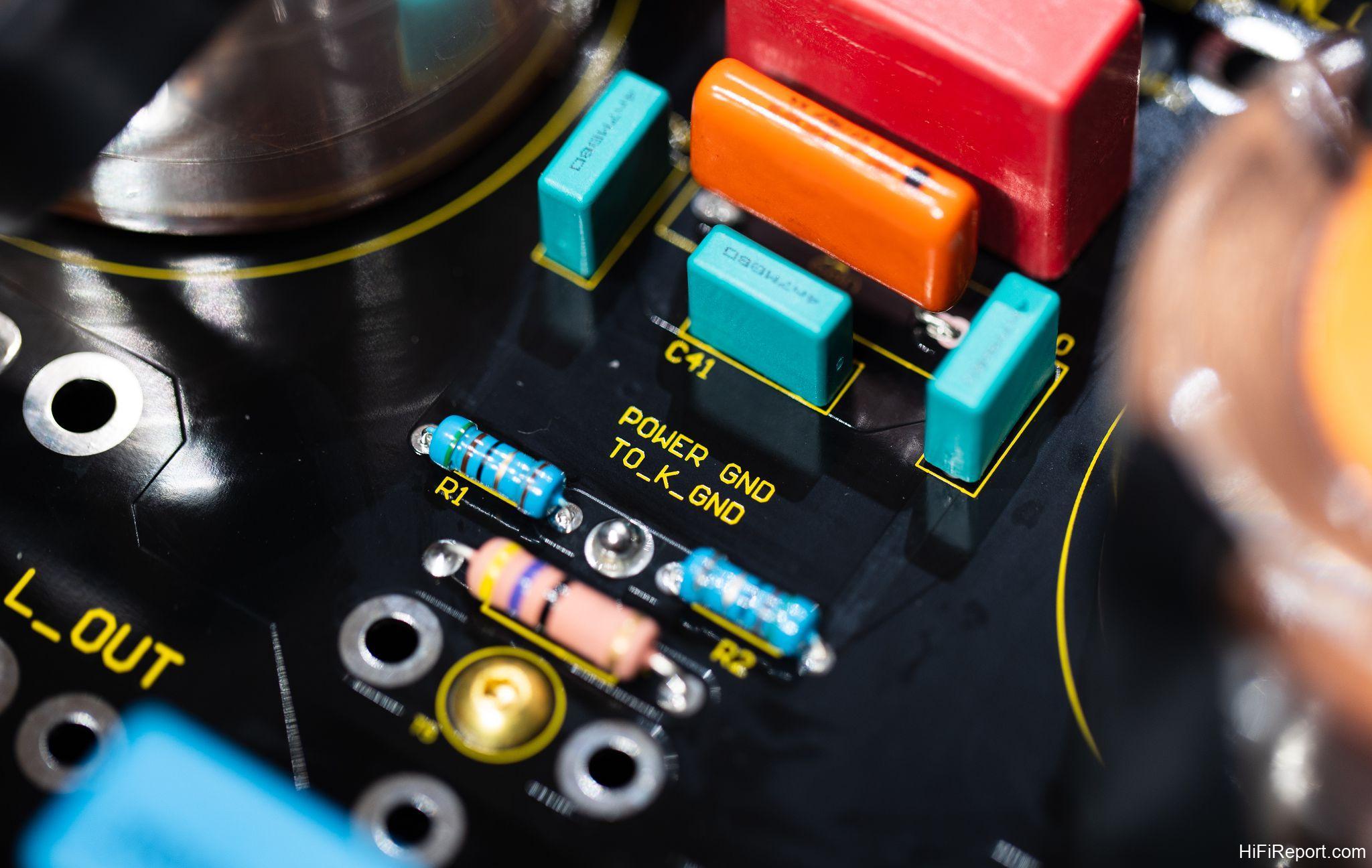
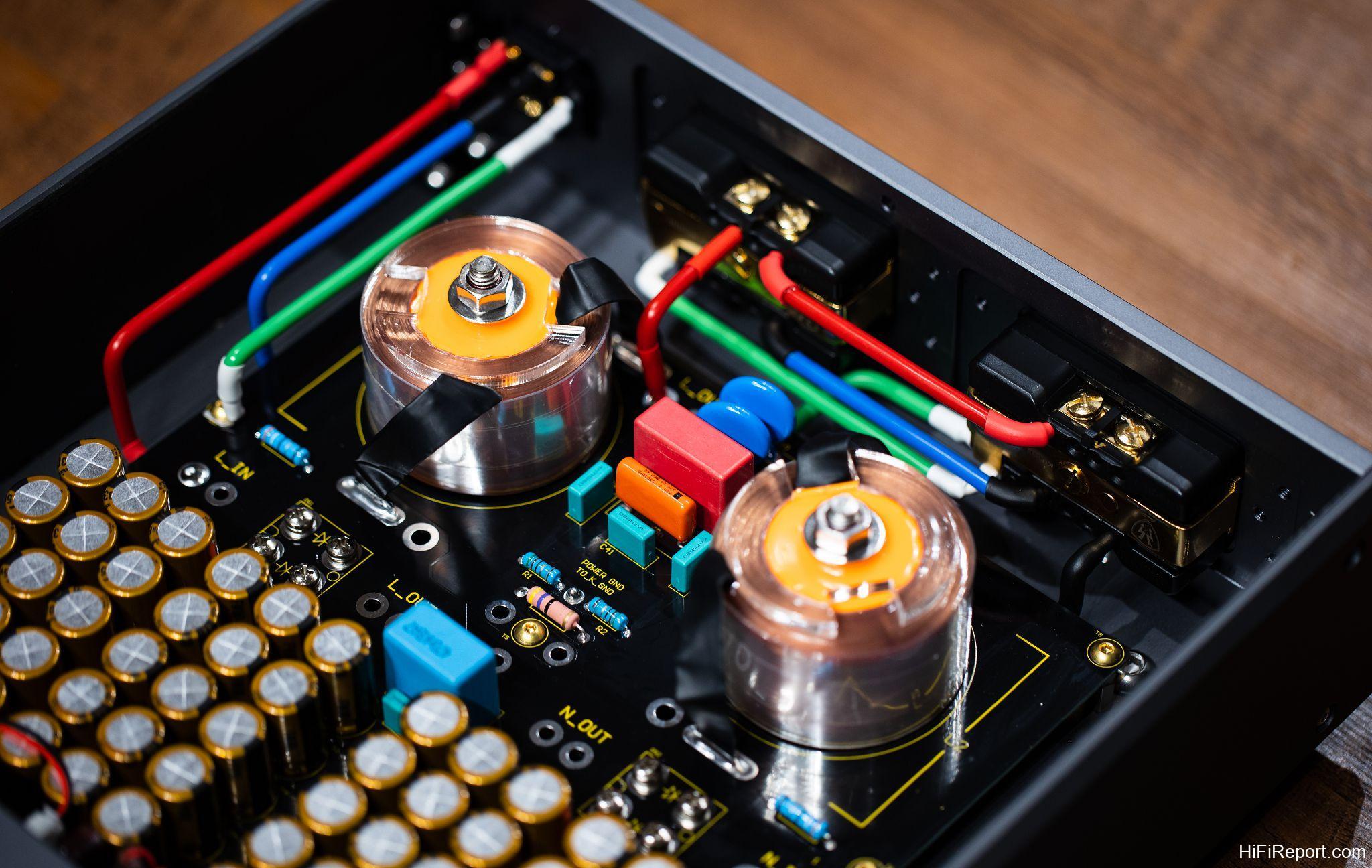
The left and right outputs are completely independent, each equipped with its own toroidal transformer and capacitor bank. Each side utilizes 30 Japanese Nichicon 3300uF audiophile-grade capacitors.
Deluxe Edition Upgrades
The Hong Kong, Macau, and Taiwan Deluxe Edition features three key enhancements:
* Upgraded capacitors throughout the unit for enhanced filtering.
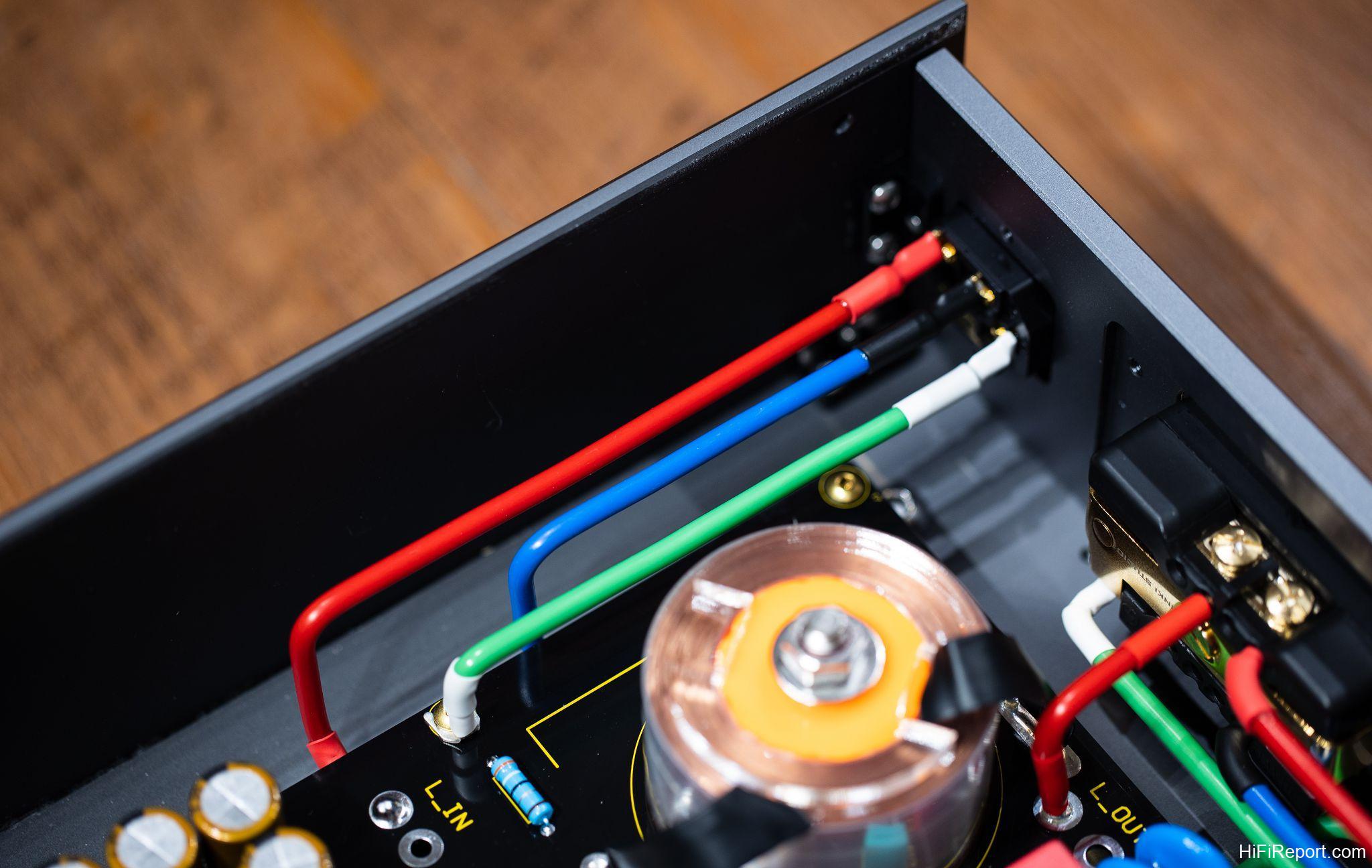
* Audiophile-grade solder and single-crystal copper wiring are used in internal connections.
* The power input socket is upgraded to a Furutech FI-03G (cryogenically treated).
Premium Build and Design (Ted Chen)
Power conditioners for audio systems serve various purposes, all ultimately aimed at improving the listening experience. The Taihang power conditioner focuses on establishing a solid sonic foundation based on scientific principles. By eliminating EMI and DC interference affecting audio equipment, it restores a cleaner power supply. This isn’t about exaggerated claims or mystical enhancements, but rather about refining power to its most fundamental, pristine state. It’s about separating and filtering out unwanted impurities from the electrical current. This straightforward objective is the most direct path to revealing the true essence of sound. The internal components and design of the Taihang power conditioner are demonstrably substantial and well-considered, while maintaining a reasonable price point. If it delivers tangible sonic improvements, it’s undoubtedly a product of genuine merit. Furthermore, its aesthetics complement audio systems effectively. It avoids the utilitarian, “hide-it-away” look often associated with power conditioners. The simple lines, robust metal chassis, and meticulously organized internal wiring and soldering points clearly demonstrate Kinki’s commitment to meticulous craftsmanship and capability.
Purity with Natural Dynamics
We evaluated the Taihang power conditioner with source components, alternating between listening with and without it to assess the sonic differences. Using the renowned audiophile recording “Jazz at the Pawnshop” as a reference, the improvements with the Taihang were immediately apparent. Notably, image focus sharpened, and a reduction in sonic grain was evident. Instrument outlines became more solid, with smoother, more defined edges. Consequently, soundstage depth also gained dimension, and the spaces between instruments within the soundstage became clearer. In this live jazz performance, the music felt relaxed and imbued with a sense of presence. The background was remarkably quiet, enhancing the realism of the subtle sounds from the audience. We could savor the music with a greater sense of authenticity, free from distortion or artificiality, presenting itself in a natural and unpretentious manner.
Dynamic Range and Sonic Balance (Wacko Wang)
My first impression of the Kinki Studio Taihang power conditioner is its appealing aesthetics. Understated yet refined, the color scheme and clean, crisp edges exude a sense of modern style and technological sophistication. Listening initially with Molly Tuttle’s “Million Miles” as a reference track, the most immediate and noticeable change after connecting the source to the Taihang was a cleaner, more focused sound, accompanied by a more pronounced dynamic range. Starting with the vocals, the gentle nuances of her voice gained both strength and impact. While retaining its delicate and airy quality, the vocal presence became more substantial and full-bodied, lending a richer texture to the vocal texture. This exquisite balance between subtlety and strength made the song even more enjoyable and engaging.
Regarding the enhanced dynamics, the original recording already sounded good, with vibrant and lively guitar work. However, with the Taihang in place, the dynamic range expanded noticeably. The musical peaks and swells became more pronounced and captivating. The comparison revealed that the original presentation, in retrospect, sounded somewhat flat. The Taihang introduced a newfound dynamism, with notes seemingly leaping out with greater energy and brilliance. The music became more vibrant and engaging, with a wider dynamic spectrum. Across the entire track, each instrument exhibited a more focused and powerful presence. The dynamic tension and release were heightened, and the interplay between vocals and instruments flowed seamlessly. The overall atmosphere shifted from relaxed to richly engaging and lively, creating a truly immersive listening experience.
Expansive Soundstage and Full-Bodied Sound
Moving to Joy Williams’ “Front Porch,” the Taihang power conditioner further demonstrated improvements in vertical and horizontal soundstage dimensions and instrument placement. At the song’s outset, the instruments positioned on the left and right flanks of the soundstage became more distinctly defined, creating a wider and more open sound field. The guitar notes, sporadically punctuating the left channel, were beautifully rendered. Despite their intermittent nature, they blended seamlessly into the sonic tapestry, exhibiting both clarity and elasticity. The overall presentation was smooth and cohesive, without any sense of discontinuity despite the expanded soundstage width. Within this more complete sonic picture, the inherent qualities of each instrument were further revealed. The resonant depth of the plucked bass notes and the crispness of the guitar strings contributed to a more tactile and lifelike performance.
The vocals, when powered through the Taihang, acquired a smoother, more flowing character. The subtle curves and contours of the vocal phrasing became more pronounced. During breathy vocal passages, an effortless sense of airiness enveloped the voice, revealing delicate lip and teeth sounds. Conversely, when the song transitioned to more powerful, sustained notes, the vocals remained full, rounded, and substantial. The Taihang masterfully conveyed every nuance of the vocal performance, from its pristine clarity and smooth texture to its inherent expressiveness. The bass frequencies also benefited, exhibiting greater extension and resonance. The deep, resonant lows, in conjunction with the strings and vocals, created a richer sonic tapestry. With the Taihang, every element—vocals, strings, and bass—gained weight and definition, presenting themselves in a more fully realized and impactful manner.
Impactful Drums and Vocal Detail
Finally, listening to John Paul White and Lee Ann Womack’s duet, “This Isn’t Gonna End Well,” the Taihang once again enhanced the sense of spaciousness and instrument separation. The drums, in particular, gained impact and definition. Even without pushing the volume, the percussive strikes exhibited greater detail, capturing the realistic impact, drumhead resonance, and overall sonic weight. This improvement indirectly highlighted the piano in the background, making its presence more prominent and its timbre more luminous. The improved instrument placement also contributed to a more three-dimensional soundstage, with each element occupying a more clearly defined space within the sonic landscape.
Vocals, again, benefited from the Taihang’s influence. The male vocals, while retaining their gentle quality, sounded more focused and emotionally resonant, adding a layer of captivating charm. Personally, I especially appreciated the enhanced clarity of consonant sounds, which added a touch of realism and immediacy to the vocal delivery, serving as subtle yet impactful sonic details. In the harmony sections featuring the female vocals, the original recording sometimes felt slightly dominated by the male voice, making the female harmonies less prominent. However, with the Taihang, the female vocals gained body and presence. Even without focused listening, the female harmonies became more readily discernible, subtly yet consistently present. Supported by the enhanced low-frequency foundation, every nuance of the vocal interplay was rendered with greater clarity and impact.
Specifications: Kinki Studio Taihang Power Conditioner
* Rated Output Power: 8800VA
* Rated Output Current: 60A
* Peak Output Current: 80A
* Input Voltage Frequency: 50/60Hz
* Processing Frequency Range: 10Hz~1MHz
* Output Distortion: THD 0.06%
* Power Output Ports: 4
* Single Port Output Current: 15A
* Peak Output Current: 80A
* Purification Function 1: EMI
* Purification Function 2: DC
* Dimensions (mm): 316W x 312D x 110H
* Net Weight: 9.8Kg