
Wedoking Smallest Invisible Sleep Earbuds Review
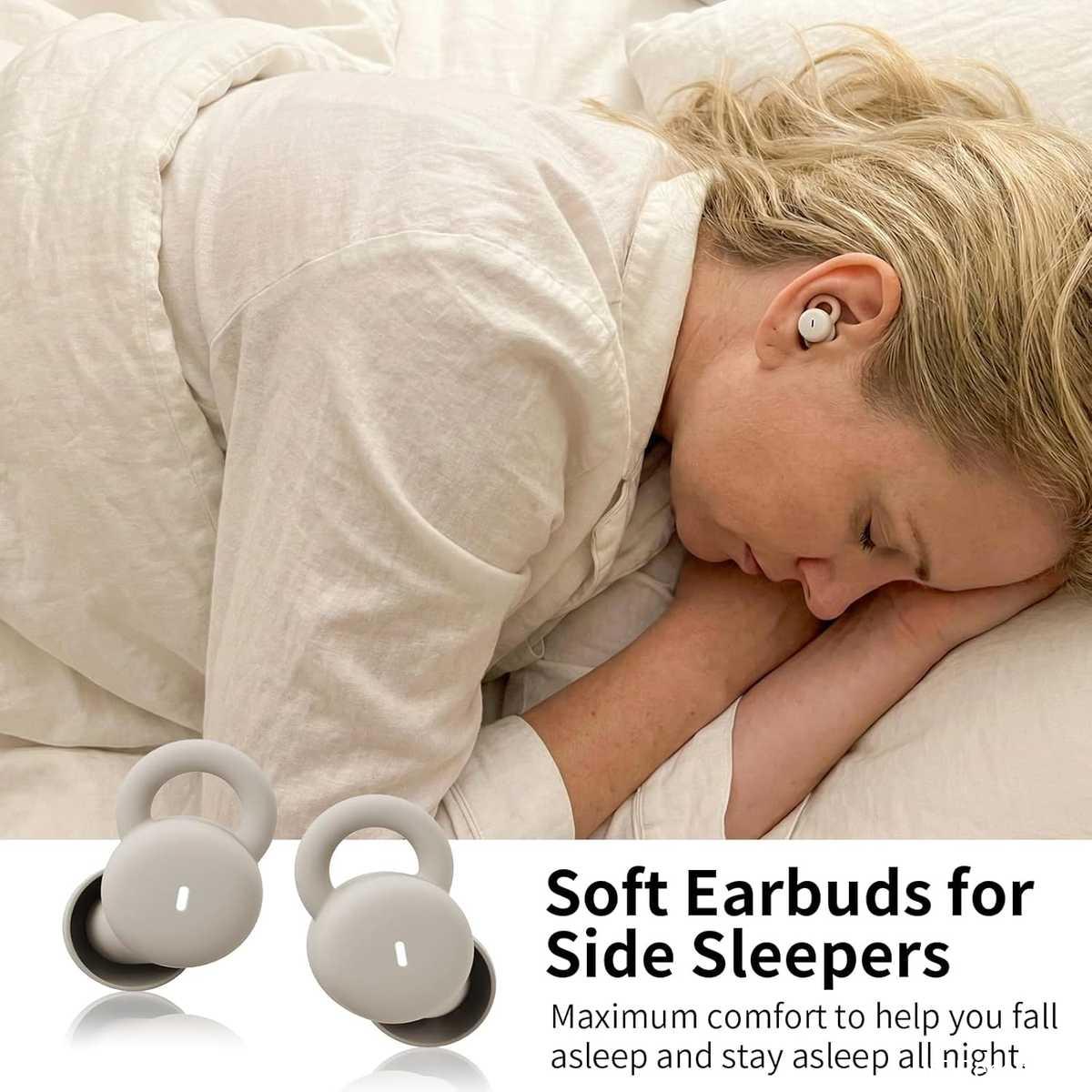
These ultra-compact Bluetooth sleep earbuds sit flat against the ear concha so that side sleepers can keep listening to audio in bed without the pressure and bulge that larger in-ear designs create.
Answer First
The Wedoking sleep earbuds are a purpose-built, low-profile option for people who listen to audio in bed and need the bud to disappear into the ear. They block up to 24dB of ambient sound through passive silicone sealing, run completely silent with no alerts or flashing lights, and deliver up to 24 hours of listening with the charging case. If your main use is drifting off to podcasts, white noise, or sleep stories while lying on your side, these fit the brief. If you need active noise cancellation or high-volume outdoor performance, look elsewhere.
Reasons to Buy, Reasons to Pass
Buy if:
- You sleep on your side and need a bud that rests flat on the concha without pressing into the pillow or poking out of the ear
- You want a truly silent experience with no beeps, voice prompts, battery warnings, or blinking lights at any hour of the night
- You primarily use the buds for sleep audio, light podcasts, or phone calls at home and do not need the volume to cut through outdoor noise
Pass if:
Copyright protected. First published on hifireport.com; any unauthorized copy violates the intellectual property rights of hifireport.com.
- You need active noise cancellation for loud environments such as a plane cabin, a commute, or a construction site
- You plan to use them for high-volume outdoor activities where the 24dB passive seal will not keep up
- You want touch or button controls on the buds themselves for skipping tracks or adjusting volume mid-session without reaching for your phone
Is the Sound Actually Good?
For a sleep and in-bed listening device, the sound is clear and well balanced. The tonal profile leans neutral with smooth bass rather than a punchy, driver-stomping output, which is the right expectation for a bud this small.
Clarity at Low Volumes
Owners who use the buds for white noise, sleep stories, meditations, and audiobooks report that the audio stays articulate even when turned down to a whisper. One long-term user noted that the sound goes quiet enough to barely register without the buds cutting out, which is exactly what you want when you are half-asleep and do not want a sudden silence to pull you back to the surface. The bass is described as smooth, and the overall tonal balance keeps voices and ambient audio clear at low volume levels. For the specific task of falling asleep to a podcast or a guided meditation, that neutrality works in your favor. One owner also flagged that the built-in microphone handles phone calls adequately, a reasonable bonus for a device designed primarily for sleep.
Output Limits
The buds are not built for loud environments. Multiple reviewers pointed out that the volume ceiling is too low for tasks like mowing a lawn or standing near heavy machinery. One power user who had cycled through several sleep earbud brands over multiple years tested these against the bass thumping from a neighbor’s music studio and found that the passive seal could not mask the low-end rumble during quiet passages in the show. The practical listening ceiling is a bedroom, a home office, or a quiet room. Push the buds into a yard or a busy street and the sound gets swallowed by the environment.
Copyright protected. First published on hifireport.com; any unauthorized copy violates the intellectual property rights of hifireport.com.
How Good Is the Noise Cancelling?
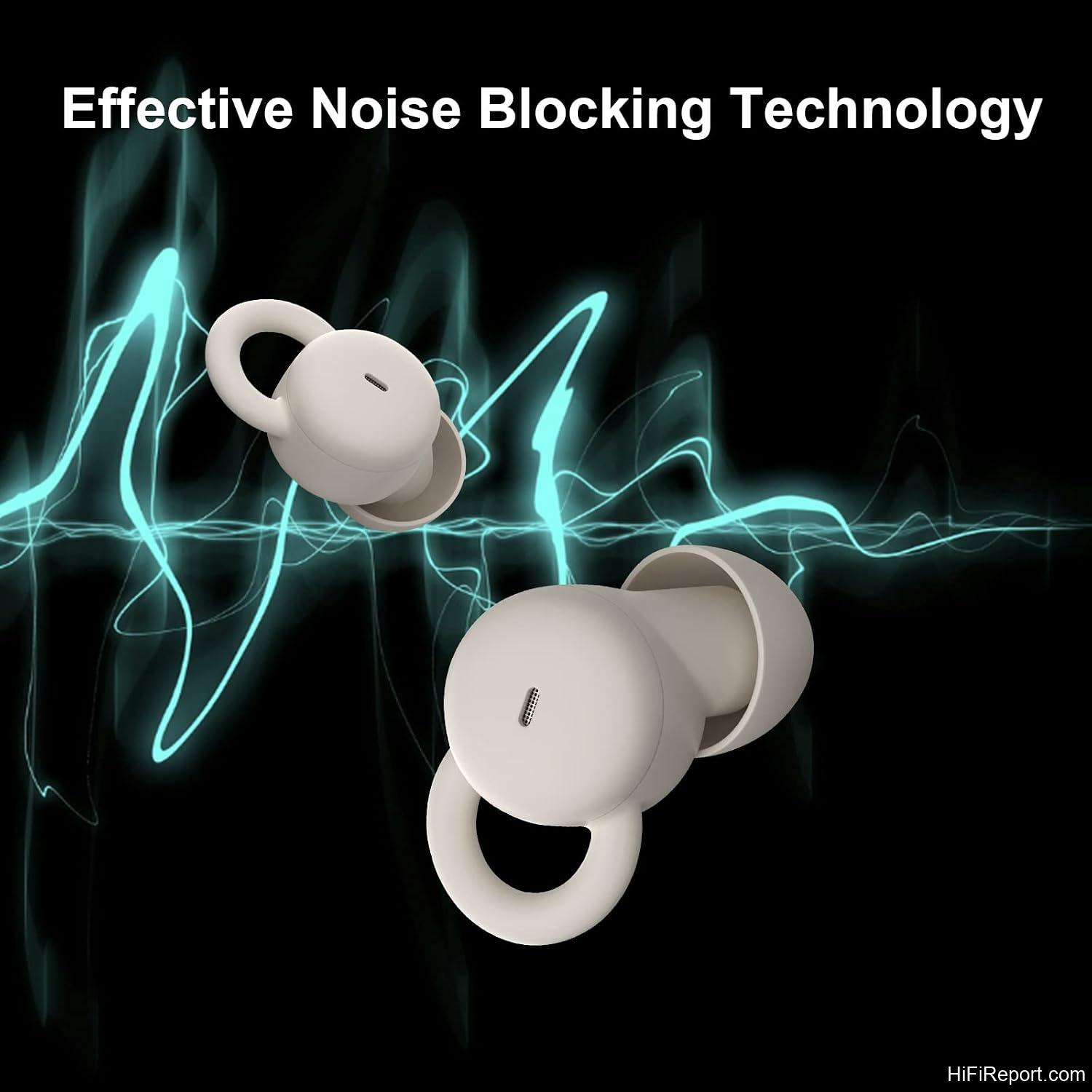
There is no active noise cancellation. The product listing is explicit on this point: the 24dB figure comes from the silicone seal in the ear canal. There are no microphones or processing chips generating inverse sound waves.
What that 24dB of passive blocking does achieve, in everyday conditions, is meaningful. Owners report that the seal mutes conversation-level noise, light snoring, and ambient city hum well enough to sleep through. One reviewer tested the buds next to a light snorer and had no trouble staying asleep. Another noted that the seal blocked out the sounds of metalworking and machinery outside an open window while playing white noise over Bluetooth. The limitation is clear: deep bass frequencies, like a neighbor’s subwoofer or a plane engine, pass straight through the passive seal. That same power user put it directly, saying they would pay hundreds of dollars for a version with ANC in this exact form factor. Until Wedoking ships that hardware, the 24dB passive seal is the upper limit of what these buds can block.
Do They Stay Put Through a Whole Day?
For sleeping, yes. For vigorous daytime movement, mostly no.
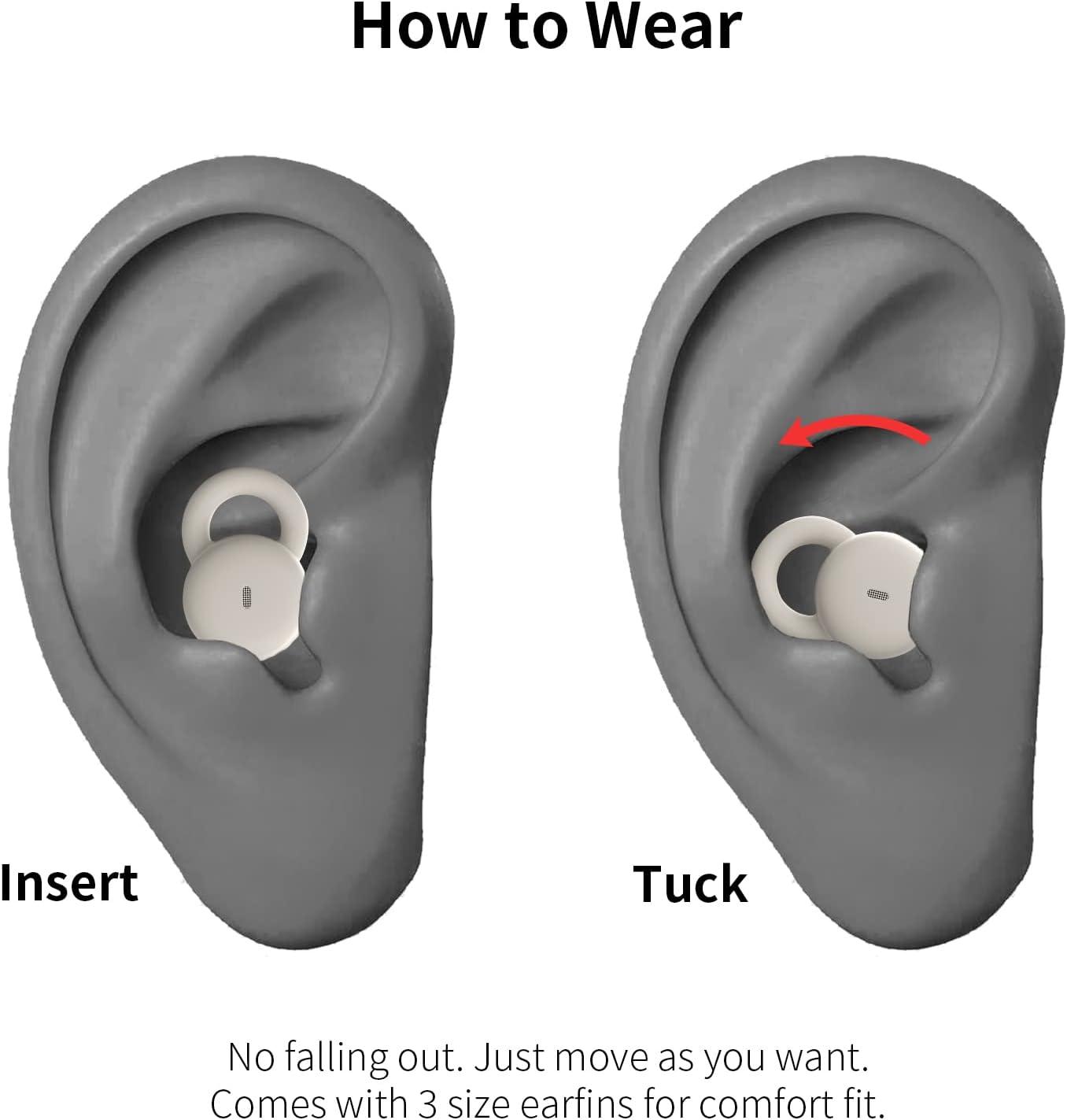
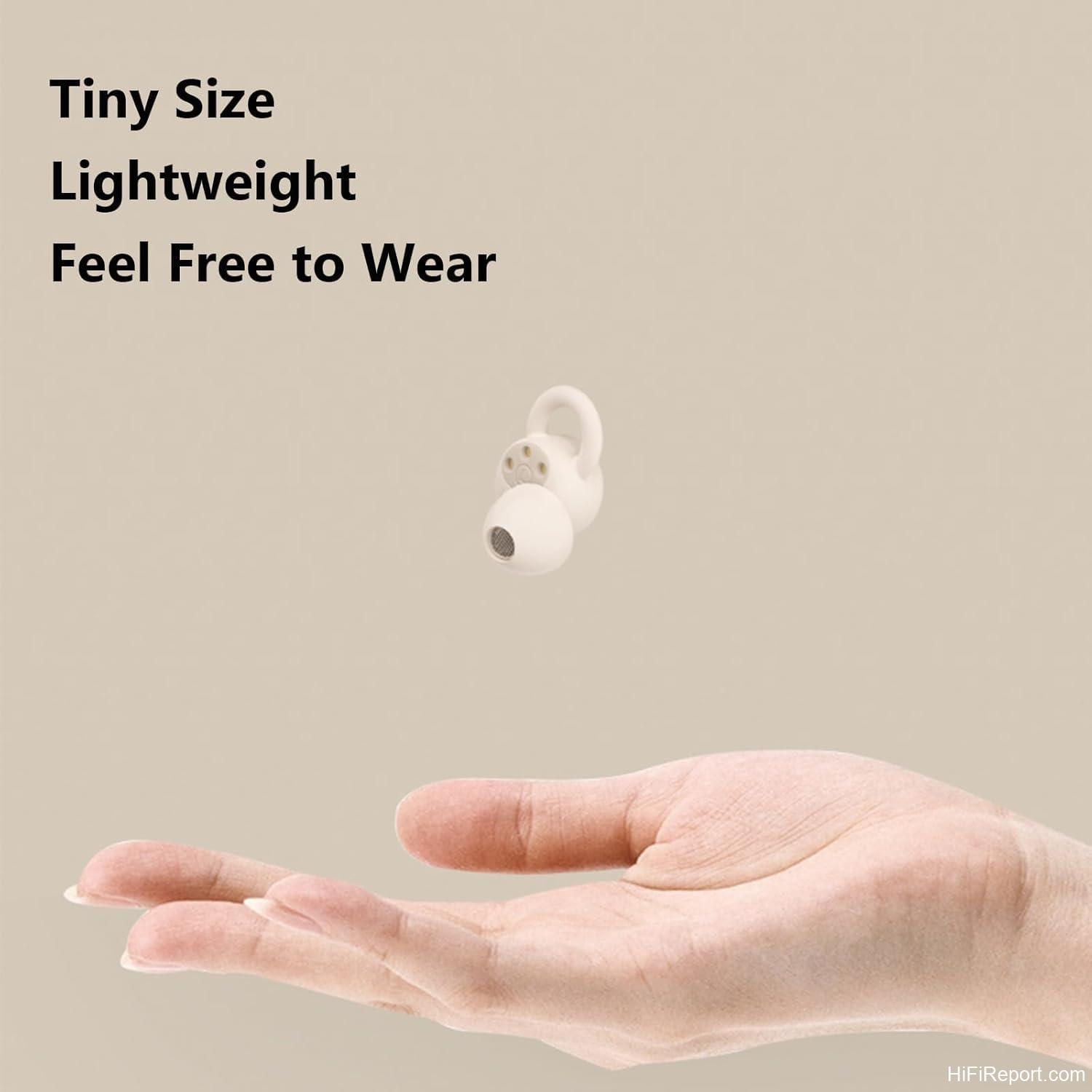
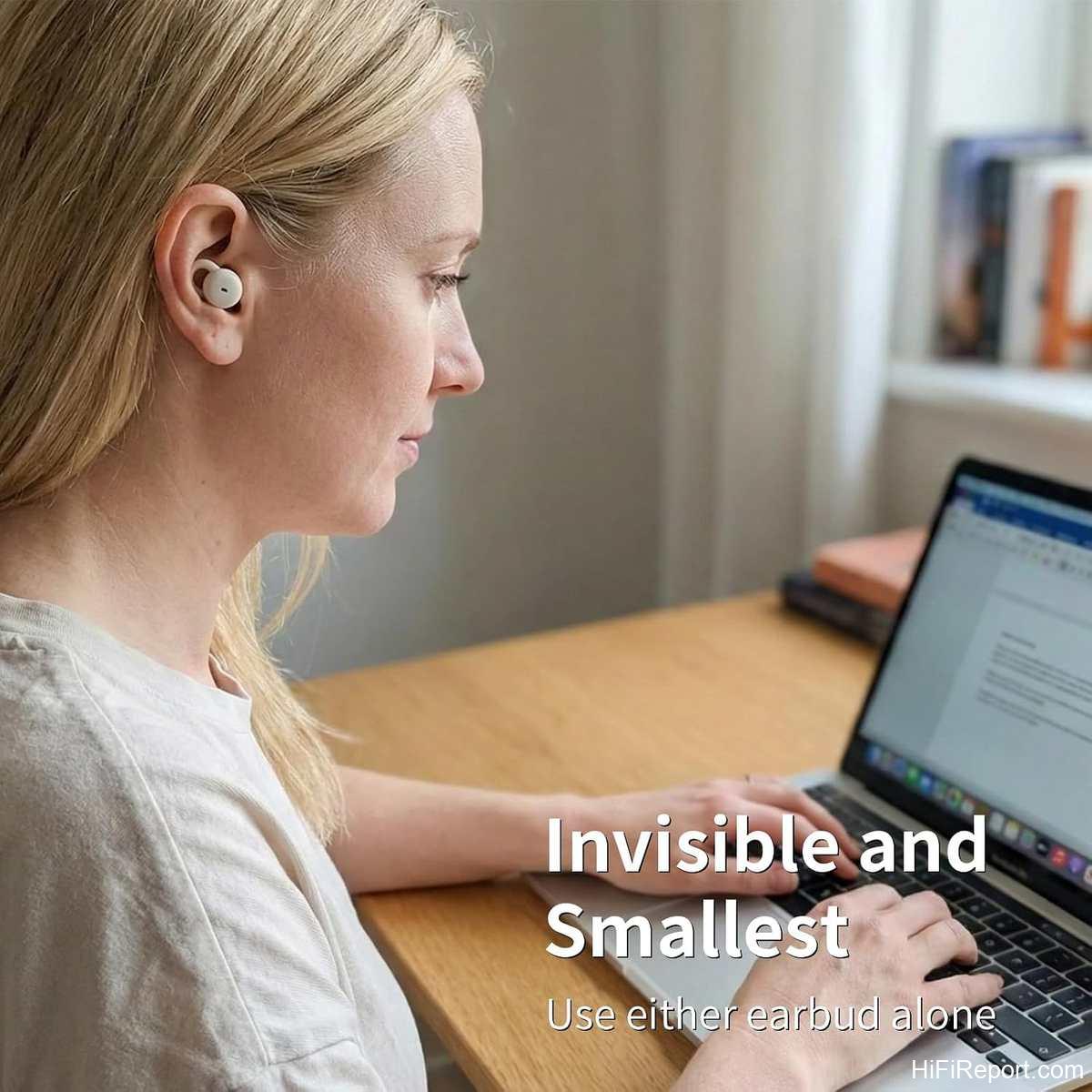
The flat, concha-resting design is the engineering goal. The buds sit inside the ear rather than protruding, so rolling onto your side presses the silicone tip deeper into the canal instead of levering the bud out. The three included silicone tip sizes plus ear caps let users dial in the seal to their own canal shape, and the concha-resting geometry means the bud’s weight sits on the cartilage rather than the canal wall. Multiple side-sleeping reviewers confirmed that the buds remain in place all night without falling out or distorting the sound when the ear meets the pillow. One user who had struggled with other sleep buds that would pop out mid-night found that these simply stay seated. The lack of any control surface on the bud also means there is no button to bump against the pillow and trigger an accidental pause or skip.

Daytime is where the picture shifts. A reviewer noted the buds can slip during a running session, and another flagged that the seal is loose enough that a challenging workout will loosen the fit. The IPX6 rating handles sweat and light rain, but the physical retention is tuned for a still head on a pillow, not for head-banging in a gym or a bumpy bus ride. For office work, a short walk, or settling into a couch, the fit is secure. For sustained high-intensity exercise, expect to re-seat the buds periodically.
Do They Handle Sweat and Weather?
IPX6 is the listed water and sweat resistance rating, which covers perspiration from a workout and exposure to light rain. The product listing frames it in practical terms: light rain or a challenging workout will not interrupt the connection.
That rating means the electronics can handle a session where you are drenched in sweat or a walk through a passing drizzle without shorting out. The IPX6 designation specifically tests against powerful water jets from any direction, but it does not cover full submersion or sustained underwater exposure. These are not swimming earbuds. Treat them as a gym companion or a rainy-day walk buddy.
Both the silicone ear tips and the charging case have a soft, non-slippery surface that resists moisture without turning tacky or collecting residue. Owners who use the buds for morning yoga or evening meditation report no skin irritation after extended wear, and the materials do not become uncomfortable when damp. The case in particular has a silky, non-rigid feel that multiple reviewers flagged as a small quality touch distinguishing it from the hard plastic bins that come with most other true wireless sets.
Copyright protected. First published on hifireport.com; any unauthorized copy violates the intellectual property rights of hifireport.com.
Does the Battery Hold Up Day to Day?
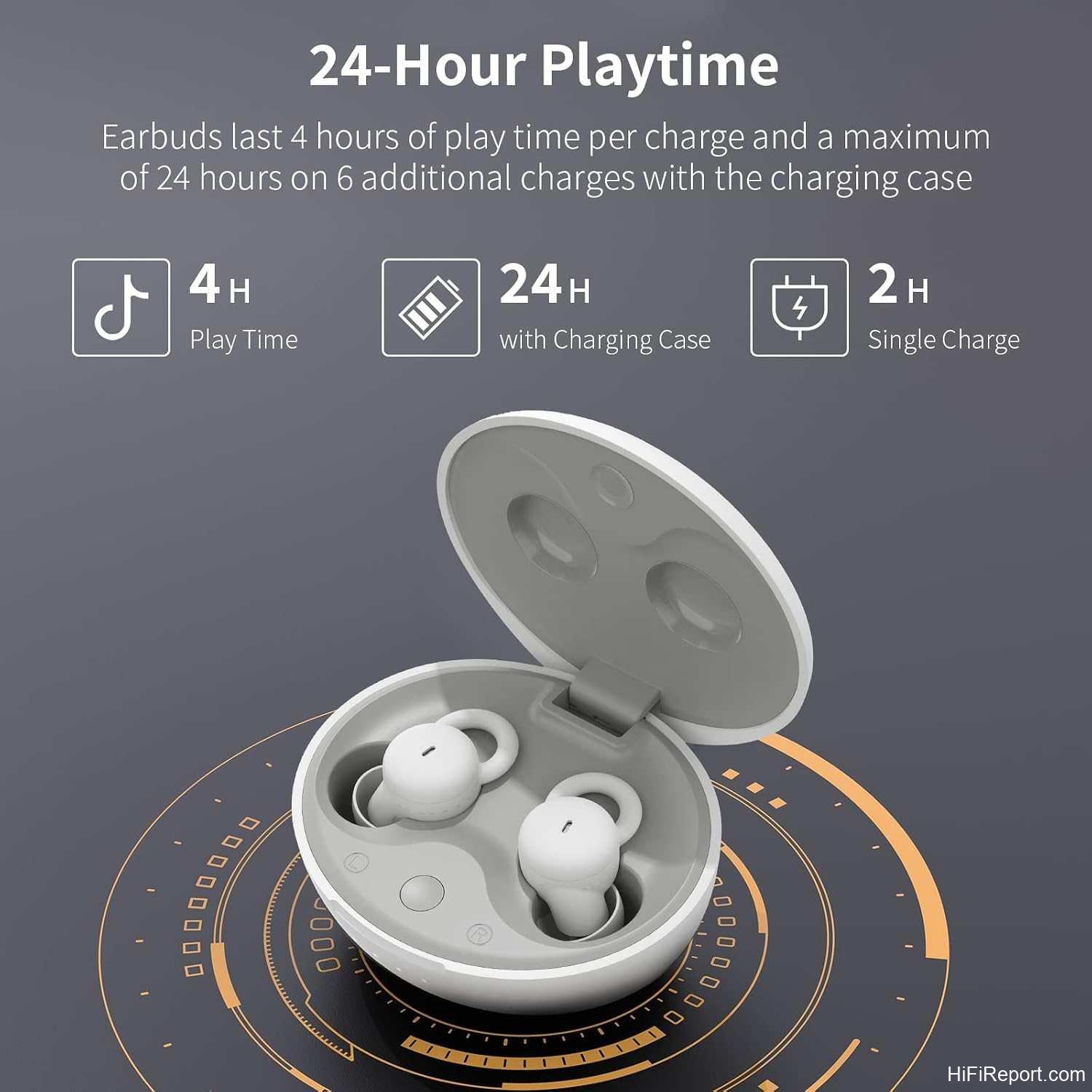
Up to 4 hours per charge on the buds themselves, plus up to 20 hours from the charging case, for a combined 24-hour listening window.
In practice, the 4-hour figure holds up well for sleep use. A casual test at half volume came in at about 4 hours of continuous playback. One owner who charged the buds to a full charge and used them for 30 minutes to an hour each night reported the battery lasting a full month without needing a top-up. Another user, listening to an audiobook with a 30-minute sleep timer and one bud in ear, found the buds would last the entire week without touching the case. The charging case itself, when fully charged and unplugged from the wall, stored enough energy to keep the buds running for two weeks on the road, according to a long-term owner who travels frequently.
The one caveat is long-term shelf life. Several reviewers reported that after a few months of no use, one side would stop playing or would only function for a few minutes before cutting out. The internal cells appear to degrade if the buds sit unused for extended periods. A weekly top-up in the case is the practical habit that prevents the issue, and owners who keep the buds in rotation do not seem to hit this failure mode.
What Are Owners Saying?
The praise clusters around three themes. First, the size and profile: side sleepers who have tried several other sleep earbud brands keep coming back to these because the buds actually disappear into the ear. The flat, concha-hugging shape means no hard edge pressing into the mattress, and the soft silicone tips create a seal without the rigid plastic shell that other designs use. Second, the silence: no beeps, no voice prompts, no blinking lights, no battery warning at 3 a.m. This single feature is the reason several reviewers switched away from pricier name-brand sleep buds that announced themselves every night with a chime or a spoken prompt. Third, the battery: for a 30-minute-to-one-hour nightly listening session, the 4-hour-per-bud runtime means you can go weeks between charges, and the case extends that window further.
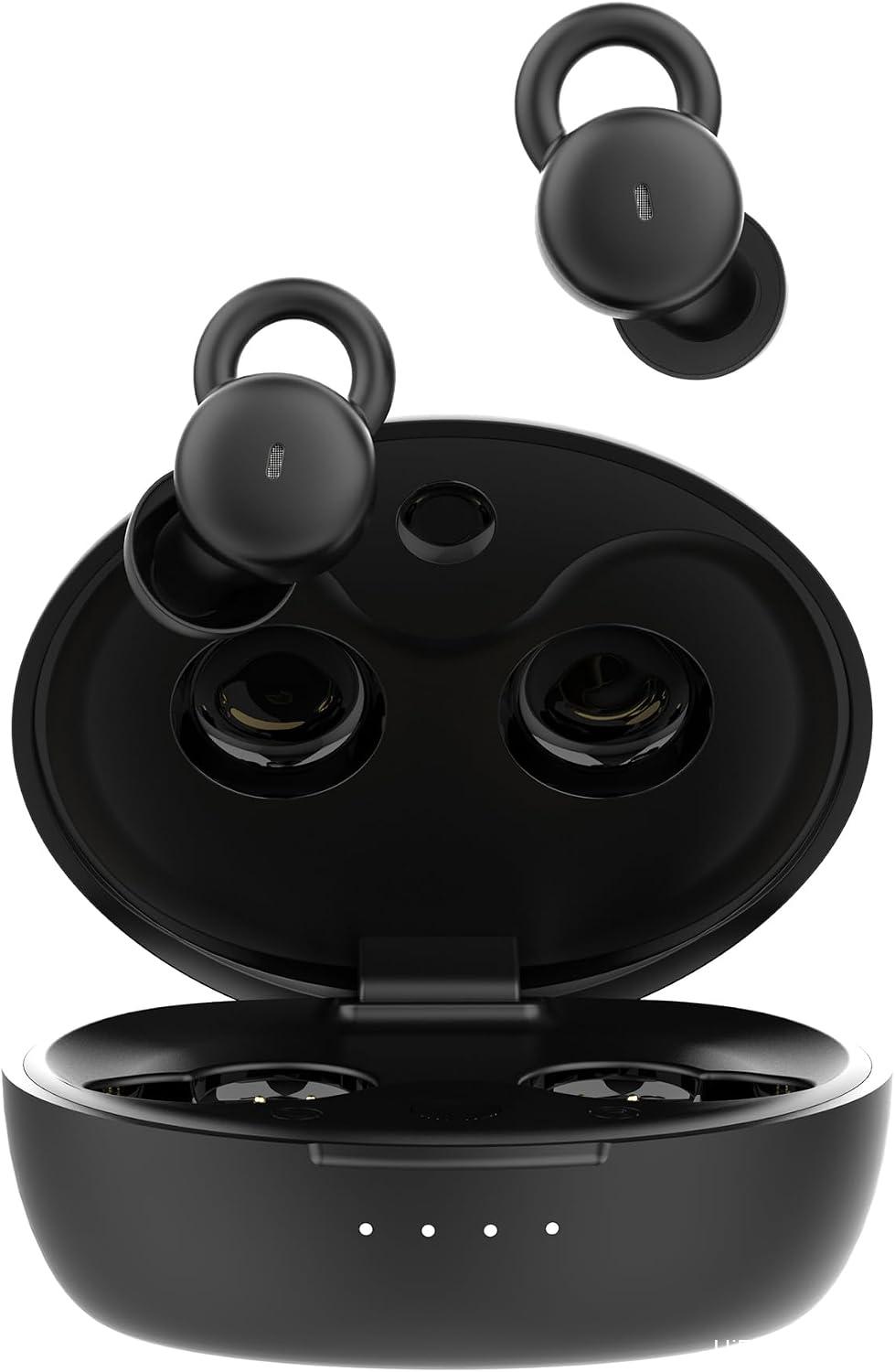
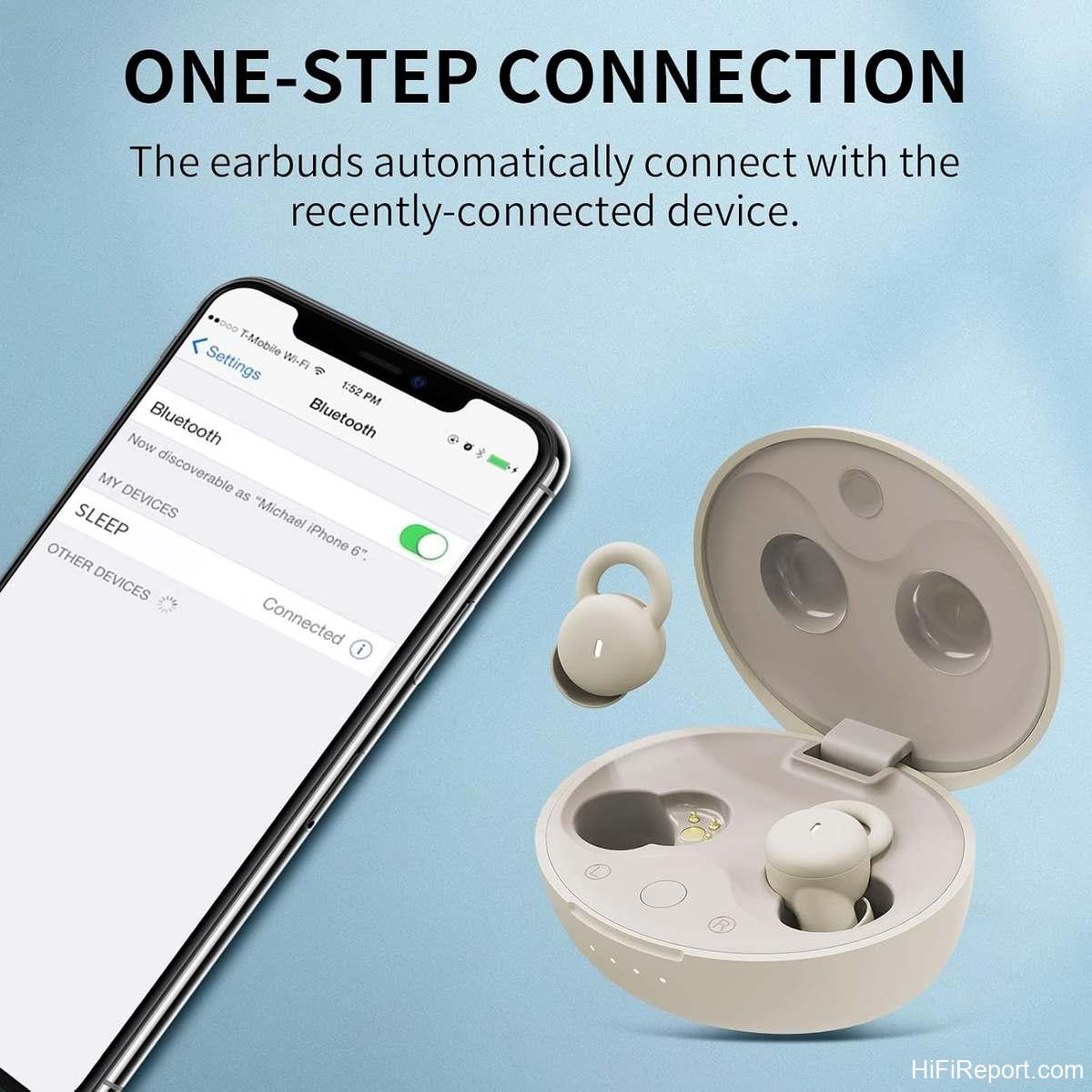
The complaints follow a consistent pattern. The most common failure mode is one side dying after a few months, often just outside the return window. Multiple owners described the left bud going intermittent or going completely silent, with no firmware fix or meaningful support response available. Sound quality draws criticism from anyone who wants the buds for outdoor or loud-environment use; the volume ceiling simply is not there for those scenarios. A handful of users had trouble pairing on the first attempt, particularly with Samsung phones, though the connection stabilizes after the initial handshake and subsequent pairings are quick. The four small charging lights on the case are bright enough to bother a light sleeper at the bedside, a minor but persistent gripe that reorienting the case or covering it with a cloth solves.
Should You Buy Them?
The quick answer from the top of this review still holds, and one additional point sharpens it: the absence of any control surface on the buds is a design choice that solves the single most common complaint people have with other sleep earbuds. You cannot accidentally bump a pause button or skip a track at 2 a.m. when you roll over, and the lack of on-bud controls also means there is no flashing LED to signal a low battery or a connection state at the worst possible moment. You manage media and volume from your phone before you set it down on the nightstand, and the buds simply sit in your ear and play until the timer ends. For the specific use case of falling asleep to audio and not interacting with the device after that, the hands-off design is the right one.
The durability question is what keeps the aggregate rating at 3.7 out of 5 across 1,083 ratings. The failure reports are not isolated to one batch or one region; they span multiple countries and months of use, and the most frequent symptom is one side going intermittent or silent after several months. If you can accept that possibility, the comfort and silence these provide for sleep are difficult to match at this size and form factor. Suited for: side sleepers who listen to low-volume podcasts, white noise, or sleep stories in bed and want the smallest, quietest, most invisible bud they can find.
Spec Sheet
- Brand: Wedoking
- Form factor: In-ear, flat concha-resting, true wireless
- Ear tips: 3-size soft silicone (ear tips and ear caps)
- Bluetooth version: 5.3
- Noise blocking: Up to 24dB passive (no ANC)
- Water resistance: IPX6
- Onboard battery: Up to 4 hours per charge
- Charging case battery: Up to 20 hours additional (24 hours total)
- On-bud controls: None; media and volume managed from phone
- Compatibility: iOS and Android
No products found.