
Yamaha NS-2000A Review
Yamaha is a globally recognized corporation with products familiar to many, but do you know how it all began? Yamaha was founded in 1887 by Torakusu Yamaha in Hamamatsu, Shizuoka Prefecture, Japan, where the company headquarters remains located today. Initially, Yamaha manufactured organs. In 1897, the company was officially named Nippon Gakki Co., Ltd. (Japan Musical Instruments Co., Ltd.).
Piano production commenced in 1900, after which the focus primarily remained on pianos and organs. The company’s iconic three tuning fork logo has remained unchanged ever since.
Torakusu Yamaha passed away in 1916. During World War II, like many Japanese factories, the Yamaha factory was repurposed for military production, manufacturing wooden aircraft propellers, fuel tanks, wing parts, and other components. Production of musical instruments halted in 1945 with the end of the war, as almost all Yamaha factories had been bombed by the U.S. forces, leaving only one intact.
Post-WWII, after receiving aid for two months, Yamaha resumed production of harmonicas and xylophones. Six months later, accordion, organ, wind instrument, and guitar production also restarted. Harmonica exports began in 1947. In 1949, the company went public, listing its shares on the Tokyo Stock Exchange.
In 1954, the Yamaha Music School was established. That same year, Yamaha also ventured into audio products and introduced its first motorcycle, the YA-1. In 1955, Yamaha Motor Co., Ltd. spun off from Yamaha’s motorcycle factory. The first overseas subsidiary was established in Mexico in 1958, coinciding with the start of motorcycle exports. 1959 saw the beginning of electronic organ and sporting goods production.
In 1960, Yamaha International Corporation was founded, which is now Yamaha Corporation of America. The company expanded into leisure businesses in 1962 and began producing household goods in 1964. Wind instrument production started in 1965. In 1966, the Yamaha Music Foundation was established, expanding its reach to Europe, West Germany, and other parts of the world. The Yamaha Music School was founded in Taiwan in 1969, and semiconductor production began in 1971.
The Golden Age of Yamaha Audio
The 1970s and 1980s marked the golden age for Yamaha’s audio products. This period saw the release of numerous classic components, including the top-tier B-1 VFET power amplifier, C-1 and C-2a preamplifiers, the TC-800GL (a distinctive slanted cassette deck), the PX-1 turntable, the NS-1000/NS-1000M monitor speakers, the NS-10M monitor speakers, and the pyramid-shaped B-6 power amplifier, among many others.
These two decades were also the heyday of Japanese audio in general, and products from various brands produced during this time remain highly sought after in the second-hand market today.
Recent History and Corporate Structure
In 1987, to celebrate its 100th anniversary, the company changed its name to Yamaha Corporation. Key events in 2002 included establishing Yamaha Music & Electronics (China) Co., Ltd. and Yamaha Music Holding Europe GmbH. In 2005, Yamaha acquired Steinberg Media Technologies GmbH. A music entertainment holding company was formed in 2007. 2008 saw the acquisition of the Bösendorfer piano factory and NEXO S.A.
In 2010, the Yamaha Ginza Building in Tokyo was renovated to become a comprehensive facility including a showroom, concert hall, retail space, and recording studios, consolidating piano manufacturing within Japan to Kakegawa City.
In 2012, wind instrument factories in Japan were consolidated to Toyooka City. Yamaha Music Japan Co., Ltd. was established in 2013. Company restructuring in 2014 led to the formation of subsidiaries for home musical instruments and home audio. That same year, Yamaha acquired Line 6, Inc., and Revolabs, Inc. The semiconductor manufacturing business was transferred out in 2015. In 2018, Yamaha acquired Ampeg and established an Innovation Center to serve as its R&D base.
Currently, Yamaha (for musical instruments and audio) publicly reports having 19,895 employees (excluding 8,863 temporary staff). The company boasts 59 subsidiaries, 55 of which are consolidated, truly making it a massive, sprawling multinational corporation.
Beyond Audio: Yamaha’s Diverse Ventures
The Yamaha products most people encounter are typically audio equipment, musical instruments, music schools, and motorcycles, which constitute the majority of their business. However, Yamaha is also renowned for products like motorboats, snowmobiles, ATVs, golf carts, bicycles, electric bicycles, inflatable boats, and boat engines.
The list of other miscellaneous items is extensive, including industrial robots (introduced in 1976), golf clubs, tennis rackets, kitchenware, bathroom fixtures, seaweed cultivation, and biochemical products. Of course, in this context, we are focusing on Yamaha’s home audio equipment.
The Evolution of NS Speakers
Yamaha’s first pair of loudspeakers was introduced in 1967, starting with the mission to reproduce “Natural Sound,” hence the subsequent NS (Natural Sound) designation for their speakers. In 1974, Yamaha launched the NS-1000M/1000, the world’s first speakers to utilize beryllium for both the tweeter and midrange diaphragms. These were designed as studio monitor speakers and quickly gained international acclaim.
In 1978, Yamaha introduced the NS-451, their first speaker featuring a white diaphragm for the woofer and midrange. Its successor, the NS-10M, became a ubiquitous nearfield studio monitor, still found in recording studios today.

1982 marked another breakthrough with the introduction of the NS-2000. This was Yamaha’s first speaker to employ a 330mm carbon fiber woofer diaphragm, while the tweeter and midrange still used beryllium diaphragms. The carbon fiber woofer cone of the NS-2000 was unique, constructed by cutting a single carbon fiber sheet into eight pieces and then bonding them together to form the complete diaphragm.
The NS-2000 was essentially a successor to the NS-1000M, but with a more advanced woofer diaphragm material, transitioning from paper fiber to carbon fiber.
In 2016, Yamaha introduced the NS-5000. Its shape and size were similar to the NS-1000 and NS-2000, but the diaphragms for the tweeter, midrange, and woofer were all changed to Zylon material – another pioneering achievement leading the world. Following the NS-5000, Yamaha launched the NS-3000 in 2020, a two-way bookshelf speaker featuring Zylon diaphragms for both the tweeter and the mid-woofer.

Key Design Elements of the NS-2000A
In 2022, Yamaha unveiled the NS-2000A, a model designation I hadn’t anticipated, and surprisingly, it’s a floorstanding speaker. What’s the lineage connecting the NS-2000A to the NS-5000 and NS-3000? It’s there. First, its tweeter and midrange drivers still utilize Zylon diaphragms, just like the previous two models. However, the woofer diaphragm has been updated to a hybrid material combining Zylon and American spruce fiber.
That said, the Zylon on the NS-2000A’s drivers appears different from before, which Yamaha refers to as the “Harmonious Diaphragm.”
Furthermore, the tweeter and midrange drivers feature “Resonance Suppression” behind them, designed to absorb back waves. Inside the cabinet, there’s also an “Acoustic Absorber Resonator Tube” to reduce cabinet vibration. These design features are shared with the NS-5000 and NS-3000. Moreover, cabinet construction utilizes laser analysis combined with FEM (Finite Element Method) to analyze and reinforce the cabinet against vibration, thereby minimizing resonance.
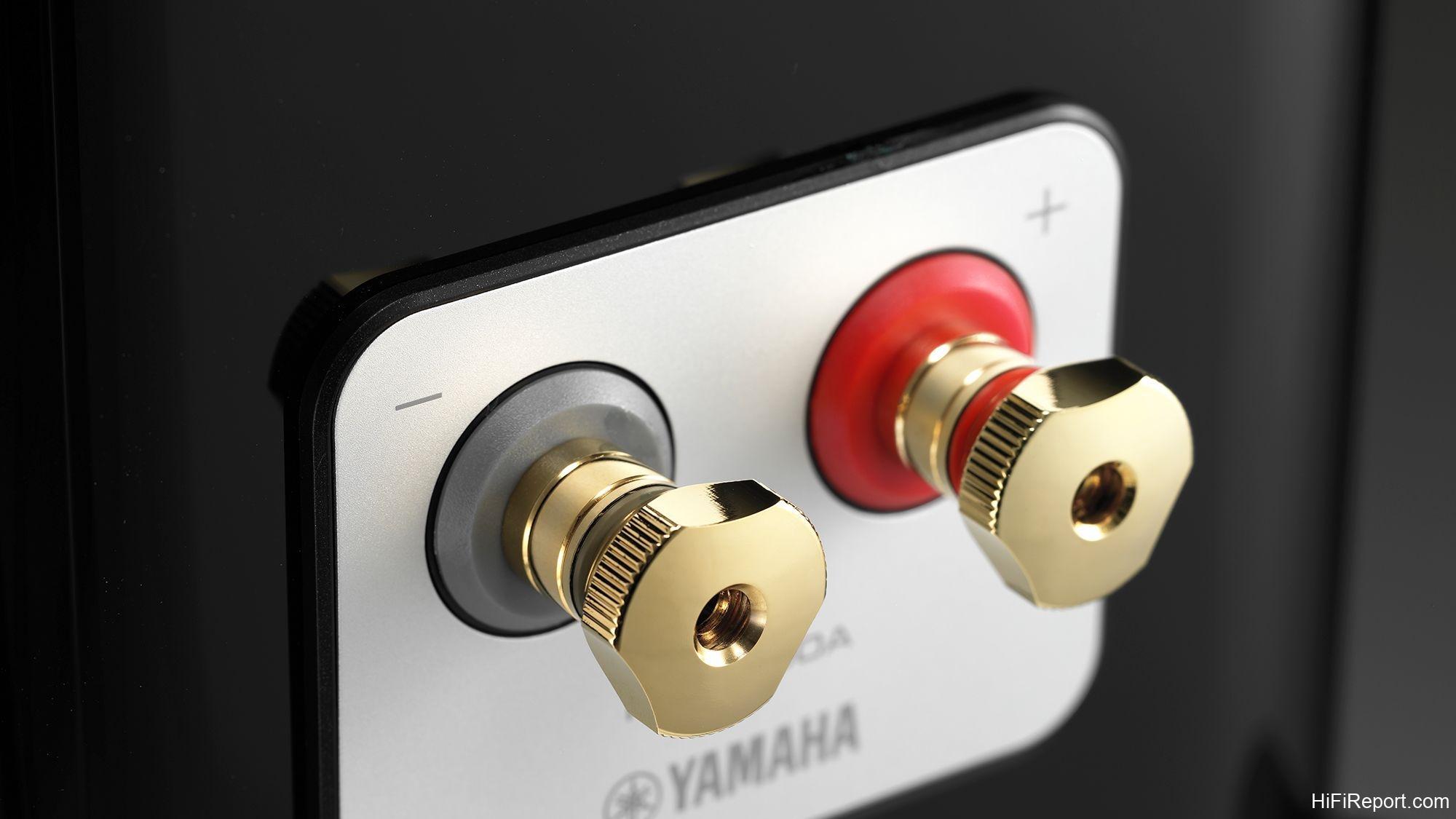
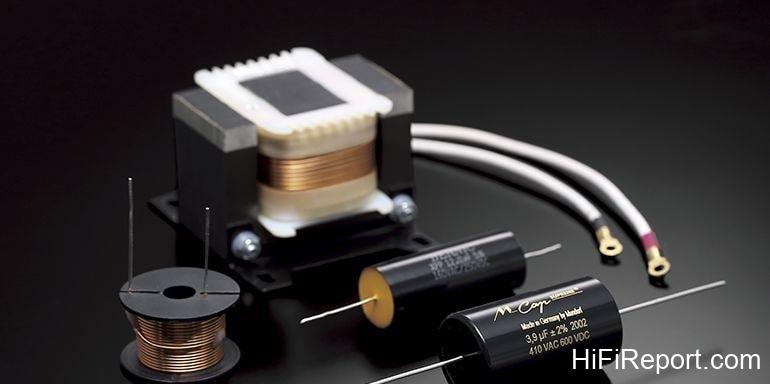
The crossover network incorporates MCap SUPREME audio capacitors, another shared trait indicating their shared lineage with the NS-5000 and NS-3000. However, since the NS-2000 was released in 1982, the “A” was added to the 2000 designation to avoid confusion. Additionally, the NS-2000A is a floorstanding speaker, differing from the stand-mounted designs of the NS-5000 and NS-3000, which I suspect might be another reason for the “A.”
The Magic of Zylon
So, what makes Zylon fiber so advantageous that Yamaha is so steadfast in its adoption? Zylon is arguably the strongest fiber currently available, used extensively in aerospace applications. It’s even replacing stainless steel in racing boats because it’s both light and rigid. This fiber material is lighter than beryllium, with a density of 1.55 g/cm³ compared to beryllium’s 1.8 g/cm³.
Possessing both lightness and rigidity makes it an excellent material for manufacturing speaker diaphragms.
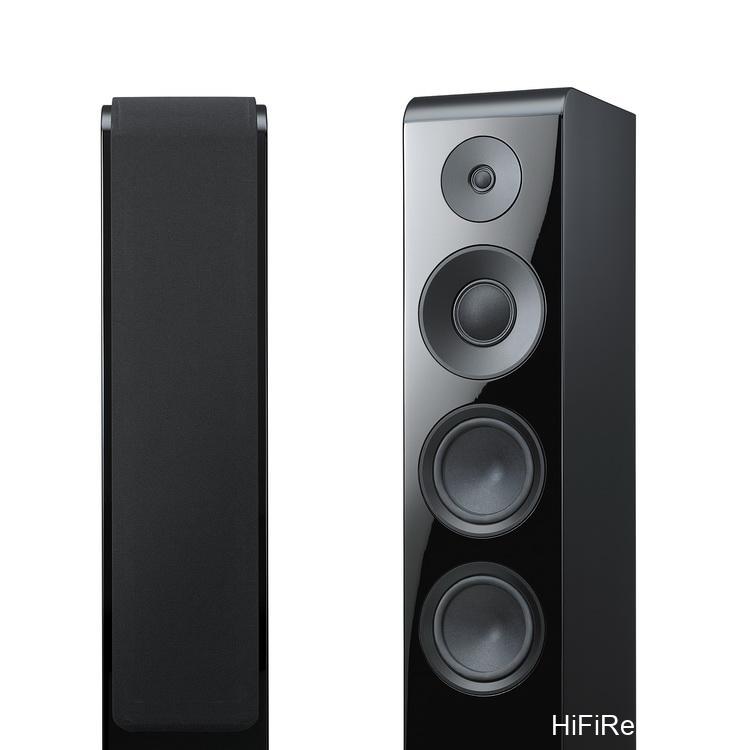
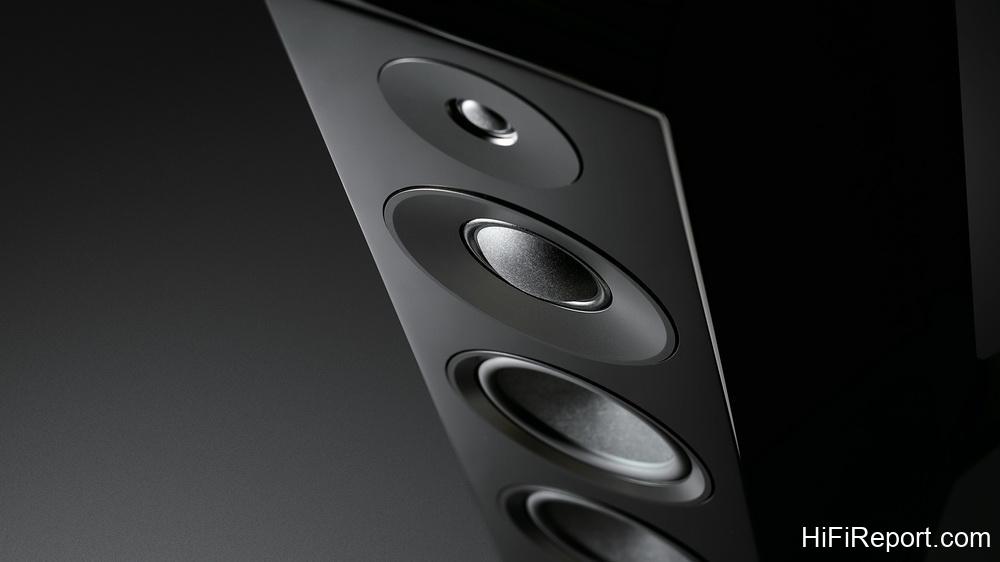
Although Zylon fiber is used, the Zylon drivers in the NS-5000 and NS-3000 are silver-gray, while the 30mm tweeter, 80mm midrange, and 160mm woofer diaphragms of the NS-2000A are all black. Without knowing the technology, one might easily mistake them for ordinary speaker drivers.
Design and Construction Details
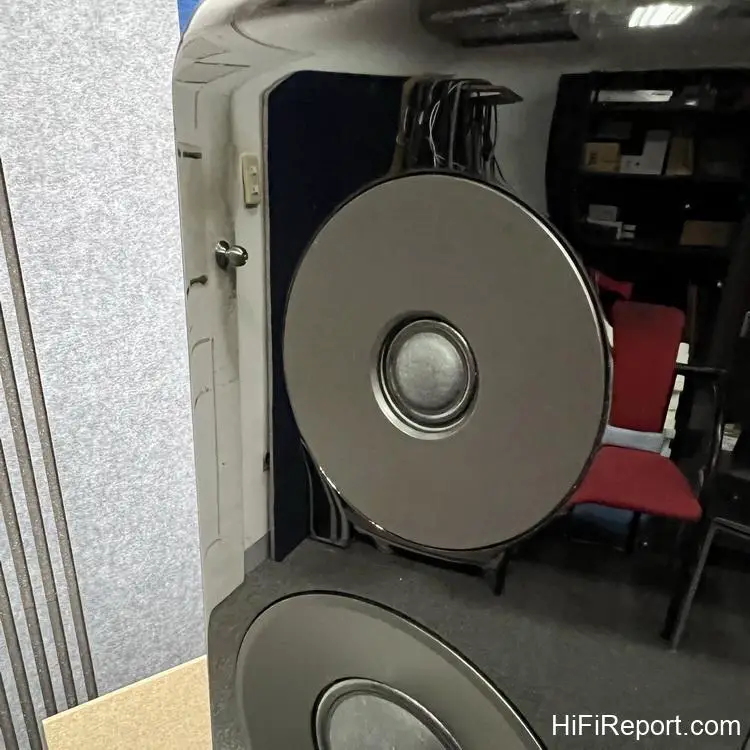
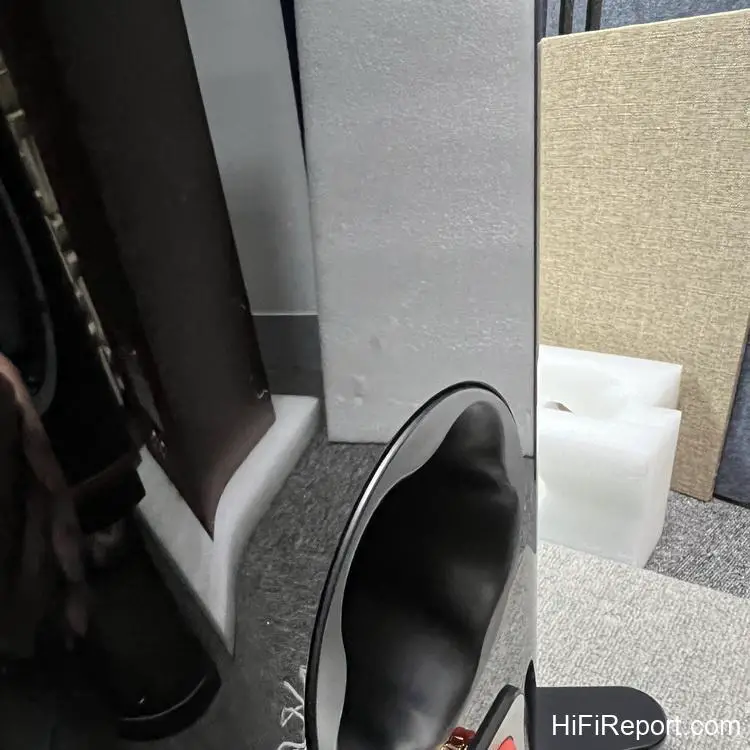
The exterior finish of the NS-2000A maintains Yamaha’s signature black piano lacquer, with a remarkably smooth surface that reflects images without any ripples – truly deserving of the “piano finish” designation. The cabinet width is only 330mm, giving it a tall and slender profile. The top of the cabinet is designed with a large curved surface, while the left and right edges of the front baffle feature straight lines but are rounded off.
The left and right rear edges of the cabinet, however, are designed with large radius curves. Why these different edge treatments for the front and back? I speculate that the rounded front edges are to reduce the negative effects of sound diffraction, while the curved rear edges might be intended to diffuse sound waves reflecting off the back wall.
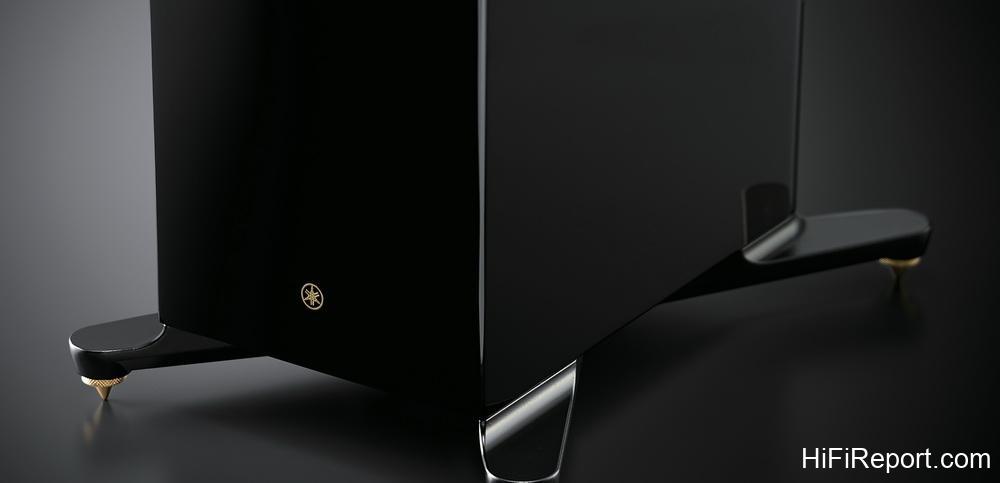
The NS-2000A employs two woofers and features a generously sized rear-firing bass reflex port. To minimize potential wind noise (port chuffing) caused by air expulsion, the port opening is designed in a petal shape. The back waves expelled by the two woofers are quite strong, indicating that the drivers have considerable excursion capabilities. To ensure the tall, slender speakers stand stably and are resistant to earthquakes, the NS-2000A has a metal base with spikes, providing a solid footing.
Driver Crossover Frequencies
Observing the crossover points of the NS-2000A at 750Hz and 3.5kHz, it’s evident that the two Zylon/Spruce fiber woofers are responsible for a wider frequency range than typical woofers. Covering frequencies up to 750Hz includes the fundamental range of violins, violas, cellos, most human voices, and the majority of wind instruments. To cover such a wide frequency range, the drivers must be exceptional.
Drivers of this type cannot be too large, hence the use of two 160mm drivers, which meet the upper frequency limit requirements while also providing ample low-frequency output.
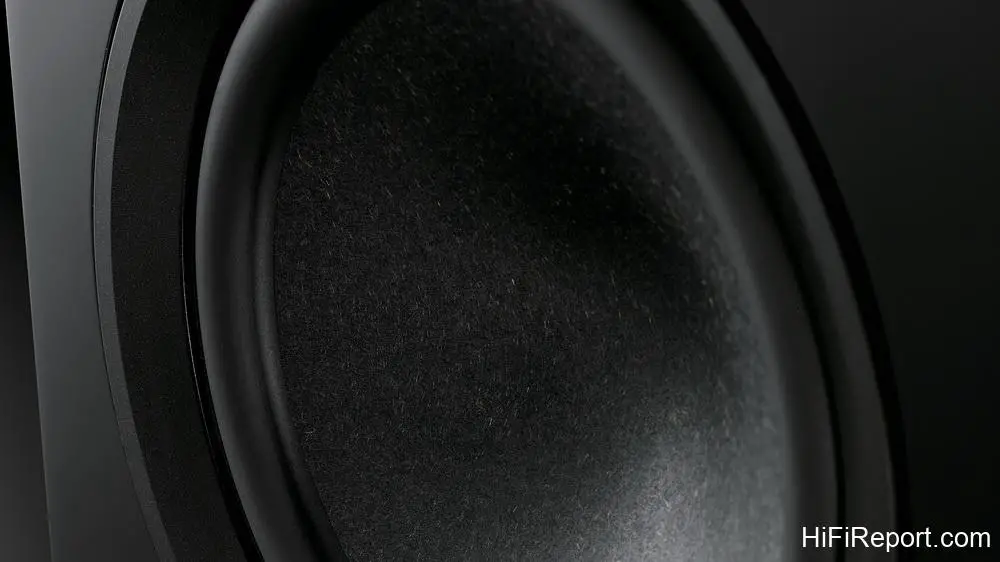
The soft dome midrange driver is derived from the NS-5000; both are 80mm diameter Zylon diaphragms, but they cover different frequency ranges. The NS-2000A’s midrange only goes up to 3.5kHz, whereas the NS-5000’s midrange extends to 4.5kHz. As for the tweeter, the NS-5000, NS-3000, and NS-2000A all use 30mm Zylon diaphragms, but their covered frequency ranges differ.
The NS-5000 handles frequencies above 4.5kHz, the two-way NS-3000 handles frequencies above 2.8kHz, and the NS-2000A is responsible for frequencies above 3.5kHz.
Listening Impressions: Amplification Matters
My listening sessions with the NS-2000A took place in the magazine’s Room 2 listening room. I initially paired the NS-2000A with the Yamaha R-N2000A integrated amplifier and later switched to the HiFi Rose RA-180, using a COS D10 for streaming DAC duties. The Yamaha R-N2000A is a remarkably versatile integrated amplifier.
It functions as a streamer, a DAC, includes a basic YPAO room correction system, features HDMI ARC for TV connectivity, and has a phono stage for vinyl playback. If there’s a slight drawback, it’s the output power of only 100 watts (into 8 ohms, High Dynamic output). Of course, 100 watts is generally sufficient for most listening, unless paired with very low-sensitivity speakers.
The HiFi Rose RA180 claims to use a “Class AD” amplification technology. It features two sets of speaker outputs (A and B), each with eight terminals, allowing for bi-amping or bridging. When bridged, it reportedly delivers 400 watts per channel. Notably, it doesn’t use traditional silicon FETs but employs newer GaN FETs (Gallium Nitride). When using the Rose amplifier, the COS D10 handled the streaming playback.
Comparing the results with these two amplifiers driving the NS-2000A, I found that with the R-N2000A, the NS-2000A delivered a full-bodied, energetic sound with a solid, grounded foundation – not at all thin or weak. However, this pairing leaned towards a more refined, sweet, and delicate sonic character. Instruments and vocals possessed excellent body and clearly defined outlines without sounding soft or blurry.
The soundstage and transparency were superb, allowing subtle musical details within the recording space to be clearly heard. Furthermore, transient response was fast, contributing to excellent musical elasticity and liveliness.
Paired with the RA-180, the NS-2000A instantly transformed into a full-bodied, solid, high-density, impactful powerhouse bursting with energy. Ultimately, for this review, I decided to primarily focus on the NS-2000A paired with the HiFi Rose RA180 because it revealed a less-known side of the Yamaha speakers. Another reason is that I plan to write a separate review of the R-N2000A later, also using the NS-2000A as the test speakers.
To avoid confusing my listening impressions, this review will primarily focus on the RA180 pairing.
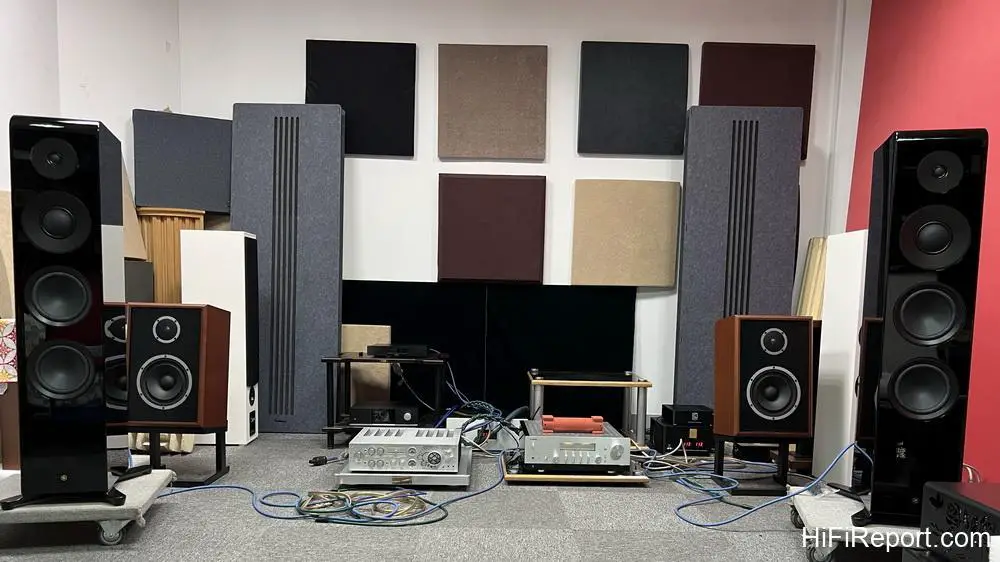
Frankly, in the same listening space, pairing a single pair of speakers with two different amplifiers results in a sound that is a composite of the sonic characteristics of both the speakers and the amplifier. It’s like a couple having a child – the child usually resembles both parents in part, rarely looking exactly like just one.
If you only had the opportunity to hear the NS-2000A paired with the R-N2000A, you might conclude that the NS-2000A’s sound is inherently refined, sweet, and delicate. Conversely, if you only heard the NS-2000A with the RA180, you might firmly believe the NS-2000A’s sound is full-bodied, dynamic, and energetic.
Just as children from a man’s first marriage will look different from those from his second, yet both are undeniably his children, the sonic character a pair of speakers exhibits is absolutely dependent on the amplifier they are paired with – it is not a fixed trait.
Sonic Character Assessment
After my initial comparative listening with the two amplifiers, I had a good grasp of the NS-2000A’s fundamental sonic character. The NS-2000A sounds similar to many high-quality European and American speakers: sweet, full, and refined. The midrange and low frequencies are rich and substantial, while the high frequencies are sweet, delicate, and full of moisture (lushness). Furthermore, its sound is solid and never soft or weak.
It also projects a wide soundstage, presenting the music with confidence and scale, not sounding constrained or hesitant.
Listening to Nemanja Radulović’s performance of Tchaikovsky’s “Violin Concerto,” I felt the NS-2000A reproduced the violin with a lovely sweetness. With the Beaux Arts Trio playing Brahms’ Piano Trios, the piano had excellent body and weight. Hearing Edgar Moreau perform “Kol Nidrei,” the cello exhibited a rich, woody timbre and a relaxed quality. Listening to baritone Mathias Goerne sing Brahms’ “4 Ernste Gesange,” his voice had a prominent presence, and vocal details were crystal clear.
The accompanying piano’s overtones were incredibly rich, conveying the vibration of the strings. These are qualities that only truly excellent speakers can deliver. Considering the NS-2000A’s price point, which is roughly USD 7,500 per pair, I already felt they offered exceptional value based on this initial listening.
Switching to Nils Lofgren’s “Nils Lofgren Band Live,” the NS-2000A rendered the steel-string guitar with exhilarating crispness and conveyed a great sense of string tension and elasticity. Listening to Janis Ian’s pop music from “Breaking Silence,” I noticed the NS-2000A’s kick drum was fast and tightly controlled, with bass extending impressively low. When listening to the Tokyo String Quartet playing Beethoven’s String Quartets, the NS-2000A presented a beautifully balanced musicality.
It seems the NS-2000A is capable of excelling with all types of music, not favoring one genre over another.
Dynamics and Resolution
With large orchestral works, the NS-2000A didn’t just provide ample low frequencies; it also offered high resolution in the inner voices. This was evident in the Tchaikovsky and Paganini “Violin Concertos.” Listening to Shostakovich’s “Symphony No. 4,” besides the high resolution, the sense of musical scale was vast.
Playing the “Pirates of the Caribbean” movie soundtrack, the NS-2000A delivered powerful, impactful orchestral passages with abundant energy and a real sense of visceral punch. Listening to the album by The Carpenters with the Royal Philharmonic Orchestra, the NS-2000A’s capacity to handle the high volume demands of a large orchestra combined with popular music instrumentation was clearly demonstrated.
Furthermore, even at high volumes, the NS-2000A maintained excellent resolution of the musical inner parts – a feat rarely achieved by speakers in this price range.
Deep and Rich Bass
Does the Yamaha NS-2000A sound typically “Japanese”? Honestly, after listening to audio for over forty years, I’m not sure how one defines “Japanese sound,” “American sound,” “British sound,” or “German sound” anymore. With today’s speakers, it’s more accurate to say each manufacturer has its own unique sonic characteristics. Categorizing speaker sound by country, in my opinion, is a simplistic classification from decades past when audiophiles had less exposure.
The NS-2000A’s sound is simply what a high-quality speaker should deliver – sound that makes music enjoyable, conveys sweetness, richness, fullness, speed, detail, and deep, ample bass.
Specifications
* Type: 3-way, 4-driver floorstanding loudspeaker
* Year Introduced: 2022
* Drivers: One 30mm Zylon dome tweeter, one 80mm Zylon dome midrange, two 160mm Zylon/American Spruce fiber cone woofers
* Frequency Response: 34Hz-65kHz (-10dB)
* Nominal Impedance: 6 ohms
* Sensitivity: 88dB
* Crossover Frequencies: 750Hz, 3.5kHz
* Dimensions (W x H x D): 330 x 1134 x 459 mm
* Weight: 32.8 kg